Chronic ankle instability: exercises for an ankle that keeps rolling
Chronic ankle instability is an ankle that keeps rolling or giving way, with repeated sprains and ongoing pain, swelling, stiffness or weakness, more than a year after the first sprain. It is common: in one cohort of 70 people seen after a first sprain, 40% had it a year later.
It isn't just loose ligaments. Balance, strength and the sense of where your ankle is all play a part, which is why balance and strength training is the first-line treatment. This plan follows a 6-week trial programme, then keeps the balance habit going.
Exercise is for pain that has been checked or is clearly mild and settling.
Get urgent medical help if
Call 999 or go to A&E: after an injury, you heard a crack, the foot or ankle has changed shape or points at an odd angle, a bone is sticking out, there is a bad cut over it, you're in severe pain, or the toes look blue or white, feel numb or are cold to touch. These can mean a broken bone. Don't drive yourself.
Same day (urgent GP appointment or NHS 111): after an injury, you can't put weight on it or walk more than a few steps, the pain is very bad or getting worse, there is a lot of swelling or bruising or it is getting worse, or it feels very stiff. If you think it's broken, don't treat it yourself.
Call 999: calf or leg pain or swelling with breathlessness or chest pain. It could be a clot that has reached the lungs.
Same day: a sudden, very painful, hot, swollen, red joint, often the big toe, especially with a high temperature, feeling shivery or being unable to eat. It may be gout, but it could be a joint infection (septic arthritis), which is urgent.
See a doctor or physiotherapist if
Pain, clicking, locking or swelling that carries on despite a good rehab programme. Cartilage, tendon and other problems are common alongside an unstable ankle and need assessing.
Pain that isn't better after 2 weeks of looking after it yourself, is getting worse, keeps coming back, or stops you doing normal things.
Tingling or loss of feeling in the foot, or a foot that feels weak.
Understand it
What it is, and how commonEmerging evidence
Researchers define it by a significant first sprain, repeated giving way or re-sprains, and a questionnaire such as the Cumberland Ankle Instability Tool. Estimates of how common it is vary: up to 40% of people develop it after a first sprain, while a Cochrane review puts it at 10% to 20%.
The clinical guideline describes a mix of looser ligaments and sensorimotor problems: balance, strength and the sense of where the ankle is. Chronic instability is linked to being less active, a poorer quality of life and earlier ankle arthritis.
Ongoing pain, clicking, locking or swelling despite good rehab can mean cartilage, tendon or other problems, which are common alongside instability: ask to be referred. Pain behind the bony bump on the outside, sometimes with snapping, may be the peroneal tendons, which are easy to confuse with a ligament problem.
Balance and neuromuscular training come firstStrong evidence
The clinical guideline gives its top grade to balance and neuromuscular exercise to improve stability and the feeling of stability. A systematic review found balance training gave the most consistent improvements in function. A 2025 meta-analysis of 26 trials (1,032 people) found exercise improved scores on the Cumberland questionnaire by about 4.6 points over control groups, at very low to moderate certainty. A Cochrane review found neuromuscular training improved function at the end of 4 weeks of training, with no long-term data.
In a trial of 39 people with chronic ankle instability, 20 minutes three times a week for 6 weeks of either balance training (hop to a steady landing, hop and reach, a hopping box drill, single-leg stance with eyes open then closed) or strength training (band work in three directions plus single-leg heel raises from a step) improved strength, balance and side-hopping times; a cycling group didn't. Self-reported function improved in all groups, including the cyclists.
In another trial, 4 weeks of balance training changed how the shin and rearfoot moved together in walking, without changing how loose the ligaments were.
Braces and tape: for sport, not instead of trainingEmerging evidence
A brace or tape on its own doesn't improve balance in chronic instability, but a brace still cuts repeat sprains in sport: in one trial 15% re-sprained with a brace against 27% with home training alone. Wear it for sport while you train.
The guideline suggests checking hip strength (moving the leg out to the side and back, and turning it out) in chronic instability. Adding hip exercises, as this plan does, is an editorial step.
A Cochrane review found too little evidence to prefer one operation over another, and that starting rehab early after surgery beat 6 weeks of immobilisation. The Dutch guideline keeps surgery for people who don't respond to thorough exercise-based treatment.
Some discomfort during exercise is fine. Aim for pain you would call mild to moderate, no more than about 5 out of 10, that settles within an hour, with no more swelling or stiffness the next morning. If it's worse the next day, do a little less (a smaller range, fewer reps, a lighter band), not nothing.
The exceptions: pain in one spot on a bone should be pain-free, because it could be a stress fracture; burning, tingling or numbness means stop that movement; and if your feet are numb, pain won't warn you, so check your skin after exercise.
If pain climbs day after day, or you notice a warning sign, stop and get it checked. The 5 out of 10 figure is an editorial starting point that matches this site's other pain guides, not a tested rule.
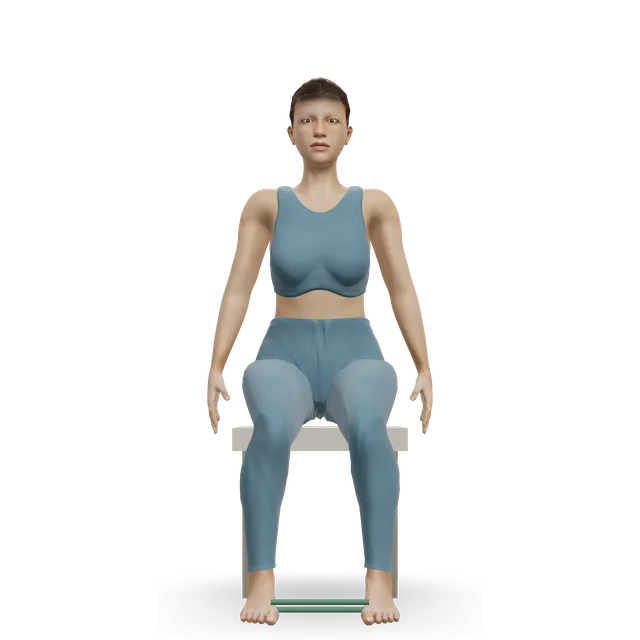
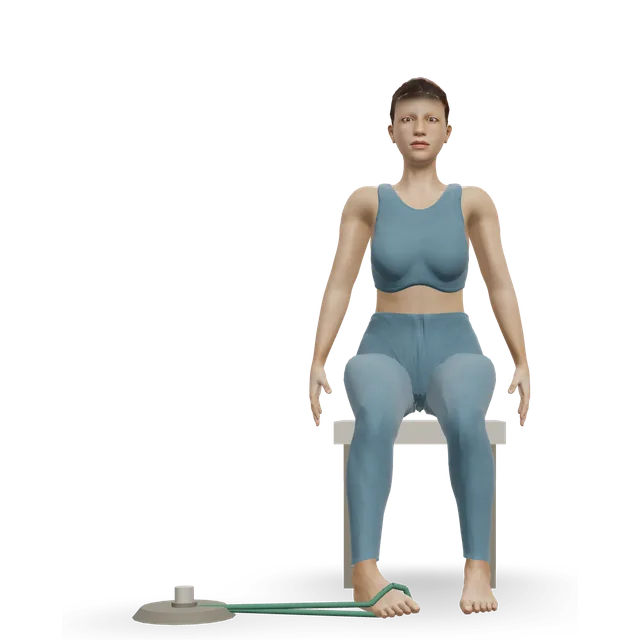
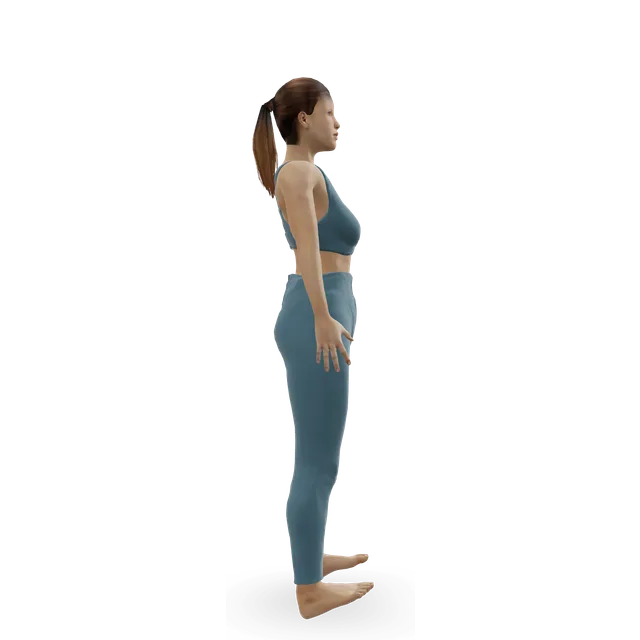
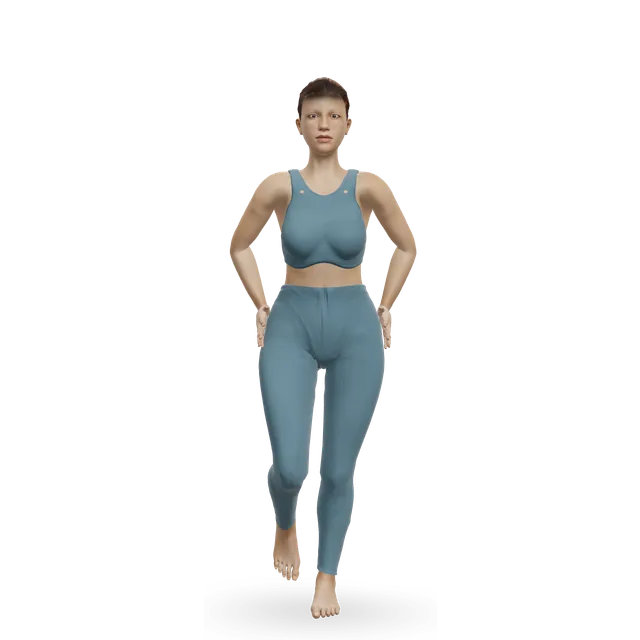
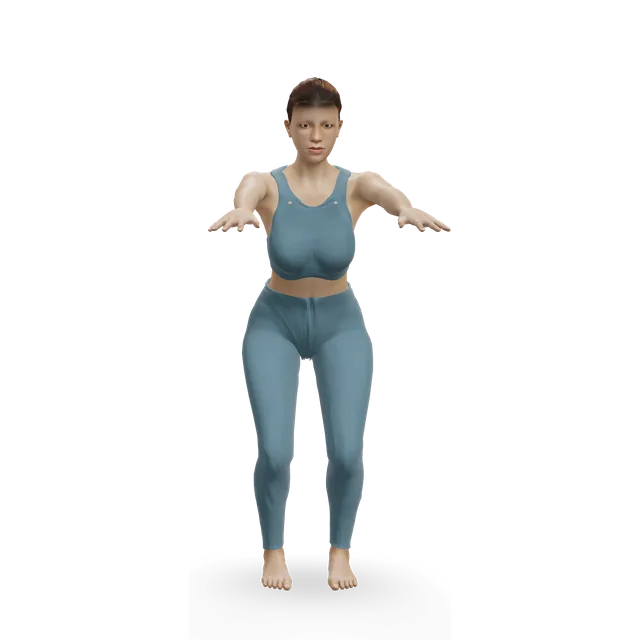
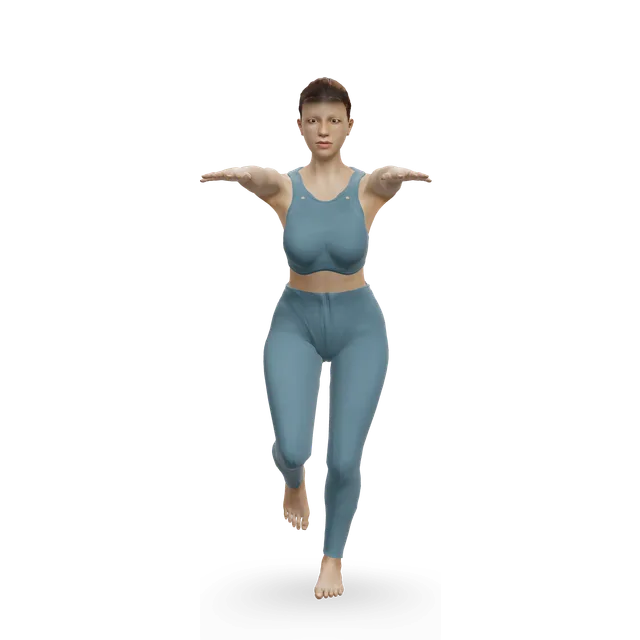
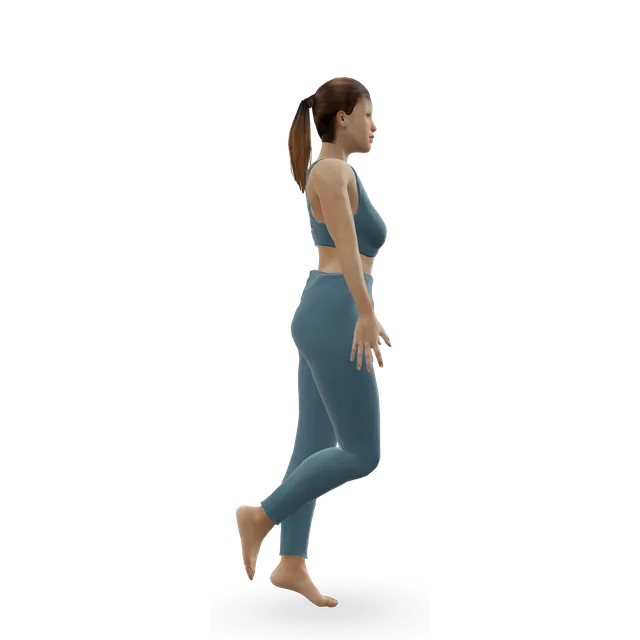
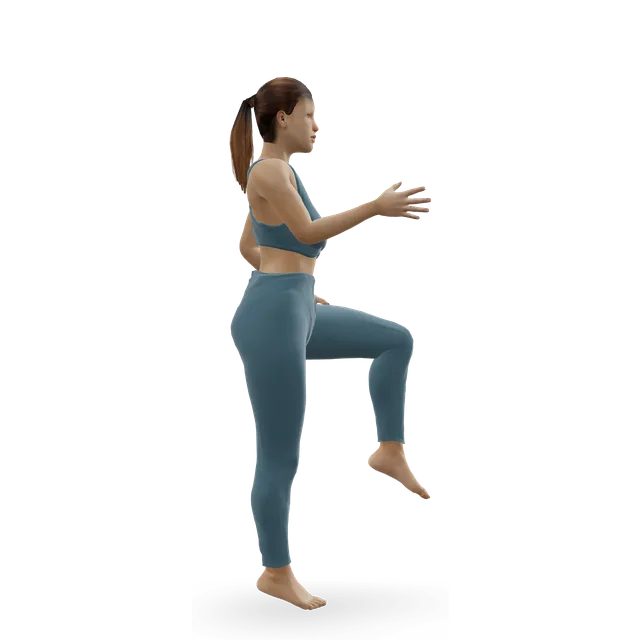
Start at the first stage. Each move opens a full guide with a 3D demo.
Stage 1
Base: balance, bands and heel raises
Weeks 0 to 2. Three sessions a week of about 20 minutes, as in the Hall 2018 trial, whose doses are named below; the rest are editorial starting points.
The guideline measures balance with eyes closed and in reaching directions, and the trial moved people on once they made no errors. Progress from the floor to a cushion, eyes open to closed, standing still to reaching to hopping.
Reduced ankle bend is checked in every guideline examination. Keep the knee-to-wall rocks going, and see a physiotherapist if it stays stiff: hands-on joint mobilisation has the guideline's top grade for improving ankle bend and balance in the short term.
After a sprain, the ligaments can stay looser, and balance, strength and the sense of where your ankle is can stay below par. Together they make the ankle easier to roll again. Balance and strength training targets the parts you can change.
Will exercise fix chronic ankle instability, or do I need surgery?
Exercise comes first: balance and neuromuscular training has the guideline's top grade. Surgery is kept for people who don't improve with thorough exercise-based treatment, and there isn't enough evidence to prefer one operation.
Do ankle braces weaken your ankle?
No source behind this guide shows that braces weaken the ankle. A brace cuts repeat sprains in sport; it just doesn't train your balance, so do both.
How long until my ankle is stronger?
The trials ran 4 to 8 weeks: 6 weeks of three sessions a week improved strength and balance in one, and an 8-week balance programme cut repeat sprains in another. Keep the balance work going after that.
Is there a test for chronic ankle instability?
Clinicians use your history of sprains and giving way, plus questionnaires such as the Cumberland Ankle Instability Tool. This guide can't diagnose it; see a physiotherapist if your ankle keeps giving way.
Are weak ankles caused by flat feet?
Not as a rule. In a review of 21 cohorts, a flat (pronated) foot wasn't linked to foot and ankle injuries. If your arch is dropping or painful, especially on one side, see the flat feet guide.
Exercise education, not a diagnosis or treatment plan. It is written from the guidelines and studies listed above; review by a clinician is pending. If your pain follows an injury, is severe, is getting worse, or comes with any warning sign listed on this page, get it assessed. Health disclaimer.