Ankle arthritis and stiff ankles: what exercise can and cannot do
Osteoarthritis of the ankle causes pain and swelling, stiffness after rest, and sometimes grating and unsteadiness. Unlike knee and hip arthritis, it usually follows an injury: in one series of 406 painful, advanced ankles, 78% followed an injury.
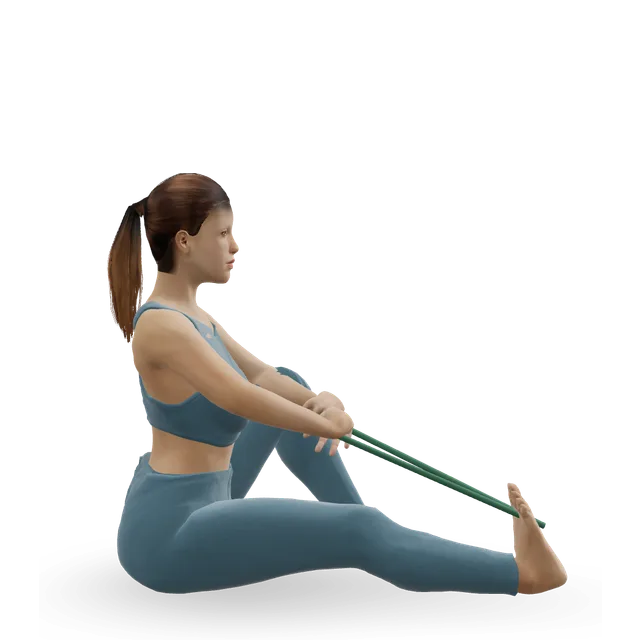
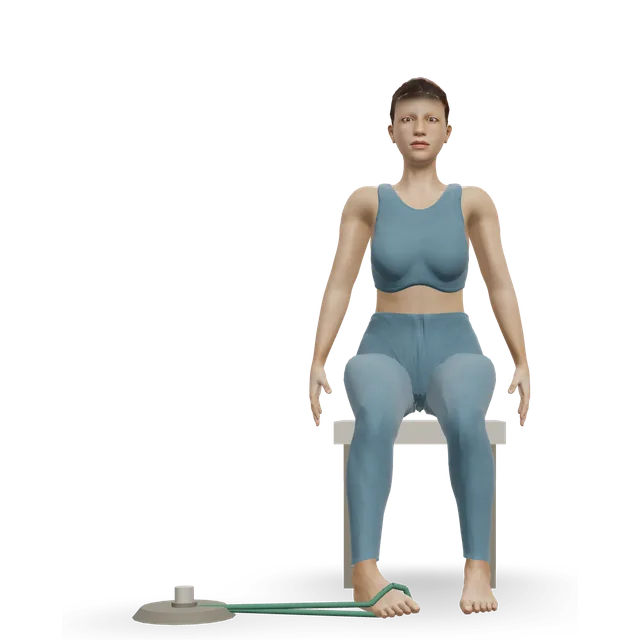
Exercise trials for the ankle are thin, so this plan follows NICE's advice for osteoarthritis in any joint: tailored strengthening, general fitness, and weight loss if you need it. A stiff ankle after a sprain or fracture responds to the same mobility work.
Exercise is for pain that has been checked or is clearly mild and settling.
Get urgent medical help if
Same day: a sudden, very painful, hot, swollen, red joint, often the big toe, especially with a high temperature, feeling shivery or being unable to eat. It may be gout, but it could be a joint infection (septic arthritis), which is urgent.
Call 999 or go to A&E: after an injury, you heard a crack, the foot or ankle has changed shape or points at an odd angle, a bone is sticking out, there is a bad cut over it, you're in severe pain, or the toes look blue or white, feel numb or are cold to touch. These can mean a broken bone. Don't drive yourself.
Call 999: calf or leg pain or swelling with breathlessness or chest pain. It could be a clot that has reached the lungs.
Call 999 or go to A&E: a foot or leg that is suddenly cold, pale, numb, weak or very painful without an injury. A sudden loss of blood supply is a vascular emergency.
See a doctor or physiotherapist if
Pain that isn't better after 2 weeks of looking after it yourself, is getting worse, keeps coming back, or stops you doing normal things.
An ankle that keeps giving way months after a sprain.
Any foot pain if you have diabetes: foot problems can be more serious.
Tingling or loss of feeling in the foot, or a foot that feels weak.
Understand it
Why old injuries matterEmerging evidence
In 406 painful end-stage ankles, 78% followed an injury, 13% followed another disease and 9% had no clear cause. Arthritis UK notes that injuries particularly raise the risk at the ankle, and an ankle that keeps giving way after sprains is linked to earlier arthritis.
You don't need a scan to be told it's arthritisStrong evidence
NICE diagnoses osteoarthritis without imaging in people aged 45 or over with joint pain on activity and either no morning stiffness or stiffness lasting no more than 30 minutes, and advises against routine scans to follow it up.
Stiffness is common after a sprain or a fracture. NHS leaflets use the knee-to-wall rock to bring back ankle bend; after a fracture or ankle surgery, follow your team's advice on when to start.
A 2021 review found poor evidence for treatments without surgery in ankle osteoarthritis, mostly borrowed from hip and knee studies. The first trial of education plus exercise is still at the feasibility stage: 30 people with an average age of 66, of whom 71% kept to the programme.
General osteoarthritis advice: tailored exercise, and weightStrong evidence
NICE advises exercise tailored to you, with local strengthening and general aerobic fitness, possibly in supervised sessions, and warns that pain may rise at first. It supports weight loss if you need it: any amount helps, and 10% helps more than 5%. It advises against routinely offering paracetamol or weak opioids; steroid injections give 2 to 10 weeks of relief.
Arthritis UK suggests cushioned soles, a light but stiff walking boot for ankle pain, and adding a rocker sole to shoes; no ankle trial of these was found. NICE suggests considering walking aids, and not routinely offering insoles, braces or supports unless the joint is unstable or loaded abnormally and exercise alone won't do.
Calf stretching increased ankle bend by about 2 to 3 degrees in a systematic review; whether that makes a real difference is unclear. After sprains, hands-on joint mobilisation by a physiotherapist has the guideline's top grade for improving ankle bend in the short term: worth asking about if the ankle stays stiff.
Some discomfort during exercise is fine. Aim for pain you would call mild to moderate, no more than about 5 out of 10, that settles within an hour, with no more swelling or stiffness the next morning. If it's worse the next day, do a little less (a smaller range, fewer reps, a lighter band), not nothing.
With arthritis, NICE warns that joint pain may rise when you start exercising, but regular exercise will still help.
The exceptions: pain in one spot on a bone should be pain-free, because it could be a stress fracture; burning, tingling or numbness means stop that movement; and if your feet are numb, pain won't warn you, so check your skin after exercise.
If pain climbs day after day, or you notice a warning sign, stop and get it checked. The 5 out of 10 figure is an editorial starting point that matches this site's other pain guides, not a tested rule.
Yes, within the pain rule. NICE advises general aerobic fitness alongside strengthening. If walking flares it, cycling and swimming are gentler options.
What are the best shoes for ankle arthritis?
Arthritis UK suggests cushioned soles, a light but stiff walking boot, or a rocker sole. No ankle trial of these was found, so go by comfort.
Will ankle arthritis get worse?
Not necessarily: Arthritis UK says symptoms probably won't get worse and may improve. Exercise and weight management are what NICE recommends to keep you moving.
Should I wear an ankle brace for arthritis?
NICE says not to routinely offer braces or supports for osteoarthritis unless the joint is unstable or loaded abnormally and exercise alone isn't enough. Ask a physiotherapist if your ankle gives way.
Why are my ankles stiff in the morning?
Stiffness after rest is typical of osteoarthritis; NICE's description includes morning stiffness lasting no more than 30 minutes. Ankle circles and knee-to-wall rocks help many people loosen up.
How do I loosen a stiff ankle after a sprain or fracture?
The same mobility work helps: knee-to-wall rocks, ankle circles and calf stretches, though stretching adds only a few degrees on average. After a fracture or surgery, follow your team's advice on when to start, and see a physiotherapist if it stays stiff.
Exercise education, not a diagnosis or treatment plan. It is written from the guidelines and studies listed above; review by a clinician is pending. If your pain follows an injury, is severe, is getting worse, or comes with any warning sign listed on this page, get it assessed. Health disclaimer.