Exercise guide

Exercise for menopause and perimenopause: what helps, what doesn't

Exercise through the perimenopause and menopause protects muscle, bone, heart and mood. It is much less likely to switch off hot flushes: the largest trials found no clear reduction, and this page says so. If flushes or night sweats are hard to live with, talk to your GP about HRT and menopause-specific CBT, which have the evidence.

The core is strength training on 2 to 3 days a week, about 150 minutes of brisk walking or cycling, impact for bone if it suits you, and pelvic floor exercises every day. Check with a GP before you start if you have heart disease or another medical condition, osteoporosis or a past spinal fracture, or a feeling of heaviness or a bulge in the vagina.

The short version

What exercise does well

Strength training keeps muscle and strength, which NICE now asks doctors to explain at this stage of life. Strength and impact exercise are the exercise answer to faster bone loss around the last period. Exercise also helps the heart and blood pressure, lifts mood a little, and may ease insomnia.

Sources 1, 2, 3, 4, 5

Does exercise help hot flushes?

Mostly not. In the largest trials, women who exercised had about as many flushes as women who didn't, and a Cochrane review found no clear difference. If flushes or night sweats are hard to live with, see your GP: NICE recommends HRT, and menopause-specific CBT as an option alongside it or instead of it.

Sources 6, 7, 8, 1

The best exercise for menopause

A mix, with strength training at the centre: strength moves on 2 to 3 days a week, about 150 minutes a week of brisk walking or cycling, impact such as heel drops if it suits you, and pelvic floor exercises every day.

Sources 9, 10, 2, 11

Menopause belly fat

No exercise burns fat from the belly on its own. More total activity does: in postmenopausal women, 300 minutes of aerobic exercise a week reduced belly fat more than 150. The menopause shifts fat to the middle more than it adds weight, so a waist measurement is a fairer guide than the scales.

Sources 12, 13, 14

Strength training, HIIT and heavy weights

Women in their 50s and 60s gain strength well. Interval training and heavier lifting are not harmful for healthy midlife women, and the claim that HIIT raises cortisol and causes "menopause belly" has no trial behind it. Build up gradually.

Sources 15, 16, 17, 18

Perimenopause

The menopause usually happens between 45 and 55, and the same plan works from your 40s. Bone loss speeds up from about a year before the last period, which is one reason to start strength and impact work in perimenopause rather than wait. Energy and sleep can vary from week to week: swap a hard session for a walk on a bad day rather than stopping (our suggestion).

Sources 19, 20

What exercise does in menopause

Muscle and strengthStrong evidence

NICE asks clinicians to explain the importance of keeping muscle mass and strength through physical activity during the menopause. An American College of Sports Medicine review of 137 reviews found that strength training improves strength, muscle size, power, balance and everyday function in adults; heavier loads and 2 or more sessions a week build more strength. In pooled trials of people over 50, women gained more lower-body strength than men relative to where they started.

Sources 1, 21, 15

BoneStrong evidence

Bone loss starts about a year before the final period and is fastest until two years after it. In the SWAN study of 862 women, 7.4% of spine bone density was lost in that three-year window, out of 10.6% over ten years. A UK consensus recommends progressive strength training on 2 to 3 days a week and about 50 moderate impacts on most days. Our osteoporosis guide has the detail.

Sources 20, 2

Heart and blood pressureEmerging evidence

The American Heart Association describes the menopause transition as a time of rising heart and circulation risk, with less favourable changes in body fat, cholesterol and blood vessels. In postmenopausal women, strength training lowered resting blood pressure and heart rate across 60 studies, and three months of high-intensity aerobic training reduced waist size, fat mass, diastolic blood pressure and cholesterol.

Sources 22, 3, 17

MoodEmerging evidence

Across 21 trials with 2,020 women, exercise reduced depressive and anxiety symptoms in the menopause, at low as well as moderate intensity. The trials varied a lot, so the size of the effect is uncertain.

Source 4

SleepMixed evidence

In pooled trials, exercise reduced how severe insomnia was in menopausal women, more so in women with sleep problems, but did not improve overall sleep quality. In women with hot flushes, physical activity made only a small difference to sleep. Exercising in the daytime, ideally not just before bed, is part of standard sleep advice.

Sources 5, 23, 24

Hot flushes and night sweats: the honest answer

Exercise is worth doing for everything above. It is not a reliable treatment for flushes.

Exercise was not shown to reduce themStrong evidence

A Cochrane review found no difference in flushes between exercise and no treatment (3 trials, 454 women, low-quality evidence). The two largest trials agreed. In the UK, 261 women given 6 months of support to exercise had no fewer flushes, and the authors say women should not be told that exercise will relieve them. In the US, 248 inactive women did 12 weeks of aerobic training 3 times a week or carried on as usual: flushes fell by about the same amount in both groups (by 2.4 and 2.6 a day).

Sources 6, 7, 8

What does helpStrong evidence

NICE recommends offering HRT for hot flushes and night sweats, and menopause-specific CBT as an option alongside HRT or instead of it. The North American Menopause Society recommends CBT, clinical hypnosis and some medicines, and does not recommend exercise, yoga or paced breathing to treat flushes. These are treatments to talk through with your GP.

Sources 1, 25

Strength training: one promising trialEmerging evidence

In a Swedish trial of 58 women, 15 weeks of strength training 3 times a week cut moderate to severe flushes by 43.6%, against 2.0% in the comparison group. The difference held at 6 months but not at 2 years, and the trial was small and unblinded. Pooled analyses of strength training and flushes are small and low certainty. A 21-woman trial of supervised aerobic training also reported fewer flushes, but the larger trials above did not.

Sources 26, 27, 28, 29, 30

Can exercise make flushes worse?

No trial has shown that exercise makes flushes more frequent over time, though heat can set one off during a session. The NHS self-help advice for flushes fits here: light layers, a fan, a cold drink and a cool room. It is fine to stop and cool down.

Source 31

Weight and belly fat

What the menopause changesStrong evidence

In the SWAN study of 1,246 women, weight rose steadily through midlife, about 0.25 kg a year during the transition, with no speed-up at the menopause. What changed was the body's make-up: the rate of fat gain doubled, adding about 1.6 kg of fat over the three and a half years of the transition, and lean mass fell by about 0.2 kg. These changes levelled off about two years after the last period.

An expert review links the hormonal change to more total and abdominal fat, and the weight gain itself to ageing and lifestyle.

Sources 14, 32

More aerobic minutes, more fat lostStrong evidence

In 384 inactive postmenopausal women, 300 minutes of aerobic exercise a week for a year reduced total body fat by 1% more than 150 minutes, and reduced more of the fat under the skin of the belly. Weight and the deeper belly fat did not differ between the two doses.

Source 13

Interval trainingEmerging evidence

In pooled trials of adults (not only women in menopause), interval training reduced total, abdominal and deep (visceral) fat, with no difference between men and women. In early postmenopausal women, three months of high-intensity training reduced waist size and fat mass as much as in premenopausal women.

Sources 33, 17

No spot reductionEmerging evidence

Six weeks of abdominal exercises 5 days a week did not reduce belly fat in a small trial, though abdominal endurance improved. Fat comes off the whole body with more total activity and changes to eating.

Sources 12, 13

What to measure

Because the change is in fat and muscle more than in weight, your waist measurement and your strength are fairer guides than the scales. Strength training is how you hold on to muscle.

Sources 14, 21

How hard should you train? HIIT, heavy weights and cortisol

Does HIIT raise cortisol and cause belly fat?Emerging evidence

No trial shows it. Hard exercise raises cortisol for a short time, as all hard effort does: in a small study of 12 men, cortisol rose about 40% after 30 minutes at 60% of maximum aerobic capacity and 83% at 80%, while light exercise didn't raise it. A short rise is not the same as cortisol that stays high. In 34 postmenopausal women, six months of aerobic training plus weight loss did not change resting cortisol, and interval training reduces abdominal fat in trials.

Sources 16, 34, 33, 17

Heavy liftingEmerging evidence

In the LIFTMOR trial, 101 postmenopausal women with low bone density, average age 65, did supervised heavy lifting (5 sets of 5 at over 85% of their maximum) plus impact, twice a week for 8 months. Spine bone density rose 2.9%, against a 1.2% fall with low-intensity home exercise, with one minor adverse event, a back spasm. The lifting was supervised: with osteoporosis, get advice first and avoid deep loaded forward bending.

Sources 18, 2

What to do with this

Pick what you enjoy and will repeat, and build up. A run of hard sessions on too little sleep is hard to keep up, so mix harder and easier days (our suggestion). If you have heart disease or high blood pressure that isn't controlled, check with your GP before hard intervals.

How much exercise

No guideline sets a separate dose for the menopause. These are the adult guidelines, with the UK osteoporosis consensus for bone.

Aerobic: 150 minutes a week

WHO: 150 to 300 minutes of moderate activity a week, or 75 to 150 minutes of vigorous activity, or a mix. The NHS suggests spreading it over 4 to 5 days, or every day. Moderate means you can talk but not sing; vigorous means you can only say a few words without pausing for breath. For fat loss, more helps: 300 minutes beat 150 in a year-long trial.

Sources 10, 9, 13

Strength: 2 to 3 days a week

NHS and WHO: work all the major muscle groups on at least 2 days a week. For bone, the UK osteoporosis consensus advises 2 to 3 days, working towards the most you can lift 8 to 12 times and building up to 3 sets per exercise, with good technique at lower weights first. Strength rises more with heavier loads and 2 or more sessions a week.

Sources 9, 10, 2, 21

Impact for bone: most days

About 50 moderate impacts on most days, for example 5 sets of 10 heel drops (UK consensus). With spinal fractures or several low-trauma fractures, keep impact to brisk-walking level. If you leak when you land, start pelvic floor training first.

Source 2

Balance

WHO advises balance and strength work on 3 or more days a week from 65. In your 40s and 50s, a few minutes of single-leg work at the end of each strength session keeps the habit going (our suggestion).

Source 10

Pelvic floor: every day

NICE: at least 8 contractions 3 times a day, and a supervised course of at least 3 months if you have stress or mixed incontinence.

Source 11

A starting week

Our suggestion for a woman new to training without warning signs: two full-body strength sessions of 6 to 8 moves (2 sets of 8 to 12, stopping with 2 to 3 reps to spare), three brisk 30-minute walks or rides, heel drops on most days if they suit you, and pelvic floor exercises daily. For strength, add reps before weight, then weight in small steps; for walks, add about 5 minutes a session. The 8-week plan for women over 50 below has this shape and suits perimenopause too.

Heat, sleep and HRT

Train in layers with water and a fan to hand, and avoid hot rooms if heat sets off flushes. If late hard sessions upset your sleep or night sweats, move them earlier: daytime exercise is standard sleep advice. HRT doesn't change any of these doses; the British Menopause Society calls good nutrition and an active lifestyle the cornerstone of a healthy menopause, whether or not HRT is part of it.

Sources 31, 24, 35

Warning signs, and who should check first

Call 999 now

Stop exercising and call 999 for:

  • Chest pain that feels tight or like squeezing, or spreads to the arms, neck or jaw.
  • Severe difficulty breathing, pale, blue or grey lips or skin, or collapse.
  • Signs of a stroke: the face drooping, weakness in an arm, or slurred speech. Also sudden blurred vision or loss of sight, confusion, sudden dizziness or falling, or a severe headache. Call even if the symptoms pass.

Sources 36, 37

Call NHS 111 the same day

  • Chest pain with feeling sick, or a racing, skipping or fluttering heartbeat.
  • Being suddenly more short of breath than usual.
  • If you have high blood pressure: frequent headaches, blurred vision, or chest pain that comes and goes.

Sources 36, 38

See a GP soon

  • Any bleeding from the vagina after the menopause, even a small amount or only once.
  • A lump in or around the vagina, or a feeling of heaviness or pressure (a possible prolapse).
  • Leaking that isn't improving despite pelvic floor exercises.
  • Hot flushes, low mood or poor sleep that are hard to live with: HRT and CBT have the strongest evidence and start with a GP appointment.

Sources 39, 40, 41, 11, 1

Check with a GP before you start

  • A medical condition such as heart disease, or concerns about starting after years of inactivity: start with walking and light strength work, and speak to a GP first.
  • Osteoporosis or a spinal fracture: get individual advice before heavy lifting or impact.
  • A prolapse: avoid heavy lifting, running and trampolining until you have had advice.

Sources 9, 2, 40

Strength moves

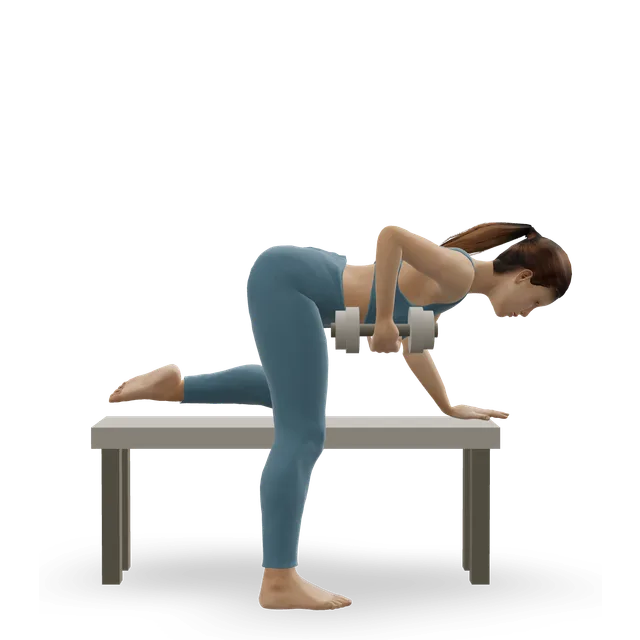
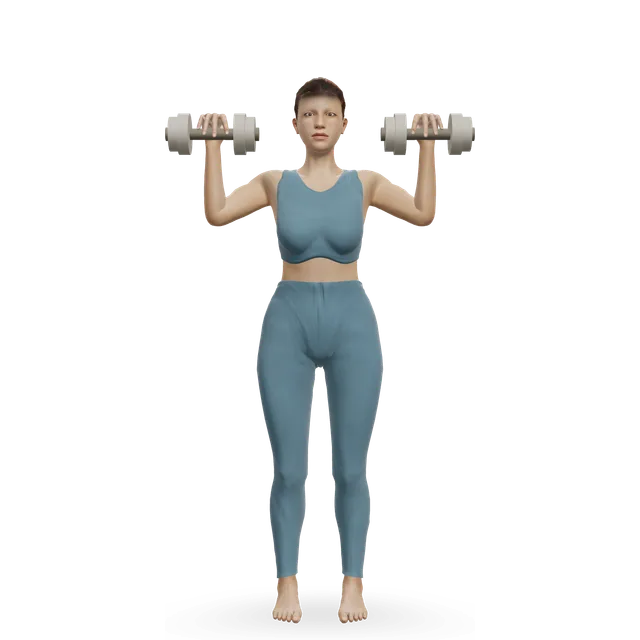
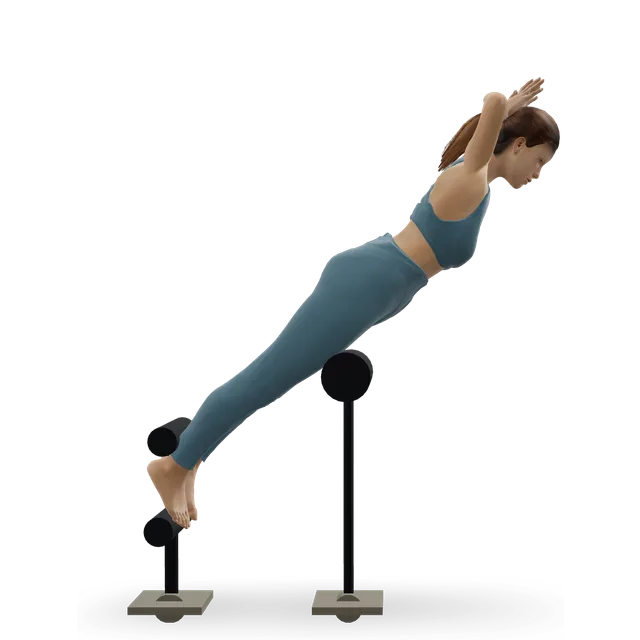
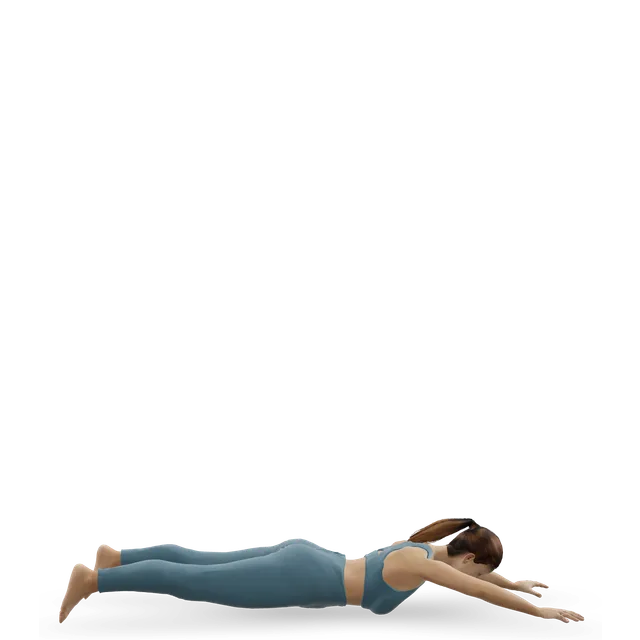
2 to 3 days a week. Start with 2 sets of 8 to 12, stopping with 2 to 3 reps to spare, and work towards the most you can lift 8 to 12 times, up to 3 sets (UK osteoporosis consensus). Use the same range for the overhead press, lighter than its own page suggests (our suggestion), and press seated if you feel unsteady. Sit-to-stands come before goblet squats, wall push-ups before incline push-ups, and the band row is the home version of the dumbbell row. Move slowly in back extensions and supermans if you have osteoporosis.

Impact and balance

Heel drops come first: 20 to 30 at first, building to about 50 on most days (UK consensus). Move on to skipping only once heel drops are easy and you don't leak. For balance, 2 holds of 20 to 30 seconds on each leg and 2 lots of 10 heel-to-toe steps at the end of a strength session, beside a counter or wall.

Cardio, pelvic floor and winding down

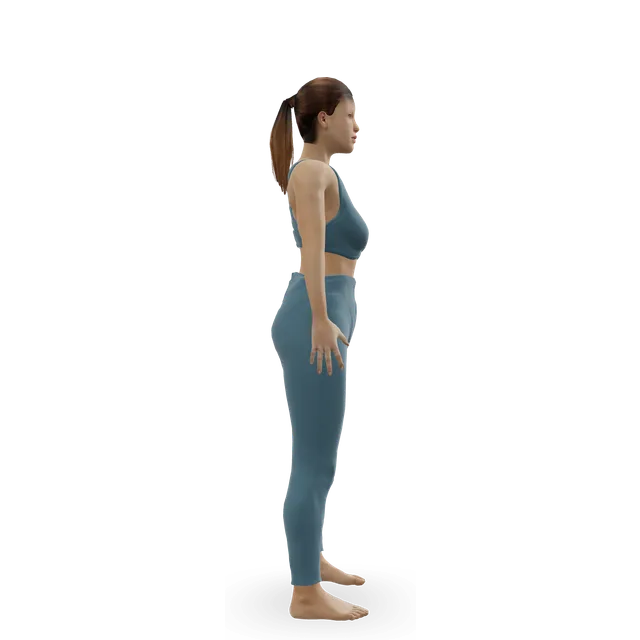
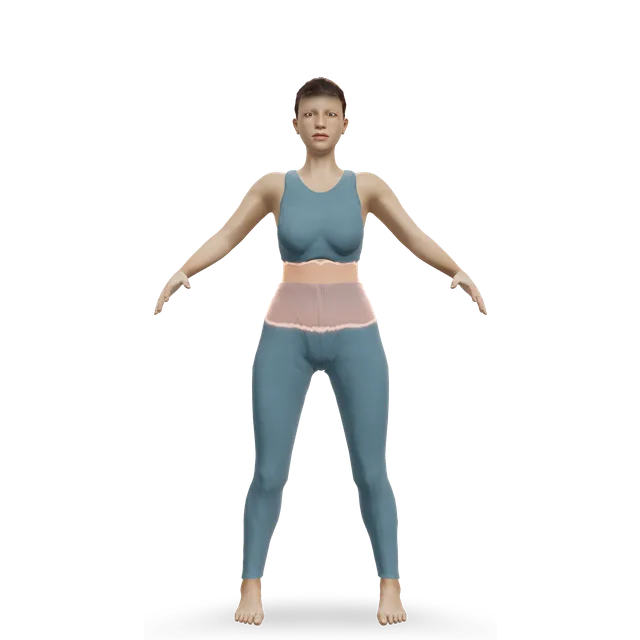
Brisk walking is weight-bearing and counts towards your 150 minutes; cycling and rowing are kinder to sore joints and if you leak. Pelvic floor: 3 sets of 8 a day, mixing slow holds of up to 10 seconds with quick squeezes; the 3D figure can't show these internal muscles, so follow the written steps. Crocodile breathing is for winding down before bed: slow breathing has not been shown to reduce flushes.

Pelvic floor and leaking

Leaking is treatableStrong evidence

Pelvic floor muscle training made women with stress incontinence (leaking with coughs, sneezes, jumps or lifting) about 8 times more likely to report a cure: 56% against 6% (4 trials, 165 women, high-quality evidence). Cure or improvement: 74% against 11%.

Source 42

What NICE recommendsStrong evidence

A supervised course of pelvic floor muscle training lasting at least 3 months as the first treatment for stress or mixed incontinence, with at least 8 contractions 3 times a day.

Source 11

With a prolapseStrong evidence

With a prolapse (a feeling of heaviness or a bulge in the vagina), the NHS advises pelvic floor exercises and avoiding heavy lifting, running and trampolining. See a GP before going back to them.

Source 40

Keep exercising meanwhile

You don't have to stop. Switch to lower-impact exercise such as cycling or swimming while you build up, and see a GP or pelvic health physiotherapist if it isn't improving after about 3 months.

Sources 41, 11

What to change rather than stop

Nothing on this page is off-limits for a healthy midlife woman. These are the situations that change the plan.

Osteoporosis or a spinal fractureStrong evidence

The UK consensus advises avoiding high degrees of spinal flexion, such as sit-ups and deep loaded forward bends. With spinal fractures or several low-trauma fractures, keep impact to brisk-walking level, and get individual advice. Our osteoporosis guide covers this in detail.

Source 2

Joint achesMixed evidence

Joint and muscle aches are a recognised menopause symptom, and they arrive at the age when osteoarthritis becomes common. There is no specific treatment; reviews encourage exercise, weight management and simple painkillers. Keep moving, and change the range or the load of a move that hurts rather than stopping altogether. For a diagnosed problem, our knee, hip, hand and shoulder pain guides have their own plans and warning signs. See a GP if the pain isn't settling or stops you doing everyday things.

Sources 1, 43, 44

Leaking on impact

Train your pelvic floor daily, and use walking, cycling or rowing rather than jumping while it improves. Bring heel drops and skipping back gradually.

Sources 42, 11, 41

High blood pressure

Keep breathing on every effort and build intensity gradually. Our high blood pressure guide covers weights, wall sits and which readings need a GP first.

Follow a plan

The plan for women over 50 suits women from perimenopause on: the usual age of menopause is 45 to 55. If you are under 50 and already train, the plan for women includes a note on menopause and bone. New to exercise? Start with the beginner plan.

Workouts to follow

Strength and balance twice a week, the bone workout once, cardio on two days and pelvic floor exercises every day. If you leak during the heel drops, build up the pelvic floor exercises first and keep impact low for now. The breathing routine is for winding down, not for flushes.

Myths

"Exercise will stop your hot flushes"

The best trials say it mostly won't. The NHS still lists regular exercise among things to try, and exercise is good for you in many other ways, but it is not a treatment for flushes. One small strength-training trial is the exception worth watching.

Sources 6, 7, 8, 25, 31

"HIIT spikes cortisol and gives you menopause belly, so avoid it"

This popular claim has no trial behind it. Hard exercise raises cortisol briefly, as all hard effort does, which is not the same as cortisol that stays high. Aerobic training did not change resting cortisol in postmenopausal women, and interval training reduces abdominal and deep belly fat. Mix intensities and keep the sessions you enjoy.

Sources 16, 34, 33, 17

"Lifting heavy is dangerous after menopause"

Women in their 60s with low bone density did supervised heavy lifting for 8 months in the LIFTMOR trial; their spine bone density rose, with one minor adverse event. Build up with good technique and, with osteoporosis, get advice first.

Sources 18, 2

"The menopause makes you gain 10 kg"

In the SWAN study, weight climbed slowly through midlife, about 0.25 kg a year in the transition, with no speed-up at the menopause. What changed was more fat, about 1.6 kg over the transition, slightly less muscle, and more fat around the middle.

Sources 14, 32

"Crunches will flatten a menopause belly"

Six weeks of abdominal exercises 5 days a week did not reduce belly fat, though they did improve abdominal endurance. More aerobic minutes reduced belly fat more in postmenopausal women.

Sources 12, 13

"Cardio is for weight; weights make women bulky"

Strength training is what keeps muscle and strength, which NICE now stresses, and women over 50 gain strength well. The British Menopause Society calls resistance exercise "almost non-negotiable" for women who want to change their body shape. Bulk takes years of targeted training and eating.

Sources 1, 15, 35

"Leaking when you jump is just part of getting older"

It is common, but treatable: pelvic floor training cured stress incontinence in about half of women in trials, against 6% without it. See a GP if it isn't improving.

Sources 42, 41

Questions people ask

What is the best exercise for menopause?

A mix, with strength training at the centre. Lift weights or do bodyweight strength moves on 2 to 3 days a week, walk or cycle briskly for about 150 minutes a week, and add impact and balance work if they suit you. NICE asks doctors to explain why keeping muscle strength matters at this stage of life, and strength and impact work are what the UK osteoporosis consensus recommends for bone. Pelvic floor exercises every day round it off.

Does exercise help hot flushes?

Probably not much, and it is better to know that up front. In the largest trials, women who exercised had about as many flushes as women who did not, and a Cochrane review found no clear difference. The North American Menopause Society does not recommend exercise as a treatment for flushes. One small Swedish trial of strength training found fewer flushes, which is worth watching. HRT is the most effective treatment, and NICE recommends menopause-specific CBT as an option, so talk to your GP if flushes are hard to live with. Exercise is still worth doing for everything else it protects.

What is the best exercise for menopause belly fat?

There is no exercise that burns fat from the belly on its own: six weeks of daily abdominal exercises did not shift belly fat in a trial. What reduces belly fat is more total activity, alongside eating habits. In postmenopausal women, 300 minutes of aerobic exercise a week reduced belly fat more than 150 minutes, and interval training reduces abdominal fat in trials. The menopause itself shifts fat towards the middle, so a waist measurement is a fairer guide than the scales.

Is HIIT bad for women in menopause? What about cortisol?

No good evidence says so. Hard exercise raises cortisol for a short time in everyone, and that is normal. No trial shows that interval training raises cortisol long term or causes belly fat in menopausal women; in fact, three months of high-intensity training reduced waist size and fat in early postmenopausal women. If you enjoy HIIT, keep it, build up gradually, and balance it with easier days and good sleep. If you have heart disease or high blood pressure that is not controlled, check with your GP first.

Is it safe to lift heavy weights after menopause?

For most women, yes, if you build up gradually with good technique. In a trial of women in their 60s with low bone density, supervised heavy lifting improved spine bone density and physical function, with one minor adverse event. If you have osteoporosis or a spinal fracture, get advice from a physiotherapist first, and avoid deep loaded forward bending.

Why am I gaining weight in perimenopause?

In a large US study, weight rose slowly through midlife with no sudden jump at the menopause. What did change was the body's make-up: fat gain sped up and muscle dipped slightly during the transition, and these changes levelled off about two years after the last period. Ageing, sleep, activity and eating all play a part. Strength training helps you keep muscle, and more activity helps with fat.

Is walking enough exercise for menopause?

Walking is a good base: brisk walking counts towards your 150 minutes a week and helps your heart and mood. On its own it does little for muscle strength, and bone needs more than walking can give. Add strength training on at least 2 days a week, and impact such as heel drops or skipping if they suit you. If you have spinal fractures, keep impact to brisk walking and get advice.

Can exercise help with menopause sleep problems and low mood?

A little. Across 21 trials, exercise reduced depressive and anxiety symptoms in menopausal women, at low as well as moderate intensity. Trials found modest improvements in insomnia, but in women with frequent flushes the effect on sleep was small. Exercising in the daytime, ideally not just before bed, is standard sleep advice. If sleep or mood is a real problem, see your GP: NICE recommends menopause-specific CBT, and HRT can help too.

I leak when I run or jump. Should I stop?

You don't have to stop exercising. Daily pelvic floor exercises cure or improve stress incontinence in many women, and NICE recommends a supervised course of at least 3 months as the first treatment. Switch to lower-impact exercise such as cycling or swimming while you build up, and see a GP or pelvic health physiotherapist if it isn't improving. If you feel a bulge or heaviness in the vagina, see a GP before going back to running or heavy lifting.

Does HRT change how I should exercise?

Not in any guideline we read. The advice on strength, aerobic, impact and pelvic floor work is the same whether or not you take HRT. HRT is a treatment for menopause symptoms to discuss with your GP; exercise adds strength, fitness and heart benefits of its own.


Sources

  1. NICE NG23 · Menopause: identification and management (last updated April 2026)
  2. Brooke-Wavell 2022 · Strong, steady and straight: UK consensus on physical activity and exercise for osteoporosis (BJSM)
  3. Rivera-Mejía 2026 · Resistance training and cardiovascular health in postmenopausal women (meta-analysis, Journal of Applied Physiology)
  4. Yue 2025 · Physical activity and depressive and anxiety symptoms in the menopause: 21 RCTs (meta-analysis, IJBNPA)
  5. Qian 2023 · Exercise and sleep in menopausal women (systematic review and meta-analysis, Frontiers in Medicine)
  6. Daley 2014 · Exercise for vasomotor menopausal symptoms (Cochrane review)
  7. Daley 2015 · Exercise as treatment for hot flushes and night sweats: 261 women (RCT, BJOG)
  8. Sternfeld 2014 · Efficacy of exercise for menopausal symptoms: 248 women (MsFLASH RCT, Menopause)
  9. NHS · Physical activity guidelines for adults aged 19 to 64
  10. Bull 2020 · World Health Organization 2020 guidelines on physical activity and sedentary behaviour (BJSM)
  11. NICE NG123 · Urinary incontinence and pelvic organ prolapse in women: management
  12. Vispute 2011 · The effect of abdominal exercise on abdominal fat (RCT, JSCR)
  13. Friedenreich 2015 · 300 vs 150 minutes a week of aerobic exercise and body fat in postmenopausal women (RCT, JAMA Oncology)
  14. Greendale 2019 · Changes in body composition and weight during the menopause transition (SWAN cohort, JCI Insight)
  15. Jones 2021 · Sex differences in strength and muscle gains from resistance training in older adults (meta-analysis, Sports Medicine)
  16. Hill 2008 · Exercise and circulating cortisol levels: the intensity threshold effect (Journal of Endocrinological Investigation)
  17. Mandrup 2017 · High-intensity training and cardiovascular risk factors in pre- and postmenopausal women (AJOG)
  18. Watson 2018 · Heavy resistance and impact training in postmenopausal women with low bone mass: the LIFTMOR trial (RCT, JBMR)
  19. NHS · Menopause and perimenopause
  20. Greendale 2012 · Bone density loss around the final menstrual period (SWAN cohort, Journal of Bone and Mineral Research)
  21. Currier 2026 · Resistance training for muscle function, size and performance in healthy adults (ACSM position stand)
  22. El Khoudary 2020 · Menopause transition and cardiovascular disease risk (AHA scientific statement, Circulation)
  23. Corrêa 2025 · Physical activity and sleep in women with hot flushes (systematic review and meta-analysis, Maturitas)
  24. British Menopause Society 2026 · Tool for clinicians: managing sleep disturbance
  25. The North American Menopause Society 2023 · Nonhormone therapy position statement (Menopause)
  26. Berin 2019 · Resistance training for hot flushes in postmenopausal women (RCT, Maturitas)
  27. Nilsson 2024 · Resistance training for hot flushes: 2-year follow-up of a randomised trial (BMC Women's Health)
  28. Sá 2023 · Resistance training for postmenopausal women (systematic review and meta-analysis, Menopause)
  29. Choudhry 2024 · Resistance training and hot flushes in postmenopausal women (meta-analysis)
  30. Bailey 2016 · Exercise training and hot flushes: a 21-woman trial (Menopause)
  31. NHS · Things you can do to help menopause and perimenopause symptoms
  32. Davis 2012 · Understanding weight gain at menopause (review, Climacteric)
  33. Maillard 2018 · High-intensity interval training and total, abdominal and visceral fat (meta-analysis, Sports Medicine)
  34. Ryan 2025 · Weight loss, aerobic exercise and cortisol in postmenopausal women (Endocrine Research)
  35. British Menopause Society 2026 · Tool for clinicians: menopause, nutrition and weight gain
  36. NHS · Heart attack: symptoms
  37. NHS · Stroke: symptoms
  38. NHS · High blood pressure (hypertension)
  39. NHS · Postmenopausal bleeding
  40. NHS · Pelvic organ prolapse
  41. NHS · Urinary incontinence
  42. Dumoulin 2018 · Pelvic floor muscle training for urinary incontinence in women (Cochrane review)
  43. Magliano 2010 · Menopausal arthralgia: fact or fiction (review, Maturitas)
  44. Wright 2024 · The musculoskeletal syndrome of menopause (narrative review, Climacteric)

Exercise education, not a diagnosis or treatment plan, and clinical review of these guides is pending. Stop and get advice for chest pain, unusual breathlessness, dizziness or fainting, or new pain, and check with your doctor or midwife first if they have told you to limit activity. Health disclaimer.