Arthritis in the hands and fingers: exercises that help and how to protect your joints
Osteoarthritis in the hand usually affects the base of the thumb, the joints nearest the fingertips and the middle finger joints. Fingers can become stiff, painful and swollen, with bony bumps (people often call them Heberden's and Bouchard's nodes). Over time the pain may ease and even go, although the bumps and swelling can stay.
Hand exercise helps a little and is safe; using your hands differently helps more people. This page gives a 13-week programme from the trials, joint protection swaps, and how to tell osteoarthritis from rheumatoid arthritis. For pain at the base of the thumb, the thumb arthritis guide goes further.
Exercise is for pain that has been checked or is clearly mild and settling.
Get urgent medical help if
Same day: a joint or lump that is hot, red and swollen, or hand or wrist pain with a high temperature or feeling hot, cold or shivery. It could be an infection or gout.
Call 999 or go to A&E after an injury (don't drive yourself) if the arm, wrist or hand is numb, tingling or has pins and needles; a bone is sticking out or a bad cut is bleeding heavily; or the wrist, thumb or a finger has changed shape, is at an odd angle, or has turned blue, grey, white or cold.
Same day (NHS 111, an urgent treatment centre or an urgent GP appointment): a wrist or hand injury that is very painful, getting worse, very swollen or bruised, stiff, or that you can't use. It may be broken.
Same day (NHS 111): you can't straighten the tip of a finger after catching it. It may be mallet finger.
See a doctor or physiotherapist if
Swollen, stiff joints in several fingers or both hands, with morning stiffness lasting more than 30 minutes. NICE asks GPs to refer suspected rheumatoid arthritis urgently when the small joints of the hands are affected, even if blood tests are normal.
Not improved after 2 weeks of looking after it at home, getting worse, keeps coming back, or stopping you doing normal activities. In many areas you can refer yourself to NHS physiotherapy.
Fingers bent into the palm so you can't put your hand flat.
Any tingling or loss of feeling in the hand or wrist.
Understand it
How common it is, and what it does over timeEmerging evidence
In the Framingham study of adults aged 40 to 84, X-ray changes of hand osteoarthritis were found in 44.2% of women and 37.7% of men, but painful hand osteoarthritis in 15.9% and 8.2%; most people's X-rays showed some progression over 9 years. X-ray changes and symptoms often don't match.
The NHS says fingers may bend slightly sideways and small painful cysts can form on the backs of the fingers, and that the pain may ease over time even though the bumps stay.
Osteoarthritis stiffness usually lasts under 30 minutes in the morning. Rheumatoid arthritis joints are often swollen, warm and tender on both sides, with longer morning stiffness, tiredness and sometimes a fever or weight loss. NICE asks GPs to refer it urgently, even if blood tests are normal, when the small joints of the hands are affected.
With rheumatoid arthritis, NICE recommends considering a tailored hand exercise programme from a trained therapist once medicines have been stable for 3 months; in the SARAH trial it improved hand function. Ask your rheumatology team before following this page.
Exercise helps a little, and is safeEmerging evidence
In a Cochrane review of 7 trials (534 people), exercise reduced hand pain by about 0.5 points on a 0 to 10 scale, improved function by about 2.2 points on a 0 to 36 scale and reduced finger stiffness by about 0.7 points on 0 to 10, after the programme. The effects weren't sustained at 6 and 12 months, side effects were few (some joint flare-ups), and the evidence was low quality.
In a Norwegian trial of 80 women, 3 months of home hand exercises improved the activities people chose as most important to them (1.4 points on 0 to 10), grip, pain and fatigue, and more people met the criteria for a meaningful response (16 against 2).
Guidelines recommend exercise for everyone with osteoarthritisStrong evidence
NICE, the American College of Rheumatology (a strong recommendation) and the European rheumatology recommendations (EULAR) all recommend exercise for hand osteoarthritis. The NHS calls exercise one of the most important treatments.
Joint protection helps more peopleEmerging evidence
In a UK trial of 257 adults, joint protection teaching from an occupational therapist (spreading loads, bigger grips, gadgets, pacing) made more people better at 6 months: 33% against 21%. The American College of Rheumatology strongly recommends self-management programmes that include joint protection.
The American College of Rheumatology conditionally recommends heat or cold, paraffin wax and anti-inflammatory gels for hand arthritis, and conditionally recommends splints for joints other than the thumb base; NICE says splints shouldn't be offered routinely. The NHS says hot or cold packs help some people. NICE and EULAR put anti-inflammatory gels first among medicines.
Supplements and injections: the guidelines disagreeMixed evidence
The NHS doesn't prescribe glucosamine or chondroitin because there's no strong evidence, and NICE doesn't recommend them routinely. The American College of Rheumatology strongly recommends against glucosamine but conditionally recommends chondroitin for hand arthritis, and EULAR also mentions chondroitin. EULAR says steroid injections into joints are generally not recommended, but can be considered for painful finger joints.
Some discomfort during these exercises is fine and doesn't mean you are doing damage. Keep it to about 5 out of 10 or less. It should settle within half an hour or so, and your hand should be no worse the next morning. If it is, do fewer, smaller or lighter next time, not nothing. An NHS wrist rehabilitation booklet uses the same limit: an unpleasant stretch of about 5 out of 10 that settles within 30 minutes.
Tingling and numbness are different: stop and get advice if an exercise brings them on and they don't fade quickly, or if your grip or thumb gets weaker.
Don't rest the hand completely for long, either: for repetitive strain, the NHS says resting for more than a few days makes the area weaker and less flexible. If a joint becomes hot, red and swollen, stop and get it checked.
Start at the first stage. Each move opens a full guide with a 3D demo.
Stage 1
Weeks 1 to 2: learn the moves
10 repetitions of each, 3 times a week, as in the Norwegian trial's programme. Start each session with your hands in warm water or a warm towel (editorial; the thumb trial booklet uses a warm-water warm-up).
Follow along: a timer, a cue and the next move, one step at a time.
Stage 3
Weeks 5 to 13 and ongoing: build and keep going
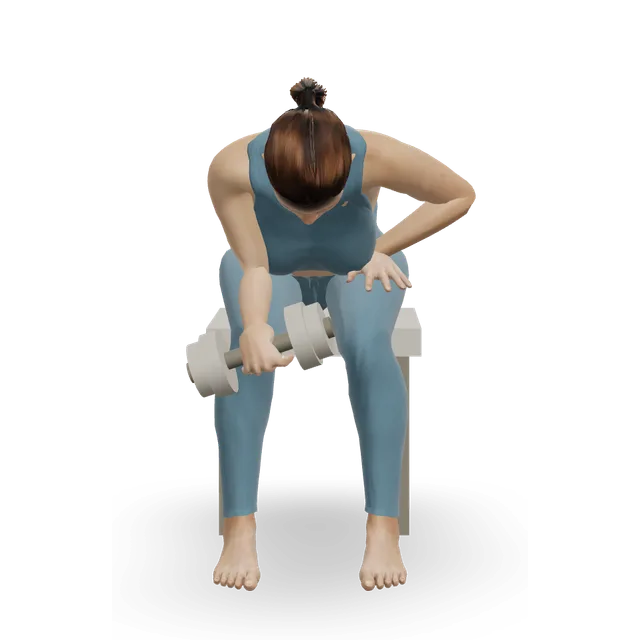
15 repetitions of each, 3 times a week, plus upper-arm work, as in one programme in the Cochrane review. Keep it going: the benefits faded when programmes ended.
Move on when: Keep three sessions a week going. If a flare comes, cut the repetitions back for a few days rather than stopping.
Follow along: a timer, a cue and the next move, one step at a time.
What to change for now
Flares
A hot, swollen finger joint after a busy week usually settles: cut the repetitions, use warmth, and keep moving gently (editorial; side effects in trials were mainly short flare-ups). A hot, red, swollen joint with a fever or feeling unwell is different: get same-day help, as it could be an infection.
Grip work in the trials used a soft ball or putty. Leave hard grip trainers and heavy hangs until your fingers tolerate the programme, and stop them if they flare a joint (editorial).
What are the best exercises for arthritis in the hands?
No single programme is best. The trial programmes on this page (rolling into fists, an O with the thumb, a soft ball squeeze, opening against a band, and wrist and forearm moves) improved pain and function a little. Keep doing them, because the benefits faded when programmes ended.
Will hand exercises make my arthritis worse?
No. Side effects in trials were few and mild, mainly short flare-ups of finger pain or swelling.
Should I rest my hands?
No. Keep using them, with joint protection: bigger grips, two hands, gadgets and pacing. In a UK trial, joint protection teaching made more people better at 6 months.
Heat or cold for hand arthritis?
Either, whichever helps. The American College of Rheumatology conditionally recommends heat or cold and paraffin wax, and the NHS says hot or cold packs help some people.
Is it osteoarthritis or rheumatoid arthritis?
Osteoarthritis stiffness usually lasts under 30 minutes in the morning. Several swollen, warm joints on both sides, longer morning stiffness, tiredness, a fever or weight loss suggest rheumatoid arthritis, which needs prompt referral.
Will the bumps on my fingers go away?
Usually not. The NHS says the pain may ease and even go over time, but the bumps and swelling can stay.
Do glucosamine or chondroitin help hand arthritis?
The NHS doesn't prescribe them because there's no strong evidence, and NICE doesn't recommend them routinely. The American College of Rheumatology strongly recommends against glucosamine but conditionally recommends chondroitin for hand arthritis.
Do arthritis gloves help?
The American College of Rheumatology mentions compression gloves as a possible option for warmth and compression; no trial results for them were read for this page.
Exercise education, not a diagnosis or treatment plan. It is written from the guidelines and studies listed above; review by a clinician is pending. If your pain follows an injury, is severe, is getting worse, or comes with any warning sign listed on this page, get it assessed. Health disclaimer.