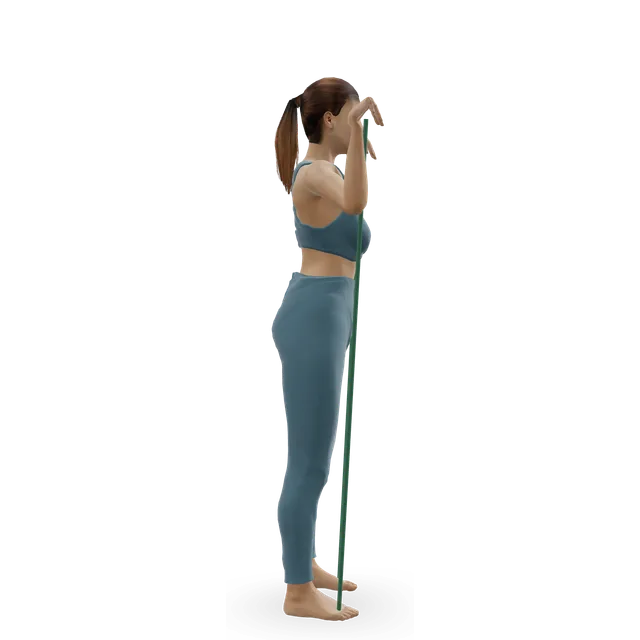
Exercise guide

Exercise for weight loss: what it can do, how much, and what works best

Exercise on its own takes off a few kilos, not a lot: about 2 to 3 kg on average, or about half a kilo for each extra 30 minutes a week. Eating less does most of the weight loss. What exercise does very well is trim the waist and the deep fat around the organs, help keep weight off, protect muscle while you lose weight, including on weight loss injections, and improve your health and fitness whatever the scales say.

The plan: build up to 150 to 300 minutes a week of brisk activity, strength training on 2 to 3 days, and more movement through the day. Start gently if you have a higher weight or sore joints. Check with your GP first if you have heart, kidney or metabolic disease such as diabetes, or get chest pain or unusual breathlessness when you exert yourself.

The short version

How much weight exercise takes off

Expect about 2 to 3 kg on average from exercise alone: European obesity guidance tells clinicians to say exactly that, and an overview of 12 systematic reviews found losses of 1.5 to 3.5 kg. In 116 trials, each extra 30 minutes a week of aerobic exercise took off about 0.5 kg: 150 minutes a week took off about 2.8 kg, and 300 minutes about 4.2 kg. Adding exercise to a diet takes off about 1 to 1.7 kg more than the diet alone.

Sources 1, 2, 3, 4, 5, 6

Why the scales move so little

The body pushes back. On average, about 28% of the extra energy you burn is offset by a lower resting burn, and in a 24-week trial people who exercised ate about 90 to 125 calories a day more. A lot of exercise still works: supervised sessions burning 400 to 600 calories, 5 days a week for 10 months, took off about 4 to 5 kg.

Sources 7, 8, 9

What exercise does well

It trims the waist, by about 3 cm on average, and the deep belly fat around the organs, even when the scales don't move. Being fit cuts much of the risk linked to a higher weight. And it matters most for keeping weight off: NICE says people who have lost weight may need 60 to 90 minutes of activity a day to avoid regaining it.

Sources 10, 11, 12, 13, 14, 15

Cardio or weights for fat loss?

Both, for different jobs. For weight and fat, aerobic exercise such as brisk walking, cycling or rowing beats weights alone. Strength training on 2 to 3 days a week keeps muscle while you lose weight. Interval training (HIIT) and steady cardio lose about the same fat when they burn the same energy; HIIT just takes less time. The best exercise for weight loss is the one you will keep doing.

Sources 16, 1, 17

Can you lose belly fat with exercise?

Yes, but not by exercising your belly. In 13 studies, training one part of the body did not reduce the fat over it: spot reduction is a myth. Whole-body exercise trims the waist, and so does eating less.

Sources 18, 10, 3

Exercise on Wegovy, Mounjaro or Ozempic

Keep exercising. On weight loss injections such as semaglutide (sold as Wegovy for weight loss and as Ozempic for diabetes) and tirzepatide (sold as Mounjaro), a quarter to two-fifths of the weight lost is lean tissue, not all of it muscle. Experts advise strength training at least 3 times a week plus 150 minutes of aerobic activity, but trials testing strength training alongside these medicines have not reported yet.

Sources 19, 20, 21, 22, 23

How much weight exercise takes off

Exercise alone: a few kilosStrong evidence

An overview of 12 systematic reviews found that exercise training on its own took off 1.5 to 3.5 kg, of which 1.3 to 2.6 kg was fat. The European Association for the Study of Obesity (EASO) recommends 150 to 200 minutes a week of at least moderate aerobic exercise for weight and fat loss, and tells clinicians to explain that the expected loss is on average no more than 2 to 3 kg, both at its top grade (A). The 2006 Cochrane review, now old, gave a range of 0.5 to 4 kg for exercise against no treatment.

Sources 2, 1, 4

More minutes, more lossStrong evidence

A 2024 dose-response analysis of 116 trials and 6,880 people found that each extra 30 minutes a week of supervised aerobic exercise took off about 0.52 kg of weight and 0.56 cm from the waist. The relationship was roughly a straight line up to 300 minutes a week: about 2.8 kg at 150 minutes and 4.2 kg at 300. Waist and body fat changed by a clinically important amount from about 150 minutes a week.

The direction is clear; the exact sizes are less certain. The trials varied a lot, 54 of the 116 were at serious risk of bias, and only 2 lasted more than 48 weeks.

Source 3

With a dietStrong evidence

Exercise plus diet lost about 1.1 kg more than diet alone, both in the Cochrane review (14 trials) and in 18 trials lasting 6 months or more. Combined diet and activity programmes beat diet alone by 1.7 kg at a year, and beat activity alone by about 6 kg at 12 to 18 months (8 trials, 1,022 people). Eating less does most of the work on the scales.

Sources 4, 5, 6

Why it's less than the calorie maths predictsEmerging evidence

Some of the extra energy you burn is offset. In 1,754 adults, about 28% of the energy burned in activity was offset by a lower resting burn, more so in people with more body fat; this was a cross-sectional study, so cause and effect are unclear. In a 24-week trial of 198 adults, the exercise groups ate about 90 to 125 calories a day more, while resting metabolism and everyday movement did not change.

Bigger doses give less than the arithmetic predicts. In 411 postmenopausal women, weight loss matched prediction at 72 and 136 minutes a week, but at 194 minutes it was about half what was predicted, though the waist fell in every group. An analysis of exercise trials put the shortfall down mainly to low doses and eating a little more, and total daily energy use levels off at higher activity levels.

Sources 7, 8, 24, 25, 26

Appetite rises only a littleEmerging evidence

On average, exercise raises food intake by about 100 calories a day at most compared with not exercising. It may raise hunger before meals a little and improve fullness after them (EASO, grade B). Some people do compensate more than others, which is one reason to pair exercise with attention to eating.

Sources 1, 8

A lot of exercise does workEmerging evidence

In a trial of 141 young adults, supervised aerobic sessions burning 400 or 600 calories, 5 days a week for 10 months, took off 3.9 and 5.2 kg among those who completed it, against a gain of 0.5 kg in the control group, with similar results in men and women.

Source 9

What exercise does better than the scales

Waist and deep belly fatStrong evidence

Aerobic exercise reduced waist size by 3.2 cm on average across 25 trials with 1,686 people: by 4.2 cm with vigorous exercise and 2.5 cm with moderate. Across 117 studies, when weight did not change, exercise cut visceral fat (the deep fat around the organs) by 6.1% while diet cut it by 1.1%. In a 3-month trial of 52 men, exercise without weight loss still reduced abdominal and visceral fat, and in 40 trials visceral fat loss rose with the weekly energy burned.

Sources 10, 11, 12, 27

Health without weight lossStrong evidence

In the Cochrane review, exercise alone lowered diastolic blood pressure by 2 mmHg, triglycerides by 0.2 mmol/L and fasting blood sugar by 0.2 mmol/L. The Canadian obesity guideline says 30 to 60 minutes of moderate to vigorous aerobic activity on most days reduces visceral fat and liver fat even without weight loss (its top grade).

Sources 4, 28

Fit at any sizeEmerging evidence

In pooled data from 20 cohort studies (398,716 observations), fit people with obesity had no clearly higher risk of death than fit people of normal weight, while unfit people at any weight had 2 to 3 times the risk. These studies show a link, not proof, but they are a good reason to train for fitness whatever happens to your weight.

Sources 13, 29

What to measureStrong evidence

NICE suggests keeping your waist to less than half your height. For adults with a BMI under 35, a waist-to-height ratio of 0.5 to 0.59 means increased health risk, and 0.6 or more further increased risk. Measure your waist and your strength as well as your weight: in one trial the waist fell with exercise even where weight loss fell short of prediction.

Sources 30, 24

Belly fat: what works

Spot reduction is a mythStrong evidence

In a meta-analysis of 13 studies with 1,158 people, training one part of the body did not reduce the fat over it. Six weeks of regular abdominal exercises did not reduce belly fat in 24 people, and in 11 people, training one leg took fat off the arms and trunk, not off that leg.

Sources 18, 31, 32

The small trial that disagreesMixed evidence

In 16 men, 57-minute sessions of abdominal work plus running removed about 0.7 kg more trunk fat than running alone over 10 weeks, with similar total fat loss. It is one small trial, the precision of the scan for a single region has been questioned, and nearly an hour of ab work 4 days a week is not a practical route.

Source 33

What does reduce belly fatStrong evidence

Whole-body aerobic exercise, more of it, and eating less. Aerobic exercise trims the waist by about 3.2 cm on average, and by about 0.56 cm for each extra 30 minutes a week. In postmenopausal women, 300 minutes a week for a year reduced total body fat by 1 percentage point more than 150 minutes, and more of the fat under the skin of the belly. Interval training also reduces abdominal and visceral fat. Ab exercises strengthen the muscles under the fat; they don't burn the fat over them.

Sources 10, 3, 34, 35

Cardio, weights or HIIT?

Cardio for weight and fatStrong evidence

In an 8-month trial of 119 adults, aerobic training took off more weight and fat than strength training, which added lean mass instead. Doing both took twice the time without extra fat loss. For the scales, aerobic exercise does more.

Sources 16, 1, 36

Weights for muscleStrong evidence

Strength training on its own reduces body fat a little in healthy adults: by about 1.5 percentage points of body fat and 0.55 kg of fat mass across 58 studies, with a small fall in visceral fat. Its main job while you lose weight is protecting muscle (see the injections and muscle section), which EASO recommends at its top grade. Most guidance asks for both kinds.

Sources 37, 2, 1

HIIT or steady cardio?Strong evidence

Interval training and steady moderate exercise reduce body fat about equally when they burn the same energy, and HIIT takes about 40% less time. One analysis found HIIT took off slightly more fat mass (1.58 kg against 1.13 kg within the groups) but not more body-fat percentage, a mixed finding. Choose the one you'll keep doing.

Sources 17, 38, 1

Harder effort helps a littleEmerging evidence

Higher-intensity exercise lost 1.5 kg more than lower-intensity exercise in 4 trials with 317 people, and vigorous aerobic exercise trimmed the waist more than moderate (4.2 against 2.5 cm).

Sources 4, 10

HIIT with a higher weightStrong evidence

EASO advises interval training for people living with obesity only after a heart risk assessment and with supervision (grade B). Our suggestion: build a base of steady activity first, start intervals once 150 minutes a week feels comfortable, and do them on a bike or rower rather than with jumps. With heart disease, diabetes or symptoms when you exert yourself, ask your GP first.

Source 1

Keeping muscle, including on weight loss injections

Strength training protects muscle while you lose weightStrong evidence

During weight loss, strength training reduced the loss of lean mass by about 0.8 kg, and EASO recommends strength training at moderate to high intensity for this (grade A). In 160 older adults with obesity who were dieting, combined aerobic and strength training improved physical function most (by 21%, against 14%) and lost less lean mass (3%, against 5% with aerobic training alone) and less hip bone.

Sources 2, 1, 39

How much of the weight lost is muscle on the injections?Emerging evidence

On tirzepatide, 160 people lost 21.3% of their body weight; about 74% of the loss was fat and 26% lean tissue, the same split as in the placebo group and in diet studies, including in people aged 65 and over. On semaglutide, a small substudy of 140 people, published only as a conference abstract, found about 38% of the weight lost was lean tissue.

Lean tissue is not all muscle: it includes water, organs and other tissue that isn't fat. MRI studies suggest muscle loss on these medicines is in line with the weight lost, and muscle quality may improve.

Sources 20, 40, 21, 41

What experts adviseEmerging evidence

A 2025 joint advisory from four US lifestyle, nutrition and obesity societies says weight loss medicines should come with a structured exercise programme: strength training at least 3 times a week plus at least 150 minutes of moderate aerobic activity. It adds that protein alone will not preserve muscle without strength training. NICE says all weight loss medicines should be used alongside a reduced-calorie diet and more physical activity.

Sources 21, 19

What isn't known yetStrong evidence

No published trial has yet tested strength training alongside semaglutide or tirzepatide. Trials are registered, such as LEAN-PREP with 232 adults, but its results are not expected before 2029. So the advice above is sensible expert opinion, not trial evidence with these medicines. One more reason to build the habit now: a year after stopping semaglutide and its lifestyle programme, people regained about two-thirds of the weight they had lost.

Sources 22, 42

Exercise after stopping, and boneEmerging evidence

In a trial of 195 people who had lost weight on a diet, a year of exercise kept off 4.1 kg more than placebo, and exercise plus liraglutide, another weight loss medicine, 9.5 kg more. A year after treatment stopped, people who had exercised had regained 6 kg less than those who had taken liraglutide alone. Exercise plus liraglutide kept bone density, while liraglutide alone lowered hip and spine density compared with exercise alone.

Sources 43, 44, 45

Exercising on the injections

Feeling sick, tiredness and dizziness are side effects. The NHS advises not driving or cycling until dizziness passes, and says low blood sugar is more likely if you also take other diabetes medicines. Our suggestion: eat something and have a drink before exercise, build up gently while side effects settle, and sit down if you feel light-headed.

Source 23

Keeping weight off

What people who keep it off doEmerging evidence

People in the US National Weight Control Registry, who have kept off a large weight loss, report about an hour of activity a day, but the amount varies widely: a quarter report burning under 1,000 calories a week in activity, and 35% over 3,000. Measured with activity monitors in 26 members, they did 41.5 minutes a day of sustained moderate to vigorous activity, against 19.2 in people with overweight. Members whose leisure-time activity fell over 10 years regained more.

The registry is self-selected and mostly self-reported, so it shows what successful people do, not what will work for everyone.

Sources 14, 46, 47, 48, 49

What NICE saysStrong evidence

NICE says people who have lost weight may need 60 to 90 minutes of activity a day to avoid regaining it, and that 45 to 60 minutes a day may be needed to prevent obesity. This advice comes from NICE's 2006 guideline and was carried into its 2025 obesity guideline unchanged, so it is long-standing advice rather than new evidence. It means all activity, including walking, cycling to work and gardening, not gym time.

Sources 15, 50

What the trials showMixed evidence

Trial evidence that exercise prevents regain is thinner than the registry suggests: one systematic review found no significant effect, and the American College of Sports Medicine (ACSM) found no well-designed trial. EASO's 200 to 300 minutes a week for keeping weight off is expert opinion. In an analysis done after a trial, women who kept off 10% or more at 2 years reported about 275 minutes of activity a week.

Sources 2, 36, 1, 51

Steps and everyday movement

Everyday movement adds upEmerging evidence

In a small study of 20 people, those with obesity sat for about 2 hours a day longer than lean people; moving as the lean people did could burn about 350 calories a day more. In 16 people who were overfed, most of the rise in daily energy use came from everyday movement outside exercise, and it predicted who gained least fat.

Sources 52, 53

StepsEmerging evidence

Walking programmes without diet changes took off about 1.3 kg over a median of 16 weeks, roughly 0.05 kg a week. People given pedometers added about 2,500 steps a day, and having a step goal predicted success. In cohort studies, more daily steps went with a lower risk of developing obesity, with over about 8,200 a day protective, and 7,000 steps against 2,000 went with a 47% lower risk of death and a 14% lower risk of type 2 diabetes.

Sources 54, 55, 56, 57

How many steps a day?

There is no official step target for weight loss. NICE lists aiming for a number of steps each day as one way to build activity. Our suggestion: add about 2,000 to 2,500 steps a day to what you do now, the average gain in pedometer trials, working towards 7,000 to 8,000 or more.

Sources 15, 55, 57, 56

Short bouts countEmerging evidence

Activity in bouts of any length is linked to better health. NHS Better Health suggests starting with as little as 10 minutes if that is where you are.

Sources 58, 59

How much exercise to lose weight

Doses name their guideline. Where we turn them into everyday terms, we say so. Moderate means you can talk but not sing; vigorous means you can say only a few words without pausing for breath.

For health, whatever your weightStrong evidence

WHO: 150 to 300 minutes of moderate activity a week, or 75 to 150 minutes of vigorous activity, strength work on 2 or more days, and less sitting. NICE asks clinicians to encourage this even if people do not lose weight.

Sources 60, 61, 15

To lose weightStrong evidence

EASO: 150 to 200 minutes a week of at least moderate aerobic exercise (grade A). ACSM: 150 to 250 minutes a week gives only modest weight loss; more than 250 minutes is linked to clinically significant loss. The Canadian guideline: 30 to 60 minutes on most days. In the dose-response analysis, each extra 30 minutes a week was worth about 0.5 kg.

Sources 1, 36, 28, 3

To avoid gaining weightStrong evidence

NICE: 45 to 60 minutes of moderate activity a day, particularly if you don't reduce what you eat; the NHS says to get active for 45 to 60 minutes a day. ACSM: 150 to 250 minutes a week prevents weight gain. A US review found strong evidence that activity prevents weight gain, most clearly above 150 minutes a week.

Sources 15, 50, 36, 62

To keep weight off

NICE: 60 to 90 minutes of activity a day, which can include walking, cycling to work and gardening (advice from 2006, kept in 2025). EASO: 200 to 300 minutes a week, as expert opinion. ACSM: more than 250 minutes a week.

Sources 15, 1, 36

Strength: 2 to 3 days a week

EASO recommends strength training at moderate to high intensity to keep muscle while losing weight (grade A), and the NHS asks for strength work on at least 2 days a week. Our translation: 2 to 3 sessions a week of 6 to 8 moves for the whole body, 2 to 3 sets of 8 to 15 reps, stopping each set with 2 to 3 reps in reserve.

Sources 1, 61

On weight loss injections

Strength training at least 3 times a week plus at least 150 minutes of moderate aerobic activity (the 2025 joint advisory). This is consensus, not tested in trials with these medicines. The 7-day workout plan below has this shape.

Sources 21, 22

Starting from very little

WHO: some activity is better than none. Our suggestion: in week 1, a 10-minute walk on most days and two short strength sessions. Each week, add about 5 minutes to each walk until most days have 30 minutes. Then move to three strength sessions a week and longer or brisker walks. Short bouts count.

Sources 60, 59, 58

Turning minutes into a week

Our arithmetic: 150 minutes is 30 minutes on 5 days, and 300 minutes is about 45 minutes on most days. NICE's 60 to 90 minutes a day is all activity, not gym time: a brisk walk to work, a lunchtime walk and an evening session add up.

Before you start, and warning signs

Call 999 now

Stop exercising and call 999 for:

  • Chest pain that feels tight or like squeezing, or spreads to the arms, neck or jaw.
  • Severe difficulty breathing: gasping, choking or not able to get words out.
  • Lips or skin that turn pale, blue or grey, or someone who collapses and isn't responding normally.

Source 63

Call NHS 111 now

  • Being suddenly more short of breath than usual.
  • Chest pain with feeling sick, or with a heartbeat that races, goes too slowly, skips or flutters.
  • On a weight loss injection: severe pain in your stomach or back that doesn't go away (possible pancreatitis), or any other serious side effect.

Sources 63, 23

Stop, rest and get advice soon (GP or pharmacist)

  • Dizziness or light-headedness during exercise that keeps coming back, especially on weight loss medicines.
  • Signs of low blood sugar, such as sweating, shaking or palpitations, if you also take diabetes medicines.
  • Joint pain that is worse the next day or keeps building over a week, or a joint that swells (our suggestion; the pain guides below have more).
  • New foot pain or a sore on the foot, especially if you have diabetes.

Source 23

Do you need a check first?Strong evidence

Weight on its own is not one of the things ACSM uses to decide who needs a medical check before exercise. What counts is how active you are now, symptoms such as chest pain on exertion, known heart, kidney or metabolic disease such as diabetes, and how hard you plan to exercise. With any of those, get advice before you start, especially before vigorous exercise. The NHS also advises speaking to a GP first if you haven't exercised for some time or have a medical condition.

Sources 64, 61

Eating disorders

If you have had an eating disorder, or find yourself using exercise to earn food, talk to your GP, and set goals for health and strength rather than calories burned (our suggestion). NICE asks clinicians to check for eating disorders before suggesting restrictive approaches.

Source 15

Cardio moves

Most days: the part that moves the scales and the waist. Brisk walking is moderate activity and the easiest habit to keep: start with 10 minutes on most days and build to 30 to 45 (our suggestion). The bike takes your weight on the saddle, so it is the first choice with sore knees or a very high weight: 20 to 40 minutes at talk-but-not-sing effort. Cross-trainer, 20 to 30 minutes (our suggestion); rowing, 3 rounds of 4 to 5 minutes at a conversational pace (its own page). Stairs make short brisk bursts inside the day: take the way down slowly, with the rail. Marching on the spot is the indoor option.

Strength moves

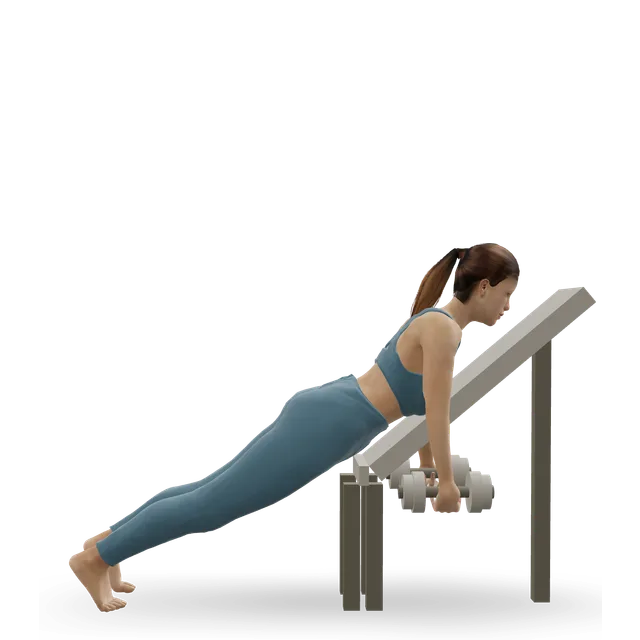
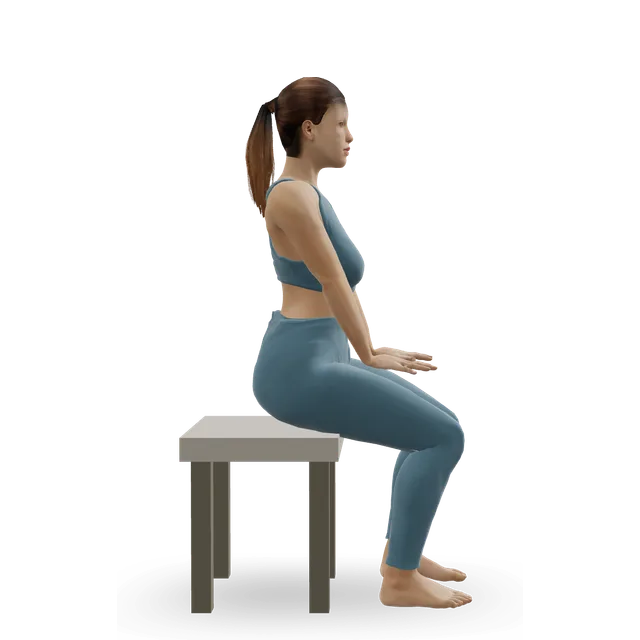
2 to 3 days a week, the part that keeps muscle: 2 to 3 sets of 8 to 15 reps, stopping each set with 2 to 3 reps in reserve, and breathe out on each effort (our translation of EASO's moderate to high intensity). Sit-to-stands lead on to goblet squats, and wall push-ups to incline push-ups. With a higher body weight, use a sturdy chair, ideally with arms. If getting to the floor is hard, do bridges on a firm bed. For carries, start with a weight you can carry for 30 metres without your posture breaking, often lighter than the move's own page suggests (our suggestion).

Starting gently: seated and low-impact

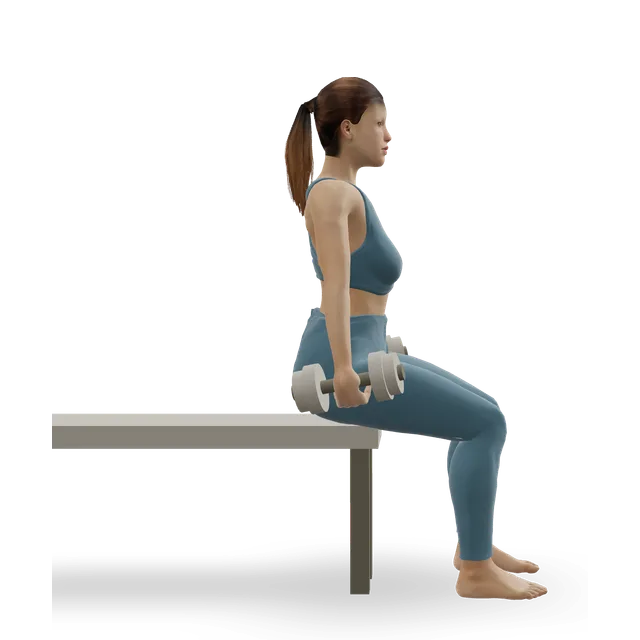
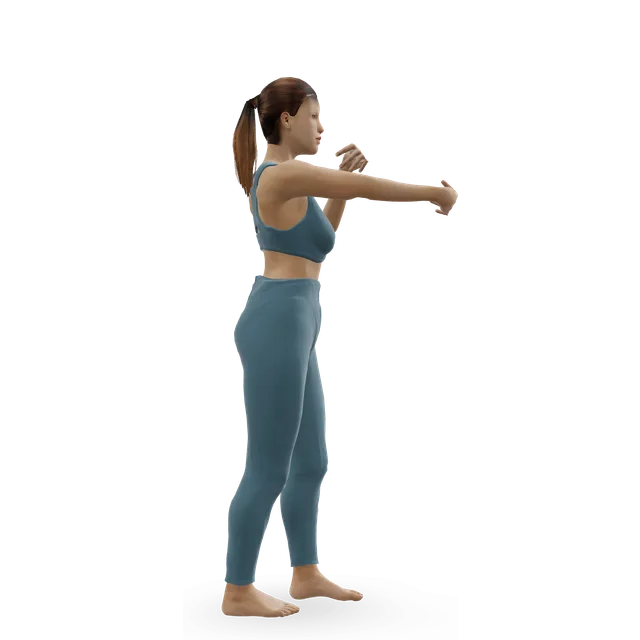
If you can't stand for long, have a very high weight, or have painful knees, hips or feet. Seated march, 1 to 2 minutes (its own page); sit-to-stands pushing on the thighs and seated curls, 5 to 10 reps (the chair workout's doses); seated knee straightening, 3 sets of 10 to 15 each leg (its own page); low step-ups, 6 to 10 each leg with a rail in reach, and calf raises, 10 to 15 holding a counter (our suggestion). Step jacks and punches raise the heart rate with no jumping: 30 to 45 seconds each in a circuit (our suggestion). These two are new and have no 3D demo yet, so follow the written steps.

Starting with a higher weight or sore joints

Easy on the jointsEmerging evidence

In 142 older adults with knee arthritis, each kilo of weight lost reduced the load on the knee by about 4 kg per step. Water exercise gives small short-term improvements in pain and function in knee and hip arthritis, including in people with overweight or obesity. Aerobic exercise programmes cause about 2 more mild to moderate side effects per 100 people, mostly in muscles and joints. Start with seated work, a bike or water exercise, and build time before intensity (our suggestion).

Sources 65, 66, 67, 3

Knee or hip arthritis

Choose cycling, water exercise and walking on flat ground, and keep strength work for the thighs and hips. Our knee and hip arthritis guides have staged plans.

Sources 66, 65

Jumping and HIIT

Leave burpees, jump squats and other jumping until walking and strength work feel comfortable; step jacks and marching raise the heart rate without the impact (our suggestion). EASO advises interval training for people living with obesity only after a heart risk assessment and with supervision.

Source 1

Getting to and from the floor

If getting down and up is hard, do floor moves on a firm bed, or swap them: sit-to-stands for bridges, for example (our suggestion).

Older adults losing weightStrong evidence

Combine strength and aerobic training rather than aiming for weight loss alone: dieting costs muscle and hip bone, less so with strength training. NICE says to interpret BMI with caution in people over 65.

Sources 39, 30

With diabetes

If you take insulin or a sulfonylurea such as gliclazide, exercise can bring on a hypo: our type 2 diabetes guide has the routine. Check your feet after exercise if you have diabetes, and never change a medicine yourself: talk to your diabetes team.

Heat, chafing and feet

Breathable clothing, anti-chafe balm, supportive shoes and water to hand make sessions easier to repeat (our suggestion).

Workouts to follow

The low-impact cardio workout and the easy cardio workout give you your minutes; the beginner home workout is the place to start strength. The chair workout suits anyone who can't stand for long, at any age. The beginner home workout has a few floor moves: with a higher weight, do them on a firm bed or skip them at first. Keep the interval workout for when 150 minutes a week of steady activity feels comfortable.

Low-impact cardio workout (no jumping)

A 25-minute standing cardio circuit with no jumping: marching, step jacks, sit-to-stands, punches, step-ups and wall push-ups, with a seated option for most moves.

25 minBeginner9 movesA bench or box, A step

Easy cardio workout

A steady 30 to 45 minute cardio session at talk-but-not-sing pace: walk, cycle, row or cross-train, counting toward weekly activity guidelines.

40 minBeginner3 movesCardio machine, A wall

Beginner home workout

A gentle 20-minute beginner home workout with a chair, a wall and a band: sit-to-stands, wall push-ups, band rows, step-ups and dead bugs.

20 minBeginner11 movesA bench or box, A wall

Chair exercises for seniors: a seated workout

A 20-minute seated workout for older adults who cannot stand for long: marching, leg and arm strength, posture, and sit-to-stands that lead back to standing.

20 minBeginner11 movesA bench or box, Something with weight

Low-impact leg workout (no jumping)

A gentle leg strength routine with no jumping: sit-to-stands, step-ups, wall sits, bridges and calf raises.

20 minBeginner7 movesA bench or box, A step

Resistance band workout

A full-body resistance band workout: squats, presses, pull-aparts, band walks, good mornings and flyes.

25 minBeginner7 movesA band

Full-body dumbbell workout

A 35-minute full-body strength workout with dumbbells: goblet squats, presses, rows, Romanian deadlifts and carries.

35 minIntermediate9 movesA band, A dumbbell

Strength and balance workout

Strength and balance in one session: squats, Romanian deadlifts, push-ups, rows, step-ups, back extensions, carries and single-leg balance.

45 minBeginner14 movesA wall, A dumbbell

Cardio intervals workout

A 25-minute interval session on a bike or rower: one-minute hard efforts with two minutes easy, building from 4 to 8 rounds.

25 minIntermediate1 movesCardio machine

Plans

The beginner plan is the best start: two, then three short strength sessions a week plus walks that build from 10 to 30 minutes. The 3-day home plan is the next step. On weight loss injections, the 7-day plan matches the experts' advice: three strength days and about 150 minutes of cardio. The 2-day plan is the minimum strength dose. The men's plan includes kettlebell swings and intervals, so it suits people already used to regular exercise.

Myths

"Crunches and planks burn belly fat"

They strengthen the muscles under the fat; they don't burn the fat over them. A meta-analysis of 13 studies found no local fat loss from training one area, six weeks of regular ab exercises did not shift belly fat, and training one leg took fat off the arms and trunk instead. One small trial found a little extra trunk fat loss with nearly an hour of ab work 4 days a week, which is not a practical route. Whole-body exercise and eating less reduce the waist.

Sources 18, 31, 32, 33, 10

"Low-intensity cardio is the fat-burning zone"

Easy exercise burns a larger share of fat while you do it, but what matters for fat loss is the total energy burned. Steady and interval training lose about the same fat when they burn the same energy, and vigorous aerobic exercise trims the waist slightly more than moderate.

Sources 1, 17, 10

"HIIT keeps burning fat for hours afterwards"

The afterburn is 6 to 15% of the session's own energy cost, and a review calls its role in weight loss generally unfounded. HIIT's real advantage is time.

Sources 68, 17

"Building muscle will turbo-charge your metabolism"

A kilo of muscle burns about 13 calories a day at rest, against about 4.5 for a kilo of fat. Strength training matters for keeping muscle and function while you lose weight, not because muscle burns many calories at rest.

Sources 69, 2, 39

"Fasted cardio burns more fat"

In a 4-week trial of 20 women on the same calorie deficit, fasted and fed cardio gave the same fat loss.

Source 70

"Exercise makes you eat more than you burn"

On average, exercise raises food intake a little, about 100 calories a day or less, and does not cancel itself out. Some people do compensate more, which is one reason to pair exercise with attention to eating.

Sources 1, 8

"You need 10,000 steps a day"

There is no guideline step target for weight loss. In cohort data, the biggest drop in the risk of death comes by about 5,000 to 7,000 steps a day, and more steps keep helping for some outcomes.

Sources 57, 56

"With weight loss injections, exercise doesn't matter"

NICE says weight loss medicines should be used alongside a reduced-calorie diet and more physical activity. Exercise helps protect muscle and bone, and in one trial people who had exercised regained much less after treatment stopped.

Sources 19, 21, 45, 44

"You can out-exercise a bad diet"

Only with a very large amount: supervised sessions burning 400 to 600 calories, 5 days a week for 10 months, took off 4 to 5 kg. For most people, eating less does most of the weight loss, and exercise does most of the keeping it off and the health gains. As NHS Better Health puts it, changing what you eat can help you lose weight, and moving more can help you keep it off.

Sources 9, 6, 59

Questions people ask

What is the best exercise for weight loss?

The one you will keep doing, done often. For weight and fat, aerobic exercise such as brisk walking, cycling, swimming or rowing works better than weights alone. Strength training on 2 to 3 days a week keeps muscle while you lose weight. Interval training saves time but loses about the same fat as steady exercise that burns the same energy. The best plan combines both kinds, with eating less doing most of the weight loss.

How much exercise do I need to lose weight?

For a noticeable effect from exercise alone, at least 150 minutes a week of brisk activity, and more is better: in 116 trials, 150 minutes a week took off about 2.8 kg and 300 minutes about 4.2 kg. European guidance advises 150 to 200 minutes a week and says to expect 2 to 3 kg. The NHS suggests getting active for 45 to 60 minutes a day while losing weight. To keep weight off after losing it, NICE says you may need 60 to 90 minutes of activity a day, which includes all your walking and everyday activity.

Can I lose weight with exercise alone, without dieting?

Some, but usually not much: 2 to 3 kg on average. The body makes up for some of the extra energy you burn, through appetite and a slightly lower resting burn. Very large amounts of supervised exercise took off 4 to 5 kg in one trial. Diet and exercise together work best at a year and beyond.

Is cardio or weights better for fat loss?

Cardio for weight and fat: aerobic training took off more weight and fat than weights in a direct comparison. Weights for keeping and building muscle, which matters more the more weight you lose. Doing both took twice the time without extra fat loss in that trial, but most guidance still recommends both for health.

Is HIIT better than steady cardio for fat loss?

About the same, when the energy burned is the same. HIIT takes about 40% less time and may take off slightly more fat mass. It is harder and carries more strain, so European guidance advises it for people living with obesity only after a heart risk check and with supervision. Build a base of steady activity first.

Can you lose belly fat with exercise?

Yes, but not by exercising your belly. Aerobic exercise reduces the waist by about 3 cm on average, more with vigorous effort, and reduces the deep fat around the organs even without weight loss. Ab exercises do not burn the fat over the abs. NICE suggests keeping your waist to less than half your height.

How many steps a day do I need to lose weight?

There is no official number. Walking programmes on their own take weight off slowly, about 0.05 kg a week. Adding around 2,000 to 2,500 steps a day to what you already do is a realistic start, and 7,000 to 8,000 or more is linked with a lower risk of disease and death. NICE lists a daily step goal as one way to build up activity.

Why am I not losing weight even though I exercise?

Common reasons: exercise burns less than most people expect, appetite rises a little to match, and the body trims its resting burn slightly. You may also be losing fat from your waist while the scales stay still, so measure your waist as well. Exercise still lowers health risks without weight loss. If weight is the goal, combine exercise with eating less, and ask your GP about weight management support.

Should I exercise on Wegovy, Mounjaro or Ozempic? Will I lose muscle?

Yes, exercise. NICE says weight loss medicines should be used alongside a reduced-calorie diet and more physical activity. Part of the weight lost is lean tissue: about a quarter on tirzepatide and closer to two-fifths on semaglutide in a small substudy. Lean tissue includes water and organs, not just muscle. Experts advise strength training at least 3 times a week plus 150 minutes of moderate aerobic activity, though trials testing it with these medicines have not reported yet. Eat and drink before exercise, build up gently while side effects settle, and sit down if you feel dizzy; low blood sugar is more likely if you also take diabetes medicines.

Is it safe to exercise if I'm very overweight? What is easiest on the joints?

For most people, yes. Weight on its own is not one of the things the American College of Sports Medicine uses to decide who needs a check before exercising; known heart, kidney or metabolic disease such as diabetes, symptoms such as chest pain on exertion, how active you are now and how hard you plan to exercise are. The NHS advises speaking to your GP first if you haven't exercised for some time or have a medical condition. Start with seated exercise, a bike or water, and build up slowly: cycling, water exercise, rowing, the cross-trainer and walking on flat ground are easiest on the joints. Stop and call 999 for chest pain that feels tight or spreads to the arm, neck or jaw.


Sources

  1. Oppert 2021 · Exercise training in the management of overweight and obesity: EASO Physical Activity Working Group evidence and recommendations (Obesity Reviews)
  2. Bellicha 2021 · Exercise training, weight loss, body composition and weight maintenance: an overview of 12 systematic reviews (Obesity Reviews)
  3. Jayedi 2024 · Aerobic exercise and weight loss in adults: dose-response meta-analysis of 116 trials (JAMA Network Open)
  4. Shaw 2006 · Exercise for overweight or obesity (Cochrane review)
  5. Wu 2009 · Long-term effectiveness of diet plus exercise vs diet alone for weight loss (meta-analysis, Obesity Reviews)
  6. Johns 2014 · Diet or exercise vs combined behavioural weight management programmes: direct comparisons (meta-analysis, J Acad Nutr Diet)
  7. Careau 2021 · Energy compensation and adiposity in 1,754 adults (Current Biology)
  8. Martin 2019 · Exercise dose, food intake, metabolism and everyday movement: the E-MECHANIC trial (RCT, AJCN)
  9. Donnelly 2013 · Aerobic exercise alone and weight loss in men and women: Midwest Exercise Trial 2 (RCT, Obesity)
  10. Armstrong 2022 · Aerobic exercise and waist circumference in adults with overweight or obesity (meta-analysis, Obesity Reviews)
  11. Verheggen 2016 · Exercise training vs a calorie-restricted diet: weight and visceral fat (meta-analysis, Obesity Reviews)
  12. Ross 2000 · Weight loss by diet or by exercise, and exercise without weight loss, in men (RCT, Annals of Internal Medicine)
  13. Weeldreyer 2025 · Cardiorespiratory fitness, body mass index and mortality (meta-analysis, BJSM)
  14. Wing 2005 · Long-term weight loss maintenance (review, AJCN)
  15. NICE NG246 · Overweight and obesity management: physical activity and diet (2025, updated January 2026; the adult activity advice dates from 2006)
  16. Willis 2012 · Aerobic training, resistance training or both: body mass and fat mass (STRRIDE AT/RT trial, Journal of Applied Physiology)
  17. Wewege 2017 · High-intensity interval vs moderate continuous training and body composition in overweight and obesity (meta-analysis, Obesity Reviews)
  18. Ramírez-Campillo 2022 · Spot reduction: systematic review and meta-analysis of 13 studies (Human Movement)
  19. NICE NG246 · Overweight and obesity management: medicines and surgery
  20. Look 2025 · Body composition changes with tirzepatide in the SURMOUNT-1 study (Diabetes, Obesity and Metabolism)
  21. Mozaffarian 2025 · Nutritional priorities to support GLP-1 therapy for obesity: a joint advisory of four US lifestyle, nutrition and obesity societies (American Journal of Lifestyle Medicine)
  22. Alawadhi 2026 · Resistance exercise and protein during semaglutide and tirzepatide treatment: the LEAN-PREP trial protocol (BMJ Open)
  23. NHS · Semaglutide (side effects)
  24. Church 2009 · Weight, waist and compensation with different exercise doses in postmenopausal women (RCT, PLoS One)
  25. Thomas 2012 · Why don't people lose more weight from exercise? An energy balance analysis (Obesity Reviews)
  26. Pontzer 2016 · Constrained total energy expenditure and metabolic adaptation to physical activity (Current Biology)
  27. Recchia 2023 · Dose-response effects of exercise and calorie restriction on visceral fat (meta-analysis, BJSM)
  28. Obesity Canada 2020 · Canadian adult obesity clinical practice guidelines: physical activity in obesity management
  29. Barry 2014 · Fitness vs fatness on all-cause mortality (meta-analysis, Progress in Cardiovascular Diseases)
  30. NICE NG246 · Identifying and assessing overweight, obesity and central adiposity (waist-to-height ratio)
  31. Vispute 2011 · The effect of abdominal exercise on abdominal fat (RCT, JSCR)
  32. Ramírez-Campillo 2013 · Regional fat changes after training one leg (JSCR)
  33. Brobakken 2023 · Abdominal endurance exercise and trunk fat in 16 men (RCT, Physiological Reports)
  34. Friedenreich 2015 · 300 vs 150 minutes a week of aerobic exercise and body fat in postmenopausal women (RCT, JAMA Oncology)
  35. Maillard 2018 · High-intensity interval training and total, abdominal and visceral fat (meta-analysis, Sports Medicine)
  36. Donnelly 2009 · Physical activity for weight loss and prevention of weight regain in adults (ACSM position stand, MSSE)
  37. Wewege 2022 · Resistance training and body fat in healthy adults (meta-analysis, Sports Medicine)
  38. Viana 2019 · Is interval training the magic bullet for fat loss? (meta-analysis, BJSM)
  39. Villareal 2017 · Aerobic or resistance exercise, or both, in dieting older adults with obesity (RCT, NEJM)
  40. Wilding 2021 · Semaglutide and body composition: exploratory STEP 1 analysis (conference abstract, Journal of the Endocrine Society)
  41. Neeland 2024 · Lean body mass with GLP-1-based therapies and how to limit its loss (review, Diabetes, Obesity and Metabolism)
  42. Wilding 2022 · Weight regain after stopping semaglutide: the STEP 1 trial extension (Diabetes, Obesity and Metabolism)
  43. Lundgren 2021 · Weight loss maintenance with exercise, liraglutide or both (RCT, NEJM)
  44. Jensen 2024 · A year after stopping exercise, liraglutide or both: post-treatment follow-up of a randomised trial (eClinicalMedicine)
  45. Jensen 2024 · Bone health after exercise, liraglutide or both (secondary analysis of a randomised trial, JAMA Network Open)
  46. Klem 1997 · People who kept off a large weight loss: the National Weight Control Registry (AJCN)
  47. Catenacci 2008 · Physical activity patterns in the National Weight Control Registry (Obesity)
  48. Catenacci 2011 · Activity measured by accelerometer in the National Weight Control Registry (Obesity)
  49. Thomas 2014 · Weight-loss maintenance for 10 years in the National Weight Control Registry (American Journal of Preventive Medicine)
  50. NHS · Obesity: treatment
  51. Jakicic 2008 · Exercise and 24-month weight loss maintenance in women (Archives of Internal Medicine)
  52. Levine 2005 · Time spent sitting and standing, and obesity (Science)
  53. Levine 1999 · Non-exercise activity thermogenesis and resistance to fat gain (Science)
  54. Richardson 2008 · Pedometer-based walking programmes and weight loss (meta-analysis, Annals of Family Medicine)
  55. Bravata 2007 · Using pedometers to increase physical activity (systematic review, JAMA)
  56. Master 2022 · Step counts and the risk of chronic disease in the All of Us Research Program (Nature Medicine)
  57. Ding 2025 · Daily steps and health outcomes in adults (dose-response meta-analysis, Lancet Public Health)
  58. Jakicic 2019 · Bout duration of physical activity and health (systematic review, MSSE)
  59. NHS Better Health · How to lose weight
  60. Bull 2020 · World Health Organization 2020 guidelines on physical activity and sedentary behaviour (BJSM)
  61. NHS · Physical activity guidelines for adults aged 19 to 64
  62. Jakicic 2019 · Physical activity and the prevention of weight gain in adults (systematic review, MSSE)
  63. NHS · Heart attack: symptoms
  64. Riebe 2015 · Updating ACSM's recommendations for exercise preparticipation health screening (MSSE)
  65. Messier 2005 · Weight loss reduces knee-joint loads in older adults with knee osteoarthritis (Arthritis and Rheumatism)
  66. Bartels 2016 · Aquatic exercise for knee and hip osteoarthritis (Cochrane review)
  67. Zhou 2026 · Aquatic exercise for overweight or obese people with lower-limb osteoarthritis (meta-analysis, Frontiers in Physiology)
  68. LaForgia 2006 · Exercise intensity, duration and the afterburn (EPOC) (review, Journal of Sports Sciences)
  69. Wang 2010 · Resting energy use of the body's organs and tissues across adulthood (AJCN)
  70. Schoenfeld 2014 · Body composition changes with fasted vs fed aerobic exercise (RCT, JISSN)

Exercise education, not a diagnosis or treatment plan, and clinical review of these guides is pending. Stop and get advice for chest pain, unusual breathlessness, dizziness or fainting, or new pain, and check with your doctor or midwife first if they have told you to limit activity. Health disclaimer.