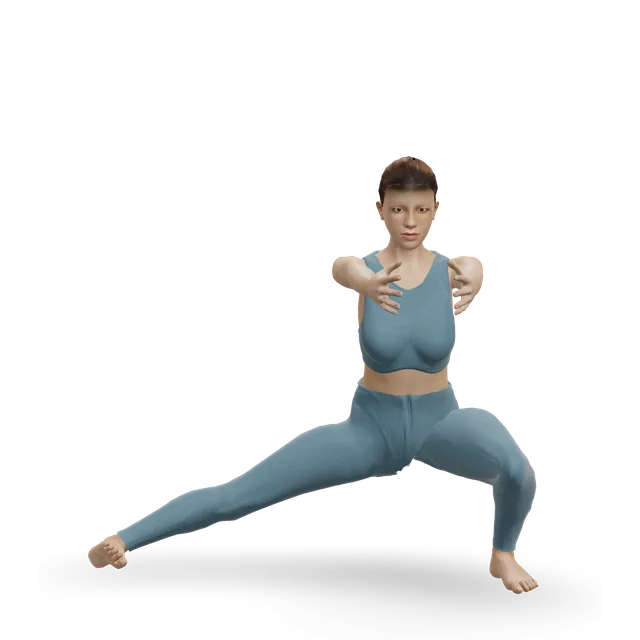
Hip arthritis exercises: a staged plan that follows the guidelines
Hip osteoarthritis usually shows up from mid-life as an ache in the groin or the front of the thigh with walking, stairs and putting on socks, stiffness after sitting, and morning stiffness that wears off within half an hour.
Every major guideline puts exercise first. It will not make arthritis disappear, but it takes a noticeable edge off pain and makes daily tasks easier, and the benefit lasts as long as you keep it going.
Exercise is for pain that has been checked or is clearly mild and settling.
Get urgent medical help if
Severe hip pain after a fall or injury, or you cannot stand, walk or put weight on the leg. In an older adult this can be a broken hip; the leg may look shorter or turned outward.
Tingling or loss of feeling in the hip or leg after an injury.
Buttock or leg pain with numbness around the genitals or bottom, new trouble controlling your bladder or bowels, or weakness or numbness in both legs.
A hot, swollen hip, or hip pain with a fever or feeling generally unwell (a possible joint infection).
See a doctor or physiotherapist if
Hip pain that stops normal activities or disturbs sleep, keeps getting worse, or has not improved after 2 weeks of looking after it at home.
Stiffness lasting more than 30 minutes after waking.
Bone pain that is constant or worse at night, especially with a lump, unexplained weight loss, fever or tiredness, or a past history of cancer.
Understand it
Most people do not need an X-ray to be diagnosedStrong evidence
NICE says osteoarthritis can be diagnosed without imaging in people aged 45 or over with activity-related joint pain and morning stiffness of 30 minutes or less. Imaging is for when something does not fit.
Do not rely on manual therapy alone (only alongside exercise), acupuncture, TENS or ultrasound, glucosamine, or strong opioids. Steroid injections give relief for 2 to 10 weeks and are meant to support exercise, not replace it. Arthroscopic washout is not offered.
NICE: offer everyone with osteoarthritis therapeutic exercise tailored to them, such as local muscle strengthening and general aerobic fitness. The ACR strongly recommends exercise, weight loss where relevant, tai chi and a cane if needed. OARSI lists education and structured land-based exercise as core treatments for the hip.
The Cochrane review found land-based exercise lowered pain by about 8 points on a 0 to 100 scale and improved function by about 7, with about 1 in 6 people helped who otherwise would not have been. The pain benefit lasted 3 to 6 months after supervised sessions ended.
Supervised programmes that met recognised dose recommendations for strength, fitness and flexibility reduced pain clearly; programmes with uncertain adherence did not. A few gentle leg lifts now and then are probably not enough.
In Denmark's GLA:D programme (two education sessions and twelve supervised exercise sessions over six weeks), people with hip arthritis reported pain about 11 points lower afterwards. There was no comparison group, so some of that is natural ups and downs.
Pool exercise gives a small short-term benefit. It is a reasonable start if exercise on land hurts too much, but aim to build toward strengthening on land.
During the exercise, pain up to about 5 out of 10 is acceptable. It should settle within an hour or so, and your hip should be no worse that night or the next morning. If it is, do less next time (fewer repetitions, a smaller range, a lighter load), not nothing.
Pain can go up a little when you start a new exercise programme; guidelines for arthritis say so and still recommend keeping going. If pain climbs week after week, or a warning sign appears, stop and get it checked.
Move on when: Add a little load or a harder option every week or two while the hip stays settled.
Follow along: a timer, a cue and the next move, one step at a time.
What to change for now
Exercises to avoid? Let pain set the depth
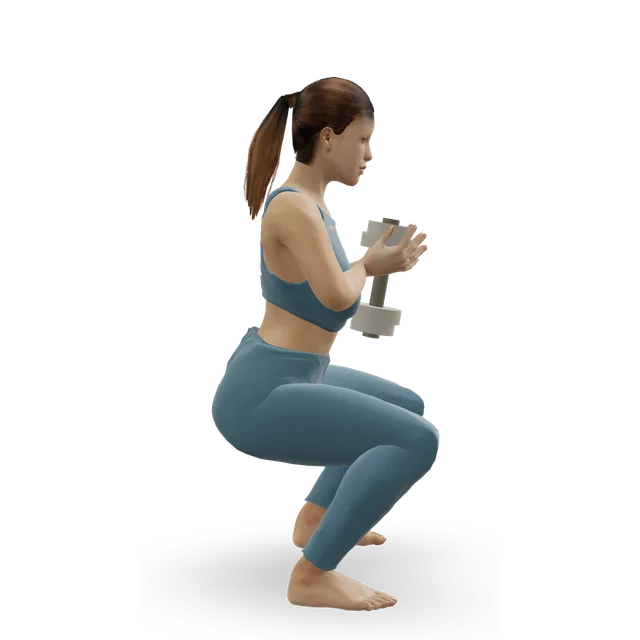
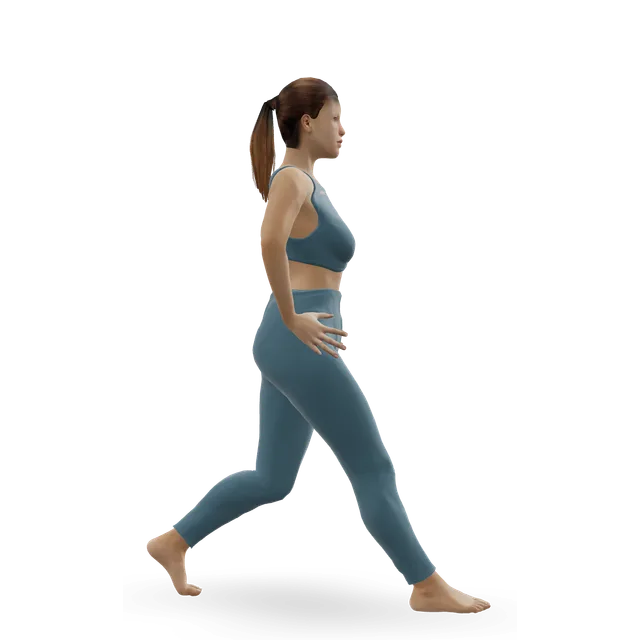
No exercise is banned by the evidence. Deep squats, deep lunges and very low chairs often aggravate an arthritic hip, so use a box or a higher chair to set the depth and build range back gradually.
Running and jumping are not forbidden, but most people with a painful arthritic hip do better building strength and fitness first with walking, cycling or water exercise. After a hip replacement, follow your surgeon's movement limits.
When to talk about a hip replacement
NICE suggests considering referral for joint replacement when symptoms substantially affect quality of life and non-surgical care, exercise included, has not worked.
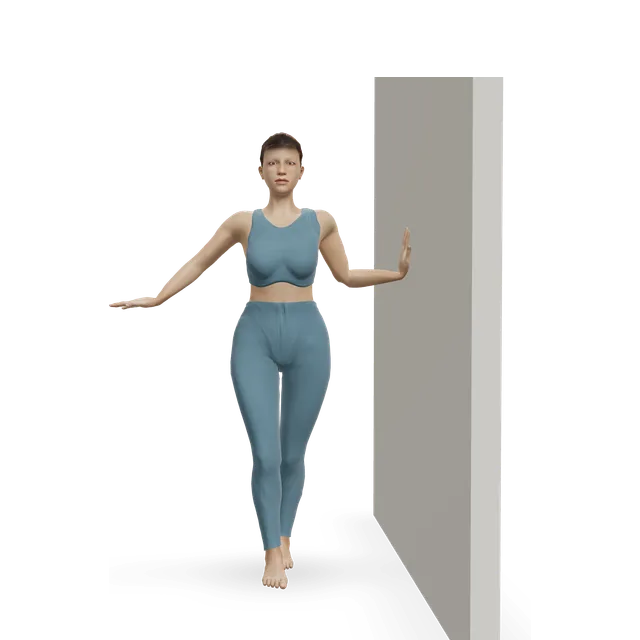
Yes. Guidelines recommend aerobic activity such as walking as part of treatment. Start with short walks at a talking pace and add a few minutes each week; a stick in the opposite hand can take load off a painful hip.
What are the best hip arthritis exercises for seniors?
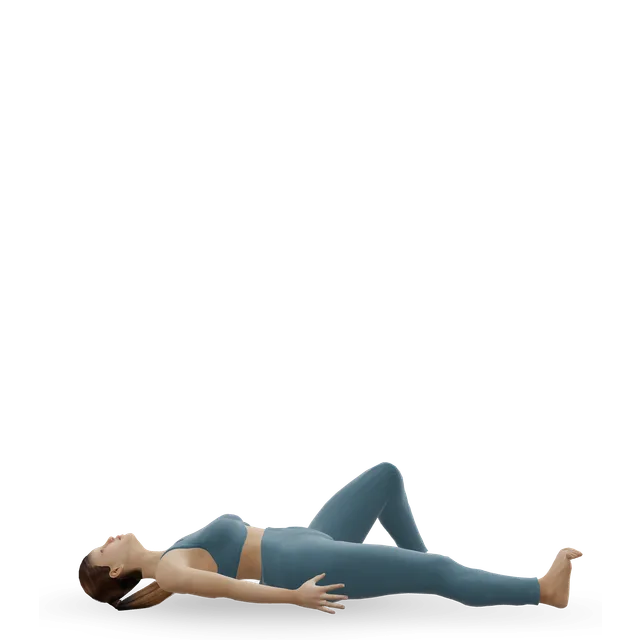
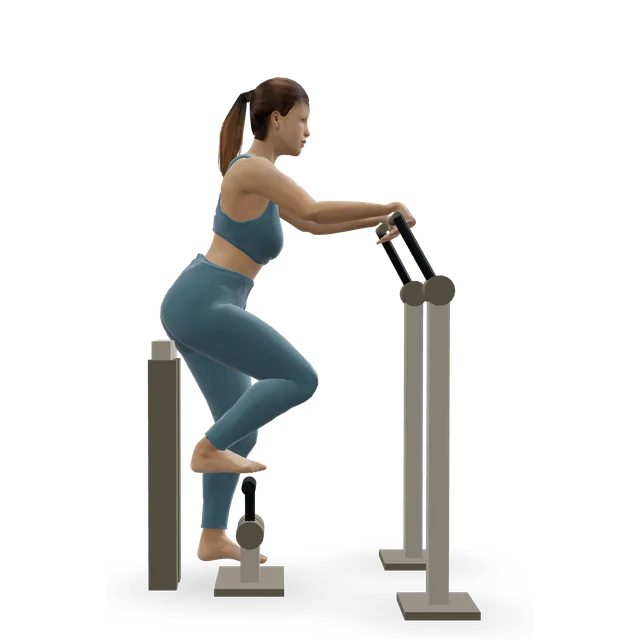
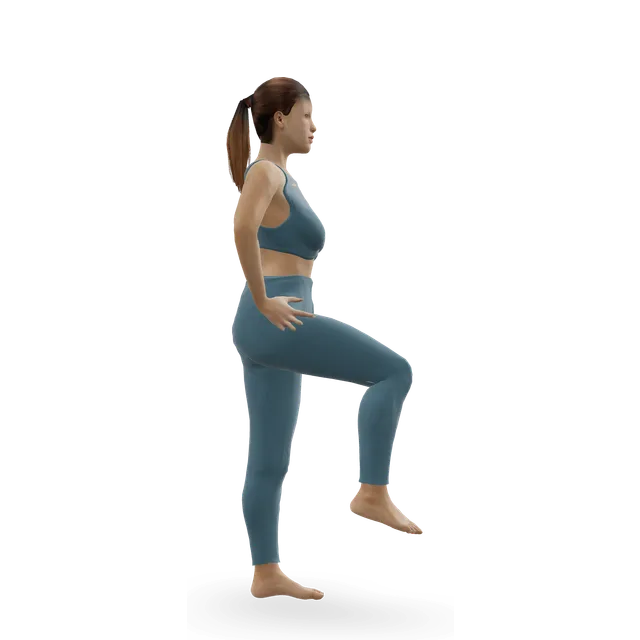
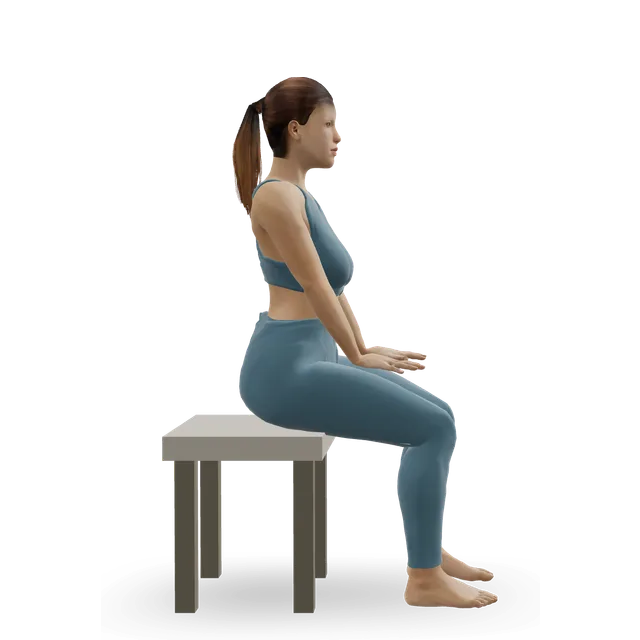
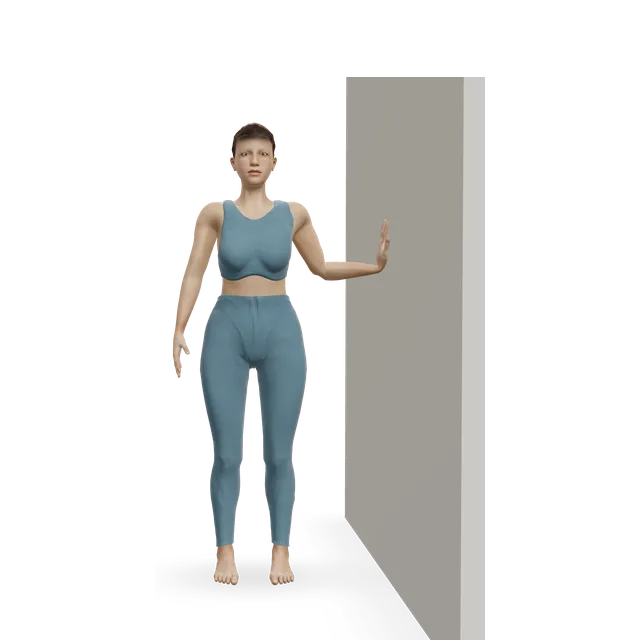
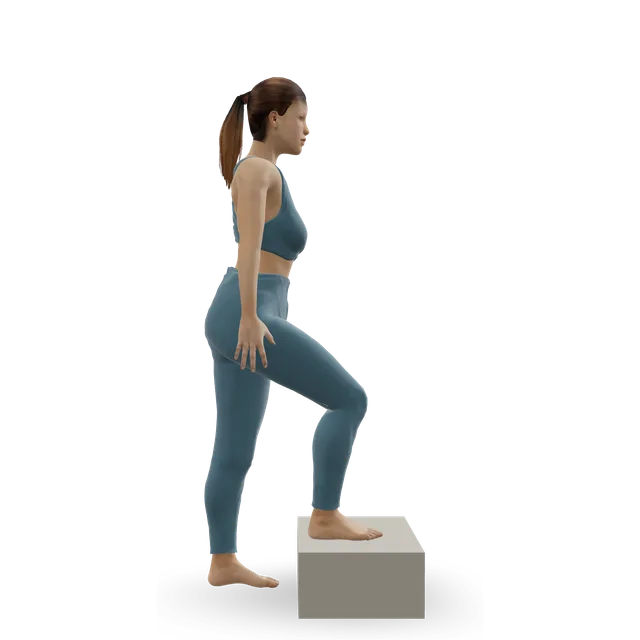
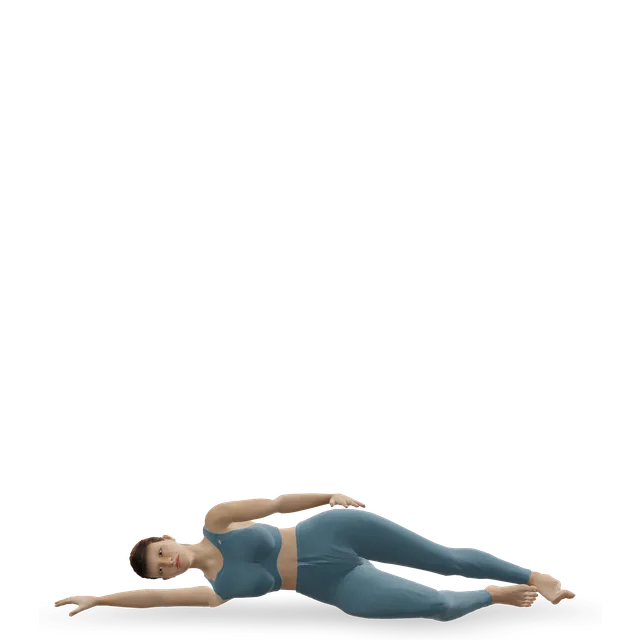
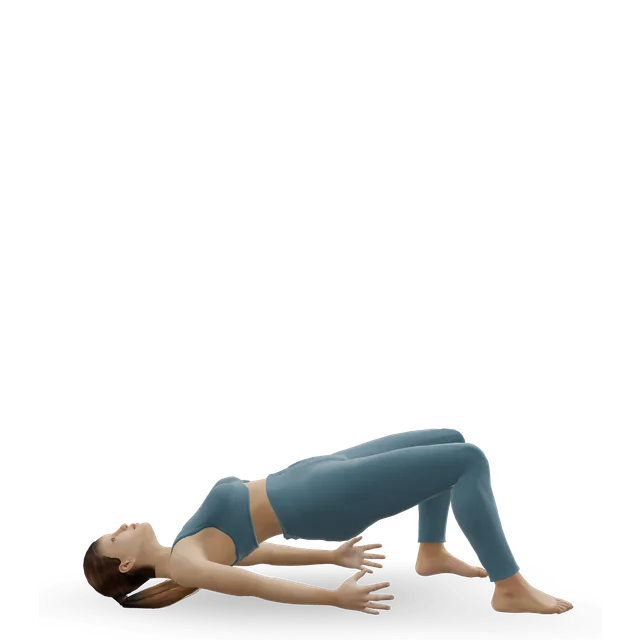
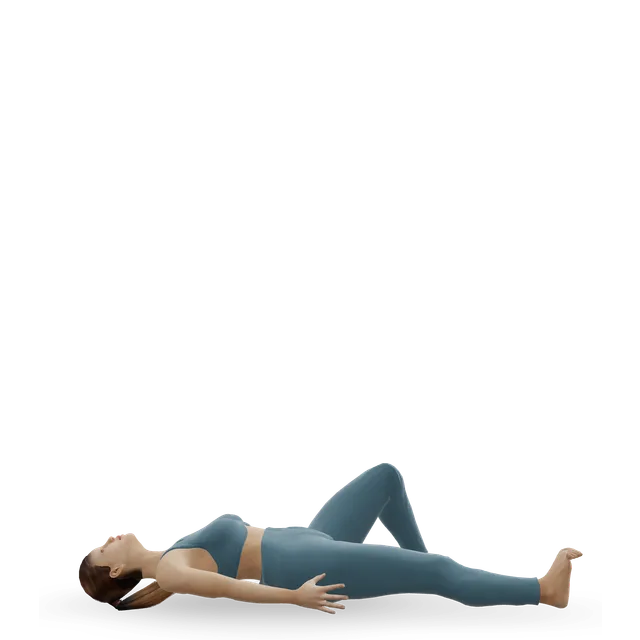
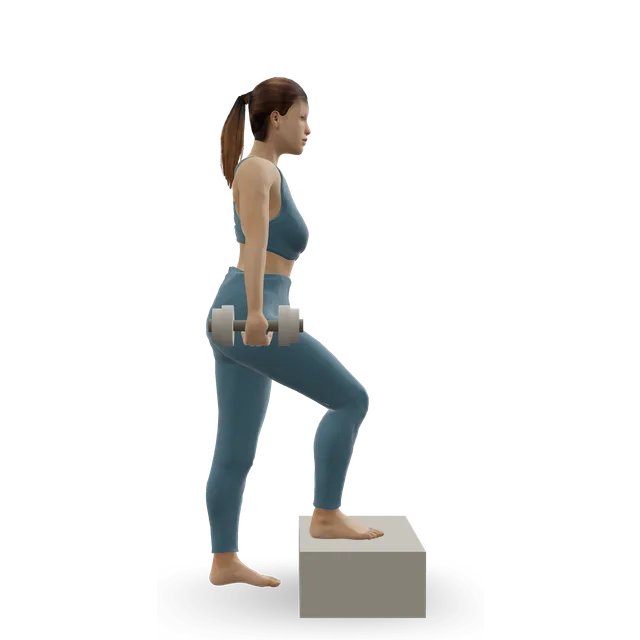
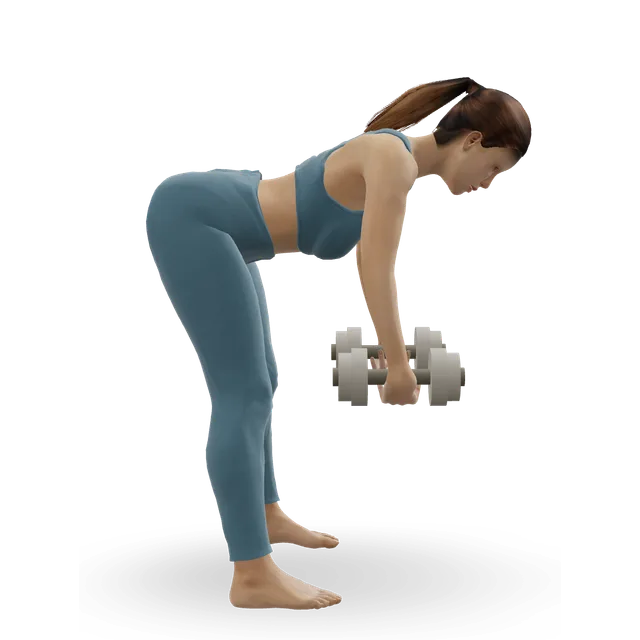
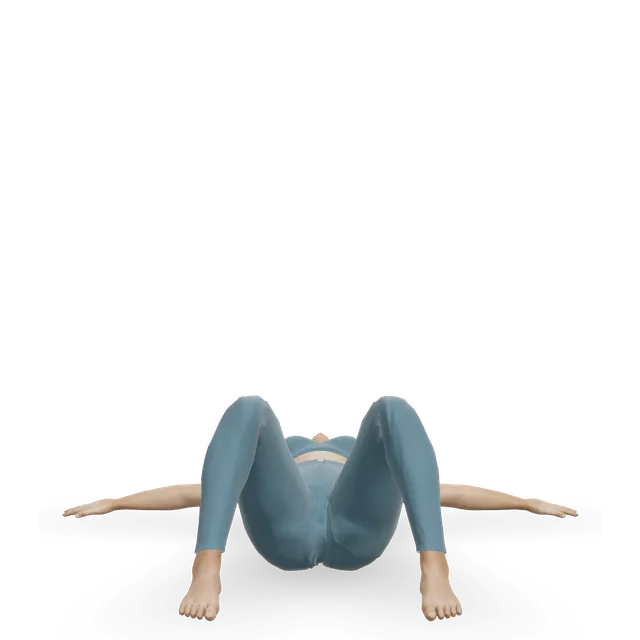
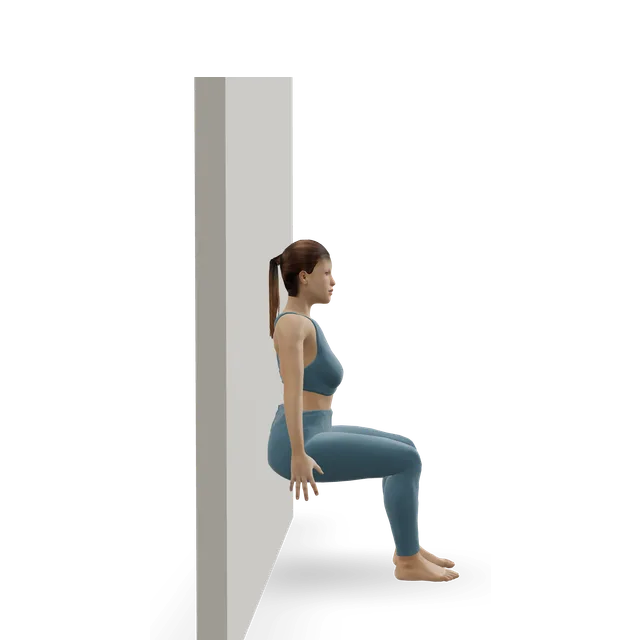
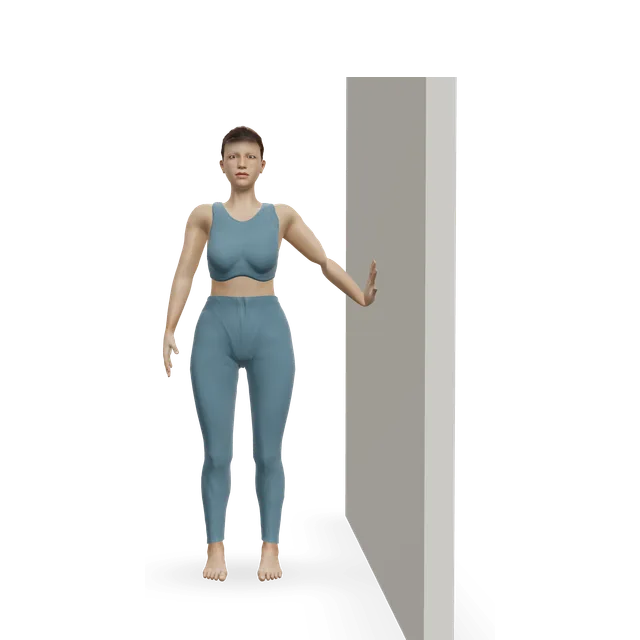
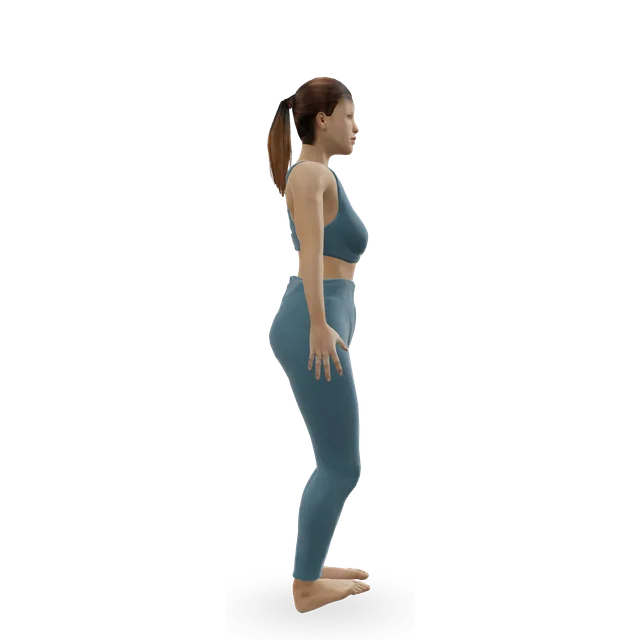
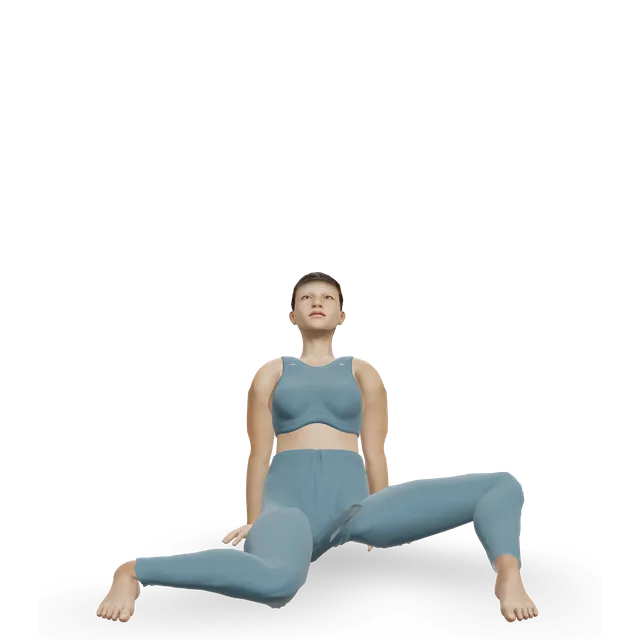
Chair stands, step-ups, bridges, side-lying leg raises and balance work, built up gradually: the same plan works at any age. Start at stage 1 and use the easier option shown under each move.
Can exercise damage an arthritic hip?
Guidelines say exercise is safe and recommended. Pain may rise a little when you start; it should settle by the next morning. A steady increase week after week means the dose is too high, not that you should stop moving.
How long before exercise helps hip arthritis?
Usually weeks. Programmes such as GLA:D measure people at 3 months, and NICE stresses that keeping it up is what brings the benefit.
Exercise education, not a diagnosis or treatment plan. It is written from the guidelines and studies listed above; review by a clinician is pending. If your pain follows an injury, is severe, is getting worse, or comes with any warning sign listed on this page, get it assessed. Health disclaimer.