Get up and down from the floor
Lowering yourself from standing to the floor and lying down, then reversing the route to stand, using your hands and knees as much as you need. Unlike the Turkish get-up, any route counts. Sitting down on and rising from the floor with little support goes with longer survival after 50, which is association, not proof; but in a pilot trial, five 20-minute sessions of practice left every trained older adult able to rise from lying, against 63% of those who only watched a video.
Movement guide
Get up and down from the floor
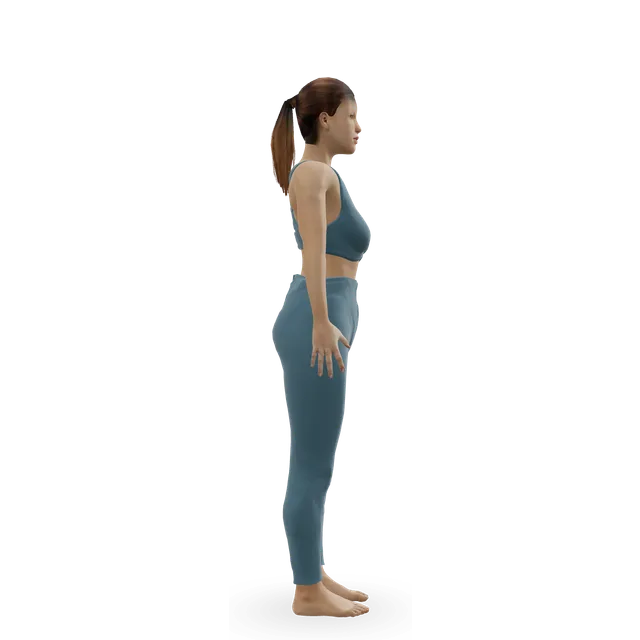
Loading the 3D figure…
Make it easier or harder
Choose a version that fits your control and comfort.
Easier option
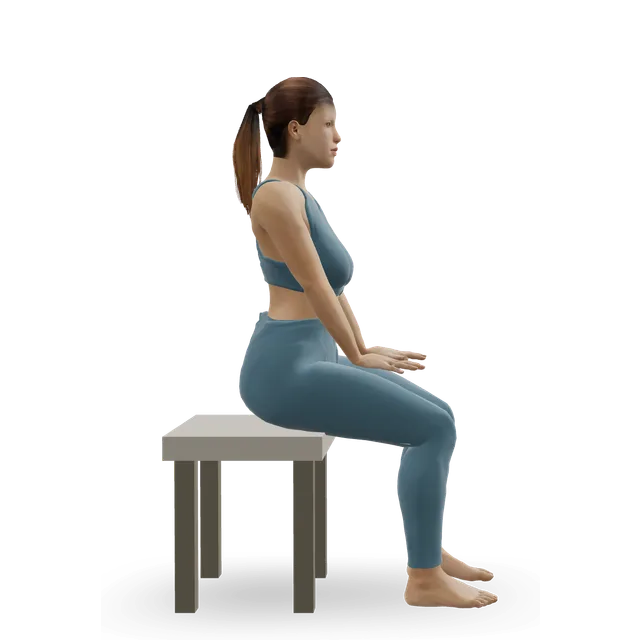 3D demoSit to stand from a chairBeginner · A bench or box
Suggested next step, beginner grade.
Harder option
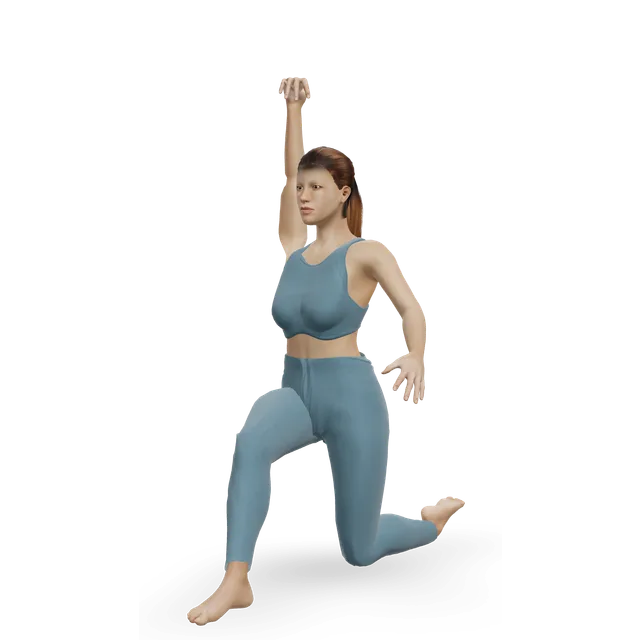 3D demoBodyweight get-upIntermediate · No equipment
Suggested next step, intermediate grade.
Source-researched guide.
How to move
- Stand with a sturdy chair beside you. Bend your knees into a deep squat, steadying yourself on the chair or the floor as much as you need.
- Sit back onto the floor with your hands behind you and your knees bent, then slide your legs out long and lower yourself onto your back, using your elbows.
- To come up, reverse it: onto your elbows, then your hands, draw your knees up and rock forwards over your feet into a squat, pushing from your hands, then stand tall.
- If that route is too hard, roll onto your side, push up to sitting on one hip, come onto your hands and knees, put your hands on the chair seat, step one foot forwards to half-kneel and push up to stand.
- Change which leg leads each time, and over weeks try routes that need less help from your hands.
Form cues
- Move slowly and pause in each position.
- Practise the last step first: from half-kneeling at the chair up to standing.
- Avoid: dropping the last few centimetres to the floor.
Practice and cautions
5 to 8 slow cycles down and up, changing the leading leg (our editorial starting point). Both trials taught it in short sessions: six over 2 weeks, or five weekly sessions of 20 minutes.
After a hip or knee replacement, or with acute back pain, check which positions are allowed with your surgeon or physiotherapist first. The first few times, practise with someone present and a sturdy chair close by. If you have fallen and could not get up, ask a physiotherapist to teach you the steps one at a time, starting with the last. This is movement education, not an assessment or treatment prescription. Stop for sharp or increasing pain, dizziness, numbness or tingling; seek individual guidance for symptoms, injury or restrictions.
Sources and review status
Sources support the educational description; they do not establish that this exercise is suitable for you.
- Seeley 2026 · Five weekly 20-minute sessions of floor-rise practice, taught last step first: faster rises, and every trained adult could rise from lying against 63% of those who watched a video (pilot cluster RCT of 61 older adults, Age and Ageing) ↗
- Hofmeyer 2002 · Six sessions of floor-rise strategy training improved older adults' ability to rise and eased the difficulty they felt (RCT of 35 adults, J Am Geriatr Soc) ↗
- Brito 2014 · Needing fewer supports to sit down on and rise from the floor went with longer survival in 2002 adults aged 51 to 80 (observational cohort, Eur J Prev Cardiol) ↗
No variation is labeled clinically validated.
What it works
Muscles
Main: Quads, Glutes. Also: Abs, Shoulders.
Anatomy: Sartorius, Quadriceps, Rectus femoris, Vastus medialis, Vastus lateralis, Gluteus maximus.
Equipment
None: body weight and floor space.
Level
Beginner. See the easier and harder options above.
Workouts that use it
- Balance exercises routine · 10 min
- Strength and balance exercises for seniors · 40 min
- Learn the Turkish get-up, stage by stage · 25 min
- Pickleball strength and balance workout · 30 min
- Standing Pilates for balance: a 25-minute counter and mat class · 25 min
- Big-movement Pilates for Parkinson's: a 25-minute chair, counter and mat class · 25 min
- Chair-to-mat Pilates for bigger bodies: a 30-minute class standing, at a chair and on the mat, with a chair-only option · 30 min
- Chair-to-mat yoga for bigger bodies: a 30-minute class seated, standing at a chair and wall, and on the mat, with a chair-only option · 30 min
Show all 16 workoutsShow fewer workouts
- Up-in-stages Pilates for low blood pressure: a 25-minute class that wakes your legs before you stand · 25 min
- Court-ready Pilates for pickleball players: a 25-minute class for balance and stepping, calves, hips, the trunk, and the paddle shoulder and forearm · 25 min
- Yoga for pickleball players: a 25-minute class at a counter for calves, one-leg balance and stepping, standing strength, and the paddle shoulder and forearm, with nothing head-down · 25 min
- Yoga for over 50s: a 30-minute class for strength, balance and a strong back · 30 min
- Mobility Pilates: a 25-minute class for your spine, hips and shoulders, from standing to the floor and back · 25 min
- Strength, balance and stamina Pilates: a 35-minute class for ageing well · 35 min
- Yoga for longevity: a 35-minute class for strength, balance, stamina and getting up from the floor · 35 min
- Counter-to-mat Pilates for women over 60: a 30-minute class for the pelvic floor, bone, leg and back strength, and balance · 30 min
Pain guides that use it
Part of a staged plan, with when to get help first.
- Hip arthritis exercises: a staged plan that follows the guidelines
- Recovering from a broken hip (hip fracture): a guide for you and your family
- Knee bursitis (housemaid's knee): what helps, and when it's infected
- Broken kneecap (patella fracture): brace or surgery, and the exercises that follow
- Tibial plateau fracture: weight-bearing limits, rehab and the long-term outlook
- Broken pelvis (pelvic fracture): breaks in later life, crash injuries and recovery
- Knee pain when kneeling: the kneecap, bursitis, knee replacements, knee pads and how to build back
- Knee pain when bending or straightening: the kneecap, the meniscus, behind the knee and what helps
Show all 20 pain guidesShow fewer pain guides
- Knee pain when sitting or standing up: the kneecap, arthritis, the back of the knee and what helps
- Knee pain in older adults: arthritis and other causes, what helps, walking aids, stairs and falls
- Hip pain in older adults: arthritis, the outer hip, the back, falls and a broken hip, and what helps
- Back pain in older adults: stenosis, spinal fractures from thin bones, what helps and warning signs
- Shoulder pain in older adults: rotator cuff tears, frozen shoulder, arthritis, falls and what helps
- Neck pain in older adults: arthritis, a trapped nerve, spinal cord pressure, a fall, and what helps
- Foot pain in older adults: arthritis, heel pain, bunions and toes, numb feet, circulation and shoes
- Ankle pain in older adults: arthritis, tendons and flat feet, swelling, falls, gout and circulation
- Upper back pain in older adults: spinal fractures, a rounded back, arthritis, shingles and the heart
- Back pain after gardening: digging, weeding, lifting and mowing, the first big day, and what helps
- Back pain when vacuuming: bending and twisting, the handle and the machine, stairs, and what helps
- Back pain after moving house: boxes, furniture, stairs and twisting, lifting for now and what helps
Guides that use it
- Pilates for MS guide
- Pilates at home guide
- Pilates for balance guide
- Pilates for Parkinson's guide
- Pilates for plus-size bodies guide
- Pilates for neuropathy guide
- Pilates over 50 guide
- Pilates for vertigo guide
Show all 44 guidesShow fewer guides
- Pilates for dementia guide
- Pilates for low blood pressure guide
- Pilates after a concussion guide
- Pilates for anaemia guide
- Pilates for pickleball players guide
- Pilates for mobility guide
- Pilates for longevity guide
- Pilates for older men guide
- Pilates for older women guide
- Pilates in eating disorder recovery guide
- Yoga for MS guide
- Yoga for Parkinson's guide
- Yoga for plus-size bodies guide
- Yoga for pickleball players guide
- Yoga over 50 guide
- Yoga for lipoedema guide
- Yoga for longevity guide
- Yoga for older men guide
- Yoga for older women guide
- Yoga for women over 50 guide
- Yoga for hip mobility guide
- Exercise for older adults
- Exercise for Parkinson's
- Exercises for vertigo
- Exercise after an amputation
- Exercise for sarcopenia
- Exercise with prostate cancer
- Exercise with glaucoma
- Exercise after cataract surgery
- Exercise after a brain injury
- Turkish get-ups guide
- How to improve balance guide
- Building muscle after 50 guide
- Strengthen your legs guide
- Sitting-rising test guide
- Pickleball guide
Similar moves
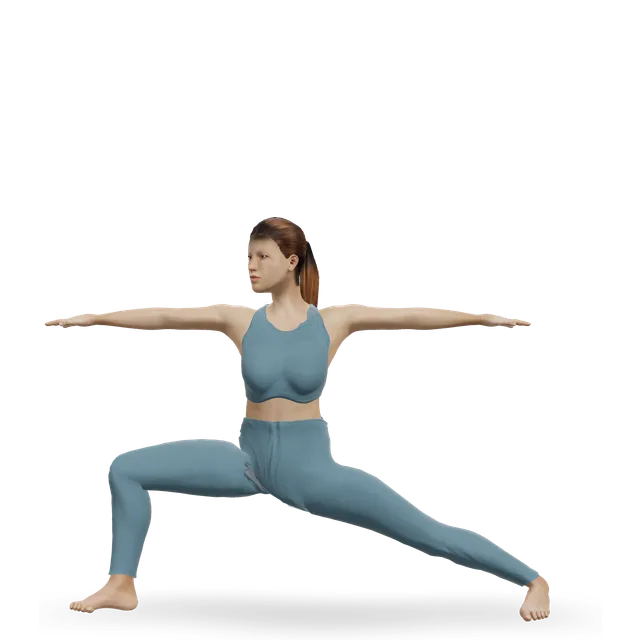 3D demoExtended side angle (Utthita Parsvakonasana)Intermediate · No equipment
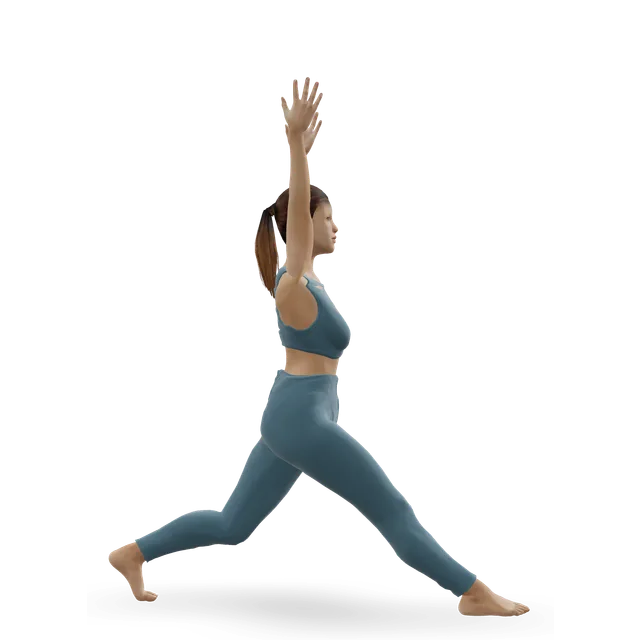 3D demoHigh lunge (crescent lunge, Ashta Chandrasana)Intermediate · No equipment
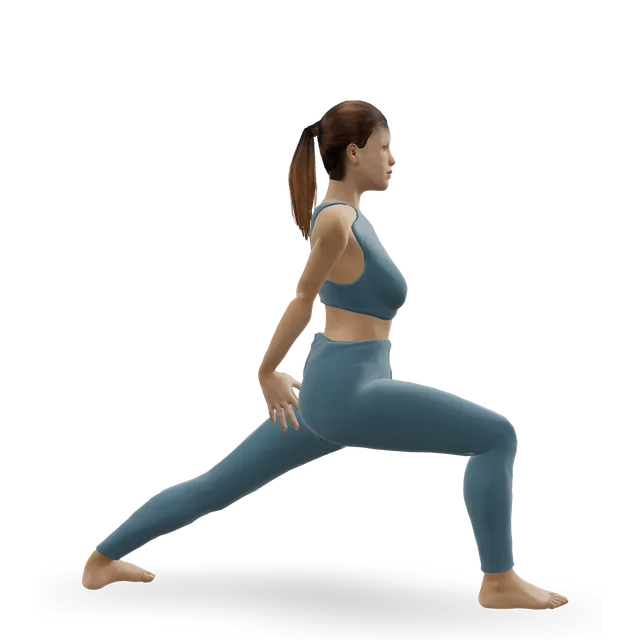 3D demoHumble warrior (Baddha Virabhadrasana)Intermediate · No equipment
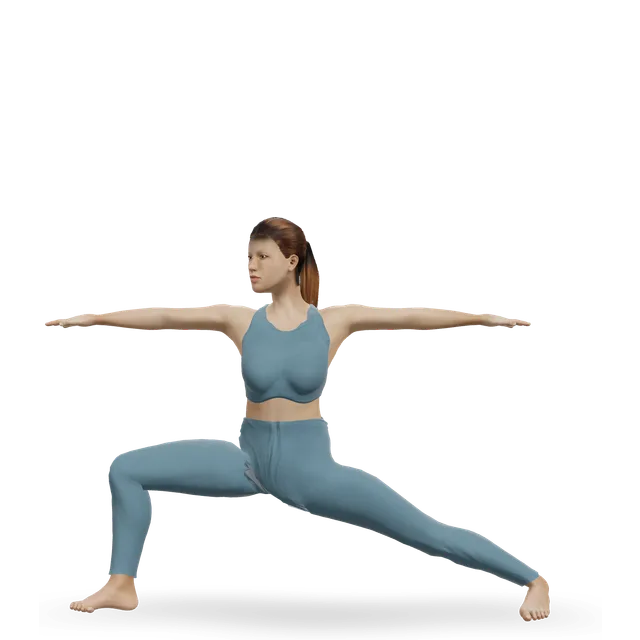 3D demoReverse warrior (Viparita Virabhadrasana)Intermediate · No equipment
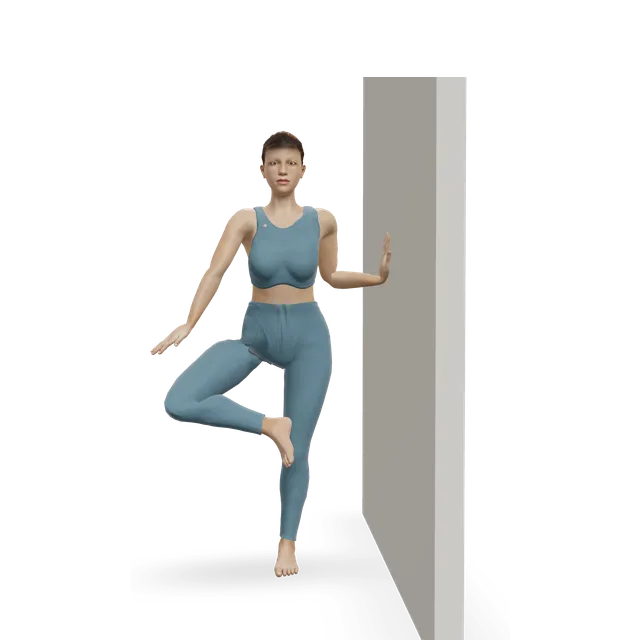 3D demoStanding figure four (chair pigeon, Eka Pada Utkatasana)Intermediate · A wall
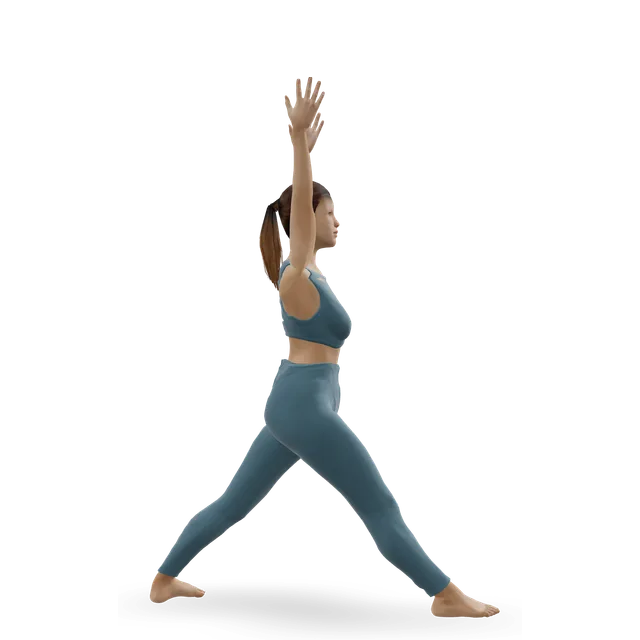 3D demoWarrior I (Virabhadrasana I)Intermediate · No equipment
Browse more
Questions people ask
What muscles does the Get up and down from the floor work?
Mainly the quads and glutes, with help from the abs and shoulders.
What equipment do I need for the Get up and down from the floor?
No equipment: your body weight and a little floor space.
Is the Get up and down from the floor good for beginners?
It is graded beginner, so it suits most people starting out. When it feels easy, try the Bodyweight get-up.
What is an easier alternative to the Get up and down from the floor?
Try the Sit to stand from a chair. It is the suggested step down from this move.
How do I make the Get up and down from the floor harder?
Progress to the Bodyweight get-up. Follow that guide’s technique and any stated timing.