Pilates guide

Pilates for older men: strength, balance and bones, the prostate and the pelvic floor, starting late, the evidence, and a routine

Pilates was created by a man, and it suits older men well: it works on balance, stiff hips and upper backs, trunk control and the pelvic floor, and it can be done on a mat, a chair or a reformer. Most Pilates research has been in women, and only a handful of small studies have tested it in older men alone, but they found better balance, flexibility and everyday function. It doesn't replace strength training for muscle and bone, so pair the two.

This guide covers what changes for men with age, what the trials show, Pilates and weights, balance and falls, bones, the prostate and the pelvic floor (including after prostate surgery), starting at 60, 70 or later, and a routine. Our Pilates over 50 and Pilates for seniors guides cover starting later in life, and our Pilates for the prostate guide goes deeper on the prostate.

The short answer

Pilates was created by a man, and it works for men

Joseph Pilates helped lead daily exercise for thousands of internees on the Isle of Man in the First World War, and several of his first teachers were men. Most Pilates research has been in women, though: of 51 trials in people over 55, 31 recruited only women and 1 only men.

Sources 1, 2

Only a handful of small studies have tested Pilates in older men alone

In 22 to 47 older men, 6 to 10 weeks of Pilates (30 weekly sessions in one study) improved balance, flexibility and everyday function tests, but none was large or blinded, and in the only one in a mainstream journal, 16 of 47 men finished. Mixed trials that included men found better balance with reformer classes, and balance gains equal to traditional balance training.

Sources 3, 4, 5, 6, 7, 8

In older adults overall, it helps balance, flexibility and function

Against doing nothing, Pilates improved balance, strength, flexibility and everyday function in people over 60. It isn't better than other exercise for strength, and no trial has shown it cuts falls.

Sources 9, 10

Men lose strength with age, and win it back with load

At 75, men lose strength about two to five times faster than muscle. Strength training raised strength by about a quarter to a third in adults over 50, men gained more in absolute terms than women, and men aged 60 to 72 more than doubled their knee strength in 12 weeks. Pilates is the control and mobility half; add load you keep increasing.

Sources 11, 12, 13, 14, 15

The prostate and the pelvic floor

After prostate surgery, NICE (the National Institute for Health and Care Excellence) recommends supervised pelvic floor training for at least 3 months. Two small Brazilian trials found Pilates as good as pelvic floor exercises with electrical stimulation, but the Cochrane reviews call the value of these treatments uncertain.

Sources 16, 17, 18, 19

It's never too late to start

People who became active between 40 and 61 had a 35% lower risk of dying over the following years than those who stayed inactive, much like people active all along. That's an association, not proof, but it points one way.

Sources 20, 21

A method made by a man

Joseph Pilates and the Isle of Man

Joseph Pilates began as a teacher of "physical culture" and worked in England as a circus performer. When the First World War broke out he was interned on the Isle of Man, where "He was one of several physical culturists who led the camp's daily exercise routines for the more than 24,000 inmates housed there". His ideas were also shaped by "his work with injured soldiers during the war". He died "in October 1967 at the age of 83".

Source 1

His first teachers included men

Among the first generation of Pilates teachers were Ron Fletcher, Bruce King, Jerome Andrews, Bob Seed and Jay Grimes, as the Pilates Method Alliance records.

Source 1

Who is in the research

In a review of 51 Pilates trials in people over 55, "Thirty-one trials only included women, whereas one study only included men". So much of what this page says about Pilates for older men comes from mixed and mostly female trials, and from strength and balance trials that did include men. That says more about who signed up than about who benefits. Our Pilates for men guide covers men of every age.

Sources 2, 22

What changes with age

Strength falls faster than muscleStrong evidence

At 75, men lose strength at about 3 to 4% a year (women about 2.5 to 3%), two to five times faster than they lose muscle. In 1,880 adults in their 70s followed for 3 years, men lost almost twice as much leg strength as women.

Sources 11, 12

Muscle, and sarcopeniaStrong evidence

On MRI (magnetic resonance imaging) scans of 468 adults, muscle mass fell noticeably from about 50, mostly in the legs. Europe's definition of sarcopenia (age-related loss of muscle) puts low strength first, and says it "can also occur earlier in life".

Sources 23, 24

BalanceEmerging evidence

In 1,702 adults aged 51 to 75 at one clinic, 68% of them men, "20.4% of the individuals" couldn't stand on one leg for 10 seconds, and they had higher mortality during follow-up. That's an association, not proof that balance practice adds years.

Source 25

Bone matters for men tooEmerging evidence

Heavy lifting and impact raised spine bone density in men with low bone mass (below). Hormone therapy for prostate cancer can thin bone, and Prostate Cancer UK says: "Be careful to avoid activities where you could fall, especially if you're on hormone therapy or your cancer has spread to the bones."

Sources 26, 27

Stiffness is a reason to startEmerging evidence

Flexibility improved with Pilates in people over 60 against doing nothing, and in a small group of people about 70 (18 women, 2 men), range of motion at the spine, shoulders, hips and knees rose over 10 weeks. Flexibility is something Pilates builds, not something you need first. Bend your knees, sit on a block or chair, and work in a comfortable range.

Sources 9, 28

What the trials in older men show

The studies in men alone are small, short, unblinded and mostly in small regional journals. We give their limits with each one.

Men-only studies: four, all smallMixed evidence

In 26 Iranian men aged 60 to 70, 8 weeks of Pilates 3 times a week improved flexibility, upper-body strength, leg power and endurance against no exercise; it scored 5 of 10 on a trial quality scale. In 22 Iranian men about 66, 10 weeks improved balance and mental health scores against a control group (published in Persian; we read only the English summary). In older men in an Iranian and Polish study, 6 weeks improved flexibility, agility and quality of life, and balance and leg strength improved in both groups; we couldn't read how many men took part. In Brazil, older taxi drivers did Pilates once a week for 30 weeks with no comparison group: walking speed and two mobility tests improved, grip and braking reaction time didn't, and only 16 of 47 men finished.

Sources 3, 4, 5, 6, 22

Mixed trials that included menEmerging evidence

Reformer Pilates once a week for 10 weeks improved balance, walking speed and range of motion in 55 people at risk of falls ("38 females, 17 males; mean age 77.6 years, range 65-95"). In 31 older adults at risk of falls, "Both Pilates and traditional balance programs are effective at improving balance measures", with better balance confidence after Pilates. In 30 older men and women, balance gains from a 5-week programme held at 12 months.

Sources 7, 8, 29

Older adults overallEmerging evidence

Against doing nothing, Pilates improved balance, strength, flexibility and everyday function across 39 studies in people over 60 (low to moderate certainty). Against other exercise, strength gains were no different across 24 trials, and the authors wrote: "Currently, it is not feasible to recommend Pilates exercises as a means to improve strength, endurance and muscle power in the older adults."

Sources 9, 2, 10

Fewer falls: not shownStrong evidence

Pilates improves balance tests, but no Pilates trial has counted falls in men, and a review's large effect on "risk of falls" may be a risk score rather than counted falls. Programmes that mix balance and strength work do cut falls (below).

Sources 9, 8, 22

Pilates and weights

Strength training gives a lot backStrong evidence

Progressive resistance training had a large effect on strength in older people across 121 trials, and improved getting up from a chair. In adults over 50, strength rose by about 24% to 33%, more with heavier training, and lean mass by about 1.1 kg.

Sources 30, 13, 31

Men gain a lot, even starting lateEmerging evidence

On the same programmes, "Males gained more absolute upper-body strength" than women over 50 (30 studies). In a small, old study without a control group, 12 untrained men aged 60 to 72 more than doubled their knee strength in 12 weeks of training 3 days a week.

Sources 14, 15

What strength experts sayStrong evidence

The National Strength and Conditioning Association says "countering muscle disuse through resistance training is a powerful intervention to combat the loss of muscle strength and muscle mass" in older adults.

Source 32

Doing bothStrong evidence

The NHS asks older adults to "do activities that improve strength, balance and flexibility on at least 2 days a week", and lists Pilates among them, plus 150 minutes of moderate activity. Pilates supplies the control, mobility and balance; sit-to-stands, squats, step-ups, rows and carries with weights you keep increasing supply the strength. Our guide to building muscle after 50 covers weights.

Sources 33, 34

Bones

Heavy lifting and impact in menEmerging evidence

In LIFTMOR-M, 93 men averaging 67 with low bone mass did supervised heavy lifting and impact: spine bone density rose 4.1%, against 0.9% in a comparison group that wasn't randomised and 2.0% with machine-based training; "HiRIT was well-tolerated" (HiRIT is the heavy lifting and impact programme). Across trials in men, exercise helped hip bone density a little, but not clearly the spine.

Sources 26, 35

No Pilates bone trial in menStrong evidence

We found no Pilates trial that measured bone in men. If you have osteoporosis, talk to your GP or osteoporosis team before heavy lifting, and see our Pilates for osteoporosis guide.

Source 22

Balance, falls and getting up

What cuts fallsStrong evidence

Across 108 trials, exercise cut the rate of falls by 23% (high certainty), and programmes mixing balance with strength work did best. Most volunteers were women: "On average, participants were 76 years old and 77% were women", so men's results aren't given separately. NICE offers falls prevention exercise focused on "balance, coordination, strength and power" for people who have fallen.

Sources 36, 37

Pilates and balance testsEmerging evidence

Pilates improves balance tests in older adults, including reformer classes that included men, but no Pilates trial has counted falls in men. To make Pilates more like the programmes that work, do balance work 3 or more times a week and make it a little harder every week or two; our Pilates for balance guide shows how.

Sources 9, 7, 8

Getting down to the floor and up again

Being able to get up from the floor matters if you ever fall. Our Pilates for longevity class practises it with a chair close by, and the move's page has the steps; practise with someone present the first few times.

The prostate and the pelvic floor

Men have a pelvic floor tooStrong evidence

Prostate Cancer UK describes the pelvic floor muscles acting "as a sling, supporting the bladder and bowel", and says tightening them after you pee helps "avoid any dribbling afterwards".

Source 38

After prostate surgeryStrong evidence

NICE: "Offer supervised pelvic floor muscle training to men with stress urinary incontinence caused by prostatectomy. Advise them to continue the exercises for at least 3 months before considering other options." The Cochrane reviews are cautious: training wasn't clearly better than control (57% against 62% still leaking at 12 months), and "Men's symptoms improved over time irrespective of management."

Sources 16, 19, 39

The two Pilates trialsMixed evidence

Two Brazilian trials from one group found men were pad-free at the end of treatment about as often with Pilates (57.7% and 59%) as with pelvic floor exercises plus electrical stimulation (50% and 54%), against 22.6% and 26% with no treatment (85 and 104 men). A 2025 analysis ranked Pilates low, which conflicts with these trials and rests on very mixed data. Our Pilates for the prostate guide covers when to start.

Sources 17, 18, 40

Dribbling after peeingEmerging evidence

In 49 men without prostate surgery, "Pelvic floor exercises were more effective in reducing urine loss than urethral milking in this study." Prostate Cancer UK describes squeezing strongly after you pee.

Sources 41, 38

An enlarged prostateStrong evidence

The NHS says "An enlarged prostate is most common in men over 50 years old", and that it "is not caused by prostate cancer, and does not increase your risk of getting prostate cancer". Our Pilates for the prostate guide covers what exercise can and can't do for it.

Source 42

On hormone therapy for prostate cancerStrong evidence

Across 18 trials (1,477 men), supervised exercise improved muscle strength (moderate certainty), with better quality of life and fitness. Prostate Cancer UK suggests strength exercises "such as body weight exercises, yoga or Pilates", and says light weights or bands are "particularly good if you're on hormone therapy".

Sources 43, 27

Mobility for stiff hips and upper backs

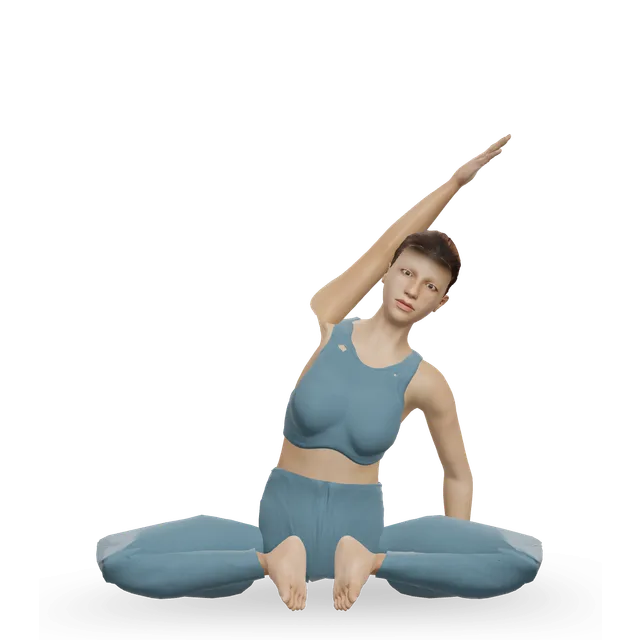
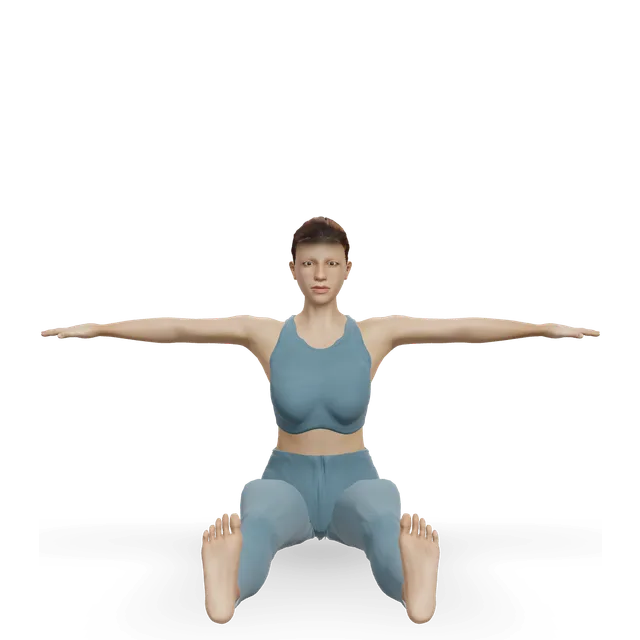
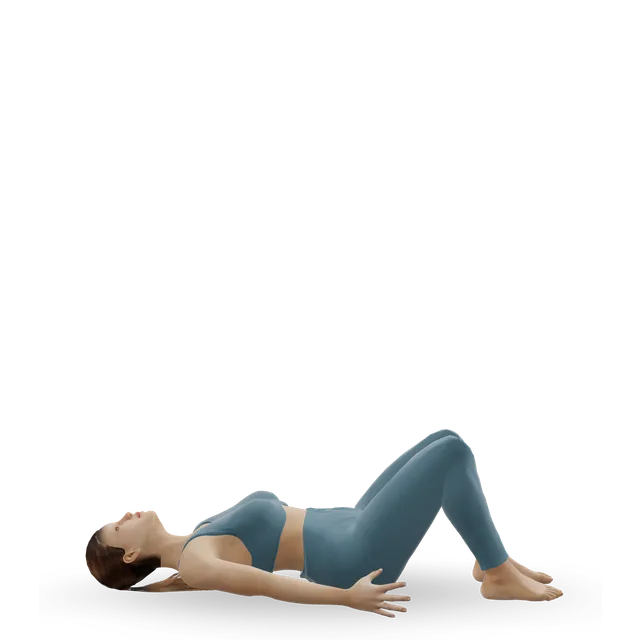
Cat-cow (8 waves, slower than feels natural, the move page's dose), thoracic rotation (6 rotations per side, moving with the breath, the move page's dose), standing hip CARs (3 slow circles each way with each leg, 20 to 30 seconds a circle (our editorial starting point), from the move page's dose; hold a counter), the single-leg circle (5 circles each direction, each leg (the classical sequence uses 5), from the move page's dose; bend the bottom knee if your hamstrings are tight), the mermaid (3 each direction, each side, from the move page's dose; on a chair if sitting on the floor is hard) and the spine twist (3 to 4 each side (the classical sequence uses 3), from the move page's dose; sit on a block or chair if you slump).

Trunk and back, spine long

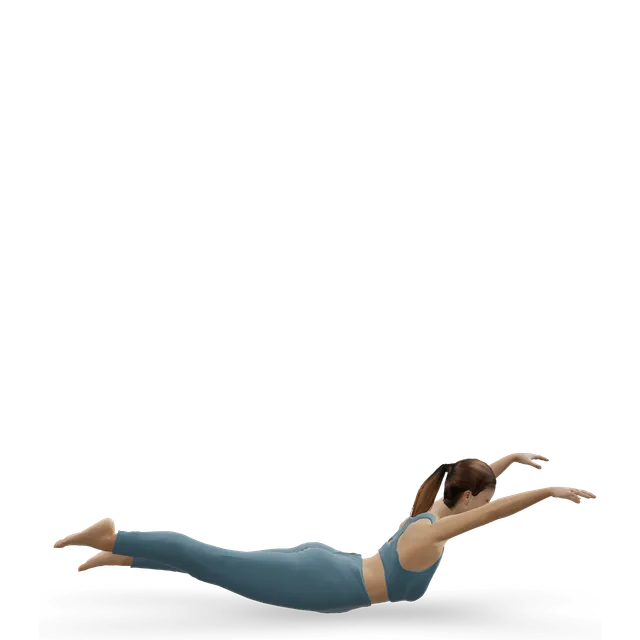
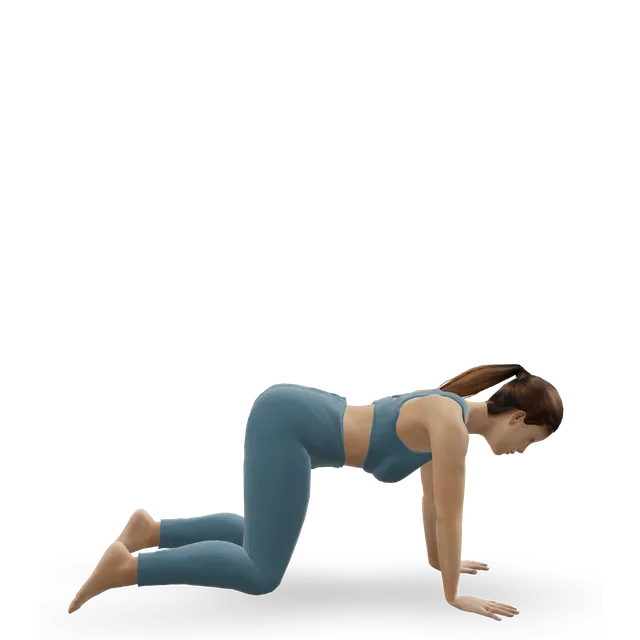
The bird dog (5 each side, 3 s hold, our Pilates for balance class), swimming (2 to 3 sets of 20 to 30 seconds, from the move page's dose), the side kick (8 to 10 each side, from the move page's dose), the knee hover (3 holds of 15 to 30 seconds, from the move page's dose) and the glute bridge (2 sets of 12, our Pilates for longevity class), lifting as one piece. None of them rounds the spine under load.

The male pelvic floor

Pelvic floor exercise (8 slow squeezes held up to 10 s, then 8 quick squeezes, our men's pelvic floor class: squeeze as if stopping your pee and stopping wind, so the base of your penis draws in and your testicles lift; not while a catheter is in), pelvic floor relaxation (5 slow breaths, the same class) and sit to stand (8 slow reps, the same class), squeezing just before you stand.

Strength with load

The goblet squat (3 sets of 8 to 12, our strength and balance workout, with sit to stands from a chair to start), the step-up (2 sets of 8 reps each side, the same workout; a hand on a rail is fine), the wall push-up (5 to 10, our Pilates for longevity class), the band row (3 sets of 10 to 15, stopping 2 to 3 reps short of failure, with 60 to 90 seconds' rest, from the move page's dose) and the farmer's carry (2 × 30 m, our strength and balance workout). Breathe out as you lift.

Balance, getting up, and bone

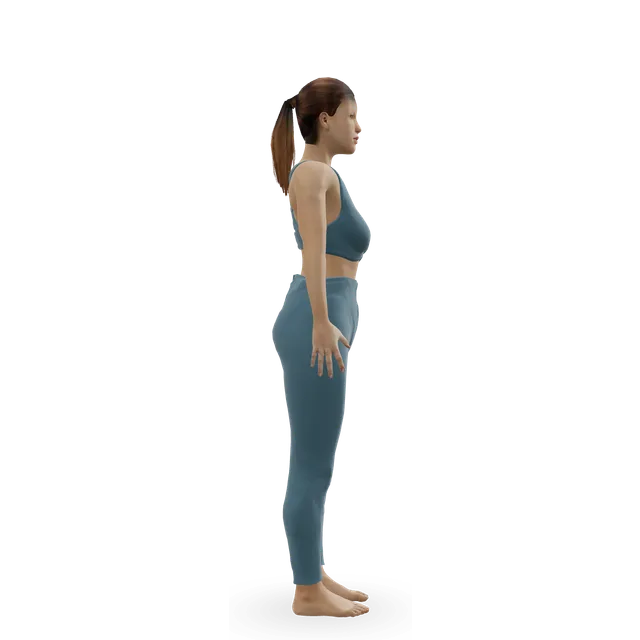
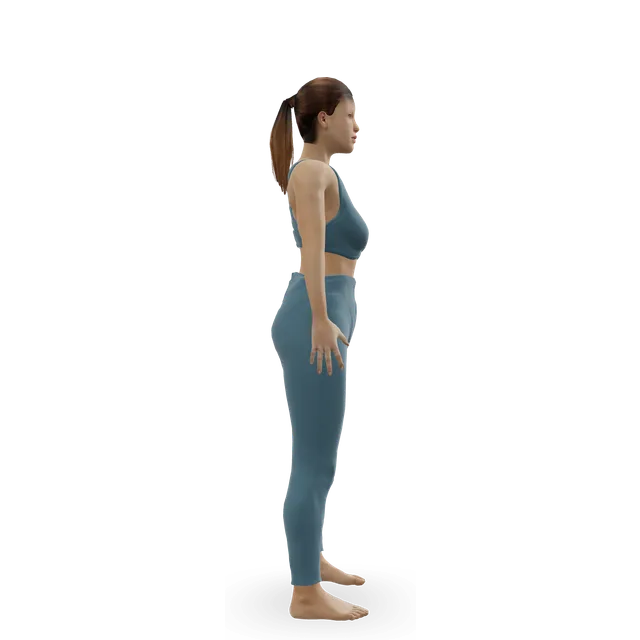
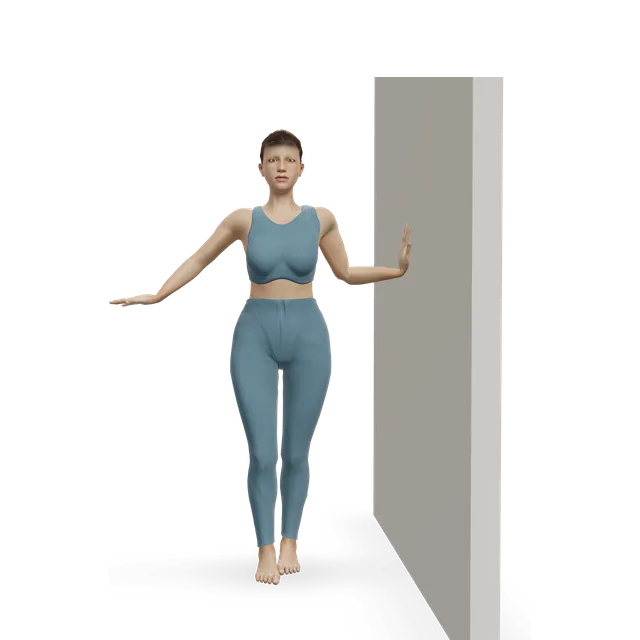
Tandem stance and heel-to-toe walk (hold 10 s each way, then 5 steps heel to toe, twice) and the single-leg stand (3 holds of 5 to 10 s each side), both our Pilates for balance class's, with fingertips on a counter; side-stepping (10 steps each way, next to a counter (the NHS balance exercises), from the move page's dose); getting down to the floor and up again (5 to 8 slow cycles down and up, changing the leading leg (our editorial starting point), from the move page's dose), with someone present and a sturdy chair close by the first few times; and heel drops (20 to 30 drops at first, building toward about 50 impacts on most days, for example 5 sets of 10, from the move page's dose), kept gentle with spinal fractures.

A week for older men

Our editorial starting point, following the NHS older adults guidelines, the UK Chief Medical Officers' guidelines and NICE's pelvic floor advice. Doses are starting points, not prescriptions.

  1. Do our Pilates for longevity class twice a week: it puts strength, balance at a counter, getting down to the floor and up again, and mat Pilates in 35 minutes.
  2. Do the men's pelvic floor class on 2 days, or the 5-minute daily pelvic floor routine every day.
  3. Add load as moves get easy: a heavier weight or band, more reps, or a harder version.
  4. Walk briskly, cycle or swim on most other days, building to 150 minutes a week.
  5. If falls are a worry, do balance work 3 or more times a week and make it a little harder every week or two.

Classes to follow

No class has been tested in older men. Our Pilates for longevity class covers strength, balance and getting up from the floor; the men's pelvic floor class teaches the squeeze lying, seated and standing; the over-50s and balance classes are gentler ways in; and the strength workout adds weights or a band once the basics feel easy. Chair Pilates suits days when getting to the floor is hard.

Strength, balance and stamina Pilates: a 35-minute class for ageing well

A 35-minute Pilates class for ageing well: a brisk start, leg and grip strength, balance at a counter, getting down to the floor and up, and mat work.

35 minBeginner19 movesBench or box, step

Pilates for men's pelvic floor: a 20-minute lying, seated and standing class

A 20-minute men's pelvic floor Pilates class: find the squeeze and the release, then use it lying, seated and standing, for leaks after prostate surgery and erections.

20 minBeginner14 movesBench or box, something with weight

Beginner Pilates for over-50s

A 20-minute beginner mat Pilates session for over-50s with no deep or repeated rounding of the spine, plus back strengthening and standing balance.

20 minBeginner13 movesWall

Standing Pilates for balance: a 25-minute counter and mat class

A 25-minute Pilates class for steadier balance: standing balance and leg strength at a kitchen counter, then mat work for your trunk and hips.

25 minBeginner17 movesWall, bench or box

Strength and balance workout

Strength and balance in one session: squats, Romanian deadlifts, push-ups, rows, step-ups, back extensions, carries and single-leg balance.

45 minBeginner14 movesWall, dumbbell

Pilates strength workout: a 30-minute class with weights or a band

A 30-minute Pilates strength class with dumbbells or a band: Pilates trunk work plus squats, lunges, rows and push-ups, each set taken until it is hard.

30 minIntermediate15 movesDumbbell, band

Chair Pilates workout

A 20-minute chair Pilates workout for beginners and older adults: breathing, sitting tall, gentle spine and leg moves, and a standing finish at the chair.

20 minBeginner14 movesBench or box, something with weight

Plans

Each plan mixes strength, balance and walking across the week.

Who should change what

Until you know your bones are healthy

Leave out loaded rounding moves, such as the roll-up, teaser, rolling like a ball, roll-over and jack knife, and use head-down curl-ups. Always do this on hormone therapy for prostate cancer, or with osteoporosis or a past spinal fracture; our Pilates over 50 and Pilates for osteoporosis guides list the swaps.

Tight hamstrings or a stiff back

Bend your knees in roll-downs, the spine stretch and leg circles rather than forcing range, as the roll-up page says: "If your feet fly up every time, bend your knees."

After prostate surgery

Avoid heavy exercise for the first 4 to 6 weeks; short walks are fine if your surgeon suggests them. Start pelvic floor exercises only once the catheter is out, and ask your surgical team before floor-based ab work. If you're having hormone therapy or the cancer has spread to your bones, avoid activities where you could fall.

Sources 27, 38

Unsteady on your feet

Do every standing move at a sturdy counter with a chair behind you, as our Pilates for balance class sets up, and keep a hand on the counter with numb feet, as the balance move pages say.

After a hip or knee replacement

Check which floor positions are allowed with your surgeon or physiotherapist before practising getting down and up, as that move's page says.

On tamsulosin

Get up slowly from the floor: roll onto your side, sit for a minute, then stand with a chair within reach, as our men's pelvic floor class says.

Heart conditions

Keep breathing during holds and ask your cardiac team before long planks, as the plank move pages say. Atrial fibrillation (AF) is more likely if you're 55 or older and if you're a man, the NHS says; our Pilates for atrial fibrillation and Pilates for heart health guides cover what to change.

Source 44

Warning signs

This is general information, not a diagnosis. A&E means accident and emergency; in the US, call 911 for 999, and use your doctor's urgent line or urgent care for NHS 111.

Start with supervision if

You're frail, have moderate to severe dementia, have had a spinal fracture or fall regularly: the UK guidelines suggest any new exercise is supervised by a trained professional at first.

Source 34

See your GP first if

See your GP first if you get chest pain, breathlessness or dizziness when you are active, if you have a heart condition and want to exercise harder, or if you have had a fall.

Source 33

Chest pain or fainting while exercising: call 999

Call 999 if:

  • You get sudden pain or discomfort in your chest that doesn't go away; it can feel like squeezing or pressure, burning or indigestion.
  • The pain spreads to your left or right arm, or your neck, jaw, stomach or back.
  • You have chest pain and feel sweaty, sick, light-headed or short of breath.
  • Someone faints while exercising, can't be woken within 1 minute, or has chest pain or a pounding, fluttering or irregular heartbeat.

Sources 45, 46, 47

Unusual breathlessness

Call 999 or go to A&E (accident and emergency) straight away for severe difficulty breathing (gasping, choking or not able to get words out), a chest that feels tight or heavy, pain that spreads to your arms, back, neck and jaw, lips or skin turning very pale, blue or grey, or sudden confusion. If you're more short of breath than usual, or your heart is racing, fluttering or skipping beats, contact NHS 111.

Source 48

Stop the session if

You feel any pain or become unwell, as the NHS advises for its Pilates videos, and especially for chest pain or pressure, unusual breathlessness, dizziness or fainting. If you have a health problem, an injury or any symptoms, get advice from a healthcare professional, such as a GP, before you start.

Source 49

Falls

The NHS's advice:

  • Call 999 if you or someone else has fallen and may have injured the head, back, neck or hip, or cannot get up.
  • Get help from NHS 111 if you or someone else has fallen and may be in pain, injured or unwell.
  • See a GP if you're worried about your balance or mobility, or you've had a fall. You may be able to refer yourself to a falls service, which can include strength and balance training.

Source 50

Peeing: ask for an urgent GP appointment or get help from NHS 111 if

The NHS lists:

  • you have blood in your pee: your pee may look pink, red or brown
  • you have pain when peeing
  • you cannot pee at all

Source 42

Peeing: see a GP if

You have difficulty peeing or need to pee more often. The NHS says: "Try not to be embarrassed. The GP will be used to talking about these symptoms." It's important to get these symptoms checked, because they can sometimes be caused by something more serious, such as prostate cancer. Our Pilates for the prostate guide lists the signs that need 999.

Source 42

Erection problems

The NHS says erection problems that keep happening "might be a sign of a health condition that can be treated", such as high blood pressure, high cholesterol or diabetes, so see a GP or a sexual health clinic too.

Source 51

Call NHS 111 or get an urgent GP appointment

For a bulge in your groin or tummy that is painful, or comes with a swollen tummy, being sick or constipation, as our guide to exercise for men explains. In the US, contact your doctor or urgent care.

Before you start

The NHS advises getting advice from a healthcare professional first if you have a health problem, an injury or symptoms, or have recently had a heart attack or an operation.

Source 49

Myths

"Pilates is for women"Emerging evidence

Its creator was a man, and several of his first teachers were men. Most trial volunteers have been women, but men-only studies found gains in balance, flexibility and function, and the NHS counts Pilates as strength and balance work for everyone.

Sources 1, 2, 3, 4, 33

"Men are too stiff for Pilates"Emerging evidence

Flexibility is something Pilates improves in older adults, including in small men-only studies, and every move has a bent-knee or smaller-range version.

Sources 9, 3, 5

"You're too old to start"Strong evidence

Men aged 60 to 72 more than doubled their knee strength in 12 weeks of strength training, strength training works in older people across 121 trials, Pilates trials have included people up to 95, and becoming active in midlife went with lower mortality (an association).

Sources 15, 30, 20, 7

"Pilates is as good as weights for strength"Emerging evidence

Pilates wasn't better than other exercise for strength in older adults, and strength training has a large effect. Pilates builds control and trunk endurance; load builds strength.

Sources 10, 30

"Pilates builds strong bones"Emerging evidence

No Pilates trial has measured bone in men; heavy lifting and impact raised men's spine bone density in LIFTMOR-M.

Sources 22, 26

"Pilates prevents falls"Strong evidence

It improves balance tests, but no Pilates trial has counted falls in men. Exercise programmes that mix balance and strength do cut falls.

Sources 9, 36

"Pilates fixes prostate problems"Mixed evidence

After prostate surgery, NICE recommends supervised pelvic floor training; the two Pilates trials are small and from one group, and the Cochrane reviews call these treatments' value uncertain. Our Pilates for the prostate guide covers an enlarged prostate.

Sources 16, 17, 18, 19

"Pelvic floor exercises are only for women"Strong evidence

NICE recommends them for men who leak after prostate surgery, they cut dribbling after peeing in one trial, and Prostate Cancer UK teaches them.

Sources 16, 41, 38

"You need a reformer"Emerging evidence

Reformer classes improved balance in people aged 65 to 95, including men, and mat Pilates improved function in older adults too.

Sources 7, 2

Questions people ask

Is Pilates good for older men?

Yes, for balance, mobility, trunk control and the pelvic floor. In older adults it improved balance, flexibility, strength and function against doing nothing, and small men-only studies found the same kinds of gains. Add load for strength and bone.

Is Pilates just for women?

No. Joseph Pilates was a man who led exercise for internees in the First World War, and several of his first teachers were men. Most trial volunteers have been women, which says more about who signed up than about who benefits.

I'm stiff. Can I still do Pilates?

Yes: flexibility is something Pilates builds, not something you need first. Bend your knees in forward bends and leg circles, sit on a block or chair, and work in a comfortable range.

Can you start Pilates at 60 or 70?

Yes. Pilates trials have included people up to 95, men starting strength training at 60 to 72 more than doubled their knee strength, and becoming active in midlife is linked with lower mortality. If you're frail, have fallen or have had a spinal fracture, start with supervision.

Pilates or weights for older men?

Both. Pilates isn't better than other exercise for strength, while weights build strength and muscle at any age, and men gain a lot in absolute terms. Pilates supplies the control, mobility and balance.

Does Pilates help prevent falls?

It improves balance tests, but no trial has shown it cuts falls. Programmes that combine balance and strength work do: a 23% lower rate of falls across 108 trials.

Does Pilates help after prostate surgery?

Two small trials found it as good as pelvic floor exercises with electrical stimulation, but NICE recommends supervised pelvic floor training first, for at least 3 months. Start the squeezes only once the catheter is out, and ask your surgical team before floor exercise. Our Pilates for the prostate guide covers when to start.

Can Pilates help with dribbling after peeing?

Pelvic floor exercises can: in one trial they reduced dribbling more than pressing along the urethra to empty it. Squeeze strongly after you pee, as Prostate Cancer UK suggests.

Is reformer Pilates good for older men?

It can be: reformer classes improved balance and walking speed in people aged 65 to 95, including 17 men. Mat Pilates works too, and our reformer Pilates guide compares them.

Does Pilates build bone in men?

No Pilates trial has measured it. Heavy lifting and impact raised spine bone density about 4% in men with low bone mass; talk to your GP first if you have osteoporosis.

How often should older men do Pilates?

Twice a week, with strength work on 2 days and brisk walking on most days, following the UK guidelines. Our Pilates for longevity class puts strength, balance and getting up from the floor in one session.

When should I see a GP?

If you see blood in your pee, have pain when peeing, can't pee, need to pee more often or find it hard to start, or have had a fall. Chest pain, breathlessness or dizziness when you're active means stop, and call 999 for chest pain that doesn't go away.


Sources

  1. Pilates Method Alliance · Pilates history
  2. Meikis 2021 · Pilates in adults over 55: 51 trials (meta-analytical review, Front Neurol; read in full)
  3. Hejazi 2025 · 8 weeks of Pilates in 26 men aged 60 to 70 (quasi-experimental study, Physical Treatments)
  4. Bahram 2017 · 10 weeks of Pilates for balance and mood in 22 older men (quasi-experimental study, J Adv Biomed Sci; in Persian, English abstract read)
  5. Khazaei 2024 · 6 weeks of Pilates for fitness and quality of life in older men (quasi-experimental study, Balt J Health Phys Act; sample size not readable)
  6. Maciel 2026 · Pilates for older male drivers: 47 men, 16 finished (single-group feasibility study, Physiother Res Int; read in full)
  7. Roller 2018 · Reformer Pilates for 55 adults aged 65 to 95 at risk of falls (randomised trial, J Bodyw Mov Ther)
  8. Josephs 2016 · Pilates or traditional balance training in 31 older adults at risk of falls (randomised trial, J Bodyw Mov Ther)
  9. Fernández-Rodríguez 2021 · Pilates in people over 60: 39 studies (systematic review and meta-analysis, Physiotherapy)
  10. Oliveira 2024 · Pilates and strength in older adults: 24 trials (systematic review and meta-analysis, J Bodyw Mov Ther)
  11. Mitchell 2012 · The loss of muscle size and strength with age (quantitative review, Front Physiol; read in full)
  12. Goodpaster 2006 · Losses of strength and muscle over 3 years in 1,880 adults in their 70s: Health ABC (cohort, J Gerontol A Biol Sci Med Sci)
  13. Peterson 2010 · Resistance exercise and strength in adults over 50: 47 studies (meta-analysis, Ageing Res Rev; read in full)
  14. Jones 2021 · Men and women over 50 on the same strength programmes: 30 studies (meta-analysis, Sports Med)
  15. Frontera 1988 · Strength training in 12 men aged 60 to 72 (study, J Appl Physiol)
  16. NICE CG97 · Lower urinary tract symptoms in men (guideline, updated 2015; read in full)
  17. Pedriali 2016 · Pilates or pelvic floor exercises after prostate removal (randomised trial, Neurourol Urodyn)
  18. Gomes 2018 · Pilates and pelvic floor strength after prostate removal (randomised trial, Neurourol Urodyn)
  19. Johnson 2023 · Conservative treatments for leaking after prostate surgery (Cochrane review)
  20. Saint-Maurice 2019 · Activity across adult life and mortality in 315,059 adults (cohort, JAMA Netw Open; read in full)
  21. Mok 2019 · Changes in activity and mortality in 14,599 adults (cohort, BMJ; read in full)
  22. PubMed · Our search for Pilates trials in older men (2 November 2026; Europe PMC and ClinicalTrials.gov also searched)
  23. Janssen 2000 · Muscle mass and where it sits on MRI in 468 adults aged 18 to 88 (study, J Appl Physiol; a later correction couldn't be read)
  24. Cruz-Jentoft 2019 · Sarcopenia: the revised European consensus (consensus, Age Ageing)
  25. Araujo 2022 · A 10-second one-leg stand and survival in 1,702 adults aged 51 to 75 (cohort, Br J Sports Med)
  26. Harding 2020 · Heavy lifting and impact in 93 men with low bone mass: LIFTMOR-M (semi-randomised trial, J Bone Miner Res)
  27. Prostate Cancer UK · Physical activity and prostate cancer
  28. Geremia 2015 · Pilates and range of motion in 20 people about 70 (uncontrolled study, Age)
  29. Bird 2014 · Balance a year after 5 weeks of Pilates in 30 older men and women (follow-up study, J Aging Phys Act)
  30. Liu 2009 · Progressive resistance training for physical function in older people: 121 trials (Cochrane review)
  31. Peterson 2011 · Resistance exercise and lean mass in adults over 50: 49 studies (meta-analysis, Med Sci Sports Exerc)
  32. Fragala 2019 · Resistance training for older adults (NSCA position statement, J Strength Cond Res)
  33. NHS · Physical activity guidelines for older adults
  34. UK Chief Medical Officers · Physical activity guidelines (updated July 2026)
  35. Hamilton 2022 · Exercise and bone density in men (systematic review and meta-analysis, Calcif Tissue Int)
  36. Sherrington 2019 · Exercise for preventing falls in older people: 108 trials (Cochrane review)
  37. NICE NG249 · Falls: assessment and prevention in older people and people 50 and over at higher risk (guideline, 2025; read in full)
  38. Prostate Cancer UK · Pelvic floor muscle exercises
  39. Anderson 2015 · Conservative treatment for leaking after prostate surgery: 50 trials (Cochrane review)
  40. Zhao 2025 · Physical therapies for leaking after prostate removal (network meta-analysis, Int J Surg)
  41. Paterson 1997 · Pelvic floor exercises for dribbling after peeing in 49 men (randomised trial, Br J Urol)
  42. NHS · Enlarged prostate
  43. Ussing 2022 · Supervised exercise on hormone therapy for prostate cancer: 18 trials (systematic review and meta-analysis, Prostate Cancer Prostatic Dis; read in full)
  44. NHS · Atrial fibrillation
  45. NHS · Chest pain (past its review date: reviewed August 2023, review due August 2026)
  46. NHS · Heart attack
  47. NHS · Fainting
  48. NHS · Shortness of breath
  49. NHS · Pilates video for beginners, with its safety advice
  50. NHS · Falls
  51. NHS · Erectile dysfunction (past its review date: reviewed July 2023, review due July 2026)

Exercise education, not a personal prescription, and clinical review of these guides is pending. If you are pregnant, have a health condition or have had recent surgery, check with a doctor, midwife or physiotherapist before starting, and stop for sharp or increasing pain. Health disclaimer.