Exercise guide

Exercise with an enlarged prostate (BPH): walking, pelvic floor exercises, cycling and when to see a GP

An enlarged prostate (benign prostatic hyperplasia, or BPH) is common after 50. It isn't cancer, and it doesn't raise your risk of prostate cancer. No exercise shrinks the prostate, but active men tend to have fewer and milder urinary symptoms, and NHS inform, the Scottish National Health Service (NHS) information service, suggests walking for 30 to 60 minutes a day.

The evidence for exercise itself is thin: the studies linking activity with milder symptoms observed men rather than testing exercise, and the few small trials are of very low certainty. Pelvic floor exercises have better support for two particular problems, dribbling after you pee and needing to go urgently, and they're low risk. Medicines and surgery are the proven treatments when symptoms bother you.

This guide covers walking and strength work, pelvic floor exercises, urethral milking and bladder training, cycling and saddles, drinks and toilet stops, the 48-hour rule before a prostate-specific antigen (PSA) test, exercising on alpha blockers, and the warning signs, including when not being able to pee is an emergency. It's about an enlarged prostate, not prostate cancer, which has its own guide.

The short version

It's common, and it isn't cancer

The NHS says an enlarged prostate is common and not usually serious, is most common over 50, and "is not caused by prostate cancer, and does not increase your risk of getting prostate cancer." About 1 in 3 men over 50 have urinary symptoms, most often from an enlarged prostate.

Sources 1, 2

Exercise is linked with milder symptoms, but it won't shrink your prostate

Across 11 observational studies, moderately or very active men were about a quarter less likely to have an enlarged prostate or urinary symptoms. That's a link, not proof: the studies disagree, no study shows a smaller prostate with exercise, and the few trials of exercise are small and of very low certainty.

Sources 3, 4, 5, 6

Walk most days

NHS inform suggests walking for 30 to 60 minutes a day, saying research shows moderate exercise can improve symptoms, "although it's unclear exactly why". Add strength work on 2 days a week, as the guidelines suggest for all adults.

Sources 7, 8

Pelvic floor exercises for dribbling and urgency

A strong squeeze of your pelvic floor straight after peeing helps clear the last drops, and in a small trial pelvic floor exercises cut dribbling after peeing. In one unblinded trial, adding pelvic floor training to medicine cut toilet trips in men with urgency. Expect change over 3 to 6 months.

Sources 9, 10, 11

Cycling is fine; before a PSA test, take 48 hours off

In 3,932 men, cyclists' urinary symptoms were no worse than swimmers' or runners'. But hard exercise and cycling can nudge PSA up, so the NHS asks you to avoid them for 48 hours before a PSA test.

Sources 12, 13

Suddenly can't pee at all: that's an emergency

Suddenly not being able to pee, especially with pain or a swollen lower tummy, is acute urinary retention: call 999 or go to accident and emergency (A&E). Blood in your pee or pain when peeing needs an urgent general practitioner (GP) appointment or NHS 111.

Sources 7, 14

What an enlarged prostate is

The prostate

The prostate is a small gland below the bladder that makes semen and controls the flow of pee from your bladder to your penis. If it gets bigger, it can press on the tube that carries pee out of the bladder (the urethra) and cause problems with peeing. Doctors call it benign prostatic hyperplasia (BPH) or benign prostate enlargement, and the symptoms lower urinary tract symptoms.

Source 1

Symptoms

Difficulty starting to pee or having to strain; a weak or stop-start flow; taking longer to empty your bladder; feeling you can't empty it fully; dribbling after you finish; and needing to pee more often or urgently, including at night. The symptoms usually develop slowly and may get worse with age.

Source 1

Who gets it

It's more likely if you're over 50 and if others in your family have it. It can affect younger men, though this is uncommon, and Prostate Cancer UK says obesity and diabetes may make it more likely.

Sources 1, 2

How it's treated

It depends on how much the symptoms bother you. Mild symptoms are often managed with lifestyle changes and regular check-ups ("watchful waiting"). Medicines can help you pee, calm urgency or stop the prostate growing, and one type slowly shrinks it over years; surgery is an option for severe symptoms. Your GP or urology team decides with you, and exercise is self-care alongside treatment, not instead of it.

Sources 1, 7, 15, 16

Complications

Serious complications are rare. Acute urinary retention, suddenly being unable to pee, is an emergency. Chronic retention, not emptying fully, usually develops slowly and painlessly, and can lead to urine infections and, if untreated, damage to the bladder and kidneys.

Sources 7, 2

What the evidence says

Active men have fewer symptomsEmerging evidence

Across 11 observational studies with 43,083 men, moderate or heavy activity went with about a quarter lower odds of an enlarged prostate or urinary symptoms (odds ratio 0.74). In US health professionals, men who walked 2 to 3 hours a week had a 25% lower risk. In 28,404 men, those active for an hour a week or more were 34% less likely to report severe peeing at night, and in 20,732 Brazilian men, every level of activity went with fewer urinary symptoms.

Sources 3, 4, 17, 18

But the studies disagree, and none shows a smaller prostateMixed evidence

A 2026 review of 19 studies found protection in 4 of 6 exercise studies and 7 of 14 physical activity studies, and none in others; a genetic study found no causal effect. Activity wasn't linked with prostate size where it was measured. All were observational, so the authors call for randomised trials.

Source 5

Trials of exercise are few, small and of very low certaintyMixed evidence

A Cochrane review found 6 small trials with 652 men, mostly of pelvic floor exercise within self-help programmes, with one of tai chi. Symptom scores were lower than with watchful waiting, but the evidence was of very low certainty and the reviewers were "uncertain whether physical activity affects symptom scores". In 56 older men, 12 weeks of tai chi improved symptoms; in a pilot of 30 older men, 6 months of qigong (a Chinese exercise form) did too.

Sources 6, 19, 20

Self-help programmes help a littleStrong evidence

In the UK TRIUMPH trial of 1,077 men in 30 general practices, a self-help booklet with nurse support lowered symptom scores by 1.8 points out of 35 at a year, just under what the researchers had hoped for, and improved quality of life and leaking. European urologists strongly recommend lifestyle advice and self-care information for men with urinary symptoms.

Sources 21, 16

Smaller self-management trialsEmerging evidence

In earlier, smaller trials, self-management cut symptom scores by 7.4 points at 6 months, about as much as medicines at 6 to 12 weeks, and added 2.3 points to the effect of medicine. A 2025 review found 5.5 points at 3 and 6 months and 3.5 at a year, with a possible bias towards positive studies being published.

Sources 22, 23

Peeing at nightEmerging evidence

In a pilot trial of 72 men who got up to pee twice or more a night, a 12-week behavioural programme (pelvic floor training, urge suppression, delaying peeing, fluid timing, sleep habits and managing leg swelling) cut night-time trips by 1.4 a night, against 0.6 with the medicine tamsulosin. The groups' differences could have been chance.

Source 24

Pelvic floor exercises for dribbling after peeingEmerging evidence

In 49 men, 12 weeks of pelvic floor exercises cut the amount of dribble by 4.7 g, urethral milking by 2.9 g, and advice alone not at all. In 55 men with erection problems, 36 also dribbled; after 6 months of exercises, 27 of the 36 were free of it. Both trials were small.

Sources 10, 25

Pelvic floor training for urgencyEmerging evidence

In one trial of 158 men over 50 with an enlarged prostate and an overactive bladder despite medicine, adding 12 weeks of pelvic floor training with an urge-suppression technique (30 minutes a day, 5 days a week, supervised weekly) cut toilet trips by about 2 a day, against 1 with medicine alone. The men knew which group they were in, so it needs confirming.

Source 11

CyclingEmerging evidence

In 3,932 men, cyclists' urinary symptom scores were no worse than those of swimmers or runners, though cyclists had more narrowing of the urethra. Numbness between the legs is common in long-distance cyclists, reported by 50% to 91% in studies, and standing for more than a fifth of the ride, or a handlebar level with or above the saddle, went with less of it.

Sources 12, 26

Medicines and surgery carry the stronger evidenceStrong evidence

For symptoms that bother you, the proven treatments are medicines and, for some men, surgery, which guidelines set out. Exercise, fluids and bladder habits sit alongside them, not instead.

Sources 15, 16, 1

How much: walking, strength and balance

Walking

NHS inform suggests walking for 30 to 60 minutes a day. Build up from what you do now, towards 30 minutes of brisk walking on most days (our editorial starting point). Walking 2 to 3 hours a week went with a lower risk in one large study.

Sources 7, 4

The weekly guidelines

At least 150 minutes of moderate activity a week, and strength work for all the major muscles on 2 or more days. From 65, add activities that improve balance and flexibility at least twice a week.

Sources 8, 27

If you're not usually active

Prostate Cancer UK suggests speaking to your doctor before starting an exercise plan, and they can talk with you about exercising safely.

Source 28

Lifting weights

There's no reason to avoid it. Breathe out on the effort rather than holding your breath, and if you leak when you lift, tighten your pelvic floor first, as the Pelvic, Obstetric and Gynaecological Physiotherapy group (POGP) advises.

Sources 9, 8

Walking and cardio

Walk briskly for 30 minutes on most days, within NHS inform's 30 to 60 minutes a day. The elliptical trainer and recumbent bike pages' dose is 10 to 20 minutes at a moderate effort to start, building towards 30. On a saddle, ride at a pace you can talk at and stand on the pedals every 10 minutes or so (our suggestion). Swim with our beginners' swim workout.

Strength and balance

On 2 days a week: 8 sit-to-stands, 2 rounds (our 10-minute starter workout); 3 sets of 8 to 12 goblet squats and Romanian deadlifts and 6 to 12 incline push-ups, 2 carries of 30 metres and 20 to 30 second single-leg stands near a counter (our strength and balance workout); and the band row page's dose, 3 sets of 10 to 15. Stand up slowly if a medicine makes you dizzy.

Pelvic floor exercises

How to do them

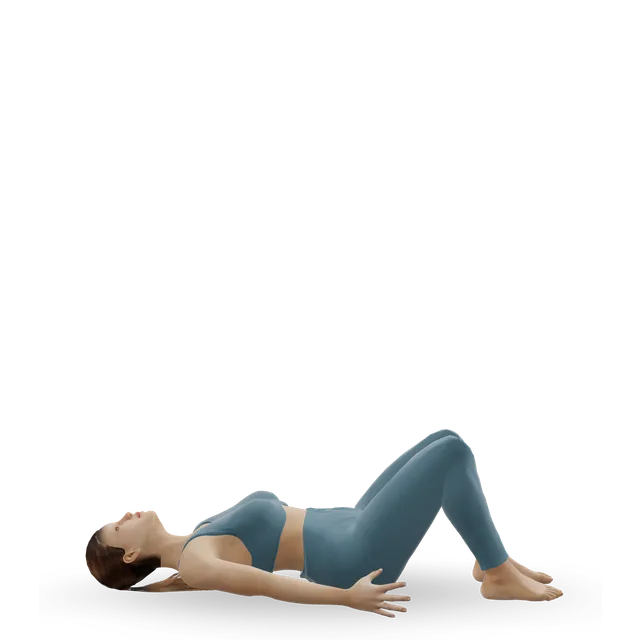
Find the muscles by imagining you're stopping wind and the flow of pee at the same time: the base of the penis draws in and the testicles lift. Count how long you can hold a squeeze and how many times you can repeat it, and start there. Build up over weeks towards up to 10 long squeezes of up to 10 seconds and 10 short ones, at least 3 times a day, moving from lying and sitting to standing. Breathe out as you squeeze, and relax fully between squeezes.

Source 9

Two habits

After peeing, tighten your pelvic floor strongly to empty the last drops. Tighten it before and during anything that makes you leak, such as coughing, sneezing, lifting or getting up from a chair.

Source 9

Give it timeEmerging evidence

POGP says to expect improvement in 3 to 6 months. The trials for dribbling were small, and the trial for urgency was unblinded, so the benefit is modest but likely, and the exercises are low risk.

Sources 9, 10, 11

What the guidelines recommend

The National Institute for Health and Care Excellence (NICE) recommends explaining urethral milking to men who dribble after peeing, and supervised pelvic floor training for leaking after prostate surgery. For urgency, it recommends supervised bladder training, with advice on fluids and lifestyle.

Source 15

When squeezing isn't the answer

If you have pelvic pain, or trouble emptying your bladder, more squeezing may not help, and the muscles may need to relax instead: see your GP or ask for a physiotherapist who treats men's pelvic problems. Don't strain or push when you pee, and don't use stopping your flow as an exercise (our suggestion, as in our pelvic floor guide).

Sources 9, 1

Pelvic floor and bladder control

The pelvic floor exercise page's dose: start with 8 slow holds of up to 10 seconds and 8 quick squeezes, three times a day, building towards 10 of each. The pelvic floor relaxation page's: 5 to 10 slow breaths, 1 to 3 times a day. The slow breathing page's: at least 5 minutes, regularly; a few slow breaths also help an urge pass.

Urethral milking: clearing the last drops

The NHS method; NICE recommends explaining it to men who dribble after peeing. A strong pelvic floor squeeze straight after peeing does the same job, and in one small trial it worked a little better.

  1. When you've finished peeing, wait a moment where you are.
  2. Put your fingertips about 3 finger widths behind your scrotum, on the area between your legs.
  3. Press gently and move your fingers forwards and upwards towards the base of your penis, to push the last few drops out.
  4. Repeat once if you need to, then shake or dab as usual.

Bladder training for urgency

From NHS inform, NICE and the European Association of Urology (EAU), which list a target time, a bladder chart, and breathing, relaxation and muscle exercises or pressing between the legs to take your mind off the urge; the urge-suppression squeeze is from the 2024 trial. NHS inform says bladder training should only be done under medical supervision.

  1. Keep a bladder chart for a few days: when you pee and roughly how much, and what you drink.
  2. With your GP or continence service, set a target time between visits, for example at least 2 hours.
  3. When an urge comes, stop, squeeze your pelvic floor and breathe slowly until it passes, then walk calmly to the toilet.
  4. Distract yourself while you wait, or press gently on the area between your legs.
  5. Each week or two, stretch the target a little further.

Cycling and saddles

Cycling doesn't cause an enlarged prostate

In 3,932 men, cyclists' urinary symptom scores were no worse than swimmers' or runners'. There's no reason to stop cycling because of an enlarged prostate.

Source 12

Take the pressure off

Long spells of pressure on the area between your legs can cause numbness and may weaken the pelvic floor. POGP suggests lifting yourself off the saddle at regular intervals on long rides, and padded shorts or a saddle designed to relieve pressure. Standing for part of the ride and a handlebar level with or above the saddle went with less numbness. Our cycling page covers bike fit.

Sources 9, 12, 26

If numbness doesn't settle

Numbness between the legs that doesn't go after a ride, or new erection problems, need a GP check (our suggestion). A recumbent exercise bike takes the pressure off while you sort it out.

Source 26

Drinks, caffeine and toilet stops

Drink enough, at the right times

"Do not cut down too much on fluids", the NHS says, as this can cause problems such as urine infections. Prostate Cancer UK suggests 1.5 to 2 litres a day, drinking less in the late afternoon and evening. Drink less before bed and before going out, and NHS inform suggests nothing for 1 to 2 hours before bed.

Sources 1, 28, 7

Cut down on alcohol and caffeine

They make you pee more and can irritate your bladder. Prostate Cancer UK adds artificial sweeteners and fizzy drinks.

Sources 1, 7, 28

On walks and rides

Wait a few moments after peeing and try again before you set off (double voiding), without straining. Plan a route with toilets, and take water to sip to thirst rather than drinking a lot just before you leave (our suggestion).

Sources 1, 28

Keep things moving

Eat enough fibre to avoid constipation, which can press on your bladder, and keep to a healthy weight, as being overweight can make symptoms worse.

Source 1

PSA tests and medicines

Before a PSA test

For 48 hours before a PSA blood test, the NHS asks you not to do anything that leaves you out of breath, such as exercise, or ride a bike, and not to ejaculate or have anal sex, as these can raise your PSA level and make the test less accurate. In 101 men, an hour of cycling or rowing raised PSA by about 9% on average, enough to matter in only 2.

Sources 13, 29

After a urine infection

Wait 4 to 6 weeks after a urine infection has cleared before having a PSA test.

Source 13

Alpha blockers and dizziness

Alpha blockers such as tamsulosin can cause dizziness, particularly when you sit down or stand up, and low blood pressure and fainting, especially when you first start them. The NHS says that if tamsulosin makes you dizzy, don't drive, ride a bike or use machinery until it passes, and call NHS 111 if you faint. Get up slowly after floor exercises.

Sources 30, 7

Keep taking your medicine

"Keep taking your medicine unless you're advised to stop," says the NHS. Ask your GP or pharmacist whether any other medicines could be making your symptoms worse.

Sources 30, 1

Workouts

The daily pelvic floor workout already includes the squeeze after peeing. Do the easy cardio workout as a brisk walk, and the 20-minute strength or strength and balance workout twice a week, breathing out on each effort. On the bike, stand for a few strokes every 10 minutes or so.

Daily pelvic floor workout

A 5-minute daily pelvic floor workout for women and men: slow holds and quick squeezes, three times a day, with how to find the right muscles.

5 minBeginner2 movesNo equipment

Easy cardio workout

A steady 30 to 45 minute cardio session at talk-but-not-sing pace: walk, cycle, row or cross-train, counting toward weekly activity guidelines.

40 minBeginner3 movesCardio machine, A wall

20-minute full-body strength workout

A 20-minute full-body dumbbell workout: two supersets of squats, rows, Romanian deadlifts and push-ups. Twice a week covers the minimum dose.

20 minBeginner8 movesA dumbbell, A bench or box

Strength and balance workout

Strength and balance in one session: squats, Romanian deadlifts, push-ups, rows, step-ups, back extensions, carries and single-leg balance.

45 minBeginner14 movesA wall, A dumbbell

Pelvic floor relaxation exercises

An 8-minute routine for a tight pelvic floor: slow breathing and comfortable positions to help the muscles let go, with no strengthening squeezes.

8 minBeginner5 movesFirm cushion

Easy bike ride: 30 to 75 minutes at a pace you can talk at

A steady bike ride for a first triathlon or fitness: 5 to 10 minutes easy, a ride you can talk through, optional short faster bursts and an easy cool-down.

45 minBeginner4 movesCardio machine, A wall

Mobility routine for cyclists

A 15-minute routine for cyclists: hips, upper back, chest, neck and wrists through the ranges riding doesn't use, plus back and neck endurance.

15 minBeginner12 movesA foam roller, A wall

Swim workout for beginners: lengths, rests and a steady continuous swim

A 30 to 45-minute beginner pool swim: a shoulder warm-up on the side, easy lengths, a main set of repeats with rests, and an easy swim down, any stroke.

35 minBeginner5 movesOther / check instructions

Plans

For weekly structure: walking towards 150 minutes a week, and strength work for men.

When to get help

This is general information, not a diagnosis. In the US, call 911 where this page says 999.

Call 999 or go to A&E

Don't drive yourself to A&E. Call 999 or go to A&E now if:

  • you suddenly can't pee at all, especially with severe pain low in your tummy or a swelling there you can feel: NHS inform says this "should be treated as a medical emergency"
  • you have a stomach ache and you cannot pee at all
  • you have a urine or kidney infection and you're confused, drowsy or have difficulty speaking

Sources 7, 14, 31, 32

Chest pain: call 999

Call 999 for chest pain that feels tight or like squeezing, or spreads to your arms, neck or jaw, or for severe difficulty breathing.

Source 33

Sepsis: call 999

Call 999 if an adult is breathing very fast, is confused or has slurred speech, has blue, pale or blotchy skin, or has a rash that doesn't fade when you press it.

Source 34

Ask for an urgent GP appointment or call NHS 111

  • blood in your pee, which may look pink, red or brown, even if there's only a small amount or you're not sure it's blood
  • pain when peeing, or other signs of a urine infection: men should always get these checked
  • you can't pee at all (if it's sudden, with pain, use the 999 list above)
  • signs of a kidney infection: a very high temperature or shivering, pain in your back or side just under the ribs, or feeling or being sick
  • fainting while taking tamsulosin

Sources 1, 35, 31, 32, 30

See a GP

  • difficulty peeing or needing to pee more often: "Try not to be embarrassed. The GP will be used to talking about these symptoms."
  • symptoms that change, get worse or don't feel normal, as they can overlap with prostate cancer's
  • a weak flow, leaking at night, a swollen tummy, or feeling you never empty your bladder, which can be signs of chronic retention
  • swollen ankles, feet or hands, tiredness or itchy skin with your urinary symptoms, which can be signs of kidney problems

Sources 1, 36, 2, 37

During exercise

If you feel dizzy, stop and sit down. If you can't pee after a long ride or session, treat it as retention and use the lists above (our suggestion).

Sources 30, 12

Myths

"The right exercise will shrink your prostate"Emerging evidence

No study shows a smaller prostate with exercise. The small tai chi and qigong trials reported better symptom scores, not a smaller prostate. We found no trial of the "Japanese exercise" that online videos say will shrink it.

Sources 5, 1, 19, 20

"Cycling causes an enlarged prostate or makes it worse"Emerging evidence

Cyclists' urinary symptoms were no worse than swimmers' or runners' in 3,932 men. Saddle numbness is a separate, fixable problem.

Source 12

"Kegels shrink the prostate"Emerging evidence

Pelvic floor exercises work on the muscles, not the prostate: they help dribbling and, added to medicine, urgency.

Sources 10, 11, 15

"Drink as little as you can"Strong evidence

The NHS says not to cut down too much, as it can cause problems such as urine infections. Time your drinks instead.

Sources 1, 28

"An enlarged prostate means cancer, or leads to it"Strong evidence

It doesn't cause prostate cancer or raise your risk of it. The symptoms can overlap, though, so get any change checked.

Sources 1, 36

"Exercise is bad for your prostate because it raises PSA"Strong evidence

Hard exercise and cycling can raise PSA a little for a short time, which is why the NHS asks you to avoid them for 48 hours before a test. That's about an accurate reading, not harm.

Sources 13, 29

"Exercise helps by lowering testosterone"Mixed evidence

No study we read shows this: in the qigong pilot, testosterone rose while symptoms improved, and NHS inform says it's unclear why exercise helps.

Sources 20, 7

"With an enlarged prostate you shouldn't lift weights"Strong evidence

Strength work on 2 days a week is recommended for all adults. Breathe out on the effort, and tighten your pelvic floor first if you leak.

Sources 8, 9

Questions people ask

Can exercise shrink an enlarged prostate?

No. No study shows a smaller prostate with exercise. Active men tend to have fewer and milder urinary symptoms, and the medicines that shrink the prostate, such as finasteride, do it slowly over years.

What is the best exercise for an enlarged prostate?

Walking is the best studied: NHS inform suggests 30 to 60 minutes a day, and men who walked 2 to 3 hours a week had a lower risk in a large study. Add strength work on 2 days a week, and pelvic floor exercises if you dribble after peeing or need to go urgently.

Do Kegel exercises help an enlarged prostate?

They help some symptoms, not the prostate itself. In small trials, pelvic floor exercises cut dribbling after peeing, and in one unblinded trial, adding them to medicine cut toilet trips in men with urgency. They're low risk; expect change over 3 to 6 months.

How do I stop dribbling after peeing?

Squeeze your pelvic floor strongly straight after peeing, or use urethral milking: press gently with your fingertips about 3 finger widths behind your scrotum, moving forwards and upwards towards the base of your penis. If the dribbling is new, or comes with a weak flow or straining, see a GP.

Is cycling bad for an enlarged prostate?

No: in 3,932 men, cyclists' urinary symptoms were no worse than swimmers' or runners'. If the saddle makes you numb, stand up on the pedals regularly, try padded shorts or a different saddle, and set the bars level with or above the saddle. Avoid cycling for 48 hours before a PSA test.

Can I lift weights with an enlarged prostate?

Yes. Strength work on 2 days a week is recommended for all adults. Breathe out on the effort rather than holding your breath, and if you leak when you lift, tighten your pelvic floor first.

Can I exercise before a PSA test?

Not for 48 hours: the NHS asks you not to do anything that leaves you out of breath, such as exercise, ride a bike or ejaculate in the 48 hours before. These can raise your PSA a little and make the test less accurate.

Should I drink less water if I need the toilet a lot?

Don't cut down too much, as it can cause problems such as urine infections. Drink less before bed and before going out, aim for about 1.5 to 2 litres a day as Prostate Cancer UK suggests, and cut down on alcohol and caffeine.

Can I exercise while taking tamsulosin?

Yes, but it can make you dizzy, especially when you sit down or stand up. If it does, don't drive or ride a bike until it passes, and get up slowly after floor exercises. Keep taking your medicine unless you're advised to stop.

What is bladder training?

A programme that gradually stretches the time between toilet visits, using a bladder chart and techniques such as a pelvic floor squeeze and slow breathing to let an urge pass. NICE recommends supervised bladder training for urgency, and NHS inform says it should be done under medical supervision.

When is not being able to pee an emergency?

If you suddenly can't pee at all, especially with pain or swelling low in your tummy, call 999 or go to A&E: this is acute urinary retention. Blood in your pee or pain when peeing needs an urgent GP appointment or NHS 111.

Does an enlarged prostate raise my risk of prostate cancer?

No: the NHS says it doesn't cause prostate cancer or raise your risk of it. The symptoms can overlap, though, so see a GP about any change in how you pee.

Sources

  1. NHS · Enlarged prostate
  2. Prostate Cancer UK · Enlarged prostate (review was due September 2026)
  3. Parsons 2008 · Physical activity, an enlarged prostate and urinary symptoms: 11 studies, 43,083 men (meta-analysis, European Urology; abstract read)
  4. Platz 1998 · Physical activity and an enlarged prostate in US health professionals (cohort study, Archives of Internal Medicine; abstract read)
  5. Branco 2026 · Exercise and activity as risk factors for an enlarged prostate: 19 studies (review, Current Urology Reports)
  6. Silva 2019 · Physical activity for urinary symptoms from an enlarged prostate: 6 trials, 652 men (Cochrane review)
  7. NHS inform · Benign prostate enlargement
  8. NHS · Physical activity guidelines for adults aged 19 to 64
  9. POGP 2021 · Pelvic floor muscle exercises and advice for men (physiotherapy leaflet; review was due 2025)
  10. Paterson 1997 · Pelvic floor exercises for dribbling after peeing in 49 men (randomised trial, British Journal of Urology; abstract read)
  11. Hagovska 2024 · Pelvic floor training for 158 men with an enlarged prostate and an overactive bladder (randomised trial, World Journal of Urology)
  12. Awad 2018 · Cycling and sexual and urinary health in 3,932 men (cross-sectional study, Journal of Urology; abstract read)
  13. NHS · PSA test
  14. NHS · Stomach ache
  15. NICE CG97 2010 · Lower urinary tract symptoms in men: management, recommendations (guideline)
  16. EAU 2026 · Management of non-neurogenic male lower urinary tract symptoms: disease management (European Association of Urology guideline)
  17. Wolin 2015 · Activity, an enlarged prostate and peeing at night in 28,404 men (cohort study, Medicine and Science in Sports and Exercise; abstract read)
  18. Pitta 2024 · Activity and urinary symptoms in 20,732 Brazilian men (cohort study, Einstein; abstract read)
  19. Jung 2012 · Tai chi for urinary symptoms in 56 older men with an enlarged prostate (randomised trial, Evidence-Based Complementary and Alternative Medicine; abstract read)
  20. Liu 2020 · Yi Jin Jing qigong for 30 older men with an enlarged prostate (pilot randomised trial, Journal of Aging and Physical Activity; abstract read)
  21. Drake 2023 · A self-help programme for urinary symptoms in 1,077 men in general practice: the TRIUMPH trial (cluster randomised trial, BMJ)
  22. Albarqouni 2021 · Self-management for men with urinary symptoms: 8 trials, 1,006 men (systematic review and meta-analysis, Annals of Family Medicine; abstract read)
  23. Kumar 2025 · Self-management for men with urinary symptoms (meta-analysis of randomised trials, Archives of Gerontology and Geriatrics; abstract read)
  24. Johnson 2016 · A behavioural programme or tamsulosin for peeing at night in 72 men (pilot randomised trial, Clinical Therapeutics; abstract read)
  25. Dorey 2004 · Pelvic floor exercises for dribbling after peeing in men with erection problems (randomised trial, Urologic Nursing; abstract read)
  26. Leibovitch 2005 · Cycling and problems of the bladder, prostate and genitals (review, European Urology; abstract read)
  27. NHS · Physical activity guidelines for older adults
  28. Prostate Cancer UK · Enlarged prostate treatment (review was due September 2026)
  29. Lunacek 2022 · Cycling, rowing and PSA levels in 101 men (randomised study, The Prostate; abstract read)
  30. NHS · Tamsulosin: a medicine for an enlarged prostate
  31. NHS · Urinary tract infections (UTIs)
  32. NHS · Kidney infection
  33. NHS · Heart attack
  34. NHS · Sepsis
  35. NHS · Blood in urine
  36. NHS · Symptoms of prostate cancer
  37. NHS · Chronic kidney disease: symptoms (review was due March 2026)

Exercise education, not a diagnosis or treatment plan, and clinical review of these guides is pending. Stop and get advice for chest pain, unusual breathlessness, dizziness or fainting, or new pain, and check with your doctor or midwife first if they have told you to limit activity. Health disclaimer.