Exercise guide

Exercise for men: strength, heart, hormones and prostate health

The exercise guidelines are the same for men and women: at least 150 minutes of moderate activity a week, and strength work for all the major muscles on 2 or more days. What differs is the emphasis. Coronary heart disease is the biggest single killer of men in the UK, prostate problems become common after 50, and men's suicide rate is about three times women's.

The core is straightforward: strength training on 2 to 3 days a week, stopping a couple of reps short of failure, and about 150 minutes a week of brisk walking, cycling, running or rowing. Build up gradually if you have been inactive. See a GP before you start if you have heart disease, get chest pain, breathlessness or dizziness on effort, or are having treatment for prostate cancer.

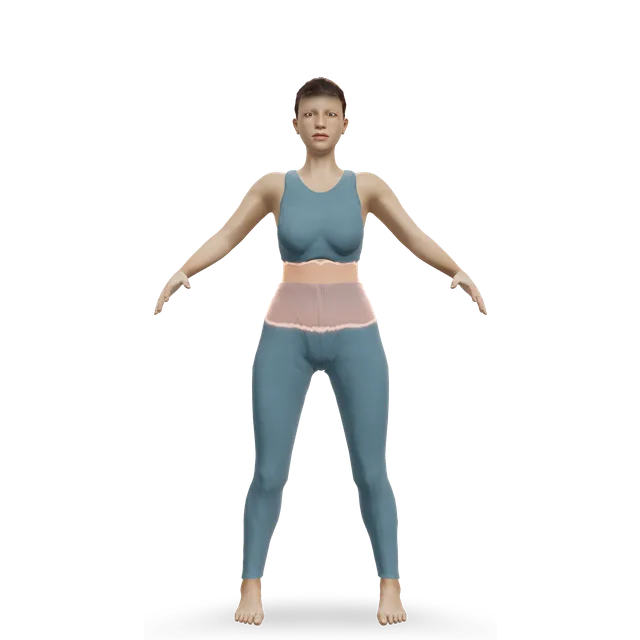
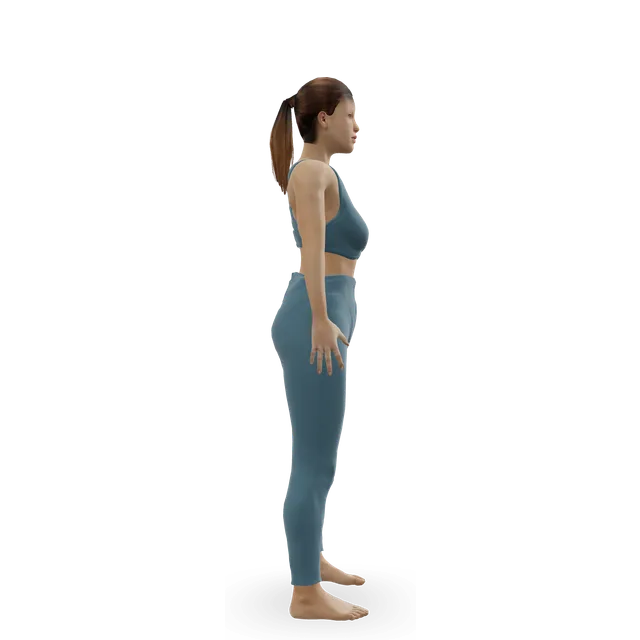
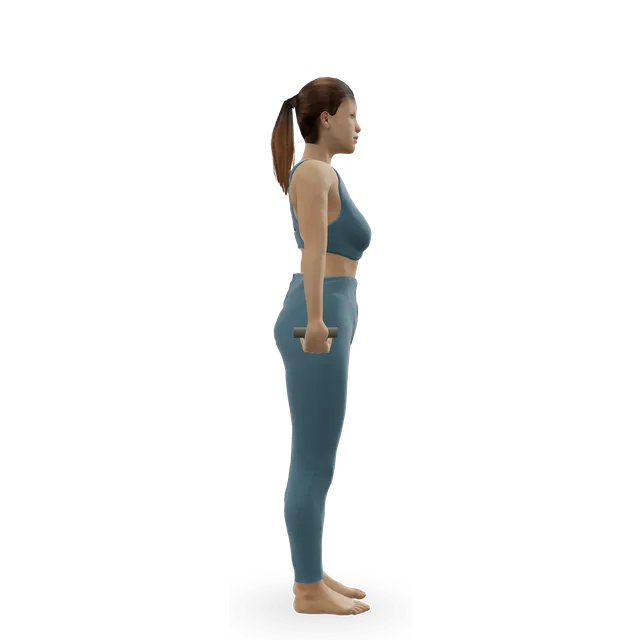
This guide covers how much to do, how to build muscle without wasted effort, and what exercise does for your heart, testosterone, prostate, pelvic floor and mood. Each claim is graded by how strong the evidence is, and every move has a 3D demo.

The short version

How much exercise men need

At least 150 minutes of moderate activity a week, such as brisk walking or cycling, or 75 minutes of vigorous activity, plus strength exercises for all the major muscles on at least 2 days. The UK Chief Medical Officers found no reason to set different guidelines for men and women. Any activity is better than none.

Sources 1, 2, 3

Building muscle

Lift progressively heavier weights, stopping about 2 to 3 reps short of failure, and build towards 10 or more hard sets per muscle a week. About 4 sets per muscle a week still works when time is short. In trials, the benefit of extra protein levelled off at about 1.6 g per kg of body weight a day, which food can cover.

Sources 4, 5, 6, 7, 8

Your heart

Coronary heart disease kills 1 in 8 men in the UK. Fitter men have fewer heart attacks and live longer. Hard exercise raises the risk of a heart attack for a short time, mainly in men who are usually inactive, so build up gradually: the risk during any one session is very small.

Sources 9, 10, 11, 12

Testosterone

Exercise raises testosterone for less than half an hour, and months of training don't change resting levels in healthy men. The short rise doesn't build muscle either. If you carry excess weight, losing it is the change most clearly linked with higher testosterone. Our testosterone guide has the detail.

Sources 13, 14, 15, 16

After 50

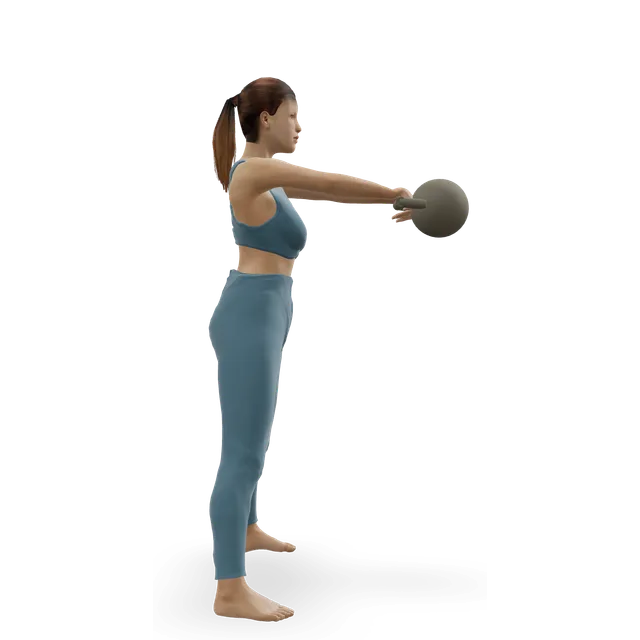
Strength fades faster than muscle with age, and power, the ability to move quickly and forcefully, fades faster still. Keep lifting, and add some moves done fast, such as kettlebell swings. Men lose bone too: in men with low bone density, supervised heavy lifting and impact training raised spine bone density.

Sources 17, 18, 19, 20

Prostate and pelvic floor

If you are having hormone therapy for prostate cancer, NICE (the National Institute for Health and Care Excellence) recommends supervised strength and aerobic exercise at least twice a week for 12 weeks. It reduces tiredness and helps quality of life. After prostate surgery, NICE recommends supervised pelvic floor training for leaking, though trials disagree on how much it speeds recovery.

Sources 21, 22, 23, 24

Men and exercise: same guidelines, different emphasis

No separate guidelines for menStrong evidence

The UK Chief Medical Officers looked for differences by gender and found no reason to vary the guidelines. They also say strength work matters as much as the 150 minutes, because some of its benefits are specific to it.

Source 1

Many men miss the strength part

In the Health Survey for England, only 31% of men met both the aerobic and the strength guidelines. Sport England's survey, which counts more activities as strengthening, found 66% of men meeting the strength guideline. The two surveys measure different things, but Sport England notes that far fewer people know about or do strengthening than aerobic exercise.

Source 25

Men and women respond alike, relative to where they startStrong evidence

On average, men gain more muscle in absolute terms, mainly in the upper body, but men and women gain a similar amount relative to their starting size, and untrained women gain upper-body strength faster. The same training principles work for both.

Sources 26, 27

What differs for men

The emphasis. Coronary heart disease kills 1 in 8 men in the UK, and men are more likely to get angina from 45, women from 55. An enlarged prostate is most common over 50. In England and Wales, men's suicide rate is about three times women's.

Sources 9, 28, 29, 30

What the evidence says

Strength training works at any ageStrong evidence

An American College of Sports Medicine (ACSM) review of 137 systematic reviews, covering more than 30,000 people, found that strength training improves strength, muscle size, power, balance and everyday function compared with no exercise. Heavier loads build more strength, and more weekly sets build more muscle.

Source 4

Strength work and a longer lifeEmerging evidence

Across 16 cohort studies, doing muscle-strengthening activities was linked with a 10 to 17% lower risk of dying early, heart disease, cancer and diabetes, with the biggest drop at about 30 to 60 minutes a week. These studies show a link, not proof, and the effect of doing much more is unclear. The UK guidelines say any strengthening is better than none.

Sources 31, 1

Fitness and your heartStrong evidence

In 33 studies, each step up in fitness, about 1 km/h faster running speed, was linked with 13% fewer deaths and 15% fewer heart attacks, strokes and other heart and circulation events. The British Heart Foundation says being active can cut the risk of heart and circulatory disease by up to 35%.

Sources 10, 9

MoodEmerging evidence

In a review of 218 trials, walking or jogging and strength training each eased depression by a moderate amount, though confidence is low because most trials had weaknesses. A separate review of 33 trials found strength training reduced depressive symptoms.

Sources 32, 33

Safe for most menStrong evidence

In trials with over 38,000 people, more than 11,000 of them older adults, exercise did not raise the risk of serious adverse events. The UK Chief Medical Officers say the risk of serious problems from activity is very low and the benefits far outweigh it, especially if you start low and build up.

Sources 4, 1

How much, and how hard

There is no separate dose for men. These are the adult guidelines, with the training research for building muscle. Doses are starting points, not prescriptions.

Aerobic: 150 minutes a week

WHO (the World Health Organization) advises 150 to 300 minutes of moderate activity a week, or 75 to 150 minutes of vigorous activity, or a mix. Moderate means you can talk but not sing; vigorous means you can only say a few words without pausing for breath. Health benefits rise steeply up to about 150 minutes, then keep rising more slowly.

Sources 2, 3, 1

Strength: at least 2 days a week

Work all the major muscles (legs, hips, back, abdomen, chest, shoulders and arms) on at least 2 days a week, to the point where you need a short rest before repeating. Weights, resistance bands, your own body weight and heavy gardening all count.

Sources 3, 2

To build muscle: about 10 hard sets per muscle a week

More weekly sets build more muscle, with diminishing returns. The ACSM found extra growth from 10 or more sets per muscle a week and advises at least 2 sets per exercise. Beyond about 10 sets a week each extra set adds less, and past about 20 the extra gain is small. If you are short of time, a review of time-efficient training suggests a floor of about 4 hard sets per muscle a week.

Sources 4, 5, 34, 6

How hard: stop 2 to 3 reps short

You don't need to train to failure. In 15 studies, sets taken to failure built no clearly more muscle than sets stopped short. The ACSM suggests stopping with 2 to 3 reps in reserve, and says lifting to failure may be unwise for older people.

Sources 4, 7

Protein: about 1.6 g per kg a day

In 49 trials with 1,863 people, protein supplements added a modest 0.3 kg of lean mass on top of training. The benefit levelled off at a total intake of about 1.6 g of protein per kg of body weight a day: about 130 g for an 80 kg man. The estimate is uncertain, so the authors suggest up to 2.2 g per kg for people chasing every gain. Food covers this for most men, and extra protein did less with age.

Source 8

Cardio and weights together

Doing cardio as well as strength training doesn't reduce muscle growth or maximal strength. It can blunt explosive strength, such as jumping, when both are done in the same session, and men may see a small blunting of leg strength gains. If that matters to you, keep hard cardio at least 3 hours away from leg sessions.

Sources 35, 36

A starting week

Our editorial starting point for a man new to training, without warning signs: two full-body strength sessions a week, plus three or four brisk 30-minute walks or rides. In the first two weeks, do 2 sets of each move with 3 or 4 reps to spare, then move to 3 sets. Add reps before weight, then weight in small steps. After 4 to 8 weeks, move on to one of the plans below.

Strength moves

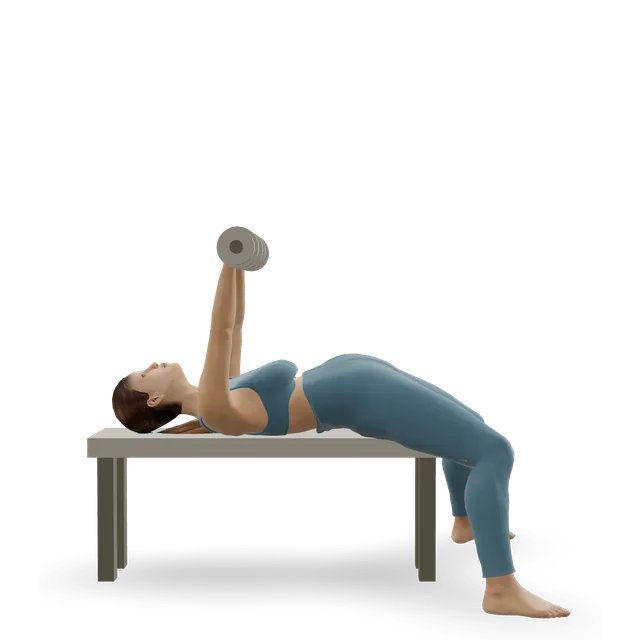
2 to 3 days a week. Start with 2 sets of 8 to 12, stopping with 3 or 4 reps to spare, then build to 3 sets stopping 2 to 3 reps short, the dose in our full-body workouts. Do push-ups with your hands on a bench if the floor is too hard; the lat pulldown is the route to a pull-up.

Exercise and your heart

Men's riskStrong evidence

Coronary heart disease is the single biggest killer of men in the UK: 1 in 8 men die from it, against 1 in 15 women. About 1.5 million men live with it, and about 1 million men have survived a heart attack. Men are more likely to get angina from 45, women from 55.

Sources 9, 28

What protectsStrong evidence

Fitness is strongly linked with fewer heart attacks and strokes and a longer life, and strength work adds its own benefit, largest at about 30 to 60 minutes a week in cohort studies. The protective dose is the guideline dose: 150 minutes of moderate activity a week plus strength work on 2 days.

Sources 10, 31, 2

The small risk of hard exerciseStrong evidence

Hard exertion raises the risk of a heart attack or sudden cardiac death for a short time. In 21,481 male doctors followed for 12 years, the risk of sudden death was about 17 times higher during and just after vigorous exercise. But there was only 1 such death per 1.51 million bouts of exercise, and the rise was smaller in men who exercised hard more often.

In a study of 1,228 people who had a heart attack, heavy exertion raised the risk 107-fold in the following hour for people who usually exercised less than once a week. For those who exercised 5 or more times a week, it raised the risk 2.4-fold. So build up gradually, rather than saving all your exercise for one hard game at the weekend.

Sources 11, 12, 37, 1

Very large amounts of endurance trainingMixed evidence

Very large volumes of hard endurance exercise are linked with some heart changes, including atrial fibrillation (an irregular heart rhythm). Athletes had about 2.5 times the odds of atrial fibrillation of non-athletes, highest in younger athletes and in mixed sports. In the general population, being more active was not linked with atrial fibrillation in men, so this concerns long-term athletes rather than people meeting the guidelines.

Sources 37, 38, 39

Strength training and the heartStrong evidence

Heart complications are less common in strength training than in aerobic training: in trials of people with coronary heart disease, all 63 non-fatal heart complications happened during aerobic exercise. If your blood pressure is high, our blood pressure guide covers how to lift safely.

Source 4

Erection problems and your heartStrong evidence

Across 12 studies with 36,744 participants, men with erection problems had about 1.5 times the risk of later heart disease, and a higher risk of stroke. Erection problems are very common, especially over 40, and often have passing causes such as stress, tiredness or alcohol. If they keep happening, see a GP: they can be a sign of high blood pressure, high cholesterol or diabetes.

Sources 40, 41

Get checked

If you are 40 to 74 without an existing heart, kidney or diabetes condition, the free NHS Health Check every 5 years checks your blood pressure and cholesterol and gives you a 10-year risk score. If you haven't exercised for some time or have a medical condition, speak to a GP before you start. If you already exercise at a moderate level, you can build up to vigorous exercise without seeing a doctor, unless new symptoms appear.

Sources 42, 3, 2

Cardio

Build to 150 minutes a week: 30-minute brisk walks on 5 days, or cycling, rowing or jogging at the same effort. If 30 minutes is too much at first, start with 20 and add about 5 minutes a session.

Testosterone: the short answer

Our guide to exercise and testosterone has the full story, including when training lowers it and when to see a GP.

A short rise, then back to normalStrong evidence

Across 48 studies, moderate and hard exercise raised testosterone, which was back to normal within about 30 minutes. In 11 trials with 421 inactive men, months of training didn't change resting testosterone. In men aged 40 to 75, a year of more than 6 hours a week of aerobic exercise didn't change it either.

Sources 13, 14, 43

The rise doesn't build muscleStrong evidence

In a 15-week trial, arms trained just before a hard leg session that raised testosterone and growth hormone grew no more than arms trained without it. In 56 young men and in 49 trained men, the size of the rise didn't predict gains in muscle or strength. Train for muscle, not for hormones.

Sources 44, 15, 45

Weight is the leverStrong evidence

Losing excess weight raises testosterone in men with obesity, more with more weight lost. In 2,395 ageing men followed for over 4 years, changes in weight tracked changes in testosterone; changes in physical activity didn't.

Sources 16, 46

Symptoms are for a GPStrong evidence

Poor morning erections, a low sex drive and erection problems are the symptoms most linked with low testosterone, but stress, depression, poor sleep and alcohol can cause the same symptoms. If you have them, see your GP. They'll ask about your work and personal life, and may order a blood test to measure your testosterone.

Sources 47, 48

Exercise for men over 50

Our plan for men over 40 suits men in their 50s and 60s, and our guide for older adults covers 65 and over.

What changes with ageEmerging evidence

From about 50, muscle mass and bone density decline naturally. Strength falls faster than muscle: at 75, men lose about 3 to 4% of their strength a year, against about 1% of their muscle. Power, the ability to produce force quickly, falls faster still, by about 3.5% a year in people aged 65 to 89, against 1 to 2% for strength. Much of this comes from comparing people of different ages, so the figures are estimates.

Sources 1, 17, 18

You still build muscleStrong evidence

Strength training builds strength and muscle at any age. The NSCA (National Strength and Conditioning Association) calls it a powerful way to counter the loss of strength and muscle that comes with age. In 30 studies of people over 50, men gained more absolute strength and muscle than women of the same age.

Sources 4, 49, 50

Add some powerEmerging evidence

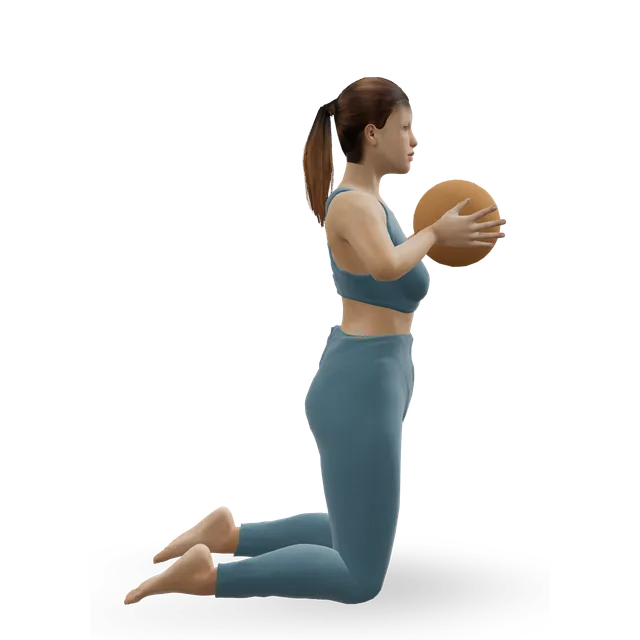
Power training means lifting fast and lowering under control. In older adults it improved everyday function a little more than standard strength training (13 trials, low certainty), and the ACSM found it improves physical function. Kettlebell swings, quick sit-to-stands and medicine-ball throws fit into a strength session.

Sources 4, 19

BoneEmerging evidence

Men lose bone too. In the LIFTMOR-M trial, 93 men averaging 67 with low bone density did supervised high-intensity strength and impact training. Their spine bone density rose 4.1%, against 0.9% in a comparison group, and their strength and function improved, with 5 minor adverse events. Our osteoporosis guide has the detail.

Source 20

BalanceStrong evidence

From 65, the NHS advises activities that improve strength, balance and flexibility on at least 2 days a week, and WHO advises balance and strength work on 3 or more days. Strength training in middle age helps balance too. A few minutes of single-leg work after each strength session is our suggestion from your 50s.

Sources 51, 2, 1

Two practical checks

Before a PSA (prostate-specific antigen) blood test, the NHS asks you to avoid exercise that leaves you out of breath, and cycling, for 48 hours, because these can raise your PSA level. From 40 to 74, take up the free NHS Health Check when you are invited.

Sources 52, 42

Power and balance after 50

Fold these into a strength session. Kettlebell swings: 3 sets of 6 to 8, crisp and fast, as in our bone workout. Medicine-ball throws and fast sit-to-stands (stand up as quickly as you safely can, sit down slowly): 3 sets of 5, our editorial starting point. Finish with 2 holds of 20 to 30 seconds on each leg, beside a counter.

Prostate cancer and exercise

Treatment questions belong with your care team or Prostate Cancer UK's specialist nurses.

What NICE recommendsStrong evidence

If you are starting or having hormone therapy, also called androgen deprivation therapy (ADT), NICE recommends supervised resistance and aerobic exercise at least twice a week for 12 weeks, to reduce tiredness and improve quality of life. It also asks doctors to tell you that tiredness is a recognised side effect of the treatment and may not be from the cancer.

Source 21

What the trials showStrong evidence

In 57 men on hormone therapy, 12 weeks of strength and aerobic training increased muscle, strength and function and reduced tiredness, with no adverse events. Across 18 trials with 1,477 men, supervised exercise improved quality of life and walking, with moderate certainty. Across 16 trials, no deaths were linked to exercise, and exercise wasn't shown to slow the cancer.

Sources 53, 22, 54

Start when treatment startsEmerging evidence

In 104 men starting hormone therapy, those who began exercising straight away kept their muscle and quality of life better than those who waited 6 months, and lost less bone in the spine. Fat still increased in both groups over the year. In another trial of 63 men, 3 months of exercise started within 10 days of the first injection prevented fat gain and improved fitness, strength, sexual function and tiredness.

Sources 55, 56, 57

If the cancer has spread to the bonesEmerging evidence

In 57 men whose cancer had spread to the bones, a supervised programme was built around where the cancer was, avoiding loading those bones. It improved their own ratings of physical function and their leg strength, with no fractures or extra bone pain. Experts advise an exercise professional with cancer experience, and Prostate Cancer UK says to check with your doctor before high-impact exercise such as running or contact sports.

Sources 58, 59, 60

Exercise and PSAEmerging evidence

Across 8 trials with 594 men with prostate cancer, exercise didn't change PSA or testosterone levels, so there is no sign it works against hormone treatment. Hard exercise and cycling can push up a PSA reading for a short time, which is why the NHS asks you to avoid them for 48 hours before a test.

Sources 61, 52

What isn't known yetMixed evidence

Being active hasn't been shown to prevent prostate cancer: across 72 observational studies, the most active men were no less likely to be diagnosed. In 4 studies, being active after diagnosis was linked with a lower risk of dying from prostate cancer, but a link isn't proof. A large trial set up to test this, INTERVAL-GAP4, closed early after recruiting 145 men and hasn't yet reported its results. For now, the case for exercise rests on how you feel and function.

Sources 62, 63

Prostate Cancer UK's advice

Prostate Cancer UK doesn't recommend a set programme. If you aren't usually active, start with 10 to 15 minutes at a time and aim to be active at least 2 to 3 times a week. Build up to 30 minutes of moderate exercise on 3 to 5 days, including exercises that build muscle. If you are on hormone therapy or the cancer has spread to your bones, avoid activities where you could fall. Several NHS trusts offer a free exercise programme for men on hormone therapy, and Prostate Cancer UK lists them.

Sources 60, 64

After prostate surgery

After an operation to remove the prostate, take it easy at first: your surgeon may suggest a short walk each day, and Prostate Cancer UK advises avoiding heavy exercise for the first 4 to 6 weeks. Start pelvic floor exercises once the catheter is out.

Sources 60, 65

An enlarged prostateMixed evidence

No exercise shrinks an enlarged prostate. The NHS suggests cutting down on alcohol and caffeine, keeping to a healthy weight and avoiding constipation. In observational studies, men who were moderately or very active were about a quarter less likely to have symptoms, which is a link, not proof.

Sources 29, 66

Pelvic floor, leaking and erections

Our pelvic floor guide shows how to find and train these muscles.

Leaking after prostate surgery: what NICE advisesStrong evidence

NICE recommends supervised pelvic floor muscle training for men who leak when they cough, sneeze or lift after prostate surgery, continued for at least 3 months before trying other options. Men treated for prostate cancer who have troublesome urinary symptoms should have access to specialist continence services.

Sources 23, 21

How much it helps is uncertainMixed evidence

Most men's leaking improves over time whatever they do. A Cochrane review of 50 trials with 4,717 men found no clear benefit from training for men still leaking after surgery: 57% against 62% were still leaking at a year. In a UK trial of 411 men, four sessions with a therapist did no better than standard care, which included advice on the exercises. Starting before surgery helped at 3 months but not later. The exercises are safe and cheap, which is why NICE and Prostate Cancer UK still advise them.

Sources 24, 67, 68

How to do them

Prostate Cancer UK's routine: tighten the ring of muscle around your back passage and, at the same time, the muscles you would use to stop the flow of urine. You should feel the base of your penis dip and your scrotum lift a little. Do up to 10 slow lifts held for up to 10 seconds, then up to 10 quick lifts, about three times a day. Start 4 to 6 weeks before surgery, never while a catheter is in, and expect up to 3 months before you notice a real difference.

Source 65

Exercise and erectionsEmerging evidence

In 7 trials with 478 men with erection problems, exercise, especially moderate to vigorous aerobic exercise, improved erectile function scores, though the trials had weaknesses. A review suggests about 160 minutes a week for 6 months. In obese men, losing weight and getting more active restored normal erections in about 1 in 3 over 2 years.

Sources 69, 70, 71

Pelvic floor exercises and erectionsEmerging evidence

In one trial of 55 men, pelvic floor exercises taught by a physiotherapist, with biofeedback and lifestyle advice, restored normal erections in 40% after 6 months. Reviews find the trials small and of low to moderate quality.

Sources 72, 73

Treatment for erection problems

The NHS lists medicines that increase blood flow to the penis as the main treatment, alongside treating causes such as high blood pressure. Its self-help advice includes losing weight if you need to, stopping smoking, exercising daily, and taking a break from cycling if you cycle more than 3 hours a week.

Source 41

Pelvic floor

Up to 10 slow and 10 quick lifts, about three times a day (Prostate Cancer UK). The 3D figure can't show these internal muscles, so follow the written steps.

Exercise and men's mental health

If you need help now

A mental health emergency should be taken as seriously as a physical one, and you won't be wasting anyone's time.

  • Call 999 or go to A&E if your life is at risk: for example, you have seriously hurt yourself or taken an overdose, or you don't feel you can keep yourself safe.
  • For urgent help in England, call 111 and choose the mental health option, or use 111 online.
  • Call Samaritans free on 116 123, any time, day or night.
  • Call CALM (Campaign Against Living Miserably) on 0800 58 58 58, 5pm to midnight, every day.
  • In the US, call or text 988, the Suicide and Crisis Lifeline.

Sources 74, 75, 76, 77

Men's riskStrong evidence

In England and Wales in 2025, the suicide rate was 17.5 in every 100,000 men, against 5.5 in every 100,000 women. Men aged 50 to 54 had the highest rate of any age group.

Source 30

What exercise doesEmerging evidence

In a review of 218 trials, walking or jogging and strength training each eased depression by a moderate amount, though confidence is low because most trials had weaknesses. Strength training also reduced depressive symptoms across 33 trials. Exercise can be part of treatment, alongside talking therapies or medicines; our depression guide has the detail.

Sources 32, 33

Doing it with other menStrong evidence

Programmes run for men through football clubs have worked. In Scotland, 747 men lost about 5 kg more than a comparison group over a year. In a European trial of 1,113 men, the programme added about 680 steps a day and improved well-being and self-esteem; it also saw more recent injuries and joint pain afterwards, so build up gradually.

Sources 78, 79

Follow a plan

New to lifting: the beginner or 3-day plan. With six months or more of lifting behind you: the 4-day plan for men. Over 40, or back after a break: the plan for men over 40, which suits men in their 50s and 60s too. No gym: the 3-day home plan.

Workouts to follow

Two full-body strength sessions a week and cardio on two or three days; over 50, swap one strength session for the strength and balance or the bone workout. The build-up interval walk eases you into harder effort: if you have a heart condition, see a GP before adding the faster bouts.

Full-body gym workout A

A beginner full-body gym workout: goblet squats, dumbbell bench press, lat pulldowns, Romanian deadlifts and dead bugs, with sets, reps and rest.

45 minBeginner12 movesCardio machine, A band

Full-body dumbbell workout

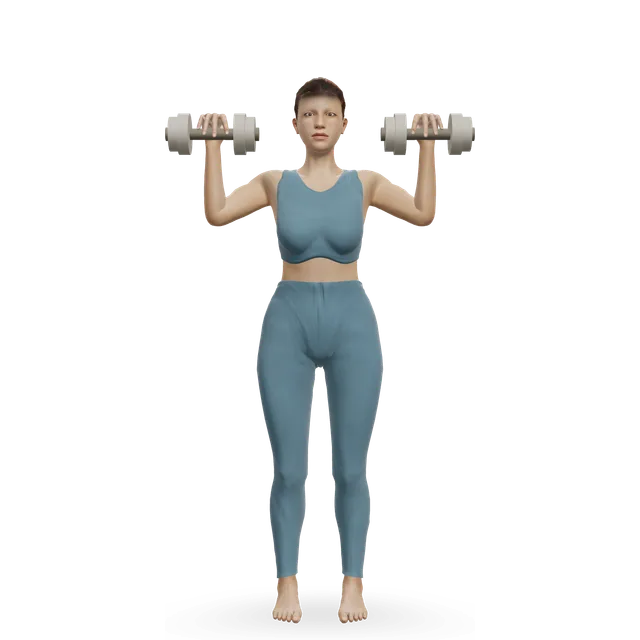
A 35-minute full-body strength workout with dumbbells: goblet squats, presses, rows, Romanian deadlifts and carries.

35 minIntermediate9 movesA band, A dumbbell

Strength and balance workout

Strength and balance in one session: squats, Romanian deadlifts, push-ups, rows, step-ups, back extensions, carries and single-leg balance.

45 minBeginner14 movesA wall, A dumbbell

Bone-strengthening workout

Impact, strength and balance for stronger bones, following UK osteoporosis consensus advice, with options for every level.

40 minBeginner14 movesA kettlebell, Other / check instructions

Easy cardio workout

A steady 30 to 45 minute cardio session at talk-but-not-sing pace: walk, cycle, row or cross-train, counting toward weekly activity guidelines.

40 minBeginner3 movesCardio machine, A wall

Cardio intervals workout

A 25-minute interval session on a bike or rower: one-minute hard efforts with two minutes easy, building from 4 to 8 rounds.

25 minIntermediate1 movesCardio machine

Build-up interval walk

A 25-minute walk with short faster bouts: notice your heart and breathing speed up, then settle. A gentle way to get used to the feelings of effort.

25 minBeginner5 movesCardio machine, A wall

Daily pelvic floor workout

A 5-minute daily pelvic floor workout for women and men: slow holds and quick squeezes, three times a day, with how to find the right muscles.

5 minBeginner2 movesNo equipment

10-minute starter workout

A 10-minute session for low-energy days: marching, sit-to-stands, wall push-ups, step-ups and bridges, then a short walk. Doing a little counts.

10 minBeginner7 movesA bench or box, A wall

Warning signs and when to see a GP

Call 999 now

Stop exercising and call 999 if any of these happen. Don't drive yourself to A&E.

  • Chest pain that feels tight or like squeezing, or spreads to your arms, neck, jaw, back or stomach.
  • Chest pain with feeling sweaty, sick, light-headed or short of breath.
  • Severe difficulty breathing, or lips or skin that look pale, blue or grey.
  • Someone faints while exercising, or faints with chest pain or a pounding, fluttering or irregular heartbeat.
  • Palpitations that don't go away, or that come with chest pain, shortness of breath or feeling faint.

Sources 80, 28, 81, 82

Call NHS 111 or get an urgent GP appointment

  • Chest pain or tightness that comes on with exercise and eases when you rest, or chest pain that comes and goes.
  • You are suddenly more short of breath than usual, or have chest pain with a racing, slow or skipping heartbeat.
  • A hernia (a bulge in your groin or tummy) that is painful, or comes with a swollen tummy, being sick or constipation.
  • Blood in your pee, pain when peeing, or you can't pee at all.

Sources 28, 80, 83, 29

See a GP soon

  • Erection problems that keep happening. A sexual health clinic can help too.
  • A low sex drive, low mood, loss of muscle or of your ability to exercise, tiredness or poor sleep: your GP will look for the cause.
  • Trouble peeing, needing to pee more often, or worry about your risk of prostate cancer.
  • Palpitations that keep coming back or last more than a few minutes, or if you have fainted.
  • Leaking after prostate surgery that isn't getting better: ask about a continence adviser or a men's health physiotherapist.

Sources 41, 48, 84, 82, 81, 65

Check with a GP first

  • Before you start, if you haven't exercised for some time, or you have heart disease or another medical condition.
  • If new symptoms appear as you do more.
  • If you are on hormone therapy for prostate cancer, or it has spread to your bones: before high-impact exercise or contact sport.

Sources 3, 2, 60

Ease off and reassess

If your performance falls for weeks despite training, or you feel worn out, low or lose interest in sex while training hard or dieting, ease off, eat enough and rest. See a GP if it doesn't lift within a few weeks (our suggestion).

Sources 85, 86

Myths

"More is always better"Strong evidence

Weekly sets build muscle with diminishing returns: beyond about 10 sets a week each extra set adds less, and past about 20 the extra gain is small. Strength activity's link with a longer life is biggest at about 30 to 60 minutes a week. Training hard without enough rest or food can tip into overtraining, with falling performance, fatigue and low mood. More helps up to a point; after that, recovery matters more.

Sources 4, 31, 85

"No pain, no gain"Emerging evidence

Muscle grows without soreness: men who built up gradually and avoided muscle damage gained as much size and strength (25% against 26%) as men who started with a damaging session. Early in training, the extra muscle building coincides with muscle damage and doesn't track growth; it tracks growth once the damage settles, within about 3 weeks. Training to failure adds no clear growth. And some pain is a warning: chest pain or fainting means stop and get help.

Sources 87, 88, 7

"You need supplements to build muscle"Strong evidence

Protein from food covers most men: in trials, protein supplements added a modest 0.3 kg of lean mass, and extra protein stopped helping above about 1.6 g per kg a day. Creatine is the supplement with the most consistent evidence, for a small extra gain in trials, but you don't need it to build muscle. Most testosterone boosters lack evidence for their claims.

Sources 8, 89, 90, 91

"Cardio kills your gains"Strong evidence

Cardio doesn't reduce muscle growth or maximal strength. It can blunt explosive strength if both are done in the same session, and men may see a small blunting of leg strength gains. If that matters to you, keep hard cardio a few hours away from leg days.

Sources 35, 36

"After 50 you can't build muscle, so lift light"Strong evidence

Men over 50 gain strength and muscle from training, and supervised heavy lifting and impact training improved bone and function in men averaging 67. In trials with over 38,000 people, including more than 11,000 older adults, exercise didn't raise the risk of serious adverse events. Choose weights by how many reps you have left, not by your age.

Sources 50, 20, 4

"Pelvic floor exercises are for women"Strong evidence

Everyone has a pelvic floor. NICE recommends pelvic floor training for men who leak after prostate surgery, and Prostate Cancer UK teaches it before and after surgery.

Sources 23, 65

"Exercise is risky with prostate cancer"Strong evidence

NICE recommends supervised exercise during hormone therapy, trials report benefits for tiredness, function and quality of life, and no deaths have been linked to exercise in the trials. Even with cancer in the bones, an individual supervised programme was safe in a trial. Check with your team before high-impact exercise.

Sources 21, 54, 58, 60

"Exercise raises your PSA, so it's bad for your prostate"Emerging evidence

Hard exercise and cycling can push up a PSA reading for a while, which is why the NHS asks you to avoid them for 48 hours before a test. In men with prostate cancer, exercise programmes didn't raise PSA.

Sources 52, 61

Questions people ask

How much exercise should a man do a day?

The guidelines are set per week: at least 150 minutes of moderate activity, such as brisk walking, which is about 30 minutes on 5 days. Add strength exercises for all the major muscles on at least 2 days. The UK guidelines are the same for men and women, any activity counts, and more brings extra benefit.

What is the best exercise for men?

A mix: strength training on 2 to 3 days a week, built on squats, hinges, pushes, pulls and carries, plus regular cardio you enjoy. Strength training builds muscle and is linked with a lower risk of heart disease and early death, and fitness from cardio is strongly linked with a healthier heart. The best plan is the one you keep doing.

How many sets per muscle group per week to build muscle?

About 10 or more hard sets per muscle a week is linked with more growth. Beyond about 10 sets a week each extra set adds less, and past about 20 the extra gain is small. If you are short of time, about 4 hard sets per muscle a week still works. Our 2-, 3- and 4-day plans set this out.

Is training to failure necessary for muscle growth?

No. In trials, stopping 2 to 3 reps short gave similar muscle growth to training to failure. For older lifters, going to failure may add risk without extra benefit.

How much protein do I need to build muscle?

In trials, the benefit levelled off at about 1.6 g of protein per kg of body weight a day, about 130 g for an 80 kg man. Up to 2.2 g per kg covers the uncertainty. Food is enough for most men; protein shakes are a convenience, not a necessity.

Does exercise increase testosterone?

Only briefly: hard exercise raises it for less than half an hour, and months of training don't change resting levels in healthy men. The short rise doesn't build muscle either. If you carry excess weight, losing it is what raises low testosterone. Our testosterone guide has the detail.

Can men over 50 build muscle?

Yes, and it isn't too late to start. Men over 50 gain strength and muscle from strength training, and more in absolute terms than women of the same age. Strength falls faster than muscle with age, and power faster still, so add some fast moves such as kettlebell swings or standing up quickly from a chair. Our plan for men over 40 suits men in their 50s and 60s.

Is exercise safe for my heart?

For most men, yes: regular exercise lowers heart risk, and serious problems are rare. The risk rises for a short time during hard effort, mainly in men who are usually inactive, so build up gradually. See a GP first if you have heart disease, haven't exercised for some time, or get chest pain, breathlessness or dizziness on effort.

Can exercise help erectile dysfunction?

It can. In trials, exercise, especially moderate to vigorous aerobic exercise, improved erections in men with erectile dysfunction, and losing weight and getting active restored normal erections in about a third of obese men. Erection problems can be an early sign of heart disease, diabetes or high blood pressure, so see a GP if they keep happening.

Should I exercise during hormone therapy for prostate cancer?

Yes, if your care team agrees. NICE recommends supervised strength and aerobic exercise at least twice a week for 12 weeks to reduce tiredness and improve quality of life, and in trials men kept more muscle and strength. If the cancer has spread to your bones, you need an individual, supervised plan, so check before high-impact exercise.

Do men need pelvic floor exercises?

After prostate surgery, yes: NICE recommends supervised pelvic floor training for leaking, and Prostate Cancer UK suggests starting 4 to 6 weeks before surgery. Trials disagree on how much it speeds recovery, but the exercises are safe and cheap. Our pelvic floor guide shows how.

Does exercise help men's mental health?

Yes. Walking, running and strength training reduce depression in trials, and men's programmes run through football clubs improved activity, weight and well-being. If you are struggling, talk to someone: Samaritans on 116 123, CALM on 0800 58 58 58, NHS 111, or 999 if your life is at risk.

Sources

  1. UK Chief Medical Officers 2019 · Physical activity guidelines (updated July 2026)
  2. Bull 2020 · World Health Organization 2020 guidelines on physical activity and sedentary behaviour (BJSM)
  3. NHS · Physical activity guidelines for adults aged 19 to 64
  4. Currier 2026 · Resistance training for muscle function, size and performance in healthy adults: 137 reviews (ACSM position stand, MSSE)
  5. Schoenfeld 2017 · Weekly training volume and muscle growth (meta-analysis, Journal of Sports Sciences)
  6. Iversen 2021 · Designing time-efficient training for strength and muscle (narrative review, Sports Medicine)
  7. Refalo 2023 · Training close to failure and muscle growth (meta-analysis, Sports Medicine)
  8. Morton 2018 · Protein supplements and gains from strength training: 49 trials (meta-regression, BJSM)
  9. British Heart Foundation 2026 · UK cardiovascular disease factsheet (July 2026)
  10. Kodama 2009 · Fitness as a predictor of death and heart disease in healthy men and women: 33 studies (meta-analysis, JAMA)
  11. Albert 2000 · Vigorous exertion and sudden cardiac death in 21,481 men (prospective study, NEJM)
  12. Mittleman 1993 · Heavy exertion as a trigger of heart attacks, and protection from regular exercise (case-crossover study, NEJM)
  13. D'Andrea 2020 · Exercise and short-term rises in testosterone: 48 studies (meta-analysis, Journal of Endocrinological Investigation)
  14. Potter 2021 · Exercise training and resting testosterone in inactive men: 11 trials (meta-analysis, JSCR)
  15. West 2012 · Post-exercise hormone rises and gains in strength and muscle in 56 men (12-week training study, European Journal of Applied Physiology)
  16. Corona 2013 · Weight loss and testosterone in men with obesity: 24 studies (meta-analysis, European Journal of Endocrinology)
  17. Mitchell 2012 · Muscle size and strength with advancing age (quantitative review, Frontiers in Physiology)
  18. Skelton 1994 · Strength, power and function in healthy people aged 65 to 89 (cross-sectional study, Age and Ageing)
  19. Balachandran 2022 · Power training vs traditional strength training for physical function in older adults (meta-analysis, JAMA Network Open)
  20. Harding 2020 · Bone-targeted exercise in middle-aged and older men with low bone mass: the LIFTMOR-M trial (JBMR)
  21. NICE NG131 · Prostate cancer: diagnosis and management (last updated December 2021)
  22. Ussing 2022 · Supervised exercise during androgen deprivation therapy: 18 trials (meta-analysis, Prostate Cancer and Prostatic Diseases)
  23. NICE CG97 · Lower urinary tract symptoms in men: management (last updated June 2015)
  24. Anderson 2015 · Conservative management for leaking after prostate surgery: 50 trials (Cochrane review)
  25. Sport England 2021 · Why we now measure strength in the Active Lives survey
  26. Refalo 2025 · Sex differences in absolute and relative muscle growth with training: 29 studies (Bayesian meta-analysis, PeerJ)
  27. Roberts 2020 · Sex differences in resistance training (systematic review and meta-analysis, JSCR)
  28. NHS · Angina
  29. NHS · Enlarged prostate
  30. Office for National Statistics 2026 · Suicides in England and Wales: 2025 registrations
  31. Momma 2022 · Muscle-strengthening activities and the risk of disease and death: 16 cohort studies (meta-analysis, BJSM)
  32. Noetel 2024 · Exercise for depression: 218 trials (network meta-analysis, BMJ)
  33. Gordon 2018 · Strength training and depressive symptoms: 33 trials (meta-analysis, JAMA Psychiatry)
  34. Pelland 2026 · Weekly volume and frequency, muscle growth and strength: 67 studies (meta-regressions, Sports Medicine)
  35. Schumann 2022 · Cardio and strength training together: muscle size and function (meta-analysis, Sports Medicine)
  36. Huiberts 2024 · Concurrent strength and endurance training by sex and training status (meta-analysis, Sports Medicine)
  37. Franklin 2020 · Exercise-related heart events and long-term training: placing the risks in perspective (AHA scientific statement, Circulation)
  38. Newman 2021 · Risk of atrial fibrillation in athletes (meta-analysis, BJSM)
  39. Wan 2021 · Physical activity and atrial fibrillation in men and women: 16 cohort studies (dose-response meta-analysis, Frontiers in Cardiovascular Medicine)
  40. Dong 2011 · Erectile dysfunction and the risk of cardiovascular disease: 12 cohort studies (meta-analysis, JACC)
  41. NHS · Erectile dysfunction (impotence)
  42. NHS · NHS Health Check
  43. Hawkins 2008 · A year of aerobic exercise and sex hormones in 102 men (RCT, MSSE)
  44. West 2010 · Hormone rises after exercise and arm muscle growth over 15 weeks (trial, Journal of Applied Physiology)
  45. Morton 2016 · Load, hormones and gains in strength and muscle in 49 trained men (RCT, Journal of Applied Physiology)
  46. Camacho 2013 · Weight change, lifestyle and testosterone over 4.4 years in 2,395 men: the European Male Ageing Study (European Journal of Endocrinology)
  47. Wu 2010 · Identifying low testosterone of later life in 3,369 men aged 40 to 79: the European Male Ageing Study (NEJM)
  48. NHS · The 'male menopause'
  49. Fragala 2019 · Resistance training for older adults (NSCA position statement, JSCR)
  50. Jones 2021 · Sex differences in strength and muscle gains from training in adults over 50 (meta-analysis, Sports Medicine)
  51. NHS · Physical activity guidelines for older adults
  52. NHS · PSA test
  53. Galvão 2010 · Strength and aerobic exercise for men on hormone therapy for prostate cancer (RCT, Journal of Clinical Oncology)
  54. Bourke 2016 · Exercise for men with prostate cancer: 16 trials (meta-analysis, European Urology)
  55. Taaffe 2019 · Immediate vs delayed exercise when starting androgen deprivation: bone and body composition (RCT, BJU International)
  56. Taaffe 2025 · Immediate vs delayed exercise and quality of life on androgen deprivation therapy (RCT, European Urology Oncology)
  57. Cormie 2015 · Supervised exercise from the start of androgen deprivation therapy (RCT, BJU International)
  58. Galvão 2018 · Exercise in men with prostate cancer that has spread to the bones (RCT, MSSE)
  59. Campbell 2022 · Exercise for people with bone metastases (expert consensus, JCO Oncology Practice)
  60. Prostate Cancer UK · Physical activity and prostate cancer
  61. Zhang 2025 · Exercise, PSA and testosterone in prostate cancer: 8 trials (meta-analysis, Aging Male)
  62. Benke 2018 · Physical activity and the risk of prostate cancer: 72 studies (meta-analysis, Annals of Oncology)
  63. Kenfield 2026 · INTERVAL-GAP4, a global exercise trial in metastatic prostate cancer: feasibility (European Urology Open Science)
  64. Prostate Cancer UK · Find an exercise group near you
  65. Prostate Cancer UK · Pelvic floor muscle exercises
  66. Parsons 2008 · Physical activity, an enlarged prostate and urinary symptoms: 11 studies (meta-analysis, European Urology)
  67. Glazener 2011 · Pelvic floor therapy for men leaking after prostate surgery: the MAPS trials (RCTs, Health Technology Assessment)
  68. Zhou 2023 · Pelvic floor exercise before prostate removal and continence: 12 studies (meta-analysis, Frontiers in Public Health)
  69. Silva 2017 · Physical activity and exercise for erectile dysfunction: 7 trials (meta-analysis, BJSM)
  70. Gerbild 2018 · Physical activity to improve erectile function (systematic review, Sexual Medicine)
  71. Esposito 2004 · Lifestyle changes and erectile dysfunction in obese men (RCT, JAMA)
  72. Dorey 2005 · Pelvic floor exercises for erectile dysfunction (RCT, BJU International)
  73. Myers 2019 · Pelvic floor muscle training for erectile dysfunction and premature ejaculation (systematic review, Physiotherapy)
  74. NHS · Where to get urgent help for mental health
  75. Samaritans · Contact a Samaritan (116 123)
  76. CALM, Campaign Against Living Miserably · Get support (0800 58 58 58)
  77. 988 Suicide and Crisis Lifeline (US)
  78. Hunt 2014 · Football Fans in Training: a weight loss programme for 747 men in football clubs (RCT, Lancet)
  79. Wyke 2019 · European Fans in Training: activity and sitting in 1,113 men (RCT, PLOS Medicine)
  80. NHS · Heart attack: symptoms
  81. NHS · Fainting
  82. NHS · Heart palpitations
  83. NHS · Hernia
  84. NHS · Symptoms of prostate cancer
  85. Meeusen 2013 · Overtraining syndrome: prevention, diagnosis and treatment (ECSS and ACSM consensus statement, MSSE)
  86. Mountjoy 2023 · Relative energy deficiency in sport, REDs (IOC consensus statement, BJSM)
  87. Flann 2011 · Muscle damage and muscle remodelling: no pain, no gain? (trial, Journal of Experimental Biology)
  88. Damas 2016 · Muscle protein building tracks growth only after muscle damage settles (study in 10 men, Journal of Physiology)
  89. Desai 2024 · Creatine and changes in body composition with strength training (meta-analysis, JSCR)
  90. Wang 2024 · Creatine, strength training and strength gains in adults under 50 (meta-analysis, Nutrients)
  91. Clemesha 2020 · What 50 testosterone booster supplements contain and claim (review, World Journal of Men's Health)

Exercise education, not a diagnosis or treatment plan, and clinical review of these guides is pending. Stop and get advice for chest pain, unusual breathlessness, dizziness or fainting, or new pain, and check with your doctor or midwife first if they have told you to limit activity. Health disclaimer.