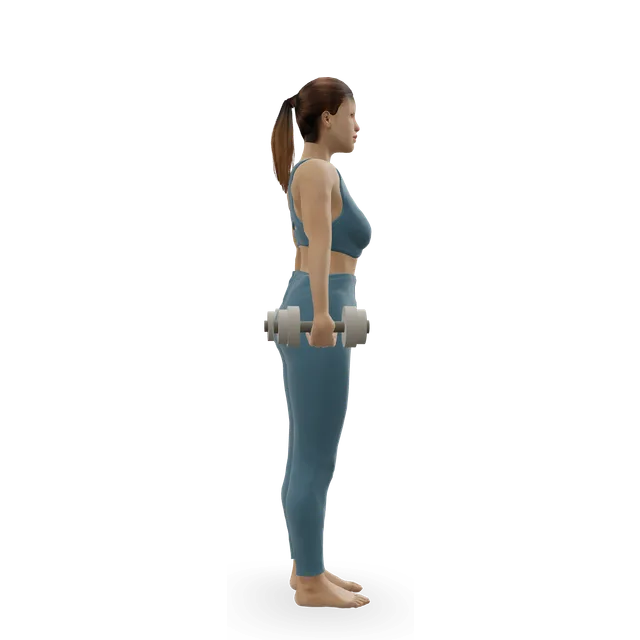
Exercise guide

Strength training for women: how much, what to expect, and what's different

Women build strength and muscle the same way men do, relative to where they start, and the guidelines are the same: strength work for all the major muscle groups on at least 2 days a week, plus about 150 minutes of brisk activity. Lifting won't make you bulky by accident. Muscle grows slowly, and you choose how much.

What's different for women is not the exercises but the health topics around them: building and keeping bone, eating enough for your training, iron and heavy periods, leaking during exercise, breast support, pregnancy and menopause. This guide grades the evidence on each, with moves you can watch in 3D, workouts, a free plan and the warning signs that need a GP.

The short version

How women respond

Women and men gain muscle at a similar rate relative to where they start. Men add slightly more in absolute terms, mostly in the upper body, and women new to lifting may gain upper-body strength a little faster relative to their start. Women over 50 gain strength well too.

Sources 1, 2, 3

Will it make me bulky?

Not by accident. After 12 weeks of the same arm training, women's biceps grew by about 18% in cross-section on average and men's by about 20%. Muscle grows with the number of hard sets you do each week, so you set the dose.

Sources 1, 4, 5

How much and how often

Strength work for all the major muscle groups on at least 2 days a week, plus 150 minutes of moderate activity or 75 of vigorous activity. The guidelines are the same for women and men, and none sets different sets, reps or weights for women.

Sources 6, 7, 8, 5

Bone, food and iron

Strength and impact exercise help build bone while you are young and protect it around the menopause, when bone loss speeds up. Eat enough for the training you do: eating too little can stop your periods and weaken bone. Heavy periods are a common cause of low iron, so tiredness with heavy periods is worth a blood test.

Sources 9, 10, 11, 12, 13

Leaking and breast support

About 4 in 10 women athletes leak urine during sport. It is common and it is treatable with pelvic floor training. Breast pain during exercise is common too, and in a lab study a sports bra roughly halved breast movement during running compared with no bra.

Sources 14, 15, 16, 17

Women and strength training: the background

Strength differences are mostly about muscle

Boys become clearly stronger than girls at around 15. In adults the gap is bigger in the upper body than the lower body, and it comes from men having more muscle and larger fast-twitch fibres, not from women using their muscles less well. After puberty men have about ten times more testosterone, yet the same programme still grows muscle by a similar percentage in both sexes.

Sources 18, 1

Relative and absolute gains

Relative gains are the percentage change from your own starting point; absolute gains are the centimetres or kilograms added. Relative gains are similar in women and men. Absolute gains are a little larger in men, who start bigger. Which number a study reports changes the headline, so it helps to know both.

Sources 1, 3

People vary more than the sexes do

In a 12-week trial of the same arm training in 585 adults, the change in muscle size ranged from a small loss to a 59% gain, and strength gains from nothing to 250%. Some people gain a little and others a lot, whatever their sex.

Source 4

How many women strength train

In Scotland, 24% of women and 31% of men met the strengthening guideline, and the gap was widest at 16 to 24 (40% against 55%). In the US, about 30% of adults do strengthening on 2 or more days a week. In surveys, women more often train for toning, appearance and weight management, and more often prefer supervised and lower-body exercise.

Sources 19, 5, 18

Where the evidence is thin

Most trials are short and in young adults new to lifting: only 6 of 29 studies in one major review used people who already trained, and two thirds of the groups in the largest study of reps and loads were men. So this page says what happened in trials, not what will happen to everyone.

Sources 1, 20

What the evidence says

Relative gains are similarStrong evidence

A 2025 review of 29 studies found that women and men grew muscle by a similar percentage from the same training, while men grew slightly more in absolute size, mainly in the upper body. An earlier review found the same for muscle growth and for lower-body strength. The results held in the few studies of people who already trained.

Sources 1, 2

Upper-body strength may rise faster in women new to liftingEmerging evidence

Across 17 studies, women gained upper-body strength faster than men relative to their starting point. The trials were short and in beginners, so part of this may be learning the movements.

Sources 2, 18

Women over 50 respond wellEmerging evidence

Across 30 studies of 1,410 people over 50, women gained more lower-body strength than men relative to where they started, while men gained more absolute strength and size.

Source 3

Strength training improves everyday functionStrong evidence

An American College of Sports Medicine (ACSM) review of 137 reviews, covering more than 30,000 people, found that strength training improves strength, muscle size, power, balance, walking speed and everyday function compared with no exercise. In trials covering more than 38,000 people, exercise did not increase serious adverse events.

Source 5

Linked with a longer, healthier lifeEmerging evidence

People who do muscle-strengthening activity have a 10% to 17% lower risk of death, heart disease, cancer and diabetes, with the biggest drop at about 30 to 60 minutes a week. In 412,413 US adults, women got a bigger reduction in their risk of death than men from the same amount of leisure-time activity, including strengthening. These are observational studies: they show a link, not proof.

Sources 21, 22

Reps, loads and tiringEmerging evidence

How many reps you can do at a given share of your maximum barely differs between women and men, in data from 269 studies and 7,289 people. Women often tire less quickly than men in sustained efforts, but that hasn't been shown to call for a different programme.

Sources 20, 23

Will lifting make me bulky?

What the trials measuredStrong evidence

In the largest trial, 585 adults trained their biceps twice a week for 12 weeks. Women's biceps grew by about 17.6% in cross-section on average and men's by about 19.7%, and women's strength rose more relative to their start. A review of 29 studies found the same picture: similar growth in percentage terms, slightly more absolute growth in men.

Sources 4, 1

Growth follows the doseStrong evidence

More weekly sets build more muscle, with extra growth from about 10 or more hard sets per muscle a week. In the reviews, muscle grew with light or heavy loads, while heavier loads built more strength. So you control the dose: once you like the result, you can hold your sets and weights where they are (our suggestion).

Source 5

There are no toning exercises

Toning is the visible result of building some muscle, sometimes alongside losing fat. The exercises that shape your body are the same ones that make it stronger. Light weights only build muscle if you do enough reps to make the set hard (our suggestion).

Source 5

How much and how often

No guideline sets a different dose for women. These are the adult guidelines, with the UK osteoporosis consensus for bone.

Strength: at least 2 days a week

The NHS and the World Health Organization (WHO) say to work all the major muscle groups (legs, hips, back, tummy, chest, shoulders and arms) on at least 2 days a week, to the point where you need a short rest. The UK Chief Medical Officers say any strengthening is better than none, and that it matters as much as the 150 minutes of aerobic activity.

Sources 8, 6, 7

Aerobic: 150 minutes a week

WHO: 150 to 300 minutes of moderate activity a week, or 75 to 150 minutes of vigorous activity, or a mix. Moderate means you can talk but not sing; vigorous means you can only say a few words without pausing for breath. The NHS suggests spreading it over 4 to 5 days, or every day.

Sources 6, 8

Setting up your sets

Strength rises more with heavier loads (around 80% of your maximum or more), a full range of movement, 2 to 3 sets and 2 or more sessions a week, according to the ACSM review. For bone, the UK osteoporosis consensus advises working towards the most you can lift 8 to 12 times, building up to 3 sets. Stopping 2 to 3 reps short of failure works for most people (our suggestion, as in our plans).

Sources 5, 11

Impact for bone

About 50 moderate impacts on most days, such as 5 sets of 10 heel drops (UK consensus). With spinal fractures or several fractures from minor falls, keep impact to brisk-walking level. If you leak when you land, build up pelvic floor exercises first.

Source 11

Pelvic floor: every day

NICE (the National Institute for Health and Care Excellence): at least 8 squeezes 3 times a day, and a supervised course of at least 3 months if you leak.

Source 24

A starting week

Our suggestion for a woman new to training without warning signs: three full-body strength sessions (a squat, a hinge, a push, a pull and a carry or core move), 2 sets of 8 to 12 in the first 2 weeks with 3 or 4 reps to spare, then 3 sets with 2 to 3 to spare. Add two cardio sessions and five minutes of pelvic floor exercises a day. The plan for women below is built this way.

Lower-body strength moves

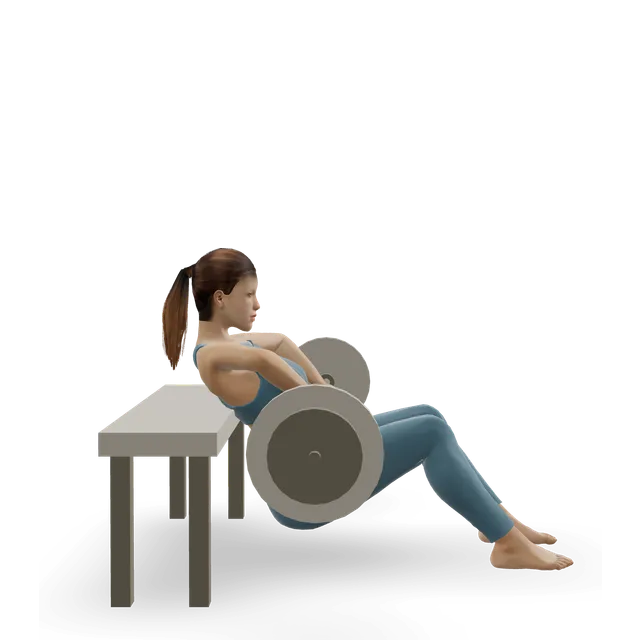
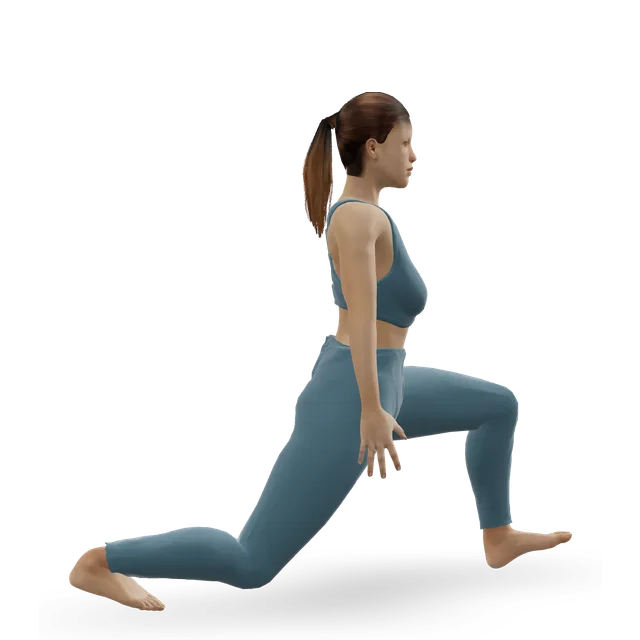
Two to three days a week, 2 to 3 sets of 8 to 12 with 2 to 3 reps to spare: learn the hinge first, and use the glute bridge as the home version of the hip thrust.

Upper-body and core moves

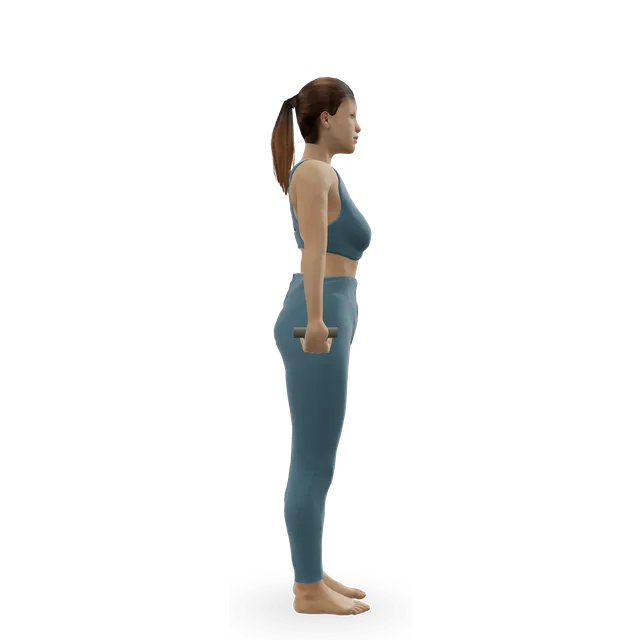
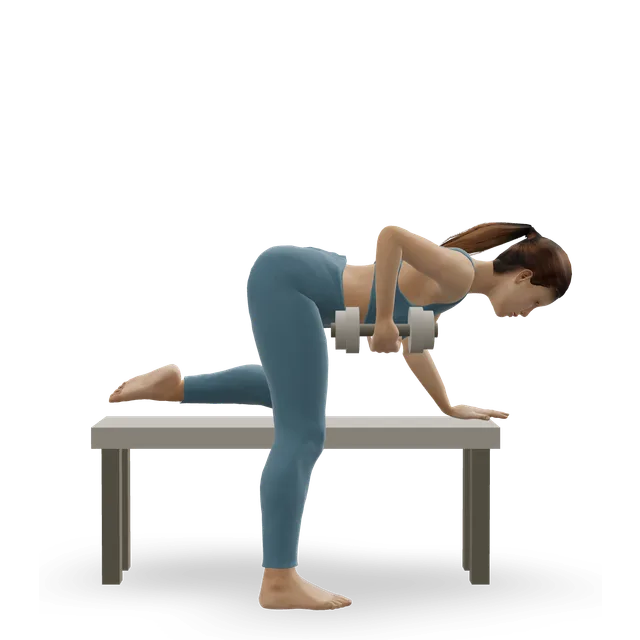
Work up the push-up steps from incline to floor, pair every push with a pull, and finish with a core move or a carry; each move's page has its dose and an easier option.

Bone, cardio and pelvic floor

Heel drops on most days if they suit you (20 to 30 at first, building to about 50), skipping only once they are easy and you don't leak, brisk walking or cycling towards 150 minutes a week, and pelvic floor squeezes daily: the 3D figure can't show those muscles, so follow the written steps.

Follow a plan

The plan for women gives three strength days, two cardio days and daily pelvic floor work over 8 weeks. From your late 40s, or with low bone density, the plan for women over 50 adds bone loading and balance.

Workouts to follow

Workouts A and B are the gym sessions of the plan for women; the dumbbell and home workouts cover the same movements without a gym.

Full-body gym workout A

A beginner full-body gym workout: goblet squats, dumbbell bench press, lat pulldowns, Romanian deadlifts and dead bugs, with sets, reps and rest.

45 minBeginner12 movesCardio machine, A band

Full-body gym workout B

Full-body gym workout B: trap bar deadlifts, cable rows, seated dumbbell press, step-ups, leg curls, push-ups and a Pallof press.

50 minBeginner13 movesCardio machine, Other / check instructions

Full-body dumbbell workout

A 35-minute full-body strength workout with dumbbells: goblet squats, presses, rows, Romanian deadlifts and carries.

35 minIntermediate9 movesA band, A dumbbell

Full-body dumbbell workout B

Home dumbbell workout B: reverse lunges, push-ups, bent-over rows, single-leg glute bridges, lateral raises and side planks.

35 minIntermediate11 movesA wall, A dumbbell

Beginner home workout

A gentle 20-minute beginner home workout with a chair, a wall and a band: sit-to-stands, wall push-ups, band rows, step-ups and dead bugs.

20 minBeginner11 movesA bench or box, A wall

Glute workout at home

A 25-minute glute workout with bodyweight and a mini band: bridges, clamshells, band walks, kickbacks and lunges.

25 minBeginner9 movesA wall, A band

Lower body workout at home

A lower body workout at home: split squats, slider hamstring curls, single-leg bridges, step-ups, band walks and calf raises, with dumbbell options.

30 minIntermediate12 movesA wall, A step

Upper body workout at home

An upper body workout at home with no gym: push-ups, band rows, pike push-ups, face pulls, close-grip push-ups and Y-T-W raises, with dumbbell options.

30 minIntermediate13 movesA band, An anchor point

Push-up progression workout

Work up to full push-ups: wall, incline and knee push-ups, then the floor push-up and harder variations.

15 minBeginner8 movesA wall, A bench or box

Bone-strengthening workout

Impact, strength and balance for stronger bones, following UK osteoporosis consensus advice, with options for every level.

40 minBeginner14 movesA kettlebell, Other / check instructions

Daily pelvic floor workout

A 5-minute daily pelvic floor workout for women and men: slow holds and quick squeezes, three times a day, with how to find the right muscles.

5 minBeginner2 movesNo equipment

Bone across your life

The building yearsStrong evidence

Lifestyle shapes 20% to 40% of the bone you build by young adulthood, and physical activity and calcium have the best evidence, especially in late childhood and around puberty. The peak comes at different ages in different bones: about 16 to 19 at the hip and 33 to 40 at the spine in one Canadian study. The UK Chief Medical Officers say strengthening builds bone when you are young, maintains strength in adulthood and helps delay the decline in muscle and bone from around 50.

Sources 9, 7

Around the menopauseStrong evidence

In a US study of 862 women, bone loss began about a year before the last period and was fastest until two years after it: 7.4% of spine bone density was lost in that window, out of 10.6% over ten years. The NHS says women lose bone rapidly in the first few years after the menopause, especially if it comes before 45.

Sources 10, 25

What to do for boneStrong evidence

The UK osteoporosis consensus recommends progressive strength training on 2 to 3 days a week, about 50 moderate impacts on most days, and exercises that strengthen the back. These are strong recommendations; the exact doses are expert consensus. Our osteoporosis and menopause guides have the detail.

Source 11

The contraceptive injectionStrong evidence

Using the contraceptive injection for more than a year can weaken bones, which usually recover after you stop. If bone health matters to you, talk it through with whoever prescribes your contraception.

Sources 26, 9

Other risks for bone

The NHS lists an eating disorder now or in the past, a low body weight and not exercising regularly among the things that raise the risk of osteoporosis.

Source 25

Eat enough, and check your iron

Eating too little for your trainingStrong evidence

If you eat too little for the exercise you do, your body saves energy by turning down other jobs. The International Olympic Committee (IOC) calls this RED-S (relative energy deficiency in sport): it can stop periods and harm bone, metabolism, immunity, mood and performance, in women and in men. Periods that stop for this kind of reason are called functional hypothalamic amenorrhoea.

Sources 12, 27

How common it isEmerging evidence

In screening questionnaires, 40% of 833 active women in Ireland and 45% of 109 gym-goers in New Zealand scored as at risk of eating too little for their training. That is a warning score, not a diagnosis. In 3,705 active women recruited through an exercise app, 16% had 10 or fewer periods a year, and longer weekly training went with higher odds.

Sources 28, 29, 30

A debated labelMixed evidence

Some researchers argue that energy balance can't be measured accurately outside a lab, and that tiredness, injuries and missed periods have many possible causes, so every cause should be checked rather than assuming under-eating. Either way, missed periods and stress fractures need a doctor's assessment.

Sources 31, 12

What helpsStrong evidence

The main treatment is eating more, or better, and sometimes training less, with support for any worries about food or weight. The Endocrine Society advises against taking the pill just to bring periods back or protect bone, because it can hide whether your own periods have returned. See a GP if you miss 3 periods in a row.

Sources 27, 12, 32

Iron and heavy periodsStrong evidence

Heavy periods are a very common cause of iron deficiency anaemia, which can cause tiredness, shortness of breath, a pounding heartbeat and pale skin. Studies estimate that 15% to 35% of female athletes are low in iron, and in surveys a third or more of exercising women reported heavy periods. A GP can check with a blood test.

Sources 13, 33, 34, 35

Does iron help?Emerging evidence

When you are low, yes: in iron-deficient female athletes, iron improved endurance performance, and in endurance athletes low in iron without anaemia it raised iron stores and fitness. The studies were small. Tiredness has many causes, so get a blood test rather than guessing; the NHS treats iron deficiency anaemia with iron tablets, usually for about 6 months, once the cause is found.

Sources 34, 36, 13

Irregular periods have other causes too

Missed or irregular periods can come from pregnancy, stress, weight change, some contraception, the perimenopause or PCOS (polycystic ovary syndrome, which the NHS now calls polyendocrine metabolic ovarian syndrome, or PMOS). Our guides to the menstrual cycle and to exercise for PCOS cover these.

Source 32

Leaking when you lift, run or jump

Our pelvic floor guide has the full detail, including how to do the exercises.

Common in sportEmerging evidence

About 39% of women athletes aged 18 to 45 leak urine, across 32 studies of 4,649 women, and more hours of training a week go with more leaking. Half of Norwegian competitive powerlifters and weightlifters reported leaking, often during heavy squats and deadlifts.

Sources 14, 37

TreatableStrong evidence

Pelvic floor training cured stress leaking in 56% of women in trials, against 6% without treatment, and NICE offers a supervised course of at least 3 months first. In women who do CrossFit-style training, 16 weeks of daily home pelvic floor exercises improved leaking for 64%, against 8% without them.

Sources 15, 24, 38

Keep trainingEmerging evidence

An hour of heavy squats and deadlifts did not weaken the pelvic floor in the short term in strength-trained women, and more active women leak less overall, though athletes leak more often than non-athletes. Nearly half of women with symptoms have stopped an activity because of them. Lighten or change what sets it off while you train the pelvic floor, and see a GP or pelvic health physiotherapist.

Sources 39, 40, 41, 42

With a bulge or heaviness

A feeling of heaviness or a bulge in the vagina may be a prolapse. The NHS advises pelvic floor exercises and avoiding heavy lifting, running and trampolining, and seeing a GP.

Source 43

Breast support

Breast pain during exercise is commonEmerging evidence

A third of 1,285 London Marathon runners had breast pain, more with larger cup sizes and harder running, and 44% of 540 elite athletes had breast pain during exercise. Breasts were a barrier to exercise for 17% of women in one survey, and 46% of UK schoolgirls said their breasts affected their sport.

Sources 17, 44, 45, 46

A sports bra cuts movementEmerging evidence

In a lab study of 20 women running at 10 km/h, a sports bra cut up-and-down breast movement by 56% compared with no bra and by 43% compared with an everyday bra. The NHS advises a properly fitted bra for breast pain. No trial has compared bra styles for pain, so get fitted and choose more support for running and jumping (our suggestion).

Sources 16, 47

When to see a GP

Breast pain linked to periods is common and is unlikely on its own to be a sign of cancer. See a GP if it isn't improving, and get an urgent appointment for a hard lump, nipple discharge, a change in shape or skin, or a breast that is red, hot or swollen.

Source 47

Pregnancy, after birth, menopause and later life

Each life stage has its own guide, with the changes it needs and its own warning signs.

Warning signs, and when to see a GP

Call 999 now (911 in the US)

Stop exercising and call 999 for:

  • Chest pain that feels tight or like squeezing, or spreads to the arms, neck or jaw.
  • Severe difficulty breathing, or pale, blue or grey lips or skin.
  • Someone collapsing and not responding normally.

Source 48

Urgent GP appointment or NHS 111 the same day

  • Chest pain with feeling sick, or with a racing, skipping or fluttering heartbeat, or being suddenly more short of breath than usual.
  • A breast that is red, hot or swollen, especially with a high temperature or shivers.
  • A hard lump in the breast that doesn't move, nipple discharge (which may be bloody), a change in breast shape, dimpled skin, or a nipple that has sunk in.

Sources 48, 47

See a GP

  • You've missed 3 periods in a row and aren't pregnant, your periods haven't started by 15, or they've become irregular.
  • You feel tired, short of breath or notice your heartbeat a lot, especially with heavy periods.
  • You leak urine during exercise, or feel a lump, heaviness or bulge in or around the vagina.
  • You've had a stress fracture, or keep getting injured or ill while training hard.
  • You're worried about your eating, for example eating very little, making yourself sick or exercising too much. You can also call the eating disorders charity Beat on 0808 801 0677.

Sources 32, 13, 49, 50, 43, 12, 51

Check with a GP before you start

If you haven't exercised for some time or have a medical condition, speak to a GP first. With osteoporosis, get individual advice before heavy lifting or impact. In pregnancy, follow the checks in our pregnancy guide.

Sources 8, 11

Myths

"Lifting weights will make women bulky"Strong evidence

Women grow muscle by a similar percentage to men from the same training, and by slightly less in absolute terms. After 12 weeks of dedicated arm training, women's biceps grew by about 18% on average. Growth follows the number of hard sets you do, so you choose the dose.

Sources 1, 4, 5

"Women should use light weights and high reps to tone"Strong evidence

In the ACSM review, muscle growth did not depend on the load, while heavier loads built more strength. Light weights only build muscle if you do enough reps to make the set hard. There are no special toning exercises.

Source 5

"Women need a different programme from men"Strong evidence

No guideline sets different doses for women, relative gains are similar, and the reps you can do at a given load barely differ by sex. What differs are women's health topics: periods, the pelvic floor, pregnancy, menopause, iron and bone.

Sources 6, 7, 1, 20

"Heavy lifting is unsafe for women"Emerging evidence

In trials covering more than 38,000 people, exercise did not increase serious adverse events. Heavy squats and deadlifts did not weaken the pelvic floor in the short term in strength-trained women. Leaking is common in lifters, but treatable: adjust the load and see a pelvic health physiotherapist rather than giving up.

Sources 5, 39, 38

"Leaking when you jump or lift is normal, so just wear a pad"Strong evidence

It is common, about 4 in 10 women athletes, but it isn't something you have to put up with. Pelvic floor training cures or improves it in many women, and NICE recommends a supervised course first.

Sources 14, 15, 24

"Losing your period means you're training hard enough"Strong evidence

Missed periods can be a sign of eating too little for your training, which harms bone. See a GP if you miss 3 periods in a row.

Sources 12, 27, 32

"Tired? Take iron"Emerging evidence

Iron helps performance when you are low in it, but tiredness has many causes. A GP blood test shows whether you need iron, and the cause matters too.

Sources 34, 13

"It's too late to start"Emerging evidence

Women over 50 gained more lower-body strength than men relative to where they started. Our menopause and older adults guides carry this on.

Source 3

Questions people ask

Should women train differently from men?

No: the same principles work for both. Women and men gain muscle at a similar rate relative to where they start, and no guideline sets different sets, reps or loads for women. What's different are women's health topics such as periods, the pelvic floor, pregnancy and menopause.

Will lifting weights make me bulky?

Not by accident. Muscle grows slowly, and women's absolute gains are a little smaller than men's on average: after 12 weeks of arm training, women's biceps grew by about 18% in cross-section. You control the dose, so you can hold your sets and weights where they are whenever you like the result.

How often should women lift weights?

At least 2 days a week, working all the major muscle groups, which is the same guideline as for everyone. Two or more sessions a week build more strength than one, and three full-body sessions is a common beginner plan. Add about 150 minutes of moderate cardio a week.

How many sets and reps should a woman do?

For most goals, 2 to 3 sets of 8 to 12 reps on each main exercise, stopping 2 or 3 reps short of failure, is a good start. Heavier weights build more strength, and about 10 or more hard sets per muscle a week builds more muscle. These ranges are the same for men.

Is it safe for women to lift heavy?

For healthy women, yes, if you build up gradually with good technique. In trials covering more than 38,000 people, exercise did not increase serious adverse events. If you have osteoporosis, a prolapse or leaking, get advice first and read the related guides.

What are the benefits of strength training for women?

It improves strength, muscle size, power, balance, walking speed and everyday function. With impact exercise, it is the exercise answer for bone, which matters more after the menopause. People who do muscle-strengthening activity also have a lower risk of early death and disease in long-term studies, which show a link rather than proof.

Is cardio or weights better for women?

Both: the guidelines ask for strength work on at least 2 days a week as well as 150 minutes of moderate cardio, and the UK Chief Medical Officers say strengthening matters as much as the cardio target. If time is short, a few full-body strength sessions plus brisk walking cover the essentials.

Can strength training help my bones?

Yes, especially with impact work such as heel drops or skipping. The UK osteoporosis consensus recommends progressive strength training on 2 to 3 days a week and about 50 impacts on most days, unless you have spinal fractures. Bone loss speeds up around the menopause, so building and keeping bone earlier helps.

I leak when I lift or run. What should I do?

It's common, about 4 in 10 women athletes, and treatable. Daily pelvic floor exercises cure or improve stress leaking in many women, and NICE recommends a supervised course of at least 3 months. Keep exercising, lighten or change what sets it off, and see a GP or pelvic health physiotherapist; if you feel a bulge or heaviness, get checked before heavy lifting or running.

Do I need a sports bra?

For running and jumping, it helps: in a lab study, a sports bra cut breast movement by about 40% compared with an everyday bra, and breast pain during exercise is common. Get fitted and choose more support for higher impact. See a GP about a new lump, nipple changes, or pain that isn't improving.

I train a lot and feel tired all the time. Could it be iron or not eating enough?

It could be either, among other causes. Heavy periods are a very common cause of iron deficiency anaemia, and eating too little for your training can stop your periods and weaken bone. See a GP for a blood test, and sooner if you've missed periods or had a stress fracture.

Can I keep lifting when pregnant, after birth or in menopause?

Usually yes, with some changes. In an uncomplicated pregnancy, strength training is recommended alongside 150 minutes of moderate activity; after birth you build back gradually; and in menopause strength training helps keep muscle and bone. Each stage has its own guide on this site.


Sources

  1. Refalo 2025 · Sex differences in absolute and relative changes in muscle size after resistance training (Bayesian meta-analysis of 29 studies, PeerJ)

  2. Roberts 2020 · Sex differences in resistance training (systematic review and meta-analysis, JSCR)
  3. Jones 2021 · Sex differences in strength and muscle gains from resistance training in older adults (meta-analysis, Sports Medicine)
  4. Hubal 2005 · Variability in muscle size and strength gain after arm training in 585 adults (Medicine and Science in Sports and Exercise)
  5. Currier 2026 · Resistance training for muscle function, size and performance in healthy adults (ACSM position stand, overview of 137 reviews, MSSE)
  6. Bull 2020 · World Health Organization 2020 guidelines on physical activity and sedentary behaviour (BJSM)
  7. UK Chief Medical Officers 2019 · Physical activity guidelines (report updated July 2026, GOV.UK)
  8. NHS · Physical activity guidelines for adults aged 19 to 64
  9. Weaver 2016 · Peak bone mass development and lifestyle factors (systematic review and National Osteoporosis Foundation position statement, Osteoporosis International)
  10. Greendale 2012 · Bone density loss around the final menstrual period (SWAN cohort, Journal of Bone and Mineral Research)
  11. Brooke-Wavell 2022 · Strong, steady and straight: UK consensus on physical activity and exercise for osteoporosis (BJSM)
  12. Mountjoy 2023 · IOC consensus statement on relative energy deficiency in sport (REDs) (BJSM)
  13. NHS · Iron deficiency anaemia
  14. Domínguez-Pérez 2026 · Urinary incontinence in women athletes (umbrella review and meta-analysis, Sports Medicine)
  15. Dumoulin 2018 · Pelvic floor muscle training for urinary incontinence in women (Cochrane review)
  16. Leme 2020 · A sports bra, not footwear, reduces breast movement in walking and running (lab study, Journal of Biomechanics)
  17. Brown 2014 · Breast pain in runners of the 2012 London Marathon (survey, BJSM)
  18. Nuzzo 2023 · Sex differences in muscle strength, size, training habits and adaptations (narrative review, JSCR)
  19. Strain 2016 · Muscle-strengthening and balance activity by gender and age in Scotland (cross-sectional analysis, BMC Public Health)
  20. Nuzzo 2024 · Maximum reps at percentages of one-rep maximum, by sex, age and training status (meta-regression of 269 studies, Sports Medicine)
  21. Momma 2022 · Muscle-strengthening activities and lower risk of major diseases and death (meta-analysis of cohort studies, BJSM)
  22. Ji 2024 · Sex differences in the link between physical activity and death in 412,413 US adults (cohort study, JACC)
  23. Hunter 2016 · The relevance of sex differences in performance fatigability (review, MSSE)
  24. NICE NG123 · Urinary incontinence and pelvic organ prolapse in women: management
  25. NHS · Osteoporosis
  26. NHS · Contraceptive injection: side effects and risks
  27. Gordon 2017 · Functional hypothalamic amenorrhoea (Endocrine Society clinical practice guideline, Journal of Clinical Endocrinology and Metabolism)
  28. Logue 2019 · Risk of low energy availability in athletic and recreationally active women in Ireland (screening survey, European Journal of Sport Science)
  29. Slater 2016 · Female recreational exercisers at risk for low energy availability (survey, IJSNEM)
  30. Baranauskas 2023 · Training volume and missed or infrequent periods in 3,705 active women (cross-sectional study, JSAMS)
  31. Jeukendrup 2024 · Does relative energy deficiency in sport (REDs) syndrome exist? (critical review, Sports Medicine)
  32. NHS · Missed or late periods
  33. McCarthy 2026 · Diet, dietary supplements and iron status in active women (meta-analysis, Sports Medicine)
  34. Pengelly 2025 · Iron deficiency, iron supplements and sports performance in female athletes (systematic review, Journal of Sport and Health Science)
  35. Bruinvels 2016 · Heavy menstrual bleeding in elite and non-elite athletes (survey, PLOS ONE)
  36. Burden 2015 · Iron treatment in iron-deficient but non-anaemic endurance athletes (meta-analysis, BJSM)
  37. Skaug 2022 · Pelvic floor problems in Norwegian powerlifters and Olympic weightlifters (survey, JSCR)
  38. Skaug 2024 · Pelvic floor muscle training in women who do functional fitness training (RCT, BJSM)
  39. Skaug 2024 · Heavy weightlifting and the pelvic floor muscles in strength-trained women (crossover study, MSSE)
  40. Sánchez-Martín 2026 · Physical activity and urinary incontinence in adult women (meta-analysis of observational studies, AJOG)
  41. Bø 2020 · Is physical activity good or bad for the female pelvic floor? (narrative review, Sports Medicine)
  42. Dakic 2021 · Pelvic floor disorders stop women exercising: 4,556 women (survey, JSAMS)
  43. NHS · Pelvic organ prolapse
  44. Brisbine 2020 · Breast pain and performance in elite female athletes (survey, Journal of Sports Sciences)
  45. Burnett 2015 · The influence of the breast on physical activity in women (survey, Journal of Physical Activity and Health)
  46. Scurr 2016 · The breast and sport participation in UK schoolgirls (survey of 2,089, Journal of Adolescent Health)
  47. NHS · Breast pain
  48. NHS · Heart attack
  49. NHS · Heavy periods
  50. NHS · Urinary incontinence
  51. NHS · Eating disorders: overview

Exercise education, not a diagnosis or treatment plan, and clinical review of these guides is pending. Stop and get advice for chest pain, unusual breathlessness, dizziness or fainting, or new pain, and check with your doctor or midwife first if they have told you to limit activity. Health disclaimer.