A good start
2 to 3 sets of 8 to 12 reps per exercise, stopping 2 or 3 reps short of failure.
Training guide
For most goals, 2 to 3 sets of 8 to 12 reps per exercise, stopping 2 or 3 reps short of failure, is a good start. Heavier sets of 5 to 8 build more strength, and lighter sets build muscle too if they are hard.
For muscle, what adds up is hard sets per muscle per week: about 4 is enough to grow, 10 or more builds more, and each extra set adds less as you go. This guide gives the numbers from the largest analyses, explains reps in reserve, and shows how many sets our plans give.
2 to 3 sets of 8 to 12 reps per exercise, stopping 2 or 3 reps short of failure.
About 4 hard sets a week is enough to grow, and 10 or more builds more. Beyond about 10 sets a week each extra set adds less, and past about 20 the extra gain is small.
In the largest analysis, extra sets stopped adding measurable strength beyond about 4 to 5 sets per lift a week (figures from its preprint). Heavier weights and practising the lift more often help strength more than extra sets.
Anything from about 5 to 30 reps works if the sets are hard. Heavier weights build more strength: most people can bench press about 80% of their maximum 9 times, or leg press it 13 times.
Going to failure gave no clear extra growth. Stop 2 or 3 reps short on big lifts, and expect to misjudge how many you have left by about one.
2 sets per exercise for the first two weeks, then 3. Even one hard set per exercise builds strength.
A rep is one lift, down and up. A set is a group of reps done without resting, so 3 × 10 means 3 sets of 10. RM (repetition maximum) is the heaviest weight you can lift a given number of times: your 1RM is the most you can lift once, your 10RM the most you can lift 10 times. Nobody needs to test their 1RM: at 80% of it, most people manage about 9 bench-press reps.
Source 7
RIR (reps in reserve) is how many more good reps you could have done when you stopped. 2 RIR means you stopped 2 reps short of failure. In 12 studies with 414 people, most underestimated by about one rep, and judged better near the end of a set, in later sets and with heavier weights.
Source 9
A set that ends within about 0 to 4 reps of failure. Warm-up sets and easy sets don't count towards your weekly total (our working definition, as used in our plans' set counts).
Count a set for the muscle the move is mainly for: a squat for the thighs, a row for the back. The largest analysis counted sets that work a muscle indirectly, such as a row for the biceps, as half a set, which predicted results best (preprint figures).
Source 5
In 15 studies, each extra weekly set added about 0.4% to muscle growth, with a trend in favour of 10 or more sets per muscle. The 2026 American College of Sports Medicine (ACSM) position stand, an overview of 137 reviews, found extra growth from 10 or more sets per muscle a week.
The largest analysis pooled 67 studies with 2,058 people, mostly young men. About 4 weekly sets produced measurable growth, and each further measurable step then took more sets: about 6 more between 5 and 10 sets a week, 8 or 9 more between 11 and 18, and 11 more between 19 and 29. There was no clear ceiling, but few studies tested more than about 25 sets (preprint figures; the published paper reports the same pattern). The ACSM reads this as little extra beyond about 18 to 20 sets a week.
In trained young men, 12 to 20 sets a week grew the thighs and biceps as much as more than 20. In another trial of 34 trained men, growth kept rising from 1 to 3 to 5 sets per exercise each session, while strength did not.
More weekly sets help strength up to a point. In the largest analysis, extra sets stopped adding measurable strength beyond about 4 to 5 sets per lift a week (preprint figures). The ACSM puts the point of diminishing returns at 2 to 3 sets per exercise.
Multiple sets gave about 40% larger growth effects than single sets in 8 studies. The ACSM says one set is better than none and two better than one, and advises at least 2 sets per exercise.
When sets were taken to failure, light weights (60% of maximum or less) and heavy weights built similar muscle in 21 studies. In 28 studies with 747 people, light (more than 15 reps), moderate (9 to 15) and heavy (8 or fewer) loads built similar muscle. The ACSM found the same across 30% to 100% of maximum.
Moderate and heavy loads built more strength than light ones, and heavy was slightly ahead of moderate, though not clearly. The ACSM found strength rose more with weights of about 80% of maximum or more, 2 to 3 sets, doing the lift early in the session, and 2 or more sessions a week.
In 15 studies, training to failure gave no clear extra growth compared with stopping short. Another analysis of 15 studies found no difference for strength or size, apart from a small growth advantage for failure in trained people. The ACSM says failure is not necessary and suggests stopping 2 to 3 reps short.
Exploratory analyses suggest muscle growth rises as sets end closer to failure, while strength is similar across a wide range. In 18 trained people over 8 weeks, failure and stopping 1 to 2 reps short grew the thighs equally, and failure felt harder and less pleasant.
A review of time-efficient training suggests at least 4 weekly sets per muscle, with weights you can lift 6 to 15 times. In trained men, one hard set of 6 to 12 reps, 2 to 3 times a week, raised squat and bench-press strength in 5 studies.
6 to 10 hard sets per muscle a week, from two or three full-body sessions (our editorial starting point). Our 2- and 3-day plans give about 5 to 12.
Build towards 10 to 20 over months. Beyond about 10 sets a week each extra set adds less, and past about 20 the extra gain is small.
About 4 hard sets per muscle a week, with weights you can lift 6 to 15 times, built around a squat or leg press, an upper-body pull and an upper-body push.
Source 3
At least 2, and each extra set adds less. To add weekly sets for a muscle, add a second exercise or session rather than more sets of one move (our suggestion).
5 to 7 moves covering an upper and lower push and pull is enough for most sessions (our editorial number, as in our workouts). The ACSM's authors say pushes and pulls for the upper and lower body train the major muscles.
Source 1
Our editorial ranges, built on the findings above.
5 to 8 reps on heavy compound lifts such as squats, deadlifts and presses: roughly 80 to 90% of your maximum on the bench press. Do 2 to 3 sets, put the lift early in the session, and train it at least twice a week.
8 to 12 for most moves, and 12 to 20 for small isolation moves and bodyweight work. Up to about 30 works only if you take the set close to failure: judging your reps left gets harder beyond 12.
Light to moderate weights (40 to 60% of your maximum) for more than 15 reps, with short rests under 90 seconds, as the 2009 ACSM position stand suggests.
Source 22
The 2009 ACSM stand suggests novices use weights they can lift 8 to 12 times. Learn the moves at an easy effort first; heavier sets of 5 to 8 can come later if strength is your goal.
These are the effort rules in our plans.
Squats, deadlifts, presses, rows and pulldowns: stop 2 or 3 reps short. It builds about as much as failure, with less fatigue, and your form holds up better (our suggestion).
The last set of curls, raises, pushdowns or calf raises can get within 0 to 2 reps of failure, where a little extra effort may add a little growth.
Source 18
While you learn the moves, stop with 3 or 4 reps to spare. Most people misjudge reps left by about one, so this keeps you safely short of failure.
Source 9
The ACSM says training to failure may be unwise for older people. Stay 2 to 3 reps short, and still progress.
Source 1
One set is better than none and two better than one. In 14,690 gym members doing one hard set of six exercises once a week, strength rose by about 30 to 50% in the first year. Single sets 2 to 3 times a week raised strength even in trained men.
Weeks 1 and 2: 2 sets of 8 to 12 per exercise, stopping with 3 or 4 reps to spare. Then 3 sets, stopping 2 or 3 reps short, with double progression (our plans' starting point).
Heavy compound lifts first: 3 sets of 5 to 8 with 2 to 3 minutes' rest. Then moderate moves: 3 sets of 8 to 12. Then small moves: 2 to 3 sets of 12 to 20, the last set within 0 to 2 reps of failure. Doses as in our barbell, full-body and upper body gym workouts.
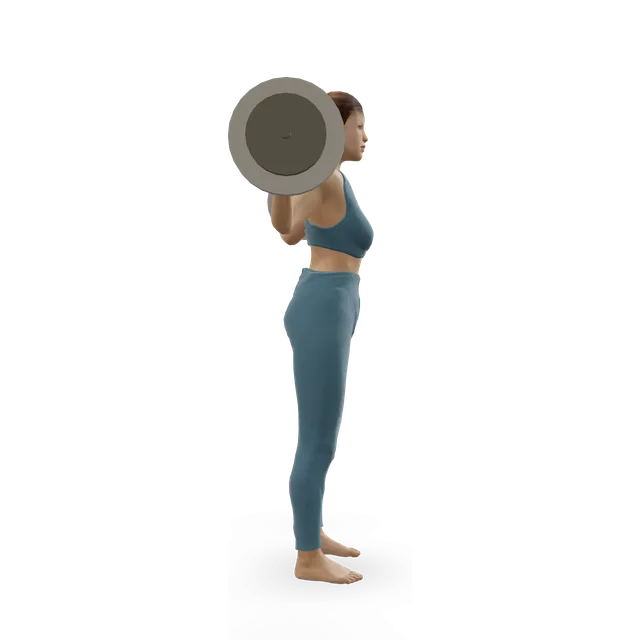 3D demoBarbell back squatAdvanced · A barbell
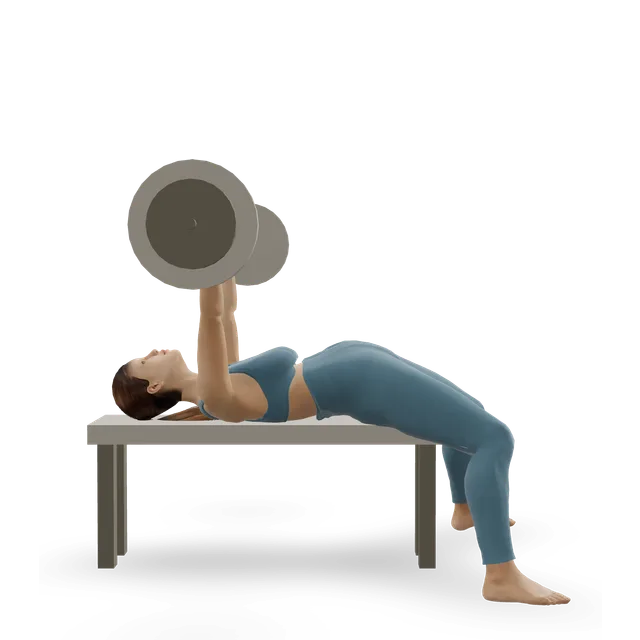 3D demoBarbell bench pressIntermediate · A barbell + A bench or box
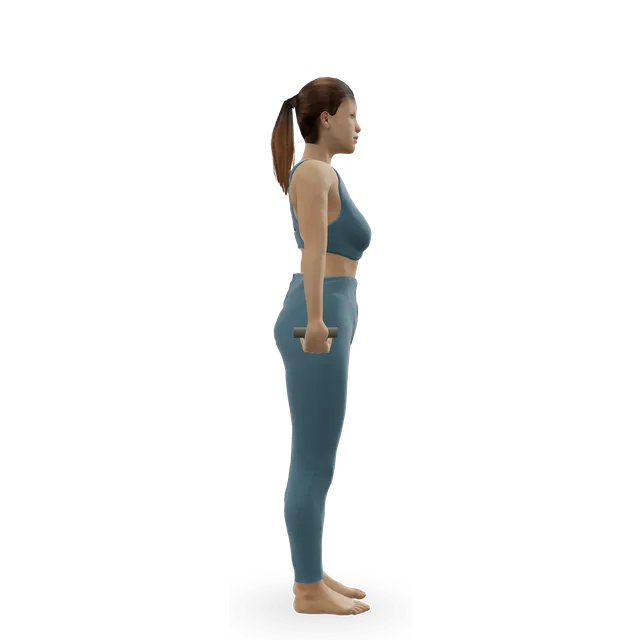 3D demoTrap bar (hex bar) deadliftIntermediate · Other / check instructions
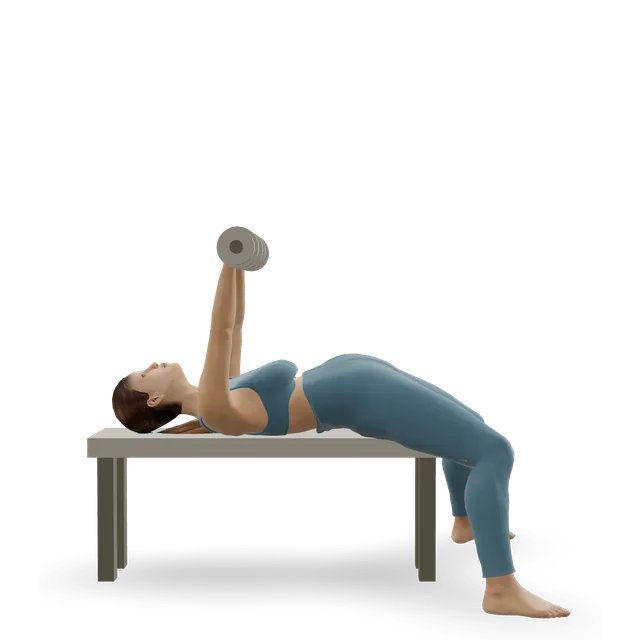 3D demoDumbbell bench pressIntermediate · A dumbbell + A bench or box
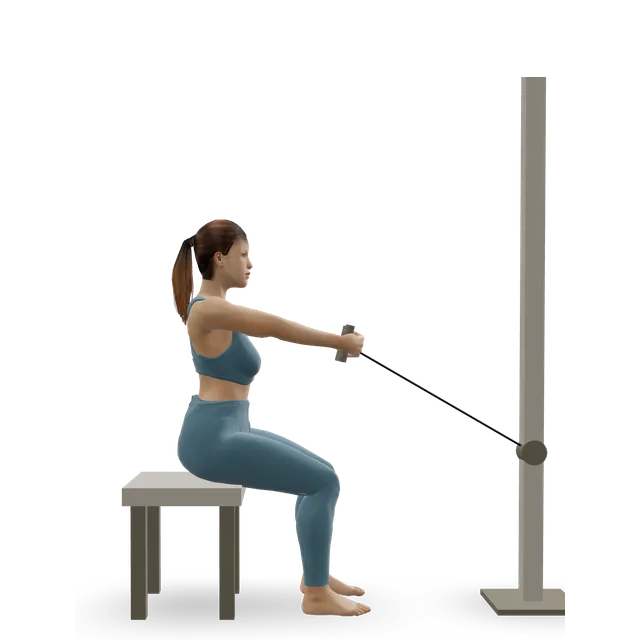 3D demoSeated cable rowBeginner · A cable machine
 3D demoLeg pressBeginner · Strength machine
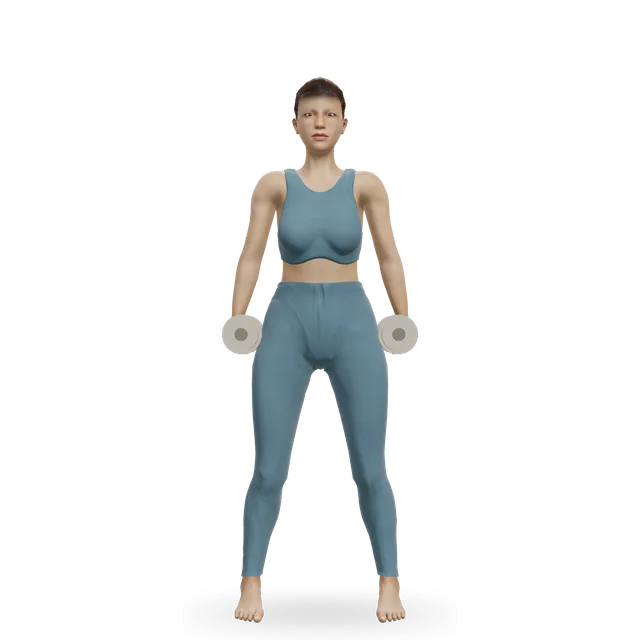 3D demoDumbbell lateral raiseBeginner · A dumbbell
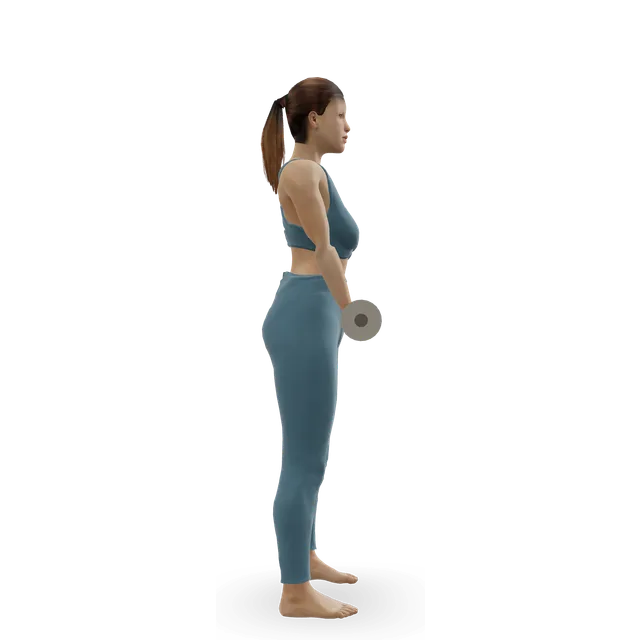 3D demoDumbbell biceps curlBeginner · A dumbbell
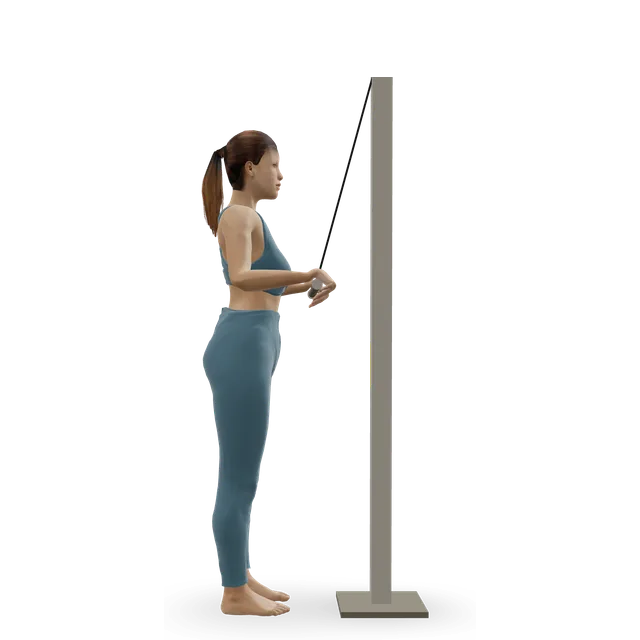 3D demoTriceps pushdownBeginner · A cable machine
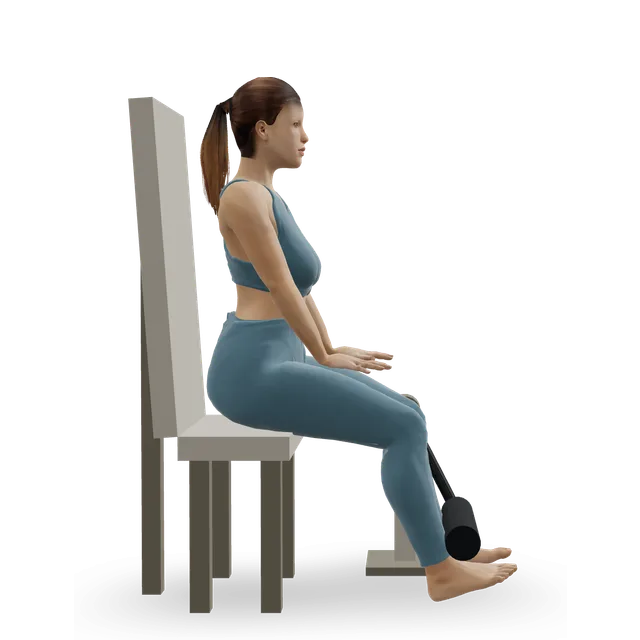 3D demoLeg extensionBeginner · Strength machine
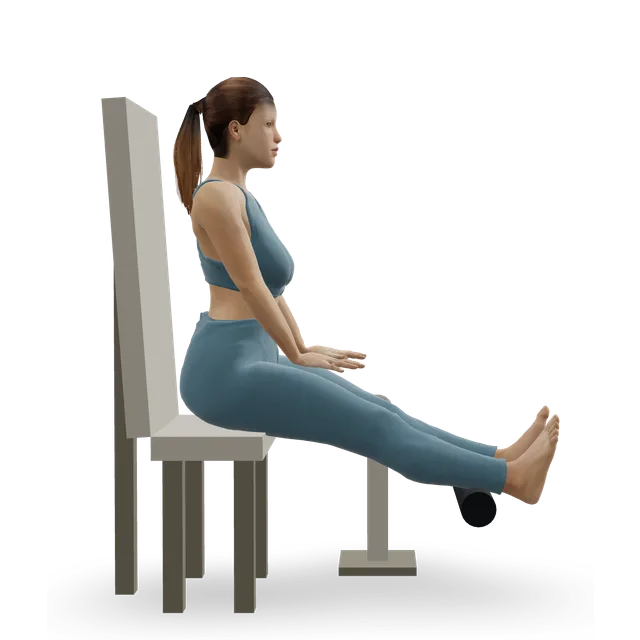 3D demoMachine leg curlBeginner · Strength machine
 3D demoSingle-leg calf raise from a stepIntermediate · A step + A wall
Each plan page shows its weekly hard sets for every muscle, so you can see what an extra day buys.
Two full-body strength sessions a week: the minimum that meets health guidelines, with every set, rep and rest, and an 8-week progression.
2 training days45 minBeginner3 days a weekA beginner gym plan: three full-body sessions a week, alternating workouts A and B, with sets, reps, rest and an 8-week progression.
3 training days45 minBeginner4 days a weekA 4-day upper/lower split: two upper body and two lower body gym days, each muscle trained twice a week, with sets, reps and progression.
4 training days50 minIntermediate5 days a weekA 5-day gym split that trains every muscle twice a week: upper, lower, push, pull and legs, with an honest look at the bro split.
5 training days50 minIntermediate6 days a weekA 6-day push/pull/legs plan for experienced lifters: two push, two pull and two leg days, with sets, reps, rest and lighter weeks.
6 training days55 minAdvancedThe barbell workout uses sets of 5, the full-body workout sets of 8 to 12, and the upper body workout mixes all three ranges in one session.
A classic barbell strength session: back squat, bench press, rows, overhead press and deadlift.
50 minIntermediate8 movesA band, A barbellA beginner full-body gym workout: goblet squats, dumbbell bench press, lat pulldowns, Romanian deadlifts and dead bugs, with sets, reps and rest.
45 minBeginner12 movesCardio machine, A bandA gym upper body workout for chest, back, shoulders and arms: bench press, rows, presses, pulldowns, raises, curls and pushdowns.
50 minIntermediate13 movesA band, A barbellA gym leg day: back squats, leg press, leg curls, Bulgarian split squats, leg extensions and calf raises.
55 minIntermediate9 movesA wall, A barbellStop and call 999 for chest pain that feels tight or spreads to your arms, neck or jaw, for someone fainting while exercising, or for a sudden, extremely painful headache.
Call NHS 111 (in the US, your doctor or urgent care) for a headache brought on by lifting or straining, or for severe muscle pain and weakness with dark or reduced urine after unusually hard training. That can be rhabdomyolysis, which can harm the kidneys.
Breathe out as you push and avoid holding your breath under heavy weights, especially if your blood pressure is high (our suggestion, as on each move's page). Our high blood pressure guide has the detail.
Light and heavy weights built similar muscle when the sets were hard; heavy weights built more strength. "Toning" is building some muscle, often while losing some fat.
It is a convenient range, not a special one: light, moderate and heavy loads grew muscle similarly in pooled trials.
Failure gave no clear extra growth in two analyses of 15 studies each, and it feels harder and less pleasant. Stopping 2 or 3 reps short is enough.
Beyond about 10 sets a week each extra set adds less, and past about 20 the extra gain is small. For strength, extra sets stopped adding measurable gains after a handful per lift a week (preprint figures).
About 4 hard sets a week produced measurable growth in the largest analysis (preprint figures), and reviews suggest it as a floor when time is short. 10 or more builds more.
For most goals, 2 to 3 sets of 8 to 12 reps per exercise, stopping 2 or 3 reps short of failure, is a good start. Heavier sets of 5 to 8 build more strength, and lighter sets of 12 to 20 suit small muscles.
About 10 or more hard sets per muscle a week builds more muscle than fewer. About 4 a week still works when time is short. Beyond about 10, each extra set adds less.
Not a fixed one, but each extra set adds less: past about 20 sets per muscle a week the extra gain is small. More than 20 is an option for experienced lifters with time to recover, not a requirement.
Any from about 5 to 30, if the sets are hard: light, moderate and heavy weights built similar muscle in pooled trials. Most people find 8 to 12 easiest to judge.
Heavier: weights around 80% of your maximum or more, roughly sets of 8 or fewer, build the most strength. Doing the lift early in your session and at least twice a week helps too.
No. Training to failure gave no clear extra growth over stopping short, and stopping 2 or 3 reps short works for most people. Sets closer to failure may build slightly more muscle, so let the last set of small moves get within 0 to 2 reps.
It's how many more good reps you could have done when you stopped: 2 reps in reserve means you stopped 2 short of failure. Most people underestimate by about one rep, and judge better with heavier weights and near the end of a set.
Start with 2 sets of each exercise for two weeks, with 3 or 4 reps to spare, then 3 sets. Even one hard set per exercise builds strength, so short sessions still count.
At least 2, and each extra set adds less; 2 to 3 suit strength. To add weekly sets for a muscle, add another exercise or session rather than piling sets onto one move.
Yes. Strength needs fewer sets, with gains flattening after a handful per lift a week, and heavier weights. Muscle size keeps responding to more sets: in trained men, 1, 3 and 5 sets per exercise gave the same strength gains, but more sets built more muscle.
No. The ranges are the same, and women and men gain similar amounts of muscle relative to their size. Our guide for women covers the questions that do differ.
Exercise education, not a personal prescription, and clinical review of these guides is pending. Check with a GP before starting hard training if you have a heart condition, chest pain, dizziness or breathlessness when active, and stop for sharp or increasing pain. Health disclaimer.








