Leg press
Seated in a machine, the feet press a sled away and let it back: the squat's leg drive with the back supported and the path guided, so balance and the trunk ask less.
Squat family
Leg press
Loading the 3D figure…
Source-researched guide.
How to move
- Sit with the back against the pad and the feet hip-width apart on the platform.
- Release the safety catches and bend the knees to lower the sled under control, stopping before the lower back peels off the pad.
- Press back to nearly straight legs without locking the knees; re-engage the catches at the end of the set.
Form cues
- Keep the knees in line with the toes.
- Lower only as far as the hips stay down on the seat.
Practice and cautions
No universal dose is assigned. Choose a manageable amount for your current capacity, leave room for controlled repetitions, and allow recovery. A clinician’s individual plan takes priority.
With glaucoma, breathe out through each effort rather than holding your breath, and keep loads moderate: eye pressure rises during heavy lifts, most with a held breath. Ask your eye team before maximal lifts. Never snap your knees into a hard lockout at the top, and stop the descent as soon as your pelvis starts to tuck and your lower back peels off the pad. Keep your whole foot on the platform with dry soles; a foot slipping off under load is the accident to design out. Find the safety catches before your first heavy set. Breathe out as you press and never hold your breath against a heavy load: in a lab study, double-leg presses to failure produced the highest blood pressures of the lifts tested. With high blood pressure, use moderate loads and stop sets well short of failure. With unstable proliferative or severe diabetic retinopathy, avoid heavy lifting, overhead lifting, breath-holding and hard isometric holds; keep effort moderate and ask your eye team. With a prolapse, get advice from a pelvic health physiotherapist before heavy lifts or deep squats, and ease off if you feel heaviness, dragging or a bulge. With heart disease, check with your cardiac team before lifting heavy, and never hold your breath on the effort. This is movement education, not an assessment or treatment prescription. Stop for sharp or increasing pain, dizziness, numbness or tingling; seek individual guidance for symptoms, injury or restrictions.
Sources and review status
Sources support the educational description; they do not establish that this exercise is suitable for you.
- Escamilla 2001 · Knee biomechanics in the squat and the leg press (the squat worked the thigh muscles harder; MSSE) ↗
- ACSM 2009 · Progression models in resistance training (machines steady the body and are easy to learn; free weights ask more coordination) ↗
- Hackett 2024 · Resistance exercise and eye pressure in healthy adults: 34 studies (systematic review, Journal of Strength and Conditioning Research) ↗
- Free Exercise DB · alias and muscle metadata ↗
Unlicense · Free Exercise DB contributors; derived from wrkout/exercises.json. Text import; no photographs or media. · Revision f00c92c7dcf1216a928a52c3706c7ce8e2f71ed5
No variation is labeled clinically validated.
What it works
Muscles
Main: Quads. Also: Glutes, Hamstrings, Calves.
Anatomy: Sartorius, Quadriceps, Rectus femoris, Vastus medialis, Vastus lateralis.
Equipment
Strength machine
Level
Beginner. See the easier and harder options above.
Workouts that use it
- Leg day workout (gym) · 55 min
- Strength workout for cyclists (gym) · 50 min
- Strength workout for Down syndrome: a gym routine with a training buddy · 40 min
- Full-body machine workout (gym) · 45 min
- Reps in reserve practice workout · 30 min
- Gym workout for seniors: machine strength training for muscle loss · 50 min
- Machine leg workout: leg press, leg extension, leg curl and calves · 45 min
- First gym workout: five machines and easy cardio · 45 min
- Tendon strengthening workout: holds, heavy slow calf and leg work, then springs · 35 min
Pain guides that use it
Part of a staged plan, with when to get help first.
- Exercises for knee pain: what helps, and a plan to follow
- Runner's knee (patellofemoral pain): exercises that help
- Jumper's knee (patellar tendinopathy): a loading plan
- ACL injury: rehab, surgery or not, and how to prevent it
- MCL sprain (inner knee ligament): recovery and exercises
- Baker's cyst (a swelling behind the knee): what helps, and when it's urgent
- Pes anserine bursitis: inner knee pain below the joint, and what helps
- PCL injury (posterior cruciate ligament): recovery, bracing and exercises
Show all 47 pain guidesShow fewer pain guides
- Exercises after meniscus surgery: recovery after a trim or a repair
- LCL sprain (outer knee ligament): recovery and exercises
- Plica syndrome: a painful fold in the knee, and what helps
- Torn kneecap tendons: patellar and quadriceps tendon ruptures, surgery and recovery
- Quadriceps tendinopathy (quad tendonitis): pain above the kneecap, and a tendon loading plan
- Fat pad impingement (Hoffa's syndrome): pain below the kneecap when the knee straightens fully
- Knee OCD (osteochondritis dissecans): a damaged patch of bone and cartilage in children, teenagers and young adults
- Hyperextended knee: injuries when the knee bends backwards, and knees that bend back naturally
- Broken kneecap (patella fracture): brace or surgery, and the exercises that follow
- Tibial plateau fracture: weight-bearing limits, rehab and the long-term outlook
- Osteochondral lesion of the talus (talar dome lesion, ankle OCD): deep ankle pain after a sprain
- Exercises after knee cartilage surgery: microfracture, cell transplants (ACI) and grafts
- Knee pain when squatting: what's likely, what to change today and how to build back to depth
- ACL surgery recovery: the stages back to running, jumping and sport, and the return-to-sport tests
- Knee pain when cycling: where it hurts, what to change on the bike today and how to build back
- Front of knee pain: the kneecap, the tendons, growing knees or arthritis, and how to build back
- Knee pain after a workout or leg day: soreness or an injury, the moves behind it, and training again
- Knee pain in men: twisting injuries in sport, the tendons, kneeling work, gout and arthritis
- Knee pain when jumping: the patellar tendon, the kneecap, growing knees, landing and what helps
- Knee pain when lunging: the kneecap, the tendon, the back knee, stride and depth, and what helps
- Knee pain on the leg press: the kneecap, the tendon, depth, foot position, lockout and what helps
- Lower back pain on the leg press: the pelvis lifting off the pad, depth, seat, feet and what helps
- Knee pain on the leg extension: the kneecap, the tendons, range, the pad and what helps
- Knee pain in Bulgarian split squats: the front knee, the back knee, stance, depth and what helps
- Knee pain when doing step-ups: the kneecap, the tendon, box height, knee path and stepping down
- Shoulder pain when squatting: the low-bar position, the elbows and wrists, mobility and swaps
- Lower back pain on a rowing machine: the catch, the drive and finish, the damper and how long to row
- Hip pain on the leg press: the pinch in the hip crease, depth, foot position, the groin and swaps
- Knee pain on the elliptical: the kneecap, stride and resistance, foot position and what helps
- Knee pain on a rowing machine: the catch, the kneecap, the back of the knee and the foot stretcher
- Knee pain when doing wall sits: the kneecap, how deep you sit, where your feet go and how long
- Elbow pain when squatting: the low bar, bent wrists, the inner elbow and the nerve, and swaps
- Knee pain when doing burpees: the squat, the jump and landing, kneeling and the swaps that help
- Knee pain on the treadmill: the kneecap, incline and speed, the outside of the knee and what helps
- Knee pain on the stair climber: the kneecap, step depth and speed, the rails and what helps
- Hip pain on the rowing machine: a pinch at the catch, the hip flexors, the seat and what helps
- Knee pain when driving: the kneecap, the pedals, the back of the knee and driving after surgery
- Knee pain from basketball: jumper's knee, kneecap pain, growing knees, ACL tears and what helps
- Knee pain from volleyball: jumper's knee, kneecap pain, landings, growing knees and what helps
Guides that use it
- Knee joint guide
- Exercise for Parkinson's
- Exercise with MS
- Exercises for ankylosing spondylitis
- Exercise for peripheral arterial disease
- Exercise for high cholesterol
- Exercises for lymphoedema (lymphedema)
- Exercise for PoTS
Show all 63 guidesShow fewer guides
- Exercise for lipoedema (lipedema)
- Exercises for restless legs
- Exercise for lupus
- Exercise with cerebral palsy
- Exercise for Down syndrome
- Exercise and epilepsy
- Exercise for bipolar disorder
- Exercise with HIV
- Exercise for psoriatic arthritis
- Exercise for sarcopenia
- Exercise with prostate cancer
- Exercise with a stoma
- Exercise with myasthenia gravis
- Exercise after weight-loss surgery
- Exercise for psychosis and schizophrenia
- Exercise after an organ transplant
- Exercise after a brain injury
- Exercise for prediabetes
- Exercise and sleep apnoea
- Sets and reps guide
- How often to work out guide
- How to build muscle guide
- How to squat guide
- Circuit training guide
- Supersets guide
- RPE and RIR guide
- Compound vs isolation guide
- Free weights vs machines guide
- Leg press guide
- How to grow your glutes guide
- How to get bigger legs guide
- How to lose thigh fat guide
- How to get stronger guide
- Start lifting weights guide
- Gym for beginners guide
- How to breathe when lifting guide
- Increase your squat guide
- How to do a hack squat guide
- Leg extensions guide
- Rowing machine guide
- Exercise bike guide
- Hip dips guide
- How to bulk up guide
- Getting back into working out guide
- Building muscle after 50 guide
- Strengthen your knees guide
- Stronger without getting bigger guide
- Strengthen your legs guide
- Strengthen your quads guide
- Strengthen tendons and ligaments guide
- Build muscle as a woman guide
- Build muscle over 40 guide
- Toned legs guide
- Cycling guide
- Rowing guide
Similar moves
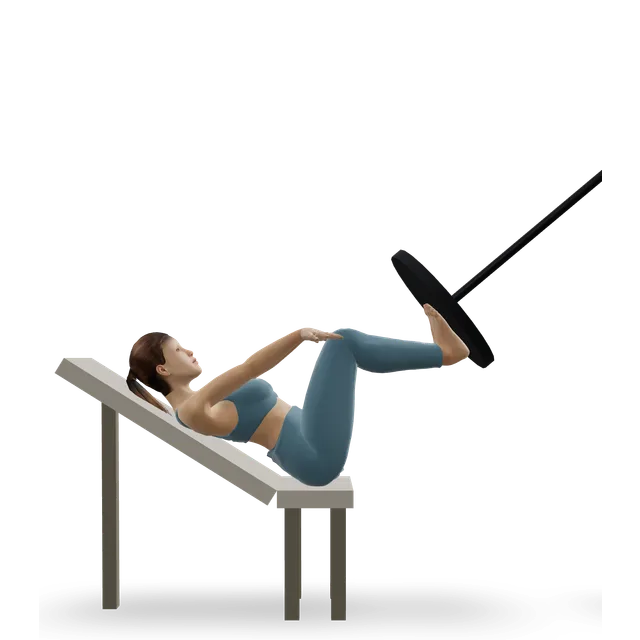 3D demoNarrow-stance leg pressBeginner · Strength machine
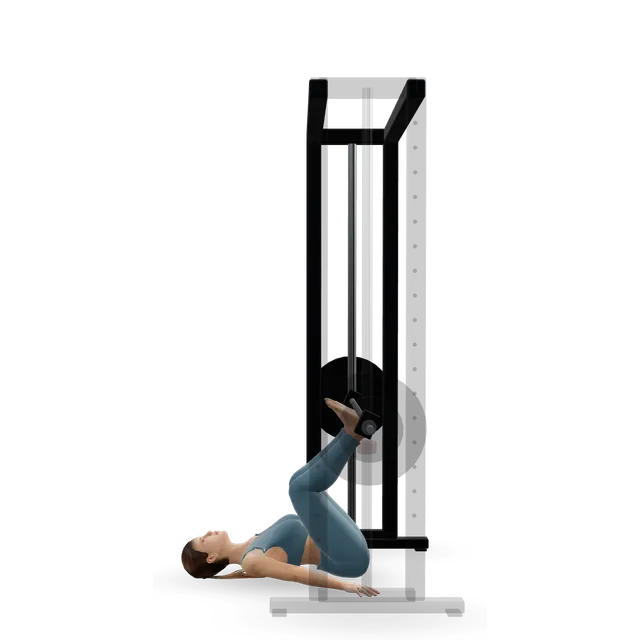 3D demoSmith machine leg pressIntermediate · Strength machine
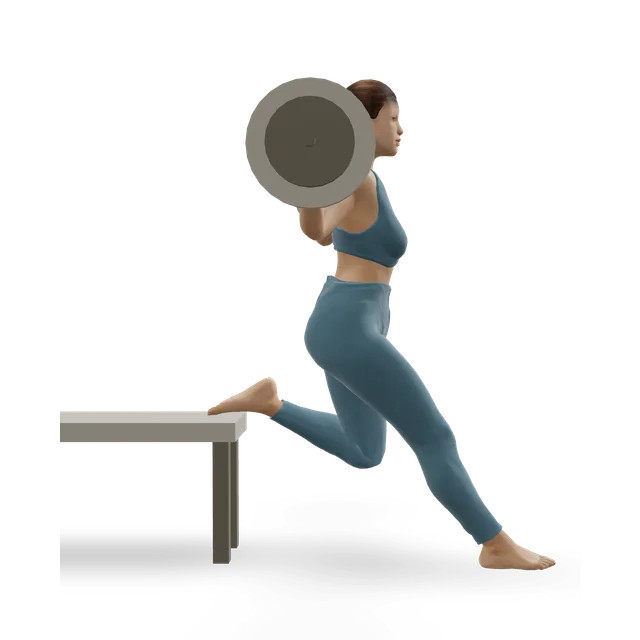 3D demoBarbell Bulgarian split squatAdvanced · A barbell + A bench or box
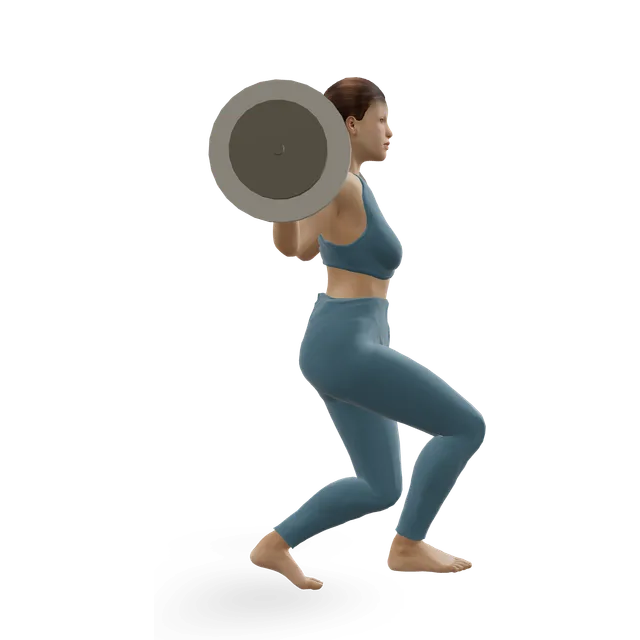 3D demoBarbell lungeIntermediate · A barbell
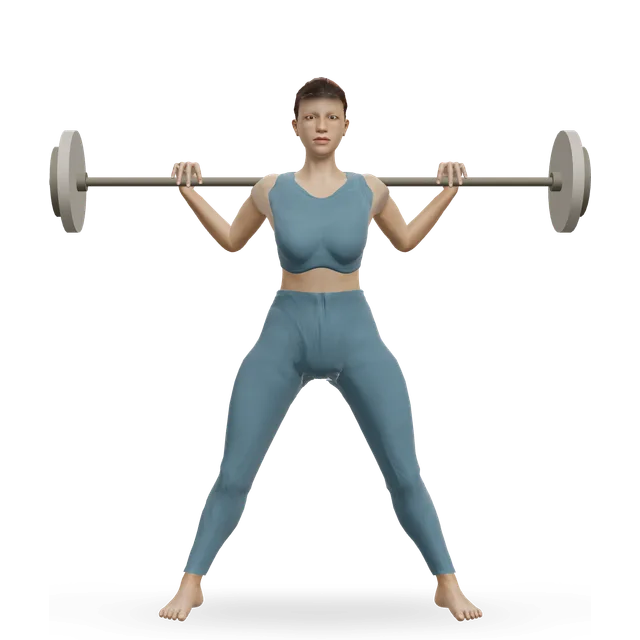 3D demoBarbell side split squatIntermediate · A barbell
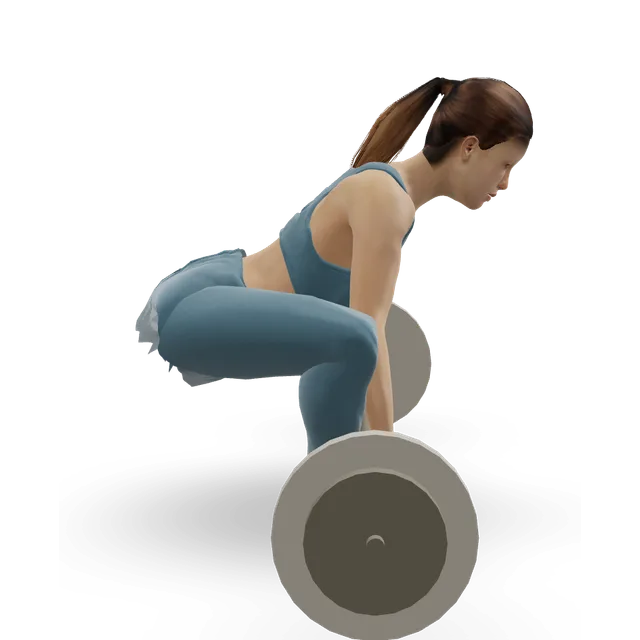 3D demoBarbell snatchAdvanced · A barbell
Browse more
Questions people ask
What muscles does the Leg press work?
Mainly the quads, with help from the glutes, hamstrings and calves.
What equipment do I need for the Leg press?
Strength machine.
Is the Leg press good for beginners?
It is graded beginner, so it suits most people starting out. When it feels easy, try the Bodyweight squat.
How do I make the Leg press harder?
Progress to the Bodyweight squat or the Dumbbell goblet squat. Follow that guide’s technique and any stated timing.