Exercise guide

Exercise for bipolar disorder: steady routines, mood episodes and lithium safety

Regular exercise is part of looking after yourself with bipolar disorder, not a treatment for it. The UK National Health Service (NHS) lists exercising regularly alongside a regular routine, plenty of sleep and managing stress, and the National Institute for Health and Care Excellence (NICE) says people with bipolar disorder should be offered a healthy eating and physical activity programme. Trials of exercise for mood are small and disagree; the case for your heart and weight is clearer.

A sudden surge in exercise can be an early sign of a high, so a steady routine is the aim. If you take lithium, drink more when you sweat or it's hot, and check with a pharmacist before taking anti-inflammatory painkillers. If you are thinking about suicide or can't keep yourself safe, call 999 or go to A&E. For urgent help, call Samaritans free on 116 123, any time, or in England call 111 and select the mental health option. In the US, call or text 988.

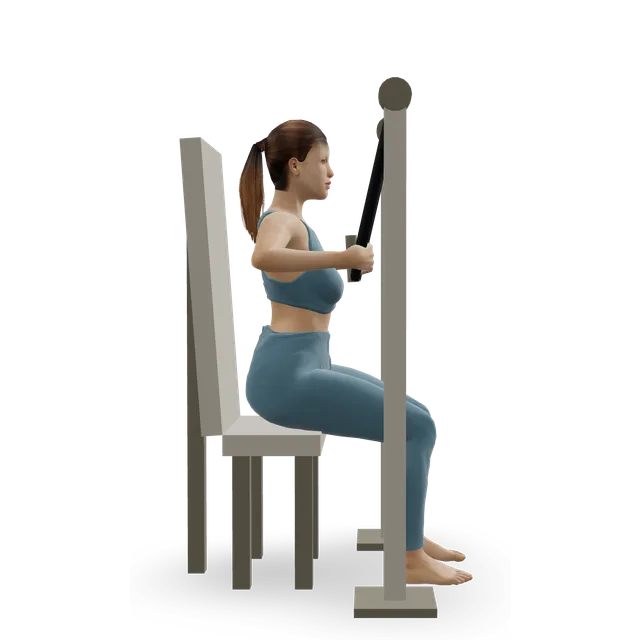
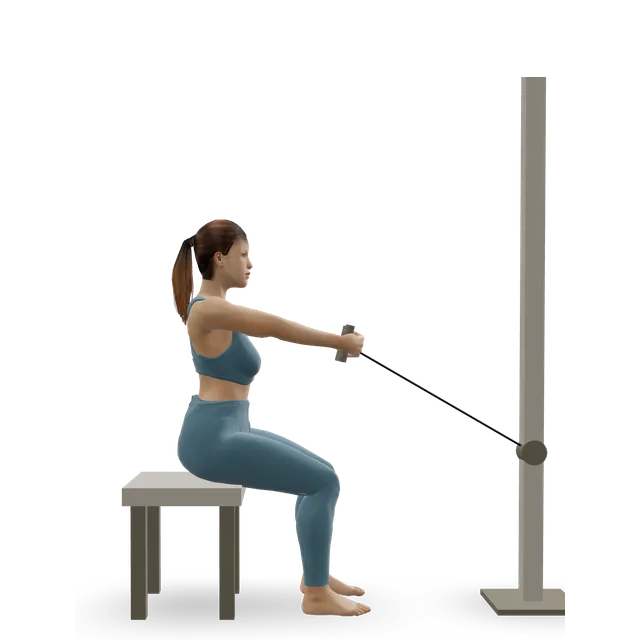
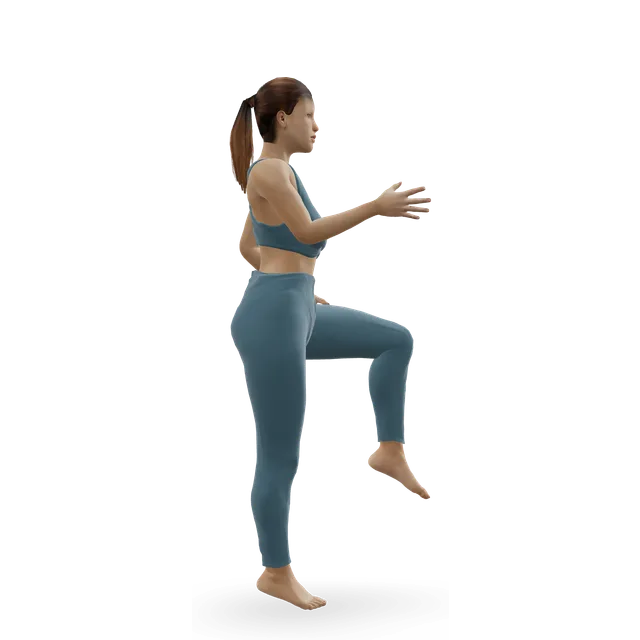
This guide covers what the research shows for low and high moods, exercise and mood episodes, routine and sleep, weight and heart health, lithium, heat and other medicines, and warning signs, with moves on the 3D figure and workouts to follow.

If you need help now

Get help straight away

The NHS says a mental health emergency should be taken as seriously as a physical one, and that you will not be wasting anyone's time.

  • Call 999 or go to A&E if your life is at risk: for example, you have seriously harmed yourself or taken an overdose, or you feel you can't keep yourself safe.
  • For urgent help in England, call 111 and select the mental health option, or use 111 online.
  • Call Samaritans on 116 123. It is free, any time, day or night.
  • In the US, call or text 988, the 988 Suicide and Crisis Lifeline, any time.

Sources 1, 2, 3, 4

Use your crisis plan

NICE asks that your care includes a crisis plan with your early warning signs and triggers for highs and lows, and what to do. If you have one, follow it, and contact your mental health crisis team.

Sources 5, 2

The short version

Part of staying well, not a treatment

The NHS lists exercising regularly among the things that help keep moods stable, with a regular routine, plenty of sleep, a healthy diet and managing stress. NICE calls lithium "the most effective long-term treatment" and recommends talking therapy designed for bipolar disorder.

Sources 6, 5

The mood evidence conflicts

One review found exercise eased low and anxious moods a little, another found no effect on depression, and a third found very large effects from trials that disagreed hugely with each other.

Sources 7, 8, 9

Can exercise trigger a high?

In small, short trials, mostly of people who were low or stable, exercise didn't worsen manic symptoms, and in the one trial that checked closely, no one switched into a high. People who exercise more report more manic symptoms, but which causes which is unknown.

Sources 7, 10, 11

Keep it steady, and know your early warning signs

The NHS says highs and lows can be triggered by stress, not getting enough sleep or being too busy, and advises a regular routine. NICE asks that care plans record your early warning signs; a sudden urge to train much more can be one (our suggestion).

Sources 6, 5

Heart and weight: the clearest reason

More than 1 in 3 people with bipolar disorder have metabolic syndrome, a cluster of risks for heart disease and diabetes, and adults with severe mental illness in England are about 5 times more likely to die before 75. The NHS says regular exercise helps keep your weight stable on lithium.

Sources 12, 13, 14

On lithium, keep your fluids up

NICE, the NHS and the medicine's leaflet all advise drinking enough, especially when you sweat, exercise hard or it's hot, as a precaution against dehydration raising lithium levels. NICE warns against anti-inflammatory painkillers bought over the counter.

Sources 5, 14, 15

Bipolar disorder and activity

What it is

The NHS: "Bipolar disorder is a mental health condition where you have extreme mood changes." Highs (mania, or milder hypomania) and lows (depression) usually last a few days or weeks at a time, with stable spells that can last for weeks, months or years. Bipolar I involves at least one manic episode; bipolar II involves hypomania and depression but no full mania. Bipolar UK calls it a lifelong condition that can be managed with the right treatment and support.

Sources 6, 16, 17

Signs of a high and a low

The NHS lists these, among others:

  • A high: feeling very happy and excited, or very irritable; having a lot of energy, feeling restless or not needing much sleep; racing thoughts; speaking fast or talking a lot; feeling overly confident or adventurous; and being impulsive, such as spending lots of money.
  • A low: feeling sad or upset, losing interest in things you usually enjoy, low energy, sleeping badly or a lot, eating too much or too little, feeling worthless or hopeless, and thoughts of suicide or of harming yourself.

Source 6

Activity is part of a high

The US diagnostic manual (DSM-5) defines mania and hypomania by a change in mood plus increased energy or activity. A standard screening question asks whether you were "much more active or did many more things than usual". That's why a sudden burst of exercise can be a sign of a high rather than of health.

Sources 18, 16

How common it is

In England in 2023 to 2024, 1.9% of adults screened positive, about 1 in 50, most often aged 25 to 44. In the US, 2.8% of adults have bipolar disorder in a given year and 4.4% at some point. Bipolar UK estimates that more than a million people in the UK have it.

Sources 16, 19, 17

TreatmentStrong evidence

NICE recommends lithium as the first long-term treatment, explaining that it's "the most effective long-term treatment"; an antipsychotic if lithium isn't suitable; and a structured talking therapy designed for bipolar disorder, which includes "self-monitoring of mood, thoughts and behaviour". The NHS: "Do not stop taking your bipolar disorder medicine unless you are told to by a doctor, even if you feel better."

Sources 5, 6

What the evidence says

Effect sizes put the different scales trials use onto one: about 0.2 is small, 0.5 moderate and 0.8 or more large. Most trials here are small.

Low and anxious moods: three reviews disagreeMixed evidence

One review of 7 randomised trials with 576 people found that exercise eased depressive symptoms by a moderate amount (0.63) and anxiety by a moderate amount (0.70), at low certainty, with results varying a lot between trials. A stricter review of 3 studies found no effect on depression (0.08). A third, of up to 14 trials, found very large effects (1.0 to 1.4), but its trials disagreed with each other so much that the average is hard to trust.

Sources 7, 8, 9

Highs and switching into a highMixed evidence

In the 7 trials, mostly run while people were low, exercise didn't clearly change manic symptoms either way, and no harms were reported. In a 12-week trial of 15 people with bipolar depression, which excluded anyone with more than mild manic symptoms, no one switched into a high. Another review found a possible fall in manic symptoms that wasn't statistically clear. These trials were small and short, and people who were high were rarely studied.

Sources 7, 10, 8

More exercise and more mania in everyday lifeMixed evidence

In 482 people with bipolar disorder, more frequent exercise went with more manic symptoms, and less exercise with more depression, but the study couldn't show which came first. In interviews, 25 people described exercise as "a double-edged sword": it could channel excess energy but might push a high further, while rhythmic exercise such as walking, running or swimming could feel calming. A review of 31 studies found some evidence linking vigorous exercise and mania, without showing cause and effect.

Sources 11, 20, 21, 22

Lifestyle programmesEmerging evidence

In a review of 18 trials of lifestyle programmes, those combining healthy eating and activity improved depressive symptoms (0.46) and day-to-day functioning (0.47). In a pilot of 38 people, a 20-week nutrition, exercise and wellness programme improved functioning more than a waiting list, but not weight or mood.

Sources 23, 24

The one detailed exercise trialEmerging evidence

In 15 people with bipolar depression (11 finished), 3 supervised sessions a week for 12 weeks, 30 minutes on a treadmill and then 5 strength machines, went with depression scores falling from 23.6 to 10.2. There was no comparison group, and 6 people asked for lighter loads early on because of muscle and joint pain.

Source 10

Where treatment carries the evidenceStrong evidence

Lithium and the other medicines, and talking therapy designed for bipolar disorder, are the treatments. NICE recommends a healthy eating and physical activity programme as part of looking after your physical health, not as a treatment for mood.

Source 5

Exercise in highs and lows

A steady routine

The NHS says highs and lows can be triggered by feeling stressed, not getting enough sleep or being too busy, and advises trying to have a regular routine. In 189 people followed for a year, a strong, regular daily activity rhythm went with fewer relapses, and a later daily rhythm with more depressive relapses, in an observational study.

Sources 6, 25

Know your early warning signs

NICE asks that care plans record your triggers and early warning signs for both highs and lows, and what to do, and the talking therapy it recommends includes self-monitoring of mood, thoughts and behaviour. Our suggestion: add exercise to the signs you watch, such as wanting to train much more, later at night or on less sleep.

Sources 5, 6

Sleep and timing

Not getting enough sleep can trigger episodes. With sleep problems, the NHS advises exercising during the day and not in the 4 hours before bed, and hard exercise ending within an hour of bedtime may delay sleep.

Sources 6, 26, 27

Caffeine

The NHS advises not drinking lots of caffeinated drinks such as coffee, tea or cola. In interviews, 20 people with bipolar disorder described caffeine as "a balancing act", helpful when low but adding "increased manic-ness" when high. Check the label of pre-workout products for caffeine (our suggestion).

Sources 6, 28

When your mood is low: our editorial starting point

Start very small: the NHS says even a brisk 10-minute walk can clear your mind and help you relax. Our depression guide covers starting when motivation is low.

Source 29

When you notice a high starting: our editorial starting point

Don't add extra training. Keep to your usual routine, protect your sleep, avoid late-night sessions, and contact your team as your plan says.

Sources 5, 6

Weight, heart and medicines

The riskStrong evidence

In 37 publications with 6,983 people, 37% of people with bipolar disorder had metabolic syndrome, twice the odds of the general population, rising to 45% of those taking antipsychotics. Deaths were about twice as common as in the general population across 31 studies. In England, adults with severe mental illness are about 5 times more likely to die before 75, and an estimated 2 out of 3 of their deaths are from physical illnesses that can be prevented.

Sources 12, 30, 13

SittingEmerging evidence

People with bipolar disorder spent about 10 hours a day sitting in 6 studies. In a global analysis of severe mental illness, people with bipolar disorder were the most active, yet also spent the most time sitting.

Sources 31, 32

What NICE saysStrong evidence

Your annual health check should include weight, diet and level of physical activity, and people who are physically inactive should be identified "at the earliest opportunity". People with bipolar disorder, especially those taking antipsychotics and long-term medication, should be offered a combined healthy eating and physical activity programme.

Source 5

Medicines and weightStrong evidence

Lithium can cause weight gain over time, and the NHS says regular exercise will help keep your weight stable; it says the same for olanzapine and valproate, and lists putting on weight as a side effect of quetiapine. Don't stop a medicine because of weight gain: talk to your doctor.

Sources 14, 33, 34, 35, 6

Lithium and exercise

This is precautionary guidance from NICE, the NHS and the medicine's leaflet. The research behind it is thin: see the last note.

Drink more when you sweatStrong evidence

NICE: keep up your fluid intake, "particularly after sweating (for example, after exercise, in hot climates or if they have a fever)". The NHS: "Drink plenty of fluids, especially if you're doing intense exercise or in hot weather when you'll sweat more." The leaflet: drink the same amount every day, and extra in hot environments or if you're dehydrated. Our suggestion: take water to every session.

Sources 5, 14, 15, 36

Salt and dietingStrong evidence

The NHS says don't reduce your salt intake suddenly and avoid a low-salt diet, the leaflet says don't change your diet without talking to your doctor, and the NHS Specialist Pharmacy Service advises avoiding diet changes that cut or raise your salt intake. Heavy sweating, vomiting, diarrhoea and severe dieting can all lead to the loss of salt and water that raises lithium levels.

Sources 14, 37, 15, 38, 39

If you're illStrong evidence

NICE advises getting medical attention if you have diarrhoea or vomiting or become acutely ill. The NHS: call 111 if you have an illness that causes severe diarrhoea, vomiting, a high temperature or sweating, a urine infection, or you're not eating and drinking much.

Sources 5, 40

PainkillersStrong evidence

NICE warns people taking lithium not to take anti-inflammatory painkillers bought over the counter, such as ibuprofen, because they can raise lithium levels. The NHS lists anti-inflammatory painkillers such as aspirin, ibuprofen and diclofenac among the medicines that can change lithium levels. Ask a pharmacist what to use for sore muscles.

Sources 5, 41, 39, 36

Caffeine and supplementsStrong evidence

Caffeine and products containing sodium bicarbonate can lower lithium levels, and the leaflet flags the caffeine in some painkillers sold without a prescription. The NHS says there isn't enough information to say supplements are safe to take with lithium, so tell your doctor or pharmacist about any you take. Our suggestion: keep your caffeine roughly the same from week to week, and ask before starting a pre-workout or any other supplement.

Sources 39, 15, 41

Alcohol

Alcohol makes your body lose water. The NHS says it's best not to drink too much, as it's likely to make you dehydrated, especially in hot weather.

Sources 37, 14

Driving and cycling

When you start lithium or change the dose, it may make you tired, dizzy, sleepy or shaky: the NHS says stop driving a car, riding a bike or using tools or machinery for the first few days, until you know how it affects you. If you've been diagnosed with bipolar disorder, you must tell the Driver and Vehicle Licensing Agency (DVLA).

Source 37

What the research addsMixed evidence

Direct studies are few. In 4 trained runners on lithium who ran 20 km in hot, humid weather, lithium levels fell rather than rose, because lithium is lost in sweat. In Sydney, 11,912 blood tests from 2,493 people showed no link between hotter weather and higher lithium levels, and a study in a temperate climate found temperature mattered little; extreme heat hasn't been studied. Clinicians writing about heatwaves still advise drinking ahead of time and cutting back on exertion, because dehydration from heat, illness or not drinking is the risk the guidance is about.

Sources 42, 43, 44, 45

Heat and hot weather

Medicines that affect heatStrong evidence

The Medicines and Healthcare products Regulatory Agency (MHRA) says antipsychotics such as olanzapine or quetiapine can raise your body temperature, making you overheat more easily, that some antidepressants and antipsychotics affect how your body controls its temperature, and that you shouldn't stop prescribed medicines during hot weather without advice. The NHS says people with mental health problems, or on medicines that may make them more affected by hot weather, are more at risk in a heatwave.

Sources 46, 47, 48

Lithium in the heatStrong evidence

NICE's fluid advice names hot climates, and the medicine's product information says keeping your food and fluid intake normal is of special importance in very hot weather or a hot workplace. Canadian clinicians note that heatwaves bring a rise in hospital visits for mental health, and that lithium can cause toxicity when you're dehydrated.

Sources 5, 39, 45

In a heatwave

The NHS advises keeping out of the heat, staying in the shade between 11am and 3pm, and avoiding exercise or activity that makes you hotter, and lists heat exhaustion signs such as tiredness, dizziness, feeling sick, heavy sweating and being very thirsty. Our suggestion: exercise early or indoors where it's cool, and drink more.

Sources 48, 49

Hot yoga

If you take lithium or an antipsychotic, ask your doctor before trying hot yoga (our suggestion). Our hot yoga guide lists who else should avoid it.

Sources 46, 5

How much

The guideline amounts

At least 150 minutes a week of moderate activity, such as brisk walking, spread over 4 to 5 days or every day, plus strength exercises on 2 days. Moderate means you can still talk, but not sing.

Sources 50, 51

What the trials used

The bipolar depression trial used 3 supervised sessions a week for 12 weeks: 30 minutes on a treadmill (5 minutes at 65% to 70% of maximum heart rate, 20 minutes at 70% to 85%, then 5 minutes easier), then 5 strength machines for 3 sets of 15. The largest trial in one review used gentle calisthenics and jogging for 50 minutes, 2 to 3 times a week for 12 weeks, and a small yoga trial used 80-minute classes twice a week for 10 weeks.

Sources 10, 7

A steady week: our editorial starting point

4 to 5 days: a 30-minute brisk walk, cycle or swim at a talk-but-not-sing pace, at about the same time of day and before the evening. 2 days: a strength session. 1 or 2 days: gentle yoga or the bedtime routine. Take water every time, and keep a simple diary of mood, sleep and exercise, in the spirit of the self-monitoring NICE recommends. When low, drop to the smallest version; when you notice signs of a high, don't add sessions.

Sources 50, 6, 5, 26

Gentle yoga and breathing

Keep breathing practices gentle, and learn any intensive breathing or meditation practice with a teacher. Our types of yoga guide suggests talking to your mental health team first if you have bipolar disorder.

Steady, rhythmic cardio

30 minutes on most days at a talk-but-not-sing pace, at about the same time of day and before the evening (our editorial starting point). People with bipolar disorder have described rhythmic exercise as calming.

Strength

2 days a week: 2 sets of 8 to 12 at home, or 2 to 3 light sets of 12 to 15 on machines, following the trial's 3 sets of 15 (our editorial starting point). Start light: in the trial, some people needed lighter loads at first.

Gentle yoga and winding down

Gentle and steady, for the days between cardio and strength or the end of the day. The slow breathing here has no holds.

Workouts to follow

Do them at similar times each week. On low days, the 10-minute starter is enough; leave out the 4-7-8 hold in the bedtime routine if it bothers you.

Follow a plan

A set weekly plan fits the NHS advice to keep a regular routine. If your mood is lifting fast, keep to the plan rather than adding sessions (our suggestion).

Warning signs and where to get help

Call 999 (911 in the US) or go to A&E now

Call 999 or go to A&E if:

  • Your life is at risk: for example, you have seriously harmed yourself or taken an overdose.
  • You feel you may be about to harm yourself, or you can't keep yourself or someone else safe.
  • During exercise, you have chest pain that feels tight or like squeezing, or spreads to your arms, neck or jaw, or severe difficulty breathing, or someone passes out and isn't responding normally.

Sources 1, 2, 52

Signs of lithium toxicity: call 999 or go to A&EStrong evidence

If you take lithium and have any of these, the NHS says: "These are signs of lithium toxicity, which is an emergency. Stop taking lithium straight away." Don't drive yourself to A&E, and take the lithium packet or leaflet and any other medicines with you.

  • Stomach ache, feeling sick and having diarrhoea.
  • Problems with your eyesight (blurred vision).
  • Feeling very thirsty, needing to pee more than normal, and lack of control over pee or poo.
  • Feeling lightheaded or drowsy.
  • Confusion and blackouts.
  • Shaking, muscle weakness, muscle twitches, jerks or spasms affecting the face, tongue, eyes or neck.
  • Difficulty speaking.

Sources 14, 40

On an antipsychotic: call 999 or go to A&E

The NHS olanzapine page lists these, and other antipsychotics carry similar warnings:

  • A high temperature, muscle stiffness, sweating, anxiety or excess saliva: these can be signs of a disorder called neuroleptic malignant syndrome.
  • Chest pain or difficulty breathing.

Source 33

Heatstroke: call 999

  • Still unwell after 30 minutes of resting in a cool place, being cooled and drinking fluids.
  • A very high temperature, or hot skin that isn't sweating.
  • A fast heartbeat, or fast breathing or shortness of breath.
  • Confusion and lack of coordination, a seizure or fit, or loss of consciousness.

Source 49

Get urgent help today

  • In England, call 111 and select the mental health option, use 111 online, or ask for an urgent GP appointment.
  • Call Samaritans free on 116 123, any time, day or night (UK and Ireland). If you're under 19, you can also call Childline on 0800 1111.
  • Text SHOUT to 85258, any time.
  • Contact your mental health crisis team if you have one.
  • In the US, call or text 988, the 988 Suicide and Crisis Lifeline, any time.
  • If you take lithium, call 111 now if you have an illness that causes severe diarrhoea, vomiting, a high temperature or sweating, a urine infection, or you're not eating and drinking much.
  • Call 111 if you have heat exhaustion that you're struggling to treat.

Sources 1, 2, 3, 4, 40, 49

Contact your mental health team or GP promptly

If you notice signs of a high starting, as your plan describes, such as feeling very energetic or restless, not needing much sleep, racing thoughts, speaking fast or talking a lot, impulsive spending or feeling overly confident, or if low mood is deepening. A sudden urge to exercise much more, later at night or on little sleep, can be one of these signs (our suggestion).

Sources 6, 5

See a GP soon

  • You're putting on weight, or have signs of an underactive thyroid (tiredness, weight gain, feeling depressed) or of kidney problems (swollen hands or ankles, feeling tired and short of breath, changes in your pee, feeling sick), which long-term lithium can cause.
  • You're more thirsty and passing more urine than usual: the leaflet says tell a doctor or pharmacist straight away.
  • A slight shake in your hands bothers you or doesn't go away after a few days, or tiredness or sleepiness hasn't improved within about 2 weeks.
  • You have extreme changes in your moods that last a long time or affect your everyday life, or treatment isn't helping.
  • Exercise is becoming compulsive, or a way to control your weight: exercising too much can be a sign of an eating disorder.

Sources 14, 15, 6, 53

Myths

"Exercise triggers mania, so people with bipolar disorder should avoid it"Mixed evidence

In small, short trials, mostly of people who were low or stable, exercise didn't worsen manic symptoms, and in the trial that checked closely, no one switched into a high. People who are high do tend to exercise more, so watch for sudden surges, but NICE recommends a physical activity programme for people with bipolar disorder.

Sources 7, 10, 11, 5

"If exercise lifts my mood, I can cut down my medicine"Strong evidence

The NHS: "Do not stop taking your bipolar disorder medicine unless you are told to by a doctor, even if you feel better." If you suddenly stop lithium, the NHS says you could become unwell again very quickly. NICE calls lithium the most effective long-term treatment.

Sources 6, 40, 5

"On lithium you shouldn't sweat or exercise in the heat"Strong evidence

Exercise is fine; the aim is not to get dehydrated. NICE and the NHS say keep your fluids up, especially when you sweat. The guidance is a precaution: in small studies, sweating and hot weather didn't push lithium levels up, while illness with vomiting or diarrhoea, not drinking enough and some painkillers are named risks.

Sources 5, 14, 42, 43

"Ibuprofen is fine for sore muscles"Strong evidence

NICE warns people taking lithium not to take anti-inflammatory painkillers bought over the counter, which can raise lithium levels. Ask a pharmacist what to use.

Sources 5, 39

"Pre-workouts and energy drinks are harmless"Emerging evidence

Caffeine lowers lithium levels, the NHS advises people with bipolar disorder not to drink lots of caffeinated drinks, and some people say caffeine adds to feeling high. Keep caffeine steady, and ask a pharmacist before starting a supplement.

Sources 39, 6, 28

"Medicine weight gain can't be helped"Strong evidence

NICE says people taking antipsychotics and long-term medication should be offered a healthy eating and physical activity programme, and the NHS says regular exercise helps keep weight stable on lithium, olanzapine and valproate. It matters for your heart too: metabolic syndrome affects more than a third of people with bipolar disorder.

Sources 5, 14, 33, 34, 12

Questions people ask

Does exercise help bipolar disorder?

It may ease low and anxious moods a little, but the trials are small and disagree. It clearly matters for physical health, because heart and weight problems are common with bipolar disorder and some of its medicines. It isn't a treatment for bipolar disorder: medicines such as lithium, and talking therapy designed for bipolar disorder, are.

Can exercise trigger mania or hypomania?

In small, short trials, mostly of people who were low or stable, exercise didn't worsen manic symptoms, and in the one trial that checked closely, no one switched into a high. People who are becoming high often exercise more, and some describe exercise pushing a high further, though which causes which is unknown. Keep your exercise steady, and treat a sudden urge to train much more, or late at night, as a possible early warning sign.

What is the best exercise for bipolar disorder?

Steady, regular activity you can repeat at similar times each week, such as walking, cycling or swimming, plus strength training twice a week. People with bipolar disorder have described rhythmic exercise as calming. Keep breathing practices gentle, and talk to your mental health team before trying intensive breathing or meditation practices.

Does exercise help bipolar depression?

It may help a little: one review of 7 trials found exercise eased depressive symptoms by a moderate amount, but another found no effect, and the trials were small. In a 12-week trial, depression scores fell a lot with supervised exercise, but there was no comparison group. Exercise works alongside treatment, and our depression guide covers starting when motivation is low.

Can I exercise on lithium?

Yes. The key is not getting dehydrated: NICE advises keeping your fluid intake up, particularly after sweating, and the NHS says drink plenty, especially with intense exercise or in hot weather. Keep your salt intake steady, and get advice quickly if you're ill with vomiting or diarrhoea.

How much should I drink when exercising on lithium?

None of the guidance we found gives a set amount for exercise. The leaflet says drink the same amount every day and extra in hot environments, and the NHS says drink plenty when you sweat more. Take water to every session and drink more on hot days (our suggestion).

Can I take ibuprofen for sore muscles if I take lithium?

Not without checking. NICE warns people taking lithium not to take anti-inflammatory painkillers bought over the counter, such as ibuprofen, because they can raise lithium levels. Ask a pharmacist what to use, including for gels.

Are pre-workouts, caffeine or creatine OK with lithium?

Be careful. Caffeine lowers lithium levels, so big changes in how much you have can shift your levels, and the NHS advises people with bipolar disorder not to drink lots of caffeinated drinks. The NHS also says there isn't enough information to say supplements are safe with lithium, so check any pre-workout, creatine or other supplement with a pharmacist first.

Does exercise help with weight gain from bipolar medicines?

Yes, alongside eating well. The NHS says regular exercise helps keep weight stable on lithium, olanzapine and valproate, and NICE says people on antipsychotics and long-term medicines should be offered a healthy eating and physical activity programme. Don't stop a medicine because of weight gain: talk to your doctor.

Is it safe to exercise in a heatwave, or do hot yoga, on bipolar medicines?

Take care. Some antipsychotics can make you overheat and lithium needs steady fluids, and in a heatwave the NHS advises keeping out of the heat and avoiding exercise that makes you hotter. Exercise early or indoors where it's cool, drink more, and ask your doctor before hot yoga.

Should I exercise when I'm high or low?

When low, start very small, such as a 10-minute walk, as our depression guide explains. When you notice signs of a high, don't add more training: keep to your usual routine, protect your sleep, and contact your team as your plan says. Too little sleep and being too busy can trigger episodes.

Does exercise help bipolar 2?

The trials mixed people with bipolar I and II and didn't analyse them separately, which reviewers list as a limitation, so we can't say. The same advice applies: steady activity for mood and physical health, alongside your treatment.

Sources

  1. NHS · Where to get urgent help for mental health ("call 111 and select the mental health option")
  2. NHS · Help for suicidal thoughts
  3. Samaritans · Contact a Samaritan: 116 123, free, any time
  4. SAMHSA (US Substance Abuse and Mental Health Services Administration) · 988 Suicide and Crisis Lifeline
  5. NICE CG185 · Bipolar disorder: assessment and management (last updated 2025), recommendations
  6. NHS · Bipolar disorder
  7. Li 2025 · Exercise for depressive, manic and anxiety symptoms in bipolar disorder: 7 randomised trials (systematic review and meta-analysis, Frontiers in Psychiatry)
  8. Deng 2026 · Exercise for obsessive-compulsive disorder and bipolar disorder (systematic review and meta-analysis, BMC Psychiatry)
  9. Fan 2025 · Exercise and mood symptoms in bipolar disorder (systematic review and meta-analysis, Frontiers in Psychology)
  10. Lafer 2023 · Structured exercise for bipolar depression in 15 people (open-label pilot, International Journal of Bipolar Disorders)
  11. Sylvia 2013 · Exercise, quality of life and mood symptoms in people with bipolar disorder (Journal of Affective Disorders)
  12. Vancampfort 2013 · Metabolic syndrome in bipolar disorder: 37 publications (meta-analysis, American Journal of Psychiatry)
  13. Office for Health Improvement and Disparities 2023 · Premature mortality in adults with severe mental illness (GOV.UK)
  14. NHS · Side effects of lithium
  15. Essential Pharma 2024 · Priadel (lithium carbonate) tablets: package leaflet (electronic medicines compendium)
  16. NHS England 2025 · Adult Psychiatric Morbidity Survey 2023/4: bipolar disorder
  17. Bipolar UK · What is bipolar?
  18. Grunze 2021 · Adding increased energy or activity to the definition of mania (Frontiers in Psychiatry)
  19. National Institute of Mental Health (US) · Bipolar disorder statistics
  20. Thomson 2015 · Exercise, bipolar disorder and mechanistic pathways (brief review, Frontiers in Psychology)
  21. Wright 2012 · "It's a double edged sword": exercise as described by 25 people with bipolar disorder (qualitative study, Journal of Affective Disorders)
  22. Melo 2016 · Exercise in people with bipolar disorder: 31 studies (systematic review, Journal of Affective Disorders)
  23. Simjanoski 2023 · Lifestyle interventions for bipolar disorders (systematic review and meta-analysis, Neuroscience and Biobehavioral Reviews)
  24. Sylvia 2019 · The NEW Tx lifestyle programme for bipolar disorder in 38 people (pilot RCT, Journal of Affective Disorders)
  25. Esaki 2021 · Daily activity rhythms and mood relapse in 189 people with bipolar disorder (12-month cohort study, Translational Psychiatry)
  26. NHS · Insomnia
  27. Stutz 2019 · Evening exercise and sleep in healthy people: 23 studies (systematic review and meta-analysis, Sports Medicine)
  28. Eden 2026 · "It's a balancing act": caffeine as described by 20 people with bipolar disorder (qualitative study, Bipolar Disorders)
  29. NHS · Exercise for depression
  30. Hayes 2015 · Premature death in bipolar disorder: 31 studies (systematic review and meta-analysis, Acta Psychiatrica Scandinavica)
  31. Vancampfort 2016 · Physical activity and sitting in bipolar disorder (systematic review and meta-analysis, Journal of Affective Disorders)
  32. Vancampfort 2017 · Sitting and activity in schizophrenia, bipolar disorder and major depression: 69 studies (meta-analysis, World Psychiatry)
  33. NHS · Side effects of olanzapine
  34. NHS · Side effects of sodium valproate
  35. NHS · Quetiapine
  36. Bipolar UK · Lithium for bipolar
  37. NHS · Common questions about lithium
  38. Specialist Pharmacy Service (NHS) · Lithium monitoring
  39. Essential Pharma 2024 · Priadel tablets: summary of product characteristics (electronic medicines compendium)
  40. NHS · How and when to take lithium
  41. NHS · Taking lithium with other medicines and herbal supplements
  42. Jefferson 1982 · Strenuous exercise and blood lithium levels in 4 runners (American Journal of Psychiatry)
  43. Cheng 2020 · Season, temperature and blood lithium levels: 11,912 tests in Sydney (Australian and New Zealand Journal of Psychiatry)
  44. Rej 2014 · Outdoor temperature and blood lithium levels in current lithium users (Human Psychopharmacology)
  45. Xue 2025 · Psychotropic prescriptions in the context of extreme heat (practice article, CMAJ)
  46. MHRA (Medicines and Healthcare products Regulatory Agency) · Don't let this heatwave affect your medicines: three important tips (GOV.UK)
  47. MHRA 2026 · Taking medication this summer: sun and heat exposure (GOV.UK)
  48. NHS · Heatwave: how to cope in hot weather
  49. NHS · Heat exhaustion and heatstroke
  50. NHS · Physical activity guidelines for adults aged 19 to 64
  51. Bull 2020 · World Health Organization 2020 guidelines on physical activity and sedentary behaviour (BJSM)
  52. NHS · Heart attack
  53. NHS · Eating disorders: overview

Exercise education, not a diagnosis or treatment plan, and clinical review of these guides is pending. Stop and get advice for chest pain, unusual breathlessness, dizziness or fainting, or new pain, and check with your doctor or midwife first if they have told you to limit activity. Health disclaimer.