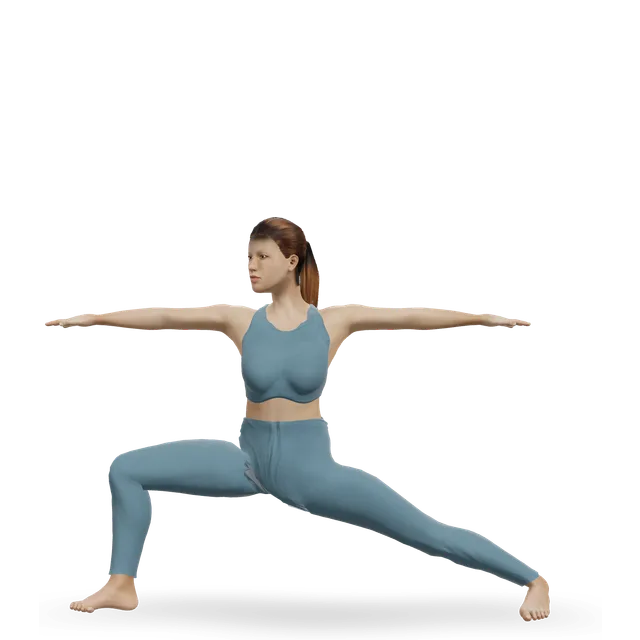
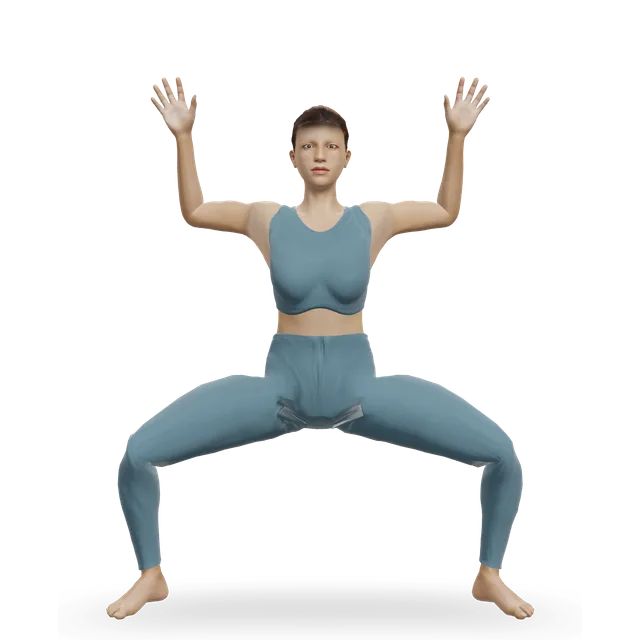
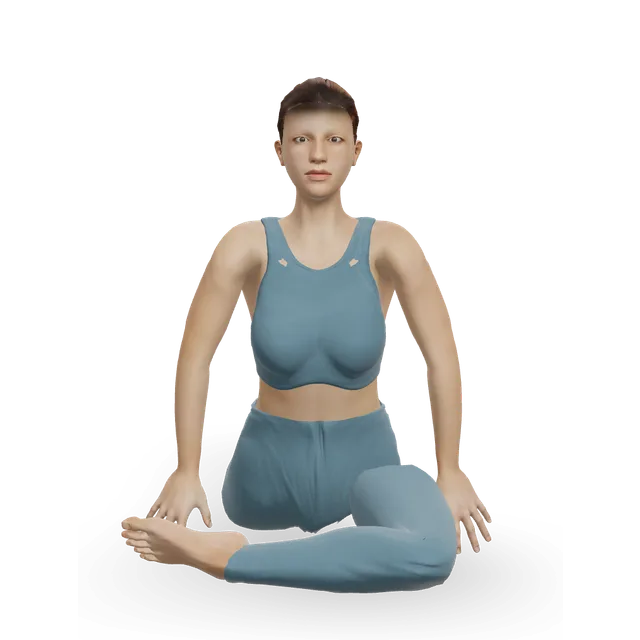
Yoga in a hot room
Hot yoga is yoga in a room heated to 25°C (77°F) or more, often about 25 to 40°C. Bikram is one fixed series: 26 postures and 2 breathing exercises over 90 minutes at 40.6°C (105°F) and 40% humidity.
Yoga guide
Hot yoga is yoga in a heated room, usually somewhere between 25 and 40°C (77 to 104°F). Bikram, the best-known style, runs a fixed series of 26 postures and 2 breathing exercises for 90 minutes at 40.6°C (105°F) and 40% humidity. In small trials, hot yoga improved flexibility, strength, stress and mood compared with doing nothing, but there's no good evidence that it does more than the same yoga at room temperature.
The heat raises your core temperature: in one study of 20 regular practitioners, average peaks were 38.9°C in women and 39.6°C in men by the end of a class. Heat illness is the main risk, and some people should avoid hot yoga altogether, including in pregnancy.
This guide covers what the trials show, what the heat does to your body, the NHS signs of heat exhaustion and heatstroke, who should avoid hot yoga, how much to drink, the calorie and detox myths, and the 26-posture series matched to poses with 3D demos.
Hot yoga is yoga in a room heated to 25°C (77°F) or more, often about 25 to 40°C. Bikram is one fixed series: 26 postures and 2 breathing exercises over 90 minutes at 40.6°C (105°F) and 40% humidity.
Small trials found gains in flexibility, strength, stress and mood against doing nothing, but the same postures at room temperature did as well for blood vessels, and a 2025 review called claims of greater benefits unsubstantiated.
In one study of 20 regular practitioners, core temperature peaked at 38.9°C in women and 39.6°C in men on average, and one man reached 40.1°C. A 2025 review gives peaks of 38.2 to 40.1°C across studies.
Avoid hot yoga in pregnancy, and ask your GP first if you have a heart condition, multiple sclerosis (MS) with heat sensitivity, or take medicines that affect how your body copes with heat.
Start well hydrated, sip during class and replace about 1 to 1.5 times what you sweat over the following hours; there's no need for more than about 3 litres.
Source 1
The heat doesn't add calories, sweat is mostly water and salt, and no study shows a detox effect.
Hot yoga covers any yoga done in warm to hot conditions, 25°C or more. Classes in many styles, including yin, hatha and vinyasa, are heated to about 25 to 40°C (77 to 104°F), and research sessions have ranged from 30 to 52°C at 20 to 60% humidity, lasting 20 to 90 minutes.
Source 1
Bikram yoga, developed in the early 1970s by Bikram Choudhury, is a set series of 26 postures and 2 breathing exercises in a room at 40.6°C with 40% humidity, taught to a set script. A 90-minute class opens with standing deep breathing, then a standing series of 45 to 50 minutes, 2 minutes' rest lying down, and a floor series of 35 to 40 minutes with 20-second rests between postures, ending with a quick, forceful breathing exercise and a final rest.
The same series is also taught as "26+2", the name one school in this lineage uses.
Of 43 studies of hot yoga (942 people, 76% of them women), 74% used the Bikram series, 19% general hot yoga, and the rest heated hatha or vinyasa.
Source 1
In a trial of 21 young adults, 24 classes in 8 weeks improved deadlift strength and lower back, hamstring and shoulder flexibility against no exercise; grip strength, heart rate, blood pressure and aerobic fitness didn't change. A 2025 review, summarising this trial with a second small one, adds that single-leg balance improved, and an uncontrolled study also found better sit-and-reach scores.
In 63 stressed, inactive adults asked to attend 3 to 5 classes a week for 16 weeks, perceived stress, confidence and quality of life improved against no treatment, although people averaged 27 classes in 16 weeks. Heart rate variability and heart risk factors didn't change.
In 80 adults with moderate to severe depression, heated yoga at least twice a week for 8 weeks eased symptoms far more than being on a waiting list (59% responded, against 6%), even though people averaged about 10 classes, and each extra class went with a little more improvement. In 53 women with depression, Bikram yoga and aerobic exercise helped about equally (61% and 60% responded, against 7% on a waiting list). Both trials were small.
In 290 adults new to yoga, 6 weeks of hot yoga improved life satisfaction and general health a little against a waiting list.
Source 21
In a 12-week trial of 52 inactive adults aged 40 to 60, the same postures at 23°C improved blood-vessel function as well as at 40.5°C, and in the same research programme artery stiffness didn't change with either. Uncontrolled studies found improvements only in some groups, such as middle-aged and older adults or people with overweight. The authors say their findings downplay the need for the heat.
Aerobic fitness rose with heated but not room-temperature yoga in a 4-week study of 22 young adults, but didn't change in an 8-week trial. A 1-year observational pilot study of 51 practitioners found no difference in kidney function between hot and non-hot yoga.
A 2025 review of 43 studies, many without a control group and some possibly counting the same people twice, concluded that claims of greater health benefits than other yoga or exercise are, for now, unsubstantiated. A 2015 review found no large, well-designed randomised trials.
In one study of 20 regular practitioners aged 28 to 67, sponsored and reported by the American Council on Exercise (ACE), core temperature rose steadily through a 90-minute class at 40.6°C. Average peaks were 38.9°C (102.0°F) in women and 39.6°C (103.2°F) in men; one man reached 40.1°C (104.1°F), and 7 of the 20 went above 39.4°C (103°F). None showed signs of heat intolerance.
A 2025 review of hot yoga research puts peaks at 38.2 to 40.1°C across studies. Heat illness and heatstroke can occur at a core temperature of about 40°C, and the study's authors suggested classes of 60 minutes or less, cooler rooms and encouragement to drink.
In the same study, heart rate averaged 72% of predicted maximum in women and 80% in men, peaking at 85% and 92%. In a crossover study of 14 people, the same 20-minute routine at 35°C ran at 67% of maximum heart rate against 61% at 22°C, and felt a little harder, though oxygen use was the same. Blood pressure can fall: diastolic pressure dropped by about 10% during a class in another small study.
A 90-minute class caused about 1.5 litres of sweat loss in 5 experienced women, and in another study experienced practitioners sweated about twice as fast as newcomers (1.1 against 0.6 kg an hour).
The 2025 review advises newcomers to build up gradually over their first 7 to 14 classes, as athletes do when they train for heat, and says it's fine to rest lying down if you feel as hot as you can stand.
Source 1
The NHS lists these signs of heat exhaustion:
Source 29
Move to a cool place, take off unnecessary clothing, drink plenty of water or an isotonic sports drink, and cool the skin with cool water and a fan. You should start to cool down and feel better within 30 minutes. If you're struggling to treat it, or need advice, get help from NHS 111.
Source 29
If someone is still unwell after 30 minutes of resting in a cool place, being cooled and drinking fluids, or has a very high temperature, hot skin that isn't sweating, a fast heartbeat, fast breathing or shortness of breath, confusion and lack of coordination, a seizure or fit, or loses consciousness. Heatstroke is a medical emergency: while you wait, wrap them in a cool, wet sheet, or fan them or sponge them down with cold water.
Source 29
Leave the heat at once if you feel dizzy, get a headache or feel sick, and cool down straight away if it doesn't pass. In a survey of 157 hot yoga practitioners, just over half had had a problem, most often dizziness, light-headedness, nausea or dehydration, and case reports describe a cardiac arrest from heatstroke and a heart attack during hot classes.
For chest pain that feels tight or like squeezing, or spreads to your arms, neck or jaw; severe difficulty breathing; or if someone has passed out and isn't responding normally.
Source 31
The American College of Obstetricians and Gynecologists (ACOG) lists hot yoga among activities to avoid in pregnancy because it may cause you to overheat, especially in the first trimester, and US health advice says the same. A clinical review for family doctors concluded that pregnant women should avoid it because of the risk of neural tube defects with excessive heat. A core temperature of 39°C or more is the level linked with risk to the baby, and hot classes take people to about 38 to 40°C.
A 2025 hot yoga review is softer, asking pregnant women to get their GP's advice first; we follow ACOG, as our exercise in pregnancy guide does. If you're trying to conceive, the early weeks are when overheating matters most (our suggestion).
In the heat, the British Heart Foundation explains, the heart has to work harder to keep your core temperature normal, and widening blood vessels can lower your blood pressure; it advises avoiding extreme exercise in high temperatures. The 2025 review advises getting your GP's approval first if you have heart or metabolic disease.
Around 6 in 10 people with MS report heat sensitivity, triggered by hot or crowded rooms, saunas and exercise. Symptoms such as fatigue, blurred vision, numbness and weakness usually ease within a few hours of cooling down and aren't usually due to new MS damage. See your GP or MS team if symptoms are new, last longer than usual, don't improve after cooling, or come with a fever.
Source 8
The UK medicines regulator (MHRA, the Medicines and Healthcare products Regulatory Agency) warns that water tablets (diuretics), some blood pressure medicines (ACE inhibitors, beta-blockers and calcium channel blockers), some diabetes medicines including insulin and metformin, some antidepressants and antipsychotics, and stimulant medicines for attention disorders can make it harder to cope with heat or stay hydrated. Don't stop a prescribed medicine without advice: ask your pharmacist or GP.
The NHS lists people at higher risk in hot weather, including those aged 65 and over, people with long-term conditions such as heart or breathing problems, diabetes, kidney disease or Parkinson's disease, people on several medicines, and anyone already unwell and dehydrated. The 2025 review adds obesity, low fitness, sweat-gland problems, viral illness and diarrhoea.
Heat lowers blood pressure, so get up slowly from the floor and leave the room if you feel faint (our suggestion).
The 2025 review notes that heat tolerance can differ across the menstrual cycle and around the menopause, so ease off on the days you feel the heat more.
Source 1
Start well hydrated: the 2025 review suggests about 5 ml per kg of body weight (300 to 400 ml) before class.
Source 1
Sip during class, and over the following hours drink about 1 to 1.5 times what you lost, with electrolytes if you like. In a survey of 700 practitioners, drinking before or during class went with fewer dehydration symptoms, and in one study, women drank back only a quarter of their sweat during class.
There's no need for more than about 3 litres during or straight after class. In one case report, a woman who drank 3.5 litres of water after her first Bikram class developed dangerously low blood sodium and a seizure.
Source 1
Weigh yourself before and after a few classes: each kilo lost is about a litre of sweat to replace over the next few hours. A sports drink or a salty snack helps after long, very sweaty classes.
Trials asked for 2 to 5 classes a week, and benefits appeared even though people averaged only one or two (about 10 classes in 8 weeks in one trial, 27 in 16 weeks in another). In the depression trial, each extra class went with a little more improvement.
Try a regular-temperature class first, then build up over your first 7 to 14 hot classes, choosing shorter or cooler classes at first if you can. Rest lying down when you need to, and wear light-coloured, loose clothing.
The list follows the posture names one school in this lineage uses, in class order. The moves beside them are our matches by shape, an editorial choice, cross-checked against a public table of nearest equivalents. Eagle, toe stand, sit-up and rabbit are left out of the grid below.
In a 12-week trial, the same postures at 23°C improved blood-vessel function as well as at 40.5°C, so you can follow the series at room temperature. We swap the closing forceful breathing for slow breathing, as US health advice is that beginners avoid forceful breathing, and with osteoporosis keep the folds to a flat back and skip deep rounding.
In class order, from the posture list of one school in this lineage and matched by shape (our editorial choice): hold each for 15 to 30 seconds, with a hand on a wall for the balance poses (shortened from each move's page).
 3D demoBreath reachBeginner · No equipment
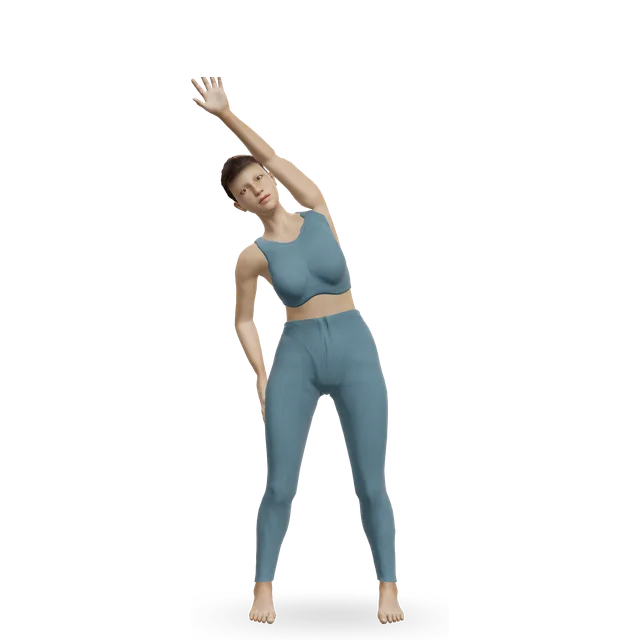 3D demoOverhead side bendBeginner · No equipment
 3D demoHip hinge foldBeginner · No equipment
 3D demoChair pose (Utkatasana)Beginner · No equipment
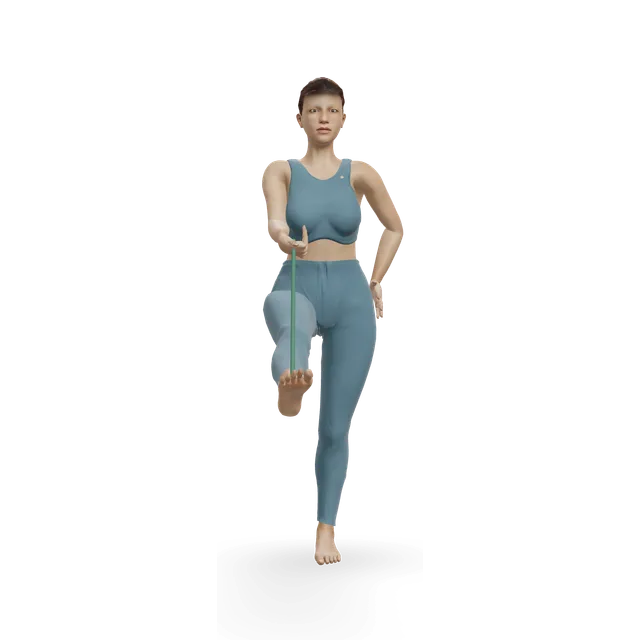 3D demoStanding hand-to-big-toe pose (Utthita Hasta Padangusthasana)Advanced · No equipment
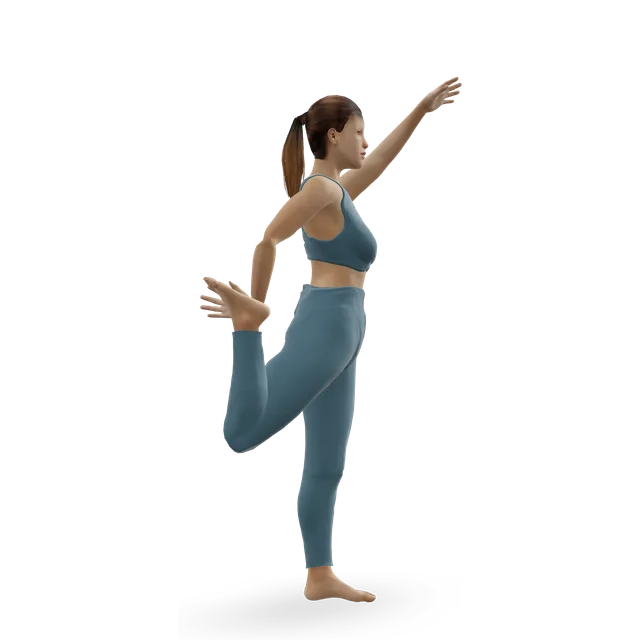 3D demoDancer pose (Natarajasana)Advanced · No equipment
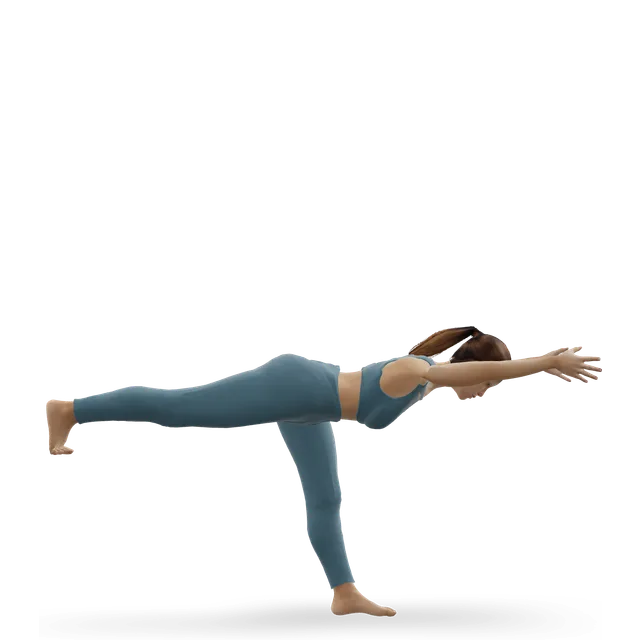 3D demoWarrior III (Virabhadrasana III)Advanced · No equipment
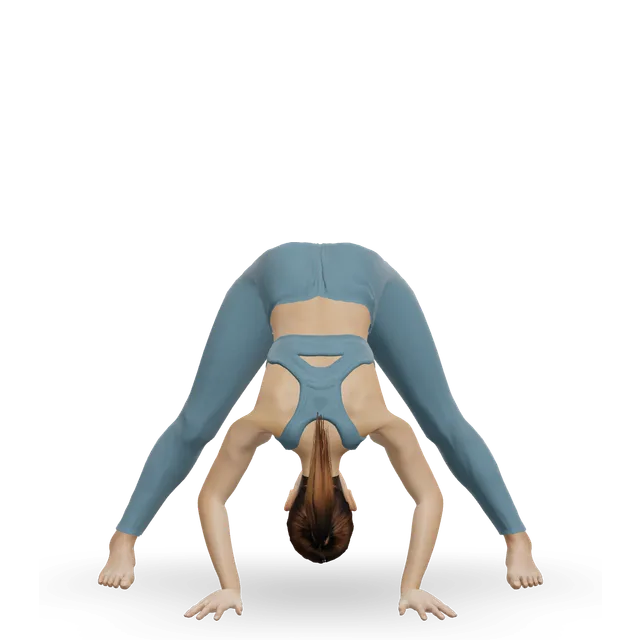 3D demoWide-legged standing forward fold (Prasarita Padottanasana)Beginner · No equipment
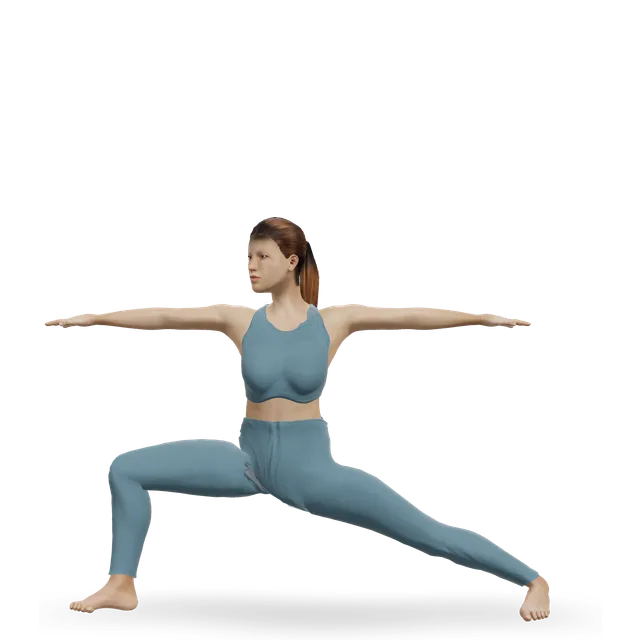 3D demoExtended side angle (Utthita Parsvakonasana)Intermediate · No equipment
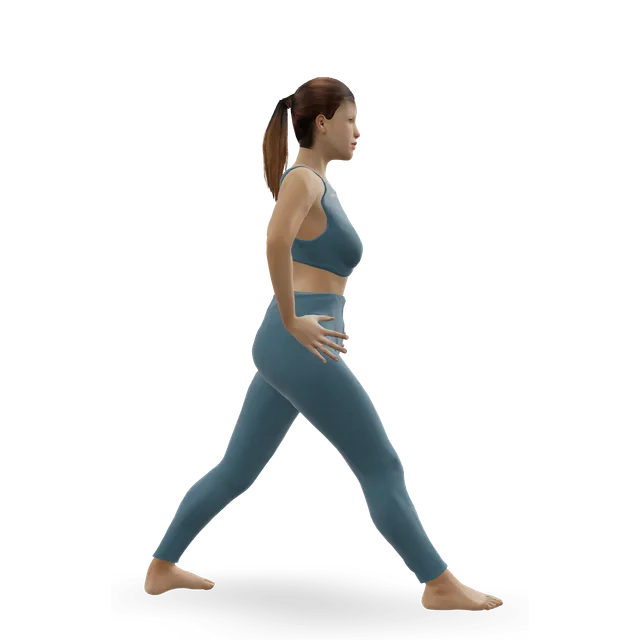 3D demoPyramid pose (Parsvottanasana)Intermediate · No equipment
 3D demoTree pose (Vrksasana)Beginner · No equipment
 3D demoCorpse Pose (Savasana)Beginner · No equipment
 3D demoDouble knee-to-chest stretchBeginner · No equipment
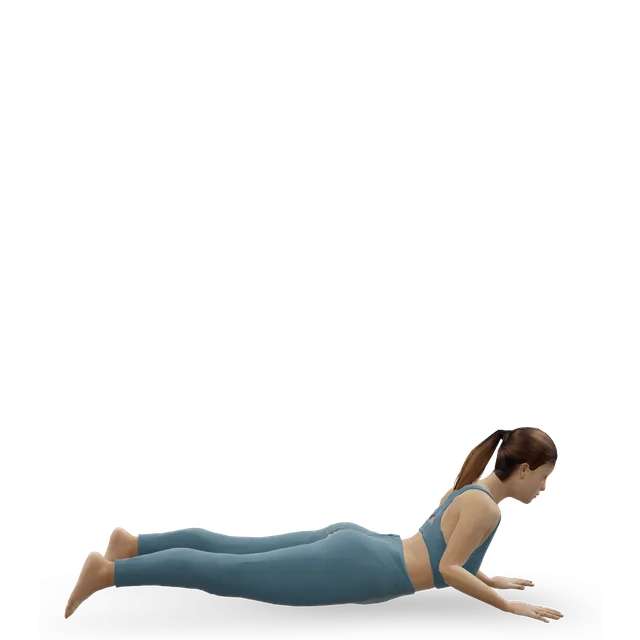 3D demoCobra pose (Bhujangasana)Intermediate · No equipment
 3D demoLocust pose (Salabhasana)Beginner · No equipment
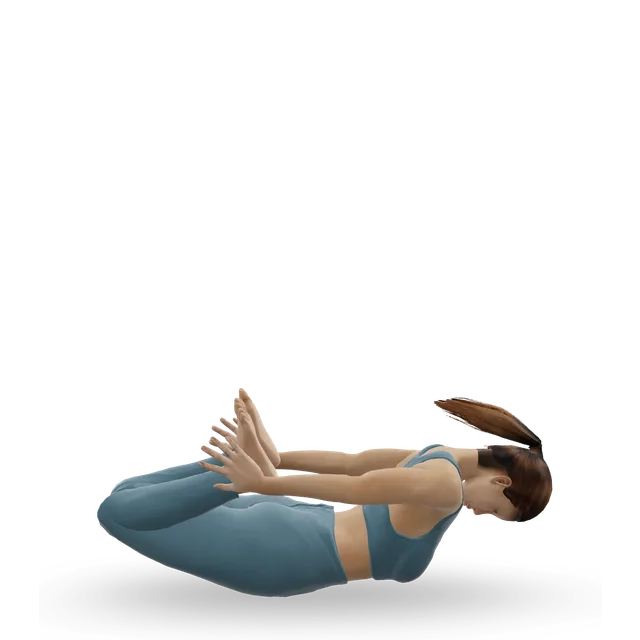 3D demoBow pose (Dhanurasana)Intermediate · No equipment
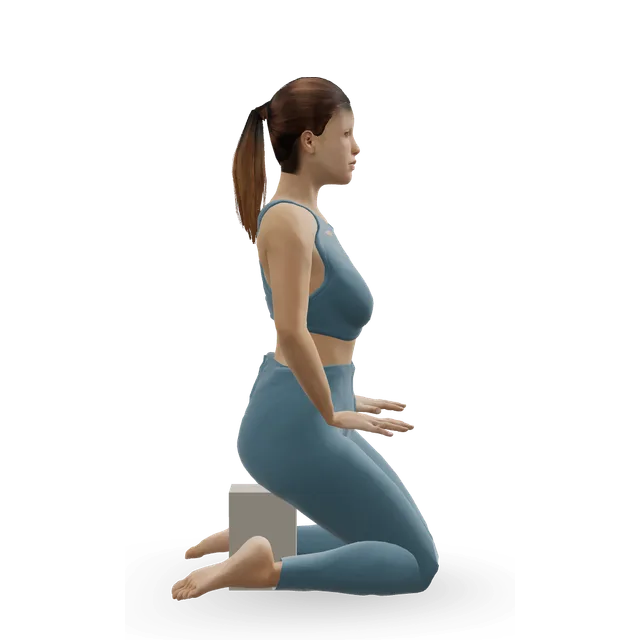 3D demoHero Pose (Virasana)Intermediate · No equipment
 3D demoChild's Pose (Balasana)Beginner · No equipment
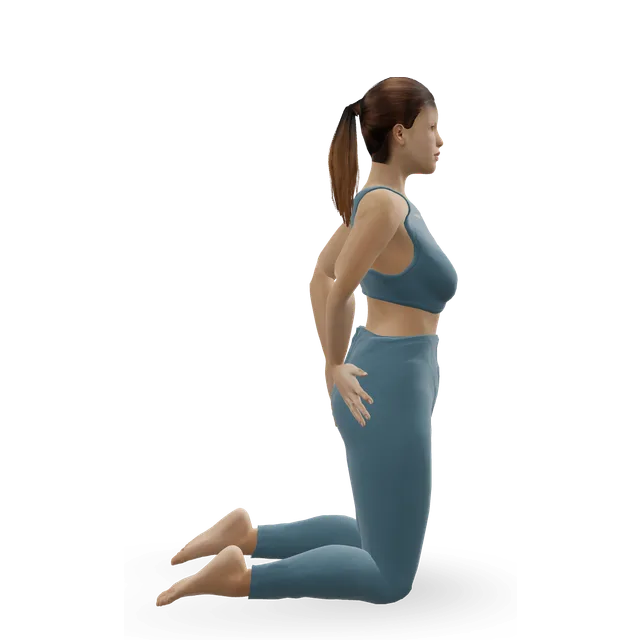 3D demoCamel pose (Ustrasana)Intermediate · No equipment
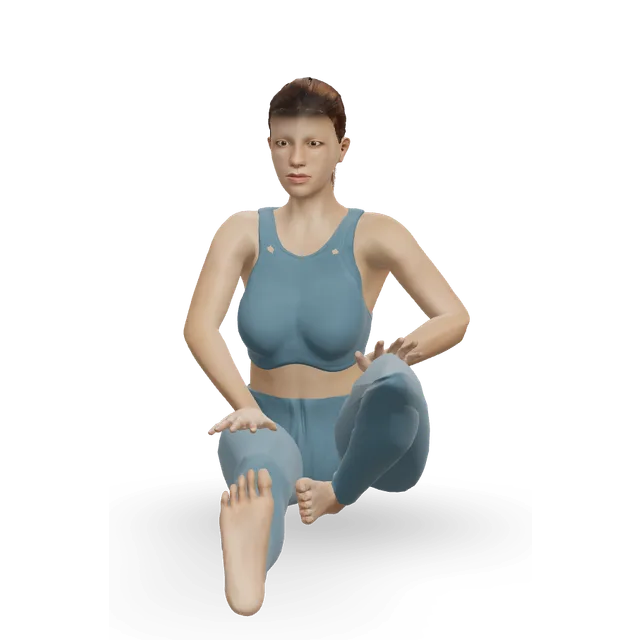 3D demoHead-to-knee pose (Janu Sirsasana)Beginner · No equipment
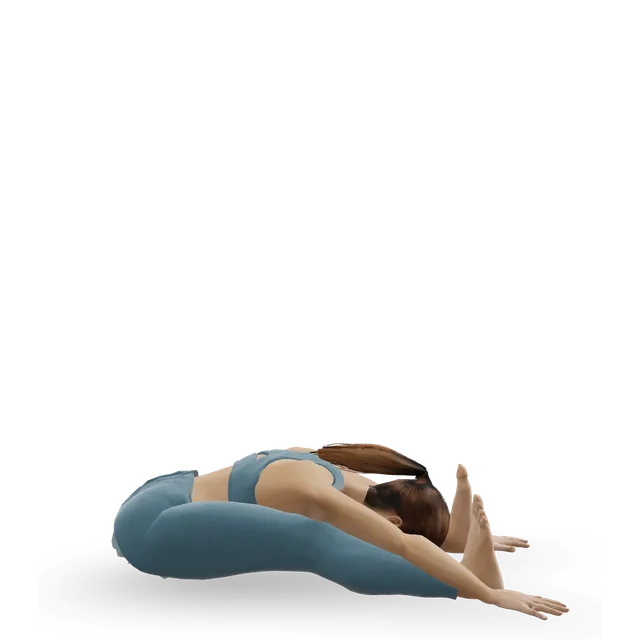 3D demoSeated forward fold (Paschimottanasana)Intermediate · No equipment
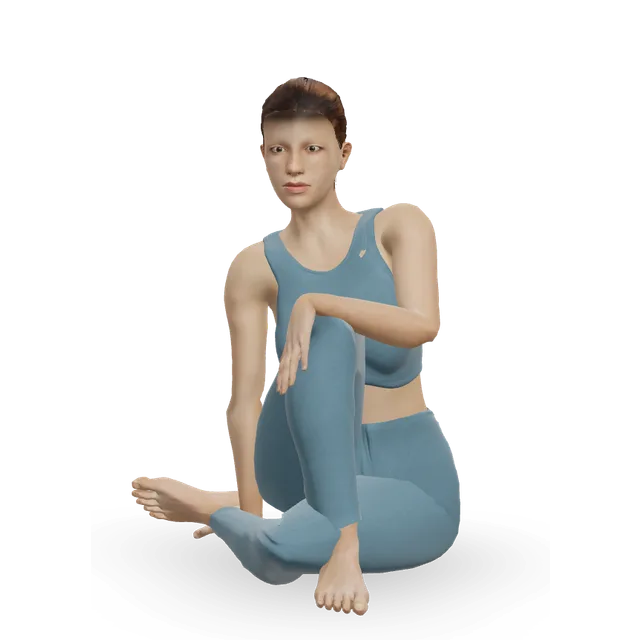 3D demoHalf lord of the fishes (Ardha Matsyendrasana)Intermediate · No equipment
 3D demoSlow breathing (6 breaths a minute)Beginner · No equipment
The beginner flow and sun salutations work at room temperature, and the seated workout for MS suits a cool room.
A 50-minute room-temperature version of the fixed standing-and-floor series taught in many hot yoga classes, built from poses with 3D demos. No heater needed.
50 minIntermediate23 movesNo equipmentA 20-minute beginner yoga sequence: mountain, chair, warrior II, triangle, tree, down dog, cobra and child's pose.
20 minBeginner11 movesA stepA 20-minute flow built on sun salutations A and B, with warrior poses and a short cool-down.
20 minIntermediate8 movesNo equipmentA hip-opening yoga sequence: low lunge, lizard, goddess, pigeon, bound angle and happy baby.
20 minBeginner7 movesNo equipmentA 25-minute workout done sitting, in a chair or wheelchair: seated cardio intervals, light strength work, posture and stretches, with pacing and cooling built in.
25 minBeginner14 movesA bench or box, A dumbbellSweat in hot yoga studies was water and salt, and no study has measured a detox effect; the idea comes from the founder of the Bikram series. A review of detox claims in general found very little clinical evidence.
The same yoga hot and at room temperature used the same oxygen and calories. A 90-minute class burned 179 to 478 calories in one lab study, not the 1,000 often claimed, and the 2024 Compendium of Physical Activities puts hot yoga at 3.0 METs (metabolic equivalents, where sitting still is 1), light to moderate.
In a direct comparison, the heat changed only one of the joint ranges measured, and no study shows it prevents injury.
The same postures at 23°C improved blood-vessel function as well as at 40.5°C, and artery stiffness didn't change with either.
Regular practitioners reached core temperatures of about 39 to 40°C, just over half of surveyed practitioners have had symptoms such as dizziness or nausea, and serious heat illness has been reported.
Over-drinking can dangerously lower blood sodium. Replace about 1 to 1.5 times what you sweat, with no need for more than about 3 litres.
Source 1
The claim rests on one uncontrolled 5-year study of 9 Bikram teachers, which we've seen only through reviews: hip bone density rose in the teachers who hadn't reached the menopause, but fell in those who had. In controlled studies, yoga didn't change bone density.
No human trial has tested it. The only skin study we found was a case report of a skin reaction to the red lights used in one hot yoga class.
Source 43
US obstetricians and US health advice both say to avoid hot yoga in pregnancy, and neither makes an exception for experienced practitioners.
Yoga in a heated room, usually somewhere between 25 and 40°C (77 to 104°F), sometimes with added humidity. Bikram is one fixed style: 26 postures and 2 breathing exercises in 90 minutes at 40.6°C (105°F) and 40% humidity.
A set hot yoga series developed in the early 1970s: a standing series, then a floor series with short rests lying down, taught to a set script. You can practise the same order at room temperature with the poses on this page.
In small trials it improved flexibility, strength, stress and mood against doing nothing, and helped depression about as much as aerobic exercise. But there's no good evidence that it does more than the same yoga at room temperature, and the heat adds risk.
For healthy people who build up gradually and drink sensibly it's generally tolerated, but core temperature can climb to about 39 to 40°C (102 to 104°F), and heat illness can happen. Leave the room if you feel dizzy or sick or get a headache, and know the NHS signs of heatstroke.
Pregnant women should avoid it. People with a heart condition or MS heat sensitivity, or who take medicines that affect heat or fluids, such as water tablets and some blood pressure, diabetes, antipsychotic or attention disorder medicines, should ask their GP first. So should older people, anyone with a long-term condition and anyone unwell or dehydrated.
No. The American College of Obstetricians and Gynecologists and US health advice both say to avoid hot yoga in pregnancy because of the risk of overheating, which matters most in the first trimester. Try yoga at a normal room temperature instead; our yoga in pregnancy guide has the detail.
A 90-minute Bikram class burned 179 to 478 calories in one lab study and 278 to 541 in another, not the 1,000 sometimes claimed. The same yoga at room temperature burns about the same.
No study shows it. Sweat is mostly water and salt, and the weight you lose is water that comes back when you drink.
Start well hydrated, with about 5 ml per kg of body weight (300 to 400 ml) before class, sip during class, and over the next few hours drink about 1 to 1.5 times what you lost. There's no need for more than about 3 litres during or straight after class: over-drinking can be dangerous.
Not on current evidence. In trials, the same postures at room temperature improved blood-vessel function as well and burned the same energy, so choose hot yoga only if you enjoy it and are well.
Ask your GP first. Heat makes the heart work harder and can lower your blood pressure, and some blood pressure medicines make it harder to cope with heat.
Trials asked for 2 to 5 classes a week, and benefits appeared even though people averaged only one or two. Build up gradually over your first 7 to 14 classes.
Exercise education, not a personal prescription, and clinical review of these guides is pending. If you are pregnant, have a health condition such as glaucoma, high blood pressure or osteoporosis, or have had recent surgery, check with a doctor, midwife or physiotherapist before starting, and stop for sharp or increasing pain. Health disclaimer.