Wide-legged standing forward fold (Prasarita Padottanasana)
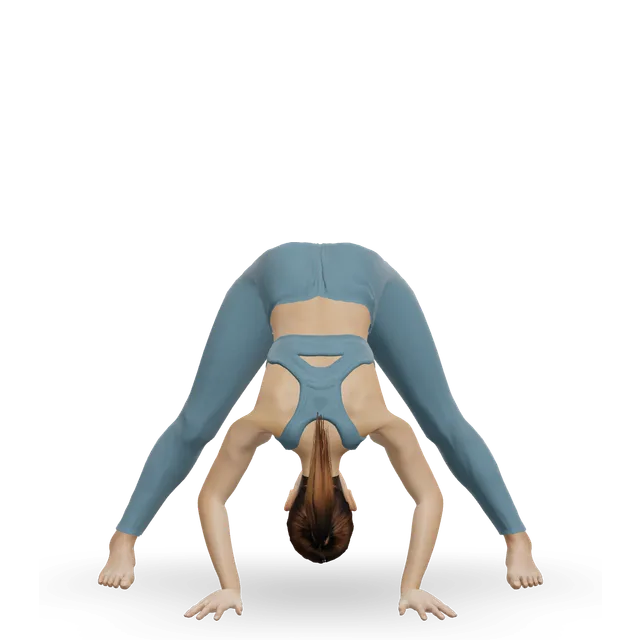
The feet wide and parallel, the trunk folds forward from the hips with the hands on the floor or on blocks: both hamstrings stretch at once on a broad, steady base.
Standing hamstring fold family
Wide-legged standing forward fold (Prasarita Padottanasana)
Loading the 3D figure…
Source-researched guide.
How to move
- Stand with the feet wide, about a leg's length apart, the outer edges parallel.
- With the hands on the hips, fold forward from the hips with a long spine, then place the hands on the floor or on blocks under the shoulders.
- Hold, then come up with the hands on the hips and the back long.
Form cues
- Bend the knees a little or use blocks if the back rounds.
- Come up slowly if standing quickly makes you dizzy.
Practice and cautions
No universal dose is assigned. Choose a manageable amount for your current capacity, leave room for controlled repetitions, and allow recovery. A clinician’s individual plan takes priority.
Come up slowly if you feel dizzy. Keep the head above the heart, or skip it, with glaucoma, retinal problems or uncontrolled high blood pressure: in a small study, eye pressure rose within a minute in head-down yoga poses. With osteoporosis, avoid deep or repeated rounding of the spine: fold from the hips with a long back, or leave it out. With vertigo or BPPV, head-down positions, lying back quickly and tipping your head back can bring on a spin: move into and out of them slowly, sit up slowly, and leave them out during a bad spell. This is movement education, not an assessment or treatment prescription. Stop for sharp or increasing pain, dizziness, numbness or tingling; seek individual guidance for symptoms, injury or restrictions.
Sources and review status
Sources support the educational description; they do not establish that this exercise is suitable for you.
- Yoga Journal · Pyramid pose (the wide-legged forward bend as its preparation) ↗
- Yoga Journal · Standing split (the wide-legged forward bend among its preparations) ↗
No variation is labeled clinically validated.
What it works
Muscles
Main: Hamstrings, Adductors. Also: Back, Calves.
Anatomy: Hamstrings, Biceps femoris, Adductors, Gracilis, Pectineus.
Equipment
None: body weight and floor space.
Level
Beginner. See the easier and harder options above.
Workouts that use it
Guides that use it
- Yoga for back pain guide
- Yoga for seniors guide
- Yoga for flexibility guide
- Hot yoga guide
- Ashtanga yoga guide
- Iyengar yoga guide
- Yoga for headaches and migraine guide
- Yoga for high blood pressure guide
Show all 31 guidesShow fewer guides
- Yoga for sciatica guide
- Yoga for menopause guide
- Yoga for posture guide
- Morning yoga guide
- Yoga for balance guide
- Yoga for mobility guide
- Yoga for tight hamstrings guide
- Yoga for osteoporosis guide
- Yoga for acid reflux guide
- Yoga for kyphosis guide
- Yoga for a herniated disc guide
- Yoga for a hamstring injury guide
- Yoga for degenerative disc disease guide
- Yoga for low blood pressure guide
- Yoga for polymyalgia rheumatica guide
- Yoga for pickleball players guide
- Yoga over 50 guide
- Yoga for sprinters guide
- Yoga after spinal fusion guide
- Yoga for prostate cancer guide
- Yoga for the splits guide
- Yoga for the thighs guide
- The splits guide
Similar moves
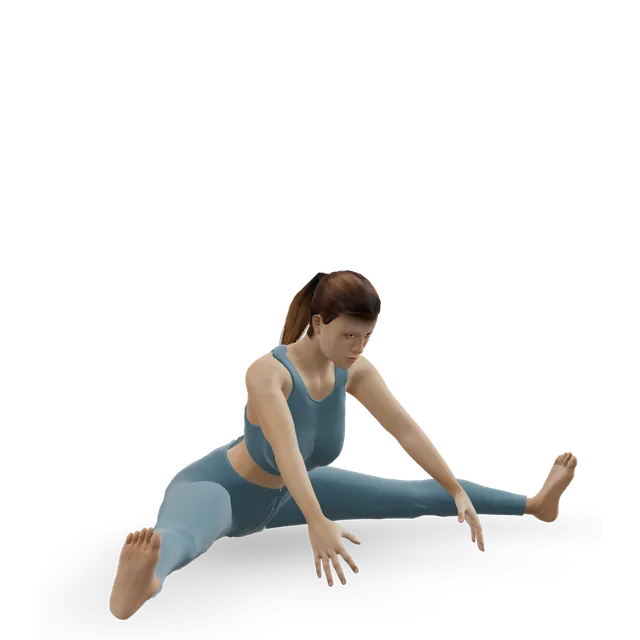 3D demoWide-angle seated forward fold (Upavistha Konasana)Intermediate · No equipment
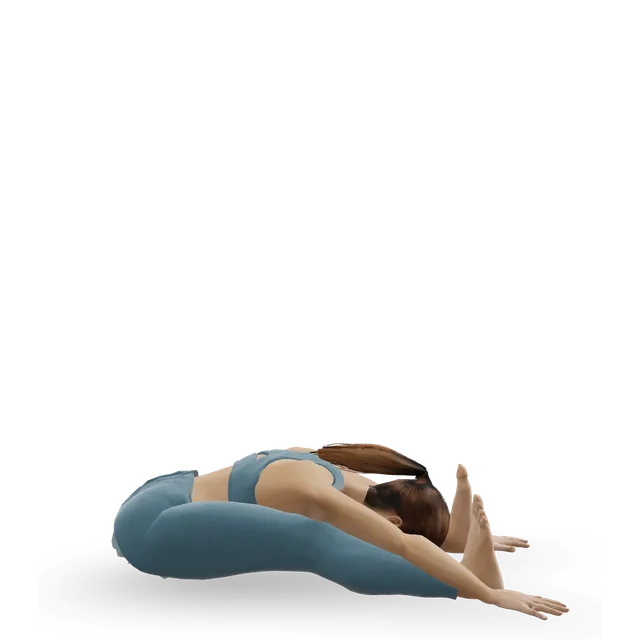 3D demoSeated forward fold (Paschimottanasana)Intermediate · No equipment
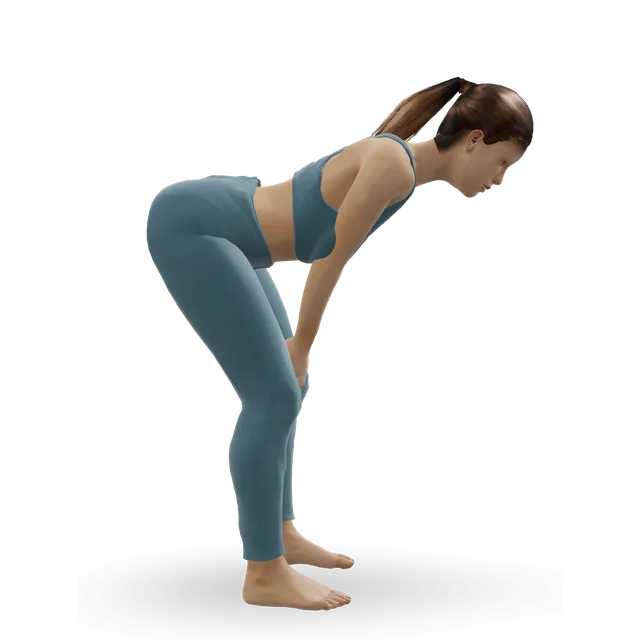 3D demoFlying sword (elastic forward swing)Intermediate · No equipment
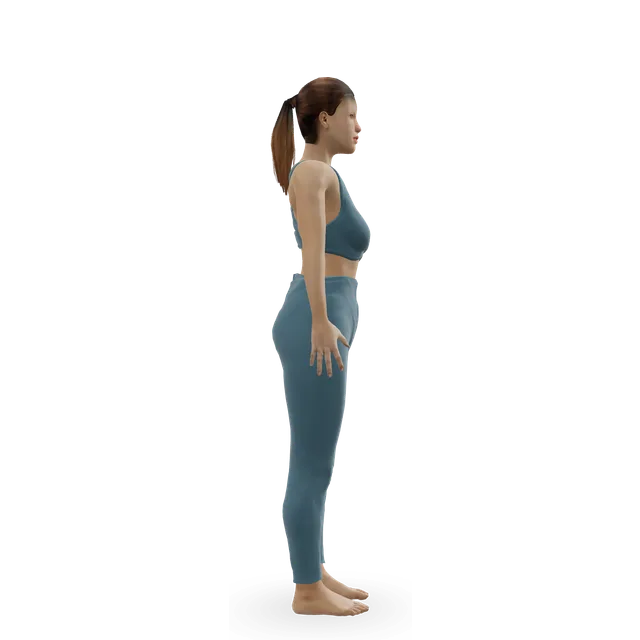 3D demoStanding toe touch (forward hang)Beginner · No equipment
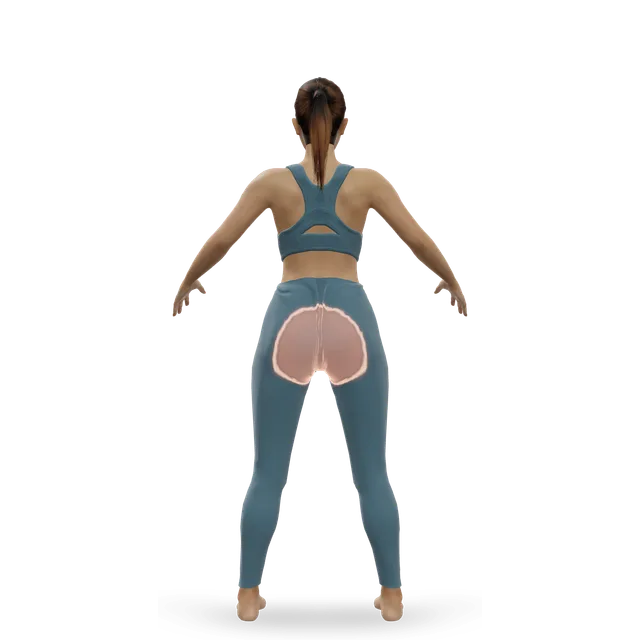 Compass pose (Parivrtta Surya Yantrasana)Advanced · No equipment
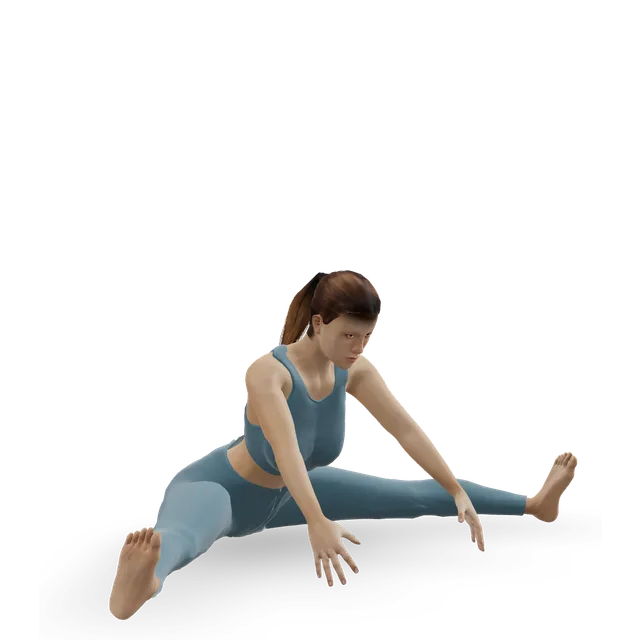 3D demoSeated straddle stretchBeginner · No equipment
Browse more
Questions people ask
What muscles does the Wide-legged standing forward fold (Prasarita Padottanasana) work?
Mainly the hamstrings and adductors, with help from the back and calves.
What equipment do I need for the Wide-legged standing forward fold (Prasarita Padottanasana)?
No equipment: your body weight and a little floor space.
Is the Wide-legged standing forward fold (Prasarita Padottanasana) good for beginners?
It is graded beginner, so it suits most people starting out. When it feels easy, try the Pyramid pose (Parsvottanasana).
What is an easier alternative to the Wide-legged standing forward fold (Prasarita Padottanasana)?
Try the Hip hinge fold. It is the suggested step down from this move.
How do I make the Wide-legged standing forward fold (Prasarita Padottanasana) harder?
Progress to the Pyramid pose (Parsvottanasana) or the Standing splits (Urdhva Prasarita Eka Padasana). Follow that guide’s technique and any stated timing.