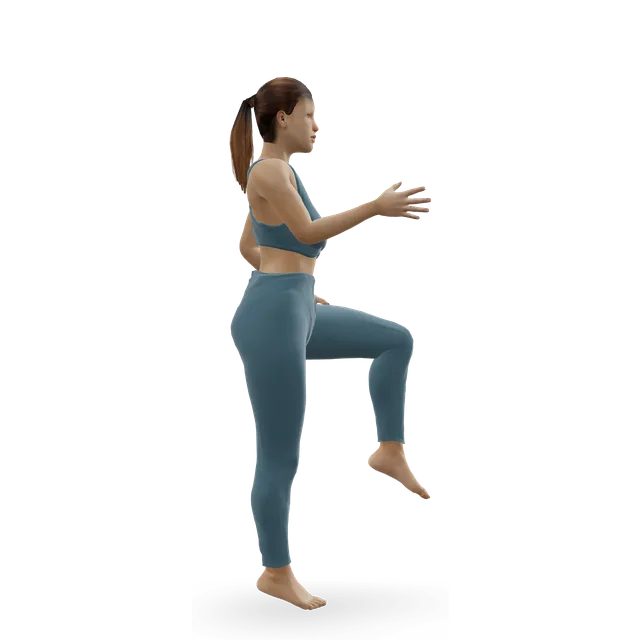
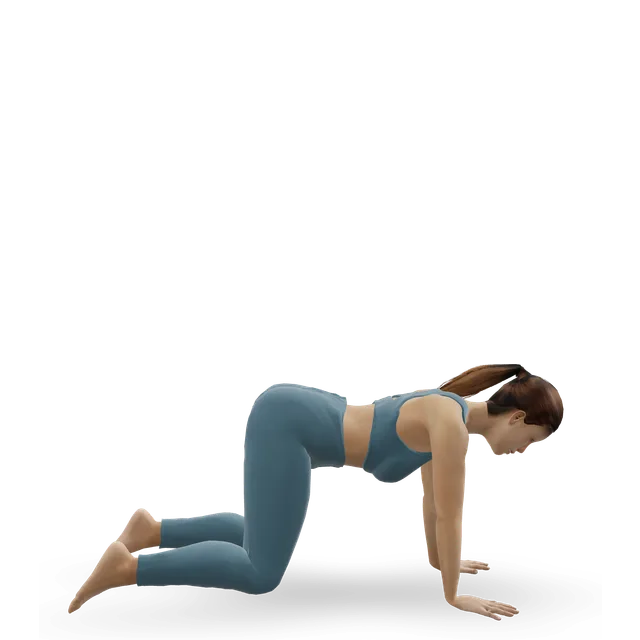
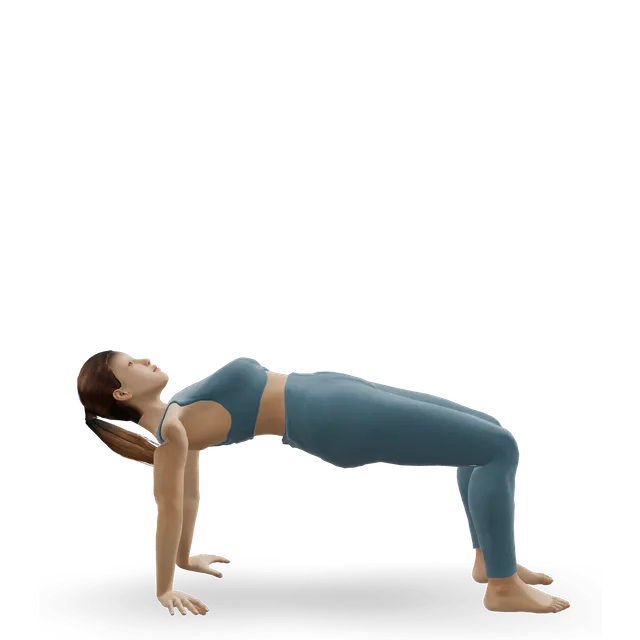
Pain guide · Knee pain

Knee pain in children and teens: growing pains, Osgood-Schlatter, the kneecap, injuries and the hip

Most knee pain in children and teenagers comes from busy, growing knees: the growth areas just below or at the tip of the kneecap, the kneecap itself, or a knock or twist. Younger children often have growing pains in both legs at night. But hip problems, an infection or arthritis can show up as knee pain, so a few signs need help the same day.

Call 999 or go to accident and emergency (A&E) if your child gets sudden knee, hip or thigh pain, can't put any weight on the leg, or is unwell with a high temperature; for a limp, ask for an urgent appointment with a general practitioner (GP) or call the National Health Service's 111 line (NHS 111) the same day. For the common causes, the best-tested approach is a few weeks off the painful sport (not all activity), thigh and hip strength, and a stepwise return: most adolescents in two Danish programmes improved within 12 weeks. This guide sorts the causes by age and spot, says what parents can do and when to pause sport, and gives a plan back to sport with 3D demos.

When to get help first

Exercise is for pain that has been checked or is clearly mild and settling.

Get urgent medical help if

  • Call 999 or go to A&E if your child gets sudden pain in their hip, knee or thigh (hip problems can sometimes be felt in the thigh or knee), can't put any weight on their leg, their leg has changed shape or is pointing at an odd angle, they feel generally unwell and have a high temperature, or feel hot, cold or shivery, they also have severe pain in the lower part of their tummy, or their symptoms get worse.
  • Ask for an urgent GP appointment or get help from NHS 111 the same day if your child is limping, even if the pain is only in the knee or thigh: hip problems can sometimes be felt there, and this applies to teenagers too.
  • A child under 3 who is limping, or won't walk, crawl or put weight on a leg, with no clear cause: get help the same day, through an urgent GP appointment or NHS 111 (our suggestion, from guidance for doctors: at this age a joint infection or an injury is more likely).
  • A child over 9 with a limp and a hip that is stiff or painful to move, or with groin, thigh or knee pain and a limp: get help the same day and mention the hip (our suggestion, from guidance for doctors). A slipped growth plate needs a hip X-ray the same day; don't let them walk, run or play sport on it while you wait.
  • NHS inform says phone 111 if there's been a new, significant injury to your child's knee in the last 7 days, such as a fall from a height or a direct blow, or the knee swelled after a twisting injury and hasn't gone down after 48 hours. It also lists a knee that is misshapen after a new injury, not being able to put any weight at all through the leg, and a very high temperature with redness or heat around the knee: for those, follow the more urgent 999 or A&E line above.
  • Get advice from NHS 111 now if your child cannot move the knee, or it is very painful or badly swollen.
  • Get advice from NHS 111 now: the knee locks, gives way or clicks painfully. Painless clicking is normal.
  • Call 999 or go to A&E after an injury if your child heard a crack, the leg has changed shape or is pointing at an odd angle, it's numb, tingling or has pins and needles, or the skin around it looks blue or grey or is cold to touch. Don't drive yourself.
  • Ask for an urgent GP appointment or get help from NHS 111 for severe joint pain, usually in just 1 joint, that started suddenly; swelling around a joint; skin around a joint that has changed colour; difficulty moving a joint; or pain in a joint with feeling generally unwell and a high temperature, or feeling hot, cold or shivery: it could be a joint infection.
  • Pain, swelling, redness and warmth over a bone, or a very high temperature with feeling generally unwell: ask for an urgent GP appointment or contact NHS 111. It could be a bone infection. Take your child to a GP if they don't want to use a leg and seem irritable: young children don't always get a high temperature with a bone infection.
  • Call 999 or go to A&E if you think your child could have sepsis. For a baby or child under 5: breathing very fast or having difficulty breathing; blue, grey, pale or blotchy skin, lips or tongue; a rash that does not fade when you press it; a very high temperature (38C or more under 3 months, 39C or more at 3 to 6 months) or a very low one (under 36C), or feeling cold to the touch or shivery; a weak, high-pitched or continuous cry; not responding like they normally do, not feeding, difficult to wake or more sleepy than usual; or no pee for the last 12 hours. For a child aged 5 or over: breathing very fast; confused, slurred speech or not making sense; blue, pale or blotchy skin; a very high or very low temperature, feeling hot or cold to the touch, or shivery; or a rash that does not fade when you press it.
  • Ask for an urgent GP appointment or call 111 if your child is bleeding or bruising easily or for no reason.
  • After a jump, landing or fall: a pop or sudden severe pain at the bump, and the knee will not straighten or take weight, or is badly swollen or has changed shape. Get it checked the same day: the bump itself can break away.

See a doctor or physiotherapist if

  • Contact your GP practice if your child's knee locks or gives way regularly; is hot, swollen or tender, especially if they can't recall an injury; they often limp after activities; they have knee pain that wakes them at night; they avoid activities because of increasing symptoms; or they have a lump in or around the knee that doesn't go away.
  • Contact your GP practice if your child still has knee symptoms after about 6 weeks of following the advice; wakes in the night with knee pain several times a week; has heat, swelling, redness or a rash around the knee; has a stiff and sore knee most mornings, with swelling that doesn't go away; is consistently limping; or also has pain and stiffness in the hip.
  • See a GP if your child has pain in 1 leg; leg pain in the morning, or when walking or taking part in activities; leg pain bad enough to stop them walking, or that makes them limp; or pain in 1 joint, such as the knee or ankle.
  • See a GP if your child has a rash, swelling or unusual bruising on the legs, leg pain and a high temperature, is unusually tired or sleepy a lot of the time, or doesn't want to eat or is losing weight.
  • See a GP for bone pain or tenderness, particularly if it's worse at night, or a lump or swelling that is growing.
  • A teenager with weeks of groin, thigh or knee pain that comes and goes with activity, even without a limp: ask the GP to examine the hip and arrange a hip X-ray, and say you're worried about a slipped growth plate. Once there is a limp, the same-day lines above apply.
  • Painful, swollen joints that last for longer than 6 weeks: see a GP. It can be a type of juvenile arthritis, which often brings stiffness and a limp that are worse in the morning.
  • Knee pain that has not improved within a few weeks of looking after it at home. Many areas offer NHS physiotherapy without a GP referral.

Where does it hurt?

Location narrows the likely causes; it does not diagnose.

Both legs in a 3 to 12 year old, only in the evening or at night

Aching or throbbing, gone by the morning, in a child who is well and active the next day: growing pains.

Read: Growing pains →
A tender bump just below the kneecap, at about 10 to 15

Worse with running, jumping, kicking and kneeling, in an active child in a growth spurt: Osgood-Schlatter disease.

Read: Osgood-Schlatter →
The bottom tip of the kneecap in an active child

Worse with running, jumping, squatting and stairs: Sinding-Larsen-Johansson syndrome, a growth-area problem like Osgood-Schlatter.

Read: Sinding-Larsen-Johansson →
Around or behind the kneecap in a teenager, often both knees

Worse on stairs, squatting and after long sits, sometimes with painless clicking: kneecap (anterior knee) pain.

Read: Front of knee pain →
Knee or thigh pain with a limp, the knee itself looking normal

At about 4 to 10 this can be Perthes disease, and at 10 to 16 a slipped growth plate at the hip: get help the same day.

Read: SUFE (slipped hip growth plate) →
Hip, groin or thigh pain as well, or a limp at any age

Our children's hip pain guide sorts the hip causes by age, with the NHS's same-day signs.

Read: Hip pain in children →
A pop, swelling within hours, or a knee that gives way after a twist

Possibly a ligament or meniscus injury; a knee that swelled after a twist and hasn't gone down after 48 hours needs a call to 111.

Read: ACL injury →
The kneecap slipped out of place

Commonest at 14 to 18; get it checked even if it went back by itself.

Read: Kneecap dislocation →
A deep, vague ache with sport, later with swelling, catching or locking

Possibly knee osteochondritis dissecans (knee OCD), a damaged patch of bone and cartilage in a growing knee.

Read: Knee OCD →
Knees that bend back past straight, aching after activity

Common in flexible children and usually harmless; strength helps if it comes with pain or giving way.

Read: Hyperextended knee →
A swollen, stiff knee most mornings, lasting weeks, without an injury

Often with a limp and stiffness that are worse in the morning: see a GP, because it can be juvenile arthritis.

A hot, red, swollen knee with a high temperature, or a child who won't put weight on the leg

Possibly an infection: get help the same day (see the warning signs).

Bone pain that wakes them at night, or a lump

With tiredness, pallor, bruising or weight loss: see a GP. It is rarely serious, but it needs checking.

Understand it

What usually causes knee pain in children and teenagersStrong evidence

NHS inform says knee problems in children are common and can be caused by an injury, a growth spurt or repeated stress in high-impact sports. Age and the exact spot are the best clues, and the map above sorts them. The usual causes:

  • Growing pains (about 3 to 12): aching in both legs, in the evening or at night, gone by the morning. They aren't caused by growing and aren't a sign of anything serious, the NHS says.
  • Growth-area pain in active children (about 9 to 15): where the thigh muscle's tendon pulls on growing bone, just below the kneecap (Osgood-Schlatter) or at its lower tip (Sinding-Larsen-Johansson).
  • Kneecap pain, mostly in teenagers: around or behind the kneecap, worse on stairs, squatting and after long sits, sometimes with painless clicking.
  • Injuries: sprains, ligament and meniscus tears, and a kneecap that slips out.
  • The hip: hip problems in children can sometimes be felt in the thigh or knee, the NHS says.
  • Very flexible joints: common in children and young people, they can bring recurring joint and muscle aches and often improve with age.
  • Rarer causes that need early treatment: juvenile arthritis, an infection, and very rarely a bone tumour or leukaemia (below).

Sources 1, 2, 3, 4, 5, 6, 7

Growth areas below the kneecapEmerging evidence

NHS inform calls Osgood-Schlatter and Sinding-Larsen-Johansson knee apophysitis: pain where the tendon from the kneecap pulls on a growth area during growth spurts, worse with running and jumping. In 956 Brazilian 12 to 15 year olds, 9.8% had Osgood-Schlatter, and regular sport went with nearly double the odds (an odds ratio of 1.94). Tight front-thigh muscles went with it too, but a survey like this can't show that tightness causes it.

Sources 3, 8

Kneecap pain in teenagers is common, and it often lastsEmerging evidence

NHS inform says kneecap (anterior knee) pain in children isn't harmful and won't cause knee problems as an adult. But it often lasts. In a Danish school cohort, 504 of 2,200 15 to 19 year olds had knee pain at least monthly, and kneecap pain was the commonest cause without an injury; 55.9% still had knee pain 2 years later. Five years on, 40.5% had frequent, intense knee pain, and 60% of them had cut down or stopped sport.

Knee pain that started without an injury was as severe and long-lasting as pain after one, but it was less often treated. That is a reason to take it seriously rather than wait for it to pass.

Sources 2, 9, 10, 11

The hip can be felt only in the kneeStrong evidence

The NHS says hip problems in children can sometimes be felt in the thigh or knee. In 106 children with a slipped growth plate at the hip (slipped upper femoral epiphysis, SUFE), 15% first had knee or lower thigh pain, and they were misdiagnosed more often and had worse slips. In a comparison of 290 matched children, those with knee pain waited about 92 days longer for a hip X-ray and 82 days longer for surgery.

A slipped growth plate usually affects 11 to 16 year olds and every child with it needs an operation, NHS inform says; in Great Britain it starts in about 3 in 100,000 children aged 6 to 18 each year. Perthes disease, where the ball of the hip loses its blood supply for a while, usually affects 4 to 9 year olds, with pain in the groin, thigh or knee, especially after activity, and a limp; it starts in about 2.5 in 100,000 children aged up to 14 each year.

Sources 5, 12, 13, 14, 15, 16, 17

Injuries: ligaments, the meniscus and the kneecapEmerging evidence

A twist or a landing can sprain a ligament or tear the meniscus, the cartilage cushion in the knee. NHS inform asks for a call to 111 if a knee swells after a twisting injury and hasn't gone down after 48 hours, and the NHS for advice from 111 now if a knee locks or gives way; a leg that has changed shape after an injury needs 999 or A&E. First-time kneecap dislocations are commonest at 14 to 18: 147.7 per 100,000 a year in a US population study.

Knee osteochondritis dissecans, a damaged patch of bone and cartilage in a growing knee, is rare but important to recognise, with knee pain, a limp and the knee catching or locking.

Sources 18, 19, 20, 1, 21

Rare causes that need early treatmentStrong evidence

Juvenile arthritis: painful, swollen joints that last more than 6 weeks, the NHS says, often with stiffness and a limp that are worse in the morning. In England it starts in about 6.2 per 100,000 white children a year and 2.7 to 3.0 per 100,000 in other ethnic groups. Children with it need regular eye checks, Arthritis UK says.

Infection: a joint or bone infection brings sudden severe pain, swelling, heat and difficulty moving or bearing weight, usually with a high temperature, though young children don't always get one.

Tumours and leukaemia: bone cancer can cause bone pain that is worse at night, swelling and a limp near a joint; in 82 people with osteosarcoma around the knee, the median age was 17. Leukaemia can cause bone or joint pain with tiredness, looking pale, bruising or fevers: in 1,042 children with leukaemia, 7.8% first had bone or joint symptoms, sometimes with near-normal blood counts. The National Institute for Health and Care Excellence (NICE) asks GPs to arrange a very urgent blood count for a child with persistent or unexplained bone pain.

To keep this in proportion: these are rare. The warning signs exist because they need early treatment.

Sources 6, 22, 23, 24, 25, 26, 27, 28, 29, 30, 31

Tests and scansStrong evidence

Most children don't need one: kneecap pain and growth-area pain are diagnosed from the story and an examination. After an injury, doctors decide on an X-ray with the Ottawa knee rule, which picked up 99% of fractures in children over 5 in 3 studies (1,130 children), with too little data in younger children.

Knee pain with a limp, especially over about 9, needs the hip examined and X-rayed: a guide for GPs reports NICE's advice to refer a child over 9 with an acute limp and painful or restricted hip movement to the emergency department, and an NHS pathway asks for a same-day hip X-ray when a slipped growth plate or Perthes disease is suspected. A swollen joint without an injury, or long morning stiffness, needs blood tests and a children's rheumatology referral; in UK studies the median wait from first symptoms to that team was about 20 to 25 weeks. NICE asks GPs to consider a very urgent X-ray for unexplained bone pain or swelling in a child.

Sources 2, 32, 22, 33, 13, 34, 35, 31

How it usually goesEmerging evidence

New knee problems in children should begin to settle within 6 weeks, with the biggest change in the first couple of weeks, NHS inform says. Kneecap pain can last several months and improve gradually, and growth spurts can bring it back. In the Danish cohorts, more than half of teenagers with knee pain still had it 2 years later.

With activity changes and strengthening, 86% of 151 adolescents with kneecap pain reported success at 12 weeks and 81% at a year, and 80% of 51 with Osgood-Schlatter at 12 weeks and 90% at a year, though only 67% of those were back in sport at 6 months. Neither study had a comparison group. Growing pains come and go over months or years. No one can promise a date.

Sources 1, 2, 9, 10, 36, 37, 4

What helps, and how strong the evidence is

Activity changes, strength and a stepwise return: the best-tested approachEmerging evidence

Two Danish programmes for 10 to 14 year olds paired education and activity modification guided by pain with progressive knee and hip strengthening and an activity ladder back to sport, with parents at every visit. For kneecap pain (151 adolescents), the first 4 weeks reduced the loads that brought the pain on, then home exercises and return-to-sport guidance followed: 86% reported success at 12 weeks and 81% at a year, hip and knee strength rose by 20% to 33%, and 81% were playing sport at a year.

For Osgood-Schlatter (51 adolescents, who had had pain for 21 months on average), the first 4 weeks paused pain-aggravating sport while keeping the thigh strong with daily static holds (10 holds of 30 seconds) and bridges; then exercises progressed to squats and lunges, and the ladder led back to sport. 80% improved by 12 weeks and 90% by a year, and thigh strength rose by 32%, but only 16% were back in sport at 12 weeks and 67% at 6 months. Neither study had a comparison group, so some of the improvement may have happened anyway.

Sources 36, 37

What parents can do in the first daysEmerging evidence

NHS inform's advice for a new knee problem: in the first 24 to 48 hours, cut back high-impact activities but move as much as symptoms allow, raise the leg when resting, move the knee gently in a pain-free range for 10 to 20 seconds every hour, and avoid long periods on the feet. After 48 hours, use the leg more and stay at, or go back to, school; a child doesn't need to be pain-free for school, though physical education (PE) and playtime may need cutting back. Bending and straightening the knee 10 times, 2 or 3 times a day, keeps it moving. This is consistent health-service advice rather than tested treatment.

Sources 1, 2, 3

Pause the painful sport, not all activityEmerging evidence

For kneecap pain, NHS inform says rest from or change the activity that brings on the pain for 2 to 4 weeks, then bring it back gradually, staying as active as possible within the limits of the symptoms; very active children should have 2 rest days a week. For growth-area pain, cut down running and jumping, session length or the number of activities, and keep swimming and cycling; some children need to stop the painful sport for 2 to 4 weeks. The tested programmes took about 4 weeks off the painful loads, not off all activity. UK guidelines still ask children to average at least 60 minutes of activity a day.

Sources 2, 3, 36, 37, 38

Variety and free playEmerging evidence

In 1,190 young athletes aged 7 to 18, specialising in one sport went with more injuries (an odds ratio of 1.27) and more serious overuse injuries (1.36), and so did doing more than twice as much organised sport as free play (1.87) or more hours of sport a week than the child's age in years (2.07). This was a case-control study, so it shows links rather than proof, but it fits NHS inform's advice to build in rest days.

Source 39

Stretching, straps and braces: untested as treatmentsMixed evidence

Tight front-thigh muscles went with Osgood-Schlatter in one population survey, and NHS inform includes stretches for the muscles around the knees and hips alongside strengthening and activity changes. But no trial has tested stretching on its own as a treatment, and knee straps and braces haven't been tested for Osgood-Schlatter either (our Osgood-Schlatter guide). They are fine to try for comfort, not as the treatment.

Sources 8, 2, 3

Painkillers, heat and iceEmerging evidence

Ask a pharmacist about children's painkillers, and use heat or ice wrapped in a towel, never directly on the skin, leaving a few hours between treatments, NHS inform says. Don't give aspirin to anyone under 16 unless a doctor prescribes it, the NHS says.

Sources 1, 3, 4

How much pain is OK while you exercise?

Keep it at 2 out of 10 to move up a step (editorial, borrowed from our Osgood-Schlatter guide)Emerging evidence

Rate the knee from 0 to 10 during activity, straight after and the next morning. Move up a step on the plan or the activity ladder only when pain stays at 2 or less at all three points, and go one step down if it suddenly gets worse. Day to day, don't push into strong pain: our Osgood-Schlatter guide cites an NHS leaflet that says try not to go over 5.

This rule is editorial. It is borrowed from our Osgood-Schlatter guide, which takes the 2 out of 10 figure from its reading of the tested programme's "OK zone" (the programme's paper confirms the zone and the pain monitoring, but its appendix with the numbers wasn't in what we read). The Danish kneecap pain programme also used pain monitoring with an activity ladder. The rule hasn't been tested for other knee pain in children; we use one strict rule because it suits a growing knee and is simple to follow. An older teenager with kneecap pain only can use the knee hub's rule (0 to 2 safe, up to 5 acceptable, back to the usual level by the next morning), as our front of knee pain guide does.

NHS inform's wording for parents is to keep your child as active as they can within the limits of their symptoms. In trials of long-lasting muscle and joint pain in adults, exercise that allowed some pain did no harm.

A limp, a knee that locks or gives way, swelling after a twist, pain that wakes your child at night, a fever, a hot or red knee, or pain in the hip or thigh is never a pain-rule question: see the warning signs.

Sources 37, 36, 2, 1, 40

The exercise plan: 3 stages

Start at the first stage. Each move opens a full guide with a 3D demo.

Stage 1

Settle: ease off the painful sport and keep the thigh strong

About weeks 1 to 4. Pause or cut back the sport or activity that brings the pain on, not all activity, and keep walking, swimming and cycling; very active children have 2 rest days a week (NHS inform). The doses are the Osgood-Schlatter programme's as our Osgood-Schlatter guide reads them: holds every day, bridges every other day. Younger children don't need a programme: normal active play is the aim (editorial).

Wall sit demonstrated on the 3D figure3D demoWall sitBeginner · A wall

10 holds of 30 s, every day: shallow, knees only slightly bent, thigh tightened · The programme's daily static thigh holds, in our Osgood-Schlatter guide's wall position; press less hard if it hurts

Easier: Straight-leg raise · Harder: Spanish squat (band squat hold)

Quad set (static quads) demonstrated on the 3D figure3D demoQuad set (static quads)Beginner · No equipment

10 holds of 30 s each leg, every day, lying down, if the wall hold hurts · The same dose; the swap is our Osgood-Schlatter guide's

Harder: Straight-leg raise

Glute bridge demonstrated on the 3D figure3D demoGlute bridgeBeginner · No equipment

3 sets of 10, every other day · Our Osgood-Schlatter guide's dose for the programme's double-leg bridges

Easier: Pelvic tilt into bridge · Harder: Single-leg glute bridge

Supine heel slide demonstrated on the 3D figure3D demoSupine heel slideBeginner · No equipment

10 slow slides each leg, 2 or 3 times a day · NHS inform's advice to bend and straighten the knee 10 times, 2 or 3 times a day. The move page's own dose (10 each side, once or twice a day) is editorial

Harder: Hip windshield wipers

Stationary cycling demonstrated on the 3D figure3D demoStationary cyclingBeginner · Cardio machine

Easy cycling, 10 to 20 min, or a bike ride outside, if it stays at 2 out of 10 or less · NHS inform says walking, swimming or cycling help recovery; the time is editorial

Easier: Recumbent exercise bike · Harder: Air bike intervals

Move on when: After about 4 weeks, everyday activity stays at 2 out of 10 or less during, straight after and the next morning (the pain rule).

Follow along: a timer, a cue and the next move, one step at a time.
Stage 2

Build: knee and hip strength

About weeks 5 to 8, every other day: from holds to squats, plus hip strength, which the kneecap pain programme built. Start the activity ladder (below): light walking and cycling, then harder cycling, then slow running and stairs once the slow squats stay at 2 out of 10 or less.

Wall sit demonstrated on the 3D figure3D demoWall sitBeginner · A wall

Wall squats: 5 reps, sliding down only as far as the pain rule allows and holding up to 20 s; add a rep each session, up to 10 · Our Osgood-Schlatter guide's reading of the programme

Easier: Straight-leg raise · Harder: Spanish squat (band squat hold)

Bodyweight squat demonstrated on the 3D figure3D demoBodyweight squatBeginner · No equipment

10 slow squats (3 s down, hold 10 s, 3 s up), adding a set each session up to 4 sets of 10 · Our Osgood-Schlatter guide's reading of the programme. Go only as deep as stays comfortable, as the move page says

Easier: Sit squat (partial squat) · Harder: Dumbbell goblet squat

Glute bridge demonstrated on the 3D figure3D demoGlute bridgeBeginner · No equipment

3 sets of 10, every other day · As stage 1

Easier: Pelvic tilt into bridge · Harder: Single-leg glute bridge

Clamshell demonstrated on the 3D figure3D demoClamshellBeginner · No equipment

2 sets of 10 each side · Editorial: hip strength. The kneecap programme strengthened the hips, but its exercises aren't in the summary we read

Easier: Supine isometric hip abduction (belt press) · Harder: Lateral band walk

Step-up demonstrated on the 3D figure3D demoStep-upBeginner · A step

2 sets of 8 to 10 each leg on a low step, holding a rail · Editorial; stairs are step 4 of the ladder

Easier: Low step-up · Harder: Dumbbell step-up

Move on when: 4 sets of 10 slow squats, slow running and stairs all stay at 2 out of 10 or less, during and the next morning.

Follow along: a timer, a cue and the next move, one step at a time.
Stage 3

Back to running, jumping and sport

About weeks 9 to 12, and on: the kneecap programme's return-to-sport weeks and our Osgood-Schlatter guide's ladder (below), from medium-pace running to skipping, jumping and fast running with turns, then training and matches. Use the knee control warm-up before sport, and keep the strength work going twice a week (editorial).

Split squat demonstrated on the 3D figure3D demoSplit squatIntermediate · No equipment

Lunges: 1 set of 8 to 10 each leg, adding a set each session up to 4 · Our Osgood-Schlatter guide's progression (the 8 to 10 is editorial there). Hold a wall while learning the balance, as the move page says

Easier: Bodyweight squat · Harder: Reverse lunge

Skipping demonstrated on the 3D figure3D demoSkippingBeginner · No equipment

Short blocks, once the lunges are easy · Ladder step 6

Easier: Ankle bounces (mini pogo) · Harder: Alternate-leg bounding

Single-leg hop and stick demonstrated on the 3D figure3D demoSingle-leg hop and stickIntermediate · No equipment

3 sets of 5 each leg, holding each landing · Our Osgood-Schlatter guide's suggestion (editorial)

Easier: Standing broad jump with stuck landing · Harder: Alternate-leg bounding

Shuttle runs demonstrated on the 3D figure3D demoShuttle runsAdvanced · No equipment

Fast running with turns: wide, unhurried turns first · Ladder step 8. Sharp turns load the knee most, as the move page says

Easier: Treadmill jogging

Move on when: Full training stays at 2 out of 10 or less for 2 weeks in a row, then matches (our Osgood-Schlatter guide). If pain flares, drop back a step. Keep the strength work twice a week, and mix sports with plenty of free play.

Follow along: a timer, a cue and the next move, one step at a time.

What to change for now

The first 48 hours at home (written steps)

NHS inform's advice for a new knee problem in a child or young person, once the warning signs have been checked.

  • 1. Cut back high-impact activities, but let your child move as much as their symptoms allow.
  • 2. Raise the leg when resting, and avoid long periods on their feet.
  • 3. Move the knee gently, in a pain-free range, for 10 to 20 seconds every hour while they're awake.
  • 4. On stairs, lead with the good leg going up and the sore leg coming down, holding a handrail.
  • 5. Heat or ice wrapped in a towel can help, a few hours apart; ask a pharmacist about children's painkillers.
  • 6. After 48 hours, use the leg more, and stay at or go back to school.

Source 1

School, PE and club sport (written steps)

The sources are NHS inform and the tested programmes; the details are our suggestion.

  • 1. School: your child doesn't need to be pain-free to go (NHS inform). Tell the PE teacher which activities to cut back for a few weeks, usually running and jumping, and what your child can still do.
  • 2. Club sport: cut down running and jumping, session length or the number of sports, and keep swimming or cycling; some children need 2 to 4 weeks off the painful sport (NHS inform).
  • 3. Very active children: 2 rest days a week, with no sport or a lot of activity (NHS inform).
  • 4. Kneeling on a sore bump: a cushion, half-kneeling on the other knee, or knee pads for sport (our Osgood-Schlatter guide).
  • 5. Growth spurts: pain can come back, so go back to the easier steps for a while (NHS inform).

Sources 1, 2, 3, 37

The activity ladder back to sport (written steps)

This is our Osgood-Schlatter guide's ladder, from the tested programme, which moved up a step only when pain stayed at 2 out of 10 or less during, straight after and the next morning. We suggest it for kneecap pain too; the kneecap programme used an activity ladder of its own.

  • 1. Light walking and cycling.
  • 2. Harder cycling.
  • 3. Slow running, once the slow squats stay at 2 or less.
  • 4. Stairs.
  • 5. Medium-pace running.
  • 6. Skipping, once the lunges are easy.
  • 7. Small jumps and hops.
  • 8. Fast running with turns and jumps.
  • 9. A warm-up and half a training session.
  • 10. A full training session.
  • 11. Matches, once full training has stayed at 2 or less for 2 weeks in a row. Drop back a step if pain flares.

Sources 37, 36

Younger children

A young child with typical growing pains doesn't need to limit play, and our growing pains guide covers what helps at night. Children aged 5 to 18 should average at least 60 minutes of activity a day, with activities that strengthen muscles and bones across the week; our animal moves workout is a playful way to do it. Pain in one leg, in the day, with a limp or with a swollen joint isn't growing pains: see the warning signs.

Sources 4, 38

Positions to swap, and why

Habit or positionWhy it mattersInstead
Stopping all activity and sport until the pain has goneThe tested programmes paused only the painful loads and kept the knee strong, and NHS inform says keep your child as active as they can within the limits of their symptoms.Pause or cut back the painful sport for 2 to 4 weeks, and keep walking, swimming and cycling.Try: Stationary cycling
Playing through strong pain in training and matchesThe tested programme dropped back a step when pain went above 2 out of 10.Shorter sessions, more breaks and the activity ladder.
Sport every day, one sport all year, and little free playVery active children need 2 rest days a week, NHS inform says, and specialising in one sport went with more overuse injuries.Rest days, a mix of sports and plenty of free play.
Kneeling straight on a tender bump below the kneecapThe bump is tender to kneel on, and kneeling can stay uncomfortable for years (our Osgood-Schlatter guide).A cushion, half-kneeling on the other knee, or knee pads for sport.
Long sits with the knees bent (the cinema, a car, a classroom)Kneecap pain is often worse after long sits, NHS inform says.Stretch the leg out or get up and move every 30 to 60 minutes (our suggestion), and tighten the thigh with the leg straight.Try: Quad set (static quads)
Jump squats and deep, fast squats during a flareThe tested programme started with holds and wall squats, then slow squats.Wall holds first, then slow squats within the pain rule.Try: Wall sit
Stairs two at a time, or leading with the sore leg going upLeading with the good leg going up and the sore leg coming down eases the strain, NHS inform says.One step at a time, good leg first up and sore leg first down, holding the rail.
Putting a limp, a swollen knee or night pain down to growing painsGrowing pains don't affect one joint or cause a limp, and hip problems can be felt only in the knee.Check the warning signs and get it seen.
Aspirin for painIt's not for anyone under 16 unless a doctor prescribes it.Ask a pharmacist about children's painkillers.
A knee strap or brace as the treatmentNo trial has tested straps or braces for Osgood-Schlatter.Strength work and the ladder; a strap can be tried for comfort during sport.Try: Wall sit

Routines to follow

More moves for this area

Questions people ask

Why does my child's knee hurt?

Usually it's a busy, growing knee: the growth areas below or at the tip of the kneecap (Osgood-Schlatter or Sinding-Larsen-Johansson), kneecap pain, or a knock or twist. Younger children often have growing pains in both legs at night. Less often the hip, an infection or arthritis causes knee pain, which is why the warning signs come first.

When should I worry about my child's knee pain?

Call 999 or go to A&E for sudden knee, hip or thigh pain, a child who can't put any weight on the leg, a leg that has changed shape, a child who is unwell with a high temperature, or symptoms that are getting worse. Ask for an urgent GP appointment or NHS 111 the same day for a limp, or a hot, swollen knee, which can be an infection; NHS inform also says phone 111 for a new significant injury, or swelling after a twist that hasn't gone down after 48 hours. Contact a GP for a knee that locks or gives way, a limp after activity, pain that wakes them at night, or a lump.

Is it growing pains?

Growing pains are in both legs, in the evening or at night, and gone by the morning in a child who is well. Pain in one knee, during activity or in the morning, or with a limp, swelling, a rash, unusual bruising or a temperature isn't typical and needs a GP.

Can knee pain come from the hip?

Yes. In children, hip problems can sometimes be felt only in the thigh or knee: in one series, 15% of children with a slipped growth plate first had knee pain, and they were misdiagnosed more often. A child over about 9 with knee pain and a limp or a stiff hip needs the hip examined and X-rayed the same day.

Should my child stop sport?

Pause or cut back the sport that brings the pain on, usually for 2 to 4 weeks, rather than all activity, and keep walking, swimming or cycling. In Danish programmes that did this alongside strengthening and a stepwise return, most adolescents improved within 12 weeks. Stop and get it checked for a limp, a knee that gives way, swelling after a twist or night pain.

Will my child grow out of it?

Often, but not always quickly: in a Danish school cohort, more than half of 15 to 19 year olds with knee pain still had it 2 years later, and 4 in 10 had frequent, intense pain 5 years later. NHS inform says kneecap pain isn't harmful and won't cause knee problems as an adult, and active management did well in the programmes.

What exercises help?

Thigh holds against a wall or lying down, 10 holds of 30 seconds a day, and bridges, then wall squats, slow squats and lunges, as in the Osgood-Schlatter programme; hip strength matters too. Move up a step only when pain stays at 2 out of 10 or less during, after and the next morning.

Does my child need an X-ray or a scan?

Most don't. After an injury, doctors use a simple rule to decide on an X-ray; knee pain with a limp needs a hip X-ray; and NICE asks GPs to consider a very urgent X-ray for unexplained bone pain or swelling.

My child's knee hurts at night. Is that serious?

Growing pains can wake a child, but they're gone by the morning. Knee pain that wakes them at night, especially in one leg or with a lump, swelling or feeling unwell, is a reason to contact the GP.

Can my child go to school and do PE?

Yes: a child doesn't need to be pain-free to go to school, though PE and playtime may need cutting back for a while. Tell the teacher which activities hurt and what your child can still do.

What can I give for the pain?

Ask a pharmacist about children's painkillers, and use heat or ice wrapped in a towel, a few hours apart. Don't give aspirin to anyone under 16 unless a doctor prescribes it.

Related exercise guides

Other pain guides

Sources

  1. NHS inform · Knee problems in children and young people
  2. NHS inform · Anterior knee pain in children and young people
  3. NHS inform · Knee apophysitis (Osgood Schlatter's and Sinding-Larsen Johansson syndrome)
  4. NHS · Growing pains
  5. NHS · Hip pain in children (irritable hip)
  6. NHS · Limping in children
  7. NHS · Joint hypermobility syndrome (past its review date: reviewed August 2023, review due August 2026)
  8. de Lucena 2011 · Osgood-Schlatter disease in 956 Brazilian 12 to 15 year olds (population study, Am J Sports Med)
  9. Rathleff 2016 · Is knee pain in adolescence self-limiting? 504 Danish 15 to 19 year olds followed for 2 years (cohort study, Am J Sports Med)
  10. Rathleff 2019 · Knee pain in 504 Danish adolescents 5 years on (cohort study, BMJ Open)
  11. Rathleff 2013 · Who seeks care for knee pain: 504 Danish adolescents (cross-sectional study, BMC Musculoskelet Disord)
  12. Matava 1999 · Knee pain as the first symptom of a slipped growth plate at the hip: 106 children (cohort, J Pediatr Orthop)
  13. Momtaz 2025 · Hip or knee pain first, and time to X-ray and surgery for a slipped growth plate: 290 matched children (cohort study, J Pediatr Orthop)
  14. Perry 2022 · Slipped capital femoral epiphysis in Great Britain: 486 children followed for 2 years (national cohort, Bone Joint J)
  15. Perry 2022 · Perthes' disease in Great Britain: 371 children followed for 2 years (national cohort, Bone Joint J)
  16. NHS inform · Slipped upper femoral epiphysis (SUFE) in children and young people
  17. NHS inform · Perthes' disease
  18. NHS · Knee pain
  19. NHS · Dislocated kneecap
  20. Sanders 2018 · First-time kneecap dislocation in a US population over 21 years (population study, Sports Health)
  21. Turati 2023 · Osteochondritis dissecans of the knee: epidemiology, causes and natural history (review, J Child Orthop)
  22. Raja 2020 · The limping child: when to worry and when to refer (a guide for GPs, Br J Gen Pract)
  23. Beesley 2025 · Juvenile idiopathic arthritis in England by ethnic group (population health records study, Rheumatology)
  24. Arthritis UK · Information for parents (young people and arthritis)
  25. NHS · Septic arthritis
  26. NHS · Osteomyelitis (past its review date: reviewed August 2023, review due August 2026)
  27. NHS · Symptoms of bone cancer
  28. Li 2016 · How long symptoms last before diagnosis in 82 people with osteosarcoma around the knee (case series, Eur J Cancer Care)
  29. NHS · Symptoms of acute lymphoblastic leukaemia (past its review date: reviewed July 2023, review due July 2026)
  30. Kittivisuit 2022 · Bone and joint symptoms at diagnosis in 1,042 children with leukaemia (cohort, Pediatr Rheumatol Online J)
  31. National Institute for Health and Care Excellence (NICE) · Suspected cancer: recognition and referral (NG12, guideline)
  32. Vijayasankar 2009 · Can the Ottawa knee rule be used in children? 3 studies, 1,130 children (systematic review and meta-analysis, Emerg Med J)
  33. Oxfordshire Healthier Together (NHS) · Limping child: primary care and community pathway (clinical pathway, October 2024)
  34. Foster 2007 · Delays reaching specialist care in 152 children with juvenile idiopathic arthritis (cohort, Arthritis Rheum)
  35. McErlane 2016 · Referral times to children's rheumatology over 10 years: the Childhood Arthritis Prospective Study (cohort, Rheumatology)
  36. Rathleff 2019 · Activity modification and load management for kneecap pain in 151 adolescents aged 10 to 14 (prospective intervention study, Am J Sports Med)
  37. Rathleff 2020 · Activity modification and knee strengthening for Osgood-Schlatter disease in 51 adolescents (prospective cohort, Orthop J Sports Med)
  38. NHS · Physical activity guidelines for children and young people
  39. Jayanthi 2015 · Single-sport training and injuries in 1,190 young athletes aged 7 to 18 (case-control study, Am J Sports Med)
  40. Smith 2017 · Should exercise be painful? 7 trials of long-lasting muscle and joint pain (systematic review and meta-analysis, Br J Sports Med)
  41. Paediatric Musculoskeletal Matters (PMM) · Limping child: when to refer (teaching resource for clinicians)
  42. NHS · Sepsis
  43. NHS · Sprains and strains

Exercise education, not a diagnosis or treatment plan. It is written from the guidelines and studies listed above; review by a clinician is pending. If your pain follows an injury, is severe, is getting worse, or comes with any warning sign listed on this page, get it assessed. Health disclaimer.