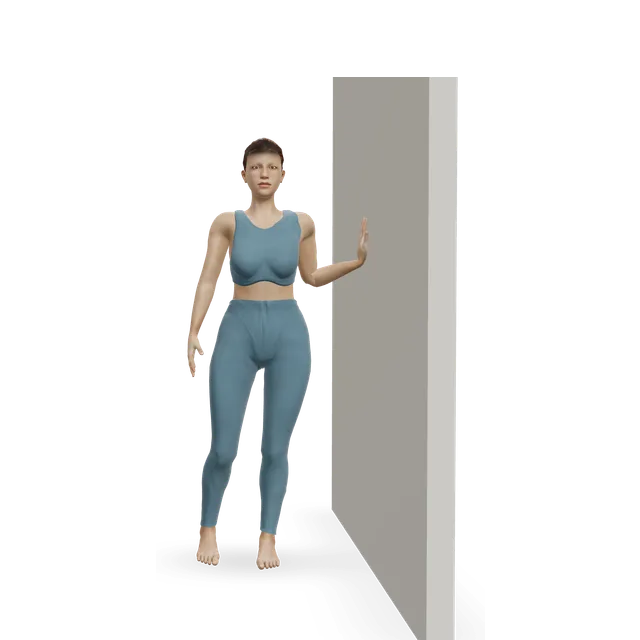
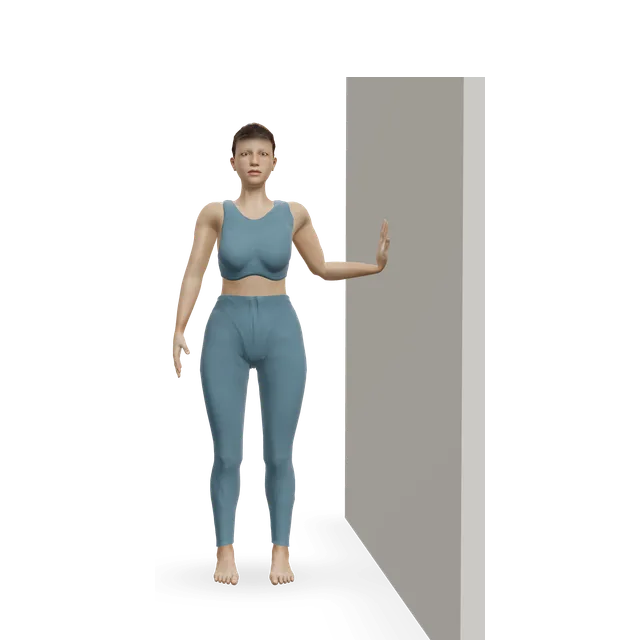
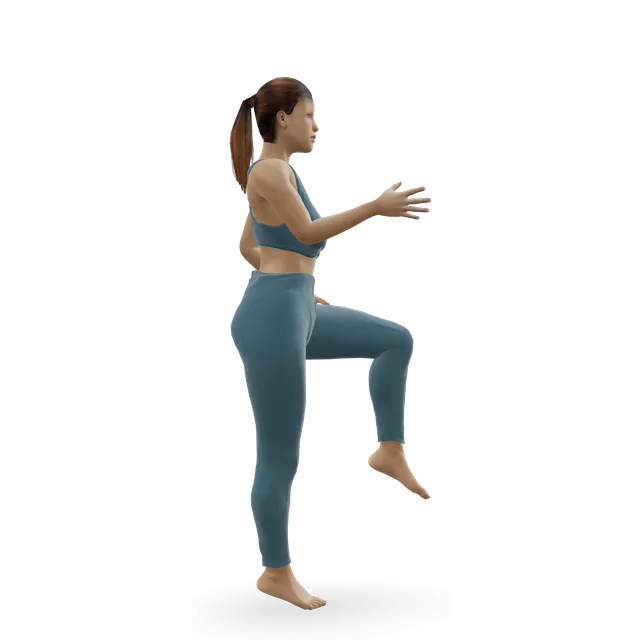
Kneel, lean, brake, catch
Kneel on a pad with your lower legs held, keep a straight line from your knees to your head, and lean forward as slowly as you can. When you can't hold it any more, catch yourself on your hands and push back up.
Source 1
Training guide
A Nordic curl is simple to describe and hard to do: kneel with your lower legs held, keep your body straight from your knees to your head, and lower yourself towards the floor as slowly as your hamstrings allow, then catch yourself with your hands. It builds your hamstrings' lowering strength by a large amount, and you can do it at home with a sofa, a strap or a band.
Programmes that include it were linked with about half as many hamstring injuries in sport, but trials of the Nordic on its own are less certain, and the benefit appeared only where people kept doing it.
This guide covers the exercise step by step on the 3D figure, how to do it without a partner, easier steps if you can't do one yet, how many and how often, the soreness, and what the evidence really says.
Kneel on a pad with your lower legs held, keep a straight line from your knees to your head, and lean forward as slowly as you can. When you can't hold it any more, catch yourself on your hands and push back up.
Source 1
Nordic training raises your hamstrings' strength while they lengthen under load (eccentric strength) by a large amount: about 10 to 15% on lab machines and 16 to 26% on Nordic test devices in trials.
Programmes that include the Nordic curl were linked with about half as many hamstring injuries, and a large football trial found about 70% fewer. But pooling only the trials that tested the Nordic on its own gives an uncertain answer.
In a low-certainty review of 15 football trials, prevention programmes cut hamstring injuries by about two thirds where players did at least 75% of their sessions, and showed no clear benefit below that.
Source 8
Start with 1 or 2 sets of 3 to 5 slow lowers, once or twice a week, and build to 2 or 3 sets of 3 to 6, twice a week (our editorial starting point). Low volumes built strength as well as high ones, and 29 to 64 reps a week was typical in a review of 42 studies.
Ball curls, slider curls, slider lowers, part-range and band-assisted Nordics all lead up to it. In one small trial in 31 young footballers, the band-assisted version built as much strength as the full exercise, with less soreness.
Source 11
From the University of Calgary's injury-prevention programme and our move page. Kneeling hip-width apart is our editorial suggestion.
Loading the 3D figure…
The movement on the figure: Nordic curl
Hook your heels under a heavy sofa, a loaded barbell or a Smith machine bar with a pad over your ankles, or use a Nordic strap round a door or bench, or the foot pads of a glute-ham bench. None of these has been tested on its own, but a rigid heel fixing worked as well as a partner in a study of 42 people (our reading).
Source 12
Whatever holds you mustn't lift or slide. Try a gentle lean before your first rep, and pad your ankles and knees (our suggestion).
A long band fixed high behind you and looped round your chest takes some of your weight as you lower. The band-assisted Nordic curl has its own page with written steps.
Source 11
The further forward you lean, the longer the lever your hamstrings must brake, so most people "break" and fall near the bottom. With a partner or a rigid heel fixing, 42 people broke at about 74 to 75 degrees of knee bend; a device that also fixed the kneeling height let them lean to 56 degrees, with more hamstring activity. Tilting the body 20 degrees up or down changed how hard it was in 13 people, which gives easier and harder versions.
In muscle activity and MRI studies, the Nordic worked the semitendinosus (an inner hamstring) more than the biceps femoris long head, the outer hamstring most often strained. A 45 degree hip extension favoured the outer one. Pointing the feet raised outer hamstring activity in a Nordic in 12 men.
The fibres of the outer hamstring got longer by about 9 to 24% in trials of 6 to 10 weeks. In 20 men those gains reversed within 2 weeks of stopping, while strength held for at least 4 weeks.
Work up in order, moving on when the top of a step's dose feels controlled. The doses are in the moves below.
Heels on a gym ball, hips up, roll the ball in and out: 2 to 3 sets of 8 to 12 (its move page). In 10 female athletes, the Nordic worked the hamstrings harder than the ball curl.
Source 20
Slider hamstring curls, 3 sets of 6 to 10 (our calisthenics workout), then the lowering-only version, 3 sets of 5 slow lowers of about 5 seconds (our editorial starting point). A towel on a smooth floor works.
In one small trial in 31 under-14 and under-15 footballers, 8 weeks of Nordics with an elastic band round the chest, going from heavy to light assistance, built the same Nordic strength as the unassisted exercise (about 20%), with less soreness and effort. 2 sets of 3 to 6, twice a week, from a heavier band to a lighter one, is our editorial starting point.
Source 11
Lean only as far as you can control, then push back up before you fall, a little further each week: 2 sets of 3 to 5 (our editorial starting point, as in our RDL guide).
Source 13
The full lowering, catching yourself on your hands: 2 or 3 sets of 3 to 6, twice a week (our editorial starting point, as in our sprint guide).
Pulling yourself back up with your hamstrings instead of pushing off your hands, once you can lower all the way under control (its move page). There's no evidence it protects you any better than the standard Nordic.
Ball curls 2 to 3 sets of 8 to 12 (move page); slider curls 3 sets of 6 to 10; slider lowers 3 sets of 5; band-assisted Nordics 2 sets of 3 to 6, which has written steps but no 3D demo yet; part-range Nordics 2 sets of 3 to 5; Nordics 2 or 3 sets of 3 to 6; the full Nordic 1 to 3 reps. All but the ball curl's are our editorial starting points.
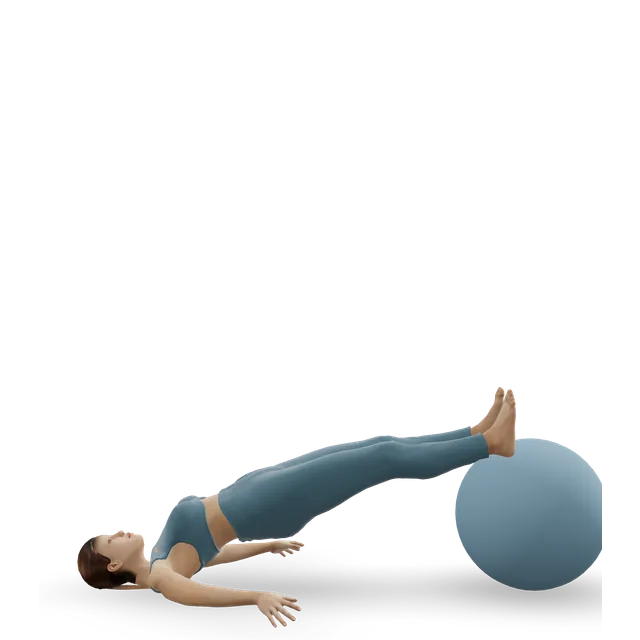 3D demoStability ball leg curlIntermediate · Exercise ball
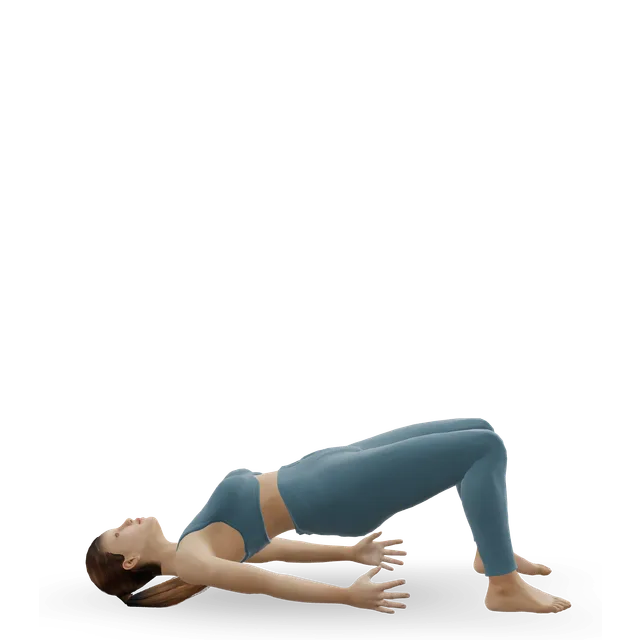 3D demoSlider hamstring curlIntermediate · No equipment
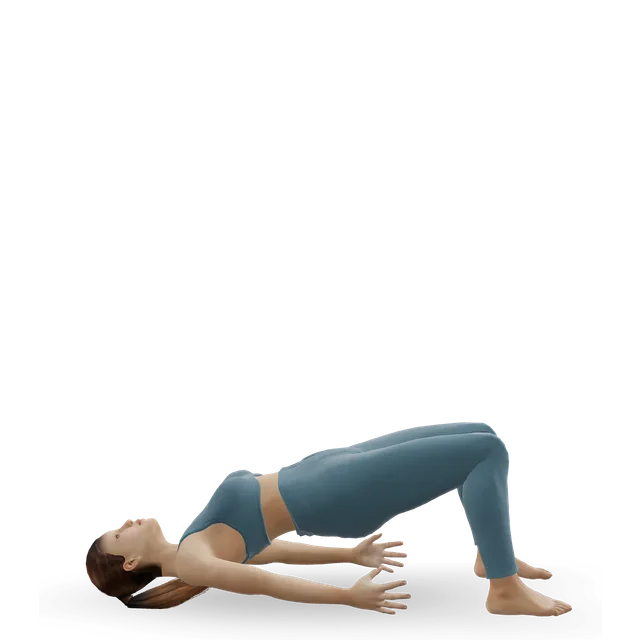 3D demoSlider hamstring curl, lowering onlyBeginner · No equipment
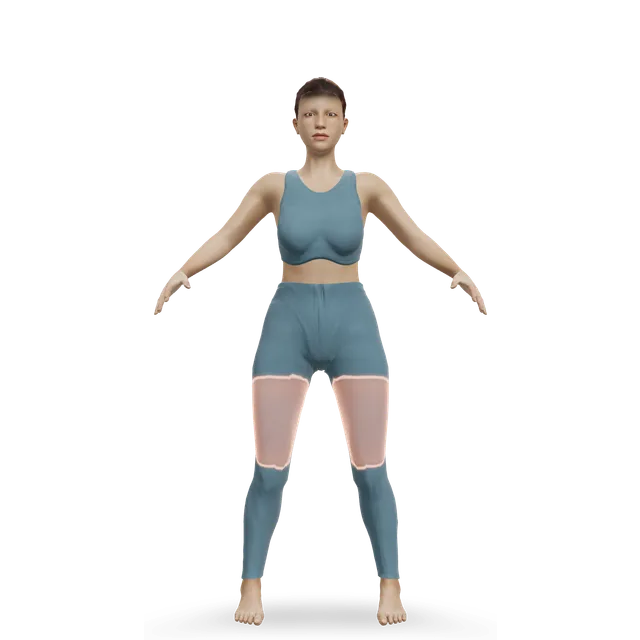 Band-assisted Nordic curlIntermediate · An anchor point + A band
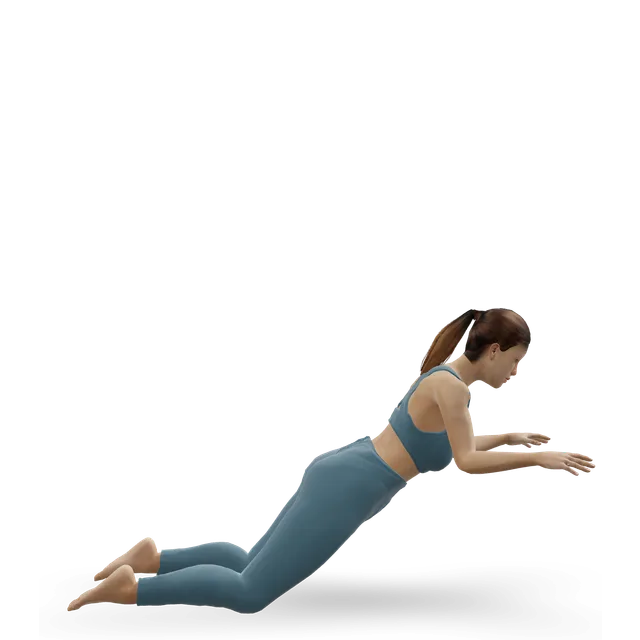 3D demoNordic curlAdvanced · An anchor point
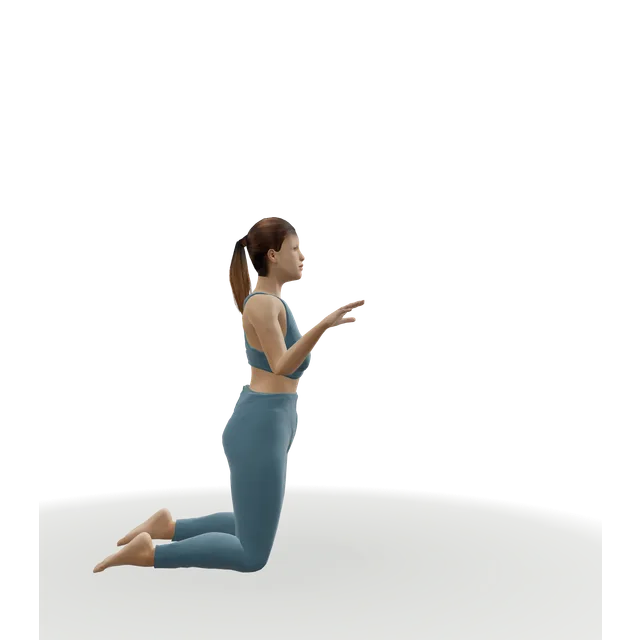 3D demoFull Nordic curlExpert · An anchor point
1 or 2 sets of 3 to 5 slow lowers, once or twice a week, for the first week or two (our editorial starting point). The Calgary programme's first level is 3 to 6 reps, and the FIFA 11+ warm-up starts at 3 to 5, as our football page sets out.
Source 1
2 or 3 sets of 3 to 6, twice a week (our editorial starting point, as in our sprint guide): 12 to 36 lowers a week. A review of 42 studies, at low to very low certainty, found that the amount didn't predict strength gains; the typical range was 29 to 64 reps a week over 2 or 3 sessions, after a gradual start.
Source 9
In 19 elite youth footballers, one set (4 Nordics and 6 stiff-leg deadlifts) raised lowering strength as much as four sets: 11.3% against 11.4%. Across 13 studies, low and high volumes gave similar, very large strength gains.
A review of 11 soccer studies found longer fibres and thicker muscle only with higher volumes (about 2 to 3 sets of 8 to 12, 2 or 3 times a week), not with low ones (1 to 2 sets of 3 to 5). Another review of 13 studies and a trial in 20 men found low volumes lengthened the fibres as much as high ones.
In 21 men over 6 weeks, twice a week gave bigger gains in Nordic strength than once a week, with similar gains in other tests.
Source 22
In the large Danish trial, players followed a 10-week progressive programme, then one session a week through the season. Our hamstring and groin injury prevention workout sets out a session-by-session build, which is that workout's reading of the trial.
Source 5
Once you've built up, keep at least one session a week: fibre-length gains faded within 2 weeks of stopping, and the injury benefit appeared only where players kept at it. Do Nordics after your warm-up or at the end of training, and not in the 48 hours before a match (our football page's suggestion).
After a first session of 24 reps, 13 trained men were weaker for 3 days and sorest on days 2 and 3. The same session 4 weeks later caused much less, with strength down for only a day: the repeated bout effect. The stretching discomfort of the lowering is normal; in the Calgary programme's words, "It should not be painful."
Start with very few reps, as our move page says. The band-assisted version gave less soreness for the same strength gain in one small trial, and a light first session protects you from later soreness, as our muscle soreness guide explains.
Source 11
Soreness is often blamed when teams drop the programme, though the direct evidence for that is limited.
Source 8
Across 15 studies of 8,459 athletes, women and men in several sports, programmes that included the Nordic curl had about half the rate of hamstring injuries (risk ratio 0.49), and 0.52 in the 8 randomised trials. In 5 soccer studies the figure was similar. A Danish sports physiotherapy statement in 2020 rated this evidence moderate to high quality, before the later re-analyses.
In 942 Danish players in 50 teams, there were 15 hamstring injuries in the Nordic group against 52 (3.8 against 13.1 per 100 player seasons); repeat injuries fell most. In 579 Dutch amateur players, injuries fell from 0.8 to 0.25 per 1,000 hours, with 91% of sessions done, though injuries weren't any less severe.
Only 5 of those 15 studies randomly assigned people to the Nordic itself. Pooled, they gave a risk ratio of 0.56 with a range from 0.20 to 1.52, which includes no effect. A 2026 analysis of 11 football trials put the Nordic on its own at 0.78 (0.34 to 1.78), at very low certainty, with no trial at low risk of bias.
In a trial of 508 male players, only 21% of those given the hamstring programme did the minimum training, and injuries didn't fall. In 259 Japanese high school players, injury rates were similar, though far less time was lost to injury.
In 15 football trials of 7,465 players, prevention programmes halved hamstring injuries overall (risk ratio 0.51), but only where players did at least 75% of sessions (0.36), not below that (0.92); each 10% more adherence lowered the risk by about 17%. The certainty was low. Two earlier reviews point the same way.
Only 10.7% of 150 elite club seasons used the full programme, 69% of Dutch amateur players never did it two years after their trial, and 13% of elite European teams used it, though those using it with the whole team had fewer hamstring injuries (5 against 11 per team).
Across 25 trials of 26,610 people, strength training cut sports injuries to under a third, while stretching made no difference. In elite soccer, teams that added eccentric hamstring work had fewer hamstring strains, while flexibility work alone didn't help.
In two cohorts, weaker lowering strength and shorter outer hamstring fibres went with more hamstring injuries, about 3 to 4 times the risk at the weakest levels. These are risk factors, not proof that changing them prevents injuries.
The main review included several sports and women as well as men. In professional rugby union, players who did Nordics had fewer and less severe hamstring injuries, and in professional baseball none of the 65 players doing them had one. Most of the randomised evidence is from football.
In one trial, Nordics made 10 m sprints slightly faster (by 0.047 seconds), and in another they didn't slow elite players down or cost them jump height. Across football trials, hamstring strength training improved sprints and jumps. In 35 female footballers, three hamstring programmes gave similar results over 4 weeks.
Our hamstring strain guide brings Nordics back in its late stage, at 2 to 3 sets of 4 to 6. In 8 athletes with a past strain, a sloped single-leg Nordic lengthened the shorter fibres of the injured leg, but that study had no comparison group.
Source 40
A deep ache at the sitting bone that's worse when you sit: leave Nordics out early on and follow our high hamstring tendinopathy guide.
In 21 footballers over 10 weeks, Nordics raised lowering strength by 11% and the hamstring to quadriceps strength ratio from 0.89 to 0.98, while ordinary leg curls didn't. For muscle size, seated leg curls grew the hamstrings more than lying ones (14% against 9%).
In 32 adults over 6 weeks, slow-lowering Romanian deadlifts and Nordics each grew hamstring area by about 10%. In 36 untrained adults over 9 weeks, stiff-leg deadlifts grew the hamstrings by 7.0% and Nordics by 11.4%, with the Nordic favouring the semitendinosus. Most people do a hinge and a curl each week, as our RDL guide suggests.
In a Nordic your hips stay straight; in a natural glute-ham raise you bend at the hips at the bottom and use them to come back up, which makes it easier (our move pages). Both train the hamstrings' lowering strength.
It shortens the lever and takes work off your hamstrings. Squeeze your glutes and keep the straight line from your knees to your head.
Source 1
Brake for as long as you can. The Calgary programme's cue: "Lean forward slowly until you cannot anymore."
Source 1
Or a partner who lets your legs lift. Test the set-up with a gentle lean first (our suggestion).
Cramp, or pain in a kneecap, behind the knee or in the calf, isn't the stretching ache in your hamstrings. Stop the set and use an easier step (our suggestion).
Pair a knee-bending curl with a hinge each week; each move page gives its dose. The Copenhagen plank is the groin exercise paired with Nordics in football programmes.
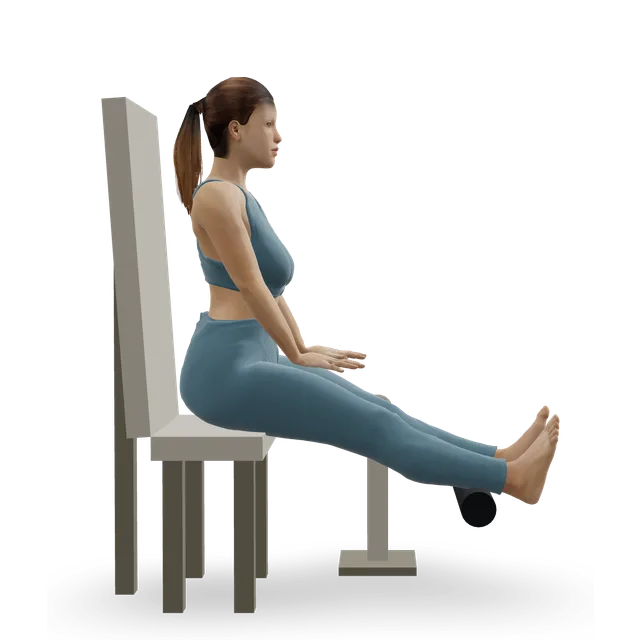 3D demoSeated leg curlBeginner · Strength machine
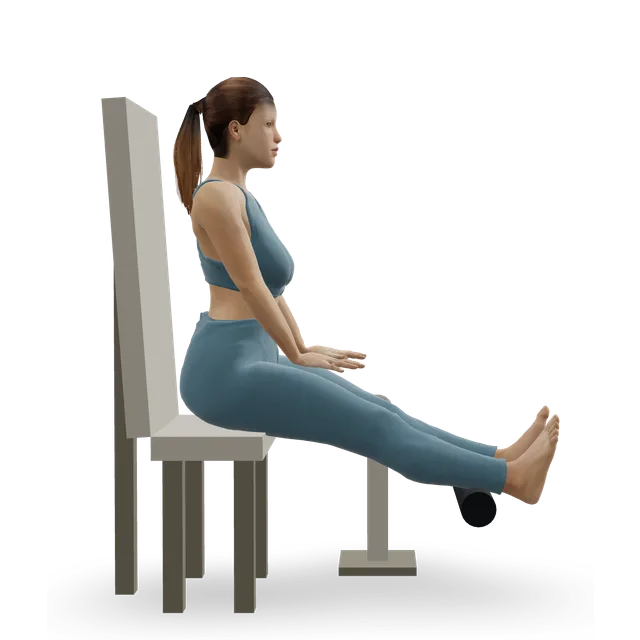 3D demoMachine leg curlBeginner · Strength machine
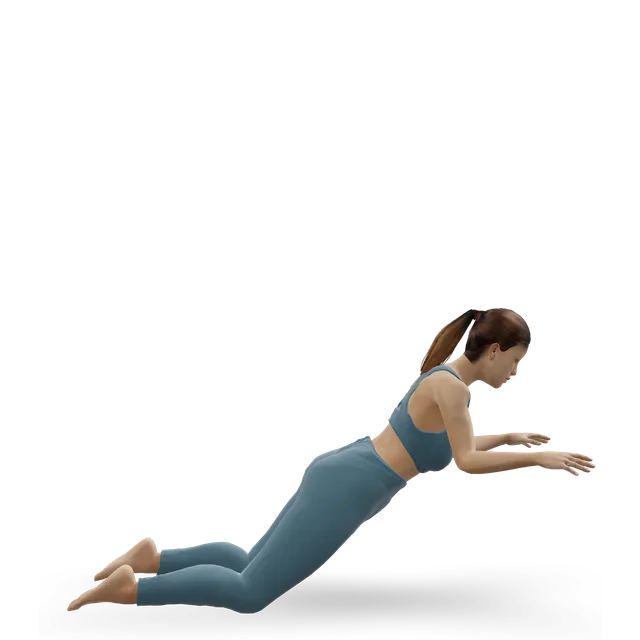 3D demoNatural glute-ham raiseAdvanced · Strength machine + A bench or box
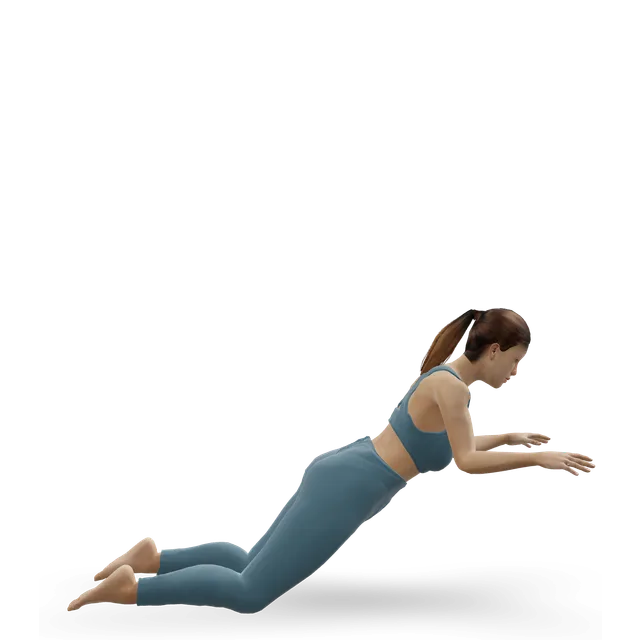 3D demoGlute-ham raiseAdvanced · Other / check instructions
 3D demoDumbbell Romanian deadliftIntermediate · A dumbbell
 3D demoSingle-leg Romanian deadliftAdvanced · A dumbbell
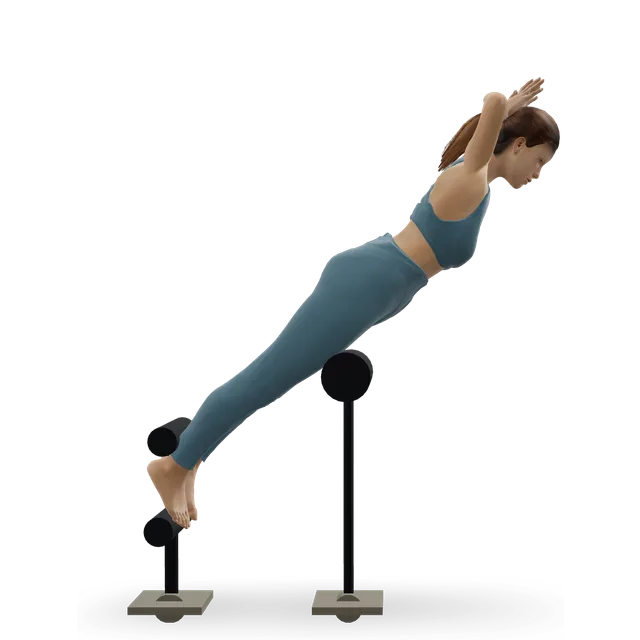 3D demoBack extension on a 45-degree benchIntermediate · A bench or box
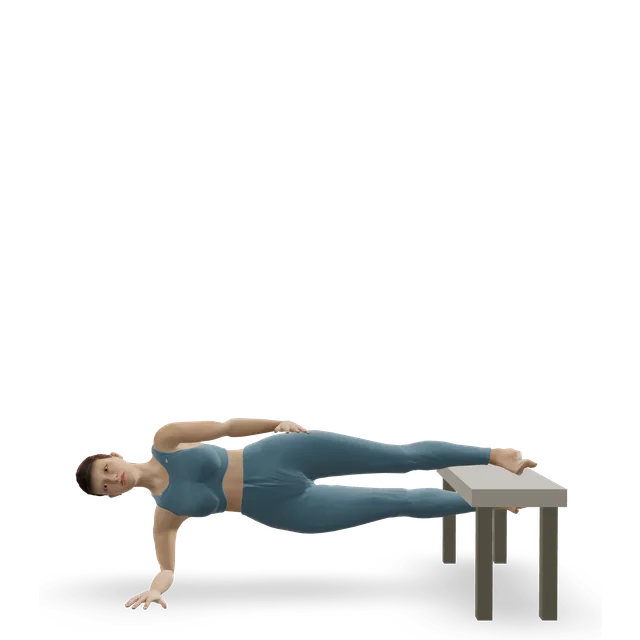 3D demoCopenhagen plankAdvanced · A bench or box
The Nordic curl progression climbs the ladder from ball curls to the full Nordic; the hamstring and groin injury prevention workout follows a football trial's build; the hamstring workout pairs Nordics with Romanian deadlifts and curls.
A 20-minute hamstring session to do twice a week, climbing from ball curls and slider lowers to Nordic curls and the full Nordic, at home or in the gym.
20 minBeginner8 movesExercise ball, An anchor pointThe Nordic hamstring and Copenhagen adduction programmes from the football trials: a 10-week build, three adductor levels, then once a week in season.
15 minIntermediate6 movesA wall, An anchor pointA 35-minute gym hamstring workout: Romanian deadlifts for the hip, seated leg curls for the knee, single-leg Romanian deadlifts, then Nordic curls when ready.
35 minIntermediate7 movesA dumbbell, Strength machineFIFA's 11+ injury prevention warm-up as its manual sets it out: running drills, strength, balance and jumping at three levels, then faster running.
20 minBeginner20 movesCardio machine, A wallA 45-minute speed session: running drills, five short accelerations and three flying sprints with full rest, then Nordic curls and calf raises.
45 minIntermediate11 movesCardio machine, A wallA 50-minute sprint and hurdles session: athletics' injury prevention programme, from planks to Nordic curls, then squats, split squats and Romanian deadlifts.
50 minIntermediate18 movesCardio machine, A wallA pop near your sitting bone, a large bruise high on the back of your thigh, or you can't put weight on the leg. The tendon may have pulled away from the bone, which needs assessing; our hamstring strain guide explains. The NHS says a severe hamstring injury can bring a snapping feeling or a "pop" with a sharp pain.
Source 48
In the US, contact your doctor or urgent care. For a hamstring that's very painful or getting worse, has a lot of swelling or bruising, hurts to walk or stand on, is very stiff or hard to move, or isn't improving after treating it yourself. For a knee that's very painful, can't take your weight, is badly swollen, or locks or gives way.
The NHS advises rest and protection for the first 2 to 3 days, and avoiding strenuous exercise such as running for up to 8 weeks. Our hamstring strain guide gives the staged return, with Nordics in its late stage.
Source 49
Delayed soreness is a dull, tender ache in both legs that comes on a day later and is worst 1 to 3 days after a session, as our muscle soreness guide explains. An injury brings a sharp pain at the back of the thigh at the moment it happens. Red, brown or cola-coloured pee with severe muscle pain or weakness after a hard session needs urgent medical help.
For sudden chest pain that doesn't go away or spreads, palpitations that don't stop, or if someone faints while exercising. For a headache that started suddenly and is extremely painful. For back pain with numbness or weakness in both legs, loss of feeling around your genitals or bottom, or changes in your bladder or bowels.
The main review covered several sports and both sexes, rugby union and baseball studies point the same way, and weak, short-fibred hamstrings predicted injuries in Australian football as well as soccer. Most of the randomised trials are in football, so the evidence is strongest there.
Programmes that include them were linked with about half as many injuries, and two large trials found big falls, but trials of the Nordic alone are inconclusive and the benefit appeared only where players kept at it. It's still worth doing for the lowering strength it builds.
For strength, no: low volumes did as well as high ones. One review found fibre length changed only with higher volumes, while others found low volumes enough.
We found no study showing harm. Kneeling on a hard floor can hurt your kneecaps, and pain behind the knee or in the calf is a reason to pad more, shorten the range or use an easier step.
Source 1
Kneel on a pad with your lower legs held, keep a straight line from your knees to your head, and lean forward as slowly as you can. When you can't hold it any more, catch yourself on your hands and push back up.
Hook your heels under something solid and padded that can't move, such as a loaded barbell or a heavy sofa, or use a strap round a bench or door. A fixed heel position worked as well as a partner in one study. Test it with a gentle lean first.
Work up the ladder: ball curls, slider curls, slider lowers, then part-range or band-assisted Nordics. In one small trial in young footballers, a band-assisted version built as much strength as the full exercise, with less soreness.
Start with 1 or 2 sets of 3 to 5 slow lowers, once or twice a week, and build to 2 or 3 sets of 3 to 6 twice a week. Across 42 studies, doing more didn't predict bigger strength gains, and 29 to 64 reps a week was typical.
Programmes that include them were linked with about half as many injuries, but trials of the Nordic alone are inconclusive. In football trials, the benefit appeared only where players did at least three quarters of their sessions.
No: the main review covered several sports and women as well as men. Anyone who sprints can use them, though most of the trials are in football.
It's a lowering exercise, the kind that causes the most delayed soreness: after a first session, soreness peaked 2 to 3 days later. It's much milder the next time, so start with a few reps and keep going.
Usually the kneeling, the anchor or cramp. Use a thick pad and a padded anchor, and swap to slider or ball curls if a kneecap or the back of your knee hurts; the stretching discomfort in your hamstrings is normal, pain isn't.
They do different jobs: Nordics and curls bend the knee, RDLs straighten the hip. Romanian and stiff-leg deadlifts grew the hamstrings about as much as Nordics in two trials, and the Nordic has the injury evidence. Most people do a hinge and a curl each week.
A little, perhaps: in one trial 10 m sprints got 0.047 seconds faster, and hamstring strength training improved sprints and jumps across football trials. They didn't slow players down.
Yes, later in your rehab: our hamstring strain guide brings them back in its late stage, at 2 to 3 sets of 4 to 6. With a high hamstring tendon problem, leave them out early on.
In a Nordic your hips stay straight; in a natural glute-ham raise you bend at the hips at the bottom and use them to come back up, which makes it easier. Both train the hamstrings' lowering strength.
Exercise education, not a personal prescription, and clinical review of these guides is pending. Check with a GP before starting hard training if you have a heart condition, chest pain, dizziness or breathlessness when active, and stop for sharp or increasing pain. Health disclaimer.