Pain guide · Leg pain

Hamstring pain when running: strain, sitting-bone tendon or back, and the way back to speed

Hamstring pain in runners usually takes one of three forms: a sudden strain at speed (strides, sprints, a fast finish), a deep ache at the sitting bone that builds over weeks and is worse uphill and sitting (a tendon problem common in distance runners), or pain spreading from the back. Each needs a different plan, and the back has warning signs that need 999.

This guide starts with those signs, then maps the causes, what to change in your running today, how much pain is fine, and a staged plan through lengthening and hip-hinge strength to the walk-jog programme an NHS sports medicine service uses, with speed coming back last and a 3D demo of every move. It teaches; it doesn't diagnose.

When to get help first

Exercise is for pain that has been checked or is clearly mild and settling.

Get urgent medical help if

  • Call 999 or go to A&E: loss of feeling or numbness around the genitals or bottom, new trouble peeing or controlling your bladder or bowels, changes in genital sensation during sex or problems with erections or orgasm, or pain, tingling, weakness or numbness in both legs. These are signs of cauda equina syndrome, which needs treating in hospital urgently. Don't drive yourself.
  • Same day: a pop near the sitting bone, a large bruise high on the back of the thigh, or you cannot put weight on the leg. The tendon may have pulled away from the bone, which needs assessing before you start these exercises.
  • Same day: a teenager with sudden, sharp pain at the sitting bone after a sprint, kick or jump, often with a pop, who can't carry on. A piece of growth plate can pull off the bone (an avulsion fracture); it needs an X-ray the same day and is easily mistaken for a strain.
  • Get help from NHS 111 if you think you've injured your hamstring and it's very painful or getting worse, there's a lot of swelling or bruising or it's getting worse, it hurts to walk or stand, the leg feels very stiff or is difficult to move, it isn't getting better after looking after it yourself, or you have a very high temperature or feel hot, cold and shivery.
  • Same day (urgent GP appointment or NHS 111): new difficulty lifting the front of your foot or toes (foot drop), or a foot that slaps down or catches as you walk, especially if it is getting worse. Weakness in both legs, or with numbness around the genitals or bottom or bladder or bowel changes, is the 999 emergency above.
  • Same day (GP or NHS 111): throbbing pain and swelling in one leg, usually the calf or thigh, with red, blue or darkened skin or swollen veins. This can be a deep vein thrombosis (DVT). It is more likely after surgery, a hospital stay, 3 or more days in bed, a journey of over 4 hours, pregnancy or a recent birth, cancer, a previous clot, or contraception or hormone replacement therapy (HRT) that contains oestrogen.
  • Call 999: calf or leg pain or swelling with breathlessness or chest pain. It could be a clot that has reached the lungs. Do not drive yourself to A&E.

See a doctor or physiotherapist if

  • Pain in the back of the thigh with tingling, numbness, or pain spreading below the knee: it may come from the back (sciatica).
  • Pain, tingling or numbness spreading below the knee that isn't settling after a few weeks, is getting worse or stops your normal activities: see a GP.
  • Deep pain low in the buttock with sitting and running that is not settling: possible high hamstring tendinopathy, which has its own guide.
  • A deep ache in the thigh bone that builds with every run and later hurts with walking or at night: stop running and get it checked. It can be a stress fracture of the thigh bone.
  • A stress fracture from ordinary activity, more than one stress fracture, periods that have stopped or become irregular, or worries that you're eating too little for your training: see a GP about bone health and energy intake.
  • Pain that is not improving after a few weeks, is getting worse, or is stopping your normal activities.

Where does it hurt?

Location narrows the likely causes; it does not diagnose.

Middle or upper back of the thigh, a sudden sharp pain

Sprinting, doing strides, finishing fast or accelerating, sometimes with a pop, then bruising after a few hours, a limp and tenderness in the muscle: a sprint-type hamstring strain.

Read: Hamstring strain →
High at the back of the thigh, near the sitting bone, during a deep stretch

A high kick, an overstriding step or a slip with the knee straight; milder at first, but slow to settle: a stretch-type hamstring strain.

Read: Hamstring strain →
A pop near the sitting bone with a large bruise, or you can't take weight

After a forceful hip bend with the knee straight, or a slip, with weakness bending the knee: the tendon may have pulled off the bone. Get it checked the same day.

A deep ache at the sitting bone, building over weeks

Worse running uphill, at speed and with long strides, then sitting on hard seats, stiff after sitting, with no single moment of injury: high hamstring tendinopathy.

Read: High hamstring tendinopathy →
Back of the thigh, with pain below the knee, tingling, numbness or back pain

Worse sitting, coughing or sneezing, and the leg pain is often worse than the back pain: sciatica.

Read: Sciatica →
Both legs, with numbness around the genitals or bottom, or bladder or bowel changes

Possible cauda equina syndrome: call 999 or go to A&E.

The buttock, without a sore sitting bone

With running and sitting. It can come from the hip, the back or the joint at the base of the spine (the sacroiliac joint); piriformis syndrome is one cause.

Read: Piriformis syndrome and buttock pain →
The back of the thigh, a cramp or tightness that passes

Late in a hard or long run: an exercise cramp. If the tightness stays or hurts after the run, treat it as a mild strain, as an NHS trust leaflet advises.

Read: Hamstring strain →
A teenager with sudden pain at the sitting bone after a sprint or kick

At the moment, often with a pop: a piece of growth plate can pull off the bone. It needs an X-ray the same day.

A deep ache in the thigh bone that builds with every run

Then with walking or at night, with one sore area on the bone: a possible stress fracture of the thigh bone.

Read: Stress fracture →
Behind the knee

With running and bending; a lump points to a Baker's cyst. Our knee pain when running guide maps the causes.

Read: Knee pain when running →
Low back pain with leg symptoms

During or after runs: our lower back pain when running guide covers it.

Read: Back pain when running →

Understand it

Three patterns, and the backEmerging evidence

Sprint-type strains happen while running fast: strides, sprints, a fast finish, a kick at the end of a race, or accelerating. In 18 elite sprinters with a first-time strain, every injury was in the long head of biceps femoris, the outer hamstring. The NHS says you may feel a sharp pain in the back of your leg, and with a severe injury a snapping feeling or a pop, then tenderness, swelling and bruising, and difficulty standing or walking. In elite track and field athletes, low back pain and hamstring cramping or tightness in the week before were each reported in 30% of injuries.

Stretch-type strains happen high up, near the sitting bone, during a slow, deep stretch with the knee straight: in 15 dancers, they involved a tendon near the sitting bone, with milder symptoms at first but a much longer recovery. High (proximal) hamstring tendinopathy is a deep ache at the sitting bone that builds over weeks, worse running uphill and at speed, lunging and sitting. In its largest trial, the participants "were largely recreational distance runners, mostly female (74%), with a mean age of 45 years", and had had it for about 2 years.

Pain can also come from the back: the NHS says sciatica usually affects your bottom and the back of one leg, often into the foot, with burning pain, tingling, numbness or weakness, and the leg pain is usually worse than the back pain. A nerve sensitive to stretch can sit behind repeated strains too: a nerve tension (slump) test was positive in 57% of 14 rugby players with repeated hamstring strains and in none of their matched controls.

Sources 1, 2, 3, 4, 5, 6, 7, 8

Who gets itEmerging evidence

Thigh muscle strains (quadriceps or hamstring) were 3.4% of new running injuries in pooled studies, and hamstring injuries 3% of injuries in new runners. Runners aged 40 and over reported more hamstring injuries than younger runners. In 44 sprinters, there were 0.87 hamstring injuries per 1,000 hours, and 58% of them came in the first 100 hours of the season.

Sources 9, 10, 11, 12

Why speed is the triggerEmerging evidence

The force on the hamstrings and the work they absorb rise sharply as running gets close to full speed, which is why strains cluster in strides, sprints and fast finishes. In a lab study of 20 people, the peak force on the outer hamstring at full speed was about body weight. The Romanian deadlift loaded it more, and the single-leg bridge, a lowering slider curl and the Nordic curl about as much as sprinting, the last two with little stretch.

Sources 13, 14, 1

When a scan helps, and what it can't tell youEmerging evidence

Most strains are diagnosed from the story and an examination. Elite programmes use magnetic resonance imaging (MRI) and the British Athletics Muscle Injury Classification, the system most experts use, because injuries that reach the tendon take longer and come back more often. For a recreational runner whose strain is improving, a scan rarely changes the plan (our reading).

An NHS trust keeps an ultrasound or MRI scan for a suspected severe injury or one that isn't improving as expected, and refers a complete tear at the base of the buttock to an orthopaedic surgeon; the NHS says the most serious tears may need surgery. For sitting-bone tendon pain, scan findings can mislead, as the high hamstring guide explains.

Sources 15, 16, 17, 18, 2, 5

How it usually goesEmerging evidence

In new runners, the middle time to recovery from a hamstring injury was 58 days. In trials of lengthening-based rehabilitation, elite footballers returned to full training in 28 days on average and elite sprinters and jumpers in 49; injuries reaching the tendon took 73 days against 31, and stretch-type injuries took longer than sprint-type ones (43 against 23 days). With British Athletics' approach, elite athletes were back in full training in 18.6 days on average (34 and 48 days for tendon injuries), and the time to pain-free jogging tracked the return.

Nearly a third of hamstring strains come back within the first year, a review says, and in Australian football the risk stayed raised for about 15 weeks after return. Sitting-bone tendon pain is slower: in its largest trial, most of the gain came by 12 weeks and it kept improving up to a year. No one can promise a date.

Sources 10, 19, 20, 18, 3, 14, 21, 6

What helps, and how strong the evidence is

Lengthening exercises got athletes back soonerEmerging evidence

Askling's lengthening exercises (the L-protocol) beat conventional exercise for the return to training in 75 elite footballers (28 against 51 days) and in 56 elite sprinters and jumpers (49 against 86 days). Neither trial was in distance runners. Our hamstring strain guide sets out the exercises.

Sources 19, 20

A tolerable level of pain is fine in strain rehabEmerging evidence

In 43 men with a hamstring strain, rehabilitation within a tolerable pain threshold returned them to sport as fast as strictly pain-free rehabilitation (a middle of 17 against 15 days) and recovered 15% more knee-bending strength. An NHS trust leaflet accepts some discomfort in the exercises, but says ease off for a sharp, shooting pain.

Sources 22, 15

Sitting-bone tendon pain: load it, and keep running within a limitEmerging evidence

In 100 people, mostly recreational distance runners, 6 sessions of individual, staged physiotherapy matched 6 sessions of shockwave therapy on overall improvement and function over a year, with the same advice in both groups. People kept running with pain up to 4 out of 10, or moderate discomfort, and no rise of more than 2 points over the next 12 to 24 hours. A review notes there is little trial evidence, and borrows principles from other tendons.

Sources 6, 5

The Nordic curl: stronger hamstrings, uncertain prevention, untested in runnersMixed evidence

Nordic training raised lowering (eccentric) knee-bending strength by 10 to 15% on a strength-testing machine, in a meta-analysis of trials. Programmes that included the Nordic curl went with about half as many hamstring injuries (15 studies, 8,459 athletes), and in men's football trials, injuries fell from 13.1 to 3.8 per 100 player-seasons, and from 0.8 to 0.25 per 1,000 hours.

But pooling only the trials that randomised people to the Nordic itself gave an inconclusive result; in 11 football trials, the Nordic alone gave a modest reduction that could have been chance; and athletics' own prevention programme, Nordics included, made no difference in 840 athletes, only 8.8% of whom did it as asked. No trial was in distance runners.

Sources 23, 24, 25, 26, 27, 28, 29

Speed comes back last, over several sessionsEmerging evidence

Because hamstring force rises sharply towards full speed, strides and sprints come back last. In elite track and field, the time to pain-free jogging tracked the time to full training, and an NHS trust leaflet warns that returning too quickly to high-speed activity can cause further injury. Adding speed over several sessions, never within one, is our order, not a tested rule.

Sources 13, 14, 3, 15

A quicker step isn't a hamstring fixEmerging evidence

In lab studies of healthy runners (45 and 30 people), taking more steps a minute raised hamstring activity and peak hamstring force in late swing, just before the foot lands. No study has tested a quicker step for hamstring pain, so this guide doesn't suggest it; it may suit the knee or the Achilles instead.

Sources 30, 31

How much pain is OK while you exercise?

Up to a tolerable level; the sitting-bone tendon has its own limitEmerging evidence

For a strain, this guide uses the hamstring strain guide's rule: mild to moderate discomfort that you find tolerable is fine during exercise; in a trial, working that way did no harm and recovered more strength. In the lengthening exercises, stop just before pain, as Askling's protocol does. Sharp pain, or a limp afterwards, means back off for a session or two. An NHS trust leaflet allows some discomfort, but says ease off for a sharp, shooting pain.

For sitting-bone (tendon) pain, the high hamstring guide's rule, from its largest trial: up to 4 out of 10 during exercise and running, and no more than 2 points worse over the next 12 to 24 hours.

Speed: strides and sprints only once easy running is pain-free and the lengthening exercises are pain-free at a moderate speed (the hamstring strain guide's check, editorial), and stop at the first hint of hamstring tightness. Shorten or stop any run that sends pain, tingling or numbness down the leg, as the back hub's rule says.

Sources 22, 19, 20, 15, 6, 7

The exercise plan: 3 stages

Start at the first stage. Each move opens a full guide with a 3D demo.

Stage 1

Settle: walk, load gently, no hard stretching

A strain: about days 1 to 7; sitting-bone tendon pain: about weeks 0 to 2. For a strain, walking, holds, gentle curls and Askling's Extender; for tendon pain, less deep hip bending (a cushion, a higher seat, no hamstring stretches), as the tendon trial taught. The order of this plan is editorial, built from the strain and tendon trials and a lab study. Doses are editorial unless a source is named.

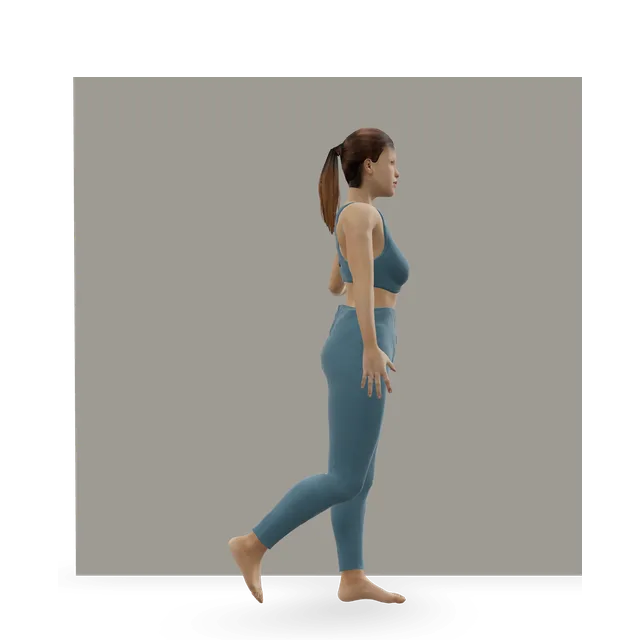
Treadmill walking demonstrated on the 3D figure3D demoTreadmill walkingBeginner · Cardio machine

Short walks as you can · Outdoors counts

Harder: Treadmill jogging

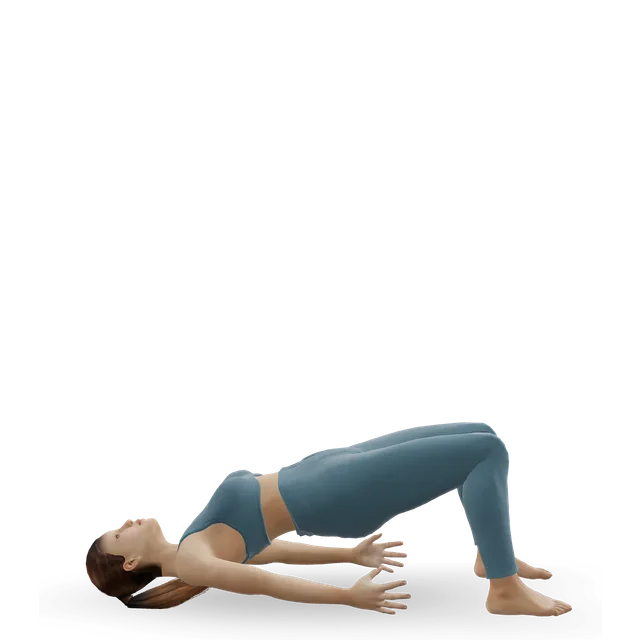
Glute bridge demonstrated on the 3D figure3D demoGlute bridgeBeginner · No equipment

5 holds of 20 to 30 s, both legs · As in the hamstring strain guide

Easier: Pelvic tilt into bridge · Harder: Single-leg glute bridge

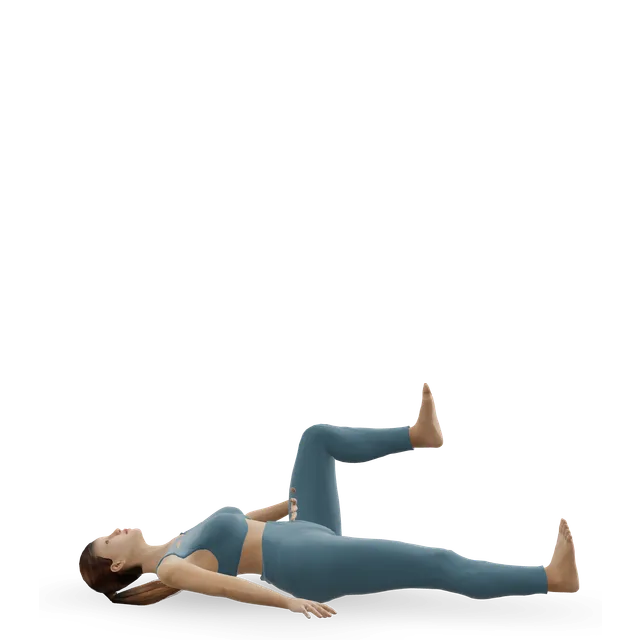
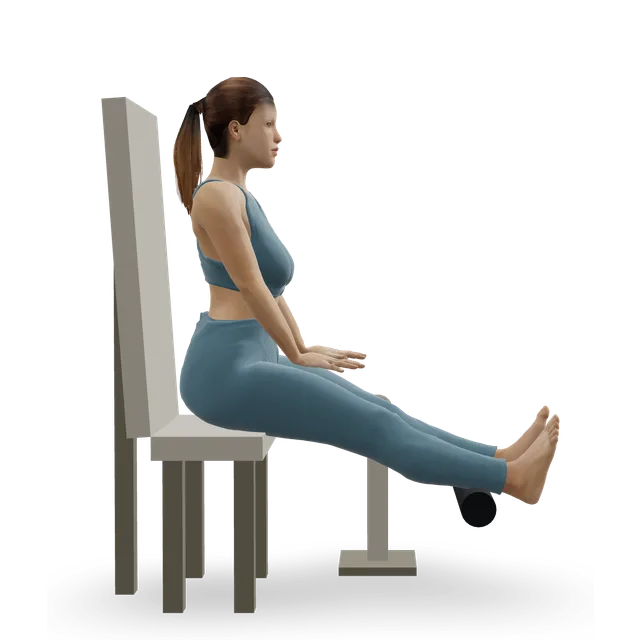
90/90 hamstring stretch (active knee extension) demonstrated on the 3D figure3D demo90/90 hamstring stretch (active knee extension)Beginner · No equipment

3 sets of 12 slow straightenings each leg, twice a day, stopping just before pain · For a strain. The move page's dose: the Extender in Askling's protocol. Leave it out with sitting-bone tendon pain, which deep hip bending presses on (our reading of the tendon trial)

Easier: Supine hamstring stretch with a strap · Harder: Contract-relax hamstring stretch (PNF)

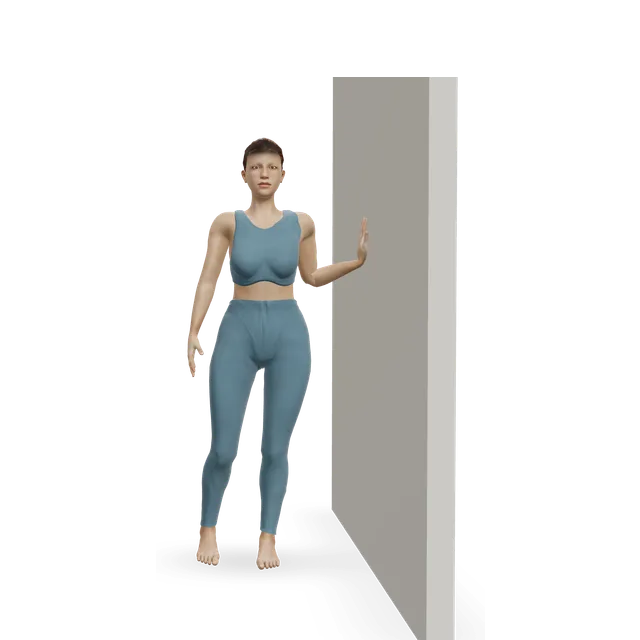
Standing hamstring curl demonstrated on the 3D figure3D demoStanding hamstring curlBeginner · A wall

3 sets of 10, 4 to 5 days a week, holding 5 s at the top; later add a light ankle weight · The move page's dose, from the American Academy of Orthopaedic Surgeons' programme. Standing keeps you off a sore sitting bone

Harder: Slider hamstring curl

Stationary cycling demonstrated on the 3D figure3D demoStationary cyclingBeginner · Cardio machine

20 min, easy, if it's pain-free · Raise the saddle if the sitting bone complains (our suggestion)

Easier: Recumbent exercise bike · Harder: Air bike intervals

Move on when: Brisk walking is pain-free; for a strain, the Extender reaches nearly full knee straightening; for tendon pain, sitting and walking are calmer.

Follow along: a timer, a cue and the next move, one step at a time.
Stage 2

Build: lengthening strength and the hip hinge

A strain: about weeks 1 to 3; tendon pain: about weeks 2 to 8. Loaded lengthening and single-leg strength, every other day, with easy jogging once it's pain-free. In a lab study these moves loaded the hamstrings about as much as sprinting, and the Romanian deadlift more, so they come before speed (our order). Doses are editorial unless a source is named.

Single-leg Romanian deadlift demonstrated on the 3D figure3D demoSingle-leg Romanian deadliftAdvanced · A dumbbell

3 sets of 6 each leg, bodyweight, every other day, stopping just before pain · As in the hamstring strain guide, its stand-in for Askling's Diver. Use a short range at first with sitting-bone pain

Easier: Dumbbell Romanian deadlift

Single-leg glute bridge demonstrated on the 3D figure3D demoSingle-leg glute bridgeIntermediate · No equipment

3 sets of 10 each side · About as much hamstring force as sprinting, in a lab study

Easier: Glute bridge · Harder: Barbell hip thrust

Slider hamstring curl, lowering only demonstrated on the 3D figure3D demoSlider hamstring curl, lowering onlyBeginner · No equipment

3 sets of 6 to 8 · High hamstring force with little stretch, in the same lab study

Harder: Slider hamstring curl

Hip-hinge practice demonstrated on the 3D figure3D demoHip-hinge practiceBeginner · No equipment

3 sets of 8 · As in the hamstring strain guide

Harder: Dumbbell Romanian deadlift

Dumbbell Romanian deadlift demonstrated on the 3D figure3D demoDumbbell Romanian deadliftIntermediate · A dumbbell

3 sets of 8, once the hinge is easy · As in the hamstring strain guide. The most hamstring force and stretch in the lab study, so later with sitting-bone pain

Easier: Hip-hinge practice · Harder: Single-leg Romanian deadlift

Move on when: These are pain-free at a moderate speed, and easy jogging is pain-free: in elite athletes, the time to pain-free jogging tracked the return to full training.

Follow along: a timer, a cue and the next move, one step at a time.
Stage 3

Walk-jog back, then speed, and keep the Nordic

A strain: from about week 3; tendon pain: from about week 8, running within the trial's limit throughout. Distance runners rebuild through the NHS service's walk-jog programme, and strides and speed come back last, adding speed over several sessions, never within one. The Nordic curl joins the weekly routine, with a dose borrowed from a trial in men's football; no Nordic trial has been done in runners.

Treadmill jogging demonstrated on the 3D figure3D demoTreadmill joggingIntermediate · Cardio machine

Every other day for 30 min: week 1, jog 1 min and walk 1 min; week 2, jog 2 and walk 1; week 3, jog 4 and walk 1; week 4, jog 9 and walk 1; week 5, jog 15 and walk 1; week 6, jog 30 min · The NHS service's programme: move up a level after a week without pain, and down a level if you get pain. Flat ground outdoors counts. With sitting-bone pain, keep to the tendon trial's limit: up to 4 out of 10, and no more than a 2-point rise over the next 12 to 24 hours

Easier: Treadmill walking · Harder: Sprint intervals

Nordic curl demonstrated on the 3D figure3D demoNordic curlAdvanced · An anchor point

2 sets of 5 in week 1, building over 10 weeks to 3 sets of 12, 10 and 8, then once a week · Borrowed from a trial in men's football, as our hamstring and groin injury prevention workout sets it out. Expect sore hamstrings at first

Easier: Slider hamstring curl · Harder: Full Nordic curl

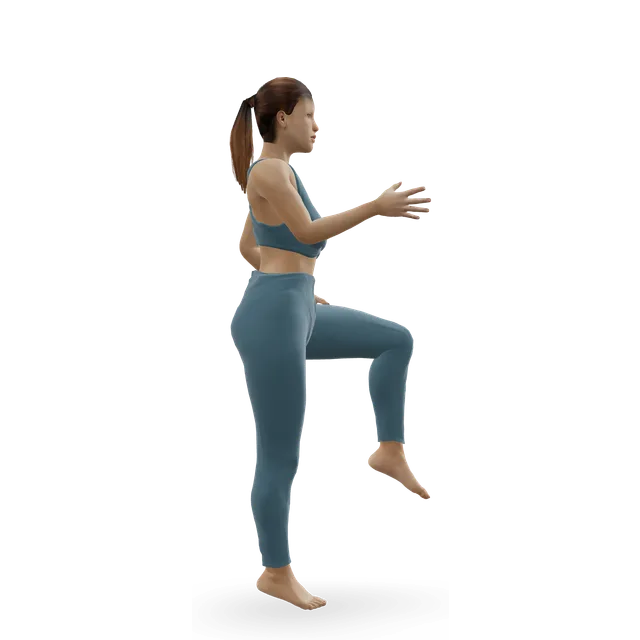
Skipping demonstrated on the 3D figure3D demoSkippingBeginner · No equipment

3 runs of 20 m · As in the hamstring strain guide

Easier: Ankle bounces (mini pogo) · Harder: Alternate-leg bounding

Sprint intervals demonstrated on the 3D figure3D demoSprint intervalsAdvanced · No equipment

4 to 6 strides of 60 to 80 m at 60 to 70% effort, adding speed over several sessions · Editorial; the 60 to 70% start is the hamstring strain guide's. Stop at the first hint of hamstring tightness, as the move page says

Easier: Treadmill jogging

Move on when: Easy running is back to normal and strides at full speed are pain-free. From week 7 of the walk-jog programme, add no more than about 10% a week, as the NHS service advises. The risk of another strain stays raised for about 15 weeks after you're back, so keep the strength work going.

Follow along: a timer, a cue and the next move, one step at a time.

What to change for now

What to change in your running today (written steps)

Our 3D figure can't show these changes. They come from the NHS, the hamstring trials, lab studies and an NHS service's return to running programme, and where a step is our suggestion, it says so.

  • 1. A sudden sharp pain at the back of the thigh: stop. The NHS says stop any sport or exercise if you start to feel pain in your hamstrings, then keep it moving once the pain allows.
  • 2. While it settles: no strides, sprints, fast finishes, steep hills or overstriding. Walk, then jog easily on the flat once brisk walking and the lengthening exercises are pain-free (the hamstring strain guide's rule).
  • 3. Sitting-bone pain: keep running within the tendon trial's limit (up to 4 out of 10, and no more than a 2-point rise over the next 12 to 24 hours). Cut uphill running, speed and long strides first (our suggestion, from the trial's advice on pressure on the tendon).
  • 4. Sitting-bone pain: sit on a cushion or a higher seat, take breaks from sitting, and leave out deep hamstring stretches; the trial taught people to limit pressure on the tendon, sitting included.
  • 5. Pain from the back: shorten or stop any run that sends pain, tingling or numbness further down the leg. With sciatica, the NHS advises carrying on with normal activities as much as possible.
  • 6. Don't chase a quicker step for the hamstrings: in lab studies of healthy runners, more steps a minute added hamstring work just before the foot lands.
  • 7. Keep each run within your longest pain-free run of the past month, and bring speed back in small steps over several sessions (our suggestion; single runs far beyond the recent longest went with more injuries in 5,205 runners). Every other day at first suits the NHS service's walk-jog programme.

Sources 2, 14, 13, 3, 6, 7, 30, 31, 32, 33

Stretching, massage, injections and surgery

Avoid overstretching in the first weeks after a strain, as an NHS trust leaflet advises; the lengthening exercises that helped are loaded, controlled movements stopped just before pain, not hard static stretches. Foam rolling has small, short-lived effects, and the hamstring rolling move's page says keep off a recent strain.

Shockwave therapy matched physiotherapy for sitting-bone tendon pain. A complete tear, or a tendon pulled off the sitting bone, needs an orthopaedic surgeon's opinion, and the NHS says the most serious tears may need surgery.

Sources 15, 19, 20, 34, 6, 2

Positions to swap, and why

Habit or positionWhy it mattersInstead
Strides, sprints, fast finishes and race efforts while it settlesThe force on the hamstrings and the work they absorb rise sharply towards full speed.Easy, flat running within the pain rule.Try: Treadmill jogging
Hard static hamstring stretches in the first weeks of a strainOverstretching early can strain healing tissue (an NHS trust leaflet), and the lengthening exercises that helped stop just before pain.Askling's Extender, stopping just before pain.Try: 90/90 hamstring stretch (active knee extension)
Hamstring stretches with sitting-bone painDeep hip bending presses the tendon on the bone, and the tendon trial taught people to limit that pressure.Bridges.Try: Glute bridge
Contract-relax stretching of a strained hamstringThe move page says it's not for a hamstring that is currently strained.Loaded lengthening, such as the single-leg Romanian deadlift.Try: Single-leg Romanian deadlift
Uphill running and long strides with sitting-bone painBoth load the tendon at the sitting bone (our reading of the tendon trial).Flat routes and shorter strides at an easy pace.Try: Treadmill jogging
Sitting on hard, low seats with sitting-bone painThe tendon trial's advice covered pressure on the tendon, sitting included.A cushion, a higher seat and breaks from sitting.
Chasing a quicker step to protect the hamstringIn lab studies of healthy runners, more steps a minute added hamstring work just before the foot lands.An easy pace with your natural stride.
Rolling a recent strainThe hamstring rolling move's page says keep off a recent strain.Gentle loading.Try: Glute bridge
Nordic curls in the first weeksThey're a late-stage exercise, and the move page warns of delayed soreness at first.The lowering slider curl first.Try: Slider hamstring curl, lowering only
Running through pain that spreads below the kneeThat points to the back, and the back hub's rule is to shorten or stop the run.Shorten the run or walk, and see the sciatica guide.

Routines to follow

More moves for this area

Questions people ask

Can I run with a hamstring strain?

Not straight away: stop when it happens. Easy jogging comes back once brisk walking and the lengthening exercises are pain-free, with strides and sprints last. In elite athletes, getting back to pain-free jogging tracked the return to training.

Why does my hamstring hurt when I run fast but not slow?

The force on the hamstrings and the work they absorb rise sharply as you get close to full speed, which is why strains happen in strides, sprints and fast finishes. Keep to an easy pace while it settles.

Why does it hurt high up near my sitting bone?

A deep ache there that built up over weeks, worse uphill and sitting, is usually high hamstring tendinopathy, which is common in recreational distance runners. In its largest trial, people kept running with up to 4 out of 10 pain and no more than a 2-point rise over the next day.

Is it my hamstring or my back?

Pain that spreads below the knee, with tingling, numbness or weakness, or that comes with back pain, points to the back (sciatica). Numbness around the genitals or bottom, or bladder or bowel changes, means call 999 or go to A&E.

Should I stretch my hamstrings?

Not hard in the first weeks of a strain, and not at all with sitting-bone pain, where stretches press on the tendon. Stretching doesn't prevent strains; the lengthening exercises that helped are loaded and stopped just before pain.

Do Nordic curls prevent hamstring injuries in runners?

They build lowering strength, and programmes that include them went with fewer injuries, mostly in football. Pooled properly, the effect is uncertain, and no trial has been in distance runners. They're in this plan's last stage as strength work.

How long does a hamstring strain take?

In new runners, the middle time was about 8 weeks (58 days). In trials with lengthening exercises, elite footballers took about 4 weeks and sprinters about 7, and strains reaching the tendon took longer. No one can promise a date.

Will changing my cadence help?

Not for the hamstrings: in lab studies of healthy runners, a quicker step added hamstring work just before the foot lands. It may help the knee or the Achilles instead.

Why does my hamstring keep going?

Nearly a third of strains come back within a year, and the risk stays raised for weeks after you're back. Build speed back over several sessions, and keep the strength work going.

Do I need a scan?

Usually not: most strains are diagnosed from the story and an examination. A pop at the sitting bone with a big bruise, or weakness bending the knee, needs a same-day check, because a tendon pulled off the bone may need surgery.

Is it a cramp or a strain?

A cramp passes within minutes. A tightness that stays, or hurts after the run, may be a mild strain: an NHS trust leaflet says mild strains may not hurt until after the activity is over.

Related exercise guides

Other pain guides

Sources

  1. Askling 2007 · First-time hamstring strains while sprinting in 18 elite sprinters (case series, AJSM)
  2. NHS · Hamstring injury
  3. Giakoumis 2025 · Hamstring injury signs and rehabilitation milestones in elite track and field (cohort, Scand J Med Sci Sports)
  4. Askling 2007 · Hamstring strains during slow stretching in 15 professional dancers (case series, AJSM)
  5. Goom 2016 · Proximal hamstring tendinopathy: assessment and management (review, JOSPT)
  6. Rich 2025 · Physiotherapy or shockwave therapy for hamstring tendon pain at the sitting bone (RCT of 100, AJSM)
  7. NHS · Sciatica
  8. Turl 1998 · Nerve tension in repeated hamstring strains (case-control study of 14 rugby players, JOSPT)
  9. Kakouris 2021 · Running injuries by body site and diagnosis (systematic review, Journal of Sport and Health Science)
  10. Nielsen 2014 · Time to recovery in 254 injured new runners (cohort, PLoS One)
  11. McKean 2006 · Injuries in masters runners (survey of 2,886 runners, Clinical Journal of Sport Medicine)
  12. Yeung 2009 · Hamstring injuries in 44 competitive sprinters (cohort, BJSM)
  13. Breed 2026 · Hamstring force and stretch in sprinting and in strength exercises (lab study of 20 people, BJSM)
  14. Erickson 2017 · Rehabilitation and return to sport after hamstring strain (review, Journal of Sport and Health Science)
  15. Essex Partnership University NHS Foundation Trust · Hamstring strains (physiotherapy leaflet, 2025)
  16. Paton 2023 · London international consensus on classifying hamstring injuries (Delphi study, BJSM)
  17. Pollock 2016 · Hamstring injuries reaching the tendon in elite track and field: a slower return and more recurrence (cohort, BJSM)
  18. Pollock 2022 · Four years of hamstring injury outcomes in elite track and field (cohort, BJSM)
  19. Askling 2013 · Two rehabilitation protocols after acute hamstring injury in elite footballers (RCT, BJSM)
  20. Askling 2014 · Two rehabilitation protocols after acute hamstring injury in elite sprinters and jumpers (RCT, BJSM)
  21. Orchard 2020 · A 15-week window for repeat muscle strains: 3,647 strains in professional Australian football (cohort, BJSM)
  22. Hickey 2020 · Pain-free vs pain-threshold rehabilitation after hamstring strain (RCT, JOSPT)
  23. Medeiros 2020 · Nordic hamstring training, lowering strength and fibre length (systematic review and meta-analysis, Journal of Sport Rehabilitation)
  24. van Dyk 2019 · The Nordic hamstring exercise halves hamstring injuries (meta-analysis of 8,459 athletes, BJSM)
  25. Petersen 2011 · Eccentric training and acute hamstring injuries in 942 men's football players (cluster RCT, AJSM)
  26. van der Horst 2015 · The Nordic hamstring exercise and hamstring injuries in amateur footballers (RCT, AJSM)
  27. Impellizzeri 2021 · The Nordic hamstring exercise trials re-analysed: an inconclusive preventive effect (re-analysis, J Clin Epidemiol)
  28. Hong 2026 · Exercise programmes to prevent hamstring injuries in football players (network meta-analysis of 11 RCTs, Sports Med Open)
  29. Edouard 2021 · An athletics injury prevention programme in 840 athletes (cluster RCT, International Journal of Environmental Research and Public Health)
  30. Chumanov 2012 · Muscle activity when running step rate rises, in 45 runners (lab study, Gait & Posture)
  31. Lenhart 2014 · Step rate and muscle and knee forces in 30 runners (lab study, Medicine & Science in Sports & Exercise)
  32. Frandsen 2025 · Single running sessions and injury risk in 5,205 runners (cohort, BJSM)
  33. Oxford University Hospitals NHS · Return to Running Programme (OxSport patient leaflet, 2024)
  34. Wiewelhove 2019 · Foam rolling, performance and recovery (meta-analysis of 21 studies, Frontiers in Physiology)
  35. NHS · Back pain
  36. Henry 2026 · Sports injuries of the hip in children and teenagers (review, Children)
  37. NHS · Deep vein thrombosis (DVT)

Exercise education, not a diagnosis or treatment plan. It is written from the guidelines and studies listed above; review by a clinician is pending. If your pain follows an injury, is severe, is getting worse, or comes with any warning sign listed on this page, get it assessed. Health disclaimer.