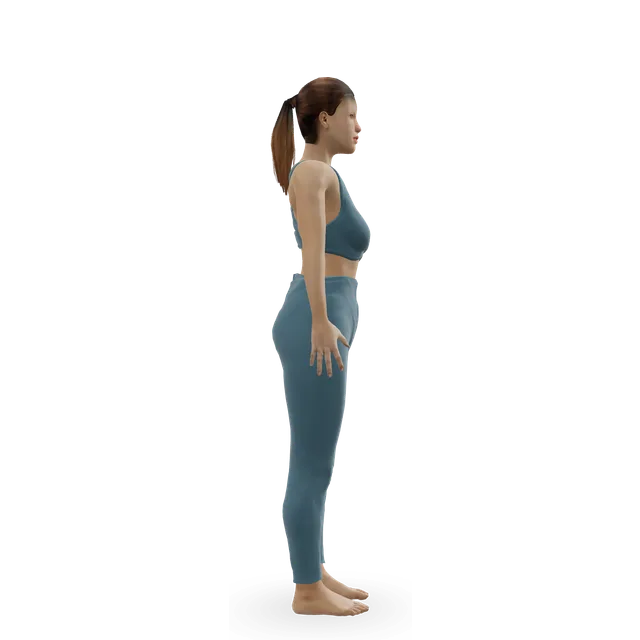
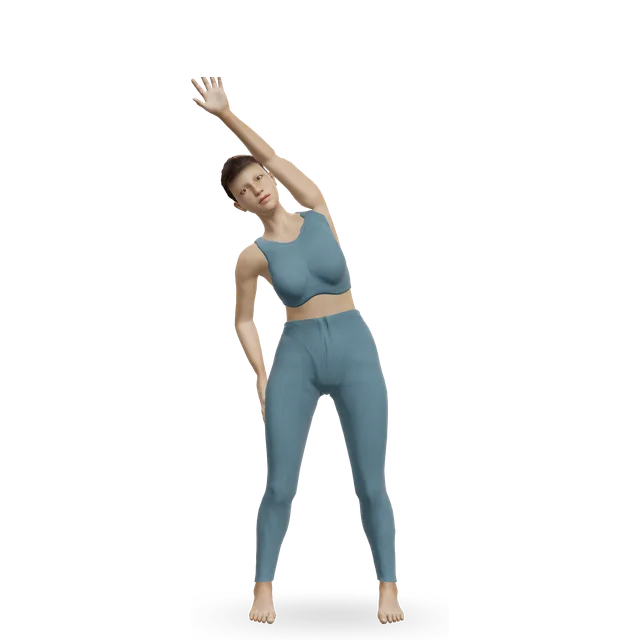
Movement linked to breath
The NHS says vinyasa flow places strong emphasis on connecting the breath with the yoga poses. The British Wheel of Yoga calls it a fluid form of yoga that can be quite athletic, and power yoga a form of it.
Yoga guide
Vinyasa yoga moves you from pose to pose in time with your breath, usually built around sun salutations. It grew from a 1930s Indian teaching style, through Ashtanga, into today's flow and power classes.
It's light to moderate exercise. The Compendium of Physical Activities rates vinyasa as light, at 2.7 METs (metabolic equivalents), while a lab study measured 3.6, which is moderate but below the 4.4 of a brisk walk. It counts as strength work and gives you some moderate minutes, but it isn't cardio in the way running is, and there are few trials of what it does for health.
This guide covers what a class involves, how hard it is, power yoga and Ashtanga, what the trials found and how to start safely, with a 30-minute beginners' flow and every pose shown in 3D.
The NHS says vinyasa flow places strong emphasis on connecting the breath with the yoga poses. The British Wheel of Yoga calls it a fluid form of yoga that can be quite athletic, and power yoga a form of it.
The Compendium of Physical Activities rates vinyasa at 2.7 METs, which is light; a lab study measured 3.6, which is moderate. The US physical activity guidelines list active forms of yoga, such as vinyasa or power yoga, among moderate-intensity activities.
In the lab, an hour of vinyasa used about 52 kcal (kilocalories) less than a self-paced brisk walk. By our arithmetic, an hour of vinyasa uses about 190 to 250 kcal for a 70 kg person, against about 335 for brisk walking.
Vinyasa helped women quit smoking in the short term in one small trial, and Ashtanga-based classes raised leg strength in another. Across 306 yoga trials, no style had better results than another.
In trials, yoga was as safe as usual care or other exercise, but in one study about 1 in 10 studio practitioners developed pain caused by yoga over a year. Teachers warn that repetition and tiredness are when form slips.
Choose a beginners' or slow-flow class, step back rather than jump, lower with your knees down, and rest in child's pose whenever your breath runs ahead (our suggestions, drawing on teacher advice and on the US National Center for Complementary and Integrative Health's advice to learn with a qualified teacher).
The NHS describes vinyasa flow as placing "strong emphasis on connecting the breath with the yoga poses", and says its 50-minute vinyasa video suits most people in good health with a reasonable level of fitness. The British Wheel of Yoga (BWY): "Vinyasa is a fluid form of yoga, in its practice you will be moving from one posture to another, coordinating with the breath. It can be quite athletic."
In Ashtanga yoga, each counted movement is a vinyasa, done on one breath in or one breath out, with a set point for your gaze. Sun salutation A has 9 of them, including the low push-up (chaturanga), upward dog and 5 breaths in downward dog. An Ashtanga school calls ujjayi, breathing through a slightly narrowed throat, "the foundation of vinyasa". More loosely, vinyasa means linked, flowing movement.
In the 1930s, T. Krishnamacharya taught yoga at the palace in Mysore, India. A Wellcome Collection history describes his system as postures joined by a repeating sequence based on sun salutations, each held for a relatively short time, in contrast with the older tradition of holding one pose for a long time, with counted breaths helping groups move together.
Pattabhi Jois's Ashtanga links its set series of postures in the same way, in a counted breath sequence, and still opens with 5 rounds each of sun salutations A and B. Power yoga arose in the West in the 1990s, from practitioners of Ashtanga and other styles.
Sequences vary by teacher. A measured power vinyasa class ran from an opening sequence through sun salutations, crescent lunges, balancing and standing poses and backbends to a restorative close, and in a similar lab class the last 15 minutes were the restorative part. Another 90-minute group class had a warm-up, fast sun salutations, other postures and a cool-down.
Some studios heat their vinyasa classes. Our hot yoga guide explains what the heat does and doesn't add.
Source 20
The 2024 Compendium of Physical Activities lists vinyasa at 2.7 METs, in the light range: the World Health Organization (WHO) puts light activity at 1.5 to under 3 METs and moderate at 3 to under 6. In a lab study of 38 adults, an hour of vinyasa averaged 3.6 METs, just into the moderate range, against 4.4 for brisk walking at their own pace. Both are averages over a whole class.
In a measured class, energy use and heart rate differed between sequences, and heart rate was lower in the opening and closing restorative sequences than in sun salutations, lunges, balances, standing poses and backbends. Fast sun salutations cost the most: 8 minutes of sun salutation B at high speed used about 19 kcal more than at standard speed.
A review of 17 studies classed yoga as typically light activity, with a few sequences, such as sun salutations, reaching moderate or vigorous. In yoga instructors, 10 minutes of vigorous sun salutations averaged 8.7 METs: short, fast bursts by experienced people can be vigorous.
In yoga, heart rate rises more than energy use: a review found that oxygen use usually classed yoga as light, while heart rate put different styles in several intensity bands. In the lab, walking at the same heart rate as the vinyasa class used more energy than the class.
By heart rate, people spent about 40% of an unheated community vinyasa class at moderate intensity. Because heart rate overstates yoga's effort, the true share of moderate minutes is probably lower (our reading).
For a 70 kg person, an hour of vinyasa uses about 190 kcal at the Compendium's 2.7 METs, or about 250 at the 3.6 measured in the lab, including the energy you'd use sitting anyway. That compares with about 280 for power yoga (from an estimated value), about 335 for brisk walking (4.8 METs) and about 595 for running at 12 minutes a mile (8.5 METs). In the lab, an hour of vinyasa used about 52 kcal less than a self-paced brisk walk.
The US physical activity guidelines list active forms of yoga, such as vinyasa or power yoga, among moderate-intensity activities. They say yoga can include time at light or at moderate intensity, and can be both aerobic and muscle-strengthening. The NHS asks for 150 minutes of moderate activity a week, where you can still talk but not sing, plus strength work on 2 days, and lists yoga among muscle-strengthening activities.
Our reading: the brisk parts of a class count toward your 150 minutes, the whole class counts as strength work, and a slow class mostly doesn't count as aerobic.
The BWY calls power yoga a form of vinyasa, and it arose in the West in the 1990s. It's usually faster and more vigorous. The Compendium's 4.0 METs for power yoga is an estimate, not a measurement; in 27 young adults, about 45 minutes of power yoga kept heart rates in the moderate and vigorous zones for more of the time than in the light zone, and they lost about 0.28 kg of fluid. A small pilot trial found power yoga improved slowness, stiffness and strength in 26 people with Parkinson's disease.
Ashtanga follows the same set series every time, opening with 5 rounds each of sun salutation A (9 movements) and B (17). The BWY describes it as a physically strong form of yoga with set sequences (the primary, intermediate and four advanced series), with ujjayi breathing central to its practice. Our types of yoga guide compares Ashtanga and vinyasa.
In community classes, heat made no significant difference to the time spent at moderate intensity by heart rate. Our hot yoga guide explains what heat does and doesn't add, and its warning signs.
Source 20
Start with a slow-flow or beginners' vinyasa class, and try power yoga or Ashtanga once the sun salutations feel easy (our suggestion).
A large research database lists about 30 papers with vinyasa, power yoga or Ashtanga in the title, mostly studies of energy use, surveys or plans for trials. There are no large trials of what vinyasa does for health.
Source 30
In 55 women having quit-smoking treatment, twice-weekly vinyasa classes raised quit rates at 8 weeks more than a wellness class did, but the difference wasn't significant at 6 months. The larger follow-up trial of 227 adults used Iyengar yoga, not vinyasa. Across 7 trials, yoga's effect on quitting was positive but inconsistent.
In 34 women aged 35 to 50, 8 months of twice-weekly Ashtanga-based classes raised leg-press strength by about 11%, while it fell by about 7% without them. Artery stiffness, blood pressure and bone density didn't change.
In a pilot trial of 26 people with mild to moderate Parkinson's, power yoga twice a week for 3 months reduced slowness and stiffness and improved strength and quality of life. It needs repeating in a larger trial.
Source 29
In 18 healthy adults, the top (systolic) blood pressure reading was 8 millimetres of mercury lower 5 minutes after an hour of vinyasa than after sitting, but no different an hour later. In 30 practitioners, an hour's class was followed by better measures of artery function and blood fats and less negative mood, in a study without a comparison group.
Inside a 6-month diet programme, 50 adults lost about the same weight with vinyasa as with restorative hatha yoga (3.8 against 3.4 kg). Our yoga for weight loss guide covers the rest.
Source 36
Across 218 exercise trials, the effect on depression grew with the intensity prescribed, and yoga was among the better types of exercise, on very low-certainty evidence. Vinyasa itself has been tested for low mood only in small studies without a comparison group, such as one of 11 people.
Across 306 randomised yoga trials, the share with positive conclusions didn't differ between styles.
Source 9
In sedentary cancer survivors, 40% reported mild to moderate pain with vigorous, vinyasa-based yoga, against 10% with restorative yoga.
Source 39
Across 94 trials with 8,430 people that reported harms, serious and non-serious problems were no more common with yoga than with usual care or other exercise, though reporting was often poor.
Source 10
Across 9 surveys, 4.6% of practitioners reported a problem linked to yoga in the past year, mostly sprains and strains, and meniscus (knee cartilage) injuries were more common than in people who don't practise. In 354 studio practitioners followed for a year, 10.7% developed pain caused by yoga, and more than a third of them lost practice time or had symptoms lasting over 3 months.
US emergency departments saw an estimated 63,280 yoga injuries from 2004 to 2023, with hip injuries a larger share at 45 and over; earlier data found the highest injury rate at 65 and over. Choose slower classes as you get older, and keep balance poses near a wall.
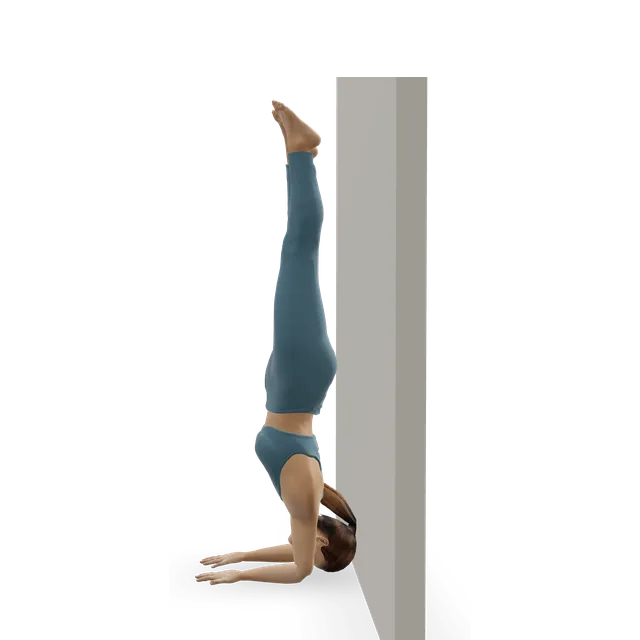
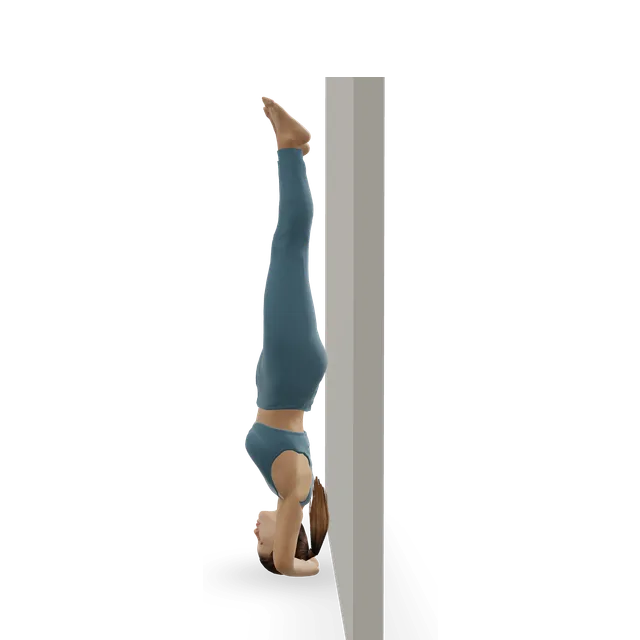
A review of 76 published cases of harm found headstand, shoulder stand, lotus and forceful breathing the practices most often involved, and a 2026 review of case reports found headstand the pose most often implicated. One case report describes compartment syndrome of the back muscles, with muscle breakdown, after a power yoga class; the person recovered fully.
Yoga teachers warn that repeated sun salutations, done fast or when tired, risk overuse, especially in chaturanga and warrior I. We found no study of chaturanga's load on the wrists or shoulders, so this is expert opinion.
The American Academy of Ophthalmology advises breathing out gently and slowly, avoiding breath holds or a restricted out-breath (as in ujjayi), avoiding strenuous inversions, and choosing a slower style that uses props. In a lab study, downward dog raised eye pressure the most of four head-down poses. Use a chair or wall for downward dog, half-way lifts instead of full folds, and normal breathing.
The US National Center for Complementary and Integrative Health advises avoiding hot yoga in pregnancy because it can cause overheating, and the NHS says it's not recommended to start a new vigorous activity in pregnancy. If you already practise, slow down, step rather than jump, swap face-down poses for all-fours, and see our pregnancy yoga guide.
Flowing sequences fold forward many times, and the UK consensus on exercise for osteoporosis advises modifying or avoiding sustained, repeated or end-range forward bending. Use half-way lifts with a long back, and hinge from your hips.
Source 49
Repeated chaturanga and upward dog load the wrists and shoulders. With pain, lower on your knees, use your forearms or fists, or leave out the push-up part (our suggestion).
Source 12
Our suggestions, drawing on teacher advice that repetition and tiredness are when form slips, and on the advice to learn with a qualified teacher:
Two or three classes a week of 45 to 75 minutes, with at least one other brisk activity a week, such as walking, cycling or running (our editorial starting point, from the guidelines and the measured intensities).
Breathe normally through your nose for a minute or two, do 8 slow waves of cat-cow (the move page's dose), then hold downward dog for 5 breaths with your knees bent.
Learn sun salutation A at one breath per movement, Ashtanga's count, lowering with your knees down and using low cobra until chaturanga and upward dog are comfortable; add sun salutation B once A is easy.
 3D demoSun salutation A (Surya Namaskar A)Intermediate · No equipment
 3D demoHip hinge foldBeginner · No equipment
 3D demoStraight-arm plank (high plank)Intermediate · No equipment
 3D demoKnee push-upBeginner · No equipment
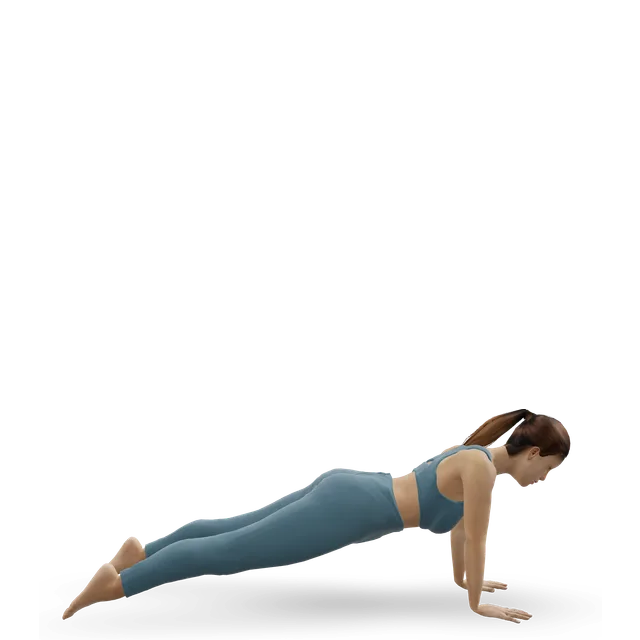 3D demoFour-limbed staff pose (Chaturanga Dandasana)Advanced · No equipment
 3D demoLow cobra (Bhujangasana)Beginner · No equipment
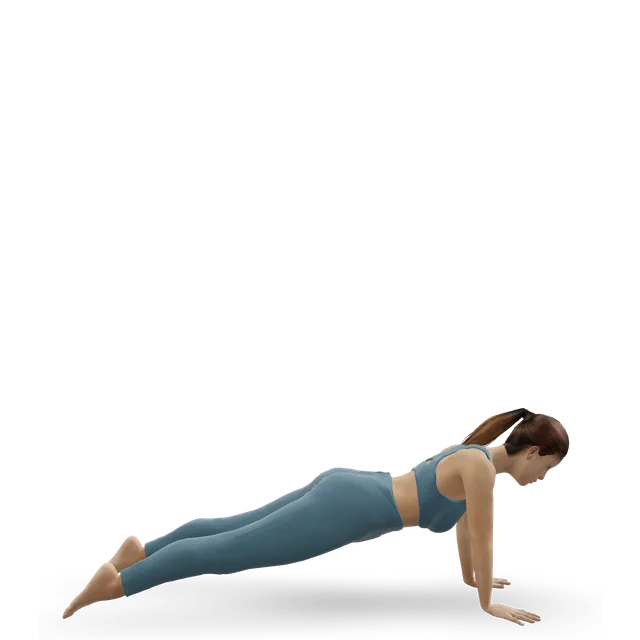 3D demoUpward-facing dog (Urdhva Mukha Svanasana)Intermediate · No equipment
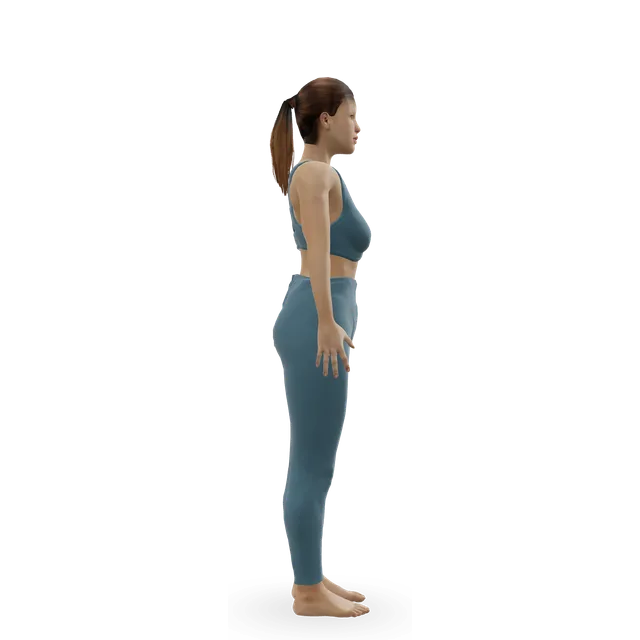 3D demoSun salutation B (Surya Namaskar B)Intermediate · No equipment
Hold each for 3 to 5 breaths a side (our suggestion), with balances near a wall.
 3D demoLow lunge (Anjaneyasana)Beginner · No equipment
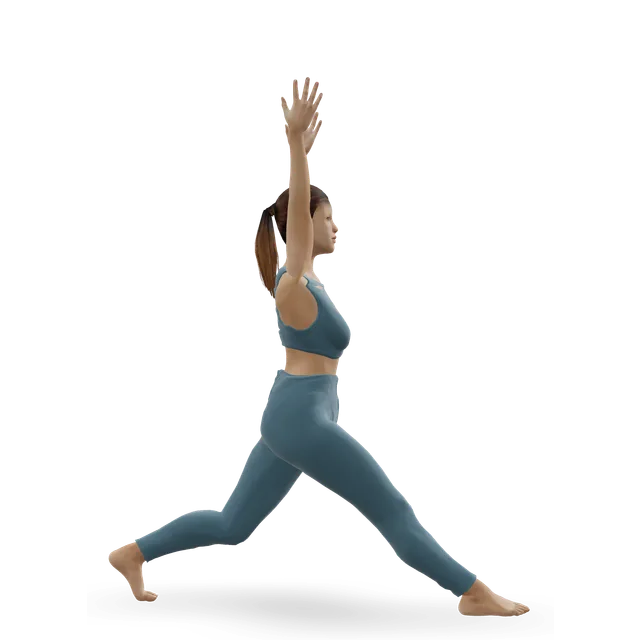 3D demoHigh lunge (crescent lunge, Ashta Chandrasana)Intermediate · No equipment
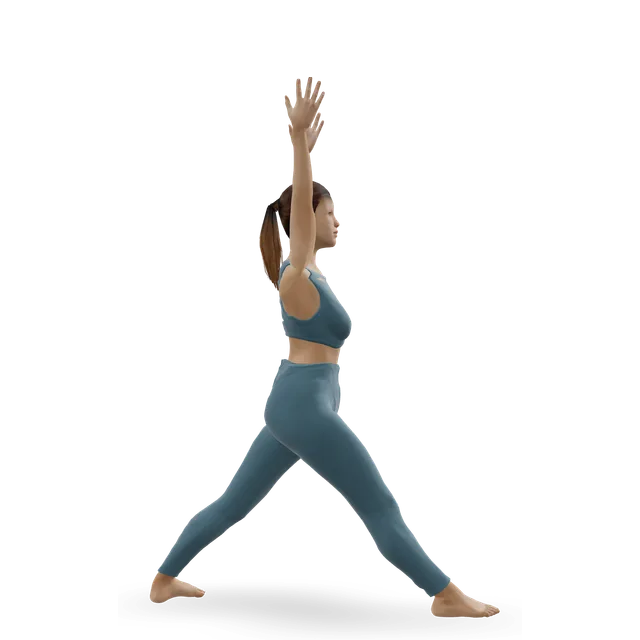 3D demoWarrior I (Virabhadrasana I)Intermediate · No equipment
 3D demoWarrior II (Virabhadrasana II)Intermediate · No equipment
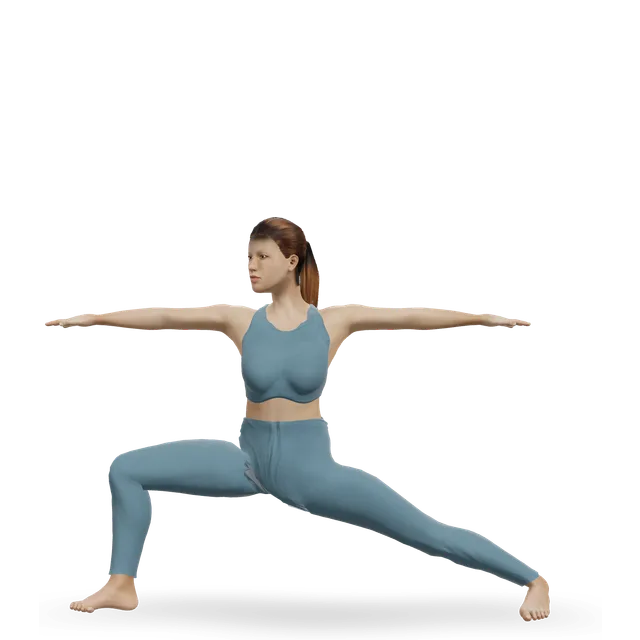 3D demoReverse warrior (Viparita Virabhadrasana)Intermediate · No equipment
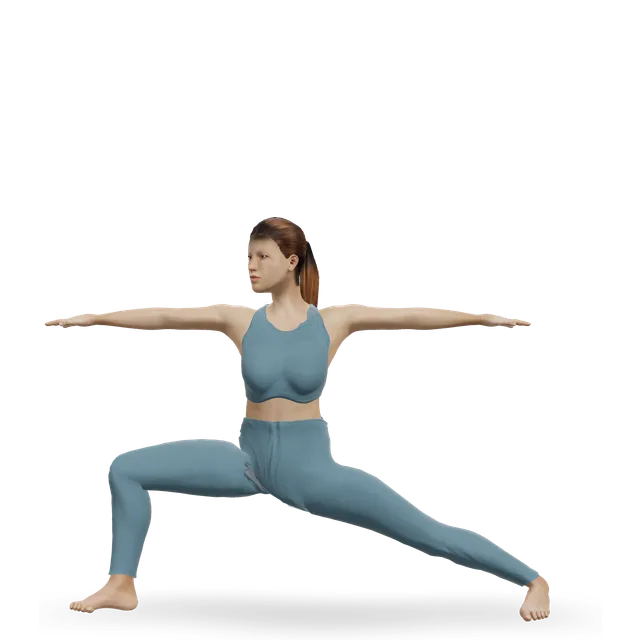 3D demoExtended side angle (Utthita Parsvakonasana)Intermediate · No equipment
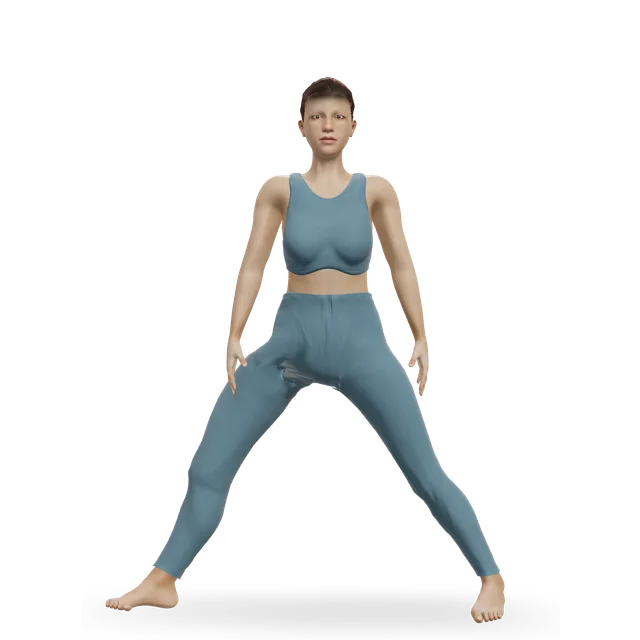 3D demoTriangle pose (Utthita Trikonasana)Intermediate · A step
 3D demoChair pose (Utkatasana)Beginner · No equipment
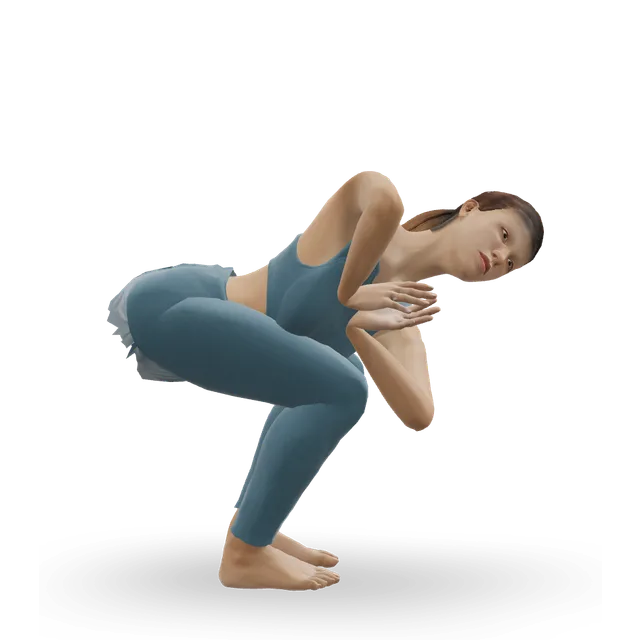 3D demoRevolved chair pose (Parivrtta Utkatasana)Intermediate · No equipment
 3D demoTree pose (Vrksasana)Beginner · No equipment
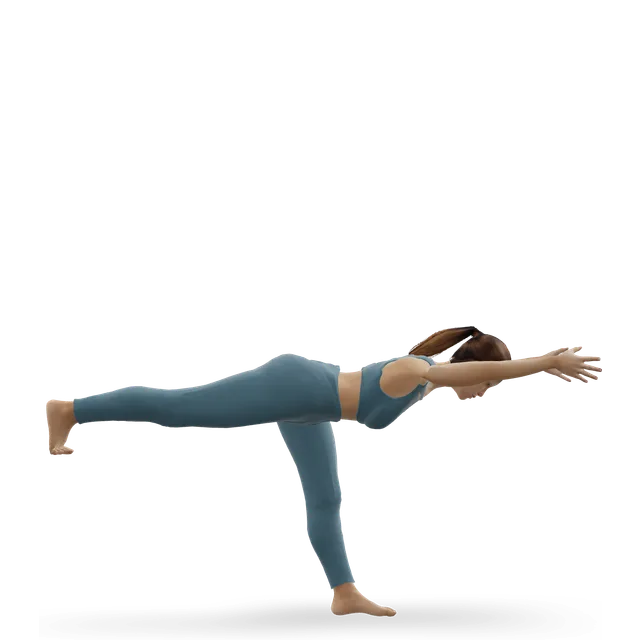 3D demoWarrior III (Virabhadrasana III)Advanced · No equipment
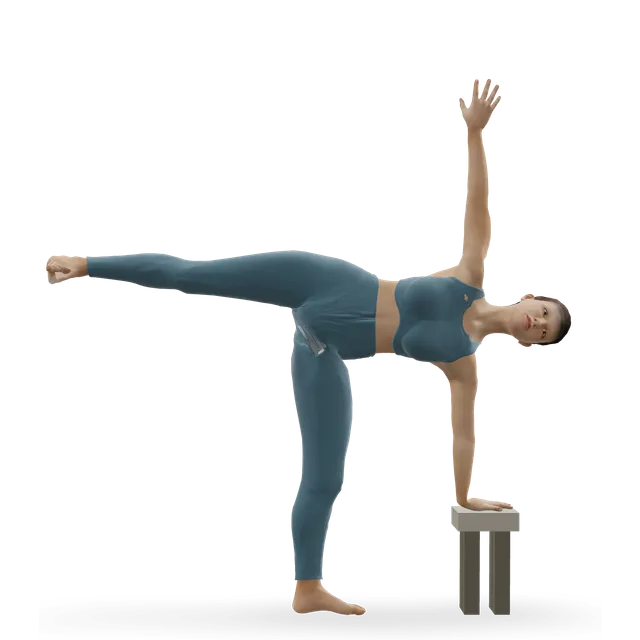 3D demoHalf moon pose (Ardha Chandrasana)Advanced · A step
Two or three holds of 3 to 5 breaths in the backbends and boat, 30 to 60 seconds in the fold and twist, and 3 to 5 minutes of corpse pose to finish (our suggestions; corpse pose's own page suggests at least 5).
 3D demoLocust pose (Salabhasana)Beginner · No equipment
 3D demoGlute bridgeBeginner · No equipment
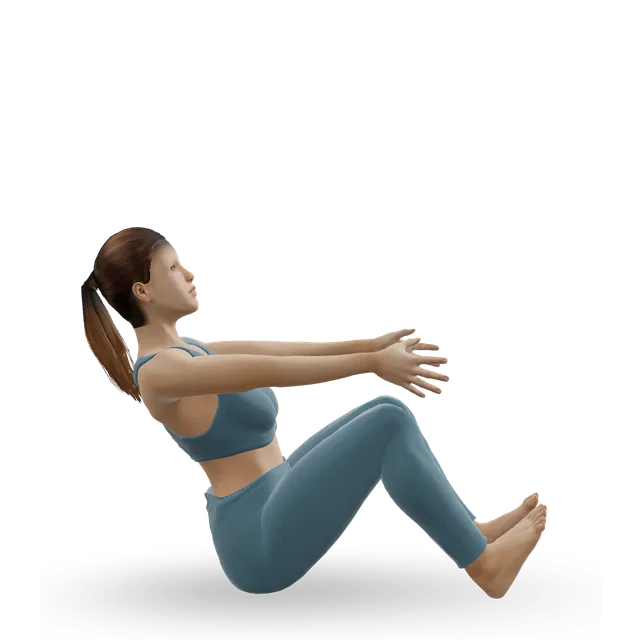 3D demoBoat pose (Navasana)Intermediate · No equipment
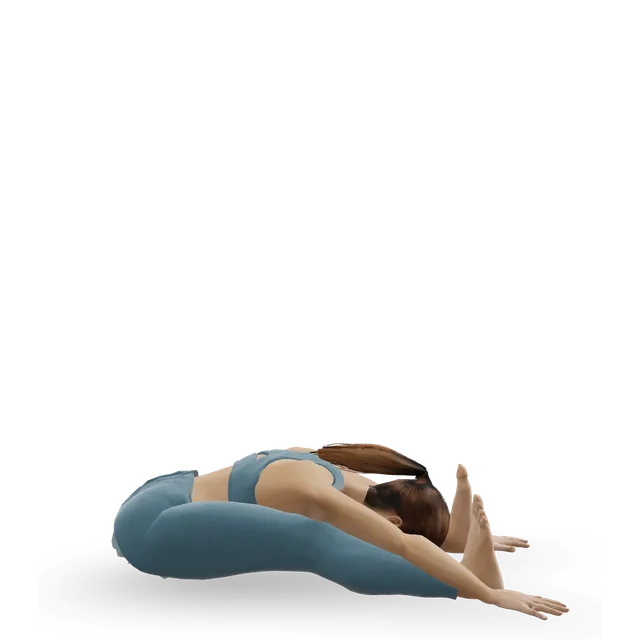 3D demoSeated forward fold (Paschimottanasana)Intermediate · No equipment
 3D demoSupine spinal twist (Supta Matsyendrasana)Beginner · No equipment
 3D demoCorpse pose (Savasana)Beginner · No equipment
Learn these with a teacher once the basics are easy, and skip the head-down balances if you have glaucoma.
Learn the sun salutation steps first, then follow the 30-minute beginners' flow. The walk and yoga workout adds the brisk walking that vinyasa alone doesn't give you.
A 30-minute beginners' vinyasa flow: sun salutations, lunges, standing poses, balances and backbends, moving with the breath at a slow pace, then a rest.
30 minBeginner16 movesNo equipmentA 20-minute way into sun salutation A: learn the standing half, then the floor half with your knees down and cobra, then link them into 3 slow rounds.
20 minBeginner11 movesNo equipmentA 20-minute flow built on sun salutations A and B, with warrior poses and a short cool-down.
20 minIntermediate8 movesNo equipmentA 45-minute session for weight loss and health: a 20-minute brisk walk, which does more for the scales, then a standing yoga flow for strength and balance.
45 minBeginner12 movesCardio machineA 20-minute beginner yoga sequence: mountain, chair, warrior II, triangle, tree, down dog, cobra and child's pose.
20 minBeginner11 movesA stepA 50-minute room-temperature version of the fixed standing-and-floor series taught in many hot yoga classes, built from poses with 3D demos. No heater needed.
50 minIntermediate23 movesFirm cushionFor chest pain that feels tight or like squeezing, or that spreads to your arms, neck or jaw, or chest pain with feeling sick or a racing, slow or fluttering heartbeat. In the US, call 911.
Source 50
Stop for dizziness, a headache, feeling sick, heavy sweating, pale clammy skin or cramps in your arms, legs or stomach: get somewhere cool, drink and cool your skin. It should improve within 30 minutes. Call 999 if it doesn't, or for hot skin that isn't sweating, a fast heartbeat, fast breathing or breathlessness, confusion, a fit or passing out.
Source 51
Very sore, swollen or weak muscles with dark, red or cola-coloured pee, or peeing less than usual, after an unusually hard class need medical help the same day: call NHS 111, or go to A&E if you feel very unwell. It has happened after a power yoga class.
Get advice before starting if you have a health problem, an injury or symptoms, have had a recent heart attack or operation, are pregnant or have recently given birth, or have high blood pressure that isn't under control or heart disease. Tell your teacher about any condition.
For sharp or increasing pain, tingling, numbness, dizziness, or pain in a joint as you come out. Rest in child's pose, and get it checked if it doesn't settle.
Running at 12 minutes a mile is 8.5 METs, against 2.7 for vinyasa, and measured vinyasa used less energy than brisk walking.
By heart rate, about 40% of a typical class reached moderate intensity, and heart rate overstates yoga's effort. Count the brisk parts toward your 150 minutes, and add walking, cycling or running.
In yoga, heart rate runs ahead of energy use, and our hot yoga guide explains that heat raises heart rate without raising energy use. Speed does add a little: fast sun salutations used about 19 kcal more in 8 minutes.
The breath-linked flow was developed in 1930s Mysore and spread through Ashtanga; power yoga dates from the 1990s.
Source 16
We found no study of detox claims, and sweat loss is water: about 0.28 kg in a 45-minute power class. Drink to replace it.
Source 28
Teachers warn that repetition and speed are where overuse comes from, and sedentary cancer survivors reported more pain with vigorous yoga than with restorative yoga.
Ashtanga repeats set series with counted breaths; vinyasa sequences change with the teacher.
A flowing style where you move from pose to pose in time with your breath, usually built around sun salutations. The NHS describes it as placing strong emphasis on connecting the breath with the poses.
In Ashtanga, each counted movement, done on one breath in or out, is a vinyasa; more loosely, it means linked, flowing movement. The style grew from teaching in Mysore, India, in the 1930s.
It's light to moderate exercise: 2.7 METs in the Compendium (light) and 3.6 measured in a lab (moderate), against 4.4 for brisk walking, with harder spells in sun salutations and lunges. Beginners' and slow-flow classes are gentler.
Partly. It counts as strength work, and the brisk parts give you some moderate minutes, though heart rate makes yoga look harder than it is. Add brisk walking, cycling or running for your heart and lungs.
About 190 an hour for a 70 kg person at the Compendium's value, or about 250 at the intensity measured in a lab, against about 335 for brisk walking (our arithmetic). Faster flows burn a little more.
A hatha class usually holds each pose for a few breaths; vinyasa flows between poses on the breath and works a little harder. Our hatha yoga and types of yoga guides compare them.
Ashtanga repeats the same set series with counted breaths, vinyasa sequences change with the teacher, and power yoga is a more vigorous form of vinyasa that arose in the 1990s. Our types of yoga guide compares them with the other styles.
Yes, in a beginners' or slow-flow class. Learn sun salutation A step by step, lower with your knees down, and rest in child's pose whenever your breath runs ahead; leave power and hot classes until the basics feel easy.
In trials it was about as safe as other exercise, but injuries happen, mostly sprains and strains, and teachers warn that repetition when you're tired is where people get hurt. In one study, about 1 in 10 studio practitioners developed pain caused by yoga over a year.
Talk to your eye doctor first. Keep downward dog and folds brief or supported, skip headstands, and breathe out normally rather than with ujjayi's narrowed throat.
If you already practise, you can usually carry on with changes, but don't start new vigorous exercise and avoid hot classes. Step rather than jump, and see our pregnancy yoga guide.
Only if the class is heated: some studios heat their vinyasa classes. Heat raises heart rate and sweat loss rather than energy use, as our hot yoga guide explains.
Exercise education, not a personal prescription, and clinical review of these guides is pending. If you are pregnant, have a health condition such as glaucoma, high blood pressure or osteoporosis, or have had recent surgery, check with a doctor, midwife or physiotherapist before starting, and stop for sharp or increasing pain. Health disclaimer.