A short-lived gain in range
Across 26 trials, one session of rolling gave a large short-term gain in how far a joint moves compared with doing nothing, and about the same gain as stretching. It lasts from a few minutes to about half an hour.
Fascia guide
Foam rolling means using a foam cylinder and your own body weight to press and roll a muscle. Roll each muscle slowly for about 90 seconds, at a pressure you can breathe through, and you'll usually move a little further for a few minutes and feel slightly less sore after a hard session.
What rolling can't do is break up knots, release fascia or fix long-term pain. Changing the shape of dense fascia takes far more force than your body weight on a roller, and most of what you feel comes from your nervous system.
This guide shows how to roll each area with 3D demos, how long and how hard to roll, when to do it, who should skip it, and routines to follow.
Across 26 trials, one session of rolling gave a large short-term gain in how far a joint moves compared with doing nothing, and about the same gain as stretching. It lasts from a few minutes to about half an hour.
About 90 seconds was the least that changed range on the calf or eased soreness after exercise. Rolling at about 4, 6 or 8 out of 10 for discomfort gave the same gain, and 10 minutes on one muscle did no more than 2.
Squeezing the dense fascia of the thigh or sole by even 1% needs forces far outside the body's normal range. The looser feeling comes mostly from your nervous system tolerating more stretch.
Rolling did no more for flexibility than any other warm-up activity. After a hard session, about 90 seconds per sore muscle eased soreness a little over the next 1 to 3 days.
Keep off the neck, bones and joints. Roll the iliotibial (IT) band on the outer thigh gently, if at all: one session didn't change its stiffness, and the extra hip range was gone within 10 minutes. Never roll a calf that is swollen, red or throbbing, as it can be a blood clot.
The set-up comes from the move's own page, the pass speed from a clinical commentary (Behm 2020), the 90 seconds from a calf trial (Nakamura 2021) and the pressure from a thigh trial (Grabow 2018). Never roll a calf that is swollen, red or darkened, or throbbing: it can be a blood clot, so ask for an urgent GP appointment or call 111, and call 999 if you're also short of breath or have chest pain.
Loading the 3D figure…
The movement on the figure: Calf foam rolling
1 to 3 rounds of 30 to 120 seconds per area, each pass taking 2 to 4 seconds, at a moderate pressure: the range a clinical commentary on rolling gives.
Source 15
At least 90 seconds per area. On the calf, a single 30-second bout did nothing, while 3 rounds of 30 seconds raised ankle range.
Source 2
About 90 seconds or more per sore muscle, for example 2 rounds of 45 seconds. In a review, about 90 seconds looked like the least that worked, and pooled trials found the biggest drop in soreness 48 hours after exercise.
On the hamstrings, 10 minutes of rolling did no more than 2 minutes for flexibility, strength or markers of muscle damage.
Source 7
Use a pressure you can breathe through. Rolling the front of the thigh at about 4, 6 or 8 out of 10 for discomfort gave the same range gain, and soft, medium and hard rollers did about equally well. Our suggestion is to stay around 4 to 6 out of 10.
Roll 2 to 3 times a week for more than 4 weeks. In reviews, shorter programmes didn't add lasting range, and stretching did better over 4 weeks or less. The thighs gained range in these programmes; the calves didn't.
Daily rolling is fine if it feels good: that's our editorial view, as no trial has tested daily rolling. The programmes that changed range used 2 to 3 sessions a week.
Most of these move pages give about 90 seconds per muscle: roll slowly at a pressure you can breathe through, never on the neck, and keep the lower back roll optional and beside the spine.
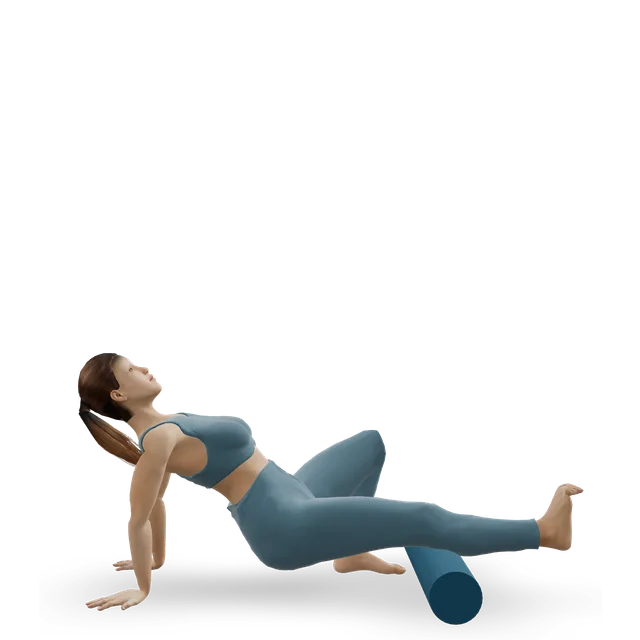 3D demoCalf foam rollingIntermediate · A foam roller
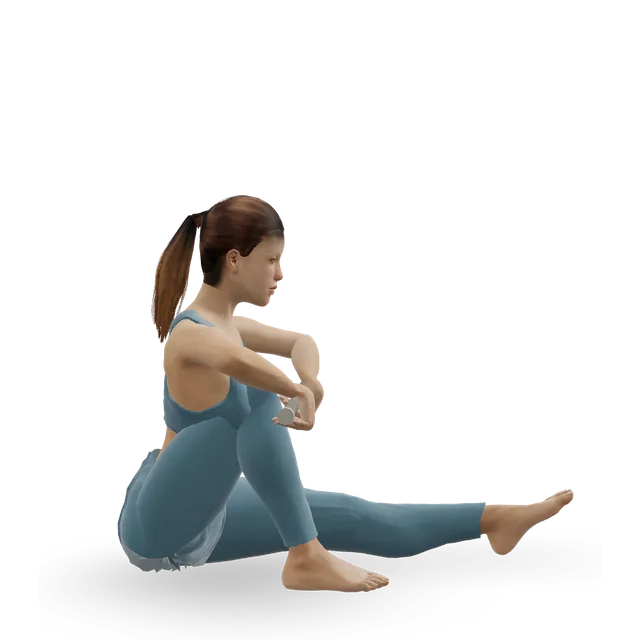 3D demoShin rolling with a massage stickBeginner · Other / check instructions
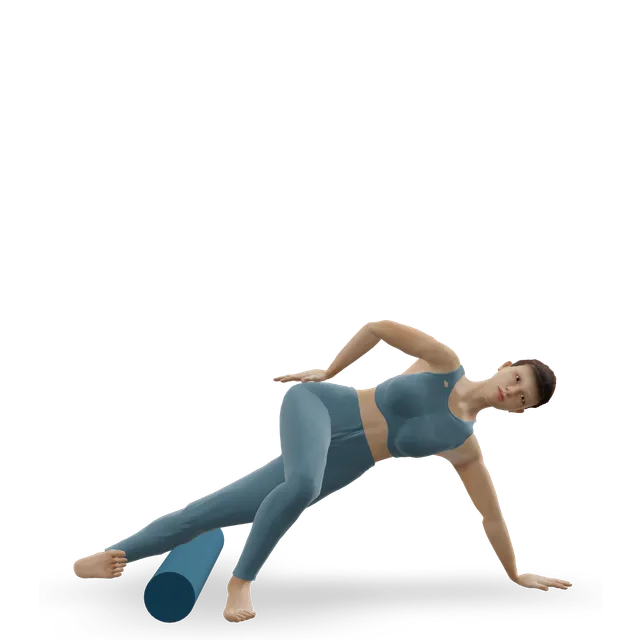 3D demoOuter shin foam rolling (peroneals)Intermediate · A foam roller
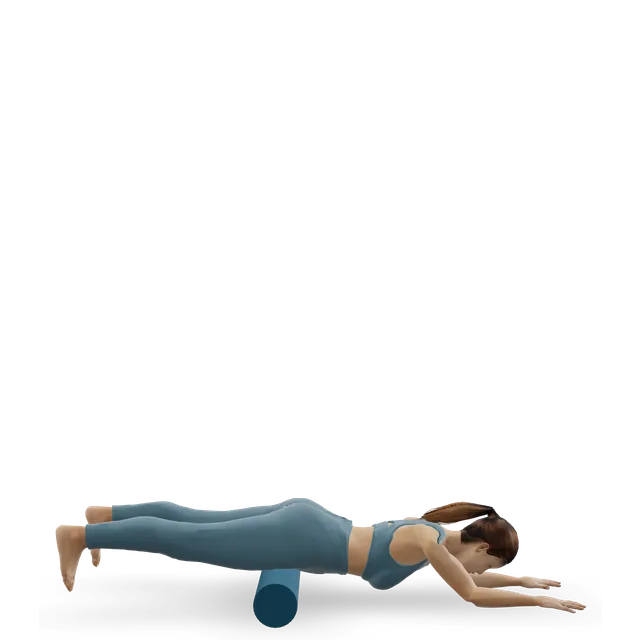 3D demoQuad foam rollingIntermediate · A foam roller
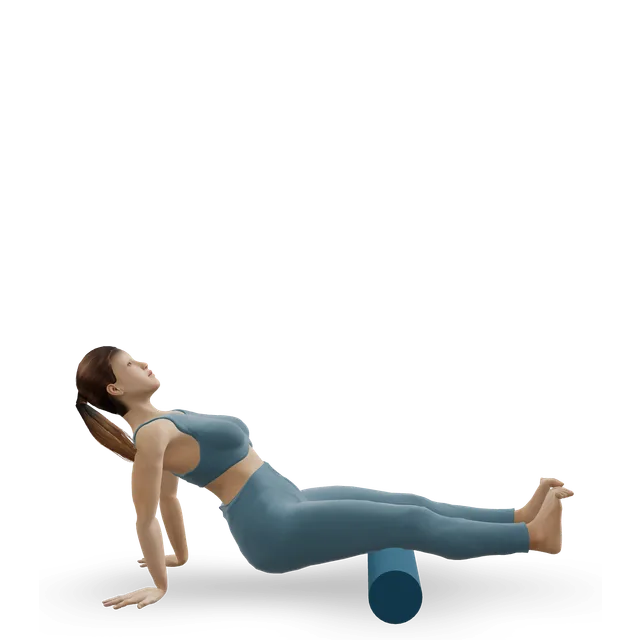 3D demoHamstring foam rollingBeginner · A foam roller
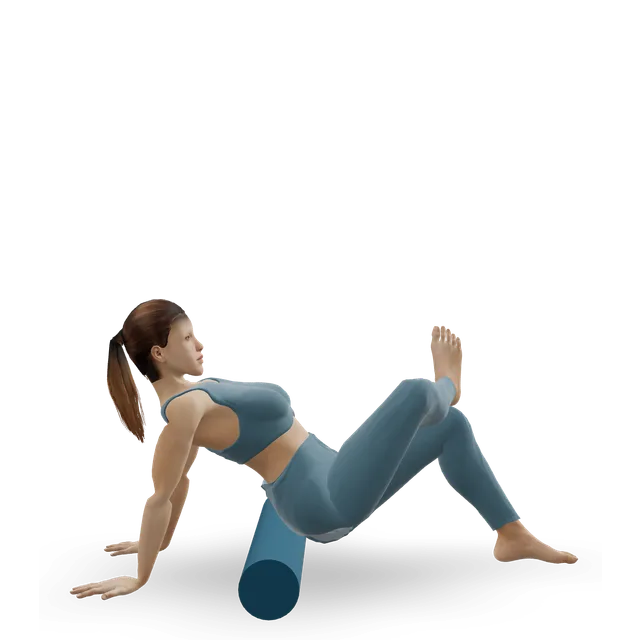 3D demoGlute and piriformis foam rollingIntermediate · A foam roller
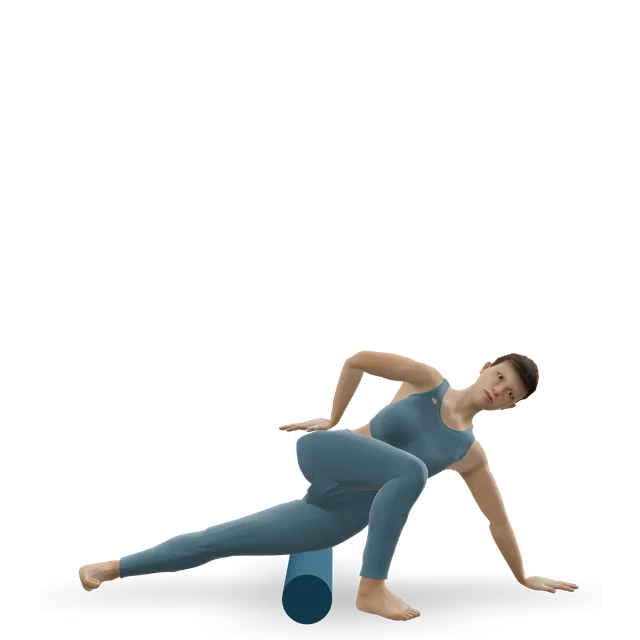 3D demoIT band foam rolling (outer thigh)Intermediate · A foam roller
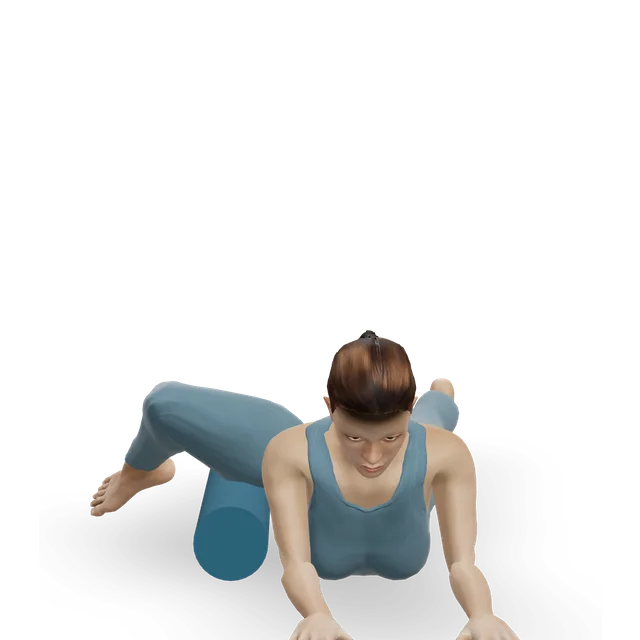 3D demoAdductor foam rolling (inner thigh)Intermediate · A foam roller
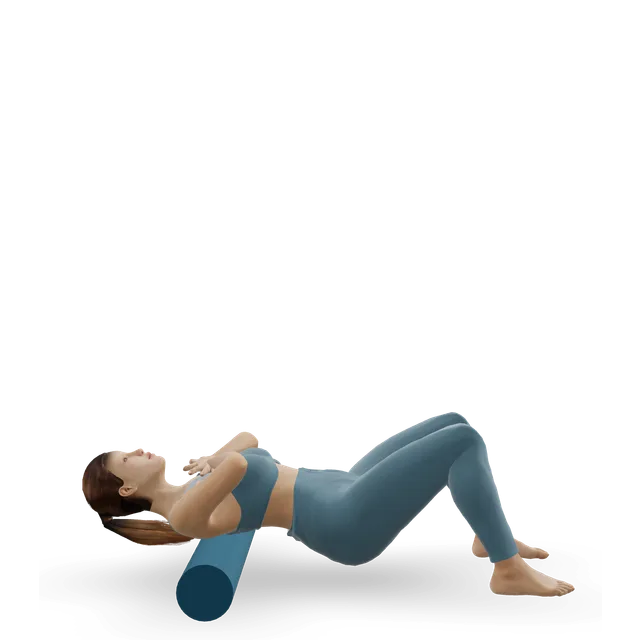 3D demoUpper back foam rollingIntermediate · A foam roller
 3D demoFoam roller thoracic extensionBeginner · A foam roller
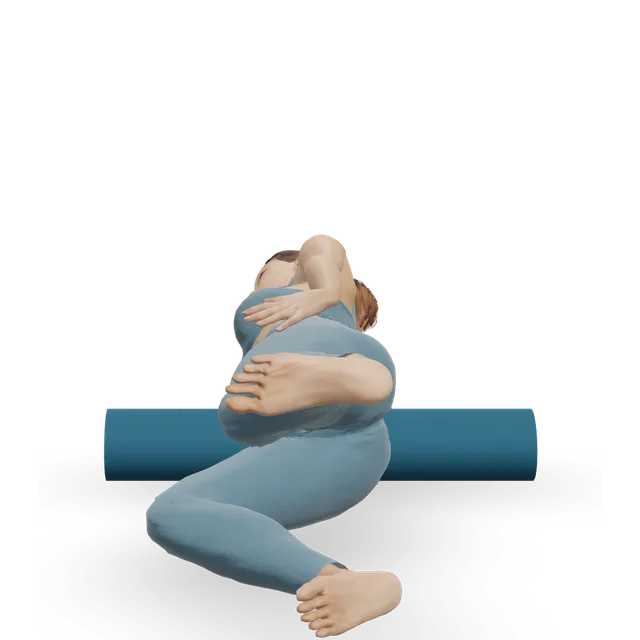 3D demoLat foam rollingBeginner · A foam roller
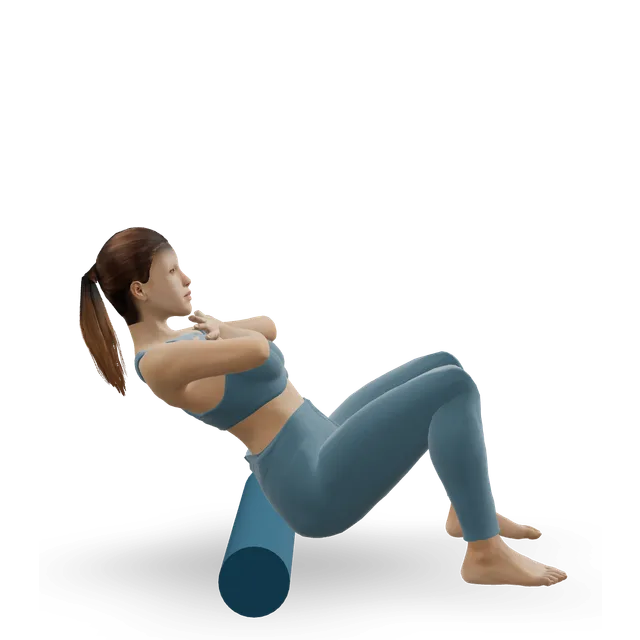 3D demoLower back foam rollingBeginner · A foam roller
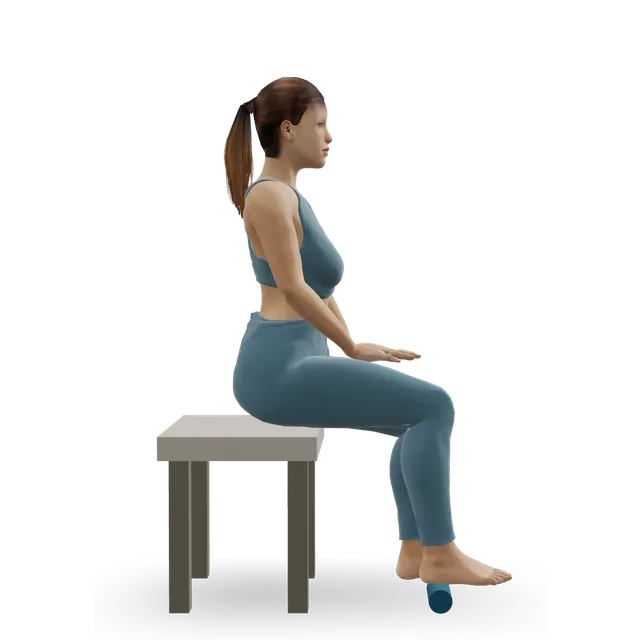 3D demoFoot roll (ball or roller)Beginner · A massage ball
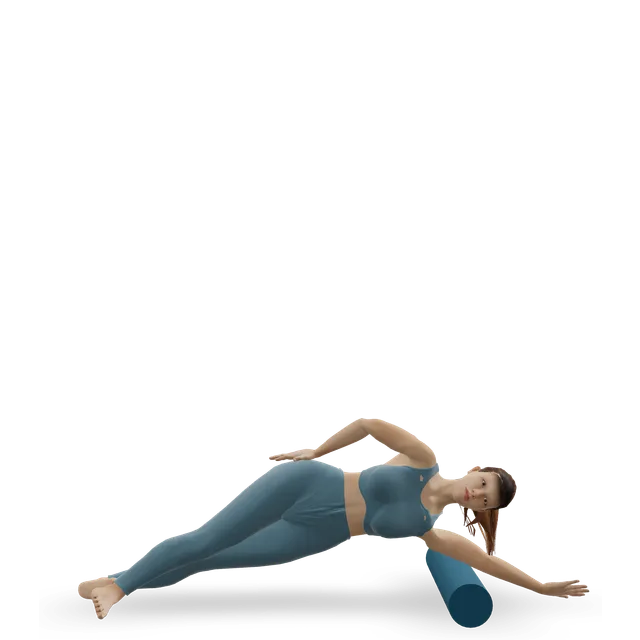 3D demoUpper-arm foam roll (brachialis)Intermediate · A foam roller
Rolling gave ankle range for under 30 minutes, and weeks of calf rolling didn't give lasting range, so stretch and strengthen your calves too. A roller stick on the calf added about 4% ankle range, close to what static stretching gave. Keep off the back of the knee and the Achilles tendon.
Use a massage stick on the muscle beside the shin bone, never on the bone itself; sticks and foam rollers did similar jobs in a review. Pain on the bone that gets worse with running needs checking, not rolling.
Source 22
Two minutes on the front of the thigh raised knee bend by about 10 degrees, and still by 8 degrees at 10 minutes, without any loss of strength. On the back of the thigh, rolling 3 times a week for 4 weeks matched a contract-relax stretching method. Keep off the kneecap and the back of the knee.
The IT band is a thick sheet of fascia anchored to the thigh bone. One session of rolling or stretching didn't change its stiffness, and the extra hip range had gone within 10 minutes. Roll it gently, if at all, and skip it if the bony point on the outside of your hip is sore; for outer knee pain in runners, hip strengthening has better support.
Keep off the tailbone and the groin crease, and stop if pain or tingling spreads down your leg.
No trial has tested upper back rolling on its own. In 42 professional footballers, 6 weeks of upper back exercises improved rotation without changing the curve of the upper back. Keep the roller below the neck and out of the armpit, and ask first if you have osteoporosis: with fragile bones, even a cough or sneeze can break a rib.
Keep it gentle and on the muscles beside the spine, never on the spine itself, and skip it during a flare or with pain down a leg. In one small trial of 43 healthy adults, a 4-week home programme that included gentle lower back rolling gave a slight gain in bending, but nobody was blinded and the groups differed at the start.
Keep the pressure on muscle, away from the elbow and the bony point of the shoulder, and stop if your hand tingles. In a single case report, a woman needed surgery for a radial nerve injury after self-massage of the upper arm with a lacrosse ball. It shows a harm can happen, not how often.
Source 30
We don't recommend rolling the neck. In single case reports, neck artery tears followed massage-ball use on the neck and self-massage of the neck.
Across 38 studies (1,134 people), rolling and stretching did no more for flexibility than any other warm-up activity. Our suggestion: roll tight spots for 30 to 60 seconds each, then do your normal warm-up.
Source 11
Reviews found trivial to small effects on performance either way. Two small trials measured slight drops in jump height and squat speed straight after rolling, so our suggestion is to keep it brief before power work.
About 90 seconds on each worked muscle, after a hard session or the next day; the timing is our suggestion. In pooled trials, soreness fell most 48 hours after exercise.
Combining rolling and stretching gave no more range than either alone in a review, though rolling then stretching did a little better for performance than stretching alone. Either order is fine: in one small study, static stretching then rolling gave the largest range gain.
Rolling on a rest day is fine if it feels good (our editorial view), and our active recovery workout includes it.
Across 26 trials of high methodological quality, one session gave a large short-term gain in range against doing nothing, and no difference against stretching. Reviews of 14 and 32 studies, and an umbrella review of 7 reviews, agree.
The extra range had gone within 10 minutes on the outer thigh and by 30 minutes on the calf, but was still there at 30 minutes on the front of the thigh.
Rolling after exercise eased perceived soreness by about 6% in a meta-analysis of 21 studies. In a meta-analysis of 16 trials (515 people), soreness fell a little straight away and most at 48 hours. In 60 men, smooth, grooved and serrated rollers worked equally well.
Across 11 studies (290 people), rolling programmes raised range by a moderate amount, but only those longer than 4 weeks. Against stretching programmes, rolling did about as well overall, but stretching did better over 4 weeks or less.
A 3D model found that squeezing or shearing the fascia of the thigh or sole by even 1% needs forces far outside the normal range. Two leading rolling researchers call the name self-myofascial release misleading, and a 2026 evidence synthesis found the evidence for releasing adhesions limited or inconclusive.
After 2 minutes of rolling the front of the thigh, people tolerated more stretch while the muscle's passive stiffness didn't change. On the calf, 90 seconds or more raised range without changing stiffness. Pressure stimulates sensors in skin and fascia and the body's own pain control.
Blood flow in the outer thigh rose after rolling in a study with no comparison group, changes in muscle blood flow were too small to measure reliably in another, and arterial stiffness fell for 30 minutes in 10 young adults. The deepest layer of thigh fascia slid less after rolling in one trial, while the lower back fascia slid more in another. None of this shows faster healing.
A 2020 meta-analysis of 26 trials (Wilke 2020) found no significant difference in range between vibrating and plain rollers, while a 2021 meta-analysis of 8 small, fair-quality studies with 230 people (Park 2021) found a moderate extra gain with vibration. A 2025 review in tired muscles couldn't separate the vibration from the pressure.
A review of 6 trials of rolling for muscle and joint pain couldn't pool them, and only 2 found a benefit, both when rolling was added to exercise. A 2026 evidence synthesis found no long-term pain relief against standard or fake treatment. In one small trial of 40 women with chronic low back pain, self-massage added to stabilisation exercise helped more than the exercise alone.
In 433 recreational runners, an 18-week programme of strength work and rolling twice a week didn't reduce running injuries overall (23% against 27%). The evidence for preventing injuries is limited or inconclusive.
In a review of 21 studies, rolling before exercise improved sprinting by under 1% and changed jumping and strength by negligible amounts, and it did about as well as stretching in another review. Two small trials found slight drops in jump height and squat speed straight afterwards.
Rolling a tennis ball under the feet improved a sit-and-reach test straight away, and 10 minutes of rolling any part of the back of the body helped hamstring flexibility. But 7 weeks of rolling and stretching the soles changed neither shoulder range nor the calf muscles, beyond tolerating more stretch.
In 36 adults, soft, medium and hard rollers gave similar gains in knee range and pain thresholds after 2 minutes. Our suggestion: start with a smooth roller of soft or medium density.
Source 16
In one trial, grid and multilevel surfaces raised knee range and pain thresholds a little more than a smooth roller, and a 2026 synthesis found hints, from few studies, that firmer rollers help flexibility more. For recovery after hard exercise, the surface made no difference.
Under the same body weight, a rigid roller with a raised surface pressed on a smaller patch of the outer thigh than a foam roller (47 against 68 square centimetres), so the pressure was higher: about 52 against 33 kilopascals.
Source 57
Whether vibration adds anything is unsettled. If you already have one, our suggestion is to use it like a plain roller.
Across 21 studies, roller sticks and foam rollers gave similar flexibility gains before exercise. Our suggestion: a stick for the calves, shins and thighs, a ball against a wall for the upper back, and the seated foot roll.
The looser feeling lasts minutes, so stretch, strengthen or start your session straight after rolling.
 3D demoWall calf stretch (gastrocnemius)Beginner · A wall
 3D demoStanding quad stretchBeginner · A wall
 3D demoSupine hamstring stretch with a strapBeginner · No equipment
 3D demoReclined figure four (eye of the needle, Sucirandhrasana)Beginner · No equipment
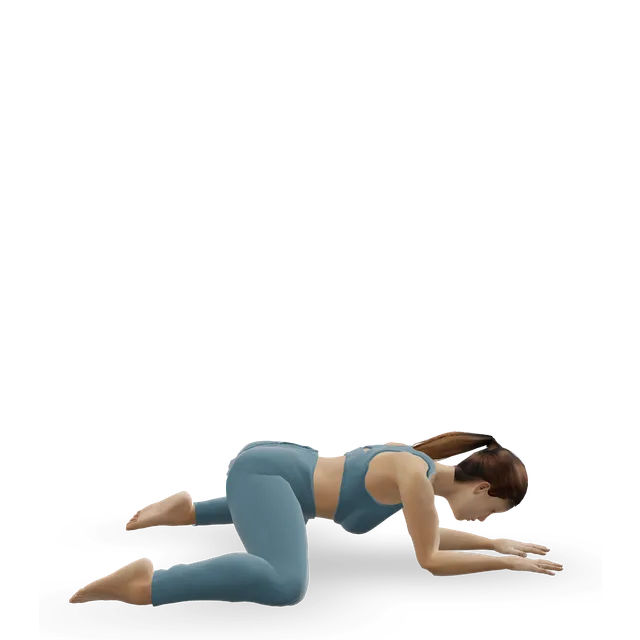 3D demoFrog rockIntermediate · No equipment
 3D demoSide-lying open bookBeginner · No equipment
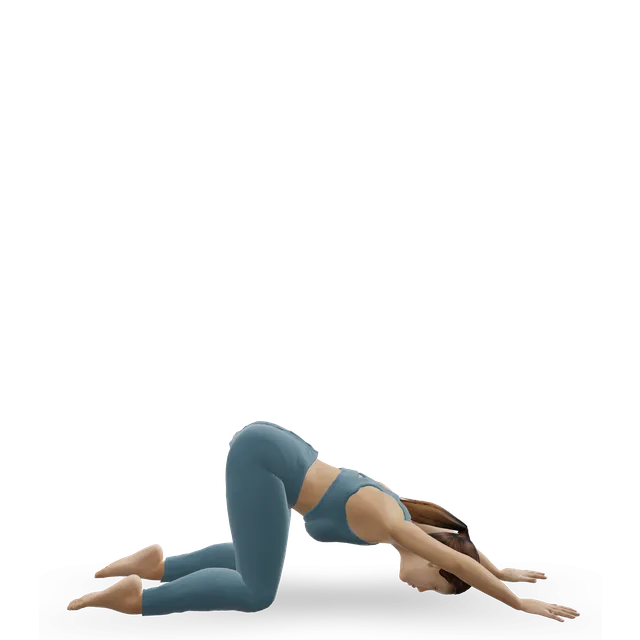 3D demoExtended puppy pose (Uttana Shishosana)Beginner · No equipment
 3D demoClamshellBeginner · No equipment
 3D demoSlow calf raiseBeginner · A wall
Start with the 10-minute full-body foam roller routine; the leg and back routines add the feet, inner and outer thighs and lats.
A 10-minute foam roller routine for calves, thighs, glutes and upper back: about a minute per area, moderate pressure, slow rolls.
10 minBeginner6 movesA foam rollerRoll then stretch each part of the leg, feet to hips, and finish with springy calf bounces. About 20 minutes.
20 minBeginner14 movesA massage ball, A foam rollerGentle rolling for the upper back and lats, rotation and segmental spine work, then two easy strength moves. Exercise is what back-pain guidelines recommend.
15 minBeginner11 movesA foam rollerA 25-minute easy session for rest days and sore muscles: easy cardio, a gentle mobility flow, optional rolling for sore spots, and slow breathing to finish.
25 minBeginner11 movesCardio machine, A wallA 10-minute warm-up for any workout: raise your heart rate, move each joint through its range, rehearse the main movements, then ramp up to your first lift.
10 minBeginner12 movesA wall, A bandSeven stretches for after a run: calves, soleus, quads, hip flexors, hamstrings and glutes.
10 minBeginner7 movesA wallAn international consensus of 37 rolling researchers, physiotherapists and doctors agreed that open wounds and broken bones rule rolling out. They called for caution with inflamed tissue, a deep vein thrombosis (a blood clot in a deep vein), a bone infection, and a hard bony lump forming in a badly bruised muscle (myositis ossificans).
Source 58
The experts didn't agree on these, which isn't the same as their being safe:
Our suggestion is to roll around varicose veins, not on them: the NHS advises trying not to injure your legs, to help prevent bleeding. For a fresh sprain or strain, the NHS advises avoiding massage for the first couple of days.
In later pregnancy, the NHS advises avoiding any activity that involves lying flat on your back for more than a few minutes. Clots are more likely in pregnancy and for 6 weeks after giving birth, so never roll a swollen or painful calf, and don't press on your bump. Gentle rolling of the legs and upper back in other positions hasn't been tested.
No study has reported serious harm from rolling, but side effects have rarely been recorded. In a survey of 776 professionals, headaches and tissue inflammation were the side effects reported most. Discomfort while rolling is common, and in our editorial view, bruising means the pressure was too high.
Numbness, tingling or weakness that lasts after rolling: stop rolling that area and see a GP. That's our advice, based on single case reports of nerve injury after ball pressure.
Changing the shape of dense fascia needs forces far beyond body weight on a roller, and a 2026 evidence synthesis found the evidence for releasing adhesions limited or inconclusive. Most everyday stiffness is a sticky glide layer, not scar tissue.
The IT band is anchored to the thigh bone, and one session of rolling or stretching didn't change its stiffness; the extra range had gone within 10 minutes. Roll it gently if it feels good, and strengthen your hips for outer knee pain.
Rolling at 4, 6 or 8 out of 10 for discomfort gave the same range gain, and soft, medium and hard rollers did about equally well.
In one trial, blood lactate was lower 30 minutes after hard exercise with rolling than with rest, but lactate clears within an hour or two anyway and doesn't cause next-day soreness. Hand massage slowed lactate removal in a lab study, and no study shows toxins being flushed out.
Rolling did no more for flexibility than other warm-ups, a strength and rolling programme didn't reduce running injuries overall, and the evidence for preventing injuries is limited or inconclusive.
Ten minutes on the hamstrings did no more than 2. About 90 seconds was the least that worked on the calf, and across trials, rolling time didn't change the size of the range gain.
One meta-analysis found more range with vibration, a larger one didn't, and a 2025 review couldn't separate the vibration from the pressure.
A review of 6 trials didn't support rolling for pain, though one small trial found it helped when added to exercise for chronic low back pain. The National Institute for Health and Care Excellence (NICE) recommends hands-on treatments for low back pain and sciatica only as part of a package that includes exercise. If rolling your buttock brings on leg symptoms, stop.
We found no trials. Our fascia blasting verdict covers cellulite claims.
Roll slowly along the muscle, about 2 to 4 seconds each way, at a pressure you can breathe through. Pause on a tender spot for a few breaths, give each muscle about 90 seconds in all, then stretch or start moving. Stay off bones, joints and the neck.
Before activity, 30 to 120 seconds per area is plenty. About 90 seconds was the least that changed range on the calf or eased soreness after exercise, and 10 minutes on one muscle did no more than 2.
Every day is fine if it feels good, though no trial has tested daily rolling. Lasting range gains in trials came from 2 to 3 sessions a week kept up for more than 4 weeks, and over 4 weeks or less, stretching did better.
Either. Before, it's optional and no better than any other warm-up, so keep it brief before jumping or heavy lifting. After, about 90 seconds per worked muscle eases soreness a little over the next 1 to 3 days.
No. Rolling at about 4, 6 or 8 out of 10 for discomfort gave the same gain, and soft, medium and hard rollers did about equally well. Bruising means the pressure was too high.
Only gently, if it feels good. One session didn't change the band's stiffness, and the extra hip range was gone within 10 minutes. For outer knee pain, hip strengthening has better support, and skip rolling if the outside of your hip is sore.
Keep it gentle and on the muscles beside the spine, never on the spine itself, and skip it during a flare or with pain down a leg. In one small trial of healthy adults, a 4-week programme that included lower back rolling gave a slight gain in bending, but nobody was blinded and the groups differed at the start. For back pain, exercise comes first.
We don't recommend it. Stretch and strengthen the neck instead: single case reports describe neck artery tears after massage balls or self-massage on the neck.
Start with a smooth roller of soft or medium density. Soft, medium and hard rollers gave similar gains, the surface made no difference to recovery, and knobbly rollers mainly feel more intense. Whether a vibrating roller adds anything is unsettled.
No. Changing the shape of dense fascia needs forces far beyond body weight on a roller, and researchers find no good evidence that rolling releases adhesions. The looser feeling comes mostly from your nervous system.
It hasn't been shown to ease long-term pain. NICE recommends hands-on treatments for low back pain and sciatica only alongside exercise. If rolling your buttock brings on pain or tingling down the leg, stop.
Experts agree you shouldn't roll over open wounds or broken bones, and should take care with inflamed tissue, a blood clot, a bone infection or a hard lump in a bruised muscle. Never roll a calf that is swollen, red or darkened, or throbbing: call 111, or 999 if you're also short of breath. Ask first if you have osteoporosis or take blood thinners.
Movement education, not medical advice. Stop for sharp or increasing pain, numbness or tingling, and get individual advice if you are pregnant, after an injury or surgery, or managing a health condition. Health disclaimer.










