Matches carry the risk
Elite Gaelic footballers had 61.86 injuries per 1,000 match hours against 4.05 per 1,000 training hours, and elite hurlers 61.75 against 2.99.
Sport
Gaelic football, ladies' football, hurling and camogie are games of repeated sprints, kicks, strikes, catches and tackles: elite Gaelic footballers cover about 8 km a game with over 40 sprints. Matches carry most of the risk, about 60 injuries per 1,000 match hours at elite level against 3 to 4 per 1,000 hours of training. Hamstrings are the commonest injury, then groins, ankles and knees, and in hurling and camogie the hurley and sliotar add hands, faces and eyes.
This guide covers what the games ask of your body, the common injuries, and the GAA 15 warm-up from the Gaelic Athletic Association (GAA), with what its studies show. It sets out the helmet and mouthguard rules, the 2024 concussion guidelines shared by the GAA, the Ladies Gaelic Football Association and the Camogie Association, and training for speed and strength through the season. It includes a warm-up built on the GAA 15 and a strength workout, with a 3D demo of every move.
Elite Gaelic footballers had 61.86 injuries per 1,000 match hours against 4.05 per 1,000 training hours, and elite hurlers 61.75 against 2.99.
Hamstring strains were about a quarter of all injuries in elite Gaelic football, and over a third of them were repeats.
The GAA's own 15-minute warm-up. In one college cohort that wasn't randomised, teams using it had 66% fewer injuries; a small randomised trial found better balance and landing, but didn't measure injuries.
Helmets with a face guard are compulsory in all hurling and camogie games and training, and mustn't be modified. Eye injuries in young players fell after helmets became compulsory for under-18s.
Mouthguards are compulsory in Gaelic football and ladies' football games and training, but only 22% of adult footballers in one survey always wore one in training.
Off at once, no return that day, and medical approval before full contact. Adults return to play at day 15 at the earliest, and under-18s at day 21.
Source 13
In 50 elite Gaelic footballers over 30 games, players covered 8,160 m a game, 1,731 m of it at high speed, with 44 sprints, 184 accelerations and a top speed of 30.3 km/h. Elite hurlers covered 7,617 m with a top speed of 29.8 km/h, and intercounty camogie players 6,040 m with 14 sprints. Under-18 footballers covered 5,774 m in 60 minutes at 81.6% of maximum heart rate. The Compendium of Physical Activities has no value for Gaelic games.
High-speed running fell in the second half of elite football matches and after the first quarter in hurling, in most positions. Elite footballers kept their running up better in later quarters than players at the level below.
Elite female footballers produced more force, jumped higher and rebounded faster than club players. Elite camogie players' strength, jump, sprint and endurance scores were similar across positions, and there are norms for teenage hurlers, camogie players and footballers.
In 41 senior club footballers, jump height was 8.6% lower and how fast they could rebound off the ground 15.6% lower 24 hours after a match, with signs of muscle damage still raised at 48 hours. Players with better aerobic fitness and squat strength, relative to body weight, lost less and recovered faster, an association.
The sites the studies point to:
Repeated sprints with regular running near top speed, hamstring and groin strength, leg strength and landing control for the knees, ankle balance, and trunk strength and rotation for kicking and striking.
Most figures come from the National GAA Injury Database and count injuries that cost playing time; studies counted them in different ways, so figures in different lines aren't directly comparable.
The numbers, by group:
Hamstring strains were 21 to 24% of elite football injuries, 44% of them in the biceps femoris muscle; 36% were repeats, they cost 26 days on average, and the rate doubled between 2008 to 2011 and 2012 to 2015. They were 21.5% of injuries in college ladies' football. Our hamstring strain guide covers recovery.
Over half (54.8%) of 775 players had hip or groin pain in a year, and 38% of 2,703 elite men in a season; pain in the previous season was the best predictor. Adductor injuries were 6% of elite time-loss injuries, and hip impingement syndrome only 1.9% of complaints. Our groin strain, sports hernia, osteitis pubis and hip impingement guides cover these.
Ankle sprains were 7% of elite football time-loss injuries, and anterior cruciate ligament (ACL) tears 13% of knee injuries. Of 1,891 Gaelic games players who had an ACL reconstruction, 88% of footballers and 90% of hurlers and camogie players returned to play, female footballers less often (84% against 89% of men), and re-tears were less common with patellar tendon grafts (3.3%) than hamstring grafts (15.3%). Our ACL injury and sprained ankle guides cover these.
On broadcast video, suspected concussions mostly came from tackles and front-on collisions, and in hurling often from a shoulder to the head. In one season, 17.5% of ladies' footballers surveyed had a suspected or diagnosed concussion, and only 3.5% of them followed all the advice. Teenage players were less likely to report symptoms before important games. Our concussion guide covers the graduated return.
Two hospitals saw 310 hurling eye injuries in 1994 to 2002; 17% needed admission and one player lost an eye. In 70 hurling face and mouth injuries in 2007 to 2008, 75% of players weren't wearing a helmet and 60% were hurt in training. At one Cork hospital, facial fractures from hurling more than halved between the mid-1970s and the mid-1990s, as helmet use and coaching improved. The warning signs below give the National Health Service (NHS) advice.
Hand injuries were 52.1% of hurling emergency visits in one study, 65% of them from a hurley and 62% of them fractures, mostly of the long bones of the hand and the finger bones. Our broken hand and broken finger guides cover these.
Back injuries were 4.7% of elite football injuries, 79% of them without contact. Our back pain guide covers what to do.
Source 28
A previous injury; players over 30; defenders and midfielders for hamstrings; poor aerobic fitness, high weekly loads and sudden jumps in load, especially in first-year players; too little or too much running near top speed; low groin squeeze strength; and playing both codes or other sports for hip and groin pain. These are associations, and eccentric hamstring strength didn't predict hamstring injury in 185 elite footballers.
The GAA 15 is the GAA's own programme; its studies are small, and the one that counted injuries wasn't randomised. The ACL, hamstring, groin and ankle evidence comes from other sports, and each note says so.
Developed by the GAA's Medical, Scientific and Welfare Committee with University College Dublin physiotherapy, from the National GAA Injury Database and prevention trials: 15 minutes, 19 exercises in six parts, "performed at the start of each training session". Before matches, only the running parts (A and F).
In a small randomised trial of 4 college teams (Gaelic football and hurling), the GAA 15 twice a week for 8 weeks improved balance (by about 4%) and landing technique; it didn't count injuries. In one college cohort that wasn't randomised, 131 players using it before every training session and match through a season had 66% fewer injuries than players with their usual warm-ups (2.62 against 7.62 per 1,000 hours), with fewer hamstring injuries. The summary we read gives no figures for how often teams did it.
Only 32.4% of adult players knew of any injury prevention programme, and 41.6% said their coach didn't know how to run one. After a workshop, 72.5% of camogie coaches who replied were using a programme 4 weeks later, though many found the Nordic too hard. Experts recommend programmes of 10 to 15 minutes with little equipment for ladies' football.
Across 8 meta-analyses, warm-ups with strength, jump-and-land and balance work halved ACL injuries and cut ACL tears without contact by about two-thirds in women and girls. Women in team sports tear an ACL about twice as often as men. The GAA 15 includes landing and balance work; none of these programmes has been tested on Gaelic injuries.
Programmes including the Nordic hamstring exercise were linked with about half as many hamstring injuries across sports, though when only properly randomised trials are pooled the effect is uncertain. The Copenhagen adductor exercise cut groin problems by 41% in semi-professional footballers. Neither has been tested in Gaelic games.
Lace-up ankle braces cut ankle injuries by about two-thirds in high-school basketball players, and across trials braces cut repeat sprains by about two-thirds and first ones by about half.
In one elite squad, players who reached over 95% of their top speed in training had fewer leg injuries than those who only reached 85%, and a higher chronic training load protected against more running at top speed. High weekly loads and sudden jumps in load raised injury risk, especially in first-year players, while better aerobic fitness protected. Players who did more pre-season sessions had fewer injuries without contact, though not clearly. These are associations from single squads.
No randomised trial has tested the GAA 15 on injuries, and no trial has tested hip and groin prevention, gloves or headgear in Gaelic games. Neck strength had only small links with concussion across team sports.
Twenty-one hurlers were randomised to two sessions a week for 7 weeks:
Source 63
In 24 college footballers randomised for 4 weeks, back extensions on a 45-degree bench raised eccentric hamstring strength as much as Nordic lowers. In 12 footballers with a previous hamstring injury, 6 weeks of single-leg Roman chair holds improved a hamstring endurance test by 23.7% while Nordics didn't. In 26 elite under-20 players, 2 sets of 4 Nordics and 3 sets of 6 staggered-stance Romanian deadlifts once a week for 9 weeks in season lengthened the hamstring's muscle fibres without raising eccentric strength.
Regular running near top speed and good aerobic fitness went with fewer injuries, and fitter, stronger players recovered faster after matches. These are associations in single squads.
Elite female footballers were stronger and more powerful than club players, and elite male footballers kept their running up better through matches. These are comparisons, not trials.
Every session: the GAA 15 at the start of training, and only Parts A and F before matches. Pre-season: 2 strength sessions a week, with the drop jumps and sprints twice a week as in the hurling trial, and running loads built up gradually, avoiding sudden jumps.
In season: 1 or 2 shorter strength sessions, Nordics once a week (2 sets of 4 in the under-20 study) and the Copenhagen exercise once a week. Keep the 2 days after a match light and the 48 hours before the next free of heavy legs, Nordics and hard jumping (our suggestion). Players in both codes or several sports: count all your weekly sport, because they had more hip and groin pain.
A previous hamstring injury raised the rate 3.3 times in elite footballers, and players aged 18 to 20 and over 30 had more. Eccentric hamstring strength, measured in a Nordic test, didn't predict who got injured in 185 elite players.
In 55 elite footballers, low groin squeeze strength (below 225 mmHg) and low scores on a hip and groin questionnaire before the season went with groin injury. In 2,703 elite men, pain in the previous season was the best predictor of hip and groin pain.
Keep the GAA 15's Nordics going at every session, add back extensions and Romanian deadlifts in the gym, and do the Copenhagen exercise in pre-season. Strength tests alone won't tell you who will get hurt, so treat a previous injury as the main warning.
GAA Rule 4.2(i), as the GAA quoted it on 16 March 2026: "in all Hurling Games and Hurling Practice Sessions, it shall be mandatory for, and the responsibility of, each individual player to wear a helmet with a facial guard that meets the standard set out in IS:355", and "Such helmets shall not be modified from their original manufactured state in any circumstances." A player whose helmet doesn't meet the standard or has been modified isn't covered by the GAA Player Injury Fund. The GAA has warned about counterfeit helmets and set up a work group to regulate the helmet market.
Camogie Association Rule 7.2: "In all Camogie games and training sessions it is mandatory for all players to wear an approved, i.e. NSAI Standard IS355, helmet with facial guard", and "Any modification of an approved helmet may deem it to be non-compliant".
Source 8
According to studies of the rule, not the rule books, helmets with face guards became compulsory in hurling for players aged 18 and under from 1 January 2005, and for all players from 1 January 2010.
Before the rules, nearly half (48.5%) of hurlers surveyed wore no face guard, mostly because of their view. In the 12 months after the under-18 rule, eye injuries in under-18s in one region fell from 11 to 2, and facial fractures had already more than halved as helmet use grew. Serious eye injuries still happen in warm-ups and drills without face guards, and with modified ones: 31% of 304 adult players had modified their helmets, mostly for vision or comfort, and modified face guards have caused penetrating arm wounds.
GAA: "Since January 1st 2014, it has been mandatory for players in all grades to wear a mouthguard in all Gaelic football games and practice sessions". Players can be sent off, aren't covered by the injury fund without one, and need medical evidence for an exemption. The Ladies Gaelic Football Association (LGFA) made mouthguards compulsory up to and including minor from 1 January 2014 (announced 19 December 2013), and, according to Mayo LGFA's guidance, in all age grades from 1 January 2017. We found no mouthguard rule for hurling or camogie.
After the GAA rule, its dental injury claims fell by 37% in grades up to minor and 39% in adults. Across sports, people without mouthguards had over twice the risk of mouth and face injuries, and in collision sports mouthguards went with about a quarter fewer concussions. But of 545 adult footballers, only 48% always wore one in matches and 22% in training, citing discomfort and trouble breathing and speaking.
Only 4.9% of injured hurlers wore hand protection regularly, though most had tried it, and 10% of players with hand fractures wore it. Neither the GAA nor the Camogie Association requires gloves, and no study has tested them. Padded gloves are a reasonable choice, especially after a hand fracture (our suggestion).
The concussion guidelines shared by the GAA, the LGFA and the Camogie Association (updated in 2024): a player with a suspected concussion is removed at once, doesn't return that day, is medically assessed, and doesn't return to full contact without medical approval. Relative rest for up to the first 2 days. Anyone with two or more concussions in a year should see a practitioner experienced in concussion, and symptoms lasting beyond 10 to 14 days need a specialist.
Source 13
The minimums, counting from the day of diagnosis:
Source 13
The May 2021 guidelines set at least 1 week for adult men and 2 weeks for women and under-18s. Club documents based on them are out of date.
Source 73
The UK guidelines for grassroots sport set day 21 for everyone and don't need a doctor to clear each stage. The GAA's adult minimum is shorter, with medical clearance before contact. Follow the rules of the body you play under (our reading).
In elite hurling broadcasts, most potential concussions were assessed, but 81% of assessments lasted under a minute, and only 10 of 43 players with visible signs were removed. In elite ladies' football, 13.6% of suspected concussions led to the player coming off. Teenage players were less likely to report symptoms before important games.
The GAA 15, as the GAA publishes it; videos of every exercise are on the GAA's learning site, learning.gaa.ie/GAA15. Do it at the start of every training session. A small randomised trial found better balance and landing, not fewer injuries; in one college cohort that wasn't randomised, teams using it had 66% fewer injuries.
Loading the 3D figure…
The movement on the figure: Nordic curl
The GAA 15's main exercises, as close as our figure gets, and the strength workout's lifts. Each has a 3D demo.
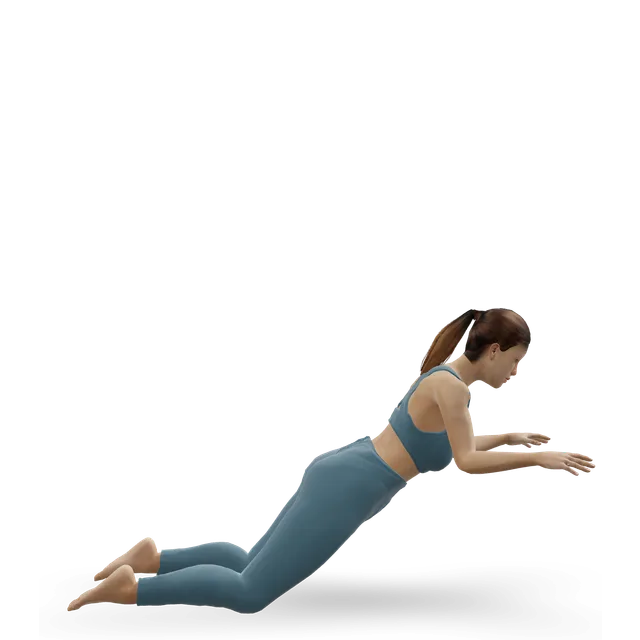 3D demoNordic curlAdvanced · An anchor point
 3D demoSingle-leg glute bridgeIntermediate · No equipment
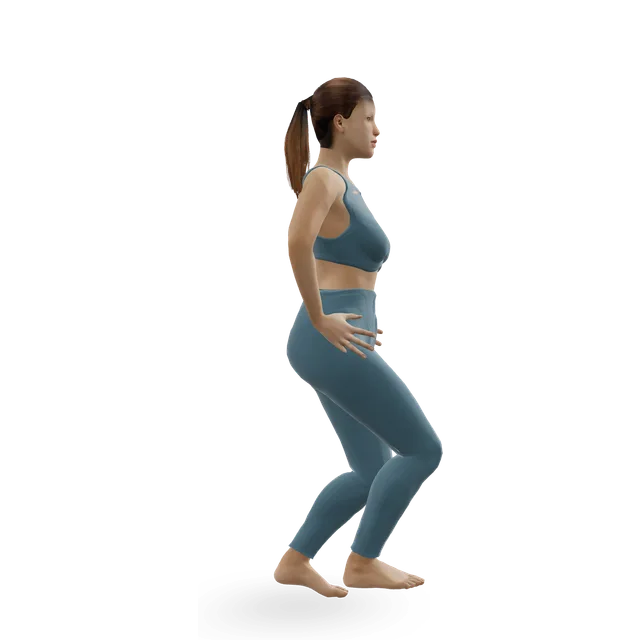 3D demoWalking lungeIntermediate · No equipment
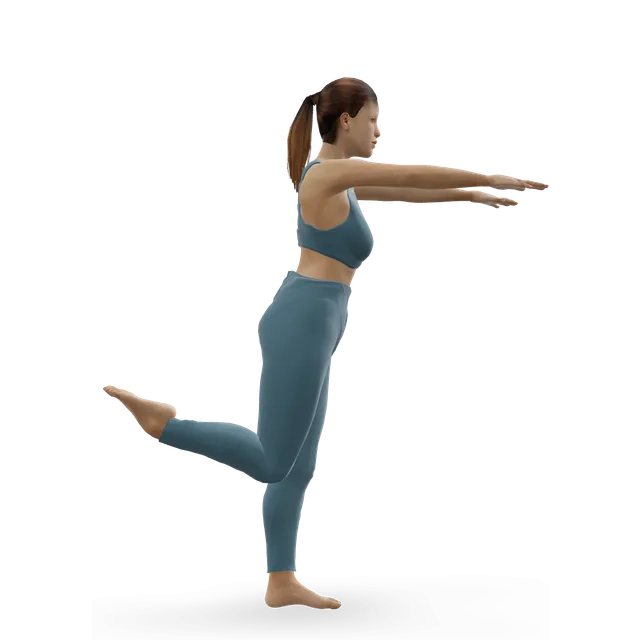 3D demoSkater squatAdvanced · No equipment
 3D demoForearm plankIntermediate · No equipment
 3D demoSide plankIntermediate · No equipment
 3D demoSingle-leg Romanian deadliftAdvanced · A dumbbell
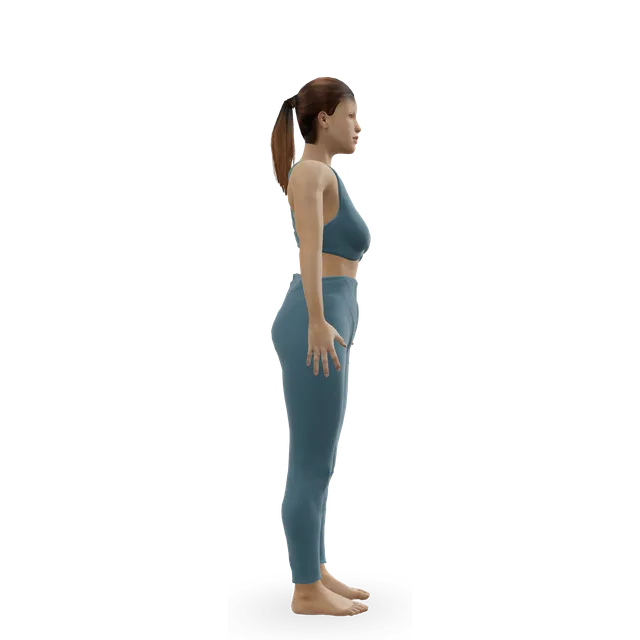 3D demoJump squatIntermediate · No equipment
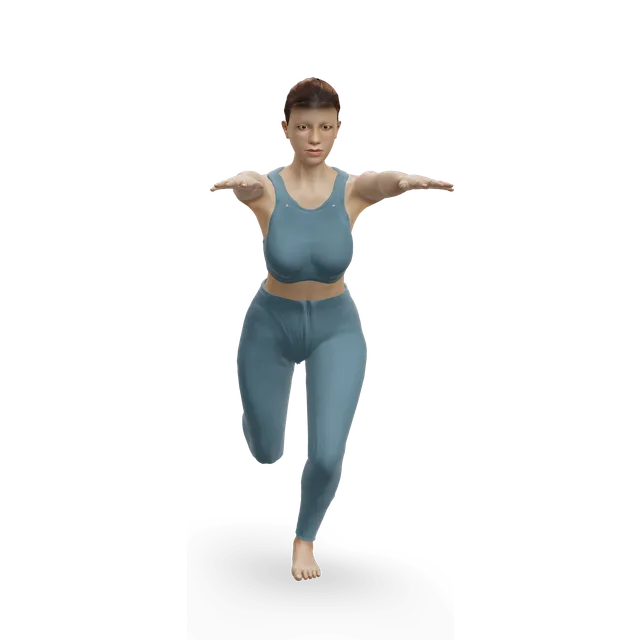 3D demoLateral bound (skater jump)Beginner · No equipment
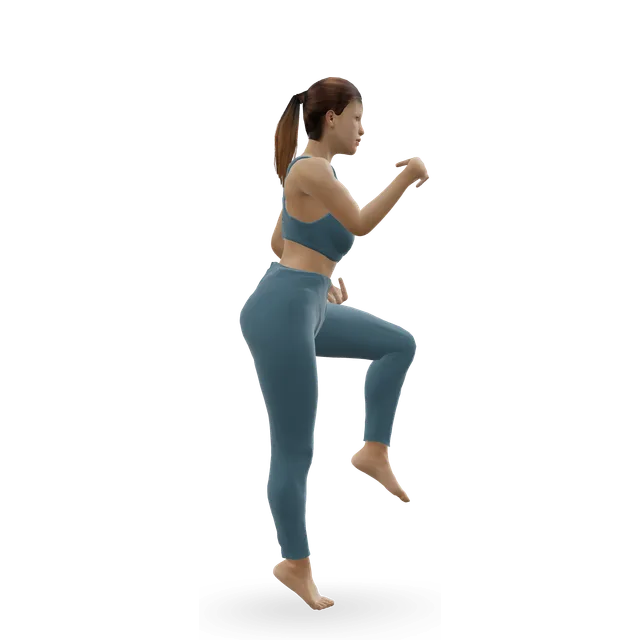 3D demoAlternate-leg boundingAdvanced · No equipment
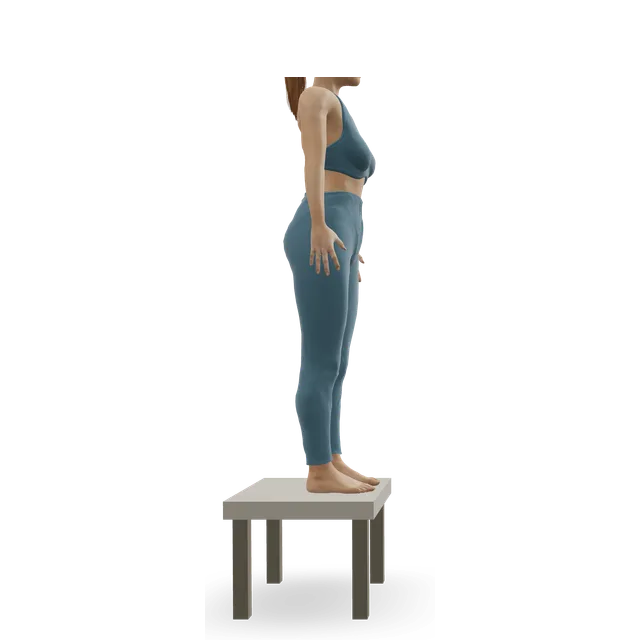 3D demoDepth jumpAdvanced · A step
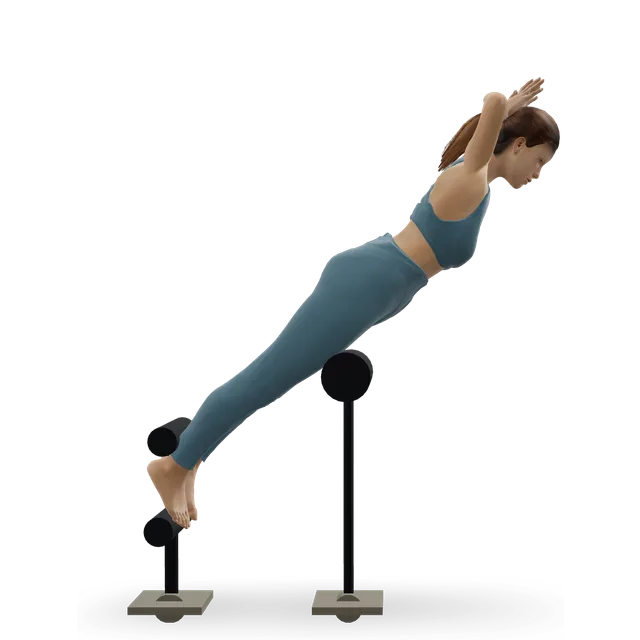 3D demoBack extension on a 45-degree benchIntermediate · A bench or box
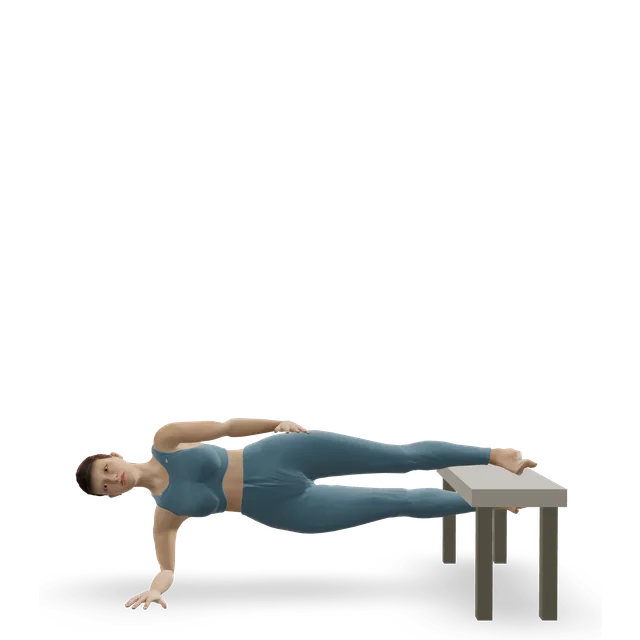 3D demoCopenhagen plankAdvanced · A bench or box
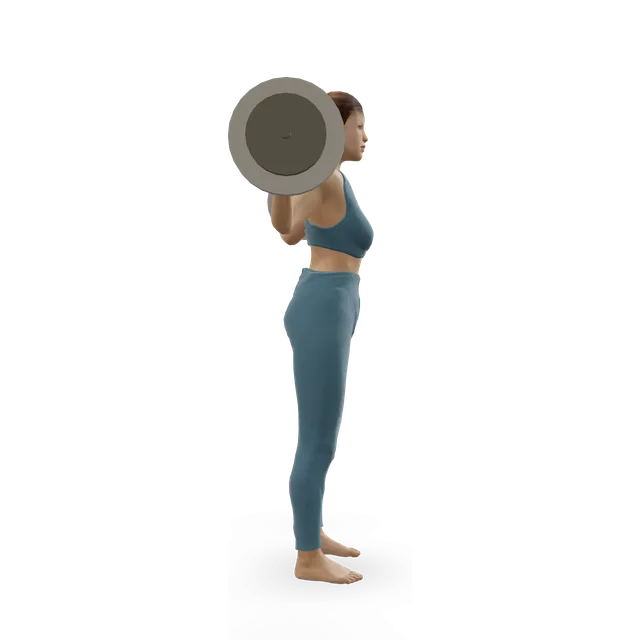 3D demoBarbell back squatAdvanced · A barbell
The first two are new: a warm-up built on the GAA 15 and a strength workout. The FIFA 11+ and Activate warm-ups come from football and rugby; the others add hamstring and groin protection, strength, sprints, jumps, fitness, grip, the neck, and light exercise after a concussion.
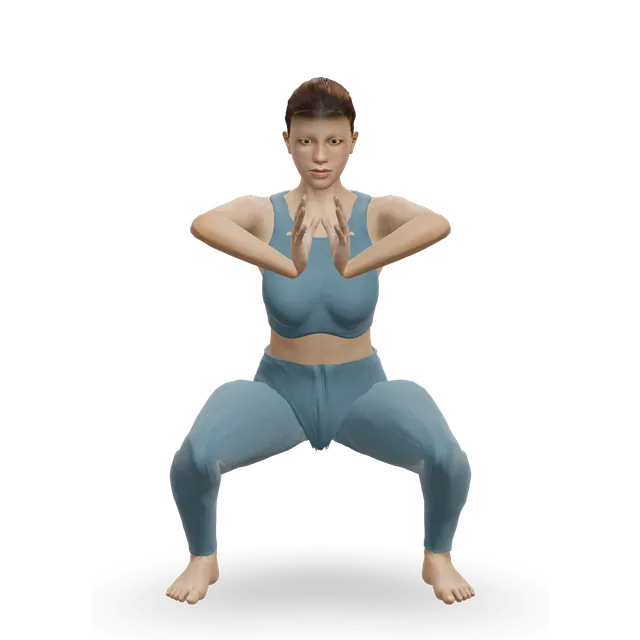
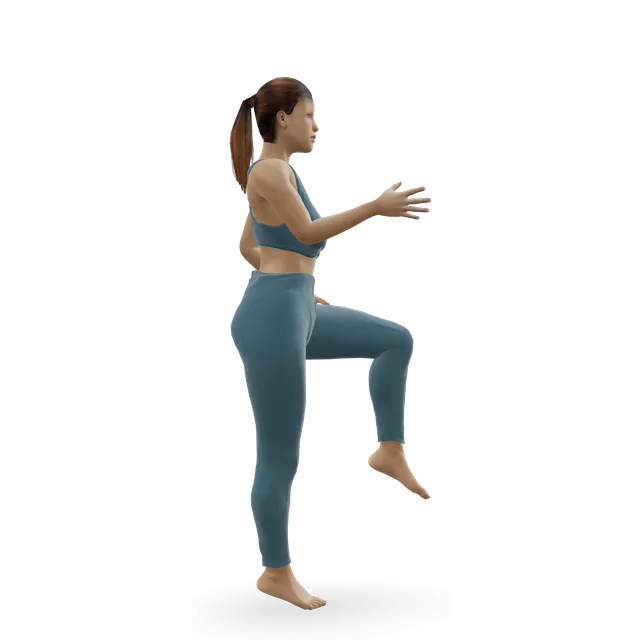
A 15-minute warm-up built on the GAA 15: running drills, bridges, lunges, squats, planks, partner balance, jumps, Nordic lowers, then sprints and cuts.
15 minBeginner20 movesCardio machine, A wallA 55-minute gym and pitch session for Gaelic games: drop jumps into sprints, squats, split squats, Nordics, back extensions, Copenhagens, rotations and presses.
55 minIntermediate17 movesA wall, A stepFIFA's 11+ injury prevention warm-up as its manual sets it out: running drills, strength, balance and jumping at three levels, then faster running.
20 minBeginner20 movesCardio machine, A wallEngland Rugby's and World Rugby's Activate warm-up, the manual's adult sample phase: running, balance, partner holds, hops, sprints and neck holds.
25 minBeginner15 movesCardio machine, A wallThe Nordic hamstring and Copenhagen adduction programmes from the football trials: a 10-week build, three adductor levels, then once a week in season.
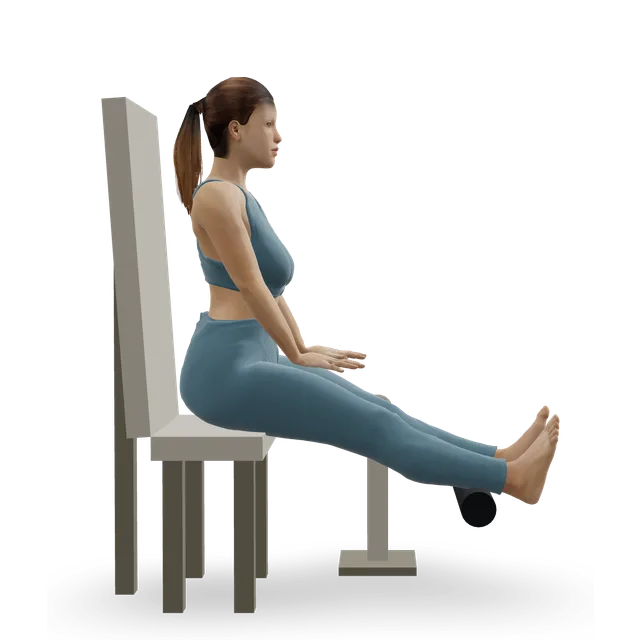
15 minIntermediate6 movesA wall, An anchor pointA 35-minute gym hamstring workout: Romanian deadlifts for the hip, seated leg curls for the knee, single-leg Romanian deadlifts, then Nordic curls when ready.
35 minIntermediate7 movesA dumbbell, Strength machineA 55-minute gym session for rugby: jump squats and chest throws, heavy squats, bench press, Romanian deadlifts, rows, Nordic lowers, shoulder and neck work.
55 minIntermediate15 movesA band, Medicine ballA 45-minute speed session: running drills, five short accelerations and three flying sprints with full rest, then Nordic curls and calf raises.
45 minIntermediate11 movesCardio machine, A wallAn advanced jump training session: pogo hops, box jumps, split squat jumps, broad jumps and depth jumps.
30 minAdvanced8 movesA bench or box, A stepThe Norwegian 4x4, a well-studied interval session for raising VO2 max: four 4-minute hard efforts with 3 easy minutes between, on a bike, rower or treadmill.
40 minIntermediate3 movesCardio machine, A wallA 25-minute interval session on a bike or rower: one-minute hard efforts with two minutes easy, building from 4 to 8 rounds.
25 minIntermediate1 movesCardio machineA 20-minute grip session: warm up the wrists and fingers, train the hand and forearm muscles, then carry and hang to load your grip the way everyday life does.
20 minBeginner10 movesOther / check instructions, A bandDeep neck holds and shoulder-blade strength in under 20 minutes: one of the best-supported kinds of exercise for a stiff, sore neck.
18 minBeginner11 movesA band, An anchor pointA 20-minute light session after a concussion: a symptom check, 10 to 15 minutes of easy cycling or walking, gentle bodyweight moves and a cool-down.
20 minBeginner8 movesCardio machine, A bench or boxTwo strength sessions a week fit pre-season; drop to one or two in season. The pregnancy and postpartum plans suit players taking a break from matches.
Two full-body strength sessions a week: the minimum that meets health guidelines, with every set, rep and rest, and an 8-week progression.
2 training days45 minBeginner3 days a weekA beginner gym plan: three full-body sessions a week, alternating workouts A and B, with sets, reps, rest and an 8-week progression.
3 training days45 minBeginner3 days a weekFor after about 8 weeks of a beginner plan: three full-body sessions a week, one heavy, one moderate and one light, in a gym or at home, for 12 weeks.
3 training days50 minIntermediate3 days a weekA weekly workout plan for women: three strength days, cardio and pelvic floor training, with the evidence on periods, pregnancy and menopause.
3 training days45 minBeginner5 days a weekA pregnancy workout plan for each trimester: walks or swims, two strength sessions a week off your back, daily pelvic floor work and when to stop.
5 training days30 minBeginner5 days a weekA postpartum workout plan from the first days after birth to running and lifting again, week by week, with a caesarean track and readiness checks.
5 training days25 minBeginnerThe PAR-Q+ (Physical Activity Readiness Questionnaire for Everyone) asks about a heart condition or high blood pressure, chest pain, dizziness or losing consciousness, other long-term conditions and their medicines, a bone or joint problem that activity could make worse, and being told to exercise only under supervision. If you answer yes to any, check with your doctor or a qualified exercise professional first. If you're over 45 and not used to hard exercise, ask a qualified exercise professional before the hardest sessions, and delay if you're ill.
Source 76
Follow the 2024 guidelines: medical approval before full contact, day 15 at the earliest for adults and day 21 for under-18s. Two or more concussions in a year means seeing a practitioner experienced in concussion. Our concussion guide has the stages.
A previous strain is the biggest risk factor. Use our hamstring strain guide, then build the GAA 15's Nordics up through the levels, with the strength workout's hamstring block.
Pain last season was the best predictor of pain this season. See our groin strain, sports hernia, osteitis pubis and hip impingement guides, and add the Copenhagen exercise once you're pain-free.
Most players returned, female footballers a little less often. Follow the return-to-sport checks in our ACL injury guide, and keep landing and balance work going, as the GAA 15 does.
Hand fractures from the hurley are common, and few players wear hand protection. Padded gloves are a reasonable choice (our suggestion); our broken hand and broken finger guides cover recovery.
Source 30
Injury rates were higher in players over 30. Build load gradually after breaks and keep hamstring work going all year (our suggestion).
In one survey, 38.5% of female club players screened at risk of eating too little for their training, and 34.4% noticed changes in their periods when training increased. Talk to your GP; our menstrual cycle and eating disorders guides have more.
Source 77
In 159 elite female Gaelic players, 61.6% leaked urine, and 13% had done pelvic floor training in the past 4 weeks. It's common and treatable: see a pelvic health physiotherapist, and our pelvic floor guide.
Source 78
The NHS advises seeing a GP if you've fainted, and calling 999 if you faint while exercising; the PAR-Q+ asks you to check first if you get chest pain or dizziness. Do that before you play.
The NHS advises against sports with a risk of falling or bumping your tummy, naming hockey and rugby. Leave out contact (our suggestion), talk to your midwife or GP, and see our pregnancy guide.
Source 81
Our epilepsy guide explains that in the International League Against Epilepsy's grouping, team sports on the ground such as football, rugby and hockey add no significant extra risk. Gaelic games aren't named, but they're played the same way (our reading).
Playing both codes or other sports went with more hip and groin pain. Count all your weekly sport across teams; our children's guide explains why total hours matter.
Source 26
Take the player for urgent assessment at the nearest hospital for severe neck pain, worsening consciousness, increasing confusion or irritability, repeated vomiting, unusual changes in behaviour, a seizure, double vision, or weakness, tingling or burning in the arms or legs. With a possible neck injury, the player "should not be moved, and an ambulance should be called immediately".
Source 13
The NHS says to call 999 if someone has hit their head and:
Source 82
Off at once, no return that day, and a medical assessment. Contact NHS 111 (the National Health Service's urgent advice line) straight away if they're being sick, feel dizzy or take medicine that thins the blood.
Go to A&E (accident and emergency) or call 999 if the eye was hit at high speed, your sight has changed, it's very painful, you have a headache or are sensitive to light, you feel or are being sick, you can't move the eye or keep it open, or blood or pus is coming from it.
Source 83
Go to A&E if a finger or thumb points at an odd angle, looks blue or feels numb, or bone can be seen, or if a wrist or hand is numb or tingling, has changed shape or a bone is sticking out. Get help from NHS 111 if it's painful, swollen and bruised, or stiff and hard to move.
A chipped or broken tooth needs a dentist: keep any piece in milk or saliva. Call 999 or go to A&E for a nosebleed that won't stop, clear, watery fluid from the nose, a cut that won't stop bleeding, or a bad cut on the face.
Stop and don't play on. Our hamstring strain guide explains what to do next and when to get it checked.
Call 999 or go to A&E if you heard a crack, the joint has changed shape or points at an odd angle, it's numb or tingling, or the skin is blue, grey or cold. Get help from NHS 111 if it's very painful, very swollen, or you can't put weight on it or walk more than a few steps.
Source 89
If someone is unresponsive and not breathing normally, call 999 or 112, start CPR (cardiopulmonary resuscitation) straight away, and ask a helper to find and bring a defibrillator. A teenager whose heart stopped after a sliotar hit his chest made a full recovery with prompt resuscitation and a defibrillator.
Heat exhaustion needs a cool place, fluids and cooling. Call 999 if someone is still unwell after 30 minutes of rest, cooling and fluids, or has a very high temperature, hot skin that isn't sweating, a fast heartbeat or breathing, confusion, a fit or loss of consciousness.
Source 92
Eye injuries in under-18s fell from 11 to 2 a year in one region after the 2005 rule, and facial fractures more than halved as helmet use and coaching improved. Before the rules, two hospitals saw 310 hurling eye injuries in 9 years.
The GAA's rule says helmets "shall not be modified from their original manufactured state in any circumstances", and a modified helmet isn't covered by the injury fund. Modified face guards have let in serious eye injuries and caused penetrating arm wounds.
In one college cohort that wasn't randomised, teams using it through a season had 66% fewer injuries, and in a small trial it improved balance and landing. It hasn't been tested on injuries in a randomised trial.
Eccentric hamstring strength didn't predict hamstring injury in 185 elite footballers, while a previous strain raised the rate 3.3 times. Programmes that include the Nordic are still linked with fewer hamstring injuries in other sports.
In one elite squad, players who reached over 95% of their top speed in training had fewer leg injuries than those who only reached 85%, an association.
Source 46
Under the 2024 guidelines, adults return at day 15 at the earliest; only adult men assessed by a doctor experienced in concussion may return sooner, never within 7 days, and under-18s wait until day 21. The 2021 one-week minimum for adult men has been replaced.
The GAA has required them in Gaelic football games and practice sessions since 1 January 2014, and the LGFA in training and games, yet only 22% of adult footballers in one survey always wore one in training.
Pain in the previous season was the best predictor of hip and groin pain in elite men, and over half of players had it in a year. Strength work for the groin cut groin problems in footballers.
The GAA's 15-minute injury prevention warm-up, developed with University College Dublin: running drills, strengthening, balance, jumps, Nordic hamstring lowers and sport-specific running, with three levels for each exercise. Do it at the start of every training session, and only the running parts (A and F) before matches. A small randomised trial found better balance and landing, and in one college cohort that wasn't randomised, teams using it had 66% fewer injuries.
The 2024 guidelines shared by the GAA, the LGFA and the Camogie Association: remove the player at once, no return that day, and no full contact without medical approval. Adults return to play at day 15 at the earliest, adult men between 7 and 15 days only after assessment by a doctor experienced in concussion, and under-18s at day 21. Club documents based on the 2021 version, with one week for adult men, are out of date.
Yes: in all hurling and camogie games and training sessions, every player must wear a helmet with a face guard meeting the IS:355 standard. The GAA's rule says helmets mustn't be modified in any circumstances, and a modified helmet isn't covered by the injury fund.
Yes: the GAA has required mouthguards in all Gaelic football games and practice sessions since 1 January 2014, and ladies' football requires them in all age grades. We found no rule for hurling or camogie. The GAA's dental injury claims fell after the rule.
Two strength sessions a week in pre-season and one or two in season, with squats, split squats, Romanian deadlifts, back extensions and Nordics, plus drop jumps and sprints. In hurlers, drop jumps followed by 20 m sprints twice a week for 7 weeks went with stronger squats and faster sprints. Our strength workout follows this pattern.
Do the GAA 15, with its Nordic lowers, at every training session, and add back extensions and Romanian deadlifts in the gym. Reach near your top speed in training most weeks, and take extra care after a previous strain, the biggest risk factor.
Build up gradually: in one elite squad, sudden jumps in weekly load raised injury risk, especially in first-year players, while fitter players were better protected. Include sprints and strength from the start, and the GAA 15 at every session.
Hamstring strains, about a quarter of injuries in elite players, then ankle sprains, groin injuries and quadriceps strains: these four made up 40% of time-loss injuries in elite teams. ACL tears were 13% of knee injuries, and over half of players have hip or groin pain in a year.
Elite hurling's match injury rate is like elite Gaelic football's, which the authors of the main football study judged higher than soccer's but lower than rugby union's. Since helmets with face guards became compulsory, eye injuries have fallen, while hand injuries, mostly fractures from the hurley, made up half of hurling emergency visits in one study.
No rule requires them, and no study has tested them. Half of hurling emergency visits in one study were hand injuries, mostly fractures, and only 4.9% of players wore hand protection regularly. Padded gloves are a reasonable choice, especially after a hand fracture.
Exercise education for people who play sport, not a personal prescription or a diagnosis, and clinical review of these pages is pending. Check with a GP or physiotherapist before hard training if you have a heart condition, chest pain, dizziness or an injury that isn't settling, and stop for sharp or increasing pain. Health disclaimer.