Depth jump
Dropping from a box and rebounding straight up as fast as possible: a reactive jump for people who already land well.
Landing family
Depth jump
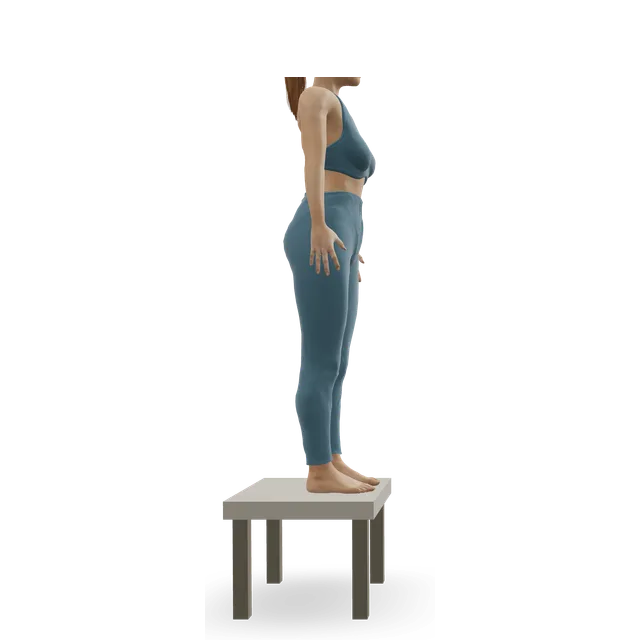
Loading the 3D figure…
Source-researched guide.
How to move
- Stand on a box with the toes at its edge.
- Step off, land on both feet together, and spring straight back up into a jump with the arms driving up.
- Keep the ground contact as short as you can, then land and reset before the next rep.
Form cues
- The contact should be very brief, not a deep squat.
- Use a low box; height is not the goal.
Practice and cautions
No universal dose is assigned. Choose a manageable amount for your current capacity, leave room for controlled repetitions, and allow recovery. A clinician’s individual plan takes priority.
Not for beginners, for anyone carrying a lot of weight without an impact base, for a tendinopathy flare up, or after recent lower limb injury. In pregnancy, don't start new jumping or impact work; if you already do it, drop it when it causes leaking, heaviness or pelvic pain. After giving birth, UK guidance suggests waiting until at least 3 months before running and jumping, and only when walking, hopping and jogging on the spot cause no leaking, heaviness or pain. This timing is expert advice. With proliferative or severe non-proliferative diabetic retinopathy, avoid jumping and jarring. With numb feet from diabetes or another cause, choose low-impact options, wear well-fitting shoes, and check your feet for redness or blisters afterwards; with an open sore or ulcer, do no weight-bearing exercise until your foot team says so. With muscular dystrophy, leave out exercises that focus on lowering a heavy load or hard landings unless your neuromuscular team advises them. This is movement education, not an assessment or treatment prescription. Stop for sharp or increasing pain, dizziness, numbness or tingling; seek individual guidance for symptoms, injury or restrictions.
Sources and review status
Sources support the educational description; they do not establish that this exercise is suitable for you.
- ACE · Total-body plyometrics workout (the depth jump) ↗
- NASM · Developing power with plyometrics (controlled landings before repeated and reactive jumps) ↗
No variation is labeled clinically validated.
What it works
Muscles
Main: Quads, Glutes, Calves. Also: Hamstrings.
Anatomy: Sartorius, Quadriceps, Rectus femoris, Vastus medialis, Vastus lateralis, Gluteus maximus.
Equipment
A step
Level
Advanced. See the easier and harder options above.
Workouts that use it
Guides that use it
Similar moves
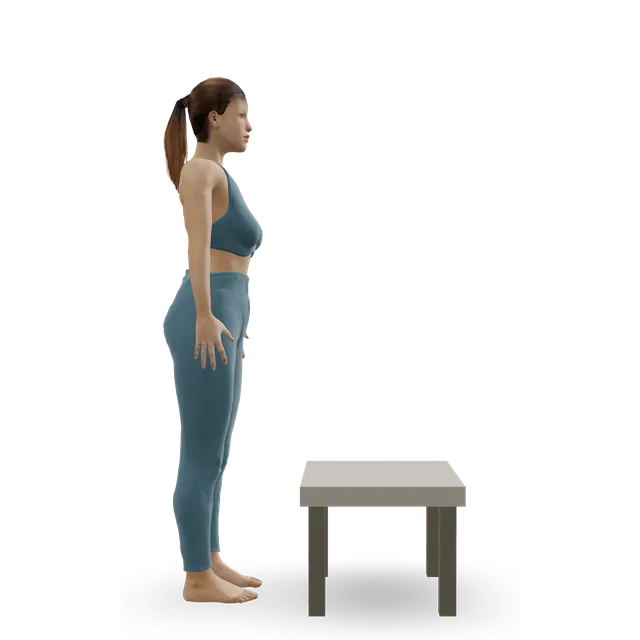 3D demoBox jumpIntermediate · A bench or box
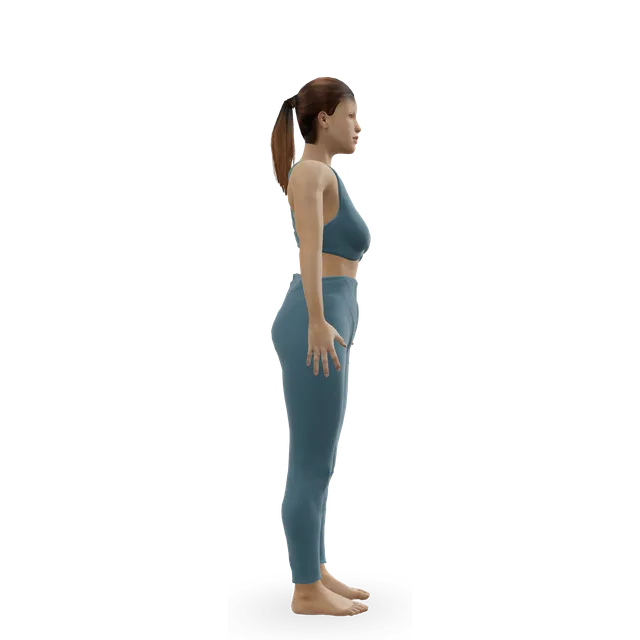 3D demoJump squatIntermediate · No equipment
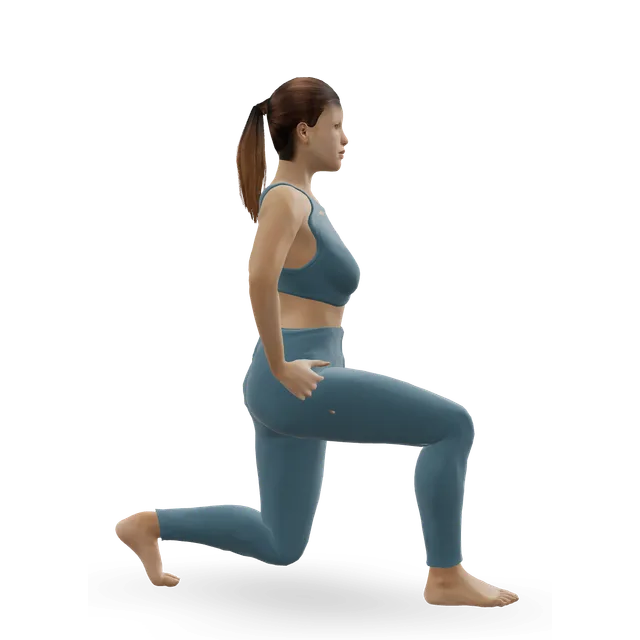 3D demoSplit squat jumpAdvanced · No equipment
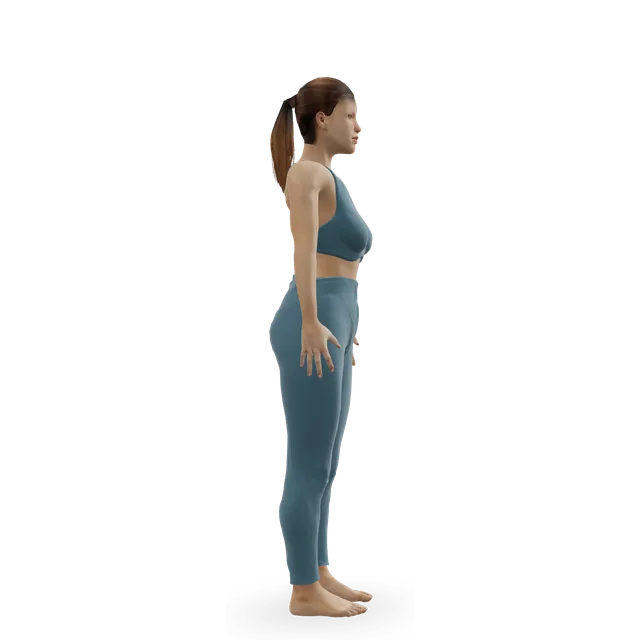 3D demoStanding broad jump with stuck landingIntermediate · No equipment
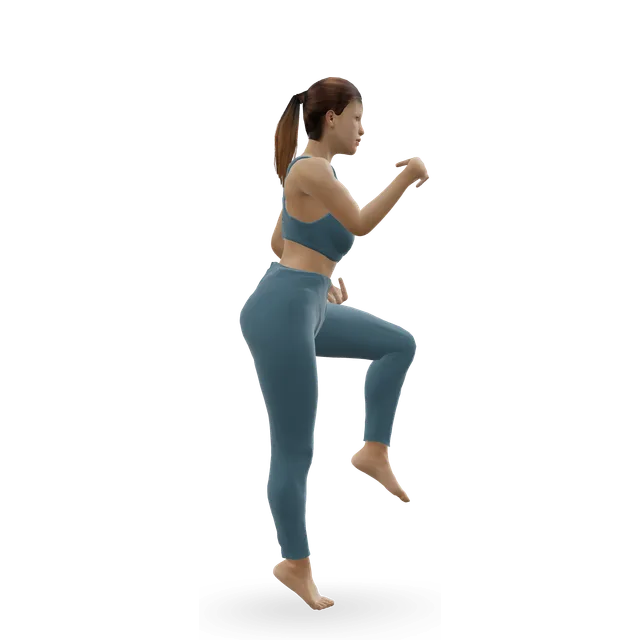 3D demoAlternate-leg boundingAdvanced · No equipment
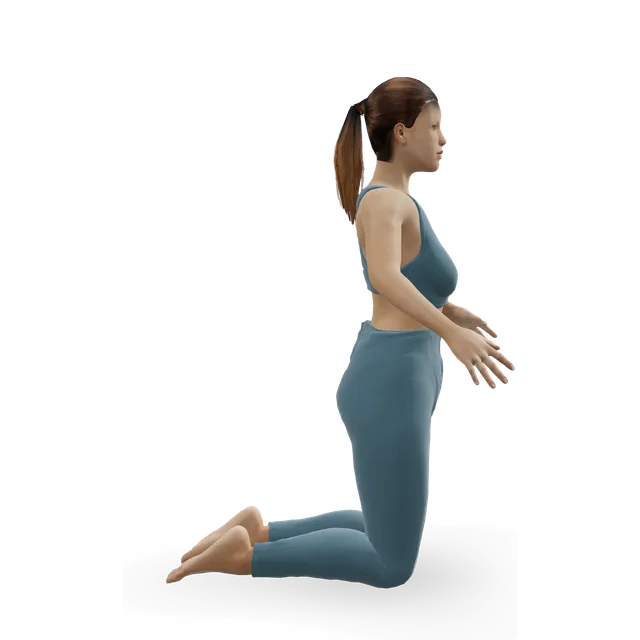 3D demoKneeling jump squatAdvanced · No equipment
Browse more
Questions people ask
What muscles does the Depth jump work?
Mainly the quads, glutes and calves, with help from the hamstrings.
What equipment do I need for the Depth jump?
A step.
Is the Depth jump good for beginners?
It is an advanced move. Build up to it with the Box drop landing first.
What is an easier alternative to the Depth jump?
Try the Box drop landing or the Snapdown to athletic landing. Both are written steps in the same progression.
How do I make the Depth jump harder?
Progress to the Depth jump to a second box. Follow that guide’s technique and any stated timing.