The test
A countermovement jump: a quick dip and straight up, best of three. Canada's national survey measured it on a force plate, with an arm swing allowed and one or two practice jumps first.
Source 1
Fitness test
Dip quickly and jump straight up as high as you can, swinging your arms, and measure your best of three jumps with a phone app that times your flight, or with chalk marks on a wall. Enter your height with your age and sex to see your percentile among Canadians measured in a national survey, and add your body weight to estimate your leg power. Different ways of measuring give different heights, so the page tells you which results it can compare, and how much a jump changes from day to day. Skip the test with a sore knee, ankle or back, and if you're unsteady on your feet, try the chair stand test instead.
Choose your sex, age and how you measured, then enter your best jump as a height or a flight time, or your two marks on a wall. Add your weight to estimate your leg power. A jump mat's percentile comes with a stronger caution, and a wall or Vertec gets no percentile.
45.0cm (17.7 in)
Between the 30th and 40th percentile for men aged 25 to 29 in Canada's 2016-17 national survey: around the middle.
Estimated peak power about 4,300 W (53.8 W per kg), by the Sayers equation. For one person it can be several hundred watts out: its typical error was 355 W.
| Percentile | cm |
|---|---|
| 5th | 31.5 |
| 10th | 35.5 |
| 20th | 40.0 |
| 30thyou reached this | 43.1 |
| 40th | 45.7 |
| 50th | 48.0 |
| 60th | 50.3 |
| 70th | 52.6 |
| 80th | 55.3 |
| 90th | 59.0 |
| 95th | 61.9 |
The norms came from a force plate with an arm swing, best of three. Apps that time your flight agreed with force plates to within about a centimetre on average, so treat your percentile as a close guide rather than exact.
A change of about 2 cm or less may be day-to-day difference. Stop if a jump hurts your knees, ankles, hips or back, or if you leak urine when you land.
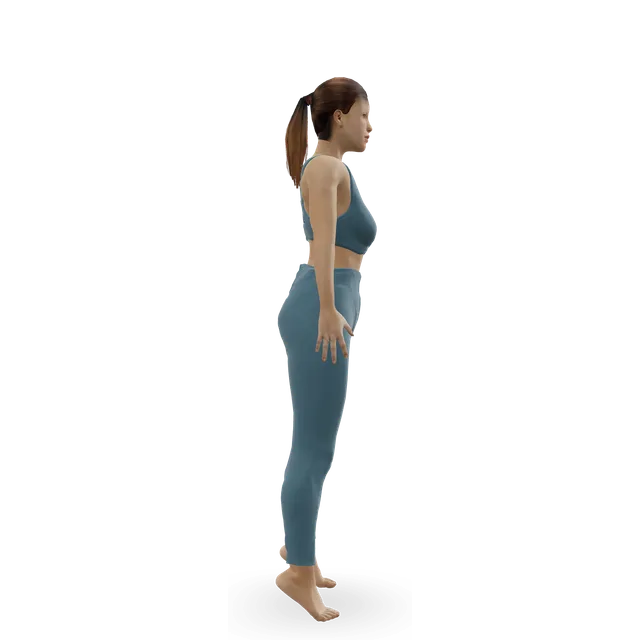
You need a phone with a jump app that times your flight from slow-motion video, or a wall, chalk and a tape measure. The survey behind the norms used a force plate, allowed an arm swing and kept the best of three jumps. The figure shows the rocket jump, a jump and reach; the jump squat in the moves below shows the dip and drive.
Loading the 3D figure…
The movement on the figure: Rocket jump (jump and reach)
A countermovement jump: a quick dip and straight up, best of three. Canada's national survey measured it on a force plate, with an arm swing allowed and one or two practice jumps first.
Source 1
3,753 people aged 8 to 69, measured in 2016 and 2017. The median jump was 49.4 cm for men and 31.8 cm for women aged 20 to 24, and 28.5 cm and 21.1 cm at 65 to 69.
Source 1
Against a lab force plate, one jump mat read 11.7 cm low and another 16 cm high, and wall or Vertec heights shouldn't be swapped with app heights. Pick one method and keep to it.
A phone app that times your flight agreed with a force plate to within about 1 cm, and across 21 studies didn't differ from lab methods.
The Sayers equation turns your height and weight into peak power, with a typical error of 355 W for one person.
Source 7
Across 26 studies, jump training raised the countermovement jump by about 9%, roughly 2 to 6 cm.
Source 8
Statistics Canada's jump height percentiles in cm, printed from the scorer's own table. The scorer places your jump, to 0.1 cm, between the published percentiles either side of it for your age and sex; a jump equal to a percentile counts as reaching it.
The 5th, 10th, 20th, 30th, 40th, 50th, 60th, 70th, 80th, 90th and 95th percentiles, in cm:
Source 1
The 5th, 10th, 20th, 30th, 40th, 50th, 60th, 70th, 80th, 90th and 95th percentiles, in cm:
Source 1
In cycle 5 of the Canadian Health Measures Survey, in 2016 and 2017, 3,753 people aged 8 to 69 did the jump test, about half of them female; the survey offered it from 6 to 79, but too few younger and older people took part. Each did three valid single countermovement jumps (up to five tries) on a Leonardo Mechanograph force plate, after one or two practice jumps, with an arm swing allowed, and the highest counted. Survey weights make the results represent Canada's population.
Source 1
Statistics Canada says these norms "should be compared only with data generated from the Leonardo Mechanograph Force Plate", because other methods such as the Vertec read differently. Screening people before testing "may have biased this study's results by screening out unfit individuals", so the values may be higher than for the whole population. The scorer therefore gives percentiles for app and force-plate heights, a percentile with a stronger caution for jump mats, and none for jump-and-reach (editorial).
Source 1
For boys aged 10 to 11, the 90th and 95th percentiles (43.8 and 45.0 cm) sit only 1.2 cm apart, where neighbouring rows are 2.6 to 3.1 cm apart (our arithmetic). It's printed as published.
Source 1
It's national and recent, covers both sexes and every age from 8 to 69, prints its method, and we could read it in full. Canada's other fitness percentiles already give our sit-and-reach norms (editorial).
Source 1
Hands on the waist: in 715 children and young adults aged 9 to 21 in Metro Vancouver, the median jump was 0.26 m for girls and 0.25 m for boys at 9, rising to 0.33 m for girls from 15 and 0.46 m for young men aged 18 to 21.
Older adults: in 332 US adults aged 27 to 96 (average age 65), jump height averaged 0.20 m in women and 0.27 m in men, and in 704 German adults, jumping power per kilo fell by 40 to 50% between their 20s and their 80s.
Professional rugby league players, hands on hips and averaging three jumps, managed 34.1 cm (forwards) and 36.4 cm (backs): below the survey's medians for men because of the method, not the players (our reading).
As the scorer works them out:
Countermovement and squat jumps were the most reliable of seven jump tests in 93 students, with within-person variation of 2.4 to 4.6%. Between days, the best of three devices in 79 students had a standard error of 1.3 to 2.4 cm, and the Vertec changed most across trials, so practise until your jumps level off. Volleyball players' and rugby league players' repeat jumps agreed closely too. For tracking change, the average of several jumps was more sensitive than the best. A change of about 2 cm or less may be day-to-day difference (editorial).
Jumping power per kilo fell by 40 to 50% from people's 20s to their 80s in 704 German adults, more than their force did (about 20%). In the national norms, men's median falls from 49.4 cm at 20 to 24 to 28.5 cm at 65 to 69, and women's from 31.8 to 21.1 cm. Jump measures tracked age more closely than grip or chair-rise tests in 332 US adults. These describe groups; they don't predict your health.
We found no study linking jump height with health outcomes in the general population. One group suggests jumping power reference values could help spot people at risk of sarcopenia (age-related loss of muscle), but that hasn't been tested. We make no health claim (editorial).
Source 11
Against a lab force plate, one contact mat read 11.7 cm low and a Vertec 2.4 cm low, while a belt mat and a portable force plate were within 1 cm. Another mat read 50 cm where the force plate read 34 cm. Vertec and app heights shouldn't be swapped, and how you measure your standing reach changes a jump-and-reach score. Methods that time the flight or use take-off speed measure from take-off, so they read lower than methods that start from standing flat-footed.
My Jump agreed with a force plate to within about 1 cm (an intraclass correlation of 0.997 in 20 men), and across 21 studies, flight-time apps didn't differ from lab methods. Landing with bent knees lengthens the flight time and makes the height read high.
A hard arm swing added 8.6 cm in 20 men, and children jumping with hands on their waist scored 13 to 19% lower than children allowed to swing.
Across 26 studies, jump training raised the countermovement jump by 8.7% (7.5% with an arm swing), roughly 2 to 6 cm.
Source 8
In 12 trials in older adults, supervised jump training didn't lead to more injuries or problems. At home, anyone unsteady should use safer tests.
Source 22
Better volleyball teams and more skilled basketball players tend to jump higher, in observational studies.
My Jump works out your height from your flight time on slow-motion video: height in metres = 1.22625 × the flight time in seconds, squared, which is gravity times the flight time squared, divided by 8 (our arithmetic). Film side-on, mark take-off and landing frame by frame, and land with straight legs.
Force plates work out height from your take-off speed (the speed squared, divided by 19.62) or from your flight time. Canada's norms came from a Leonardo force plate and its software.
Mats time your flight too, but they vary by maker: one read 11.7 cm below a force plate, a belt mat 0.1 cm, and another mat about 16 cm above. Check yours against a force plate if you can.
The gap between your standing reach and your highest touch. It reads differently from flight-time and force-plate methods, by several centimetres in a direction that depends on how your reach is taken, so the scorer shows your height and power but no percentile. Practise until your jumps level off.
A countermovement jump starts with a quick dip; a squat jump starts from a held half squat. Canada's norms used a countermovement jump with an arm swing, while some youth and sport norms use hands on hips. Both jumps repeat well.
Peak power (W) = 60.7 × jump height (cm) + 45.3 × body mass (kg) - 2055. It came from squat jumps by 108 college-age men and women, athletes and not, on a force platform, with a typical error of 355 W, and countermovement jumps put into it read about 2.7% high. The authors recommend it over the older Harman and Lewis equations, and say separate equations for men and women are unnecessary. Which height measure it was built on isn't in the summary we could read.
Source 7
Copies of Harman's 1991 equation disagree on the sign of its constant: one paper prints + 1822 and another - 1822, and we couldn't open the original. With + 1822, college women jumping 43.8 cm at 73.4 kg come out at about 98 W per kilo, roughly double what force plates measure, and a study of women's jumping power reports Harman estimates that fit only the minus form (our arithmetic).
The authors of a study of 77 junior basketball players call equations like these biologically unsound beyond the range of the people they came from, and found that an allometric model (one that scales with body size), and body mass multiplied by jump height, predicted peak power better. Sayers gives a negative power for a 30 kg child jumping 10 cm (our arithmetic), so the scorer shows power only for adults with jumps of 10 to 100 cm and weights of 40 to 150 kg (editorial).
Source 28
Canada's survey also measured jumping power on its force plate, but an estimate can't be compared with measured power, so the scorer gives no percentile for power (editorial).
Source 1
Start with landings and small jumps, then box jumps, then depth jumps, with squats and hinges for strength. Two sessions a week for 8 to 12 weeks is a sensible block, as our jump guide suggests, with fewer jumps than most programmes sell.
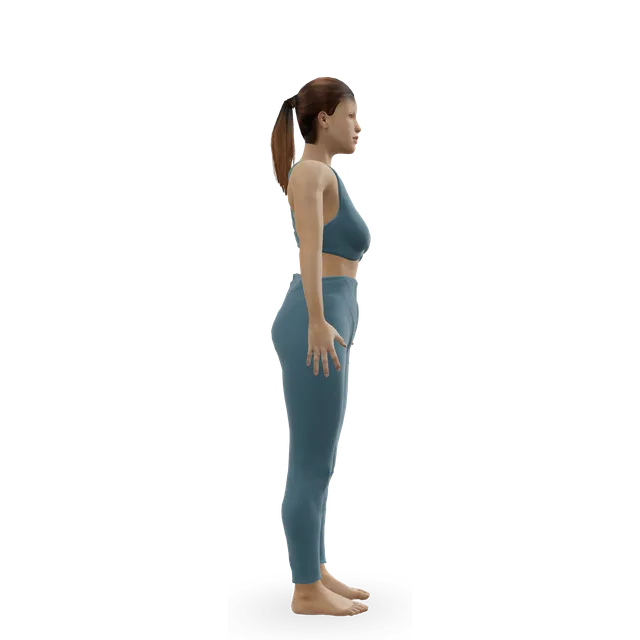 3D demoJump squatIntermediate · No equipment
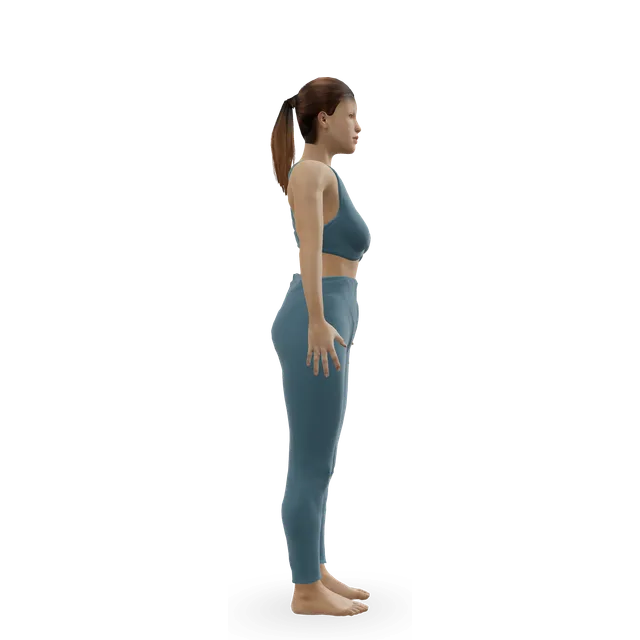 3D demoRocket jump (jump and reach)Intermediate · No equipment
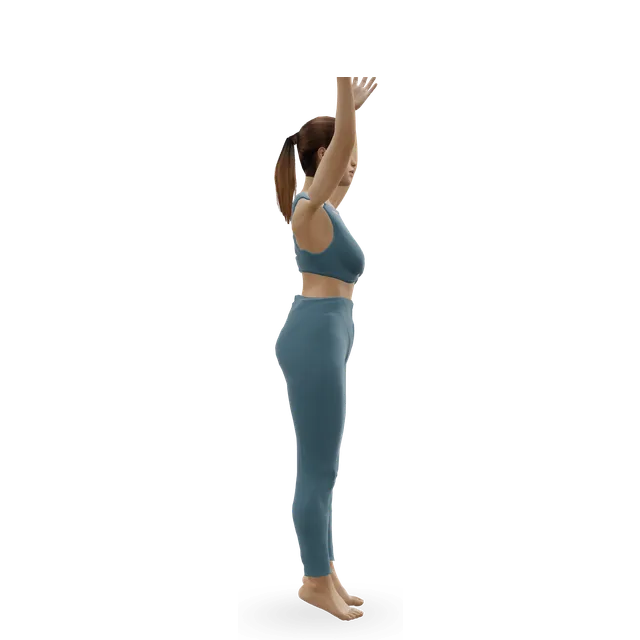 3D demoSnapdown to athletic landingBeginner · No equipment
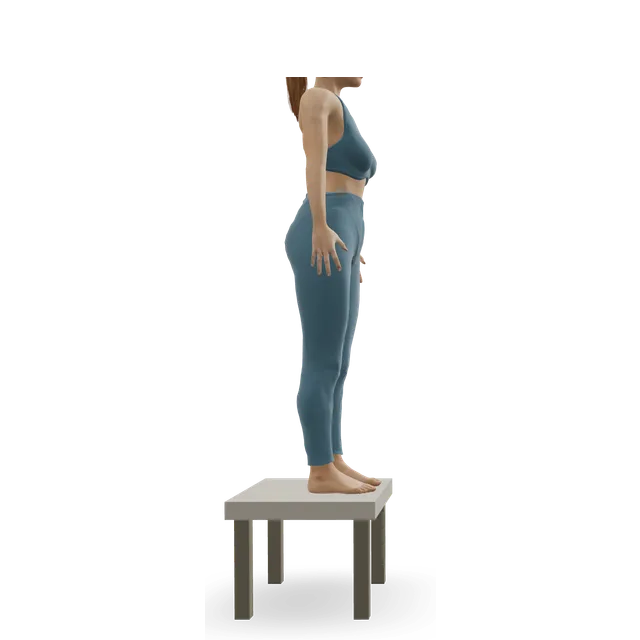 3D demoBox drop landingIntermediate · A step
 3D demoPogo hopsIntermediate · No equipment
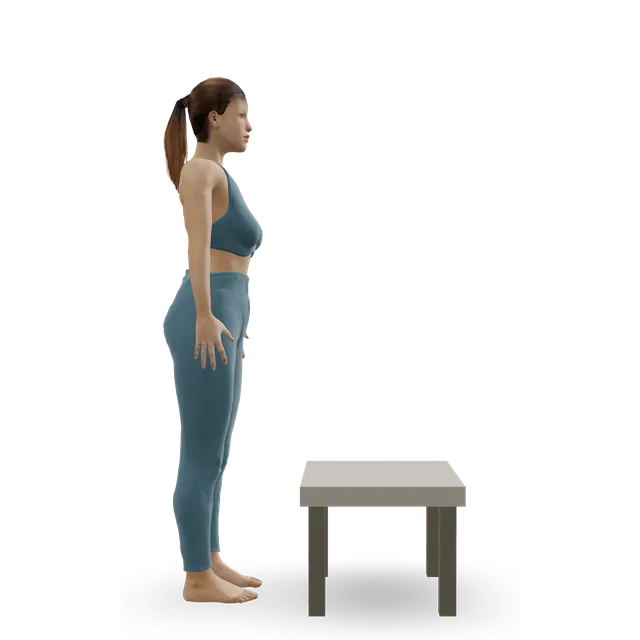 3D demoBox jumpIntermediate · A bench or box
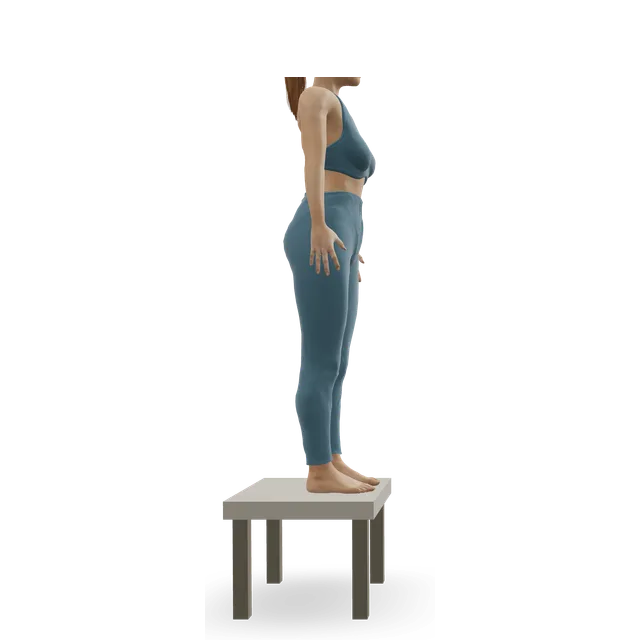 3D demoDepth jumpAdvanced · A step
 3D demoDumbbell goblet squatIntermediate · A dumbbell
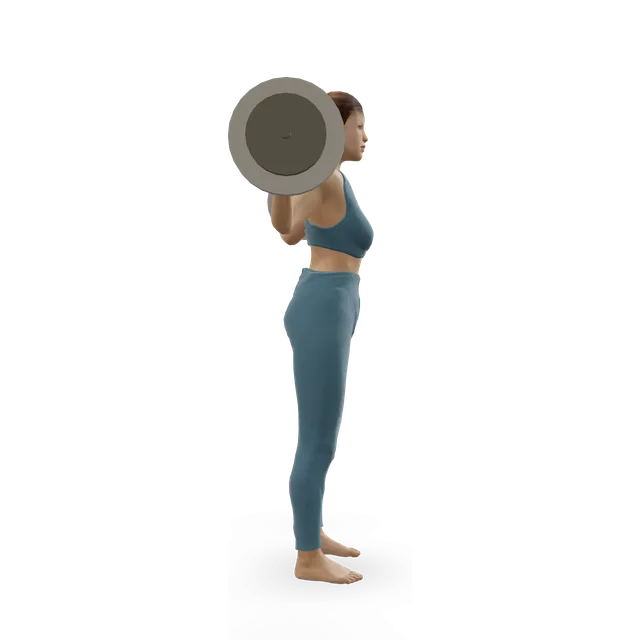 3D demoBarbell back squatAdvanced · A barbell
 3D demoSingle-leg calf raise from a stepIntermediate · A step + A wall
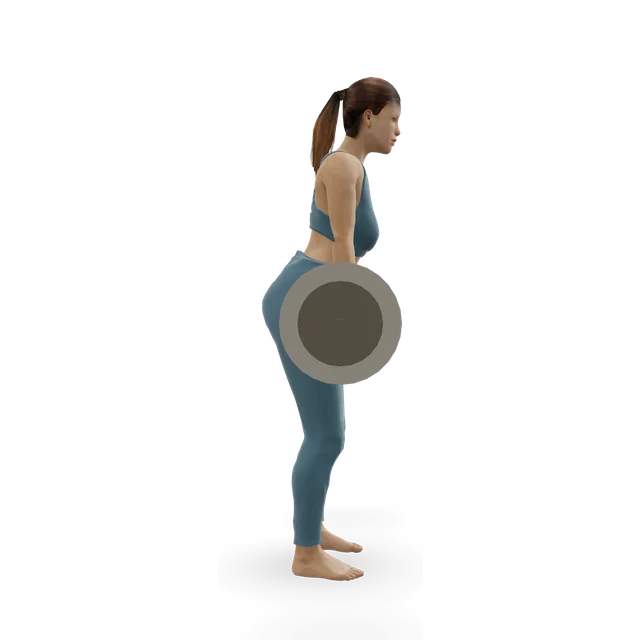 3D demoHang power cleanAdvanced · A barbell
The vertical jump workout is our jump guide's staged session. Start with the springy starter if you're new to jumping, and save the plyometric workout and its depth jumps for later.
A beginner's springy session: calf strength first, then heel drops, calf springs and gentle bounces, building towards skipping and pogo hops.
20 minBeginner11 movesA wall, A stepA staged jump session for 8 weeks: landings and small jumps, then box and broad jumps, then depth jumps, each followed by squats, hinges and calf work.
40 minIntermediate16 movesA step, A bench or boxAn advanced jump training session: pogo hops, box jumps, split squat jumps, broad jumps and depth jumps.
30 minAdvanced8 movesA bench or box, A stepA 45-minute basketball gym session: landings, box jumps, skater bounds and hop-and-sticks, then squats, hinges, split squats, Nordics, calf raises and planks.
45 minIntermediate13 movesA bench or box, A dumbbellA 35-minute netball session: drop landings, hop-and-sticks, lateral bounds and jumps, then goblet squats, split squats, single-leg hinges, Nordics and hip work.
35 minIntermediate15 movesA wall, A stepStrength raises jump height too, especially if you're new to lifting. These plans build it, and the plan for men over 40 adds power work.
A 12-week beginner barbell program: squat every session, alternate bench and row with press and deadlift, and add weight each time until it stalls.
3 training days50 minBeginner3 days a weekA 3-day strength plan for men over 40 with power and bone work, two cardio days and mobility, built on research on ageing muscle.
3 training days45 minBeginner2 days a weekA 12-week strength plan for runners: two sessions a week of heavy lifts, single-leg work, calf raises and hops, fitted around your runs.
2 training days45 minBeginnerMaximal jumps and landings load them, so test once they've settled (editorial). Our jumper's knee, Achilles tendinopathy and ankle sprain guides cover what to do meanwhile.
Our box jump guide advises not starting box jumps in pregnancy, and the PAR-Q+ (Physical Activity Readiness Questionnaire for Everyone) asks you to talk to a health care practitioner first.
Source 29
Our postpartum guide brings jumping back from about 12 weeks, after its hop checks.
It's common and treatable: build up pelvic floor exercises and lower-impact work first, as our pelvic floor guide explains.
Our osteoporosis guide keeps impact to brisk walking after a spinal fracture and avoids landing from a height. The chair stand or grip strength test suits you better.
A maximal jump and landing at home risks a fall (editorial). The 30-second chair stand and the timed up and go are safer tests of your legs.
Check which movements your surgical team allows before you jump.
If you answer yes to any question on the PAR-Q+, check with your GP or a qualified exercise professional before any maximal effort.
Source 29
Use the children's rows, with an adult watching (editorial). Children's jump heights rise fastest in the teens, especially in boys.
Source 1
Stop and call 999 for:
If pain below your kneecap is worse the next morning, or you leak urine when you land, take a break and see our jumper's knee and pelvic floor guides.
Against a lab force plate, a contact mat read 11.7 cm low and a Vertec 2.4 cm low, another mat read 16 cm high, and Vertec and app heights shouldn't be swapped.
Many don't say who was measured or how. Canada's national figures come with their population and method, and Statistics Canada warns they fit only the same kind of force-plate jump.
Source 1
An arm swing added 8.6 cm in 20 men, and children jumping with hands on their waist scored 13 to 19% lower than children jumping with free arms.
It estimates it, with a typical error of 355 W for the Sayers equation, and copies of Harman's equation even disagree on a sign.
Trials average 8.7% on the countermovement jump, about 2 to 6 cm, over weeks of training.
Source 8
Supervised jump training in 12 trials in older adults didn't lead to more injuries or problems. At home, anyone unsteady should use the safer tests in who it isn't for.
Source 22
Stand with your feet about hip-width apart, dip quickly and jump straight up as high as you can, swinging your arms, then land on both feet in the same spot. Do one or two practice jumps, then three test jumps about a minute apart, and keep the best.
The most accurate home method is a phone app that times your flight from a slow-motion video: in studies it agreed with lab force plates to within about a centimetre. Without an app, chalk your fingers and mark your standing reach and your highest touch on a wall, but that reads differently, so don't mix the two.
In Canada's national survey, the middle jump for adults aged 20 to 24 was 49.4 cm for men and 31.8 cm for women, falling to 28.5 cm and 21.1 cm at 65 to 69. Those jumps used an arm swing and a lab force plate, so compare a jump measured the same way.
Enter your height, age and sex to see your percentile. As a guide, for people aged 25 to 29 the middle 60% jumped from 40.0 to 55.3 cm (men) and from 26.5 to 36.2 cm (women).
Jump height in metres is 1.22625 times the flight time in seconds, squared, which is gravity times the flight time squared, divided by 8. A flight time of half a second gives about 30.7 cm. Land with straight legs, because landing with bent knees makes the flight longer and the height too high.
The Sayers equation estimates peak power in watts as 60.7 times your jump height in cm, plus 45.3 times your body weight in kg, minus 2,055. It's an estimate, typically a few hundred watts out for one person, and we don't use the older Harman equation because published copies of it disagree.
Yes: in a lab study of 20 men, an arm swing added 8.6 cm. Canada's norms allowed an arm swing, so if you jump with your hands on your hips, expect to score lower against them.
It's one version: the Sargent jump, or jump and reach, measures how much higher you can touch than your standing reach. It's quick and needs only a wall, but it reads differently from apps and force plates, so we use it only for tracking yourself.
Across 26 trials, jump training raised the countermovement jump by about 9%, roughly 2 to 6 cm, over several weeks. Retest every 4 weeks the same way, and treat changes of about 2 cm or less as day-to-day difference.
Skip it with a current knee, ankle or back injury, in pregnancy, or if you leak urine when you land, and check with your team after a joint replacement or with osteoporosis and a past fracture. If you're unsteady on your feet, the chair stand test is a safer way to check your leg strength.
Fitness tests compared with published norms for adults (and for children on the beep test and the vertical jump test), not a diagnosis, and clinical review of these pages is pending. Check with a GP before a hard test if you have a heart condition, high blood pressure, chest pain, dizziness or breathlessness when active, and have someone with you for the balance, walking and floor tests if you've fallen or feel unsteady. Health disclaimer.