Sport

Aerial silks, hoop and trapeze: conditioning, falls, rigging, shoulders, concussion and aerial yoga

Aerial silks, the aerial hoop (lyra) and trapeze ask for a lot of pulling, hanging and trunk strength, shoulders that are strong at the top of their range, and the judgement to wrap and drop safely. In a year-long study of 201 US circus artists, aerial work had the highest injury rates per session, and the shoulder and lower back took the most injuries. The most serious injuries are falls: six women broke vertebrae falling from silks onto thin mats or none.

This guide covers what aerial asks of your body, the common injuries, mats, height and rigging, never training alone, wraps and drops, shoulders and hypermobility, coming back after breaks, skin, concussion and the circus stages for returning, who should skip going upside down, and aerial yoga's thin evidence. It includes a 15-minute warm-up and a 50-minute conditioning workout, with a 3D demo of every move.

The short version

Aerial work has circus's highest injury rates per session

In 201 US circus artists followed for a year, aerial apparatus had 4.26 injuries per 1,000 sessions, and apparatus fixed to the floor, such as Chinese pole and dance pole, 5.93, against 3.66 for the highest ground discipline. The shoulder took 22% of injuries and the lower back 13%.

Source 1

Falls from silks break backs

Six women aged 15 to 36 fell 1 to 5 m during supervised silks training and broke vertebrae where the middle back meets the lower back; four landed on mats under 5 cm thick and two on no mat, and four needed surgery.

Source 2

Rigging, mats and never alone

The National Centre for Circus Arts forbids "any aerial work, regardless of height" alone in a studio, and rigging your own equipment, and asks for a mat or a lower height for new skills. Rigging should be installed and inspected by a competent rigger; the International Pole Sports Federation (IPSF) requires one to rig its competition equipment.

Sources 3, 4

Concussion has its own circus stages

A 2025 circus consensus sets 8 stages for circus artists, with inversions back at stage 4. Recreational aerialists in the UK follow the UK guidelines for grassroots sport, with no competition before day 21.

Sources 5, 6

No prevention programme has been tested

A 2025 review found no randomised trial of any intervention in circus artists. In other sports, strength training cut injuries to under a third, while stretching made no difference.

Sources 7, 8

Aerial yoga's evidence is thin

No trials of aerial yoga have been published. One uncontrolled study, sponsored by the American Council on Exercise, measured about 4.8 METs (metabolic equivalents) and 320 kcal in a 50-minute class.

Source 9

What aerial arts ask of your body

The apparatus

Aerial silk is two long lengths of fabric hung from one point, 14 to 20 m high in professional shows, climbed and wrapped round the body. The aerial hoop is a steel ring 90 to 100 cm across, hung from one or two points; at IPSF competitions it's a double-point hoop hung between the athlete's chin height and the height reachable with a small jump. Trapeze is a bar on two ropes, static or swinging. Researchers group these as "aerial", and apparatus fixed to the floor, such as Chinese pole and dance pole, as "aerial with ground elements".

Sources 2, 4, 1

The moves

Climbs, wraps and foot locks, inversions from a hang, beats (swings), rolls and drops on silks, and poses held in splits and backbends; on hoop and trapeze, mounts and balances on the bar.

Sources 2, 5

Sudden loads

Drops and fast descents load your body and the rigging suddenly. The circus concussion consensus gives "A sudden upward pull of the rigging lines as an aerialist is descending quickly, resulting in a rapid deceleration" as one way aerialists are concussed.

Source 5

FitnessEmerging evidence

13 recreational aerialists who trained at least twice a week had excellent flexibility, balance and aerobic fitness and average strength. In 201 circus artists, professionals did more pull-ups and had better handstand balance, fitness, and hamstring and straddle flexibility than pre-professionals.

Sources 10, 11

Energy

The Compendium of Physical Activities has no value for silks, hoop or trapeze, so our calories calculator doesn't include them. Aerial yoga in a hammock measured about 4.8 METs in one uncontrolled study.

Sources 12, 9

Where the load falls

The sites the studies point to:

  • The shoulders: hanging, pulling and inverting, often at the top of their range.
  • The lower back: backbends, beats and drops.
  • Wrists and hands: grip, hand balances and floor work.
  • The spine and head: falls, and hitting the apparatus.
  • The skin of the hands and body: friction from fabric and rope.

Sources 1, 13, 14, 15, 16, 2, 17, 18

What to train (our reading)

Repeated pulling and hanging, trunk strength to invert, shoulder control at the top of your range, flexibility you control rather than force, grip, and legs for dismounts and floor work, alongside the skill to wrap correctly.

Common injuries

The studies count injuries per 1,000 sessions, hours, artist exposures or performances, or ask what artists remember, and they define an injury differently. Figures in different lines aren't directly comparable.

How often circus artists get hurtEmerging evidence

The numbers, by group:

  • 201 US pre-professional and professional circus artists aged 13 to 69, followed for a year: 5.93 injuries per 1,000 sessions on apparatus fixed to the floor, 4.26 on aerial apparatus and 3.66 in the highest ground discipline.
  • A small pilot: 3 injuries per 1,000 exposures in 14 adolescents and 13 in 10 adults.
  • Professional circus, across 8 studies: 7.37 to 9.27 injuries per 1,000 artist exposures, mostly minor soft-tissue injuries of the spine and ankle.
  • Cirque du Soleil, 2002 to 2006: 9.7 injuries per 1,000 performances, and 80% of those with exposure data needed 7 or fewer treatments.
  • 44 circus students in the Netherlands: 3.3 injuries per 1,000 hours.
  • 334 students at a professional circus college over 7.5 years: 1.89 injuries per 1,000 training hours.
  • 169 students at a Berlin state artists' school over 17 years of insurance records: 0.3 accidents per 1,000 hours.
  • 60 women in aerial acrobatics in Saudi Arabia: 20% had an injury at the time.

Sources 1, 19, 20, 21, 13, 22, 15, 14

ShouldersEmerging evidence

The shoulder took 22% of injuries in US circus artists and 27.7% in Dutch circus students, and caused the greatest clinical burden at a circus college. Across 6 studies of athletes, hypermobile athletes had about three times the odds of a shoulder injury, on low-quality evidence. Our shoulder pain, shoulder impingement, rotator cuff tear, SLAP tear and shoulder dislocation guides cover these.

Sources 1, 13, 22, 23

Lower backsEmerging evidence

The lower back took 13% of injuries in US circus artists and 15.8% in Dutch students. At a Berlin school, spine injuries were 28.6% of men's and 29.0% of women's accidents on apparatus such as trapeze, against 10.8% and 8.4% in floor acrobatics. Our back pain and spondylolisthesis guides cover back pain.

Sources 1, 13, 24, 15

Falls from silks and spinal fracturesEmerging evidence

In Argentina and Paraguay, six women aged 15 to 36 fell 1 to 5 m (3.08 m on average) during silks training supervised by an instructor, and broke vertebrae where the middle back meets the lower back. Four landed on mats less than 5 cm thick and two on no mat; four needed surgery; none had nerve damage; and one fracture wasn't diagnosed for 4 days. The height of the fall didn't predict how bad the fracture was. We don't have a guide to spinal fractures after falls in young people yet.

Source 2

Heads and concussionEmerging evidence

Head injuries were about twice as common on apparatus as in floor acrobatics at the Berlin school (14.3% and 16.1% against 8.1% and 7.7%), "due to the direct head contact with the equipment". Cirque du Soleil recorded 1.30 concussions per 10,000 artist exposures between 2010 and 2019, most in acrobats and most often from hitting the apparatus or another artist. Our concussion and neck pain guides cover these.

Sources 15, 16

Wrists, hands and skinMixed evidence

The wrist took 14.1% of injuries in Dutch circus students and 21.4% in aerial acrobats in Saudi Arabia. In a surgical series of 23 rope friction injuries of the hand, with aerial acrobatics among the causes, 9 had damage to vessels, nerves or tendons, deeper than they looked. An acne medicine, isotretinoin, made one trapeze artist's palms blister and break down. Our wrist pain and gymnast's wrist guides cover wrists; we don't have a skin injury guide yet.

Sources 13, 14, 18, 17

Hips, knees and anklesEmerging evidence

Women had more hip and groin injuries in the US study, and a 12-week programme helped circus students with hip-related pain. The knee took 25% of injuries in aerial acrobats in Saudi Arabia, and the ankle 25% at an Australian circus school, where acrobatics and tumbling were the commonest cause of injury overall. Our hip impingement, hip labral tear, knee pain and ankle sprain guides cover these.

Sources 1, 25, 14, 24

Who's at higher riskEmerging evidence

Aerial disciplines per session; adults rather than adolescents; women, and artists over 30, in professionals' medical-attention injuries; a history of an eating disorder (2.27 against 1.48 injuries per artist); fatigue, emotional exhaustion and low confidence (1.8 to 2.8 times the risk in Cirque du Soleil trainees); and the weeks after holidays and breaks. Baseline strength, flexibility, joint mobility and balance didn't predict injury, and coaches' ratings of how risky skills were didn't match the injury rates. These are associations.

Sources 1, 19, 26, 27, 22, 28, 29

What prevents injuries

A 2025 scoping review found no randomised trial of any intervention in circus artists. The circus school's rules and the concussion consensus are the main guidance, and the strength evidence is borrowed from other sports; each note says so.

Mats and heightEmerging evidence

Four of the six women who broke vertebrae landed on mats under 5 cm thick, and two on none; the surgeons conclude that "Rigorous training and the use of safety elements are necessary to avoid injuries". The IPSF's 4 cm mat is for competition hoops hung no higher than a small jump. The National Centre for Circus Arts asks for a mat or a lower height for new skills, and the circus consensus treats work below 1 m as lowest risk. Our suggestion: learn every new skill low, over a crash mat thick enough for the height (a thin exercise mat isn't a crash mat), and go higher only once it's repeatable.

Sources 2, 4, 3, 5

Rigging by a competent riggerStrong evidence

For its competitions, the IPSF says "A competent professional who is capable and familiar with rigging human loads must always be used to rig the aerial equipment", with their own public liability insurance. The National Centre for Circus Arts tells members "Do not hard rig your own equipment", to use only rigging they've been inducted in, and to do a pre-use check. The circus consensus lists "appropriate equipment maintenance including rigging checks" first among ways to prevent falls. No study has measured these rules' effect. Our suggestion: rigging installed and inspected by a competent rigger, never a ceiling hook, light fitting or untested beam, and fabric, straps and connectors checked before every session.

Sources 4, 3, 5

Never aloneStrong evidence

"You must not train any activity with an increased risk while alone in a studio. This includes (but is not restricted to) Cyr wheel, handbalancing on canes or any aerial work, regardless of height." The circus consensus adds instruction for skills at height, and mats or spotting.

Sources 3, 5

Wraps and dropsStrong evidence

The consensus's own example: "An aerial acrobat incorrectly wraps the silks so they are not secure when performing a drop skill, resulting in a fall, hitting their head on the ground". Its ladder puts static holds, inversions and knee hangs below 1 m first, then full beats, slack drops and single-plane drops, and multi-planar drops and release moves at full height last. Our suggestion: your teacher checks every new wrap before you let go, and drops are learned low, slowly and one plane at a time.

Source 5

Strength training, borrowed from other sportsStrong evidence

Across 25 trials in other sports (26,610 people), strength training cut sports injuries to under a third, while stretching made no difference. No trial has tested it in aerialists.

Source 8

Shoulders and hypermobilityEmerging evidence

34.5% of US circus artists met the criteria for hypermobility, but only 1.5% reported a connective tissue disorder, and joint mobility didn't predict injury. In 23 circus students whose shoulders were unstable without a specific injury, a 12-week shoulder programme delivered by telehealth improved symptoms and strength, with no comparison group. In 100 adults with hypermobile shoulders, heavier strengthening helped a little more than light exercise at 16 weeks. Our hypermobility guide's rules apply: strength and control first, in the middle of the range, and no hanging passively at the end of it.

Sources 1, 30, 31

Calves for landingsEmerging evidence

In 29 performers on a Cirque du Soleil tour, one set of single-leg calf raises to fatigue on each leg, once a day on workdays for 9 weeks, raised calf endurance by about 23 raises, with 93.5% of sessions done, but lower-leg injuries didn't change (51.9% against 52.5%).

Source 32

Breaks, fatigue and restEmerging evidence

At a circus college, injuries rose for 3 weeks after the summer and winter holidays and before exams. In professional acrobats, medical-attention injuries were 1.45 times as common after breaks, and the authors suggest that 2-day breaks every 4 to 6 weeks may be enough. Fatigue and emotional exhaustion went with injury. Our suggestion: come back from holidays and illness with shorter, lower sessions for 2 to 3 weeks.

Sources 22, 28, 27

What isn't shownStrong evidence

No randomised trial of any intervention exists in circus artists, and the management studies included only 57 people. Screening tests of strength, flexibility and balance didn't predict who got hurt, and coaches' theoretical risk ratings didn't match the injuries seen.

Sources 7, 1, 29

Training for performance

No training trial has measured aerial performance (our search), so most of this is borrowed or our suggestion, and each note says so.

What trained aerialists haveEmerging evidence

Professionals did more pull-ups, held handstands better and were fitter and more flexible in the hamstrings and straddle than pre-professionals; men had more shoulder flexibility and upper-body strength, and women more hip and lower-back flexibility and hip strength. Recreational aerialists had excellent flexibility, balance and fitness and average strength, with the hamstrings weaker than the thigh muscles on the non-dominant leg. These describe trained people; they don't show what training produces.

Sources 11, 10

Strength training is already the cultureEmerging evidence

97% of vocational circus students said strength training was a required part of their training, on about 4 days a week.

Source 33

Shoulders and hips: two programmes in circus studentsEmerging evidence

A 12-week shoulder instability programme delivered by telehealth during a COVID-19 lockdown improved symptoms, strength and shoulder-blade movement in 23 circus students aged 15 to 35, and a 12-week hip programme improved quality of life and strength in 28 circus students with hip-related pain. Neither had a comparison group, and the exercises aren't given in the summaries, so our workout doesn't copy them.

Sources 30, 25

CalvesEmerging evidence

One set of single-leg calf raises to fatigue on each leg, once a day on workdays, built calf endurance in touring Cirque performers. Our conditioning workout includes it.

Source 32

Peaking for shows

No study has tested it. Our suggestion: full run-throughs at show intensity in the last 2 weeks, fewer new skills, and shorter sessions in the final days.

Fitting it around classes

Our suggestion: 2 strength sessions a week, on lighter aerial days, with classes on the other days. After a holiday, 2 to 3 weeks of lower, shorter sessions, because injuries rose after breaks at a circus college and in a professional company.

Sources 22, 28

Falls, mats and rigging: the rules

From the National Centre for Circus Arts' Open Training code (last updated 31 October 2025) and health and safety statement (reviewed August 2021), and the IPSF's Apparatus Norms 2022 and Aerial Hoop Code of Points 2024 to 2025. No study has measured these rules' effect on injuries (our search).

The National Centre for Circus Arts: training rulesStrong evidence

For its open training members, in its own words:

  • "Train within your limits. Do not attempt any skill which you cannot confidently and repeatedly execute safely."
  • "If attempting new or higher risk skills, take appropriate precautions, such as using a mat or attempting the skill at a lower height."
  • "Do not walk under anyone training at height."
  • No aerial work alone in a studio, "regardless of height".
  • "Only use the equipment or rigging that you have been inducted in the use of", and "Do not hard rig your own equipment".
  • "You are responsible for undertaking a pre-use check" of its equipment, and for "ensuring your own equipment is safe to use and has been examined as appropriate".
  • Report "any accident, incident, near miss or undesirable circumstance" straight away.

Source 3

The National Centre for Circus Arts: studentsStrong evidence

Training safety measures "may be reduced or absent for rehearsals or performance" only with the consent of the teachers and the year manager, case by case, once everyone agrees the performer can work safely that way.

Source 34

The IPSF's apparatus norms (competition)Strong evidence

For aerial hoop and aerial pole at its competitions:

  • Hoops 90, 95 or 100 cm across; "The minimum Working Load Limit (WLL) is 3kN and the minimum Breaking Load Limit (BLL) is 10kN"; double-point hoops only.
  • A competent professional, familiar with rigging human loads and holding their own public liability insurance, rigs the equipment.
  • Construction straps rated to at least 1 tonne working load, clean and free of cuts or abrasion.
  • The hoop hung between the athlete's chin height and the height they can reach with a small jump.
  • A 2 m by 2 m area under the hoop covered with a gymnastics mat at least 4 cm thick, with a non-slip backing.

Source 4

The IPSF's aerial hoop codeStrong evidence

Novice athletes (10 to 14) "are not permitted to perform aerial flips" or flip-outs, and a fall, "a sudden rapid uncontrolled drop onto the floor", costs 3 points. Athletes must be fit and healthy and not knowingly pregnant, as in pole.

Source 35

Rigging at home

No UK circus body publishes a public code for home rigs that we could find. Our suggestion: only with a rig installed and inspected by a competent rigger, rated hardware, a crash mat and someone else there; never a ceiling hook, a light fitting or a beam nobody has checked.

Concussion: the UK guidelines and the circus stages

Classes: the UK guidelinesStrong evidence

Recreational aerialists in the UK follow the UK guidelines for grassroots sport: "If in doubt, sit them out", no return that day, NHS (National Health Service) 111 or a healthcare professional within 24 hours, a graduated return, and no competition before day 21. Our concussion guide has the stages.

Source 6

The circus consensus, for circus artistsStrong evidence

A 2025 circus-specific extension of the international concussion consensus says an artist "should not be permitted to return to any physical activity until they have been evaluated by an appropriately qualified" healthcare professional. It sets 8 stages, each lasting at least 24 hours:

  • Stage 1: relative rest for 24 to 48 hours.
  • Stage 2: light exercise, then light resistance, with no direction changes, turns, inversions, floor or partner work; static upright hanging at low height is allowed.
  • Stage 3: moderate exercise, and aerial work at low height hanging from the hands, such as pull-ups and small beats.
  • Stage 4: low-risk skills, and inversions start.
  • Stage 5: moderate-risk skills, then a healthcare professional's clearance.
  • Stage 6: high-risk skills, including full height.
  • Stages 7 and 8: full training, then performance.

Source 5

How fast, and with whomStrong evidence

The consensus's earliest return, full training from day 8 and performance from day 9, is for circus artists supervised by a healthcare professional trained in concussion. Without one, and for young artists, its authors advise a slower return. In UK classes without such a clinician, the UK guidelines' day 21 applies, and in our reading the circus stages tell students and teachers which skills come back when.

Sources 5, 6

The first hoursStrong evidence

The consensus's action plan: don't move the artist or take off their costume except to protect the airway or in immediate danger; don't send them home or leave them alone, and have a responsible adult watch them for at least 3 hours; no driving, alcohol, drugs, painkillers or anti-inflammatories until a healthcare professional clears them; and the show doesn't have to go on.

Source 5

Governing bodies

We found no concussion policy from the IPSF or from a UK circus body. Our concussion guide covers the UK guidelines' stages.

Source 35

Who should skip going upside down

Our handstand guide's list applies

Skip inversions with glaucoma unless your eye specialist agrees, while high blood pressure isn't controlled, and after a recent wrist, elbow or shoulder injury, including a shoulder dislocation; ask your heart team first with heart disease, and don't start learning them in pregnancy. Hanging upside down in a hammock or a hip key can keep your head down for longer than a handstand (our reading).

Feeling faint upside downMixed evidence

A 51-year-old who felt faint hanging upside down in aerial yoga turned out to have a heart tumour blocking blood flow; it was removed and she went back to aerial yoga. It's a single case, but fainting or nearly fainting when inverted needs a GP, and fainting during exercise needs 999.

Sources 36, 37

Aerial yoga

What's been measuredMixed evidence

In a study sponsored by the American Council on Exercise, 16 active women averaged about 4.8 METs, 47.7% of their heart rate reserve and 320 kcal in a 50-minute class; after 6 weeks of 3 classes a week, their aerobic fitness rose by 10.9% and their systolic blood pressure fell by 8.6 mmHg (millimetres of mercury). There was no comparison group, and we found no peer-reviewed version.

Source 9

What hasn'tMixed evidence

Our yoga types guide found no published trials of aerial yoga, so claims that it decompresses the spine, boosts circulation or detoxes the body have no evidence behind them. Hanging upside down raises eye pressure and blood pressure, as our handstand guide explains.

Source 9

Our suggestion

Learn with a qualified teacher in a studio with a professional rig, keep inversions short at first, come down if you feel dizzy or unwell, and check the handstand guide's list before you go upside down.

A warm-up for aerial arts

Built on our warm-up guide and our climbing and gymnastics warm-ups (editorial): no aerial warm-up has been tested on injuries. The doses are those warm-ups', with the low tucks our suggestion; the checks follow the National Centre for Circus Arts' code.

  1. Check first: rigging, fabric and connectors checked as your studio has shown you, a crash mat in place, someone else in the room, and the apparatus low.
  2. Raise: 2 minutes of step jacks.
  3. Move: 3 slow shoulder circles each arm, 8 slow cat-cows, 5 trunk turns each side and 8 leg swings each leg.
  4. Wrists and fingers: 10 slow wrist circles and palm turns each way, then 1 slow round of finger glides (straight, hook, full fist, flat fist).
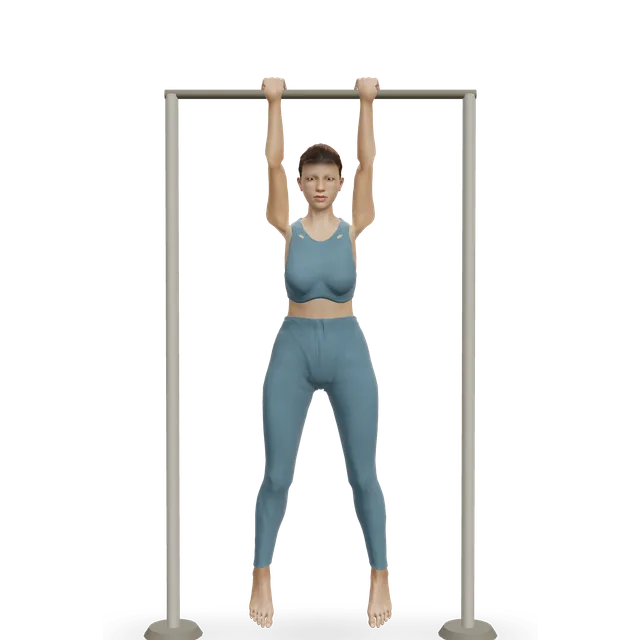
  5. Shoulder blades: 2 × 6 shoulder-blade pulls on a bar, elbows straight, then 15 band pull-aparts.
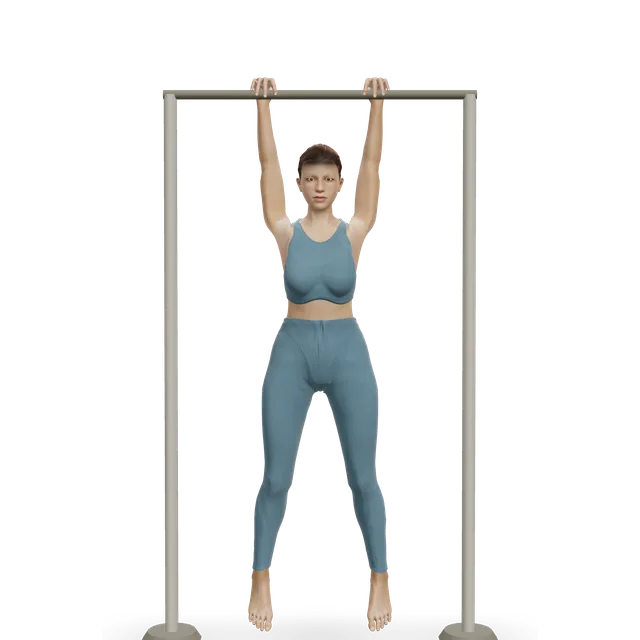
  6. Hang: on a bar or the apparatus at low height, 5 seconds, rest, 10 seconds, rest, 20 seconds. Leave it out after a recent shoulder dislocation.
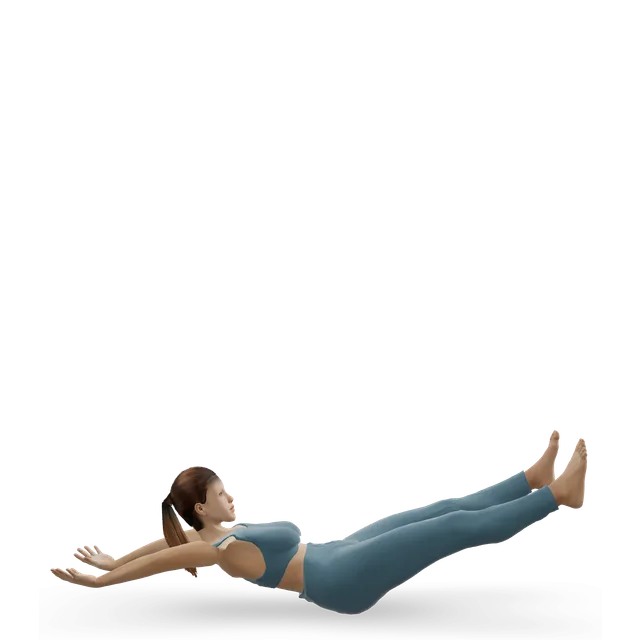
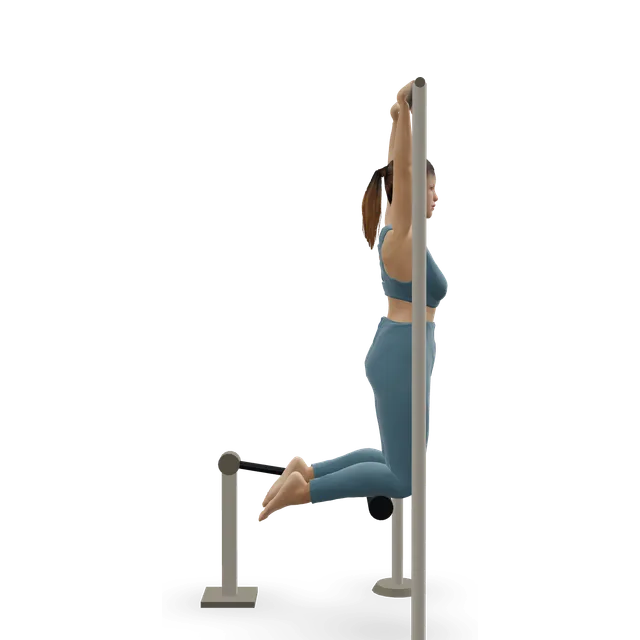
  7. Trunk and tuck: 2 hollow holds of 15 seconds, then 2 × 5 slow hanging knee raises, low, before you invert on the apparatus.
  8. Hips: 2 holds of 15 to 30 seconds of a half-kneeling hip flexor stretch each side, never forced. Then climbs and wraps low first, and drops only once your teacher has checked the wrap.

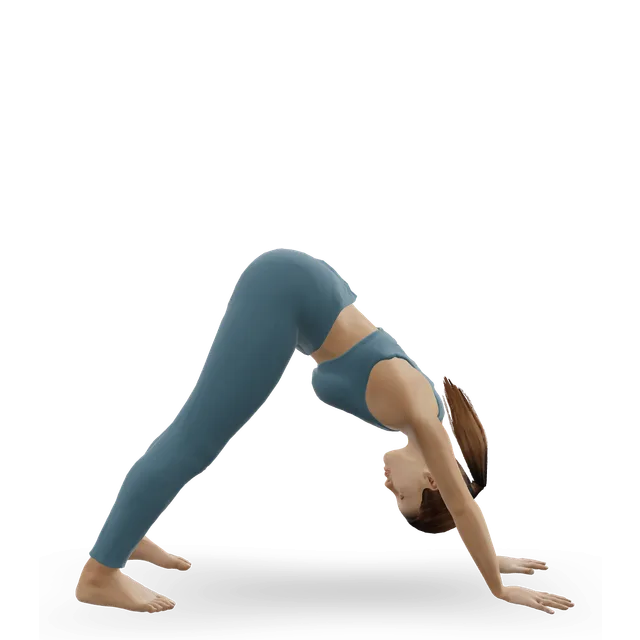
Loading the 3D figure…

Gets into position, then repeats the movement. Technical checks passed; qualified exercise review is pending.

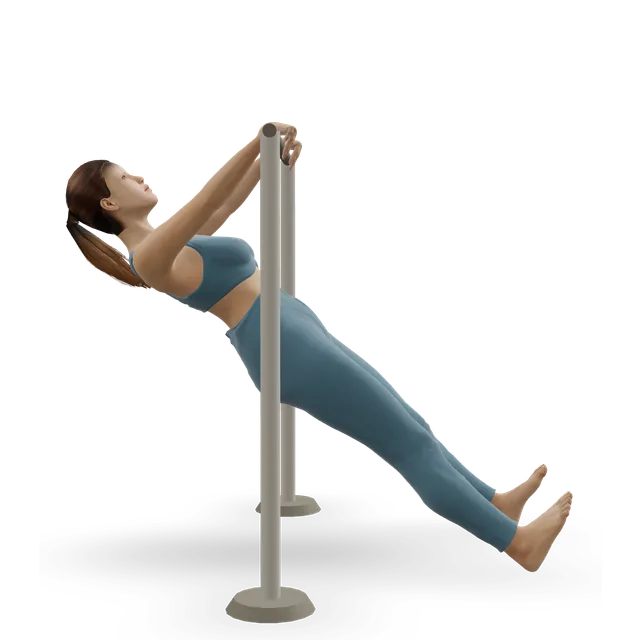
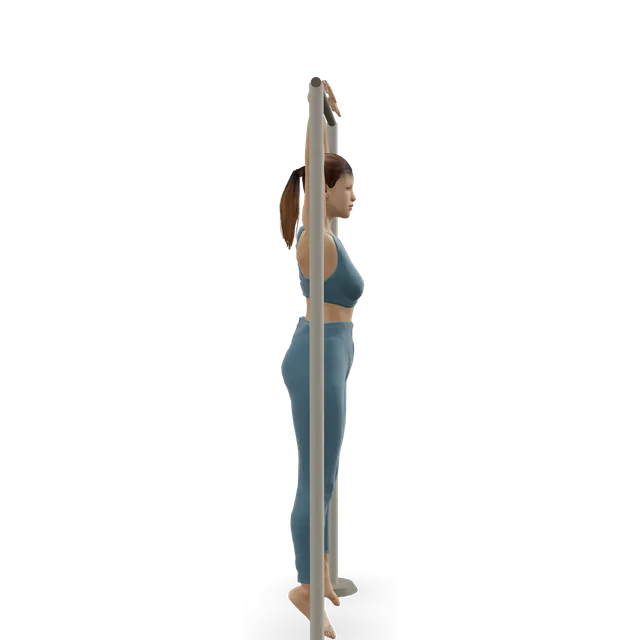
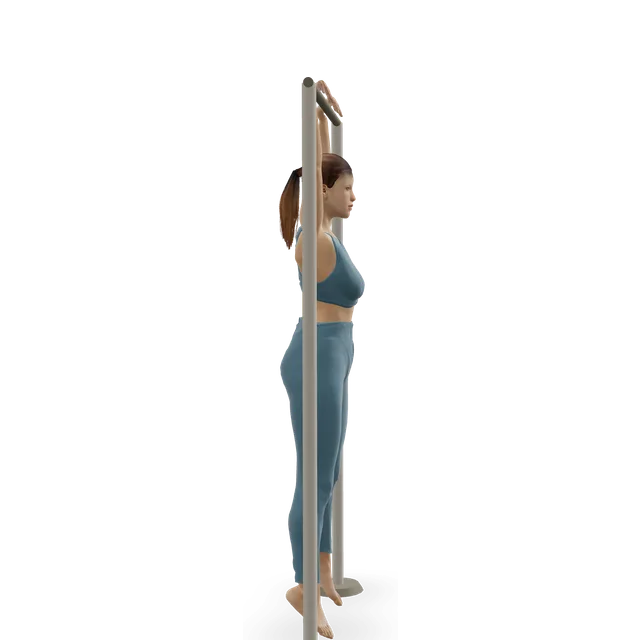
The movement on the figure: Scapular pull-up

Moves for aerial arts

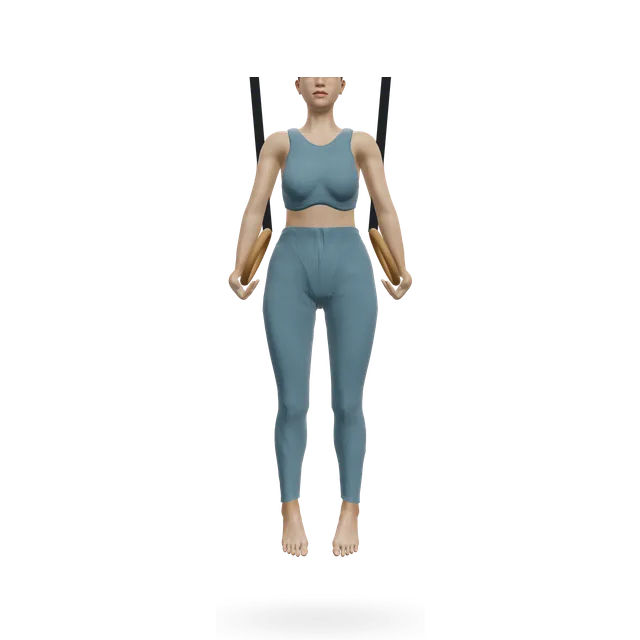
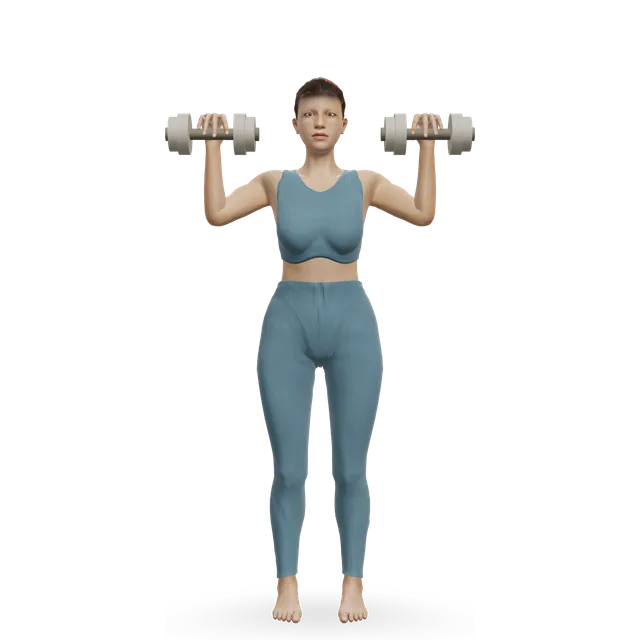
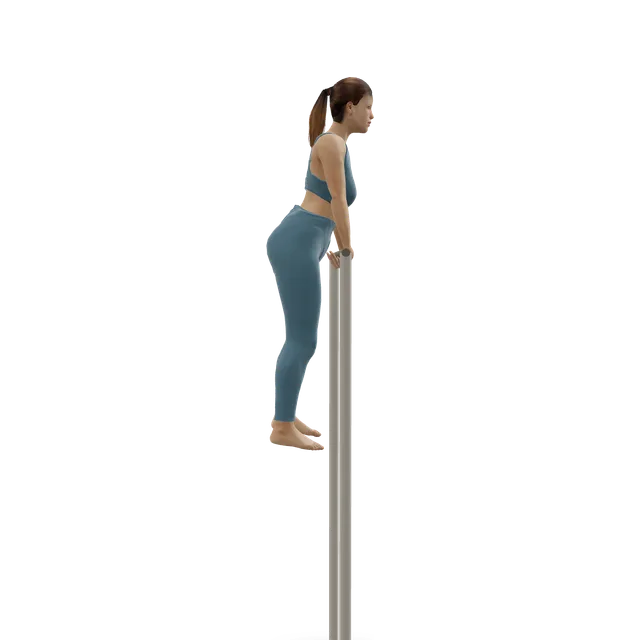
Hangs and pulls for climbs, knee and leg raises and hollow holds for inversions, a support hold for hoop and trapeze mounts, shoulder care, pushing, grip and calves. Each has a 3D demo.

Workouts

The first two are new: a conditioning workout off the apparatus and a warm-up for class. The climbing, pull-up, dip and grip sessions add pulling, pushing and grip; the rest add shoulder care, hypermobility, gymnastics conditioning, flexibility, wrists and light exercise after a concussion.

Aerial conditioning workout: pull-ups, hangs, inversions, shoulders, grip and landings for silks, hoop and trapeze

A 50-minute session for aerialists: hangs, pull-ups and rows, knee raises, hollow and support holds, shoulder care, push-ups, legs, calf raises and grip work.

50 minIntermediate21 movesA band, Pull-up bar

Aerial warm-up: shoulders, wrists, fingers, a graded hang and a tuck before silks, hoop or trapeze

A 15-minute warm-up for aerial classes: step jacks, shoulder circles, cat-cow, leg swings, wrist and finger work, shoulder-blade pulls, a graded hang and tucks.

15 minBeginner13 movesA wall, Pull-up bar

Climbing warm-up

A 15-minute climbing warm-up: easy movement, shoulder and hip mobility, wrist and finger glides, scapular pulls, then hangs of 5, 10 and 20 seconds.

15 minBeginner9 movesPull-up bar, A band

Climbers' antagonist and shoulder workout

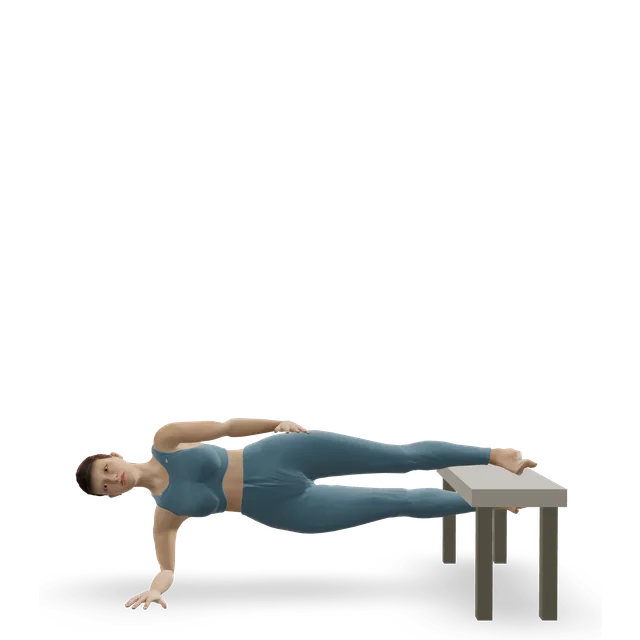
A 30-minute antagonist workout for climbers: push-ups and presses, band rotations, Y-T-W raises and face pulls, wrist and finger extensions, and a side plank.

30 minBeginner13 movesA band, A dumbbell

Pull-up progression workout

Work up to your first pull-up: dead hangs, scapular pulls, rows, negatives and assisted pull-ups.

25 minBeginner7 movesPull-up bar, A step

First pull-up workout

Train for your first pull-up: hangs, shoulder-blade pulls, rows, band- or machine-assisted pull-ups, slow negatives and grip work in one session.

30 minBeginner8 movesPull-up bar, A step

Muscle-up progression workout

Build to a bar muscle-up: hollow holds, high pull-ups, deep dips and slow negatives, with transition drills and attempts while you're fresh.

30 minAdvanced7 movesPull-up bar, A step

Dip progression workout

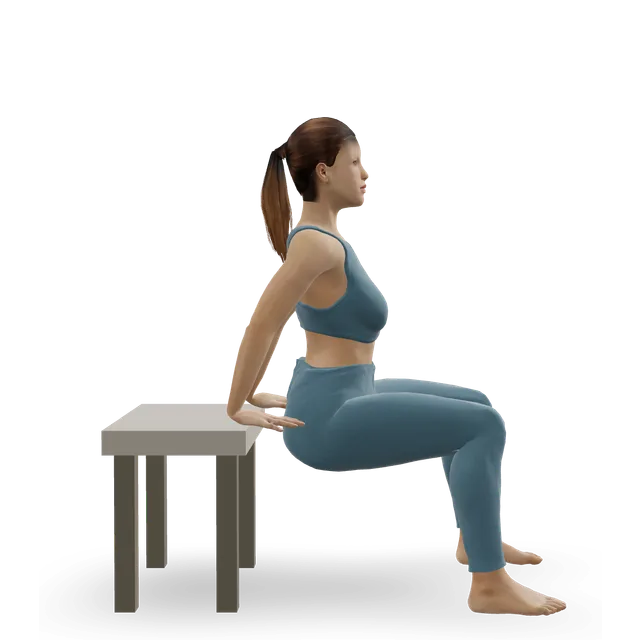
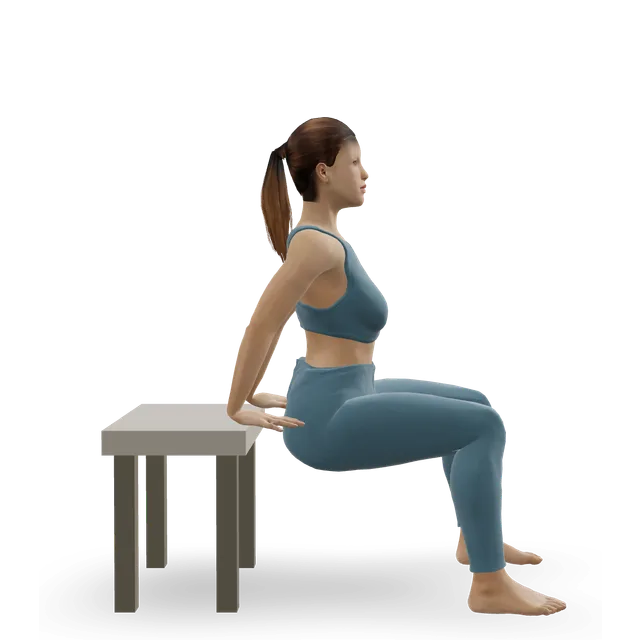
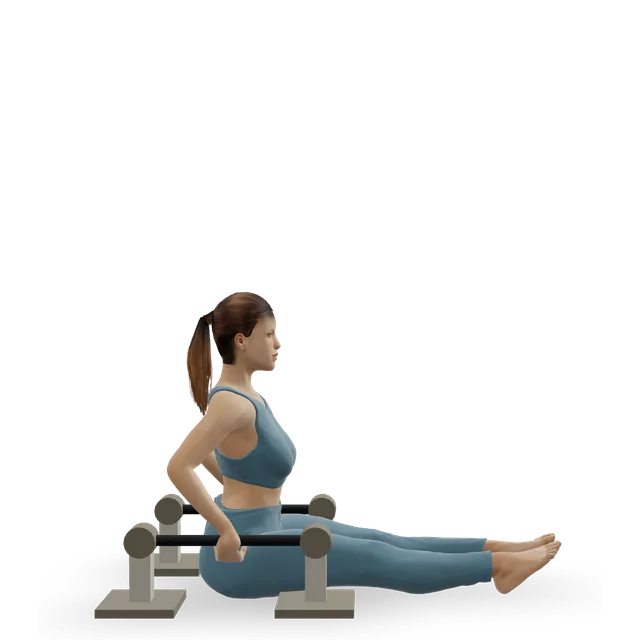
Work up to bar dips: bent-knee and straight-leg bench dips, a support hold, slow lowering and assisted dips, then full dips and ring dips.

20 minBeginner9 movesA band, A bench or box

Grip strength workout: squeezes, curls, carries and hangs

A 20-minute grip session: warm up the wrists and fingers, train the hand and forearm muscles, then carry and hang to load your grip the way everyday life does.

20 minBeginner10 movesOther / check instructions, A band

Shoulder mobility and stability routine (with a band)

A 25-minute band routine for healthy shoulders: move the shoulder and upper back through their range, then strengthen the rotator cuff and shoulder blades.

25 minBeginner12 movesA wall, A band

Hypermobility exercises: a strength and control routine

A 25-minute low-load routine for hypermobile joints: hip, trunk and shoulder control plus balance, done slowly in the middle of your range.

25 minBeginner15 movesA bench or box, A wall

Gymnastics warm-up: wrists, shoulders, spine, hips and landings

A gymnastics warm-up: skips, wrist circles and rocks, shoulder work, cat-cow, hollow and arch holds, leg swings, short splits holds and landings.

15 minBeginner18 movesA band, A wall

Gymnastics conditioning workout: jumps, landings, wrists, shoulders and trunk

A gymnastics conditioning session: jumps from the youth vault trial, landings, wrist and shoulder strength, wall handstands, and hollow and arch holds.

45 minIntermediate22 movesOther / check instructions, A step

Advanced core workout

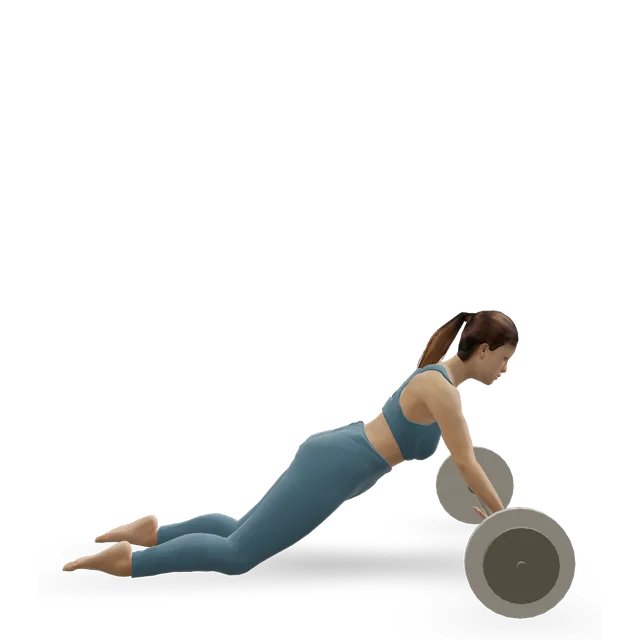
Hard core training: ab wheel rollouts, hanging leg raises, L-sits, Copenhagen planks, plank walk-ups and dragon flags.

30 minAdvanced6 movesAn ab wheel, Pull-up bar

Splits stretching routine

Front-split and middle-split days: hip flexor, hamstring and inner-thigh stretches, then strength in the stretched position. Alternate them 3 to 4 times a week.

25 minIntermediate16 movesA wall, An anchor point

Handstand progression

Build toward a handstand: wrist prep, dolphin pose, pike push-ups, crow, the wall handstand and freestanding holds.

25 minAdvanced8 movesA wall

Headstand progression

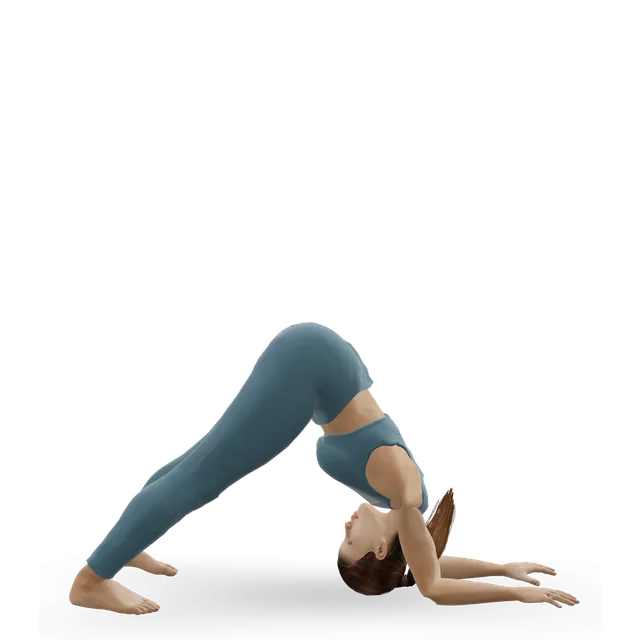
Build toward a supported headstand: downward dog, forearm plank, dolphin, the walk-in, tucks at a wall, then the headstand with a slow way down.

15 minAdvanced6 movesA wall

Wrist and forearm routine

Wrist mobility and forearm strength for desk work, climbing, push-ups and handstands.

10 minBeginner7 movesA wall, A dumbbell

Cool-down routine: 10 minutes after any workout

A 10-minute cool-down for after a run, a class or a gym session: a few minutes of easy movement, stretches for the muscles you used, then slow breathing.

10 minBeginner9 movesCardio machine, A wall

Light exercise after a concussion: the stage 3 session

A 20-minute light session after a concussion: a symptom check, 10 to 15 minutes of easy cycling or walking, gentle bodyweight moves and a cool-down.

20 minBeginner8 movesCardio machine, A bench or box

Plans

Two strength sessions a week fit around aerial classes.

Who should check first

Everyone: seven questions

The PAR-Q+ (Physical Activity Readiness Questionnaire for Everyone) asks about a heart condition or high blood pressure, chest pain, dizziness or losing consciousness, other long-term conditions and their medicines, a bone or joint problem that activity could make worse, and being told to exercise only under supervision. If you answer yes to any, check with your doctor or a qualified exercise professional first, and wait if you're ill.

Source 38

Beginners, and anyone working at height or learning drops

The spinal fractures came from falls of 1 to 5 m onto thin mats or none, and a wrong wrap on a drop is the consensus's own example of a fall. Learn with a teacher, over a crash mat, new skills low, drops only once the wrap is checked, and never alone.

Sources 2, 5, 3

Painful, loose or previously dislocated shoulders, or hypermobility

The shoulder is circus's commonest injury site, a third of circus artists are hypermobile, and hypermobile athletes had about three times the odds of shoulder injury. See a physiotherapist, ideally one who knows circus; strength and control come first, and hangs stay out after a recent dislocation until you're cleared.

Sources 1, 23, 30

Adults starting out, and anyone over 30

Adults had more injuries per exposure than adolescents, and professionals over 30 had more medical-attention injuries. Check the PAR-Q+ and build up gradually (our suggestion); our older adults guide explains more.

Sources 19, 1, 26

Coming back after a holiday, an illness or a break

Injuries rose after holidays at a circus college and after breaks in a professional company. Take 2 to 3 weeks of shorter, lower sessions (our suggestion).

Sources 22, 28

Tired, emotionally exhausted or low in confidence

These went with 1.8 to 2.8 times the injury risk in Cirque du Soleil trainees. Rest, tell your teacher, and choose easier skills that day (our suggestion).

Source 27

A past eating disorder, missed periods, or dieting

A history of an eating disorder went with more injuries, 35.7% of adolescent girls in the US study had had periods stop, and low energy availability harms health and performance. See a GP; our eating disorders and menstrual cycle guides explain more.

Sources 1, 39

Glaucoma, high blood pressure, heart disease, eye surgery, or feeling faint upside down

Our handstand guide explains how hanging upside down raises eye pressure and blood pressure; skip inversions unless your specialist agrees. A near-faint upside down in aerial yoga led to one woman's heart tumour being found, so see a GP after fainting or nearly fainting.

Sources 36, 37

Taking isotretinoin

The acne medicine made one trapeze artist's palms blister and break down. Tell your teacher and your prescriber, and build up time on the apparatus gradually (our suggestion).

Source 17

Pregnant

The NHS advises against sports with a risk of falling or bumping your tummy in pregnancy, and IPSF competitors must not be knowingly pregnant. Aerial work carries a risk of falling (our reading): don't start in pregnancy, and if you already train, ask your midwife.

Sources 40, 35

Epilepsy

Our epilepsy guide explains that the International League Against Epilepsy puts climbing in its high-risk group. Aerial arts aren't named; in our reading, aerial work at height is like climbing. Agree it with your neurologist, and never train alone.

Children

Children's circus programmes reported physical and social benefits, mostly in studies without a comparison group. Under-15s may not flip off a competition hoop, and at the National Centre for Circus Arts under-14s train only in youth classes and "must be supervised by an adult at all times". Choose a qualified teacher, and see our gymnastics page's growth-spurt advice and our children's guide.

Sources 41, 35, 34

After a concussion

Follow the UK guidelines, with no competition before day 21; inversions come back at the circus consensus's stage 4. Our concussion guide has the stages.

Sources 6, 5

When to stop and get help

A fall from the apparatus, or a blow to the head or neck: call an ambulance

The circus action plan's red flags are neck pain or tenderness, a seizure, loss of vision or double vision, loss of consciousness, increasing confusion or drowsiness, weakness, numbness or tingling in more than one arm or leg, repeated vomiting, a severe or worsening headache, increasing restlessness or agitation, and a visibly deformed skull. Call an ambulance, and don't move them except to protect the airway or in immediate danger. The NHS also says to call 999 if someone who hit their head has fallen from a height of more than 1 metre or 5 stairs.

Sources 5, 42

Suspected concussion

If in doubt, sit them out: off the apparatus at once and no return that day. Get help from NHS 111 if they're being sick, feel dizzy, or take medicine that thins the blood.

Sources 6, 42

Back pain after a fall: call 999

Call 999 or go to A&E (accident and emergency) for back pain that started after a serious accident, or with pain, tingling, weakness or numbness in both legs, loss of feeling around your genitals or bottom, or changes in your bladder or bowels. One silks fracture wasn't diagnosed for 4 days, so get any fall onto your back checked, even if you can walk (our suggestion).

Sources 43, 2

The neck after a jolt

After a sudden stop at the end of a drop, ask for an urgent GP appointment or get help from NHS 111 if you have tingling or pins and needles on one or both sides of your body, problems walking or sitting upright, a sudden electric-shock feeling in your neck and back, or weak hands, arms or legs. See a GP if neck pain or stiffness doesn't go away after a few weeks.

Sources 44, 45

Numbness or tingling from wraps

Unwrap and change position (our suggestion). See a GP if pins and needles are constant or keep coming back; our meralgia paresthetica guide covers numbness of the outer thigh from pressure at the front of the hip.

Source 46

Friction burns and hand cuts

Call 999 or go to A&E if you can't stop the bleeding, lose feeling near the wound or have trouble moving it, have a bad cut on the palm of your hand, or the wound is very large or deep. Rope friction injuries of the hand can go deeper than they look.

Sources 47, 18

Shoulder

Go to A&E if you can't move your arm or your shoulder looks out of place or has changed shape. Ask for an urgent GP appointment or get help from NHS 111 for sudden or very bad shoulder pain, pins and needles that don't go away, or pain that started after a fall.

Sources 48, 49

Fainting or chest pain: call 999

Call 999 if someone faints while exercising, or for sudden chest pain that doesn't go away, or pain that spreads to your arms, neck, jaw, stomach or back.

Sources 37, 50

Myths

"The fabric will catch you"Strong evidence

Only if it's wrapped correctly: the circus consensus's own example is a wrong wrap, a fall and a head strike, and six women broke vertebrae falling 1 to 5 m during supervised silks training.

Sources 5, 2

"A thin mat is enough"Emerging evidence

Four of the six women with spinal fractures landed on mats under 5 cm thick, and two on none. The IPSF's 4 cm mat is for competition hoops hung no higher than a small jump.

Sources 2, 4

"Aerial yoga decompresses your spine, boosts circulation and detoxes you"Mixed evidence

No trial of aerial yoga has been published (our yoga types guide), and hanging upside down raises eye pressure and blood pressure (our handstand guide). The one study measured intensity and fitness, not any of these.

Source 9

"You have to be flexible, or hypermobile, to start"Mixed evidence

No rule or study sets a flexibility requirement (our search). Recreational aerialists were very flexible and a third of circus artists were hypermobile, but that describes people who already train, and flexibility didn't predict injury.

Sources 10, 1

"Any ceiling hook or beam will hold a rig"Strong evidence

The IPSF uses competent riggers with liability insurance and hoops rated to a working load of at least 3 kN, and the National Centre for Circus Arts forbids rigging your own equipment. Rigging should be installed and inspected by a competent rigger.

Sources 4, 3

"Circus injuries are mostly catastrophic"Emerging evidence

80% of Cirque du Soleil injuries with exposure data needed 7 or fewer treatments, and professional circus injuries are mostly minor soft-tissue injuries. Serious falls do happen, which is why mats, height and rigging matter.

Sources 21, 20, 2

"The apparatus is all the strength training an aerialist needs"Strong evidence

97% of vocational circus students said strength training was required, professionals did more pull-ups than pre-professionals, and strength training cut injuries across other sports; it hasn't been tested in aerialists.

Sources 33, 11, 8

"Aerial silks is a quick way to lose weight"Mixed evidence

No study has measured the energy cost of silks, hoop or trapeze, and the Compendium has no value for them; aerial yoga measured about 4.8 METs in one uncontrolled study. Our weight loss guide covers what works for weight.

Sources 12, 9

Questions people ask

Is aerial silks dangerous?

Injuries are common, mostly to muscles and tendons: in a year-long study, aerial apparatus had about 4 injuries per 1,000 sessions, among the highest rates in circus. The serious injuries are falls, and six women broke vertebrae falling 1 to 5 m from silks onto thin mats or none. Learn with a teacher, low, over a crash mat, and never train alone.

What are the most common aerial injuries?

The shoulder (22% of injuries in US circus artists) and the lower back (13%), with wrists, knees and ankles in other groups. Falls and hitting the apparatus cause the head and spine injuries.

Is aerial silks a good workout?

It builds pulling, grip and trunk strength and flexibility: recreational aerialists had excellent flexibility, balance and fitness, and professionals did more pull-ups than pre-professionals. Its energy cost hasn't been measured, and the Compendium of Physical Activities has no value for it.

What conditioning do I need for aerial?

Hangs, pull-ups and rows for climbs, hanging knee raises and hollow holds for inversions, rotator cuff and shoulder-blade work, pushing to balance the pulling, grip, and legs for dismounts. No programme has been tested on aerial injuries, but strength training cut injuries in other sports, and our conditioning workout puts these together.

Can I do aerial silks at home?

Only with a rig installed and inspected by a competent rigger, rated hardware, a crash mat and someone else there. The National Centre for Circus Arts forbids rigging your own equipment and aerial work alone at any height, and competition hoops are rigged by competent professionals with their own insurance.

How high do aerial silks need to be?

Rig height is a question for a competent rigger, and we found no UK standard for it. For learning, height is the risk: the circus concussion consensus treats work below 1 m as lowest risk, and the silks fractures came from falls of 1 to 5 m.

What should happen after a concussion in aerial?

Stop at once, don't go back that day, and see a healthcare professional. Recreational aerialists follow the UK guidelines, with no competition before day 21; the circus consensus brings inversions back at stage 4, with an earlier return only for circus artists supervised by a clinician trained in concussion.

Is aerial yoga safe, and does it decompress your spine?

No trials of aerial yoga have been published, so claims about decompression, circulation or detox aren't supported. Hanging upside down raises eye pressure and blood pressure, so skip inversions with glaucoma or uncontrolled blood pressure, and see a GP if you feel faint upside down.

I'm very flexible: is aerial a good idea?

Yes, with strength first. A third of circus artists met the criteria for hypermobility, and flexibility didn't predict injury, while a structured programme helped circus students with unstable shoulders. Strength and control in the middle of your range come first.

Is aerial silks safe for children?

Children's circus programmes reported physical and social benefits, mostly in studies without a comparison group. Competition hoop rules keep flips out of the under-15 category, and a national circus school keeps under-14s to youth classes with adults supervising. Choose a qualified teacher, low heights and crash mats.


Sources

  1. Greenspan 2023 · Untangling risk factors including discipline-specific exposure for injuries in preprofessional and professional circus artists in the USA (BMJ Open Sport Exerc Med)

  2. Bazán 2020 · Thoracolumbar spine injury associated with aerial silk practice: case reports (Rev Asoc Argent Ortop Traumatol)
  3. National Centre for Circus Arts · Open Training: Code of Conduct and Health and Safety (last updated 31 October 2025)
  4. IPSF · Apparatus Norms 2022
  5. Munro 2025 · Circus-specific extension of the 6th International Consensus Statement on Concussion in Sport (BMJ Open Sport Exerc Med)
  6. UK Government and Sport and Recreation Alliance 2024 · UK concussion guidelines for non-elite (grassroots) sport, November 2024 update
  7. Straub 2025 · Injury Characteristics and Physical Therapy Management Strategies for Circus Artists: A Scoping Review (J Clin Med)
  8. Lauersen 2014 · The effectiveness of exercise interventions to prevent sports injuries: a systematic review and meta-analysis of randomised controlled trials (Br J Sports Med)
  9. American Council on Exercise (ACE) 2016 · ACE-sponsored research: can aerial yoga take your workouts to another level? (ProSource, January 2016)
  10. Ruggieri 2019 · Contralateral Muscle Imbalances and Physiological Profile of Recreational Aerial Athletes (J Funct Morphol Kinesiol)
  11. Greenspan 2024 · Preparation For Flight: The Physical Profile of Pre-Professional and Professional Circus Artists in the United States (Int J Sports Phys Ther)
  12. Compendium of Physical Activities 2024 · The 2024 adult compendium: every activity code and MET value
  13. Stubbe 2018 · Prospective cohort study on injuries and health problems among circus arts students (BMJ Open Sport Exerc Med)
  14. Almaddah 2026 · Musculoskeletal injuries in women aerial acrobatics sports (Work)
  15. Wanke 2012 · Acute injuries in student circus artists with regard to gender specific differences (Asian J Sports Med)
  16. Russell 2026 · Ten-Year Epidemiology of Concussions in Cirque du Soleil Performers (Sports Health)
  17. Ghali 2024 · Isotretinoin-Induced Skin Fragility in an Aerialist (Cutis)
  18. Evin 2026 · Management of Rope Friction Injuries of the Hand (Ann Plast Surg)
  19. Greenspan 2021 · Injury Frequency and Characteristics in Adolescent and Adult Circus Artists: A Pilot Prospective Cohort Study (Med Probl Perform Art)
  20. Wolfenden 2017 · Musculoskeletal Injury Profile of Circus Artists: A Systematic Review of the Literature (Med Probl Perform Art)
  21. Shrier 2009 · Injury patterns and injury rates in the circus arts: an analysis of 5 years of data from Cirque du Soleil (Am J Sports Med)
  22. Stuckey 2022 · Clinical Burden of Injuries in Students at a Professional Circus College: A 7.5-Year Longitudinal Study (Med Probl Perform Art)
  23. Liaghat 2021 · Joint hypermobility in athletes is associated with shoulder injuries: a systematic review and meta-analysis (BMC Musculoskelet Disord)
  24. Munro 2014 · Injury patterns and rates amongst students at the national institute of circus arts: an observational study (Med Probl Perform Art)
  25. Ganderton 2026 · Exercise rehabilitation to improve hip-related pain and quality of life in full-time student circus arts performers: a non-randomised pre-post intervention trial (Phys Ther Sport)
  26. Hamilton 2012 · Examining the effect of the injury definition on risk factor analysis in circus artists (Scand J Med Sci Sports)
  27. Shrier 2011 · Psychological predictors of injuries in circus artists: an exploratory study (Br J Sports Med)
  28. Orlando 2011 · The effect of rest days on injury rates (Scand J Med Sci Sports)
  29. Shrier 2022 · Observed Injury Rates Did Not Follow Theoretically Predicted Injury Risk Patterns in Professional Human Circus Artists (Clin J Sport Med)
  30. Ganderton 2022 · Rehabilitation for atraumatic shoulder instability in circus arts performers: delivery via telehealth (J Shoulder Elbow Surg)
  31. Liaghat 2022 · Short-term effectiveness of high-load compared with low-load strengthening exercise on self-reported function in patients with hypermobile shoulders: a randomised controlled trial (Br J Sports Med)
  32. Ganderton 2021 · Implementation of Calf Endurance Training in a Touring Group of Professional Circus Performers: A Feasibility Study (Med Probl Perform Art)
  33. Farmer 2024 · Strength Training Perceptions Amongst Vocational Circus and Dance Students (J Dance Med Sci)
  34. National Centre for Circus Arts · Health and safety statement (reviewed August 2021)
  35. IPSF · Aerial Sports Championships: Aerial Hoop Code of Points 2024 to 2025 (version 2, December 2023)
  36. David 2018 · Inverted Yoga and Near Syncope: An Unusual Diagnosis of Right Ventricular Myxoma (Case Rep Cardiol)
  37. NHS · Fainting
  38. PAR-Q+ Collaboration 2025 · The Physical Activity Readiness Questionnaire for Everyone (PAR-Q+)
  39. Mountjoy 2023 · 2023 International Olympic Committee's (IOC) consensus statement on Relative Energy Deficiency in Sport (REDs) (Br J Sports Med)
  40. NHS · Exercise in pregnancy
  41. Coulston 2023 · Circus Activities as a Health Intervention for Children, Youth, and Adolescents: A Scoping Review (J Clin Med)
  42. NHS · Head injury and concussion
  43. NHS · Back pain
  44. NHS · Whiplash
  45. NHS · Neck pain
  46. NHS · Pins and needles
  47. NHS · Cuts and grazes
  48. NHS · Dislocated shoulder
  49. NHS · Shoulder pain
  50. NHS · Chest pain

Exercise education for people who play sport, not a personal prescription or a diagnosis, and clinical review of these pages is pending. Check with a GP or physiotherapist before hard training if you have a heart condition, chest pain, dizziness or an injury that isn't settling, and stop for sharp or increasing pain. Health disclaimer.