Sports training
Aerial warm-up: shoulders, wrists, fingers, a graded hang and a tuck before silks, hoop or trapeze
No aerial warm-up has been tested on injuries, but the circus concussion consensus and the National Centre for Circus Arts set the order that matters: equipment checked, someone else in the room, skills low before high. This warm-up follows our warm-up guide and the climbing warm-up: it raises your heart rate, takes your shoulders, spine and hips through their range, wakes up your fingers and shoulder blades, ramps up the hang, and ends with a tuck from a hang, so your first inversion of the day is low and controlled. You need a pull-up bar or the apparatus at low height, a light resistance band and a mat.
Raise

Move
- Shoulder CARs (controlled articular rotations)3 slow circles each armBeginner · Shoulders, Back · 3D demoWork around any pinchEasier: Arm circlesHarder: Sleeper stretch
- Cat-cow8 slow repsBeginner · Back, Abs · 3D demoOne part of your spine at a timeHarder: Half lord of the fishes (Ardha Matsyendrasana)
- Thoracic rotation5 each sideBeginner · 3D demoTurn from the ribsEasier: Side-lying open bookHarder: World's greatest stretch
- Front-to-back leg swings8 swings each legBeginner · Hamstrings, Hip flexors · 3D demoLet the swing growHarder: Contract-relax hamstring stretch (PNF)




Wrists and fingers
- Wrist & forearm flow10 slow reps each directionBeginner · Forearms · 3D demoCircles, then palm up and palm downEasier: Wrist circlesHarder: Wrist flexor stretch
- Tendon glides (hand tendon gliding exercises)1 slow round of each positionBeginner · Forearms · 3D demoStraight, hook, full fist, flat fistHarder: Ball squeeze


Shoulder blades
- Scapular pull-up2 × 6Intermediate · Back, Shoulders, Forearms · 3D demoElbows straight; draw your shoulder blades downEasier: Assisted pull-up (machine)Harder: Pull-up
- Intermediate · Shoulders, Back · 3D demoA light bandEasier: Prone Y-T-W raisesHarder: Tuck back lever

Hang
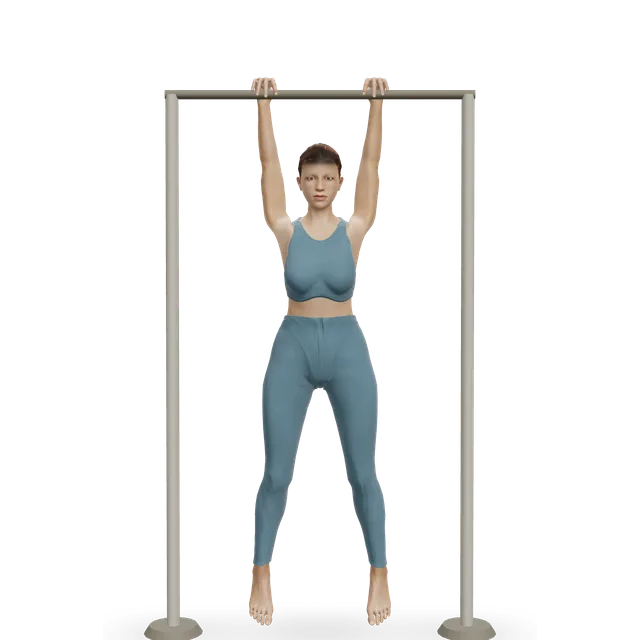
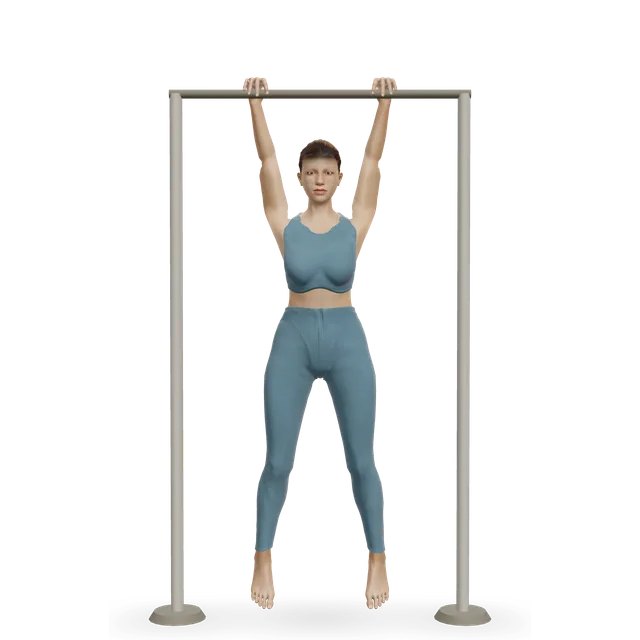
- Bar hang5 s, rest, 10 s, rest, 20 sIntermediate · Forearms, Back, Shoulders · 3D demoOn a bar or the apparatus at low height, feet ready. Leave it out after a recent shoulder dislocationEasier: Exercise ball pyramid drapeHarder: One-arm dead hang
Trunk and tuck
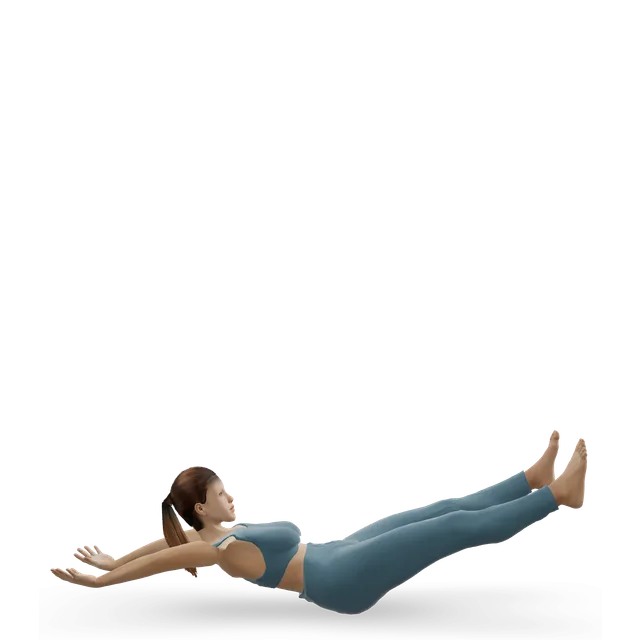
- Hollow body hold2 × 15 sIntermediate · Abs, Hip flexors · 3D demoBack flat on the floorEasier: Dead bugHarder: Dragon flag
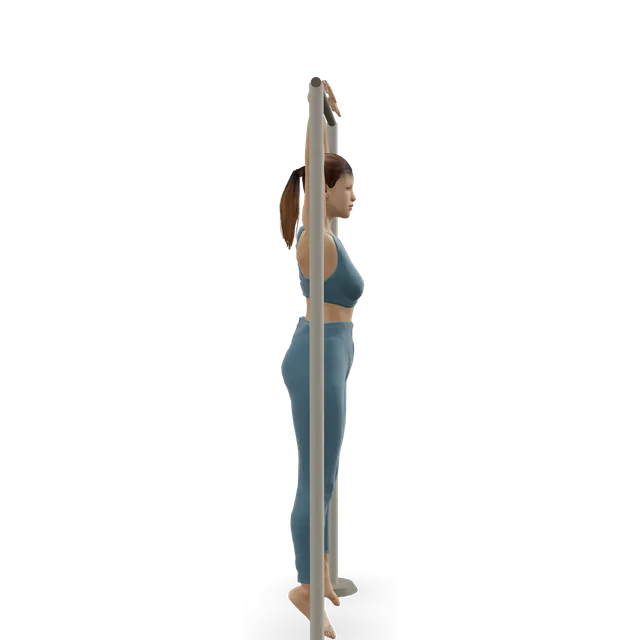
- Hanging knee raise2 × 5 slowIntermediate · Abs, Hip flexors, Forearms · 3D demoA tuck from a hang, low, before you invert on the apparatusEasier: Reverse crunchHarder: Hanging straight-leg raise
Hips
- Half-kneeling hip flexor stretch2 × 15 to 30 s each sideBeginner · Quads, Glutes · 3D demoA short hold, never forced; then keep movingHarder: Couch stretch

Tips
- Before you start: rigging, fabric and connectors checked as your studio has shown you, a crash mat under the apparatus, and someone else in the room. The National Centre for Circus Arts forbids any aerial work alone, at any height.
- Then climbs and wraps low, inversions below 1 m first, and drops only once your teacher has checked the wrap (our order; the circus consensus rates work below 1 m as lowest risk).
- If you feel faint or dizzy upside down, come down and see a GP.
- If you take isotretinoin, an acne medicine, tell your teacher: it made one trapeze artist's palms blister and break down.
- After a concussion, no inversions until your return reaches them; in the circus consensus that's stage 4.
The doses are suggested starting points, not a prescription. Choose a range you can control and stop for sharp or increasing pain, numbness or tingling. Get individual advice after an injury or surgery, or if you are pregnant or managing a health condition.
Guides that recommend it
Find more moves like these
More sports training

Injury prevention exercises for runners
Foot, calf, balance and hop exercises taken from the running trials with positive results, in a 25-minute home routine for 3 or 4 days a week.
25 minBeginner11 movesOther / check instructions, A bench or box



Plyometrics for runners
A 20-minute hop and bound session for runners: ankle bounces to pogo hops, one-leg hops and bounding, building foot contacts slowly over 10 weeks.
20 minIntermediate8 movesCardio machine



Strength workout for cyclists (gym)
A 50-minute gym session for cyclists: heavy squats, one-leg presses, hip flexion and calf raises as in the cycling trials, plus jumps for bone.
50 minIntermediate13 movesCardio machine, A barbellQuestions people ask
How long does the aerial warm-up: shoulders, wrists, fingers, a graded hang and a tuck before silks, hoop or trapeze take?
About 15 minutes, including any warm-up and cool-down listed. Shorten it by doing fewer rounds; lengthen it by adding one.
What equipment do I need?
You need: A wall, Pull-up bar, A band, A step. Each move links to its guide, where you can find an alternative if you are missing something.
Is it suitable for beginners?
It is written for beginners. 9 of its 13 moves have an easier option listed beside them if you need one.
How do I make it easier or harder?
Use the easier or harder option listed under each move, change the number of rounds, or adjust the rest. Progress one change at a time.