Sport

Parkour and freerunning: landings and rolls, strength, injuries and how to start safely

Parkour is getting through a space by running, jumping, vaulting, climbing and rolling; freerunning adds flips for style. Landing well is the core skill: in the laboratory, parkour precision landings and rolls cut landing forces by about 40% against a traditional landing. In a self-reported survey of traceurs, almost all of them men, most injuries were grazes, most happened on landing, and the commonest causes were overestimating ability and misjudging the situation; the serious injuries in case reports came from falls and drops from height.

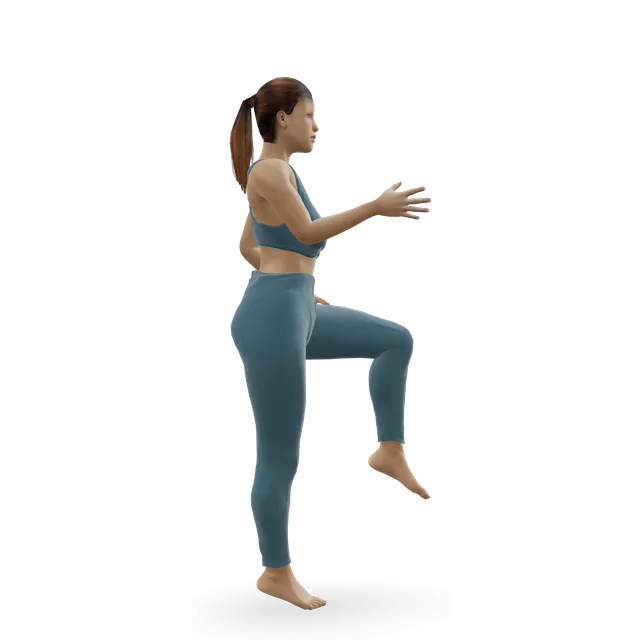
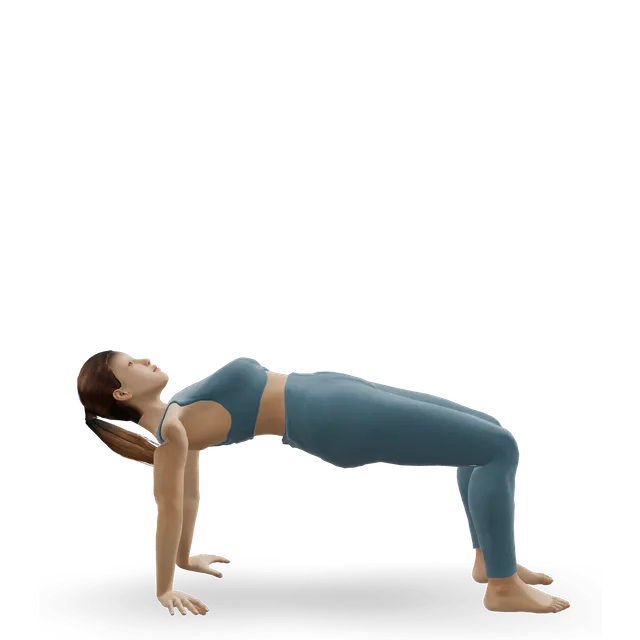
This guide covers what parkour asks of your body, the common injuries, landings and rolls, starting low and building height, coaching and training with someone, surfaces, skin and shoes, public spaces, flips, children, concussion, and the rules of Parkour UK and the Fédération Internationale de Gymnastique (FIG). It includes a 15-minute warm-up and a 50-minute strength and landing workout, with a 3D demo of every move except the roll, which has written steps but no demo yet.

The short version

Landing well is the core skill

In 10 men dropping onto a force plate, parkour precision landings cut peak force by 38% and rolls by 43% against a traditional landing. Experienced traceurs landed on the balls of their feet in 93% of drops, against 8% of recreationally trained people, with 40% to 49% less peak force.

Sources 1, 2

Most injuries are grazes and landings

In a self-reported online survey of 266 traceurs, 96% of them men, injuries ran at 5.5 per 1,000 hours of training; 70% were grazes, and 61% happened on landing.

Source 3

Falls from height cause the serious injuries

Case reports describe a broken midfoot bone after a 3.5 m jump, a heel fracture that a 14-year-old hid for 8 weeks after a 2.5 m jump, and a neck dislocation with paralysis after a double front flip.

Sources 4, 5, 6

Start low, coached and never alone

Parkour UK advises learning with an experienced coach, drilling jumps on the ground, kerbs and low walls before going higher, and beginners always having someone with them. Its coaching ratios are 1 coach to 12 indoors and 1 to 8 outdoors in public spaces.

Sources 7, 8

No prevention programme has been tested

No parkour injury prevention programme has been tested. In other sports, strength training cut injuries to under a third, while stretching made no difference.

Sources 9, 10

Competition has age rules

FIG seniors must be 17 and juniors are 14 to 16, and Parkour UK's first British Championships, in August 2026, were for competitors aged 16 and over.

Sources 11, 12

What parkour asks of your body

The movement

Running, jumping, including precision jumps onto small targets, vaulting over obstacles, running up walls and climbing up them, hanging, rolling and moving on all fours, mostly on everyday structures at ground level, and in parkour gyms. Freerunning adds flips and tricks for style, and Parkour UK and the FIG treat both as one sport. Traceurs, as practitioners are called, are mostly young men.

Sources 9, 13, 14

LandingsEmerging evidence

The precision landing (land on the balls of your feet, absorb through the ankles, knees and hips, and stop dead on the target) and the roll (carry the momentum diagonally across your back) are taught to spread the load. In the laboratory, experienced practitioners landed from up to 2.7 m.

Sources 9, 1, 2, 15

Energy

Short, repeated, near-maximal efforts over obstacles: a parkour repeated-sprint test tracked aerobic fitness as well as pull-ups and jumps. FIG speed runs are timed sprints over a course, and freestyle runs last 20 to 45 seconds. The Compendium of Physical Activities has no value for parkour, so our calories calculator doesn't include it.

Sources 16, 14, 17

Strength and powerEmerging evidence

Traceurs jumped higher in drop jumps than gymnasts (64.9 against 60.9 cm) and further in standing long jumps than gymnasts and power athletes (282.7 against 273.9 and 261.3 cm), with greater strength in the thigh muscles while lengthening. They had stronger calves with a faster rise in force than untrained people, and years of practice, not age, went with longer jumps and faster climb-ups. These compare trained people; they aren't training trials.

Sources 18, 19, 20

The rules reward quiet landings

The FIG's execution score rewards "A safe and clean run where the athlete does not put themself in danger and lands quietly and controlled on both feet", with deductions for landings where the feet don't touch the floor first.

Source 14

Where the load falls

The sites the studies point to:

  • The skin and hands: grazes, and falls onto the hand.
  • Ankles, feet and heels: landings and drops.
  • The Achilles tendon: take-offs and cat leaps (landing hanging from a wall).
  • The knees: landings, though no parkour study has looked at knees in detail.
  • The head and neck: flips and falls.

Sources 3, 21, 22, 4, 5, 23, 6, 24

What to train (our reading)

Power and leg strength while the muscles lengthen, stiff but controllable ankles, pulling and pushing strength for walls and vaults, grip, the skill to land and roll, and above all an accurate sense of what you can do.

Common injuries

There's no study that followed traceurs forward. The figures come from one self-reported survey, a national sample of emergency department visits and single case reports, and they aren't directly comparable.

How often traceurs get hurtEmerging evidence

The numbers, by study:

  • 266 traceurs (255 men and 11 women) in an online survey of past injuries: 5.5 injuries per 1,000 hours of training. Grazes were 70.3% of injuries; the arms took 58% and the legs 27%; landings caused 61%; and 88% used no protective measures.
  • US emergency departments, 2009 to 2015: most injuries came from landing or hitting objects, 57.7% were to the arms or legs, injuries were rising, and patients were as young as 8.
  • A narrative review concluded that parkour injuries are "not more frequent than in other sports", often at landing and in the feet and ankles.

Sources 3, 24, 9

Grazes, cuts and skinEmerging evidence

Grazes were 70.3% of injuries in the survey, and grazes, bruises and cuts were common in emergency departments. We don't have a skin injury guide yet; the NHS (National Health Service) advice on cuts and grazes is in the warning signs below.

Sources 3, 24

Wrists and handsEmerging evidence

The arms took 58% of injuries in the survey, more of them towards the hand. A 20-year-old who fell from height onto his hand broke several wrist bones and dislocated the wrist, and needed two operations. Our wrist pain, scaphoid fracture and broken wrist guides cover these.

Sources 3, 21

Ankles, feet and heelsEmerging evidence

Landings caused 61% of injuries in the survey. A 17-year-old broke a bone in the middle of his foot (the navicular) after a 3.5 m jump from a building, an 18-year-old had several fractures and dislocations of one foot, and a 14-year-old hid a heel fracture from his parents for 8 weeks after a 2.5 m jump. Our ankle sprain, chronic ankle instability, broken ankle, broken foot, Lisfranc injury, broken heel and heel fat pad guides cover these.

Sources 3, 4, 22, 5

Achilles tendonEmerging evidence

A 25-year-old amateur tore his Achilles tendon in three places when his foot was forced upwards in a cat leap, and returned to parkour 11 months after surgery. Our Achilles tendinopathy and Achilles rupture guides cover the tendon.

Source 23

KneesMixed evidence

The legs took 27% of injuries in the survey, and no parkour study has looked at knees in detail (our search). Our knee pain, jumper's knee and ACL (anterior cruciate ligament) injury guides cover knees.

Source 3

Heads and necksEmerging evidence

A 24-year-old dislocated two neck vertebrae in a double front flip and was paralysed in all four limbs. Head injuries came after the arms and legs in the survey. Our concussion and neck pain guides cover these.

Sources 6, 3

Who's at higher riskEmerging evidence

Overestimating your ability (23%) and misjudging the situation (20%) were the commonest causes in the survey; heavier and less powerful athletes reached the limit of a two-footed landing at lower heights in the laboratory; a double front flip led to the worst injury reported; and a child hid an injury. These are associations and case reports.

Sources 3, 25, 6, 5

What prevents injuries

No parkour injury prevention programme has been tested. Parkour UK's guidance is the main advice, the landing evidence is from the laboratory, and the strength evidence is borrowed from other sports; each note says so.

Learn to land and rollEmerging evidence

In the laboratory, precision landings and rolls cut peak force and loading rate against a traditional landing, traceurs landed on the balls of their feet and took twice as long to absorb a precision landing, rolls spread drops from 1.8 and 2.7 m over a longer time, and athletes chose rolls from higher drops. Martial arts falls cut the force at the hip in beginners after 30 minutes' practice. None of these studies measured injuries. Our suggestion: learn the precision landing and the roll on grass or mats before anything else, and roll whenever a drop feels big for you.

Sources 1, 2, 26, 15, 25, 27

Start low and build height by abilityEmerging evidence

Overestimating ability and misjudging the situation were the commonest causes of injury, and heavier, less powerful athletes reached the limit of a two-footed landing at lower heights. Parkour UK: "Drill jumps on the ground, curbs and on low walls until you've mastered the moves and are ready to take your practice slightly higher off the ground."

Sources 3, 25, 7

Coaching and companyStrong evidence

Parkour UK calls starting "under the guidance of an experienced coach" a safe way to learn, recommends that beginners always have someone with them, and caps coaching ratios at 1 to 12 indoors and 1 to 8 in outdoor public spaces. 88% of surveyed traceurs used no protective measures. No study has measured these rules' effect.

Sources 7, 8, 3

Strength and balance, borrowed from other sportsStrong evidence

Across 25 trials in other sports (26,610 people), strength training cut sports injuries to under a third, while stretching made no difference. After an ankle sprain, home balance training cut repeat sprains by about a third in a trial of 522 athletes. Neither has been tested in traceurs.

Sources 10, 28

Flips with a coach, on soft landingsEmerging evidence

A double front flip ended in a dislocated neck and paralysis. Our trampolining page explains that foam pits don't protect head-first landings. Our suggestion: learn flips with a coach on soft surfaces in a gym, as gymnasts and trampolinists do, never on hard ground first.

Source 6

Surfaces, skin and shoesEmerging evidence

Grazes were 70% of injuries. Parkour UK advises "a flexible shoe with good grip", saying trainers with a rubber sole are best, and the FIG bans loose items in competition. Our suggestion: long sleeves and trousers on rough surfaces while you learn, and check walls, rails and wet surfaces before you use them.

Sources 3, 7, 14

What isn't shownMixed evidence

No parkour injury prevention programme, pads or ankle supports have been tested (our search). A parkour warm-up did no better than a conventional one in young basketball players. Parkour UK says parkour "can reduce the risk of falls in older adults", but we found no study of it.

Sources 29, 7

Training for performance

No trial has measured parkour performance after a training programme in traceurs (our search), so most of this is borrowed or our suggestion, and each note says so.

What traceurs haveEmerging evidence

More drop jump and standing long jump than gymnasts and power athletes, and more thigh strength while lengthening; stronger calves with a faster rise in force than untrained people; better balance with the eyes closed. In 36 male traceurs with about 10 years' experience on average, years of practice, not age, went with longer jumps and faster climb-ups; in 19 male traceurs, faster speed runs went with better agility and jumps; and a parkour repeated-sprint test tracked pull-ups, jumps and aerobic fitness. These are comparisons of trained people.

Sources 18, 19, 30, 20, 31, 16

Training studiesEmerging evidence

In 40 young adults, parkour twice a week for 4 weeks improved attention and long-term memory tests more than indoor team sports. A vest weighing 10% of body weight, worn for a 1-hour session, raised effort and soreness and cut standing long jump and obstacle sprint performance straight afterwards, in 17 physically active young adults new to parkour. Parkour actions in youth basketball warm-ups and complex training did no better than conventional exercises.

Sources 32, 33, 29, 34

Borrowed: jumps, sprints and climb-ups

Our jump guide's advice fits: landings first, then jumps, two sessions a week for 8 to 12 weeks. Our sprint guide covers speed, and our pull-up, dips and muscle-up guides the climb-up; about 10 strict pull-ups and 10 dips before muscle-ups is coaching practice, as our muscle-up guide says.

Conditioning and peakingEmerging evidence

Speed runs are repeated short sprints over obstacles, which a parkour sprint test reproduces. No study has tested tapering in parkour. Our suggestion: in the last week before a competition, cut jump and drop volume, keep a few fast runs at competition intensity, and add no new skills.

Source 16

Fitting it around training

The NHS asks every adult for muscle-strengthening activity on at least 2 days a week. Our suggestion: 2 to 3 parkour sessions a week with jumps and drops done fresh, early in the session, our strength and landing workout twice a week, and at least one full rest day after your heaviest landing day.

Source 35

Landings and rolls: the laboratory evidence

The precision landingEmerging evidence

In 10 men dropping onto a force plate, the parkour precision landing cut peak force by 38% and loading rate by 54% against a traditional landing. Traceurs' own landings from 25% and 50% of their height had 40% to 49% less peak force and about 65% lower loading rates than recreationally trained people's, landing on the balls of the feet in 93% of drops. Traceurs took twice as long to absorb a precision landing as untrained people, with the knee absorbing half the energy.

Sources 1, 2, 26

The rollEmerging evidence

The parkour roll cut peak force by 43% and loading rate by 63% against a traditional landing. In 20 practitioners dropping from 0.9 to 2.7 m, stiff landings took the shortest time and rolls the longest, spreading the slowing down over a longer time, which the authors think lowers the load on the legs.

Sources 1, 15

When to rollEmerging evidence

In 11 athletes dropping from 0.6 to 2.3 m, all switched from a two-footed landing to a roll as the drop got higher, and heavier or less powerful athletes switched at lower heights. Choose drop heights by your own landings, not other people's (our suggestion).

Source 25

How to rollEmerging evidence

Our forward shoulder roll guide gives the steps: roll diagonally from one shoulder across your back to the opposite hip, chin tucked, so your head never touches the ground. In laboratory sideways falls, martial arts falls cut the force at the hip by about 30% in experienced judoka and 17% in beginners after one session; whether they prevent fractures hasn't been tested.

Sources 36, 27

What the FIG scoresStrong evidence

The FIG rewards landing "quietly and controlled on both feet", and deducts for landings where the feet don't touch the floor first.

Source 14

Starting out: low, coached and never alone

Parkour UK's advice in its own words, from its current pages and documents, read in October 2026. No study has measured its effect on injuries (our search).

Parkour UK's advice for beginnersStrong evidence

From its getting-started page:

  • "Starting parkour under the guidance of an experienced coach is a safe way to learn the basics."
  • "Drill jumps on the ground, curbs and on low walls until you've mastered the moves and are ready to take your practice slightly higher off the ground."
  • Although there are benefits to practising alone, "we recommend that beginners always have someone with them to assist them in case something goes wrong".
  • Find "a flexible shoe with good grip"; trainers with a rubber sole are generally best.
  • "Always respect the environment you train in and be kind to the people you meet on your parkour journey."

Source 7

Public spacesStrong evidence

"If you are asked to leave a training spot, we recommend you stay polite, explain what you are doing and if necessary, find another spot for training." We found no statement from Parkour UK on the law, so this page gives none. Ask permission before training on private property (our suggestion).

Source 7

Coaches and clubsStrong evidence

Parkour UK's coaching standards (2025 revision) set ratios of 1 coach to 12 indoors and 1 to 8 in outdoor public spaces, fewer where a risk assessment says so, with insurance and criminal record checks, and coaches under 18 can't coach on their own. Its code of conduct asks coaches to keep the environment "safe and appropriate for the age, physical and emotional maturity, experience and ability of all athletes", and athletes and parents not to drink, smoke or vape before or while taking part.

Sources 8, 37

Parkour gymsStrong evidence

Parkour UK's example daily checklist for gyms covers vaults, mats, bars, air tracks and foam pits, and its safe sport pages set out its safeguarding and safety resources. Our trampolining page explains that foam pits don't protect head-first landings.

Sources 38, 39

Competition rules: the FIG and Parkour UK

From the FIG's Parkour Code of Points 2025 to 2028 (published 22 April 2024), Technical Regulations 2026 and medical rules (in force 1 January 2025), and Parkour UK's British Championships 2026 page.

The FIG's codeStrong evidence

FIG competitions have speed runs (timed) and freestyle runs (20 to 45 seconds). "The personal safety and risk assessment must be the highest responsibility of every single athlete", and loose items aren't allowed.

Source 14

AgesStrong evidence

FIG seniors must be 17, and juniors are 14 to 16. Parkour UK's British Championships (1 to 2 August 2026, in Preston) had speed, skill and style events in women's and open categories, from age 16, with no youth competition yet.

Sources 11, 12

Medical cover at FIG eventsStrong evidence

A doctor trained in emergency care must be there for training and competition, and a suspected head or neck injury is assessed on the field of play by the organisers' doctor, taking about 3 minutes or less with a tool such as the Sport Concussion Assessment Tool (SCAT6).

Source 40

Children and older adults

ChildrenEmerging evidence

In 281 children aged 8 to 10, organised parkour at school breaks, with tasks set by the teacher, got more children taking part (60% against 43%) and more of the time active (76% against 70%) than supervised free play on the same course. 17 young traceurs did better in jumps, balance, cartwheels and pull-ups than 17 matched children from team sports, which doesn't show that parkour caused it. Children as young as 8 are treated in emergency departments, and a 14-year-old hid a heel fracture for 8 weeks. Our suggestion: coached classes within Parkour UK's ratios, and an adult told about any landing that still hurts the next day.

Sources 41, 42, 24, 5

Older adultsMixed evidence

Parkour UK says "No one is too young or too old to start parkour", and that it "can reduce the risk of falls in older adults", but we found no study testing that (our search). If you'd like to try it, check the PAR-Q+ (Physical Activity Readiness Questionnaire for Everyone) first and find a coach who adapts sessions; the evidence for preventing falls is in balance and strength training, as our older adults guide explains.

Source 7

Concussion

The UK guidelinesStrong evidence

Recreational traceurs in the UK follow the UK guidelines for grassroots sport: "If in doubt, sit them out", no return that day, NHS 111 or a healthcare professional within 24 hours, a graduated return, and no competition before day 21. Our concussion guide has the stages.

Source 43

Governing bodies

We found no concussion policy from Parkour UK. At FIG events, a doctor assesses a suspected head or neck injury on the field of play.

Sources 39, 40

The circus consensus's skill orderStrong evidence

A 2025 circus concussion consensus, written for circus artists, groups parkour with tumbling as ground acrobatics and orders skills for the return: gentle rolls are low risk, dive rolls and handsprings moderate, and multi-planar tumbling high. In our reading, coaches can use the same order within the UK guidelines.

Source 44

A warm-up for parkour

Built on our warm-up guide and our skateboarding, martial arts, gymnastics and obstacle race warm-ups (editorial): no parkour warm-up has been shown to prevent injuries. The doses are those warm-ups', with fewer bear crawls (our suggestion).

  1. Raise: 3 minutes of easy jogging round the space, then skips, 2 × 20 m.
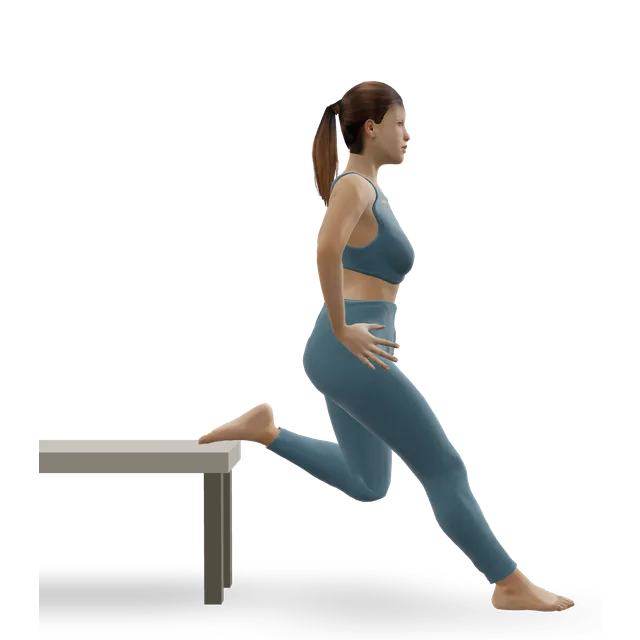
  2. Ankles and hips: 5 ankle circles each way on each foot, 8 slow knee-to-wall rocks each side and 3 world's greatest stretches each side.
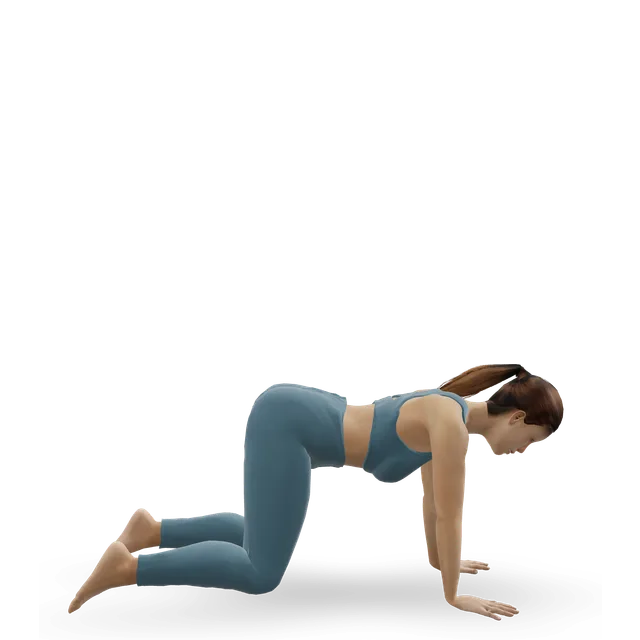
  3. Wrists: 60 seconds of wrist circles and palm turns, then 10 rocks on your hands and knees in each hand position.
  4. Crawl: 2 bear crawls of 8 to 10 m, knees just off the ground, then a crab walk across the space and back.
  5. Land: 2 × 20 small ankle bounces, 2 × 5 snap-downs holding each landing for 2 seconds, and 3 single-leg hops and sticks each leg, landing quietly on the balls of your feet.
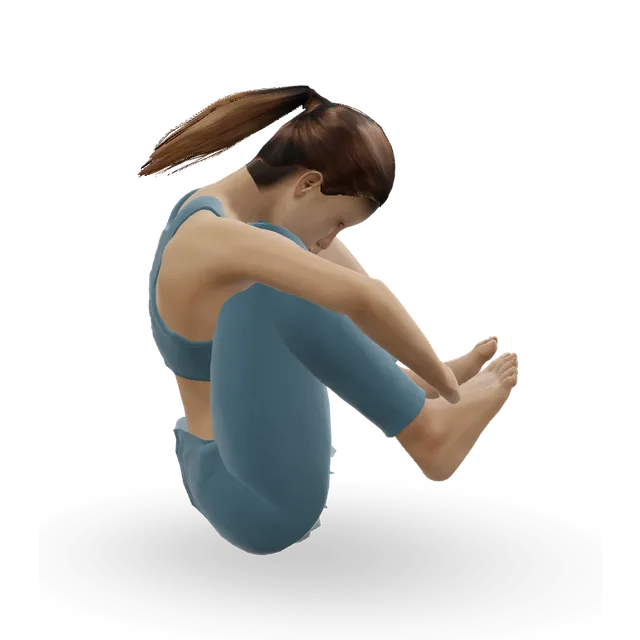
  6. Roll, on grass or a mat: 5 rolls like a ball, chin on your chest, then 2 × 3 slow shoulder rolls each side, from one shoulder to the opposite hip, head never touching the ground.
  7. Rehearse: 3 standing broad jumps to a line, sticking each for 2 seconds, then low precision jumps and step vaults on the ground before anything higher.

Loading the 3D figure…

Gets into position, then repeats the movement. Technical checks passed; qualified exercise review is pending.

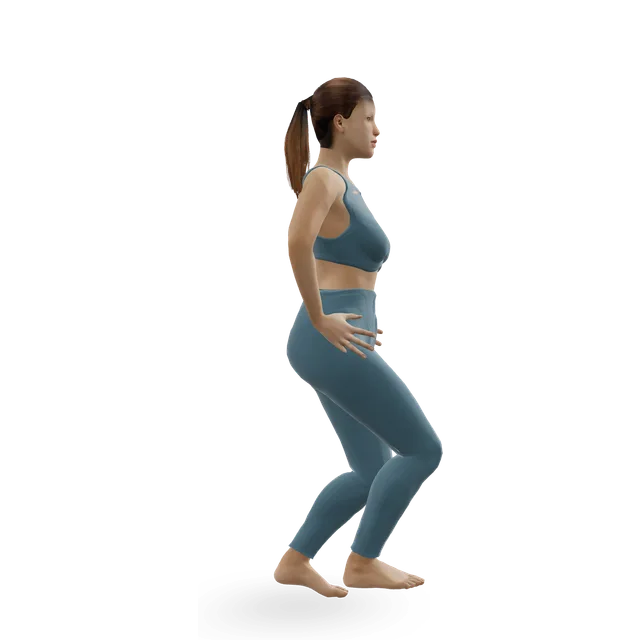
The movement on the figure: Snapdown to athletic landing

Moves for parkour

Landings, stuck jumps and bounds, pulling and pushing for climb-ups and vaults, single-leg strength, calves and balance, crawling and the rocking that prepares the roll. Each has a 3D demo; the shoulder roll is in the workouts, with written steps.

Workouts

The first two are new: a strength and landing workout and a warm-up. The jump and landing sessions add plyometrics; the obstacle race, calisthenics, pull-up, dip and muscle-up sessions add climb-up strength; the rest add ankles, balance, speed, wrists, children's play and light exercise after a concussion.

Parkour strength and landing workout: landings, precision jumps, rolls, climb-up strength, legs and calves

A 50-minute session for traceurs: snap-downs, drop landings, stuck broad jumps, bounds, rolls, pull-ups and dips, split squats, calf raises and crawls.

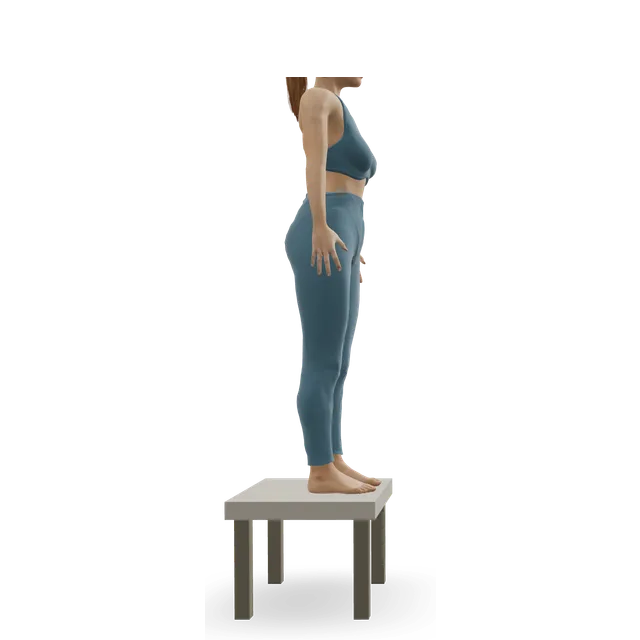
50 minIntermediate20 movesA step, Pull-up bar

Parkour warm-up: jog, ankles, hips, wrists, crawls, landings and rolls

A 15-minute warm-up for parkour: a jog and skips, ankle and hip mobility, wrist work, bear and crab crawls, bounces, landings, rolls and stuck broad jumps.

15 minBeginner15 movesCardio machine, A wall

Plyometric workout

An advanced jump training session: pogo hops, box jumps, split squat jumps, broad jumps and depth jumps.

30 minAdvanced8 movesA bench or box, A step

Vertical jump workout: landings, jumps and strength

A staged jump session for 8 weeks: landings and small jumps, then box and broad jumps, then depth jumps, each followed by squats, hinges and calf work.

40 minIntermediate16 movesA step, A bench or box

Strength and landing workout for jumpers: landings, complex pairs, tendons and trunk

A 50-minute session for jumpers and vaulters: landings and hops, squats and Romanian deadlifts paired with jumps, then tendon holds and trunk work.

50 minIntermediate15 movesCardio machine, A step

Strength and landing workout for skateboarders: legs, ankles, wrists and core

A 45-minute session for skaters: jump squats, drop landings, hops and bounds, squats, split squats and single-leg hinges, ankle balance, wrist work and trunk.

45 minIntermediate20 movesA step, A dumbbell

Skateboarding warm-up: ankles, wrists, landings and how to fall

A 12-minute skateboarding warm-up: skipping, ankle circles, knee-to-wall rocks, hip circles, a wrist flow, single-leg balance, soft landings and fall practice.

12 minBeginner10 movesA wall

Martial arts warm-up with breakfalls: run, fall, move, balance, strengthen

A 15-minute martial arts warm-up: easy running, forward rolls and breakfall practice, leg swings, balance and hops, crawls, squats, side planks and bridges.

15 minBeginner17 movesCardio machine, A wall

Obstacle race strength workout: pull-ups, hangs, carries, crawls and burpees

A 50-minute strength session for obstacle racing: pull-ups or their progressions, bar hangs, step-ups, farmer's carries, bear crawls, burpees and side planks.

50 minBeginner11 movesCardio machine, Pull-up bar

Obstacle race conditioning workout: hill repeats, carries, crawls and landings

A 50-minute obstacle race session: an easy jog, 6 hard 60-second hill repeats, then 3 rounds of carries, crawls, burpees, held landings and bar hangs.

50 minIntermediate12 movesCardio machine, A dumbbell

Full-body calisthenics workout

A full-body calisthenics workout with a ladder for every move: rows to pull-ups, push-ups, split squats to skater squats, dips, hamstring curls and knee raises.

45 minBeginner11 movesPull-up bar

Pull-up progression workout

Work up to your first pull-up: dead hangs, scapular pulls, rows, negatives and assisted pull-ups.

25 minBeginner7 movesPull-up bar, A step

Dip progression workout

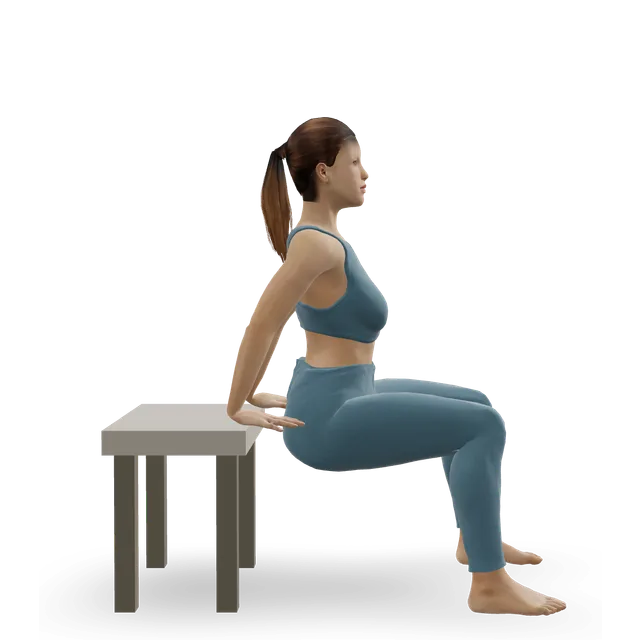
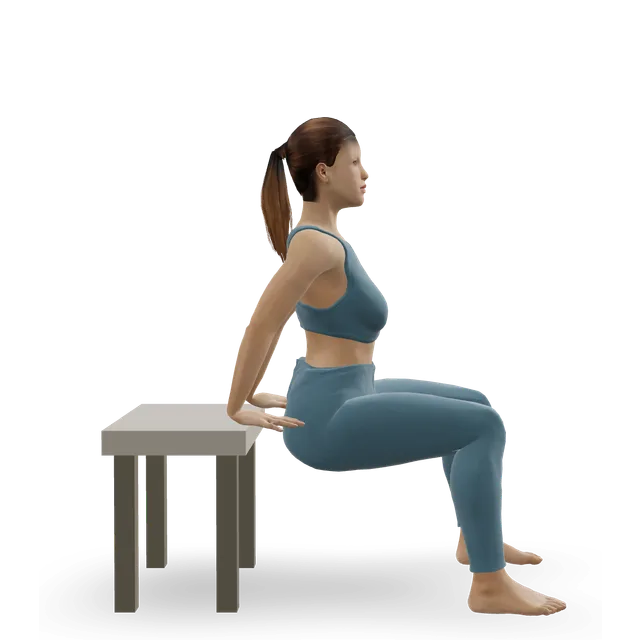
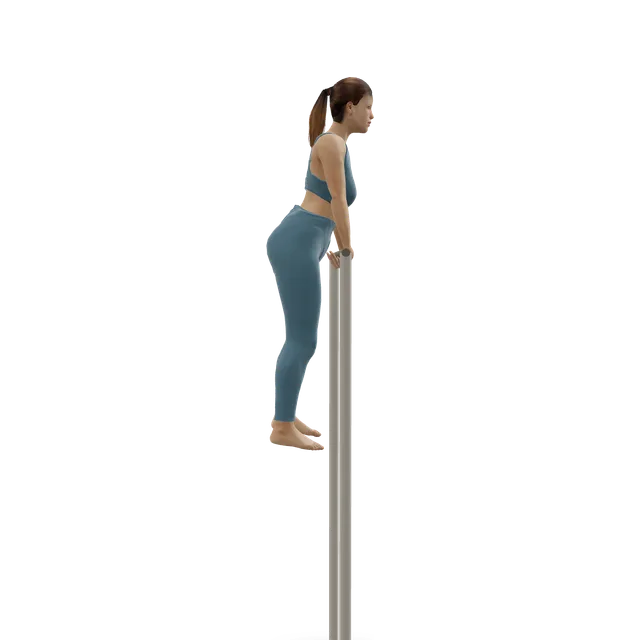
Work up to bar dips: bent-knee and straight-leg bench dips, a support hold, slow lowering and assisted dips, then full dips and ring dips.

20 minBeginner9 movesA band, A bench or box

Muscle-up progression workout

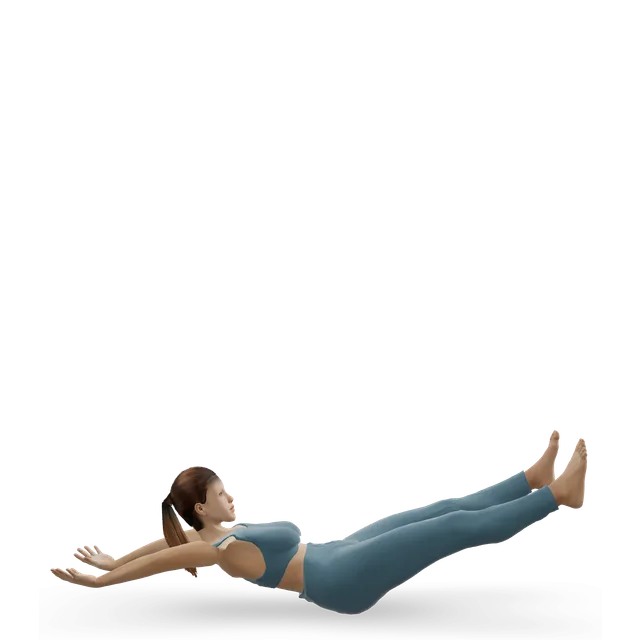
Build to a bar muscle-up: hollow holds, high pull-ups, deep dips and slow negatives, with transition drills and attempts while you're fresh.

30 minAdvanced7 movesPull-up bar, A step

Foot and ankle strengthening routine: toes, arches, calves and balance

A 15-minute barefoot routine for stronger toes, arches, calves and ankles, finishing with balance. You need only a towel, a wall and a resistance band.

15 minBeginner11 movesA wall, Other / check instructions

Balance exercises routine

Balance practice in 10 minutes: tandem stance, single-leg stands, marches, heel walks, tree pose and floor transfers.

10 minBeginner7 movesA wall, A bench or box

Sprint speed workout: drills, accelerations and flying sprints

A 45-minute speed session: running drills, five short accelerations and three flying sprints with full rest, then Nordic curls and calf raises.

45 minIntermediate11 movesCardio machine, A wall

Wrist and forearm routine

Wrist mobility and forearm strength for desk work, climbing, push-ups and handstands.

10 minBeginner7 movesA wall, A dumbbell

Animal moves for kids: a 15-minute active play workout

Fifteen minutes of animal moves, jumps and balance games for children, building the muscle- and bone-strengthening activity they need, with nothing to buy.

15 minBeginner16 movesA wall

Light exercise after a concussion: the stage 3 session

A 20-minute light session after a concussion: a symptom check, 10 to 15 minutes of easy cycling or walking, gentle bodyweight moves and a cool-down.

20 minBeginner8 movesCardio machine, A bench or box

Plans

Two strength sessions a week fit around parkour training.

Who should check first

Everyone: seven questions

The PAR-Q+ (Physical Activity Readiness Questionnaire for Everyone) asks about a heart condition or high blood pressure, chest pain, dizziness or losing consciousness, other long-term conditions and their medicines, a bone or joint problem that activity could make worse, and being told to exercise only under supervision. If you answer yes to any, check with your doctor or a qualified exercise professional first, and wait if you're ill.

Source 45

Beginners, and anyone jumping or dropping from height

Overestimating ability and misjudging the situation were the commonest causes of injury, and serious foot and heel fractures followed drops of 3.5 and 2.5 m. Start with a coach, on the ground, kerbs and low walls, and never alone as a beginner.

Sources 3, 4, 5, 7

Heavier or less powerful athletes

They reached the limit of a two-footed landing at lower heights. Roll sooner, build leg strength, and choose drop heights by your own landings (our suggestion).

Source 25

Children and teenagers

Children as young as 8 are treated in emergency departments, a 14-year-old hid a heel fracture for 8 weeks, and FIG competition starts at 14. Choose coached classes within Parkour UK's ratios, and see our children's guide.

Sources 24, 5, 11, 8

A past ankle sprain

Home balance training cut repeat sprains in athletes. Do our sprained ankle guide's balance programme before big landings.

Source 28

Heel pain after a hard landing

A heel fracture followed a 2.5 m jump, and our broken heel guide explains that the same kind of fall can break the back too. Get it checked; the warning signs are below.

Source 5

Anyone wanting to learn flips

A double front flip dislocated a man's neck and paralysed him. Learn with a coach on soft surfaces in a gym first.

Source 6

Older adults

No study has tested parkour in older adults (our search). Check the PAR-Q+, find a coach who adapts sessions, and see our older adults guide.

Sources 7, 45

Pregnant

The NHS advises against sports with a risk of falling or bumping your tummy in pregnancy. Parkour carries that risk (our reading), so talk to your midwife.

Source 46

Epilepsy

Our epilepsy guide explains that the International League Against Epilepsy puts gymnastics in its moderate-risk group and climbing in its high-risk group. Parkour isn't named; in our reading, parkour on the ground is like gymnastics and heights and drops like climbing. Agree it with your neurologist, and never train alone.

After a concussion

Follow the UK guidelines, with no competition before day 21. Our concussion guide has the stages.

Source 43

When to stop and get help

A fall onto the head or neck: call 999

The NHS says to call 999 if someone has hit their head and:

  • Has been knocked out and hasn't woken up, or can't stay awake or keep their eyes open.
  • Has a fit (seizure).
  • Has fallen from a height of more than 1 metre or 5 stairs.
  • Has problems with their vision or hearing, or clear fluid coming from their ears or nose.
  • Has new numbness or weakness in any part of their body, or problems with walking, balance, understanding, speaking or writing.
  • If a neck injury is suspected, don't move them: the UK guidelines say the injured person should only be moved by healthcare professionals with the right training.

Sources 47, 43

Suspected concussion

If in doubt, sit them out: stop at once and no return that day. Get help from NHS 111 if they're being sick, feel dizzy, or were drinking alcohol at the time.

Sources 43, 47

Ankle

Go to A&E (accident and emergency) if your ankle is at an odd angle, a bone is sticking out, you're in severe pain, or your toes look blue or white or feel numb. Get help from NHS 111 if it hurts to put weight on it.

Source 48

Heel or Achilles

Contact NHS 111 if you have severe heel pain after an injury, heard a snap, grinding or popping noise when it happened, can't walk on your tiptoes, or have swelling and bruising in your calf and ankle: these might be signs of a broken heel bone or ankle. Get help from NHS 111 if you think you've ruptured a tendon.

Sources 49, 50

Knee

Go to A&E if your knee has changed shape, swells up very quickly, or you felt a pop or snap in it. Get advice from NHS 111 if your knee locks, gives way or clicks painfully.

Sources 51, 52

Leg

Call 999 or go to A&E if your leg is twisted or bent, or a bone is sticking out of it.

Source 53

Wrist, hand or fingers after a fall onto the hand

Go to A&E or call 999 if the injured arm or wrist has changed colour or shape, is at an odd angle, or is numb or tingling. Go to A&E if a finger or thumb points at an odd angle, or looks blue or feels numb. Pain at the base of the thumb after a fall onto the hand needs checking the same day, even if the wrist moves well, as our scaphoid fracture guide explains.

Sources 54, 55

Grazes and cuts

Call 999 or go to A&E if you can't stop the bleeding or something is stuck in the cut; don't pull it out yourself. Ask for an urgent GP appointment or get help from NHS 111 if a wound has soil or pus in it, or is still dirty after cleaning.

Source 56

Back pain after a fall: call 999

Call 999 or go to A&E for back pain that started after a serious accident, or with pain, tingling, weakness or numbness in both legs, loss of feeling around your genitals or bottom, or changes in your bladder or bowels.

Source 57

Fainting or chest pain: call 999

Call 999 if someone faints while exercising, or for sudden chest pain that doesn't go away, or pain that spreads to your arms, neck, jaw, stomach or back.

Sources 58, 59

Myths

"Parkour is the most dangerous sport"Mixed evidence

In a self-reported survey of 266 traceurs, almost all men, injuries ran at 5.5 per 1,000 hours and 70% were grazes, and a review found injuries "not more frequent than in other sports". Falls from height cause serious injuries, though, and no study compares parkour with other sports on the same measure (our search).

Sources 3, 9, 6

"A good landing is stiff and flat-footed"Emerging evidence

Traceurs landed on the balls of their feet in 93% of drops, with 40% to 49% less peak force than recreationally trained people; stiff landings slowed the body fastest; and the FIG rewards landing "quietly and controlled on both feet".

Sources 2, 15, 14

"Rolls are just for show"Emerging evidence

The parkour roll cut peak force by 43% against a traditional landing, spread drops from 1.8 and 2.7 m over a longer time, and athletes chose it from higher drops.

Sources 1, 15, 25

"You learn parkour by going big"Strong evidence

Parkour UK says drill jumps on the ground, kerbs and low walls first; overestimating ability (23%) and misjudging the situation (20%) were the commonest causes of injury in the survey; and serious fractures followed drops of 2.5 and 3.5 m.

Sources 7, 3, 4, 5

"Parkour is too dangerous for children"Emerging evidence

Organised parkour at school breaks got more children active in a randomised study. Children are treated in emergency departments, and one hid a heel fracture, so coached classes with set ratios and an adult told about any landing that still hurts are the sensible way in.

Sources 41, 24, 5, 8

"Parkour prevents falls in older adults"Mixed evidence

Parkour UK says it "can reduce the risk of falls in older adults", but we found no study testing it (our search).

Source 7

"Train in a weighted vest to jump further"Emerging evidence

A vest of 10% of body weight during a 1-hour session raised effort and soreness and cut standing long jump and obstacle sprint performance straight afterwards; long-term effects haven't been tested.

Source 33

"Stretching before parkour prevents injuries"Strong evidence

Across other sports, stretching programmes didn't prevent injuries, while strength training did.

Source 10

Questions people ask

How do I start parkour safely?

With a coach, on the ground: Parkour UK advises drilling jumps on the ground, kerbs and low walls before going higher, says beginners should always have someone with them, and recommends flexible shoes with good grip. Learn to land on the balls of your feet and to roll on grass or mats first.

Is parkour dangerous?

In a self-reported survey of 266 traceurs, almost all men, injuries ran at 5.5 per 1,000 hours, and 70% were grazes; a review found injuries no more frequent than in other sports. But falls and drops from height have broken feet, heels and wrists, and a flip caused a neck injury with paralysis.

What are the most common parkour injuries?

Grazes, which were 70% of injuries in a survey of traceurs, with muscle injuries and dislocations next. The arms took 58% of injuries and the legs 27%, and 61% happened on landing. Emergency department data add fractures, sprains and cuts.

How should you land in parkour?

On the balls of your feet, quietly, bending through the ankles, knees and hips: traceurs landed this way in 93% of drops, with 40% to 49% less peak force than recreationally trained people. From bigger drops, roll: the parkour roll cut peak force by 43% against a traditional landing.

How do you do a parkour roll?

Diagonally, from one shoulder across your back to the opposite hip, with your chin tucked, so your head never touches the ground. Practise it slowly on grass or mats, on both sides, before you need it.

What exercises help parkour?

Landings, jumps and single-leg strength, pulling and pushing for climb-ups and vaults, calves and ankles, grip, and moving on all fours. Traceurs out-jump gymnasts and power athletes, and years of practice go with longer jumps and faster climb-ups; our strength and landing workout puts these together.

Is parkour illegal in the UK?

We found no statement on the law from Parkour UK, so we don't give one. Its advice is to respect the places you train, and if you're asked to leave a spot, to stay polite, explain what you're doing and find another. Ask permission before training on private property.

What age can children start parkour?

None of the rules we read sets a minimum age for classes, and Parkour UK says no one is too young or too old to start. FIG competition starts at 14 for juniors and Parkour UK's British Championships at 16; choose coached classes within Parkour UK's ratios.

Is parkour good exercise?

Yes: it mixes sprints, jumps, climbs and crawls, and a parkour sprint test tracked aerobic fitness, pull-ups and jumps. Children who did parkour did better in jumps, balance and pull-ups than matched team-sport children, though that doesn't show parkour caused it. There's no Compendium value for parkour.

Can older adults do parkour?

Parkour UK says it can reduce the risk of falls in older adults, but we found no study testing that. If you'd like to try it, check the PAR-Q+ first and find a coach who adapts sessions; the evidence for preventing falls is in balance and strength training.

Sources

  1. Puddle 2013 · Ground reaction forces and loading rates associated with parkour and traditional drop landing techniques (J Sports Sci Med)
  2. Standing 2015 · A Comparison of the Habitual Landing Strategies from Differing Drop Heights of Parkour Practitioners (Traceurs) and Recreationally Trained Individuals (J Sports Sci Med)
  3. Wanke 2013 · Parkour, "art of movement", and its injury risk (Sportverletz Sportschaden; in German, English abstract read)
  4. Karmali 2019 · Tarsal Navicular Fracture in a Parkour Practitioner, a Rare Injury: Case Report and Literature Review (Rev Bras Ortop)
  5. Knobloch 2024 · Combined Electromagnetic and Electrohydraulic Focused ESWT and EMTT for Delayed Calcaneal Union in an Adolescent Parkour Athlete: A Case Report (Open Access J Sports Med)
  6. Derakhshan 2014 · Spinal cord injury in Parkour sport (free running): a rare case report (Chin J Traumatol)
  7. Parkour UK · How to get started (read October 2026)
  8. Parkour UK · General Coaching Standards (2025 revision)
  9. Pagnon 2022 · What Makes Parkour Unique? A Narrative Review Across Miscellaneous Academic Fields (Sports Med)
  10. Lauersen 2014 · The effectiveness of exercise interventions to prevent sports injuries: a systematic review and meta-analysis of randomised controlled trials (Br J Sports Med)
  11. FIG · Technical Regulations 2026 (version 4.0, May 2026)
  12. Parkour UK · British Championships 2026 (1 to 2 August 2026, read October 2026)
  13. Parkour UK · What is parkour? (read October 2026)
  14. Fédération Internationale de Gymnastique (FIG) · Parkour Code of Points 2025 to 2028 (published 22 April 2024)
  15. Dai 2020 · Kinematic Analyses of Parkour Landings from as High as 2.7 Meters (J Hum Kinet)
  16. Padulo 2019 · Validity and Reliability of a New Specific Parkour Test: Physiological and Performance Responses (Front Physiol)
  17. Compendium of Physical Activities 2024 · The 2024 adult compendium: every activity code and MET value
  18. Grosprêtre 2016 · Performance characteristics of Parkour practitioners: Who are the traceurs? (Eur J Sport Sci)
  19. Grosprêtre 2018 · Neuromuscular and electromechanical properties of ultra-power athletes: the traceurs (Eur J Appl Physiol)
  20. Elizondo-Donado 2026 · Climbing the wall to success: how parkour experience shapes athletic performance capacities (J Sports Med Phys Fitness)
  21. Kalinterakis 2024 · An unusual wrist injury in a parkour athlete: transstyloid, transscaphoid, transtriquetral perilunate dislocation (Trauma Case Rep)
  22. Miller 2008 · Parkour: a new extreme sport and a case study (J Foot Ankle Surg)
  23. Grassi 2026 · Triple Achilles Tendon Injury With Distal Avulsion, Proximal Rupture and Longitudinal Split in a Parkour Athlete: Case Report (Clin Case Rep)
  24. Rossheim 2017 · Parkour injuries presenting to United States emergency departments, 2009 to 2015 (Am J Emerg Med)
  25. Croft 2017 · Affordance Boundaries Are Defined by Dynamic Capabilities of Parkour Athletes in Dropping from Various Heights (Front Psychol)
  26. Maldonado 2018 · Strategies of Parkour practitioners for executing soft precision landings (J Sports Sci)
  27. Weerdesteyn 2008 · Martial arts fall techniques reduce hip impact forces in naive subjects after a brief period of training (J Electromyogr Kinesiol)
  28. Hupperets 2009 · Effect of unsupervised home based proprioceptive training on recurrences of ankle sprain: randomised controlled trial (BMJ)
  29. Williams 2023 · Beyond athletic development: The effects of parkour-based versus conventional neuromuscular exercises in pre-adolescent basketball players (PLoS One)
  30. Jabnoun 2019 · Postural control of Parkour athletes compared to recreationally active subjects under different sensory manipulations: a pilot study (Eur J Sport Sci)
  31. Strafford 2022 · Effects of functional movement skills on parkour speed-run performance (Eur J Sport Sci)
  32. Grosprêtre 2025 · Effect of Two Types of Open-Skill Training on Cognitive Functions: The Case of Parkour (Eur J Sport Sci)
  33. Grosprêtre 2026 · Performances and Fatigue Responses to Weighted Vest Training in Parkour Novices (Eur J Sport Sci)
  34. Williams 2024 · The parkour tic-tac action versus the drop jump as part of complex training within the strength and conditioning programme of highly-trained youth basketball players (PLoS One)
  35. NHS · Physical activity guidelines for adults aged 19 to 64
  36. Groen 2007 · Martial arts fall techniques decrease the impact forces at the hip during sideways falling (J Biomech)
  37. Parkour UK · Code of Conduct (June 2026)
  38. Parkour UK · Health and safety checklist, to be carried out daily (example, May 2026)
  39. Parkour UK · Safe Sport (read October 2026)
  40. FIG · Medical Organisation of the FIG Competitions and Events (October 2024, in force 1 January 2025)
  41. Coolkens 2018 · Effects of Generalization of Engagement in Parkour from Physical Education to Recess on Physical Activity (Res Q Exerc Sport)
  42. Konushevci 2025 · Comparison of basic motor skills and physical fitness between (pre-)pubertal children from parkour and team sports (Front Sports Act Living)
  43. UK Government and Sport and Recreation Alliance 2024 · UK concussion guidelines for non-elite (grassroots) sport, November 2024 update
  44. Munro 2025 · Circus-specific extension of the 6th International Consensus Statement on Concussion in Sport (BMJ Open Sport Exerc Med)
  45. PAR-Q+ Collaboration 2025 · The Physical Activity Readiness Questionnaire for Everyone (PAR-Q+)
  46. NHS · Exercise in pregnancy
  47. NHS · Head injury and concussion
  48. NHS · Broken ankle
  49. NHS · Heel pain
  50. NHS · Tendonitis
  51. NHS · Dislocated kneecap
  52. NHS · Knee pain
  53. NHS · Broken leg
  54. NHS · Broken arm or wrist
  55. NHS · Broken finger or thumb
  56. NHS · Cuts and grazes
  57. NHS · Back pain
  58. NHS · Fainting
  59. NHS · Chest pain

Exercise education for people who play sport, not a personal prescription or a diagnosis, and clinical review of these pages is pending. Check with a GP or physiotherapist before hard training if you have a heart condition, chest pain, dizziness or an injury that isn't settling, and stop for sharp or increasing pain. Health disclaimer.