Two jobs: accelerate, then hold top speed
Better sprinters accelerate for longer, and even they hold their top speed for only about 10 to 30 m.
Source 1
Training guide
Sprinting faster means two things: accelerating harder from a standstill, and reaching a higher top speed, which even elite sprinters hold for only about 10 to 30 m. Speed comes from pushing hard into the ground, and it's trainable: people who aren't elite sprinters typically cut their sprint times by about 1.5 to 3% over 6 to 12 weeks. On a 4-second 30 m sprint, that's about 0.06 to 0.12 seconds (our arithmetic).
What works is sprinting at full effort with full rest, plus strength and jump training. Sleds help the first 20 m but weren't clearly better than plain sprints for most people, and drills are a warm-up rather than a proven way to get faster.
This guide covers what sets your speed, what the trials show, how to run a speed session, how to time yourself properly and how to look after your hamstrings, with a sprint speed workout that has a 3D demo of every move. For a faster 5K or 10K, see our guide to running faster.
Better sprinters accelerate for longer, and even they hold their top speed for only about 10 to 30 m.
Source 1
Faster runners reach higher top speeds by pushing harder into the ground, not by moving their legs faster. When you accelerate, pushing backwards matters more than how hard you push in total.
Sprint at full effort with full rest, and add strength and jump training. People who aren't elite typically cut their sprint times by about 1.5 to 3% over 6 to 12 weeks, though most studies were in young men who play team sports.
Sleds improved the first 20 m, but for most people no more than the same sprints without a sled. No study has tested drills on their own, so use them to warm up.
Use timing gates or a phone app that films your run. A stopwatch reads about 0.2 seconds fast, and that can't be reliably corrected.
About half of football's match hamstring strains happen while sprinting. Build speed over weeks, sprint regularly and keep the Nordic curl in your week: it builds lowering strength, though whether it halves injuries is less certain than often claimed.
Acceleration is speeding up from a standing or crouched start, and top speed is the fastest you can run. A flying sprint, timed after a build-up run, trains and tests top speed.
Source 1
In 33 people tested on a treadmill that measured their ground forces, top speeds ranged from 6.2 to 11.1 metres a second (about 22 to 40 km/h, our arithmetic). The fastest pushed down about 1.26 times harder, while the time their legs took to swing through the air didn't differ.
Source 2
In 12 men, how far forwards they directed their push while accelerating mattered more for their 100 m performance than how much force they produced in total.
Source 3
Your speed is your step length times your step rate, and the two trade off: athletes with longer steps tended to take them less often. Copying an elite sprinter's long stride tends to make an ordinary runner slower.
Folding the arms across the chest slowed 30 m sprints by only 1.6% (4.90 against 4.82 seconds), so the arms mainly keep you balanced. Their exact role is still poorly studied.
In Usain Bolt's 9.58-second 100 m, his fastest 20 m (from 60 to 80 m) took 1.61 seconds: about 12.4 metres a second, or 45 km/h (our arithmetic from the review's split times). In the lab group above, from recreational runners to sprinters, top speeds were about 22 to 40 km/h.
Across 48 studies of 1,485 people, training that included sprinting cut sprint times by about 3% on average. Strength and jump training helped most over distances beyond about 30 m, and combining methods helped most over the first 10 m.
Source 4
In athletes from football, rugby and similar sports, trained for about 8 weeks at two sessions a week, most training methods gave moderate gains over the first 10 m, and no single method was clearly best. Small studies with good results seemed more likely to be published, so the true gains may be smaller.
Source 6
The world's top 100 sprinters improved by only 0.1 to 0.2% a year in their early 20s, and national-level sprinters by 1.3 to 1.4% a year. The further you are from your limit, the more room you have.
Source 1
Across 15 studies, those with bigger gains in squat strength tended to show bigger gains in speed, and sprint times improved by 3.11% on average. Stronger half squats also went with faster 10 and 30 m sprints in 17 elite footballers, an association.
Across 26 studies, jump training improved sprinting most in programmes of under 10 weeks with at least 15 sessions and more than 80 jumps a session, using jumps that travel forwards, such as bounds. Adding weight to the jumps gave no extra benefit.
Source 20
Across 13 studies, sled training improved acceleration by a moderate amount, but no more than the same sprints without a sled, and its effect on top speed wasn't significant. Reviews in team-sport players and in young footballers found no difference from plain sprinting either.
On the other side, a 2025 analysis of 49 studies found moderate sleds (20 to 50% of body weight) and very heavy ones (80% or more) did beat plain sprinting, mainly in trained athletes, while light sleds or none are probably enough for recreational players. In 50 high school athletes, sled pushes at three loads improved 5 to 20 m times more than plain sprints over 8 weeks. The most consistent benefit is acceleration over 20 m or less.
In 32 professional footballers, 9 weeks of heavy sled sprints improved 10 to 30 m times without changing sprint technique beyond measurement error. In a pilot trial in 16 amateur players, a very heavy sled (80% of body weight) improved how well they pushed backwards more than plain sprints did.
In 54 students, 8 weeks of combined uphill and downhill sprinting raised top speed by 4.3%, against 1.7% for sprinting on the flat, and uphill sprints helped hockey players in a small trial (7 against 7 players). A slope also caps your speed, which makes hills a gentler way in.
They slow you down while you wear them, and there's no good evidence of a lasting benefit. We found no trial of sprint parachutes.
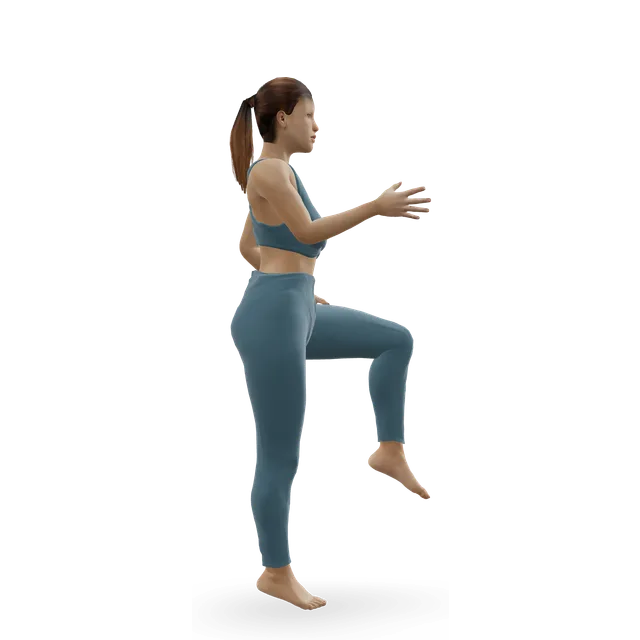
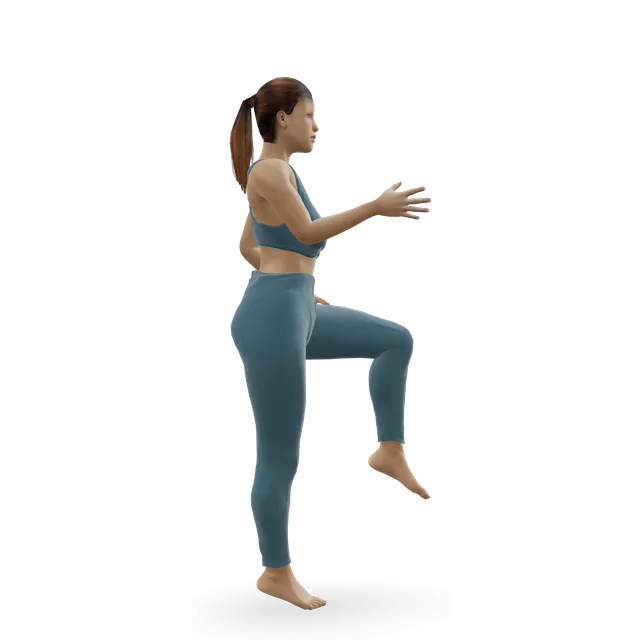
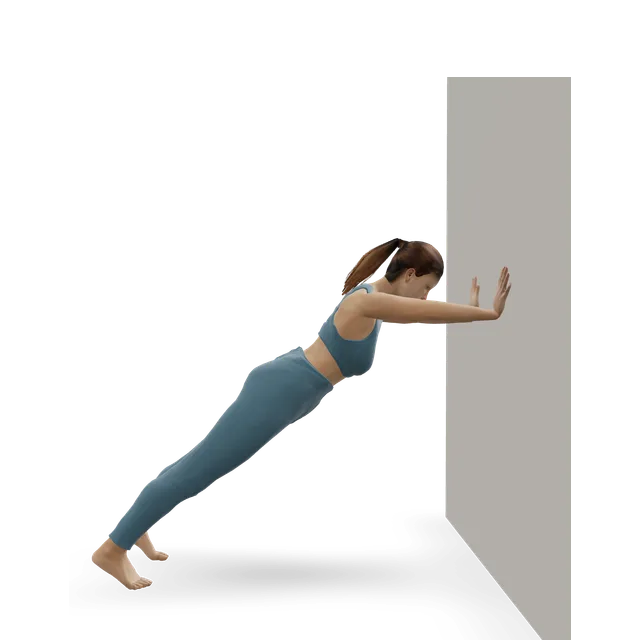
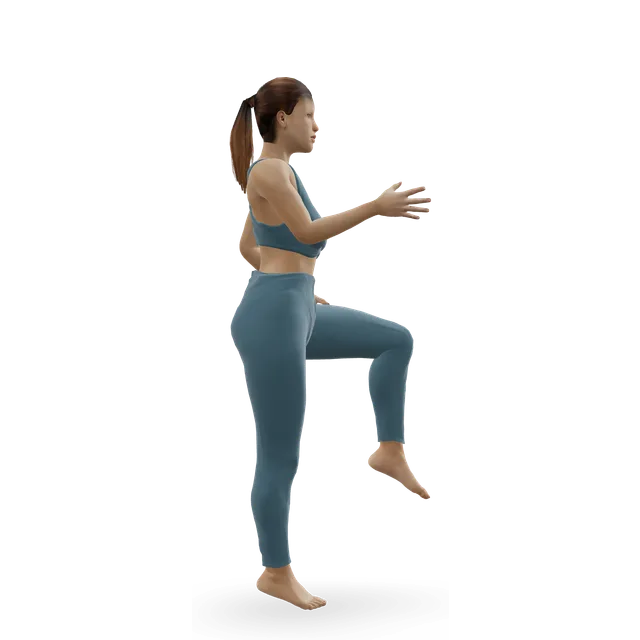
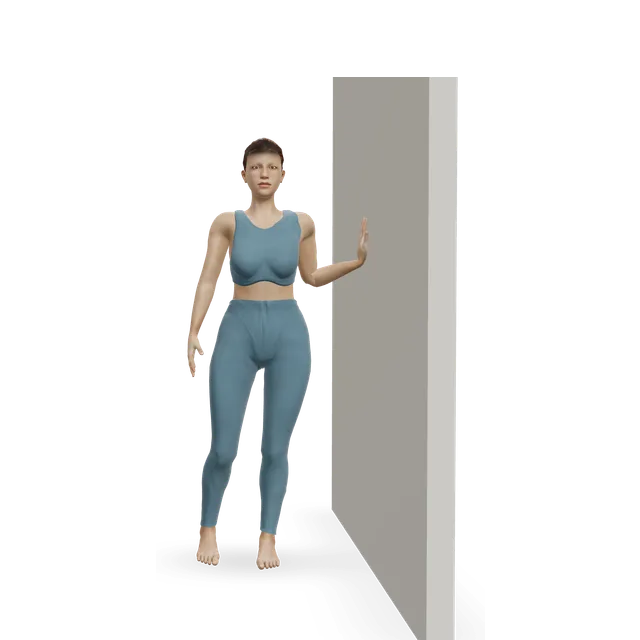
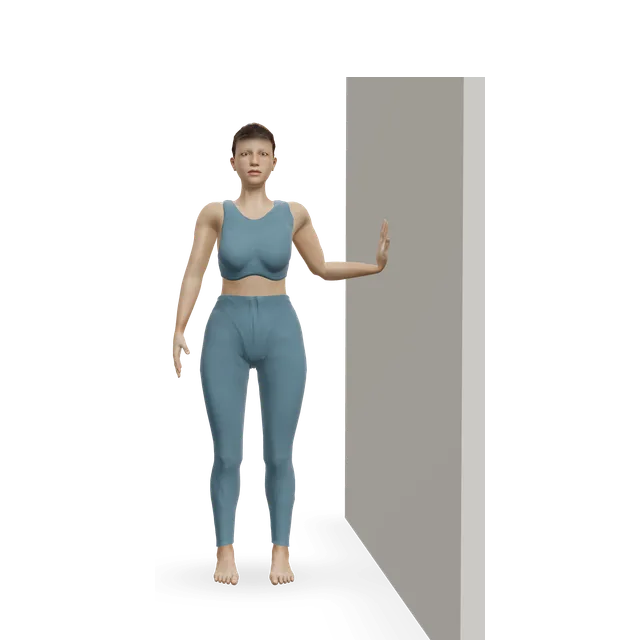
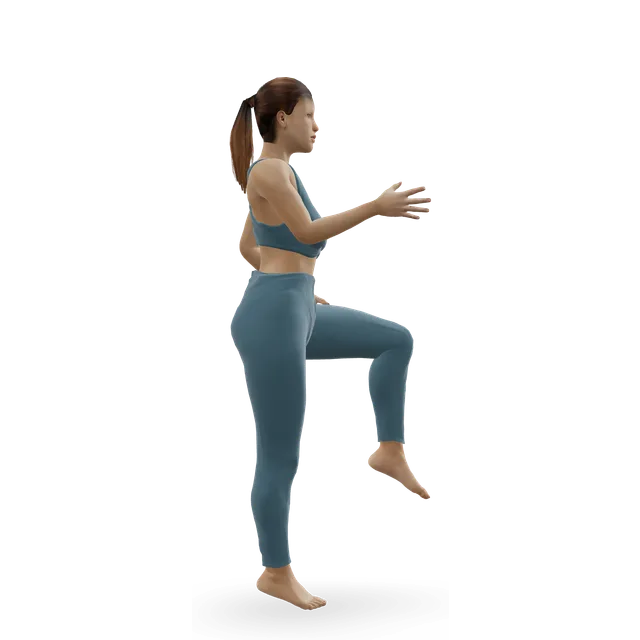
Drills such as skips don't copy the movements of sprinting, and no study has tested them on their own. A wall drill opened an 8-week speed programme that improved 20 and 30 m sprints in 19 young female footballers, but the drill wasn't tested by itself. Use drills in your warm-up to rehearse positions.
Our editorial session, scaled down from elite practice (Haugen 2019), with the 90% rule from our sprint intervals move and the strength and jump evidence above (Seitz 2014; de Villarreal 2012).
Loading the 3D figure…
The movement on the figure: Sprint intervals
Acceleration sessions: sprints of 10 to 50 m at more than 98% effort, 2 to 7 minutes' rest and 100 to 300 m in all. Top-speed sessions: flying sprints of 10 to 30 m after a 20 to 40 m build-up, 4 to 15 minutes' rest and 50 to 150 m in all, with 48 to 72 hours between hard sessions. That's best practice gathered in a review, not tested in trials.
Source 1
About 100 to 200 m of fast running a session is plenty for most people: our workout uses 5 accelerations of 15 m and 3 flying sprints of 20 m, about 135 m. Walk back and rest 1 to 2 minutes more after short accelerations, and 3 to 4 minutes after flying sprints. These distances and rests are our editorial starting point, at the low end of elite practice and with shorter rests.
Source 1
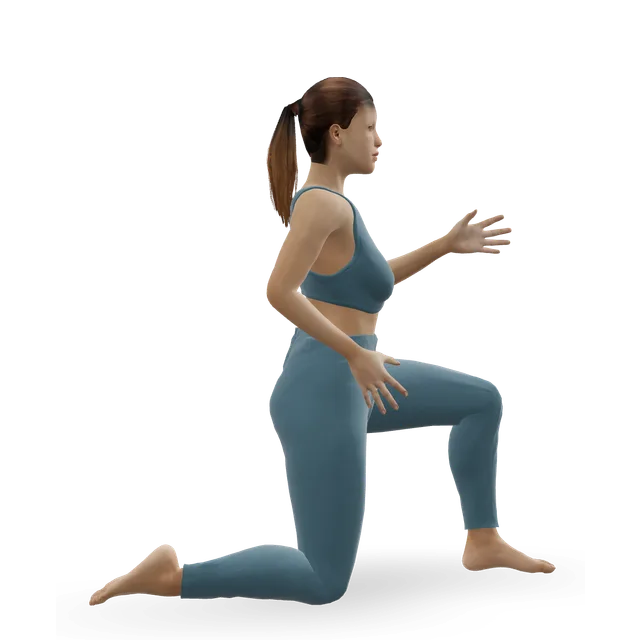
Keep to about 90% effort for the first 4 weeks, as our sprint intervals move advises, then go to full effort. After that, add a sprint or two before you add distance: our workout goes from 5 and 3 sprints to 6 and 4 (our editorial progression).
Two strength sessions a week, stopping each set 2 to 3 reps short of failure, plus bounds and broad jumps. Elite sprinters lift on the day after a speed session or later on the same day; for everyone else, that's our editorial starting point.
A meta-analysis of sprint training in boys suggests up to 16 sprints of about 20 m, twice a week, with at least 90 seconds between them. UK Athletics, as quoted in the elite review, starts young or new sprinters with 20 m runs from a crouched start and 2 minutes' rest, and a 20 m build-up into a 10 m flying sprint with about 4 minutes' rest.
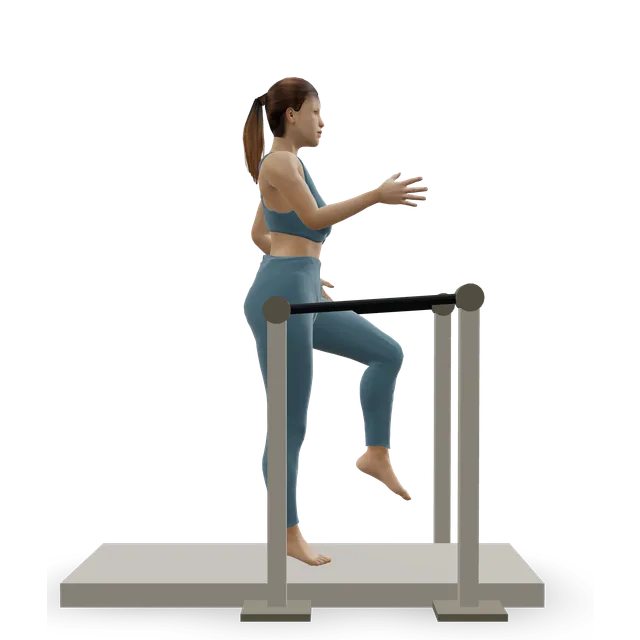
Rehearsal, not speed training: 2 × 20 m of skipping, 2 × 15 m of fast skipping, 3 rounds of the wall drill, 15 seconds of the arm drill on each knee and 3 build-up runs (our editorial doses, from each move's entry).
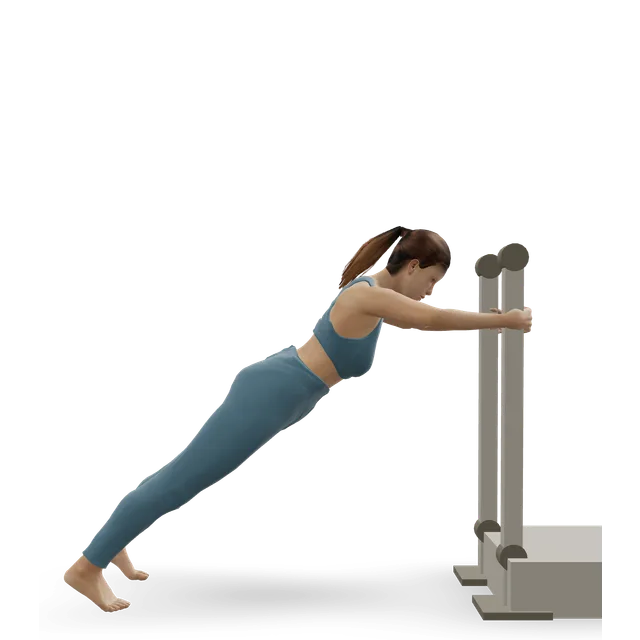
Sprints first, with full rest. Hills are a gentler way in (6 to 8 runs of 8 to 10 seconds, walking down), and a sled should be light enough that you still move fast.
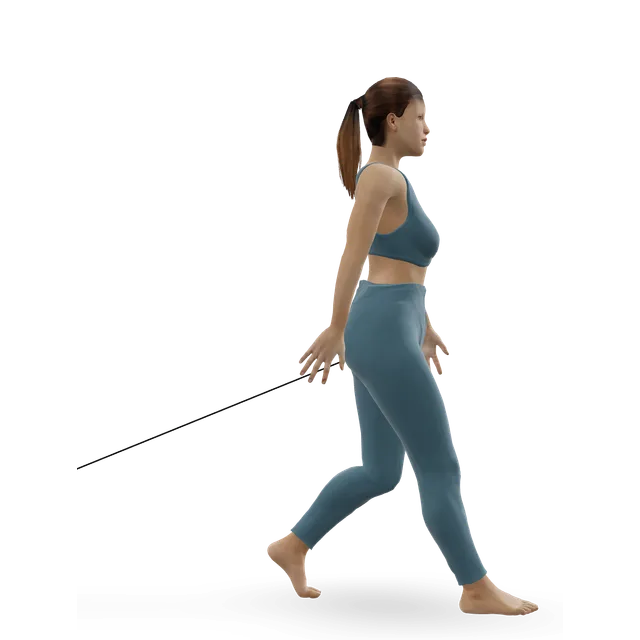
Twice a week: Nordic curls 2 or 3 × 3 to 6, squats 3 or 4 × 4 to 6, split squats 3 × 6 to 8 each leg, Romanian deadlifts 3 × 8 to 10, calf raises 3 × 10 to 15 each leg, bounds 3 to 5 × 20 m and broad jumps 4 × 3, from each move's entry and our workouts.
 3D demoNordic curlAdvanced · An anchor point
 3D demoBarbell back squatAdvanced · A barbell
 3D demoRear-foot-elevated split squat (Bulgarian split squat)Intermediate · A bench or box
 3D demoDumbbell Romanian deadliftIntermediate · A dumbbell
 3D demoSingle-leg calf raise from a stepIntermediate · A step + A wall
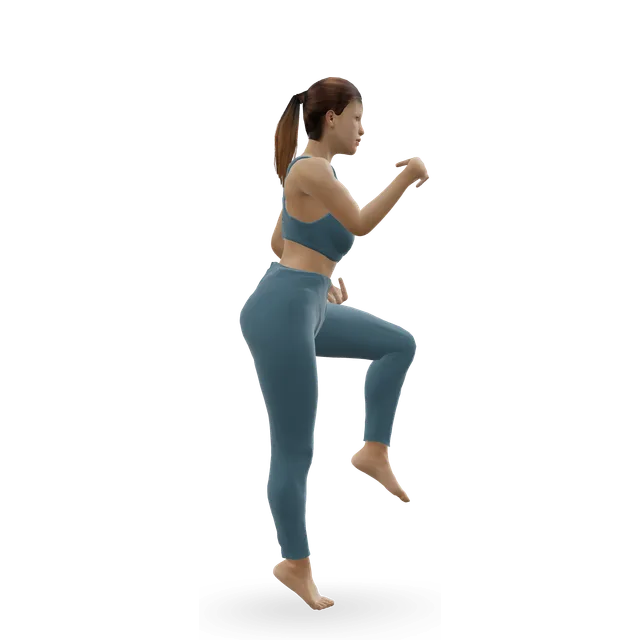 3D demoAlternate-leg boundingAdvanced · No equipment
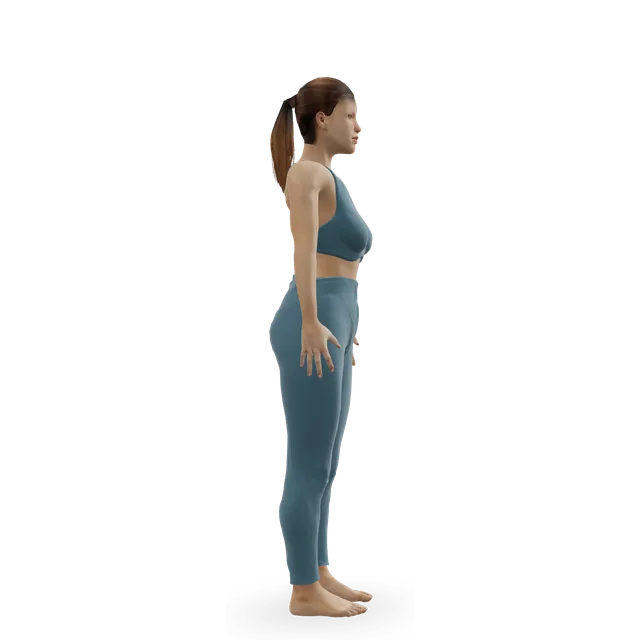 3D demoStanding broad jump with stuck landingIntermediate · No equipment
Our editorial protocol, built on the timing studies below (Haugen 2016; Fristrup 2024).
Loading the 3D figure…
The movement on the figure: Sprint intervals
Over 40 yards (about 37 m), hand timing read 0.22 to 0.26 seconds faster than electronic timing, with errors of about 0.15 seconds either way, and it can't be reliably corrected. Over 10 to 20 m, don't hand-time at all.
Different starting positions and ways of triggering the clock can change times by more than years of training would. Compare only times taken the same way.
Source 32
In elite handball players, gate times varied from test to test by 2.8% over 5 m, 1.9% over 10 m and 1.5% over 20 m, so the shortest sprints are the noisiest. Over 40 yards, the smallest change worth noticing was 0.12 seconds.
Apps that film your run at high speed agreed almost perfectly with timing gates in 12 sprinters, and another was about 0.01 seconds out in 5 people. The samples were small.
In 342 hamstring strains in football analysed on video, about half (48.8%) happened while sprinting.
Source 12
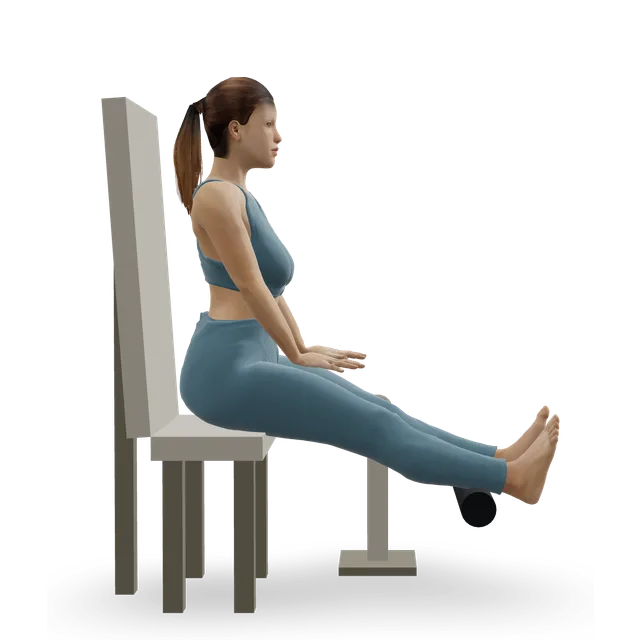
Across 13 studies, Nordic curls raised eccentric hamstring strength (strength while the muscle lengthens under load) by a large amount and lengthened the muscle fibres within 6 weeks or more. Four weeks was too short.
Source 14
Low weekly volumes worked as well as high ones. In 20 men, the fibres lengthened by 23 to 24% and strength rose by 28 to 34%, but the fibre gains reversed within 2 weeks of stopping.
Programmes that include the Nordic curl were linked with about half as many hamstring injuries, and two large football trials found big falls, but when only properly randomised trials are pooled the effect is uncertain.
Across 15 studies of 8,459 athletes, programmes including the Nordic curl had about half the rate of hamstring injuries, and the two largest football trials found about 70% fewer (our arithmetic). But only 5 of those studies assigned people to the Nordic itself at random; re-analysed with a sixth trial, the effect was inconclusive, and a 2026 analysis of 11 football trials found the Nordic on its own had an uncertain effect, at low to very low certainty.
Across 17 studies, Nordic curl training made 10 m sprints slightly faster, by about 0.06 seconds.
Source 41
The FIFA 11+ warm-up, which includes Nordic curls, cut football injuries by 39% across trials. For hamstring injuries alone, it cut them by about 45% in the 2026 analysis, but at low certainty.
In one squad of 37 Gaelic footballers, players who reached more than 95% of their top speed in training had fewer leg injuries, and both too little and too much exposure raised the risk. Sprinting regularly, rather than now and then, may be part of the protection (our reading of one study).
Source 13
Keep the Nordic curl in your week: 2 or 3 sets of 3 to 6, twice a week, is a reasonable start (our editorial dose). The FIFA 11+ builds from 3 to 5 reps to 7 to 10, then 12 to 15, and our hamstring and groin workout follows a 10-week build. Expect sore hamstrings for the first week or two.
Sprinting is heavily dependent on genes, but the things that drive it, such as power, technique and the ability to repeat sprints, are trainable. Elite sprinters peak at about 25 to 26.
Source 1
Women's top speed is about 10% lower than men's, and world-record gaps in sprinting are about 8 to 12%. The training is the same.
Masters sprinters were 5 to 7% slower per decade, and more so from about 65 to 70, mainly through shorter steps and longer ground contacts. Sprint records fall less steeply with age than endurance records. These compare different people at different ages, rather than following the same people.
Boys responded well to sprint training, but studies disagree about which stage of growth responds best, and speed develops with biological maturity rather than age. Keep sprints short, with plenty of rest and a coach.
The sprint speed workout is the session above. The hamstring and groin workout has the 10-week Nordic build, and the sport warm-ups add speed work to your training.
A 45-minute speed session: running drills, five short accelerations and three flying sprints with full rest, then Nordic curls and calf raises.
45 minIntermediate11 movesCardio machine, A wallThe Nordic hamstring and Copenhagen adduction programmes from the football trials: a 10-week build, three adductor levels, then once a week in season.
15 minIntermediate6 movesA wall, An anchor pointFIFA's 11+ injury prevention warm-up as its manual sets it out: running drills, strength, balance and jumping at three levels, then faster running.
20 minBeginner20 movesCardio machine, A wallA 15-minute American football warm-up: jog, skips and shuffles, leg swings and lunges, bridges and band walks, neck holds, landings, accelerations and turns.
15 minBeginner16 movesCardio machine, A wallA 20-minute hop and bound session for runners: ankle bounces to pogo hops, one-leg hops and bounding, building foot contacts slowly over 10 weeks.
20 minIntermediate8 movesCardio machineA 35-minute gym hamstring workout: Romanian deadlifts for the hip, seated leg curls for the knee, single-leg Romanian deadlifts, then Nordic curls when ready.
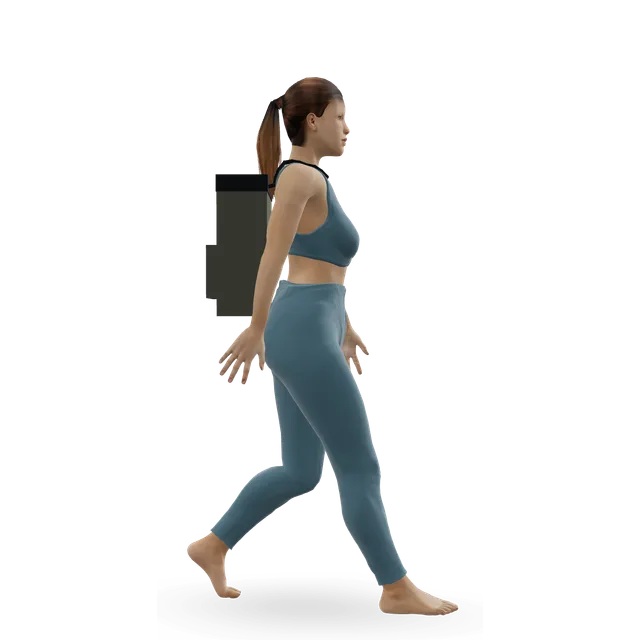
35 minIntermediate7 movesA dumbbell, Strength machineStair or hill climbs with the walk down as recovery, then a loaded walk with your rucksack, building towards the hills, pack and days of your trip.
40 minBeginner5 movesA step, Something with weightA 55-minute gym session for rugby: jump squats and chest throws, heavy squats, bench press, Romanian deadlifts, rows, Nordic lowers, shoulder and neck work.
55 minIntermediate15 movesA band, Medicine ballStop and call 999 for:
A sharp pain at the back of your thigh while sprinting is the typical sign, sometimes with a snapping feeling or a pop if it's severe. Get help from NHS 111 (in the US, urgent care) if it's very painful or getting worse, there's a lot of swelling or bruising, it hurts to walk or stand, or it isn't getting better after looking after it yourself. Our hamstring strain guide covers the rest.
Source 55
At the first tightness at the back of your thigh, in your calf or in your groin, stop rather than doing one more sprint. Stop too if you feel dizzy, sick or far more breathless than usual.
Genes matter a lot, but power and technique are trainable, and people who aren't elite typically cut their sprint times by about 1.5 to 3%.
Faster runners push harder into the ground rather than reaching further, and copying an elite stride makes most people slower.
No study has tested drills on their own, and they don't copy sprinting's movements. Use them to warm up, then sprint.
Vests and limb weights slow you while you wear them, with no good evidence of a lasting benefit, and we found no parachute trial.
For most people, sleds were no better than the same sprints without one, though moderate or very heavy sleds helped trained athletes more.
In professional footballers, heavy sled training improved sprint times without changing sprint technique beyond measurement error.
Source 24
Only long holds, of 60 seconds or more per muscle, cost much, and when a moving warm-up followed there was no clear effect. If you like to stretch, keep the holds short and do your drills and build-up runs afterwards.
Programmes that include the Nordic curl were linked with about half as many hamstring injuries, and two large football trials found big falls, but when only properly randomised trials are pooled the effect is uncertain. It's still worth doing for the lowering strength it builds.
Sprint once or twice a week at full effort with full rest, and add strength and jump training: squats, hip hinges, calf raises, Nordic curls, bounds and broad jumps. People who aren't elite typically cut their sprint times by about 1.5 to 3% over 6 to 12 weeks.
Sprint 10 to 20 m from a standing start with full rest, leaning forwards and pushing the ground back behind you. Strength and jump training help too. Sleds and hills are options, though for most people sleds were no better than the same sprints without one.
Most training studies ran for about 8 weeks at two sessions a week. Expect about 1.5 to 3% faster over 6 to 12 weeks if you're not already well trained, and less if you are.
Yes. Speed is heavily genetic, but power and technique are trainable. Elite sprinters gain little each year because they're near their limit, and most people have more room.
No trial has tested drills on their own, and they don't copy the movements of sprinting. Use them in your warm-up to rehearse positions, then sprint.
It's one option for acceleration. Sled training improved the first 20 m, but for most people no more than the same sprints without a sled, while moderate or very heavy sleds helped trained athletes more. Load it lightly enough that you can still move fast.
Usain Bolt reached about 12.4 metres a second, or 45 km/h, during his 9.58-second 100 m, worked out from his split times. In a lab group ranging from recreational runners to sprinters, top speeds were about 22 to 40 km/h.
Use timing gates or a phone app that films your run at high speed. A stopwatch reads about 0.2 seconds fast and can't be reliably corrected. Keep the start, the surface and your shoes the same each time, and keep your best of 2 or 3 runs.
Swing them from the shoulders, elbows bent and hands relaxed, without crossing your body. They mainly keep you balanced: folding the arms across the chest slowed 30 m sprints by only 1.6%.
Slightly: across 17 studies, they cut 10 m times by about 0.06 seconds, and they build hamstring strength within 6 weeks. Whether they halve hamstring injuries is less certain than often claimed, but they're still worth keeping in your week.
Train acceleration over 10 to 20 m with full rest, add strength and jump training, and sprint regularly rather than now and then. In football and rugby players, most training methods improved the first 10 m. Keep a warm-up programme such as the FIFA 11+, which cut football injuries by 39%.
With short, coached sprints and plenty of rest: boys responded well to sprint training in studies, and one review suggests up to 16 sprints of about 20 m twice a week, with at least 90 seconds between them. Speed also develops with maturity, so compare children with their own past times rather than with friends.
Exercise education, not a personal prescription, and clinical review of these guides is pending. Check with a GP before starting hard training if you have a heart condition, chest pain, dizziness or breathlessness when active, and stop for sharp or increasing pain. Health disclaimer.