Ankles first
Ankle sprains were the commonest injury in US college basketball, and almost half of the injuries that stopped Finnish teenagers playing. A previous ankle injury went with about 5 times the odds of another in recreational players.
Sport
Basketball is a game of sprints, sudden stops, cuts and jumps, with dozens of jumps and landings in a game and a hard average pace. That's why its commonest injuries are ankle sprains, knee injuries, including anterior cruciate ligament (ACL) tears in female players and jumper's knee, and jammed fingers. The two best-tested defences are cheap and quick: lace-up braces cut ankle injuries by about two-thirds in a trial of 1,460 high-school players, and a 10-minute warm-up went with about a third fewer ankle and knee injuries in young players than in players from the season before.
This guide covers what basketball asks of your body, the common injuries and what prevents them, ACL prevention for girls and women, training for a higher jump and a quicker first step, how much young players should play, and when to check with a doctor first. It includes the warm-up step by step and a strength and jump workout, with a 3D demo of every move.
Ankle sprains were the commonest injury in US college basketball, and almost half of the injuries that stopped Finnish teenagers playing. A previous ankle injury went with about 5 times the odds of another in recreational players.
In 1,460 US high-school players, lace-up braces worn all season cut acute ankle injuries by about two-thirds, in players with and without a previous sprain, without more knee injuries.
Source 4
The SHRed Injuries Basketball warm-up went with 36% fewer ankle and knee injuries in players aged 11 to 18 than in players from the season before. It wasn't a randomised trial.
Across sports, warm-ups with strength and landing exercises cut ACL injuries in female athletes. Studies in basketball alone are few and mixed.
In 32 studies of 818 basketball players, jump training improved jump height, sprint speed and change of direction.
Source 10
A suspected concussion means coming off: if in doubt, sit them out. Fainting while exercising is a 999 call.
In the live playing time of a 40-minute game, players covered 5 to 6 km at an average intensity above 85% of maximum heart rate, across 25 studies; guards did the most sprinting and fast shuffling. Higher-level players covered less ground but had more capacity for fast bursts. The Compendium of Physical Activities gives a game 8.0 metabolic equivalents (METs), practice drills 9.3 and shooting baskets 5.0.
Sprints, sudden stops and changes of direction, sideways defensive shuffles, and 35 to 46 jumps and landings a game, figures cited in a basketball review. Rebounds and shots add one-leg and two-leg landings, often among other players. Landing was the commonest way recreational players hurt an ankle (45% of ankle injuries).
The sites the studies point to:
Repeated sprints and stops, single-leg landing control in every direction, ankle stiffness and balance, hip and thigh strength for cutting, calf strength for push-off, and the fitness to repeat it all.
Each study counted injuries its own way, so the figures in different lines aren't comparable. An exposure is one player taking part in one practice or game.
Rates depend on who is counted and how. The numbers:
The commonest injury in US college basketball: 17.9% of men's and 16.6% of women's injuries. In Finnish teenagers the ankle took 48% of the injuries that stopped play, and 28% of all injuries were repeats of an earlier one, most of them ankle sprains. In recreational players, a previous ankle injury went with about 5 times the odds of another, an association. Our sprained ankle and chronic ankle instability guides cover treatment and rehab.
In US college basketball, women tore an ACL at 0.29 per 1,000 exposures against 0.08 in men, about 3.5 times as often, and most tears happened without contact: 305 of 405 in women and 78 of 115 in men. The authors call the rates low and no reason to avoid the sport. A previous ACL tear raised the risk of another about 3.8 times in elite female players in other sports. Our ACL injury guide covers what to do.
About a third (31.9%) of Norwegian national-level male players had jumper's knee, pain in the tendon just below the kneecap. In Dutch basketball and volleyball players, men had about twice the odds of developing it, and in young elite volleyball players, more training and more match play raised the risk. Our jumper's knee guide covers treatment; in growing teenagers, pain just below the kneecap may be Osgood-Schlatter disease instead.
In the brace trial, hand, wrist and finger injuries were 9.1% of injuries and concussions 12%, and head injuries were commoner in children and teenagers across studies. Without mouthguards, US college men had 0.67 dental injuries per 1,000 exposures. Basketball caused the largest share of sports eye injuries in US emergency departments, 22.6%. Our broken or jammed finger and mallet finger guides cover fingers.
In US emergency departments from 2019 to 2024, basketball was the commonest sport behind Achilles ruptures in men and in people under 60. Our Achilles rupture guide covers the signs and what to do.
Source 20
The largest basketball trial:
A warm-up from the University of Calgary's Sport Injury Prevention Research Centre:
Across basketball studies, neuromuscular training cut the odds of an ankle sprain by about 40%. The trials:
Across sports, balance training clearly cuts repeat sprains; for a first sprain the evidence is inconclusive, as our sprained ankle guide says. In basketball, lace-up braces cut first sprains as well as repeats.
Other programmes that included basketball players:
In 622 college players randomised to high-tops, high-tops with air chambers or low-tops, sprain rates didn't differ, though there were only 15 sprains. Braces have the trial evidence.
Source 41
No basketball trial has tested taping. In recreational players with a previous sprain, tape showed only a trend towards fewer injuries. Braces have the trial evidence.
In one study, players who didn't stretch before a game had more ankle injuries, an association. Trials of stretching show no injury prevention, as our warm-up guide explains; neuromuscular warm-ups and braces have the evidence.
Source 3
In 32 studies of 818 basketball players, jump (plyometric) training improved countermovement jump height with a moderate to large effect, more with an arm swing, and also short sprints, change of direction, balance and strength. How long or how often players trained didn't predict the gains. Most players in these studies were young and competitive. Across healthy people, jump training adds about 8.7% to countermovement jump height.
Across 14 small studies of 399 basketball players, resistance training with bodyweight or weights raised vertical jump with a moderate to large effect, and longer sessions went with bigger gains. Alternating heavy lifts with jumps in the same session (complex training) also raised basketball and volleyball players' jumps.
In female athletes, a jump-training programme cut peak landing forces from a volleyball block jump by 22% and the side-to-side loads on the knee by about half, and raised jump height by about 10%. Exercise and Sport Science Australia's (ESSA) 2026 position statement suggests landing and cutting with more knee bend and less inward knee collapse, and coaching with cues about the result rather than body parts ("land quietly" and "push the floor away" are our examples). A drop-jump test can't pick out who will tear an ACL, so train everyone's landings.
A game is intermittent and hard on average. Shuttle runs, small-sided games and one or two interval sessions a week build the fitness (our suggestion); our Norwegian 4x4 workout is the interval session from a trial in footballers.
Source 13
Do the 10-minute warm-up before every practice and game. In pre-season, add 2 strength and jump sessions a week for 6 to 10 weeks, then 1 or 2 shorter sessions a week in season, with no heavy leg work or hard jumping the day before a game. Jump training adds to the jumps of practice and games, so in heavy game weeks cut the extra jumps first. Young players use bodyweight or light loads with a coach watching, within the weekly limits below.
Across sports, women injure an ACL about 1.7 times as often as men per game or training session, in 58 studies, and about 3.5 times as often in US college basketball. In 39 videos of basketball ACL injuries, women's knees collapsed inwards 5.3 times as often as men's, and 11 of the 22 women's injuries came with a bump or push from another player. In 205 female soccer, basketball and volleyball players, the 9 who later tore an ACL had landed from a drop jump with more inward knee collapse.
Across 8 meta-analyses, warm-up programmes halved ACL injuries and cut non-contact ACL injuries in female athletes by about two-thirds. In 18 studies of 27,231 young female athletes, they cut ACL injuries from about 1 in 54 players to 1 in 111; programmes that combined strength exercises (Nordic hamstring lowers, lunges and calf raises) with jump-and-hold landings did best, at about 24 minutes 2 to 3 times a week, and younger athletes gained most.
ESSA estimates about 60% fewer ACL injuries in female football, basketball and handball players aged 14 to 18, with 10 to 30 minutes 2 to 3 times a week, best at least twice a week for 20 minutes or more. It advises changing a programme only if it keeps the exercises of one that worked in a trial.
An early basketball meta-analysis of 3 studies found no effect on ACL injuries, and a 20-minute jump-training programme twice a week didn't cut them in 1,439 high-school athletes, in a study that wasn't randomised. A 2019 meta-analysis found a large effect in female basketball players, but it rested on two studies: a small trial in 160 elite Italian players, with no ACL tears against 7, and a comparison of Japanese college players with earlier seasons. In the coach-led warm-up trial in Chicago schools, there were 2 ACL injuries in 485 players against 6 in 370, too few to be sure of a difference.
Our reading: the evidence across sports is strong enough to do the work, but the size of the effect in basketball isn't known.
Done before 2 or 3 practices a week, the 10-minute warm-up on this page gives 20 to 30 minutes of the parts ESSA lists, including Nordics, lunges and jump landings. For girls' and women's teams, keep the Nordic, lunge and landing exercises in every time, and add the strength and jump workout. FIFA's 11+, tested in one basketball club, and the Knee Control warm-up, tested in girls' football, are alternatives.
A drop-jump test couldn't pick out which of 710 elite female football and handball players would tear an ACL. Train everyone's landings rather than testing them.
Source 24
The joint recommendations of the National Basketball Association (NBA) and USA Basketball for young players:
Source 46
The working group cites 42% more overuse injuries in high-school athletes who played all year round. The limits are expert consensus; the injury evidence behind them is limited.
Source 46
The UK's concussion guidelines for grassroots sport: anyone with a suspected concussion comes off at once; no training, matches or PE (physical education) lessons for at least 24 hours; an assessment by a healthcare professional or NHS 111, the UK National Health Service's urgent advice line, within 24 hours; after 24 to 48 hours of relative rest, a graded return; no return to competition before 21 days; and a GP if symptoms last more than 28 days.
At events run under FIBA's (the International Basketball Federation's) 2025 guidelines: no return on the day, at least 24 hours at each stage of the return, and a doctor's clearance. Players aged 18 or under go back to school first and take about a week longer.
In 50 US college men's teams, players with custom-fitted mouthguards had far fewer dental injuries (0.12 against 0.67 per 1,000 exposures) but no fewer concussions.
Source 27
Basketball caused the largest share of US emergency visits for sports eye injuries (22.6%). The American Academy of Ophthalmology (AAO) advises sports glasses with polycarbonate lenses; everyday glasses don't protect and can make an injury worse if they shatter.
Sudden cardiac death in sport is rare. Over 20 years in US college athletes it happened about once in 63,682 athlete-years, most often in men's top-division basketball, at about 1 in 8,188. Half of all the deaths happened during exercise, and the rate has fallen over time. Fainting while exercising is a 999 call, and anyone who has fainted should see a GP.
The SHRed Injuries Basketball warm-up from the University of Calgary, in our words, with the developers' exercises and doses (handout version 3.0). Evaluated in a non-randomised study in players aged 11 to 18: ankle and knee injuries were 36% lower than in players from the season before. Choose level 1 or level 2 for each exercise.
Loading the 3D figure…
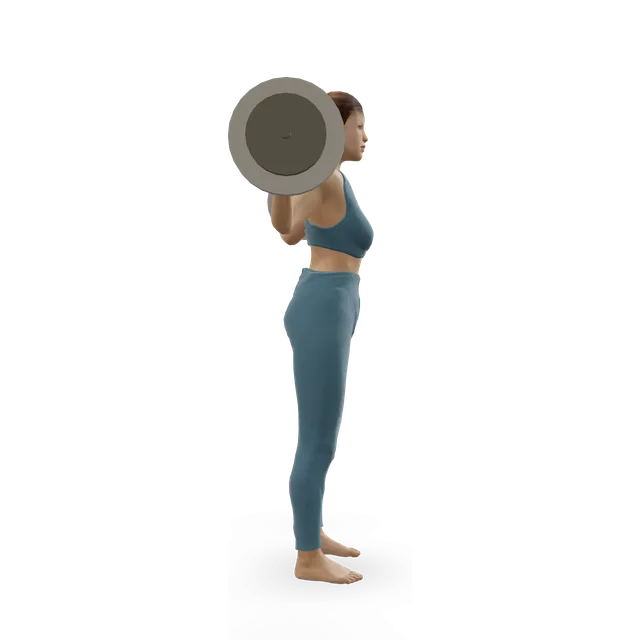
The movement on the figure: Jump squat
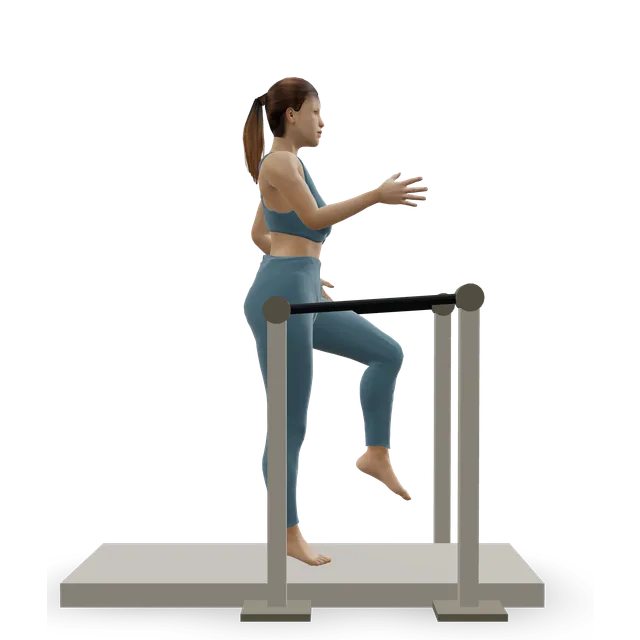
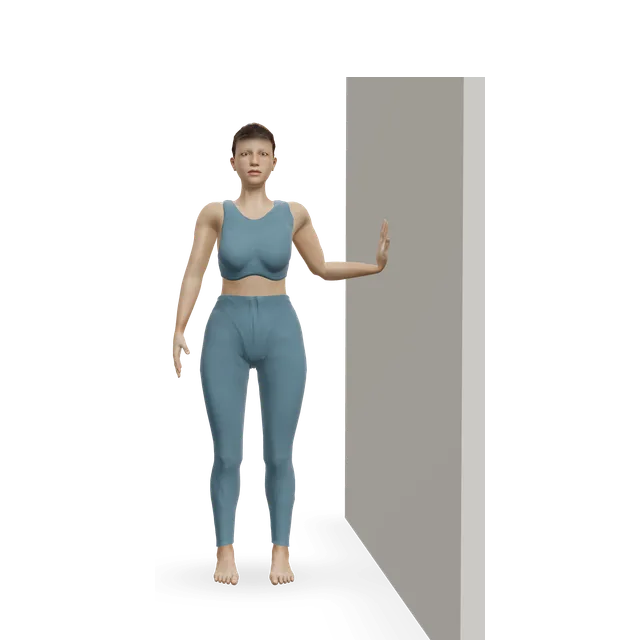
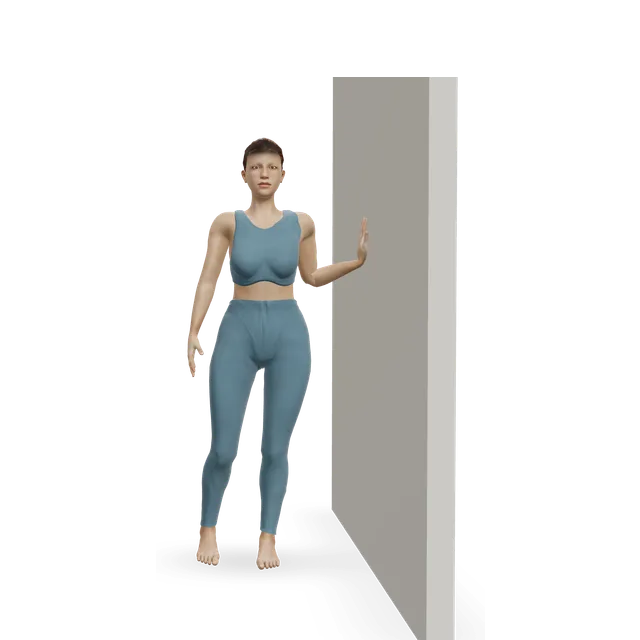
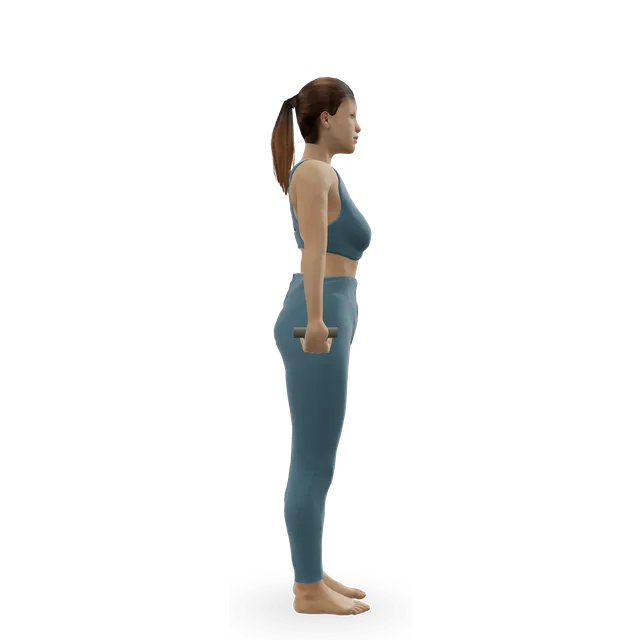
The warm-up's hops, landings, planks, Nordics, lunges and balance, and the strength and jump workout's main lifts. Each has a 3D demo.
 3D demoNordic curlAdvanced · An anchor point
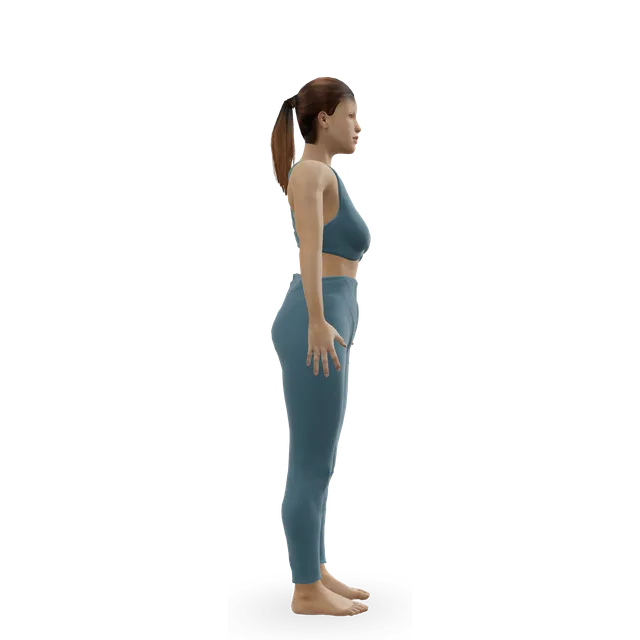 3D demoJump squatIntermediate · No equipment
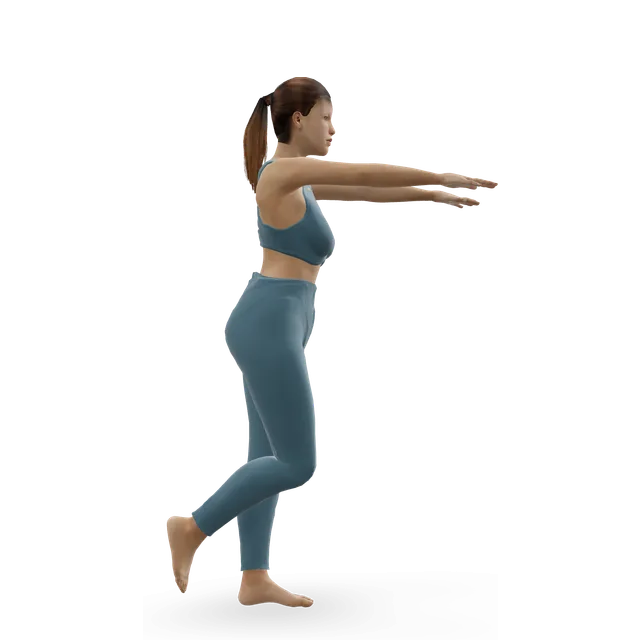 3D demoSingle-leg cone hopsAdvanced · Other / check instructions
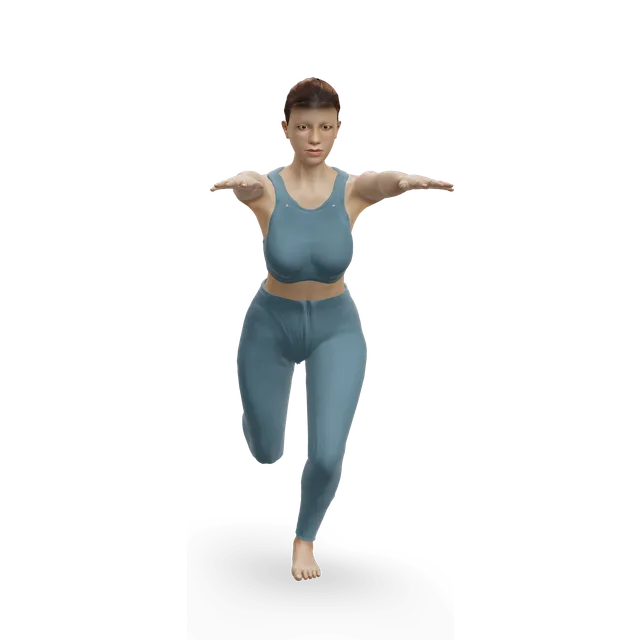 3D demoLateral bound (skater jump)Beginner · No equipment
 3D demoSingle-leg hop and stickIntermediate · No equipment
 3D demoSnapdown to athletic landingBeginner · No equipment
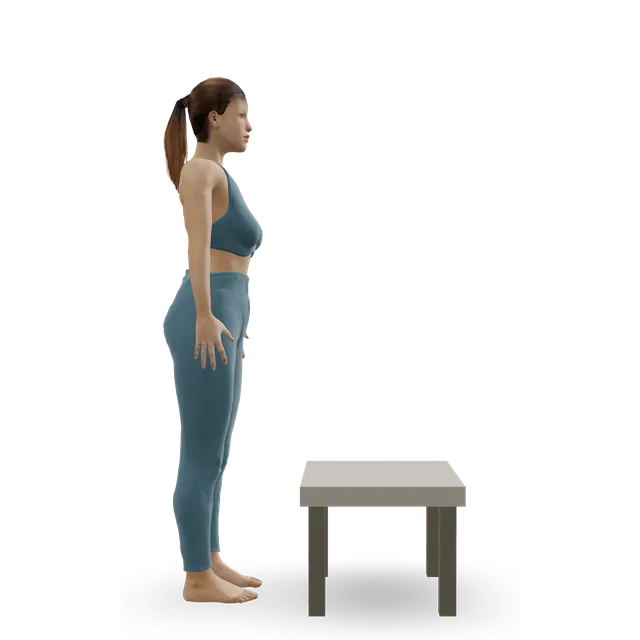 3D demoBox jumpIntermediate · A bench or box
 3D demoSingle-leg standBeginner · A wall
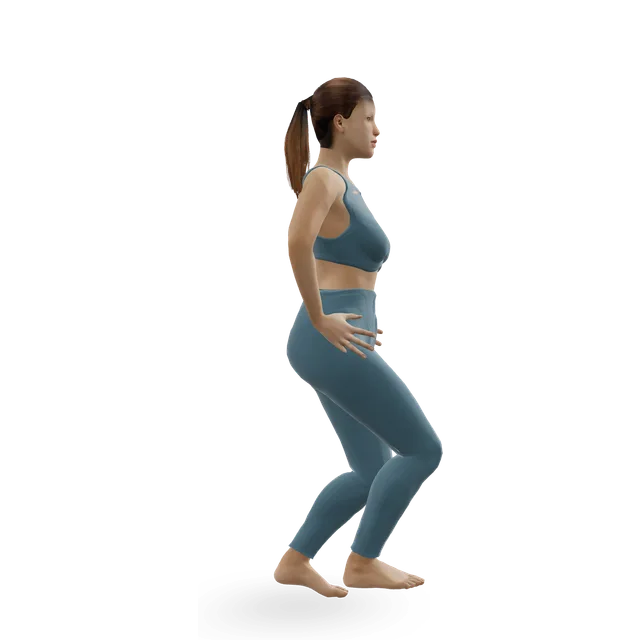 3D demoWalking lungeIntermediate · No equipment
 3D demoForearm plankIntermediate · No equipment
 3D demoSide plankIntermediate · No equipment
 3D demoDumbbell goblet squatIntermediate · A dumbbell
 3D demoRear-foot-elevated split squat (Bulgarian split squat)Intermediate · A bench or box
 3D demoSingle-leg calf raise from a stepIntermediate · A step + A wall
The first two are new: the 10-minute warm-up and a strength and jump session. FIFA's 11+ was tested in one basketball club; the others add landing skill, ankle strength, balance, hamstring protection and fitness.
A 10-minute basketball warm-up from a Canadian programme: runs, shuffles, line hops, jump landings, planks, Nordics, lunges and one-leg balance with a ball.
10 minBeginner12 movesCardio machine, A wallA 45-minute basketball gym session: landings, box jumps, skater bounds and hop-and-sticks, then squats, hinges, split squats, Nordics, calf raises and planks.
45 minIntermediate13 movesA bench or box, A dumbbellFIFA's 11+ injury prevention warm-up as its manual sets it out: running drills, strength, balance and jumping at three levels, then faster running.
20 minBeginner20 movesCardio machine, A wallA 20-minute warm-up that trains your knees to track over your toes: side-hip strength, squats and lunges with alignment practice, balance and quiet landings.
20 minBeginner10 movesA wall, A bandAn advanced jump training session: pogo hops, box jumps, split squat jumps, broad jumps and depth jumps.
30 minAdvanced8 movesA bench or box, A stepA 15-minute barefoot routine for stronger toes, arches, calves and ankles, finishing with balance. You need only a towel, a wall and a resistance band.
15 minBeginner11 movesA wall, Other / check instructionsBalance practice in 10 minutes: tandem stance, single-leg stands, marches, heel walks, tree pose and floor transfers.
10 minBeginner7 movesA wall, A bench or boxThe Nordic hamstring and Copenhagen adduction programmes from the football trials: a 10-week build, three adductor levels, then once a week in season.
15 minIntermediate6 movesA wall, An anchor pointA gym lower body workout for legs and glutes: trap bar deadlifts, hip thrusts, reverse lunges, leg curls, hip abduction, calf raises and core.
50 minIntermediate13 movesOther / check instructions, A barbellA gym leg day: back squats, leg press, leg curls, Bulgarian split squats, leg extensions and calf raises.
55 minIntermediate9 movesA wall, A barbellA 10-minute warm-up for any workout: raise your heart rate, move each joint through its range, rehearse the main movements, then ramp up to your first lift.
10 minBeginner12 movesA wall, A bandA 20-minute no-equipment HIIT workout: jumping jacks, jump squats, mountain climbers, burpees, skips and bear crawls.
20 minIntermediate10 movesNo equipmentThe Norwegian 4x4, a well-studied interval session for raising VO2 max: four 4-minute hard efforts with 3 easy minutes between, on a bike, rower or treadmill.
40 minIntermediate3 movesCardio machine, A wallTwo strength sessions a week fit pre-season; drop to one in season, and keep heavy leg days away from games.
Two full-body strength sessions a week: the minimum that meets health guidelines, with every set, rep and rest, and an 8-week progression.
2 training days45 minBeginner3 days a weekA beginner gym plan: three full-body sessions a week, alternating workouts A and B, with sets, reps, rest and an 8-week progression.
3 training days45 minBeginner3 days a weekA weekly workout plan for women: three strength days, cardio and pelvic floor training, with the evidence on periods, pregnancy and menopause.
3 training days45 minBeginner4 days a weekA 4-day gym workout routine for men: upper and lower days, each muscle trained twice a week, with sets, reps, progression and the evidence.
4 training days50 minIntermediateThe PAR-Q+ (Physical Activity Readiness Questionnaire for Everyone) asks about a heart condition or high blood pressure, chest pain, dizziness or losing consciousness, other long-term conditions and their medicines, a bone or joint problem that activity could make worse, and being told to exercise only under supervision. If you answer yes to any, check with your GP or a qualified exercise professional first. If you're over 45 and not used to hard exercise, ask a qualified exercise professional before the hardest sessions, and delay if you're ill.
Source 55
The NHS advises seeing a GP if you've fainted, and the PAR-Q+ asks you to check first if you get chest pain or dizziness: do that before you play. Sudden cardiac death is rare, but in US college sport it was most common in men's basketball.
Wear a lace-up brace for the season and keep up the balance programme in our sprained ankle guide: repeat injuries made up 28% of all injuries in Finnish teenagers.
A previous tear raises the risk of another. Follow the return-to-sport checks in our ACL injury guide, get your physio's clearance, and keep a prevention warm-up going afterwards.
Source 24
Follow our jumper's knee guide, keeping tendon pain at 3 out of 10 or less and settled by the next morning, and count your jumps.
Pain and swelling just below the kneecap in a growing teenager can be Osgood-Schlatter disease, pain at the lower tip of the kneecap Sinding-Larsen-Johansson syndrome, and heel pain in a growing child Sever's disease: see our guides, and keep to the weekly limits and rest days for young players.
The NHS advises avoiding sports where there's a risk of falling or bumping your tummy, and our pregnancy guide lists basketball among the contact sports to avoid. Shooting practice and non-contact drills may suit; talk to your midwife or GP (our suggestion).
Wear sports glasses with polycarbonate lenses rather than everyday glasses.
Source 53
The NHS says to call 999 if someone has hit their head and:
Source 58
Stop playing: if in doubt, sit them out. Contact NHS 111 within 24 hours, and straight away if they're being sick, feel dizzy or take medicine that thins the blood. The NHS advises no contact sport for at least 3 weeks after a head injury, and a GP if symptoms last more than 2 weeks or you're not sure it's safe to go back to sport.
Call 999 if someone faints while exercising, or faints and can't be woken within a minute, or has chest pain, a pounding, fluttering or irregular heartbeat, or a fit. Call 999 for sudden chest pain that doesn't go away, pain that spreads to your arms, neck, jaw, stomach or back, or chest pain with sweating, feeling sick, light-headedness or breathlessness.
Get advice from NHS 111 now if your knee is very painful, you can't move it or put any weight on it, it's badly swollen or has changed shape, or it locks, gives way or clicks painfully. A pop, quick swelling and a knee that gives way point to an ACL injury: our ACL injury guide says what to do.
Source 56
Call 999 or go to A&E (accident and emergency) if you heard a crack when you were injured, the injured part has changed shape or points at an odd angle, it's numb or tingling, or the skin has turned blue or grey or is cold to touch. Get help from NHS 111 or an urgent treatment centre if it's very painful, very swollen or bruised, or you can't put weight on it or walk more than a few steps.
Source 60
Go to A&E if a finger points at an odd angle, looks blue or feels numb, or is cut with bone showing. Get help from NHS 111 if it's painful, swollen and bruised, or stiff and difficult to move. A fingertip that won't straighten needs same-day advice, as our mallet finger guide explains.
Source 61
Contact NHS 111 if you heard a snap or popping noise, can't walk on tiptoe or up stairs, or have swelling and bruising in your calf and ankle. Our Achilles rupture guide says to get it checked the same day.
Source 62
Go to A&E or call 999 if something hit your eye at high speed, your sight has changed, you have severe pain in the eye, you feel or are sick, you can't move your eye or keep it open, or blood or pus is coming from it.
Source 63
In a trial of 622 college players, high-tops and low-tops had similar sprain rates, though there were only 15 sprains. Lace-up braces have the trial evidence.
Braces didn't raise knee injuries in two trials. In the larger one, other leg strains rose slightly, not significantly, which is worth watching.
Basketball-only studies are few and mixed. Across sports, the programmes cut ACL injuries in girls and women, and ESSA's estimate of about 60% fewer in teenage girls includes basketball players.
A drop-jump test failed to predict ACL tears in 710 elite players. Train everyone's landings instead.
Source 24
One study linked not stretching with ankle injuries, an association. Trials of stretching show no injury prevention, as our warm-up guide explains; neuromuscular warm-ups and braces have the evidence.
Jump-training gains didn't depend on programme length or frequency in basketball players, low-volume programmes worked in volleyball, and more training and match volume went with more jumper's knee.
The NBA and USA Basketball advise against specialising before 14, with at least a day off a week and months off each year.
Source 46
Custom mouthguards cut dental injuries but not concussions in US college players.
Source 27
Jump training, leg strength work and a neuromuscular warm-up. In 32 studies, jump training improved basketball players' jump height, sprint speed and change of direction, and strength training raised vertical jump too. Add the 10-minute warm-up before every practice and game.
Do a structured warm-up of runs, shuffles, hops, jump landings, planks, Nordic hamstring lowers, lunges and one-leg balance, then your usual basketball warm-up. The SHRed Injuries Basketball warm-up takes about 10 minutes, and in players aged 11 to 18 it went with 36% fewer ankle and knee injuries than in players from the season before.
Yes. In 1,460 high-school players, lace-up braces worn for the whole season cut acute ankle injuries by about two-thirds, whether or not players had sprained before, without more knee injuries. Sprains that did happen were no less severe.
Not as far as anyone has shown. In a trial of 622 college players, high-tops and low-tops had similar sprain rates, though there were only 15 sprains. Braces and balance training have better evidence.
Do a neuromuscular warm-up with strength exercises such as Nordic hamstring lowers, lunges and calf raises, and controlled jump landings, at least twice a week through the season. Across sports, programmes like this cut ACL injuries in girls and young women by about half, and by about 60% in teenage players. Studies in basketball alone are few and mixed, so the size of the effect in the sport isn't known.
Combine jump training with leg strength training, about twice a week for 6 to 10 weeks (our suggestion). Jump training raised basketball players' countermovement jump with a moderate to large effect, and the length of the programme didn't change the gains much, so you don't need huge volumes.
Repeated jumping loads the patellar tendon below the kneecap, and about a third of Norway's national-level male players had it. In volleyball, more training and more match play raised the risk. Treatment is progressive loading, keeping tendon pain at 3 out of 10 or less, as our jumper's knee guide sets out.
Taping hasn't been tested in basketball trials; lace-up braces have. If you've sprained before, a brace for the season plus balance training is the best-supported choice, as our sprained ankle guide explains.
The NBA and USA Basketball suggest at least one rest day a week, several months off each year, no more than 2 games in a day, and no more than 10 hours of organised basketball a week at ages 12 to 14 or 14 hours at high-school ages. They advise against specialising in basketball before 14.
If in doubt, sit them out: under the UK grassroots guidelines, no sport for at least 24 hours, contact NHS 111 within 24 hours, and no return to competition before 21 days. Call 999 for warning signs such as being knocked out, a fit, or new numbness or weakness, and get help from NHS 111 if they're being sick or feel dizzy.
Exercise education for people who play sport, not a personal prescription or a diagnosis, and clinical review of these pages is pending. Check with a GP or physiotherapist before hard training if you have a heart condition, chest pain, dizziness or an injury that isn't settling, and stop for sharp or increasing pain. Health disclaimer.