Pain guide · Ankle pain

Anterior ankle impingement (footballer's ankle): pain at the front of the ankle when you squat, lunge or climb

Anterior ankle impingement is a pinch at the front of the ankle as your shin moves forward over your foot: in a squat or a lunge, on stairs and hills, and when you kick or land. Bony spurs at the front of the ankle, soft tissue squeezed inside the joint, or both can cause it, and it often follows repeated sprains. Footballers and dancers get it most, which is where the old name footballer's ankle comes from.

Spurs on an X-ray are common in people with no pain, so the examination matters more than the scan. Rehab, changes to training and sometimes a heel lift come first, although no trial has tested them. If good rehab fails, an injection or keyhole surgery can help, with poorer results once arthritis has set in. This guide explains the signs, what scans do and don't mean and the evidence for each treatment, and gives a staged plan with 3D demos that stays short of the pinch.

When to get help first

Exercise is for pain that has been checked or is clearly mild and settling.

Get urgent medical help if

  • Call 999 or go to A&E: after an injury, you heard a crack, the foot or ankle has changed shape or points at an odd angle, a bone is sticking out, there is a bad cut over it, you're in severe pain, or the toes look blue or white, feel numb or are cold to touch. These can mean a broken bone. Don't drive yourself.
  • Contact NHS 111: after an injury, severe ankle pain, feeling faint, dizzy or sick from the pain, a snap, grinding or popping noise at the time of the injury, the ankle or foot at an odd angle, or not being able to walk. These might be signs of a broken ankle or an infection.
  • Same day: a sudden, very painful, hot, swollen, red joint, often the big toe, especially with a high temperature, feeling shivery or being unable to eat. It may be gout, but it could be a joint infection (septic arthritis), which is urgent.
  • After surgery: redness, swelling, oozing or a smell from the wound, or a fever. Contact your surgical team the same day, or NHS 111 out of hours.
  • Same day (GP or NHS 111): throbbing pain and swelling in one calf, with red or darker skin. It could be a blood clot (DVT). Watch for it after an ankle injury or time in a cast or boot.
  • Call 999: calf or leg pain or swelling with breathlessness or chest pain. It could be a clot that has reached the lungs.
  • Same day: in a cast or boot, pain that is getting worse, toes that are numb or burning, a cast that feels too tight, toes that are swollen, blue or white, or a bad smell from under the cast.

See a doctor or physiotherapist if

  • Pain at the front of the ankle that keeps coming back when you squat, lunge, climb or kick: see a GP or physiotherapist. In many areas you can refer yourself to NHS physiotherapy.
  • Pain that isn't better after 2 weeks of looking after it yourself, is getting worse, keeps coming back, or stops you doing normal things.
  • Pain, clicking, locking or swelling that carries on despite a good rehab programme. Cartilage, tendon and other problems are common alongside an unstable ankle and need assessing.
  • An ankle that keeps giving way months after a sprain.
  • Not better after about 3 months of good rehab, or it keeps you from training, dancing or playing: ask about seeing a sports medicine doctor or a foot and ankle specialist about an injection or keyhole surgery.
  • A deep ache in the ankle with stiffness after rest that is slowly getting worse: it may be ankle arthritis, which our ankle arthritis guide covers.
  • Tingling or loss of feeling in the foot, or a foot that feels weak.

Understand it

What it is

When your foot bends up towards your shin (dorsiflexion), the front edge of the shin bone (tibia) closes towards the neck of the ankle bone (talus). Anterior impingement is pain from something being squeezed there. In 8 ankles studied after death, a triangle of fat and joint lining at the front of the joint was squeezed between the bones at about 15° of upward bend.

The squeezed tissue can be bone: spurs (bony outgrowths, also called osteophytes) on the front of the shin bone and the neck of the talus narrow the space, and they usually sit on the inner front of the ankle. Or it can be soft tissue: inflamed or thickened joint lining, scar after a sprain, or a thickened lower band of the ligament that joins the two shin bones, usually on the outer front of the ankle. Many people have both.

Sources 1, 2, 3, 4

Why spurs form

The spurs grow inside the joint, a few millimetres from where the joint capsule attaches, so the old idea that kicking pulls on the capsule and grows a spur doesn't fit. In 150 kicks by 15 elite footballers, the ball struck the front of the inner ankle in 76% of kicks, with an average force of about 1,025 newtons, which supports repeated knocks as a cause.

Repeated sprains and a loose ankle are the other main driver. In people having surgery to stabilise an unstable ankle, soft-tissue damage at the front of the joint was found in 63% to 100%, and spurs on the shin bone in 12% to 26%.

Sources 4, 5, 3

Who gets it

Footballers (footballer's ankle was named in 1950), ballet dancers, whose plié loads the front of the ankle again and again, and other athletes who land, push off and change direction. It can also follow an ankle fracture or come with early ankle arthritis. How common it is in everyone else is unknown.

In 6,754 professional footballers followed over 18 seasons, ankle impingement caused 93 of 25,462 injuries that stopped players training or playing (0.4%), and 35 of them were at the front of the ankle. Compared with the back of the ankle, the front-of-ankle cases more often came on gradually (69% against 47%), kept players out longer (a median of 10 days against 6) and were more often repeat injuries (31% against 9%). In surgical series, women more often had sprains, cartilage damage and a loose ankle alongside it.

Sources 6, 7, 8, 2, 9

How it's recognised

Pain at the front of the ankle, often with swelling after activity, brought on by squatting, lunging, climbing stairs or ladders, running uphill, sprinting and landing, and in dancers by plié. The ankle bends up less than the other side, and some people with soft-tissue impingement feel popping or snapping.

A clinician looks for tenderness along the front of the joint and pain when the foot is pushed fully up or when you squat. For soft-tissue impingement at the outer front of the ankle, one specific examination test (Molloy's test) picked up 94.8% of cases in a study of 73 patients and was rightly negative in 88% of those who didn't have it. The story and the examination make the diagnosis.

A pinch deep at the back of the ankle when you point your foot is posterior impingement, and pain in the soft hollow below and in front of the outer ankle bone is sinus tarsi syndrome; each has its own guide. Pain along the tendon at the front of the ankle when you lift your foot against resistance points to the tendon instead (our reasoning).

Sources 10, 3, 7, 8, 11

What X-rays and scans do and don't meanEmerging evidence

Spurs at the front of the ankle are common on X-rays of athletes and dancers who have no pain. In 88 professional footballers, bone changes of this kind were seen in 59.1% of right ankles and 52.3% of left ankles, mostly without symptoms, and a review of dancers' ankles describes front-of-ankle spurs as very common in dancers without symptoms. On MRI (magnetic resonance imaging), 86.5% of 37 elite footballers with no symptoms had wear-and-tear changes in at least one foot or ankle joint, and X-rays showed similar changes in 33% of the ankles of 54 basketball players with no symptoms.

A spur on its own doesn't explain pain. After spurs were removed by keyhole surgery, they grew back partly or fully in two-thirds of one group, yet 77% still had good or excellent results 6.5 years later, and a review found that spur size and position didn't predict the outcome. In people with an unstable ankle, some had spurs without any impingement symptoms.

A standard side-on X-ray picked up only 40% of shin-bone spurs and 32% of talus spurs; adding an angled view raised this to 85% and 73%. MRI shows soft tissue and cartilage, though its accuracy for soft-tissue impingement varies widely between studies. So scans help plan treatment once the examination fits, and they show the arthritis that changes the outlook.

Sources 12, 7, 13, 14, 15, 16, 2, 17, 3

How it usually goesMixed evidence

No study has followed anterior impingement without treatment, so nobody knows how often it settles with rehab alone. In 13 teenagers with impingement at the outer front of the ankle who later had surgery, about 7 months of physiotherapy and activity changes hadn't improved their function, but they were the ones in whom rehab had failed.

After surgery, the state of the joint matters most: in one series followed for 6.5 years, results were good or excellent in all of those without arthritis, 77% of those with spurs but a normal joint space, and 53% of those whose joint space had narrowed.

Sources 2, 3, 18, 16

What helps, and how strong the evidence is

Rehab and changes to training come first, though no trial has tested themEmerging evidence

Reviews agree on the first steps: rest from or change the activities that pinch, anti-inflammatory painkillers for a short spell, physiotherapy for ankle stability, balance and strength (including the muscles on the outer side of the ankle), a brace after sprains, shoe changes such as a heel lift, and an injection if these don't help. One review says this remains the first approach 'despite limited evidence of its efficacy'.

For dancers, a review adds avoiding forced demi-plié and jumps for a while, technique work to stop the foot rolling in, joint mobilisation and taping. One case report describes a man whose pain settled after four sessions of a joint mobilisation technique with taping. These are low-risk first steps, but how often they work is unknown.

Sources 2, 3, 10, 1, 7, 19

Non-surgical care against surgery: one meta-analysis, groups not comparableMixed evidence

A 2026 meta-analysis of 40 studies (5,217 people, mostly case series) reported smaller gains with non-surgical care than with keyhole surgery: a 100-point foot function score rose by 12.5 points after non-surgical care against 30.5 after surgery, and the problem came back in 25% against 10%.

The people in each group weren't comparable, because surgery tends to be offered when rehab has failed and non-surgical care to milder cases, so this can't show which works better. We read only the abstract.

Source 20

Borrowed: strength and balance training for an unstable ankleEmerging evidence

No exercise programme has been tested for anterior impingement. Because a loose ankle and impingement so often go together, the plan borrows from a trial in chronic ankle instability: three 20-minute sessions a week for 6 weeks, of either band and calf-raise strength work or hop and balance training, improved strength, balance and side-hopping, while cycling alone didn't. The plan keeps both in a range that doesn't pinch (our adaptation).

Sources 21, 3, 2

Calf stretching adds only a little ankle bendStrong evidence

In a systematic review of 5 trials, calf stretching added about 2 to 3 degrees of upward ankle bend. A stretch you feel in the back of the calf is fine, but pushing a stretch into a pinch at the front of the ankle jams the joint, and stretching won't move a spur (our reasoning).

Source 22

Heel lifts: logical, but untested in impingementMixed evidence

A small heel lift reduces how far the ankle bends up as you walk, and a review lists heel-lift inserts for longer-standing cases. But a 2024 review found heel-lift trials only in Achilles tendon pain, Sever's disease and heel pain (8 trials, 903 people), with low-certainty results. A heel lift is worth trying for comfort, but no study has tested it here.

Sources 3, 23

Injections: pain relief and a test, in case seriesMixed evidence

An injection of local anaesthetic, with or without a steroid, usually guided by ultrasound, can ease pain and show whether it comes from the front of the joint. In 49 people treated with ultrasound-guided needling of the soft tissue and a steroid injection, average pain fell from 6.8 to 2.7 out of 10 in a telephone survey afterwards, but there was no comparison group. No trial has compared injections with rehab or a dummy injection.

Sources 3, 2, 24

Keyhole surgery when good rehab fails: good results in case series, worse with arthritisEmerging evidence

Keyhole (arthroscopic) surgery removes spurs and inflamed or scarred tissue. Most reviews describe it as the usual operation, though one 2014 review argues that many people need an open operation to deal with related problems. Across 20 studies, 74% to 100% of people were satisfied and complications were 4.6%, 1.1% of them major; across 28 studies (1,506 patients), 81% did well and complications were 4%.

In 41 people with spurs at the inner front of the ankle, 93% were satisfied and all but one returned to their previous sport, and a small study of 14 people found similar results for bony and soft-tissue impingement. A 2025 review found removing front-of-ankle spurs did a little worse than removing a small bone at the back of the ankle (pain afterwards of 2 to 4 out of 10 against 0 to 2), possibly because of the cartilage damage that often comes with them.

Not everyone gets back fully. Results were good or excellent in all of those without arthritis but 53% once the joint space had narrowed; in one series of soft-tissue surgery only 26% returned to their previous level of sport, and in another 25% still had pain 2 years later. A 2026 meta-analysis, which we read only in abstract, linked smoking and advanced cartilage damage with poorer results.

Sources 25, 9, 10, 26, 27, 28, 16, 2, 20

Surgery: the risks and the recoveryEmerging evidence

An NHS hospital leaflet gives these risks for keyhole ankle surgery: numbness from small skin nerves 4%, a superficial wound infection 1%, a joint infection 0.2%, bleeding into the joint 1% and a blood clot 0.5% to 1%. It puts the success rate at 60% to 95%, depending on the problem treated. Older reports gave overall complication rates of 9% to 17%.

NHS leaflets describe a day case: walking on the day unless you're told otherwise, desk work within about a week, physical work up to 2 weeks, and strenuous sport usually after 4 to 6 weeks, about twice as long if bone was removed. In one series, the average return to sport after removing front-of-ankle spurs was 4.7 months. Your surgical team sets your timeline.

Sources 29, 30, 2, 28

How much pain is OK while you exercise?

The foot and ankle rule, staying short of the pinchEmerging evidence

Strength, balance and fitness work: discomfort up to about 5 out of 10 that settles within an hour, with no more swelling or stiffness the next morning, is fine. If it's worse the next day, do a little less, not nothing. The 5 out of 10 figure is an editorial starting point that matches our other foot and ankle guides, not a tested rule.

Bending the ankle up under load (squats, lunges, stairs, the knee-to-wall rock, landings, plié): stay short of the sharp pinch at the front of the ankle. A stretch in the back of the calf is fine; a pinch at the front is not. Let the depth come back over weeks (our suggestion).

Dancers returning to class: a published return-to-ballet protocol allows discomfort up to 3 out of 10 that eases during the warm-up. Soreness that carries on into class means 2 days off and a step back; soreness that starts the next day and hasn't gone within 24 hours means a day off, then carry on.

The exceptions: pain in one spot on a bone should be pain-free, because it could be a stress fracture; swelling that builds after activity, catching or locking means stop and get it checked; and burning, tingling or numbness means stop that movement. After surgery, your team's limits come first.

Source 31

The exercise plan: 3 stages

Start at the first stage. Each move opens a full guide with a 3D demo.

Stage 1

Settle: take the pinch out, keep moving (about weeks 0 to 2)

Leave out what forces the shin over the foot under load: deep squats and lunges, stairs two at a time, uphill running and walking where you can, landing low from jumps, and full plié. A small heel lift in your shoes may ease walking (untested; see the notes below). Keep training everything else: cycling, swimming, upper body and trunk. If the ankle also gives way, wear a brace for sport, as our chronic ankle instability guide explains.

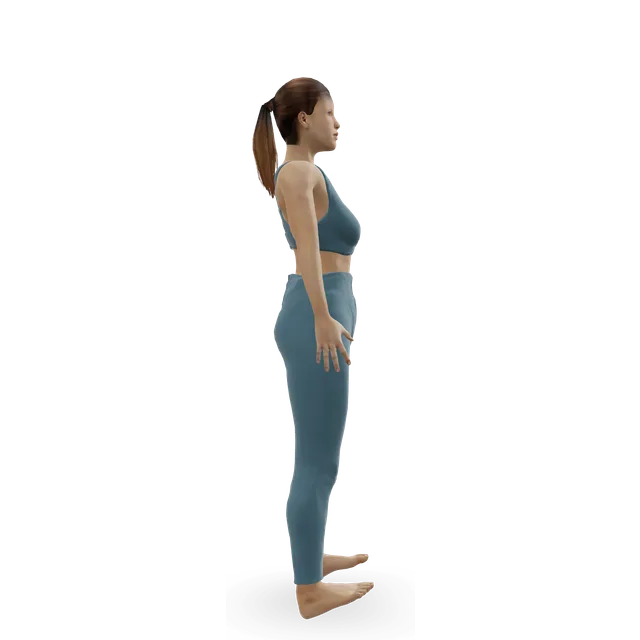
Ankle CARs (controlled articular rotations) demonstrated on the 3D figure3D demoAnkle CARs (controlled articular rotations)Beginner · No equipment

5 slow circles each way, morning and evening · Stay inside the range that doesn't pinch. The move page's editorial dose and caution

Easier: Ankle circles · Harder: Toes-tucked kneeling (toe squat)

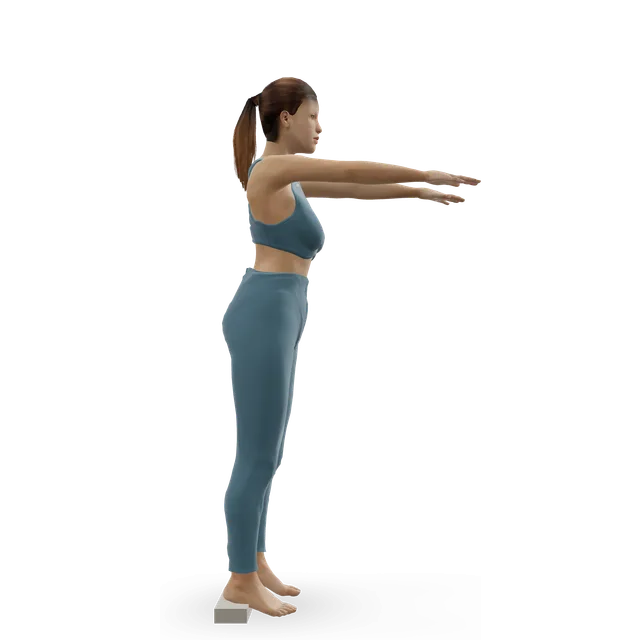
Seated bent-knee calf raise (soleus raise) demonstrated on the 3D figure3D demoSeated bent-knee calf raise (soleus raise)Beginner · A bench or box

2 sets of 15, through the middle of the range · Editorial dose, as in our posterior ankle impingement guide

Harder: Slow calf raise

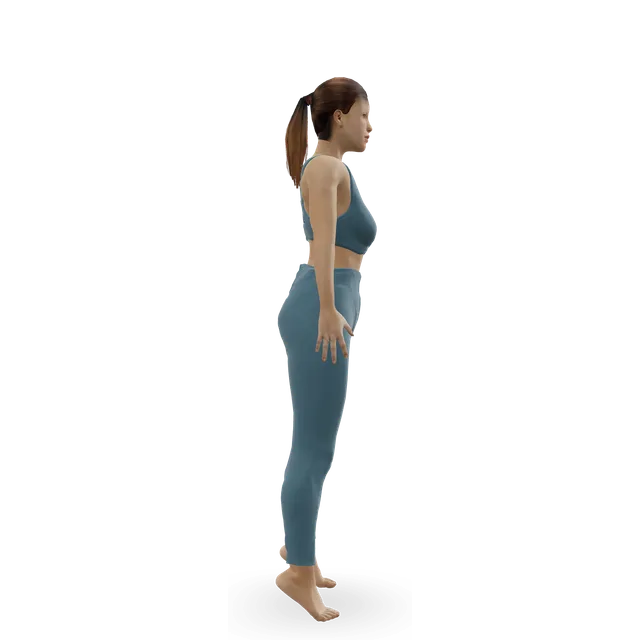
Isometric calf raise hold demonstrated on the 3D figure3D demoIsometric calf raise holdBeginner · A wall

5 holds of 30 to 45 s, about halfway up · Calf work with the ankle pointed, away from the pinch. The move page's editorial dose

Harder: Slow calf raise

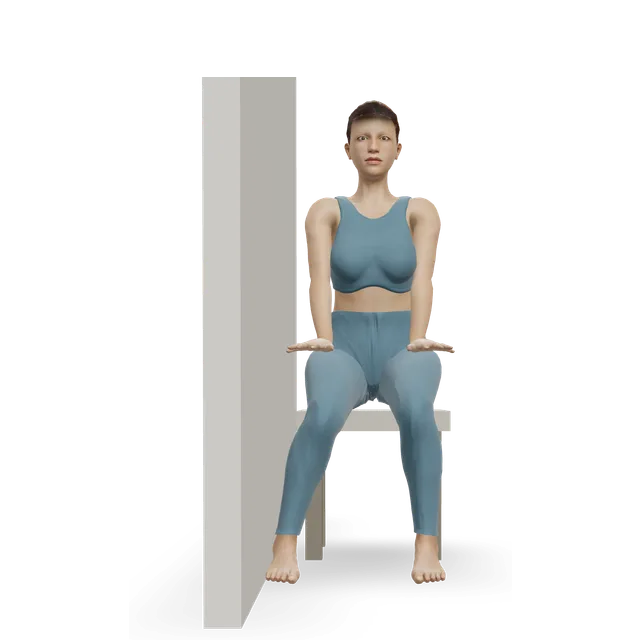
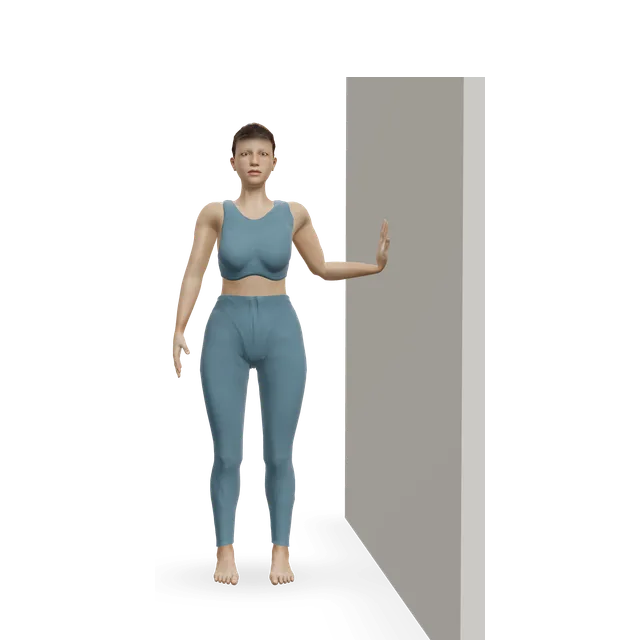
Isometric ankle eversion against a wall demonstrated on the 3D figure3D demoIsometric ankle eversion against a wallBeginner · A wall + A bench or box

8 to 12 holds of about 6 s · For the muscles on the outer side of the ankle, which reviews advise strengthening. The move page's dose

Harder: Band ankle eversion

Single-leg stand demonstrated on the 3D figure3D demoSingle-leg standBeginner · A wall

3 holds of 20 to 30 s each leg, near a support · The move page's dose

Easier: Tandem stance and heel-to-toe walk · Harder: Single-leg reach matrix

Stationary cycling demonstrated on the 3D figure3D demoStationary cyclingBeginner · Cardio machine

10 to 20 min, easy · Raise the saddle a little so the ankle doesn't bend up far at the bottom of each stroke. Editorial

Harder: Air bike intervals

Move on when: Walking on the flat and climbing stairs one at a time are comfortable, and the ankle is no worse the next morning.

Follow along: a timer, a cue and the next move, one step at a time.
Stage 2

Build: strength and balance short of the pinch (about weeks 2 to 6)

Three sessions a week of about 20 minutes, as in the ankle instability trial this stage borrows from. Calf raises start from the floor, or stop with the heel level with the step, rather than dropping below it.

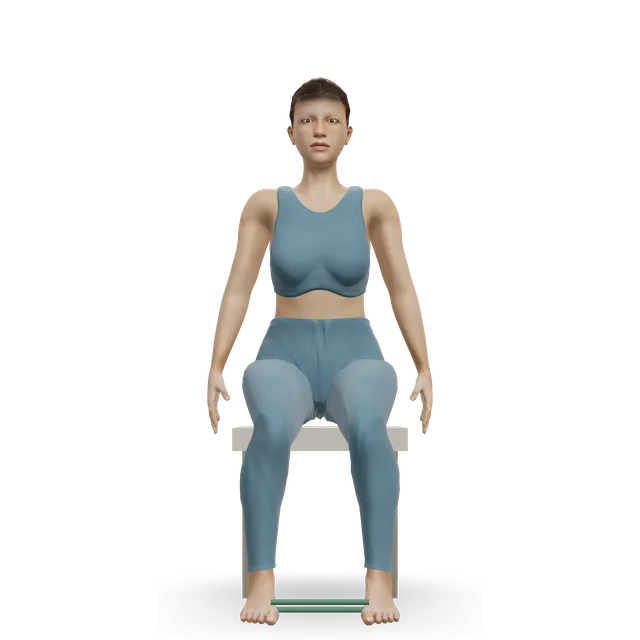
Band ankle eversion demonstrated on the 3D figure3D demoBand ankle eversionBeginner · A band + A bench or box

3 sets of 10 at 3 to 5 s a rep, then 4 sets and 3 sets of 10 in alternate weeks · A heavier band every 2 weeks: the ankle instability trial's progression, as in our chronic ankle instability guide

Easier: Isometric ankle eversion against a wall · Harder: Pogo hops

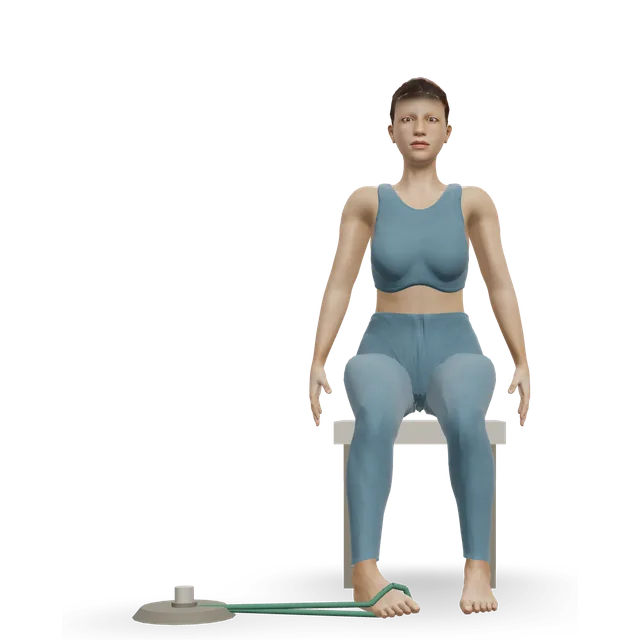
Band ankle inversion demonstrated on the 3D figure3D demoBand ankle inversionBeginner · A band + A bench or box

3 sets of 10 at 3 to 5 s a rep, then 4 sets and 3 sets of 10 in alternate weeks · The same trial's progression

Harder: Single-leg calf raise from a step

Single-leg calf raise from a step demonstrated on the 3D figure3D demoSingle-leg calf raise from a stepIntermediate · A step + A wall

2 sets of 10, building to 4 sets of 15 by week 6 · The trial's calf-raise progression. The trial lowered the heel below the step; stopping level keeps out of the pinch (our adaptation)

Easier: Slow calf raise · Harder: Single-leg pogo hops

Tibialis raise demonstrated on the 3D figure3D demoTibialis raiseBeginner · No equipment

3 sets of 10 · Lift the front of the foot only as far as it doesn't pinch. The trial used a band; this swap is editorial, as in our instability guide

Harder: Single-leg tibialis raise

Single-leg stand demonstrated on the 3D figure3D demoSingle-leg standBeginner · A wall

3 holds of 30 s, eyes closed, then on a cushion · The trial's eyes-closed level, then our instability guide's next step

Easier: Tandem stance and heel-to-toe walk · Harder: Single-leg reach matrix

Low step-up demonstrated on the 3D figure3D demoLow step-upBeginner · A step

3 sets of 8 to 10 each leg · A step of about 10 cm needs less ankle bend than a full step. Editorial dose

Harder: Step-up

Move on when: 15 single-leg calf raises from the floor and a 30-second single-leg stand with your eyes closed are comfortable, with no extra pinch the next morning.

Follow along: a timer, a cue and the next move, one step at a time.
Stage 3

Range and power, then back to sport (about weeks 6 to 12)

Bring back upward bend a little at a time while it stays pinch-free, then landings, hops, cutting and your sport. Footballers follow the kicking steps and dancers the return-to-ballet stages in the notes below.

Knee-to-wall ankle rock demonstrated on the 3D figure3D demoKnee-to-wall ankle rockBeginner · A wall

10 slow rocks each side, daily · Stop at a stretch in the calf and never push into a pinch at the front; move the foot back only as that allows. The move page's dose

Heel-elevated deep squat (slant board squat) demonstrated on the 3D figure3D demoHeel-elevated deep squat (slant board squat)Intermediate · A step

3 sets of 8 to 10 · As deep as stays pinch-free: raised heels let the knees travel forward with less ankle bend. The move page's dose

Easier: Bodyweight squat · Harder: Deep squat hold

Ankle bounces (mini pogo) demonstrated on the 3D figure3D demoAnkle bounces (mini pogo)Beginner · No equipment

4 sets of 20, on alternate days · Small and quick. The move page's dose; alternate days is editorial

Harder: Pogo hops

Pogo hops demonstrated on the 3D figure3D demoPogo hopsIntermediate · No equipment

5 sets of 15, on alternate days · Once ankle bounces are easy. The move page's dose

Easier: Ankle bounces (mini pogo) · Harder: Single-leg pogo hops

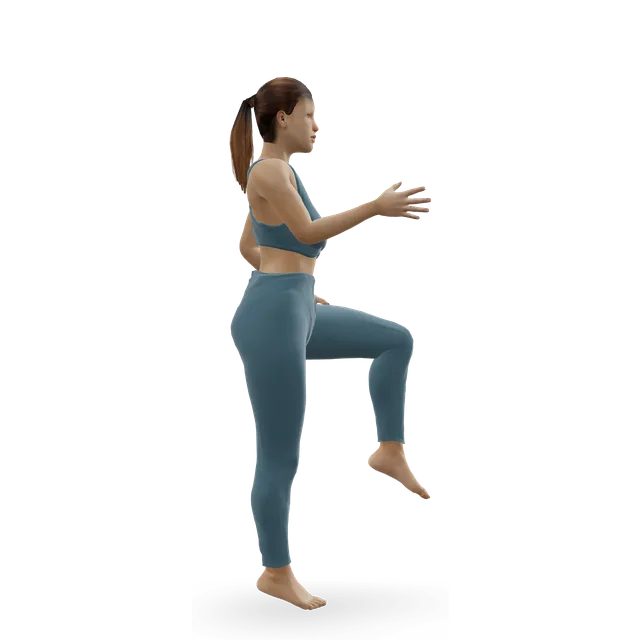
Single-leg hop and stick demonstrated on the 3D figure3D demoSingle-leg hop and stickIntermediate · No equipment

3 sets of 5 each direction, each leg · Land softly without sinking deep into the ankle; start small and in one direction, as the move page advises. The move page's dose

Easier: Standing broad jump with stuck landing · Harder: Alternate-leg bounding

Shuttle runs demonstrated on the 3D figure3D demoShuttle runsAdvanced · No equipment

4 to 6 rounds of 30 to 40 s at half to three-quarter pace · Wide turns first. The move page's dose

Easier: Treadmill jogging

Move on when: Hops, landings, cutting and your sport's own moves cause no pinch during or the next day. If the pinch persists after about 3 months of doing this well, ask about a specialist opinion on an injection or keyhole surgery.

Follow along: a timer, a cue and the next move, one step at a time.

What to change for now

A heel lift in your shoes (untested)

A review lists heel lifts for front-of-ankle impingement, but no trial has tested them for it. If you try one, these steps are our suggestion.

  • 1. Use a firm heel insert about 5 to 10 mm thick, or shoes with a modest heel, in both shoes so your hips stay level.
  • 2. Try it for walking and everyday activity for 2 to 4 weeks.
  • 3. Keep it if it eases the pinch: it's a comfort measure, not a cure.
  • 4. Wean off it as your strength and range come back.

Sources 3, 23

Back to ballet: an expert protocol

These stages come from a return-to-ballet protocol for foot and ankle injuries, including anterior impingement, published in a 2022 review. It is expert opinion and hasn't been tested in a trial. Start once you can balance on the sore leg for 30 seconds, movement is pain-free and strength is within 80% to 90% of the other side. Stay at each stage for 3 to 5 classes, starting at about half your usual volume, and work at the barre with two hands, then one, then in the centre. If your teacher or physiotherapist has a plan, follow theirs.

  • 1. In trainers or jazz shoes: demi-plié to half range, tendus, rond de jambe à terre, and relevé on two feet. Any single-leg work uses the sore leg as the working leg, not the supporting leg.
  • 2. Full demi-plié, building to grand plié; dégagé; relevé on one foot; bourrée; développé and arabesque. Turns only with the sore leg as the working leg.
  • 3. Full barre without restriction; fondu, and turns with the sore leg as the supporting leg, singles first.
  • 4. Fouetté and à la seconde turns on the sore leg; small jumps without beats, such as glissade, pas de chat and changement.
  • 5. Small jumps with beats and all petit allegro except temps levé.
  • 6. Grand jeté, tour jeté, saut de chat and temps levé, and partner work. Pointe work can start once this stage is pain-free.

Source 31

Back to kicking (our suggestion)

No kicking programme has been tested for this. These steps follow the same principles as the ballet protocol: pinch-free first, short and easy before long and hard, and a step back if the pinch returns. They match our posterior ankle impingement guide's steps.

  • 1. Start only when hopping and landing on the sore leg are pinch-free.
  • 2. Short passes with the inside of the foot.
  • 3. Longer passes with the inside of the foot.
  • 4. Kicks with the laces at half power, with the ball on the ground.
  • 5. Driven passes and shooting at three-quarter power.
  • 6. Full-power shooting, long balls and set pieces.
  • 7. Full training, then matches. Stay at each step for at least 2 pain-free sessions, and drop back a step if the pinch returns.

Dancers, lifters and runners

Dancers: a review advises keeping demi-plié shallow, leaving out forced plié and big jumps while it pinches, and working with your teacher on technique that stops the foot rolling in.

Lifters: squat with your heels raised, or to a box, at a depth that doesn't pinch. Runners: choose flat routes for now and bring hills and steep stairs back last. Footballers: keep the squats and lunges in warm-ups shallow until they're pinch-free. These are our suggestions.

Source 7

If your ankle also gives way

Repeated sprains and a loose ankle often go with front-of-ankle impingement. Rebuild balance fully, and wear a brace for sport while the ankle gives way; our chronic ankle instability guide covers this.

Sources 3, 21

After keyhole surgery (as your team allows)

Your surgical team's plan comes first. NHS leaflets describe a day case: walking on the day unless you're told otherwise, resting with the foot raised for 2 to 3 days, gentle ankle movement within the bandage from the start, stitches out at about 12 to 14 days, desk work within about a week and physical work up to 2 weeks. If you're given a boot for comfort, a review describes weaning off it by about 2 weeks.

Strenuous sport usually comes back 4 to 6 weeks after soft-tissue surgery, and about twice as long if bone was removed. Before competitive football, squash or rugby, one leaflet says you should be able to hop, sprint, change direction and stop suddenly without pain. Once your team agrees, the plan above picks up at the build stage.

Sources 30, 29, 2

Positions to swap, and why

Habit or positionWhy it mattersInstead
Deep squat holds with the heels forced downThey push the shin over the foot into the pinch at the front of the ankle.Squats with the heels raised, to a depth that doesn't pinch.Try: Heel-elevated deep squat (slant board squat)
Long walking lunges with the knee driven far over the toesLoaded upward bend at the front of the ankle, again and again.Shorter lunges, or low step-ups.Try: Low step-up
Pushing the knee-to-wall rock into a pinch at the frontA pinch at the front means you're jamming the joint, as the move page warns.Stop at a stretch in the calf, or use the seated towel stretch.Try: Seated calf stretch with a towel
Uphill running, steep hills and stairs two at a timeThey load the ankle at full upward bend.Flat routes, or the bike.Try: Stationary cycling
Landing low and deep from jumpsImpact at full upward bend (our reasoning).Small, quick hops on the balls of the feet, building up gradually.Try: Ankle bounces (mini pogo)
Full plié and grand plié while it pinchesPlié squeezes the front of the ankle, a review notes.Demi-plié to half range, as in stage 1 of the return-to-ballet protocol.
Repeated steroid injections to get through a seasonAn injection can ease pain and help confirm the source, but no study has tested repeated injections.Rehab first, then a specialist's view if about 3 months of good rehab fail.
Ignoring repeated sprainsA loose ankle and impingement often go together.Balance work, and a brace for sport while the ankle gives way.Try: Single-leg stand

Routines to follow

More moves for this area

Questions people ask

What is anterior ankle impingement?

A pinch at the front of the ankle when your shin moves forward over your foot, as in squatting, lunging, climbing or kicking. It comes from bony spurs at the front of the ankle, from soft tissue being squeezed in the joint, or both.

Is it the same as footballer's ankle?

Yes: footballer's ankle is its old name, from 1950. Dancers, other athletes and people with repeated sprains get it too.

What's the difference between bony and soft-tissue impingement?

Bony impingement means spurs, usually on the inner front of the ankle. Soft-tissue impingement means inflamed lining, scar or a thickened ligament band, usually on the outer front and often after sprains. Many people have both, and in a small study the results of surgery were similar for the two.

I have a bone spur on my X-ray. Is that the cause?

Not necessarily. Spurs at the front of the ankle are common in footballers and dancers with no pain, and spurs that grew back after surgery didn't bring the pain back in most people. The examination decides whether a spur matters.

Do I need an X-ray or an MRI scan?

Not to start with: the diagnosis rests on the story and the examination. An X-ray with an angled view shows spurs and arthritis, and MRI shows soft tissue and cartilage, which helps if surgery is being planned.

What exercises help?

Calf, ankle and balance strength in a range that doesn't pinch, then a gradual return of upward bend, hops and sport. No exercise trial exists for impingement, so the doses are borrowed from an ankle instability trial.

Should I stretch my calf?

Gently, if you feel it in the back of the calf, but stretching adds only about 2 to 3 degrees of ankle bend. If a stretch gives you a pinch at the front of the ankle, you're jamming the joint, so use a smaller range.

Will a heel lift help?

It may ease walking by reducing how far the ankle bends up, and reviews list it. No trial has tested heel lifts in impingement, so treat one as a comfort measure.

Will a steroid injection help?

It can ease pain and show whether the pain comes from the front of the joint. In 49 people given ultrasound-guided needling and a steroid, average pain fell from about 7 to about 3 out of 10, but there was no comparison group.

When is keyhole surgery considered, and does it work?

When good rehab hasn't worked, usually after a few months. In reviews, 74% to 100% of people were satisfied and complications were about 4% to 5%, but results are poorer once arthritis has narrowed the joint.

How long is recovery after surgery?

Your surgical team sets the timeline. NHS leaflets describe walking on the day, desk work in about a week, and sport usually after 4 to 6 weeks for soft-tissue surgery and about twice as long if bone was removed.

Is the pain at the front or the back of my ankle?

Front-of-ankle impingement hurts when the foot bends up, as in squats and lunges. Back-of-ankle impingement hurts when you point the foot, as on pointe or when kicking with the laces, and has its own guide.

Related exercise guides

Other pain guides

Sources

  1. Tol 2006 · Anterior ankle impingement (review, Foot Ankle Clin)
  2. Vaseenon 2012 · Update on anterior ankle impingement (review, Curr Rev Musculoskelet Med)
  3. Lavery 2016 · Ankle impingement (review, J Orthop Surg Res)
  4. Tol 2004 · Where front-of-ankle spurs form (anatomical study of 8 ankles, Foot Ankle Int)
  5. Tol 2002 · Kicking and anterior ankle impingement in 15 elite footballers (biomechanical study, AJSM)
  6. D'Hooghe 2022 · Anterior and posterior ankle impingement in 6,754 professional footballers (prospective cohort, KSSTA)
  7. O'Kane 2008 · Anterior impingement syndrome in dancers (review, Curr Rev Musculoskelet Med)
  8. Leiber-Wackenheim 2025 · Anterior ankle impingement (expert review, Orthop Traumatol Surg Res)
  9. Gianakos 2021 · Keyhole surgery for anterior ankle impingement in 1,506 patients, and the role of sex (systematic review, AJSM)
  10. Talusan 2014 · Anterior ankle impingement: diagnosis and treatment (review, J Am Acad Orthop Surg)
  11. Molloy 2003 · A new examination sign for synovial impingement in the ankle (diagnostic study, J Bone Joint Surg Br)
  12. Massada 1991 · Ankle X-ray changes in 88 professional footballers (cross-sectional study, J Sports Med Phys Fitness)
  13. Bezuglov 2021 · Foot and ankle MRI findings in 37 elite footballers without symptoms (cross-sectional study, Orthop J Sports Med)
  14. Mandalia 2024 · Ankle X-ray findings in 54 basketball players without symptoms (cross-sectional study, Arthrosc Sports Med Rehabil)
  15. Zhang 2023 · Front-of-ankle spurs with and without impingement in 43 unstable ankles (case series, J Orthop Surg Res)
  16. Tol 2001 · Keyhole surgery for anterior ankle impingement: 57 procedures followed for 6.5 years (prospective series, J Bone Joint Surg Br)
  17. Tol 2004 · Angled X-rays for anterior ankle impingement in 60 patients (diagnostic study, Foot Ankle Int)
  18. Edmonds 2010 · Anterolateral ankle impingement in 13 adolescents (case series, J Pediatr Orthop)
  19. Anandkumar 2018 · Mobilisation with movement for anterolateral ankle impingement (case report, Physiother Theory Pract)
  20. Yang 2026 · Anterior ankle impingement by subtype: 40 studies, 5,217 patients (systematic review and meta-analysis, J Foot Ankle Surg)
  21. Hall 2018 · Balance and strength training protocols for chronic ankle instability, part I: clinical outcomes (RCT, Journal of Athletic Training)
  22. Radford 2006 · Does stretching increase ankle dorsiflexion range of motion? (systematic review, BJSM)
  23. Bourke 2024 · Heel lifts for lower limb conditions: 8 trials (systematic review, J Foot Ankle Res)
  24. Nazarian 2018 · Ultrasound-guided needling and steroid injection for anterior ankle impingement in 49 people (case series, Foot Ankle Spec)
  25. Zwiers 2015 · Keyhole surgery for anterior ankle impingement (systematic review, Arthroscopy)
  26. Murawski 2010 · Keyhole surgery for anteromedial ankle impingement in 41 people (case series, AJSM)
  27. Devgan 2016 · Keyhole surgery for bony against soft-tissue anterior ankle impingement in 14 people (comparative series, J Clin Orthop Trauma)
  28. Hamberger 2025 · What to expect from treatment for ankle impingement (systematic review, BMC Musculoskelet Disord)
  29. West Suffolk NHS · Ankle arthroscopy (patient leaflet, 2021; review date 2024)
  30. Royal Berkshire NHS · Ankle arthroscopy (patient leaflet, 2025)
  31. Glasser 2022 · A return-to-ballet protocol (narrative review and expert protocol, Cureus)
  32. NHS · Ankle pain
  33. NHS · Broken ankle
  34. NHS · Septic arthritis
  35. NHS · Deep vein thrombosis (DVT)

Exercise education, not a diagnosis or treatment plan. It is written from the guidelines and studies listed above; review by a clinician is pending. If your pain follows an injury, is severe, is getting worse, or comes with any warning sign listed on this page, get it assessed. Health disclaimer.