Ankles first, and most sprains are repeats
Ankle sprains were 41% of all injuries in Dutch league players, and 79% of ankle injuries in Norway's top divisions were repeats. A sprain in the past 6 months raised the risk of another almost tenfold.
Sport
Volleyball has few sudden injuries for a team sport, under 4 per 1,000 hours of play in league and international studies, but it loads three places hard: ankles landing at the net, knees through thousands of jumps, and the hitting shoulder. Jumper's knee affected almost half of Norway's national-level male players, and in elite men asked every week, about a third had a knee problem at any one time, and about a fifth each a back or shoulder problem.
This guide covers indoor and beach volleyball: what the game asks of your body, the common injuries, the balance board programme that cut sprains in players who had sprained before, the one trialled volleyball warm-up, shoulder work borrowed from handball, how jump load relates to jumper's knee, back pain in hitters, jump training on court and sand, and heat, sun and concussion. It includes a 15-minute warm-up and a 30-minute prevention routine, with a 3D demo of every move.
Ankle sprains were 41% of all injuries in Dutch league players, and 79% of ankle injuries in Norway's top divisions were repeats. A sprain in the past 6 months raised the risk of another almost tenfold.
A balance board programme in the team warm-up cut sprains only in players with a previous sprain. After a sprain, wear a brace or tape for 6 to 12 months.
Almost half of Norway's national-level men had jumper's knee, and in young elite players each extra weekly hour of training and each extra set played in matches a week raised the risk. No programme has been shown to prevent it.
No shoulder programme has been tested in volleyball. In handball, a similar overhead sport, short shoulder routines cut shoulder problems.
In 14 trials, jump training raised volleyball players' vertical jump, and programmes of 2 sessions a week and fewer than 2,000 jumps in total did as well as bigger ones.
Source 10
Beach players have fewer sudden injuries but plenty of overuse back, knee and shoulder problems, and they play in heat and sun.
Jumps, dives and sprints of a few metres, with rests between rallies. The Compendium of Physical Activities gives competitive indoor volleyball 6.0 metabolic equivalents (METs), non-competitive play 3.0 and beach volleyball in sand 8.0.
Source 14
Filmed over 11,943 jumps, young elite players jumped about 62 times an hour in matches if they were boys and about 42 if girls. Over a training week, boys did anywhere from 50 to 666 jumps, and players differed far more than positions did.
Source 15
The sites the studies point to:
Sand softens landings but makes each jump harder work (our reading). In world-class beach players, overuse problems were most often in the low back (19% of overuse injuries), knee (12%) and shoulder (10%), and they play outdoors in heat and sun.
Source 11
Jump height and repeated jumping, soft two-footed landings, ankle and hip control, outward-rotation strength and shoulder-blade control for the hitting arm, a strong trunk through arching and twisting, and managing how much you jump.
Each study counted injuries its own way, so the figures in different lines aren't comparable. An exposure is one player taking part in one practice or match.
Volleyball has fewer sudden injuries than most team sports. The numbers:
Ankle injuries were 54% of sudden injuries in Norway, ankle sprains 41% of all injuries in Dutch league players, 25.9% of injuries at international events and 44.1% of US college women's match injuries. Most are repeats: 79% in Norway, where a sprain in the previous 6 months raised the risk almost tenfold and 42% of those ankles went again. Our sprained ankle and chronic ankle instability guides cover treatment.
44.6% of Norwegian national-level male players had it, and 14.4% of Dutch non-elite players, the highest of 7 sports. Men are more affected than women, and in young elite players, better jumpers were more likely to develop it. The jumper's knee section below covers jump load; our jumper's knee guide covers treatment.
About 60% of US college club players had had shoulder problems, attackers and jump servers most. At any one time, 19% of elite men had one, and shoulders were 10% of beach players' overuse injuries. The shoulder section below and our shoulder pain guides cover them.
11% of sudden injuries in Norway and 8.9% at international events. 21% of elite men had a back problem at any one time, and 48% of elite Japanese high-school players had back pain in the past year. Our back pain guide covers treatment, and our spondylolisthesis guide covers teenage back pain that's worse arching back.
7% of sudden injuries in Norway, 10.7% at international events and 17% of beach players' sudden injuries. Our broken or jammed finger and mallet finger guides cover them.
The knee was 15.2% of injuries at international events and 30% of beach players' sudden injuries. Anterior cruciate ligament (ACL) tears seem rarer than in basketball: the two volleyball studies in one meta-analysis had none, though the number in US college volleyball rose from 2004 to 2013. Our ACL injury guide covers what to do.
The largest volleyball prevention trial:
In Norway's top two divisions, an injury awareness session, coaching on take-off and landing technique for blocking and attacking, and a balance board programme for players with repeated sprains went with ankle sprains falling from 0.9 to 0.5 per 1,000 hours over three seasons. It compared seasons rather than randomised groups.
Source 30
Norwegian researchers advise a brace or tape for 6 to 12 months after a sprain. In 384 athletes, a brace worn for 12 months cut repeat sprains more than an 8-week home programme (15% against 27%), and across 6 trials, braces cut repeat ankle injuries. An 8-week home balance programme, 3 times a week, cut repeats from 33% to 22% in 522 athletes. Our sprained ankle guide sets out the programme.
For a first sprain, the evidence is weaker: balance training's effect is inconclusive across sports, and braces' rests on low-quality evidence, though in a large basketball trial lace-up braces cut first sprains too.
The one volleyball team warm-up with a trial:
In a trial in schoolgirls, volleyball players who did a neuromuscular warm-up had 5.74 injuries per 1,000 exposures against 11.63 with a dummy warm-up.
Source 36
In 8 Japanese high-school teams (70 players aged 15 to 17), 4 weeks of a warm-up in which each player chose 1 or 2 exercises (upper-back mobility, trunk stability or stretches) after 9 physical tests went with new back pain in 8.8% of players against 33.3%. Across sports, a previous episode, high training volume and sudden rises in load are the risk factors.
The University of Calgary's volleyball warm-up, 10 to 12 minutes with block and approach jumps, landings with a partner's nudge, Nordic hamstring lowers and shoulder raises, is being evaluated with Volleyball Alberta. There are no results yet.
Source 38
Overuse knee injuries rose in such players in the Dutch trial. Keep their balance work on the floor (our suggestion).
Source 3
In 14 randomised trials, jump (plyometric) training raised volleyball players' vertical jump with a moderate effect. Programmes of 8 weeks or less did as well as longer ones, 2 sessions a week as well as more, and fewer than 2,000 jumps in total as well as more. The authors advise fitting the load to the player: liberos, for example, may be less ready for it.
Source 10
Jump training on sand also works. In 17 female indoor players, 8 weeks on sand or a hard court improved different tests; in 40 male players, sand and water training beat land training for the countermovement jump; and footballers who trained on sand had less muscle soreness.
Alternating heavy lifts with jumps in the same session raised basketball and volleyball players' vertical jump.
Source 42
Weak outward rotators, relative to the inward rotators, are linked with shoulder pain in volleyball players. Shoulder Control's five groups, in the shoulder section below, are the trial-tested template.
Low volumes work, which matters because jump volume is linked with jumper's knee. In pre-season, do 2 strength and jump sessions a week for 6 to 8 weeks, with some of the jumping on sand if you can; in season, 1 session a week, cutting the jumps in weeks with many matches. Do the shoulder block in every warm-up in season, and count jumps where you can: players in the same squad differed more than tenfold.
About 60% of 422 US college club players had had shoulder problems, attackers and jump servers more than setters, defenders and float servers. Poor shoulder-blade control and a weak core went with pain; a loss of inward rotation in the hitting shoulder didn't. In other studies, weak outward rotators relative to the inward rotators were linked with pain.
12 of 96 top indoor players had painless wasting of the infraspinatus on the hitting side, with about a fifth less outward-turning strength, thought to come from stretching its nerve when serving. It was in 30% of professional beach players' hitting shoulders. In one follow-up, most players kept playing for years with it unchanged. New wasting or weakness should still be checked, as our infraspinatus page explains.
Untested in volleyball. The trial:
Spiking and the jump serve are overhead throwing actions, and weak outward rotators are linked with volleyball shoulder pain. VolleyVeilig included band external rotations, but its published summary reports no shoulder result.
A loss of inward rotation in the hitting shoulder is common and wasn't linked with pain, so stretching to fix it isn't a priority. Strengthen the outward rotators instead.
In 141 young elite players followed for 4 years, each extra hour of volleyball training a week raised the odds of jumper's knee about 1.7 times, and each extra set played in matches a week about 3.9 times; boys were 3 to 4 times as likely as girls to develop it. Better jumpers were more at risk, and jump counts varied more than tenfold within a squad.
A review found no proven way to prevent tendinopathy, and in professional footballers whose tendons already looked abnormal on a scan, preventive eccentric training and stretching raised the risk. Screening tests didn't predict jumper's knee in 60 elite men, and landing style has only weak, cross-sectional links.
Count jumps, spread jump-heavy sessions through the week, and avoid sudden rises in volume, such as a tournament after a break.
Eccentric decline squats done during the competitive season didn't help elite volleyball players. In 76 patients, a staged programme that kept pain at 3 out of 10 or less beat painful eccentric training. Our jumper's knee guide sets out the stages, and many players keep playing with less jumping.
At the 2001 World Championships, beach players had 3.1 sudden injuries per 1,000 hours of competition, mostly to the knee, ankle and fingers. Overuse problems were mostly in the low back, knee and shoulder, and in another study 30% of professionals had infraspinatus wasting.
Heat exhaustion should improve within 30 minutes of resting somewhere cool, cooling down and drinking water or a sports drink. Call 999 if it doesn't, or for a very high temperature, hot skin that isn't sweating, a fast heartbeat, fast breathing, confusion, a fit or loss of consciousness.
Source 12
Spend time in the shade between 11am and 3pm when you can, cover up, and use sunscreen of at least SPF (sun protection factor) 30 with at least 4-star UVA (ultraviolet A) protection, reapplied every 2 hours and after sweating or towel drying.
Source 13
Built on the structure of the one trialled volleyball warm-up, VolleyVeilig (cardio, core, knee, shoulder and ankle work in about 15 minutes), with exercises from a Canadian programme still being tested and shoulder work from handball. In the trial, the warm-up went with about a fifth fewer sudden injuries, a borderline result.
Loading the 3D figure…
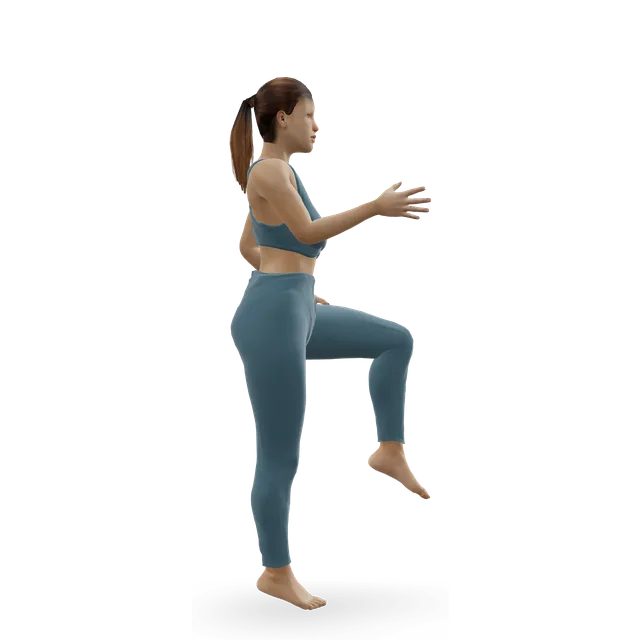
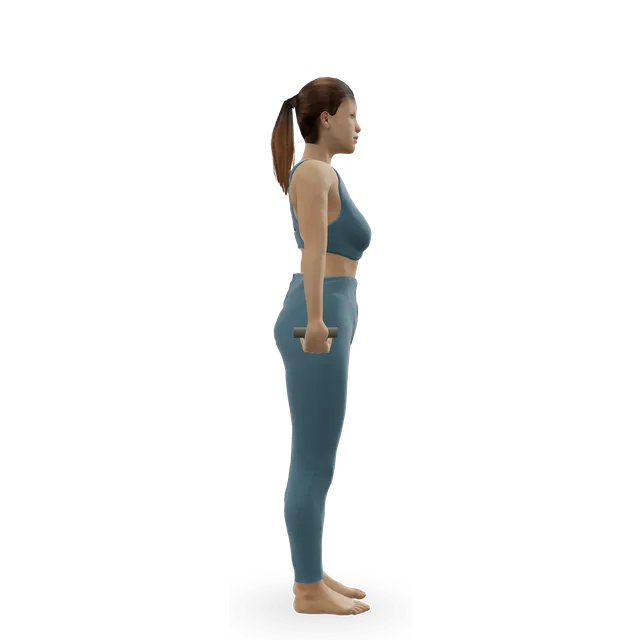
The movement on the figure: Snapdown to athletic landing
Shoulder Control's five groups at their first level, band rotations, the ankle and landing work, Nordics and calf raises for the knees, and trunk work for the back. Each has a 3D demo.
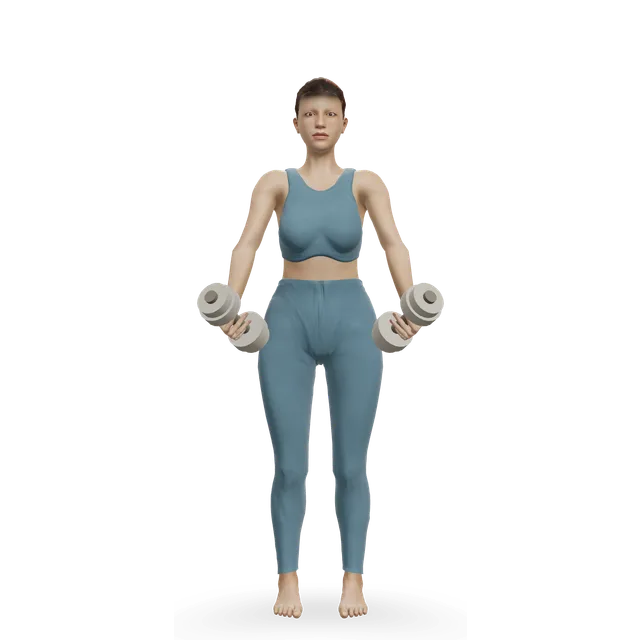 3D demoScaption raiseBeginner · A dumbbell
 3D demoScapular push-up (push-up plus)Beginner · No equipment
 3D demoStanding band external rotationBeginner · A band + An anchor point
 3D demoThoracic rotationBeginner · No equipment
 3D demoSingle-leg Romanian deadliftAdvanced · A dumbbell
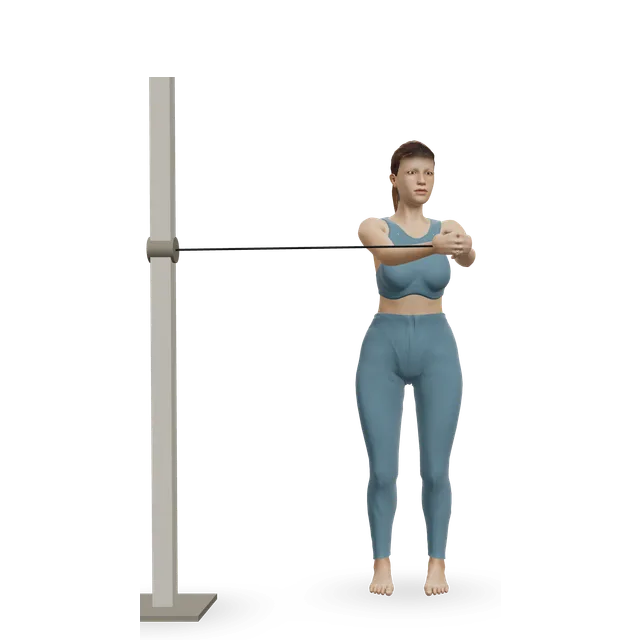 3D demoCable press and rotationIntermediate · A cable machine
 3D demoSingle-leg standBeginner · A wall
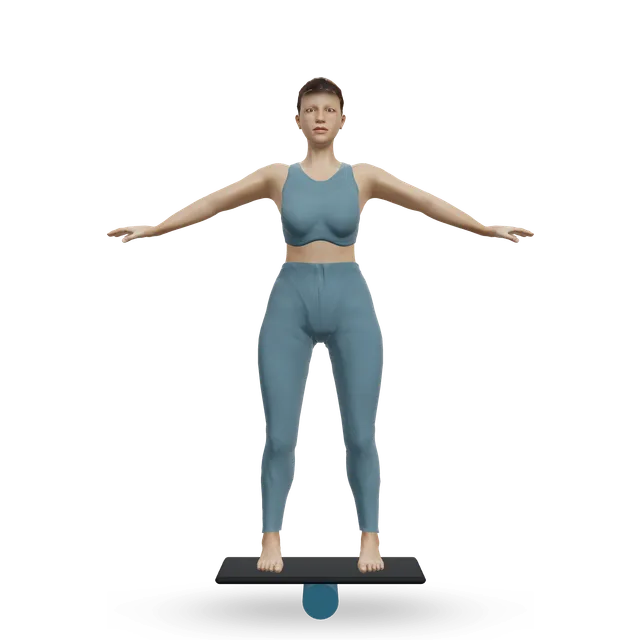 3D demoBalance board standBeginner · Other / check instructions
 3D demoSnapdown to athletic landingBeginner · No equipment
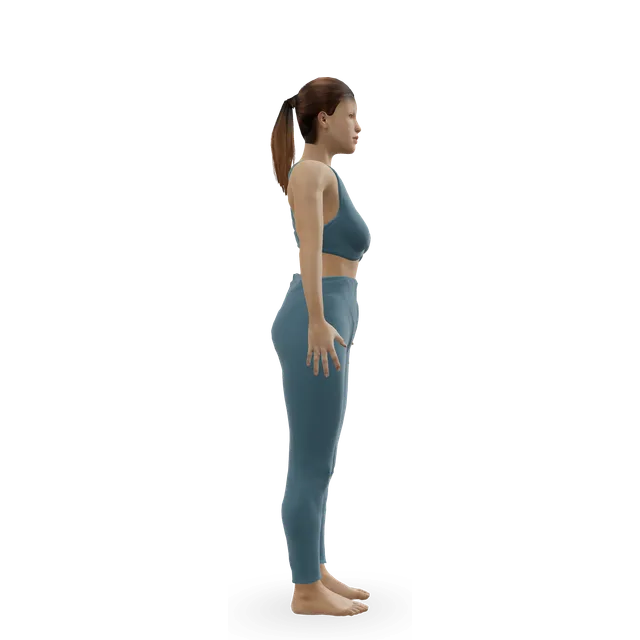 3D demoRocket jump (jump and reach)Intermediate · No equipment
 3D demoNordic curlAdvanced · An anchor point
 3D demoSingle-leg calf raise from a stepIntermediate · A step + A wall
 3D demoBird dogBeginner · No equipment
 3D demoSide plankIntermediate · No equipment
The first two are new: the 15-minute warm-up and a 30-minute prevention routine with Shoulder Control. The tennis and padel routine has the same shoulder block; the others add knee control, jumping, ankle strength, balance and trunk endurance.
A 15-minute volleyball warm-up: skips, shuffles and zig-zag runs, planks, one-leg balance, landings, Nordics and lunges, band shoulder work and block jumps.
15 minBeginner13 movesA wall, A dumbbellA 30-minute volleyball routine: balance board work for ankles, the five-part Shoulder Control programme, Nordics, lunges and calf raises, and trunk work.
30 minBeginner13 movesA wall, Other / check instructionsA 25-minute band routine for healthy shoulders: move the shoulder and upper back through their range, then strengthen the rotator cuff and shoulder blades.
25 minBeginner12 movesA wall, A bandA 25-minute routine for racket players: the five-part Shoulder Control programme from handball trials, band rotations, forearm lowering, hops and balance.
25 minBeginner12 movesA dumbbell, A cable machineA 20-minute warm-up that trains your knees to track over your toes: side-hip strength, squats and lunges with alignment practice, balance and quiet landings.
20 minBeginner10 movesA wall, A bandAn advanced jump training session: pogo hops, box jumps, split squat jumps, broad jumps and depth jumps.
30 minAdvanced8 movesA bench or box, A stepA 15-minute barefoot routine for stronger toes, arches, calves and ankles, finishing with balance. You need only a towel, a wall and a resistance band.
15 minBeginner11 movesA wall, Other / check instructionsBalance practice in 10 minutes: tandem stance, single-leg stands, marches, heel walks, tree pose and floor transfers.
10 minBeginner7 movesA wall, A bench or boxThe McGill big three for the core: curl-ups, side planks and bird dogs, each held for 10 seconds at a time in falling sets of 5, 3 and 1 reps.
12 minBeginner3 movesNo equipmentA 10-minute warm-up for any workout: raise your heart rate, move each joint through its range, rehearse the main movements, then ramp up to your first lift.
10 minBeginner12 movesA wall, A bandA gym lower body workout for legs and glutes: trap bar deadlifts, hip thrusts, reverse lunges, leg curls, hip abduction, calf raises and core.
50 minIntermediate13 movesOther / check instructions, A barbellFit the prevention routine into lighter days, and keep heavy leg and jump sessions away from match days.
Two full-body strength sessions a week: the minimum that meets health guidelines, with every set, rep and rest, and an 8-week progression.
2 training days45 minBeginner3 days a weekA beginner gym plan: three full-body sessions a week, alternating workouts A and B, with sets, reps, rest and an 8-week progression.
3 training days45 minBeginner3 days a weekA weekly workout plan for women: three strength days, cardio and pelvic floor training, with the evidence on periods, pregnancy and menopause.
3 training days45 minBeginnerThe PAR-Q+ (Physical Activity Readiness Questionnaire for Everyone) asks about a heart condition or high blood pressure, chest pain, dizziness or losing consciousness, other long-term conditions and their medicines, a bone or joint problem that activity could make worse, and being told to exercise only under supervision. If you answer yes to any, check with your GP or a qualified exercise professional first. If you're over 45 and not used to hard exercise, ask a qualified exercise professional before the hardest sessions, and delay if you're ill.
Source 53
42% of ankles sprained in the previous 6 months went again. Wear a brace or tape for 6 to 12 months and do balance training, as our sprained ankle guide sets out.
Overuse knee injuries rose with a balance board programme in such players. Keep balance work on the floor and ask a physiotherapist (our suggestion).
Source 3
Follow our jumper's knee guide, keeping tendon pain at 3 out of 10 or less and settled by the next morning. Eccentric decline squats done in season didn't help elite players.
Source 51
Our shoulder guides allow discomfort up to about 5 out of 10 during exercise if it settles by your next session. New weakness or wasting at the back of the shoulder should be checked.
Spondylolysis, a stress fracture at the back of the spine, is the commonest structural finding in young athletes with back pain. Back pain that lasts more than a couple of weeks, is worse arching back or stops them training needs a GP or sports physiotherapist, as our spondylolisthesis guide explains.
Plan for shade, water and sunscreen, and learn the heat warning signs below.
The UK's National Health Service (NHS) advises avoiding sports where there's a risk of falling or bumping your tummy, and diving for the ball is one. Passing and setting drills without diving may suit; talk to your midwife or GP (our suggestion).
The NHS says to call 999 if someone has hit their head and:
Source 56
Stop playing: if in doubt, sit them out. The UK grassroots guidelines say no training, matches or PE (physical education) lessons for at least 24 hours and an assessment by a healthcare professional or NHS 111 within 24 hours. Volleyball England's guidelines: remove the player, spend at least 24 hours at each stage of the return, and no return to play before 21 days unless an enhanced care pathway with medical oversight applies. Get help from NHS 111 straight away if they're being sick or feel dizzy.
Call 999 or go to A&E (accident and emergency) if you heard a crack when you were injured, the injured part has changed shape or points at an odd angle, it's numb or tingling, or the skin has turned blue or grey or is cold to touch. Get help from NHS 111 or an urgent treatment centre if it's very painful, very swollen or bruised, or you can't put weight on it or walk more than a few steps.
Source 59
Go to A&E if a finger points at an odd angle, looks blue or feels numb, or is cut with bone showing. Get help from NHS 111 if it's painful, swollen and bruised, or stiff and difficult to move. A finger that crosses its neighbour when you make a fist, or a fingertip that won't straighten, needs urgent advice, as our finger guides explain.
Source 60
Get advice from NHS 111 now if your knee is very painful, you can't move it or put any weight on it, it's badly swollen or has changed shape, or it locks, gives way or clicks painfully. A pop at the front of the knee after which you can't straighten it or lift the straight leg can be a torn kneecap tendon: get it checked the same day, as our kneecap tendon rupture guide explains.
Source 61
Ask for an urgent GP appointment or get help from NHS 111 if you have sudden or very bad shoulder pain, you can't move your arm, your arm or shoulder has changed shape or is badly swollen, you have pins and needles that don't go away or no feeling in your arm, or it's hot or cold to touch.
Source 62
Call 999 or go to A&E for back pain with pain, tingling, weakness or numbness in both legs, loss of feeling around your genitals or bottom, changes in your bladder or bowels, or chest pain. Ask for an urgent GP appointment or get help from 111 if you feel hot, cold, shivery or generally unwell, or the pain starts suddenly and is severe or getting worse quickly.
Source 63
Call 999 if someone faints while exercising, or for sudden chest pain that doesn't go away, pain that spreads to your arms, neck, jaw, stomach or back, or chest pain with sweating, feeling sick, light-headedness or breathlessness.
Call 999 if someone with heat exhaustion isn't better after 30 minutes of resting somewhere cool, being cooled and drinking, or has a very high temperature, hot skin that isn't sweating, confusion, a fit or loss of consciousness.
Source 12
In the Dutch trial they helped only players with a previous sprain, and overuse knee injuries rose in players with a previous knee injury.
Source 3
They had no effect in elite players who kept playing. A staged programme that kept pain low did better in the largest trial, as our jumper's knee guide explains.
Landing studies show only weak, cross-sectional links. Training volume, sets played and jumping ability predicted it.
The loss of inward rotation wasn't linked with pain; weak outward rotators were.
Painless infraspinatus wasting is common in volleyball players, and most kept playing for years with it unchanged. New wasting or weakness should still be checked.
Sudden injuries are fewer, but overuse back, knee and shoulder problems are common, and 30% of professionals had shoulder wasting.
Jump training raised volleyball players' vertical jump in 14 trials, and heavy lifts combined with jumps raised it too.
Jump training, leg and trunk strength, one-leg balance and shoulder work for the hitting arm. Jump training raised volleyball players' vertical jump in 14 trials, and short shoulder programmes cut shoulder injuries in handball, a similar overhead sport.
About 15 minutes: a few minutes of skipping and shuffling, then core, knee and ankle exercises, then band shoulder work and a few controlled block jumps. A warm-up built this way went with about a fifth fewer sudden injuries in a Dutch trial of recreational players, though the result was borderline.
The biggest risk is a previous sprain, especially in the last 6 months. Balance board training cut sprains in players who had sprained before, and a brace or tape for 6 to 12 months afterwards is advised. A Norwegian programme that went with fewer sprains also coached take-off and landing technique at the net.
After a sprain, yes: braces cut repeat ankle injuries in trials, and Norwegian researchers advise a brace or tape for 6 to 12 months. For players who have never sprained, the evidence that braces prevent a first sprain is weaker across sports, though a basketball trial found they did.
Load: more training hours and more sets played in matches each week raised the risk in young elite players, and better jumpers were more at risk. Many players keep playing with less jumping; our jumper's knee guide keeps tendon pain at 3 out of 10 or less. Eccentric decline squats done in season didn't help.
Attackers and jump servers report the most shoulder problems, and weak outward rotators relative to inward rotators are linked with pain. Strengthen the rotator cuff and shoulder blades, as in the Shoulder Control programme, and see our shoulder pain guide if it persists.
Arching back to hit loads the lower spine: in one small trial, arching caused about 70% of new back pain in high-school players, and a short warm-up programme cut it. Teenagers with back pain that lasts more than a couple of weeks or hurts when arching should get it checked, as our spondylolisthesis guide explains.
Jump training twice a week for about 6 to 8 weeks: in 14 trials, programmes with fewer than 2,000 jumps in total worked as well as bigger ones. Count those jumps as part of your weekly load, because jump volume is linked with jumper's knee.
Sudden injuries are less common than indoors, but overuse low back, knee and shoulder problems are common in beach professionals, and 30% had painless wasting of a shoulder muscle. Add heat and sun protection.
Go to A&E if the finger points at an odd angle, looks blue or feels numb, and get help from NHS 111 if it's painful, swollen and bruised, or stiff. Our broken or jammed finger guide covers strapping it to the next finger and the exercises, and a fingertip that won't straighten needs same-day advice, as our mallet finger guide explains.
Exercise education for people who play sport, not a personal prescription or a diagnosis, and clinical review of these pages is pending. Check with a GP or physiotherapist before hard training if you have a heart condition, chest pain, dizziness or an injury that isn't settling, and stop for sharp or increasing pain. Health disclaimer.