Rehab first is a reasonable choice for many peopleStrong evidence
In the KANON trial, 121 young active adults with a fresh ACL tear all had the same structured rehab; half were assigned early reconstruction and half rehab with the option of surgery later. Knee scores were the same at 2, 5 and 11 years, and about half of the rehab-first group never had an operation.
In a Dutch trial (COMPARE, 167 people), early surgery gave a small edge at 2 years that the authors judged not clinically relevant: the rehab group did better at 3 months, the surgery group was ahead from 9 months, and half the rehab group had a reconstruction. A Cochrane review rated the evidence low quality, because at the time it rested on a single trial.
Sources 14, 15, 6, 16, 17
When surgery is usually advisedEmerging evidence
The NHS says surgery is usually recommended if physiotherapy and lifestyle changes haven't helped, you plan to keep doing lots of sport or intense exercise, you have a very physical job, the knee gives way a lot, or other parts of the knee are damaged. One NHS trust adds your age, how you respond to physiotherapy and your sporting aims.
For people still unstable months after the injury, reconstruction beat further rehab at 18 months in a UK trial (ACL SNNAP, 316 people), and 41% of the rehab group went on to have surgery anyway. A 2025 meta-analysis found no clear difference in return-to-sport rates between reconstruction and rehab alone, at low certainty. Rehab is needed either way.
Sources 18, 4, 19, 20
Rehab is the core of every optionStrong evidence
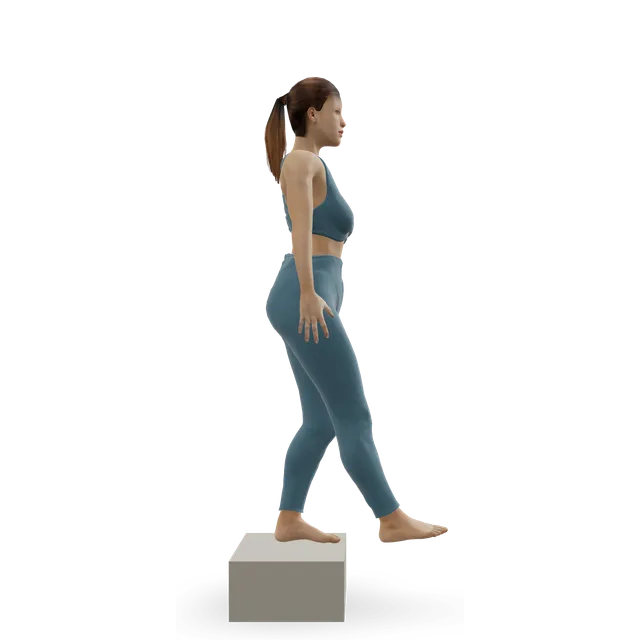
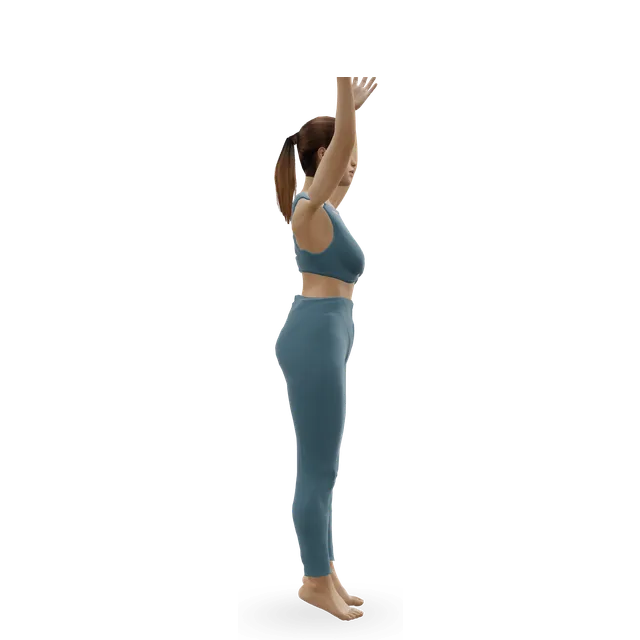
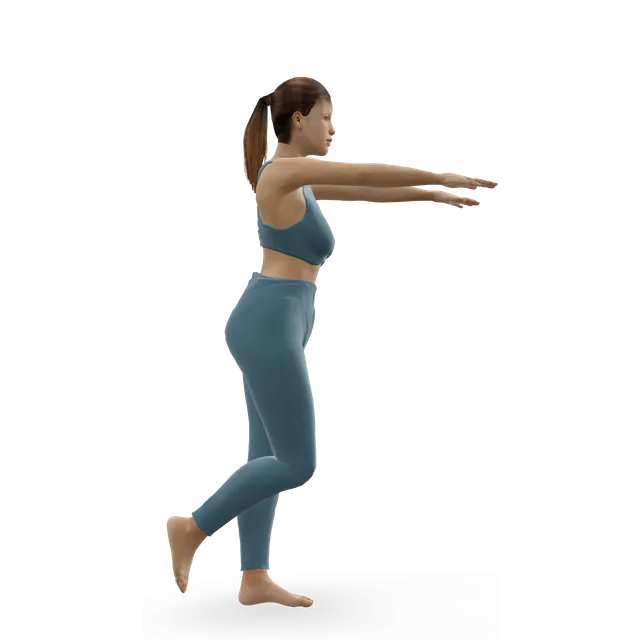
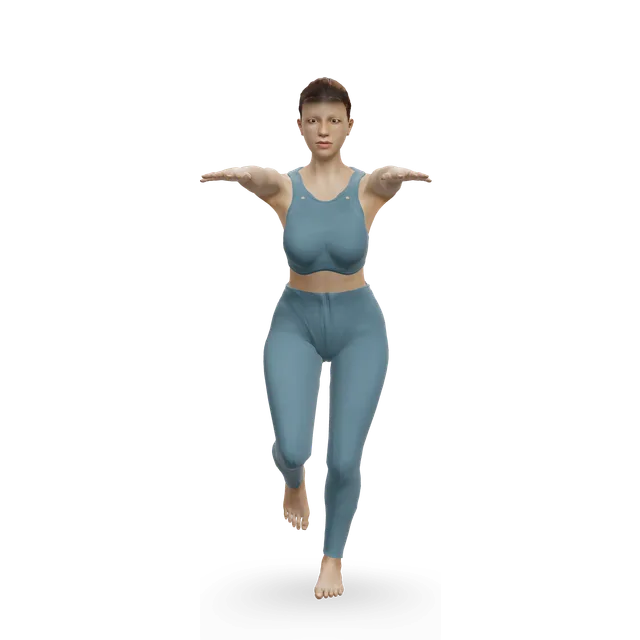
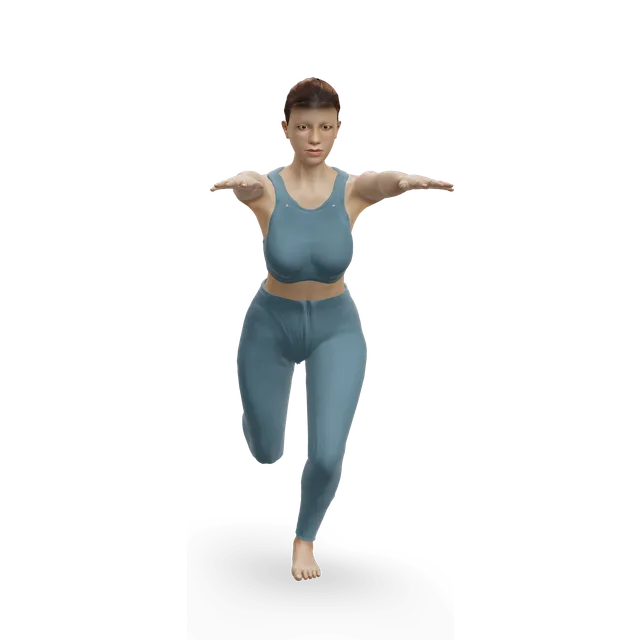
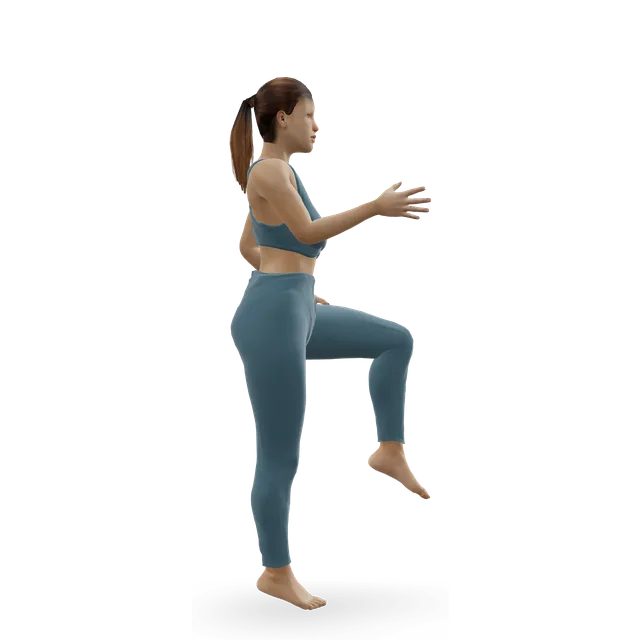
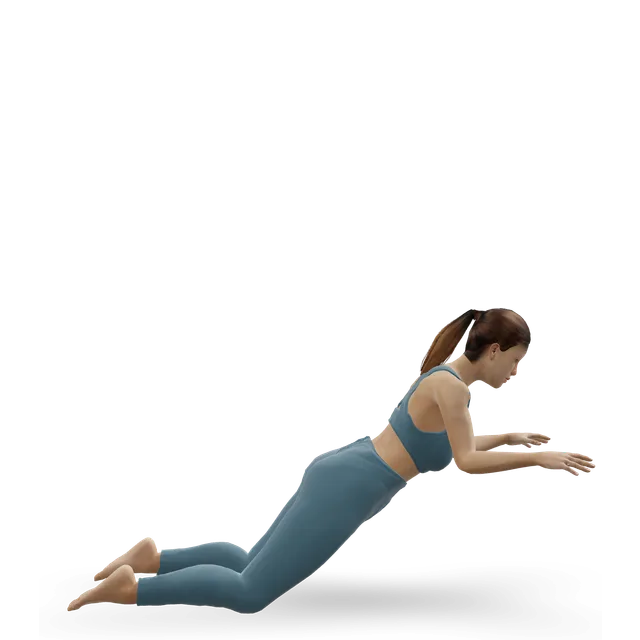
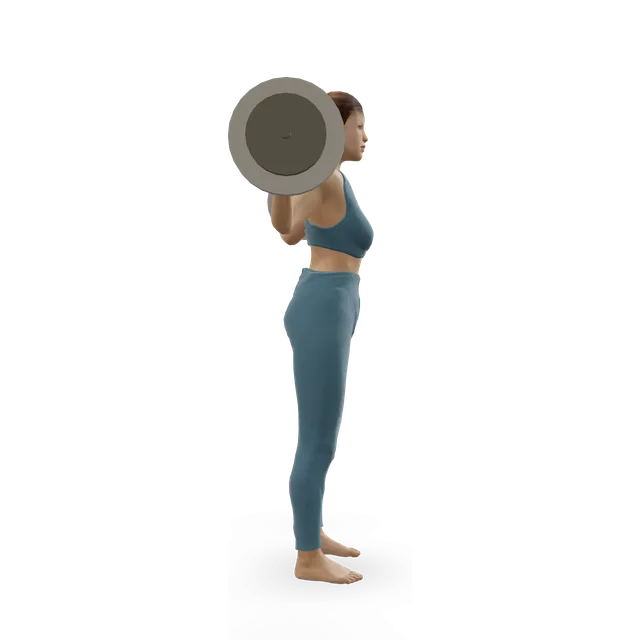
The US physical therapy guideline for knee ligament injuries gives its top grade to strength exercises, both standing and seated or lying, with both lifting and lowering, started within 4 to 6 weeks of a reconstruction and done 2 to 3 times a week for 6 to 10 months, combined with balance and movement-control training. Its next grade covers moving the knee within the first week, ice for early pain, and supervised rehab with a home programme.
The Aspetar guideline, from a sports medicine hospital in Qatar, adds that quad sets and straight-leg raises are safe in the first 2 weeks, the leg press can start at about 3 weeks after a hamstring graft, and seated knee extensions from week 4 in a limited range. A Dutch guideline moves people through phases by criteria rather than dates, with rehab lasting 9 to 12 months. Much of this rests on low-certainty evidence and expert agreement.
Sources 1, 21, 22
Going back to pivoting sport: time and testsEmerging evidence
Waiting at least 9 months after a reconstruction before going back to pivoting sport went with fewer reinjuries in two observational studies. In 106 athletes followed for 2 years, 39.5% of those who went back before 9 months injured the knee again, against 19.4% of those who waited, and the rate fell by about half for each month of delay up to 9 months. In 159 young athletes, going back before 9 months went with about 7 times the rate of a second ACL injury.
These studies can't separate time from readiness: people who go back early may also be less ready. Passing return-to-sport tests matters too: professional athletes who hadn't met all 6 discharge criteria had 4 times the rate of graft rupture. But no test battery has been shown to predict who is ready, and reviews disagree on whether passing one lowers the risk of a second injury.
Sources 23, 24, 25, 21, 1
How many get back to sportEmerging evidence
After a reconstruction, 81% returned to some sport, 65% to their pre-injury level and 55% to competitive sport (69 studies, 7,556 people). About 15% had a second ACL injury, and 23% of athletes under 25 who returned to sport. The NHS says it can take up to a year to play sport again.
Sources 26, 8, 27
ACL injuries can be preventedStrong evidence
Warm-up programmes of strength, jumping, landing and balance exercises cut ACL injuries by about half across 8 meta-analyses, and non-contact ACL injuries in female athletes by about two-thirds. In 18 studies of 27,231 female athletes, this kind of training cut the risk from 1 in 54 to 1 in 111, with bigger effects in school-age players.
The US prevention guideline (top grade) recommends programmes with several components, done several times a week in sessions of over 20 minutes, from pre-season through the season, for all young athletes in high-risk sports. An Australian position statement from 2026 adds that the evidence in male, elite and many other athletes is more limited, and that no single test can yet pick out who is at high risk.
Sources 28, 29, 30, 31, 3
The FIFA 11+ warm-upStrong evidence
The 11+ is a 20-minute warm-up of running drills and strength, balance and jumping exercises. Across 6 cluster trials it cut football injuries by 39%. In one season of US college men's football (61 teams), there were 3 ACL injuries in teams doing the programme against 16 in teams that weren't. In its first trial, in 1,892 Norwegian girls aged 13 to 17, it reduced injuries overall and severe injuries, though the fall in leg injuries could have been chance.
Sources 32, 33, 34
Braces: optional, and only if your team gives you oneMixed evidence
After a reconstruction, the evidence on braces goes both ways, so the US guideline leaves it to the patient's preference; in a review of 11 studies, a brace made no clinically important difference to looseness, strength, movement, pain or function. The NHS says wear one only if your surgeon or physiotherapist gives you one. Without surgery, an NHS trust says a brace can help in sports where the knee tends to give way, such as tennis, squash and skiing, though it is too cumbersome to wear every day.
Sources 1, 27, 4