MCL sprain (inner knee ligament): recovery and exercises
The medial collateral ligament (MCL) runs down the inner side of the knee, and it's the knee ligament people injure most, usually from a blow to the outside of the knee or a twist. Most MCL sprains, even many complete tears, heal without surgery with early movement and progressive strengthening.
This guide covers the grades, rough recovery times (the evidence on timing is thin), bracing, and a staged plan from the first days to sport. Start with the warning signs: swelling of the whole knee, a pop or a knee that gives way suggest another injury, often to the anterior cruciate ligament (ACL), and need assessing first.
Exercise is for pain that has been checked or is clearly mild and settling.
Get urgent medical help if
You cannot move the knee or put any weight on it, or it is very painful, badly swollen or has changed shape.
You hurt your knee and cannot take 4 steps, or you are 55 or over and hurt it in a fall: get it checked the same day for a broken bone.
The knee is locked and you cannot fully straighten it.
Signs of more than an MCL sprain: the whole knee swells within a few hours, you felt a pop, or the knee gives way or feels very unstable. An MCL sprain usually swells only over the inner side; these signs suggest another injury, often to the ACL, so get it assessed promptly.
Throbbing pain and swelling in one calf or thigh, with red or darkened skin or swollen veins: ask for an urgent GP appointment or get help from NHS 111, as it could be a blood clot. Call 999 or go to A&E if you are also short of breath or have chest pain.
See a doctor or physiotherapist if
Knee pain that has not improved within a few weeks of looking after it at home. Many areas offer NHS physiotherapy without a GP referral.
A knee that still feels loose or gives way at about 6 weeks: ask for an orthopaedic opinion. Looseness that persists beyond about 6 weeks is when surgeons consider an operation.
A child or teenager with pain on the inner side of the knee after an injury: get it checked, because the growth plate can be injured instead of the ligament.
Understand it
What it is and how it happens
The MCL runs down the inner side of the knee, from the thigh bone to the shin bone, and stops the knee being pushed inwards. It is the most commonly injured knee ligament. It tears when the knee is forced inwards with the foot on the ground: a blow to the outside of the knee, a twist, slipping on ice, or sports such as skiing, football and rugby. In older people a fall can do it. In elite football, 3 in 4 MCL injuries involved contact.
A sprain and a tear are the same injury at different grades. Clinicians grade it by pushing the knee inwards with it slightly bent (about 30°) and again with it straight. In elite footballers, grading by examination agreed almost perfectly with grading on MRI. Scans are mainly used to look for other injuries, and in one NHS area only the orthopaedic team requests an MRI.
Grade 1 (mild): the ligament is stretched but the knee is stable. It is tender, with little or no extra opening.
Grade 2 (moderate): a partial tear. The knee opens a little when pushed with it slightly bent, but not when it is straight.
Grade 3 (severe): a complete tear. The knee opens when pushed both slightly bent and straight; opening with the knee straight means the capsule at the back of the inner knee is likely torn too.
The MCL lies outside the joint and has a good blood supply, so it heals much better than the ACL. An NHS leaflet says grade 1 injuries almost always heal and grade 3 injuries mostly heal, especially when the MCL is the only ligament torn. When a complete tear fails to heal, the inner side of the knee can stay loose.
Most MCL injuries heal without surgeryStrong evidence
Reviews agree that grade 1 and 2 sprains, and complete tears that leave the knee stable, are treated without surgery, with early functional rehab. Surgery is for tears with a marked knock-knee alignment, the ligament trapped in the wrong place, a piece of bone pulled off, or looseness that persists. In elite football, 2 of 130 MCL injuries were operated on.
In 35 athletes with complete tears and no other injury, treated with a hinged brace, early movement and then strengthening, knee function about 5 years later matched earlier results after surgery or plaster, with a faster return to sport; in 28 college footballers with complete tears, 20 of the 21 followed up did well. The studies are old and small, though: a 2024 review rated the evidence very low certainty.
Recovery times: rough guides from small studiesEmerging evidence
In small, mostly old studies of athletes doing daily rehab, people were back to full play about 10 days after a grade 1 sprain and about 3 to 6 weeks after a grade 2, and back to full-contact training about 9 weeks after a complete tear. A US rehab protocol estimates 2 to 4, 6 to 8 and 8 to 12 weeks for the three grades. An NHS leaflet gives a longer range: healing normally takes about 6 to 12 weeks, and some discomfort and swelling for longer is normal.
The evidence is very low certainty, so treat these as rough guides, not deadlines. Recovery is judged by the knee, not the calendar.
In 51 college footballers with grade 1 or 2 sprains, active rehab with little or no time in a splint got them back to play in about 10 to 20 days, with no apparent rise in reinjury. An NHS leaflet recommends protecting the knee with relative rest while loading it gradually and walking as normally as possible early on, saying the evidence suggests this speeds recovery. Reviews recommend early movement and strengthening, then sport once strength and balance match the other side.
Braces: for more severe sprains, as advisedMixed evidence
The US physical therapy guideline for knee ligament injuries says clinicians may use a brace for severe MCL injuries, based on expert opinion. In elite footballers with grade 2 sprains, those who wore a stabilising brace were out longer (about 42 against 32 days), though they may have had worse sprains, and the authors suggest routine bracing isn't needed for milder ones.
In a 2024 review, braces were worn for 2 to 5 weeks, flexible braces went with shorter lay-offs than rigid ones, and the evidence was very low certainty. Practice varies: one NHS area uses a hinged brace limited to 0° to 90° for 6 weeks, and a US protocol uses one possibly for grade 1 and most often for grades 2 and 3.
Combined MCL and ACL injuries are among the commonest injuries involving more than one knee ligament. The MCL is still usually treated without surgery, with a brace for about 6 weeks, and the ACL reconstructed once the knee moves well; if the inner side is still loose after 6 weeks in a brace, surgeons usually repair both. The ACL injury guide covers that part.
Some discomfort is fine; sharp pain, new swelling or looseness is notEmerging evidence
An NHS leaflet: do the exercises as pain allows, and some discomfort is acceptable. If a sharp, shooting pain comes on, ease off. Gently moving the knee should begin to reduce the pain, not cause further damage.
As a number, keep pain with activity below about 3 out of 10. A US protocol moves people with severe sprains on when pain with activity is below 3 out of 10 (lower for milder sprains), with no increase in swelling, tenderness or looseness on the inner knee.
Check the next morning: the inner knee should be no more swollen, sore or loose than before. If it is, drop back a step (our suggestion).
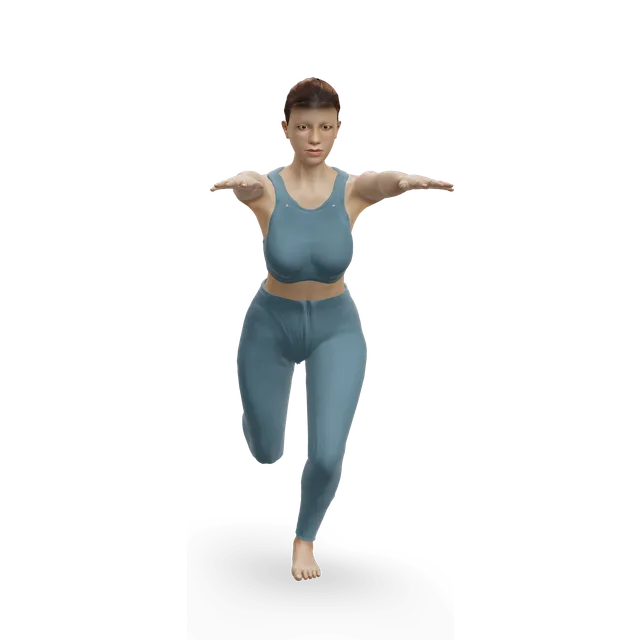
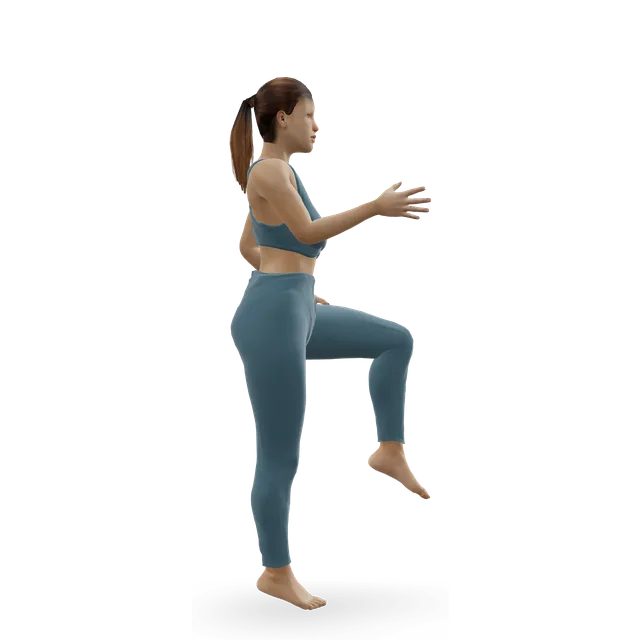
Start at the first stage. Each move opens a full guide with a 3D demo.
Stage 1
Protect it and keep it moving (about weeks 0 to 2)
Protect the knee with relative rest while loading it as comfort allows, use ice, compression and raising the leg, and walk as normally as you can, with crutches if you need them (an NHS leaflet's advice). If you've been given a brace, take it off for the exercises unless told otherwise. Do the exercises little and often through the day.
Hold 5 s; 10 times, little and often · With the heel on a rolled towel or a stool and nothing under the knee, let it sag straight between squeezes; build the time propped from 30 s to 3 min (an NHS leaflet)
Move on when: You walk without a limp, the swelling is settling, the knee nearly straightens and bends fully, and the inner knee is no sorer after exercise.
Follow along: a timer, a cue and the next move, one step at a time.
Stage 2
Strength in straight lines (about weeks 1 to 6, longer for grades 2 and 3)
Two to 3 strength days a week, 3 sets of 8 to 12 (editorial). Keep the knee over the middle toes; side-to-side and twisting work waits. One US protocol avoids significant sideways stress until 3 to 4 weeks after the injury.
Hold 5 s; 10 times, then longer holds · Only as deep as discomfort allows, knees not bowing inwards; hold time from an NHS leaflet, repetitions editorial
Move on when: Movement is full with only mild pain, there's no new swelling after sessions, and you can walk briskly without a limp. One protocol starts running once strength is about 75% of the other leg.
Follow along: a timer, a cue and the next move, one step at a time.
Stage 3
Back to sport: side to side last
Running first, then sideways moves, hopping and cutting. In severe sprains one US protocol adds side shuffles at about 6 weeks, running at 8 weeks once strength is about 75% of the other leg, and jumping and agility drills at 10 weeks. Doses here are editorial.
Move on when: You can fully bend and straighten the knee without pain, your strength matches the other leg, and the knee doesn't swell or give way. For football, rugby or skiing, you can also jog without a limp, change direction without pain, and jump and hop on the injured leg without pain or giving way (an NHS leaflet's checks).
Follow along: a timer, a cue and the next move, one step at a time.
What to change for now
Early on: straight lines, knees over toes
Side-to-side moves, cutting and pivoting come last: one protocol avoids significant sideways stress until 3 to 4 weeks after the injury, and an NHS leaflet notes that twisting and changing direction usually take longest to rehabilitate. Keep the knee over the middle toes in squats, step-ups and landings, rather than letting it drop inwards. Swing both legs together getting in and out of a car, so the knee doesn't twist.
If you've been given a brace, take it off for the exercises unless told otherwise. When you're allowed out of it, the same leaflet suggests leaving it off at night first, then wearing it only in busy places, then not at all.
In elite football, a quarter of MCL injuries were injected, mostly with platelet-rich plasma, with no difference in time out for grade 2 sprains, and a 2024 review rated the evidence for injections very low.
It depends on the grade, and the evidence is thin. In small, mostly old studies of athletes, people were back to play about 10 days after a grade 1 sprain, 3 to 6 weeks after a grade 2 and about 9 weeks after a complete tear. An NHS leaflet gives a longer range, about 6 to 12 weeks, with some discomfort and swelling for longer. Recovery is judged by the knee, not the calendar.
Does a torn MCL need surgery?
Rarely. Most MCL injuries, including most complete tears with no other damage, heal with early rehab. Surgery is mainly for tears with other injuries, a piece of bone pulled off, or a knee that stays loose.
Can I walk on an MCL sprain?
Usually, yes: an NHS leaflet advises walking as normally as you can, with crutches if you need them. If you cannot put weight on the leg, get it checked.
Do I need a knee brace?
Not for a mild sprain. Clinicians may use a hinged brace for more severe sprains, but in elite footballers with grade 2 sprains, wearing one went with a longer lay-off. If you're given one, wean out of it as advised.
What exercises should I avoid with an MCL sprain?
Early on, side-to-side movements, cutting and twisting, and letting the knee drop inwards in squats or step-ups. Straight-line strength exercises are fine within the pain rule.
What's the difference between an MCL sprain and a tear?
They're the same injury at different grades: grade 1 is a stretch, grade 2 a partial tear and grade 3 a complete tear. All three usually heal without surgery.
How do I know if it's more than an MCL sprain?
Swelling of the whole knee within hours, a pop, the knee giving way or locking, or being unable to put weight on it suggest another injury, often to the ACL. Get it assessed rather than waiting.
Do I need a scan?
Usually not: clinicians grade MCL sprains by examination, which matched MRI closely in elite players. Scans are mainly for suspected other injuries.
When can I go back to football, rugby or skiing?
When the knee bends and straightens fully without pain, your strength matches the other leg, and it doesn't swell or give way. You should also be able to jog without a limp, change direction without pain, and jump and hop on the injured leg without pain.
Is cycling OK with an MCL sprain?
Yes, once the knee bends far enough to pedal round: an exercise bike is part of the first phase of rehab protocols. Start easy, with no resistance.
Exercise education, not a diagnosis or treatment plan. It is written from the guidelines and studies listed above; review by a clinician is pending. If your pain follows an injury, is severe, is getting worse, or comes with any warning sign listed on this page, get it assessed. Health disclaimer.