Hip windshield wipers
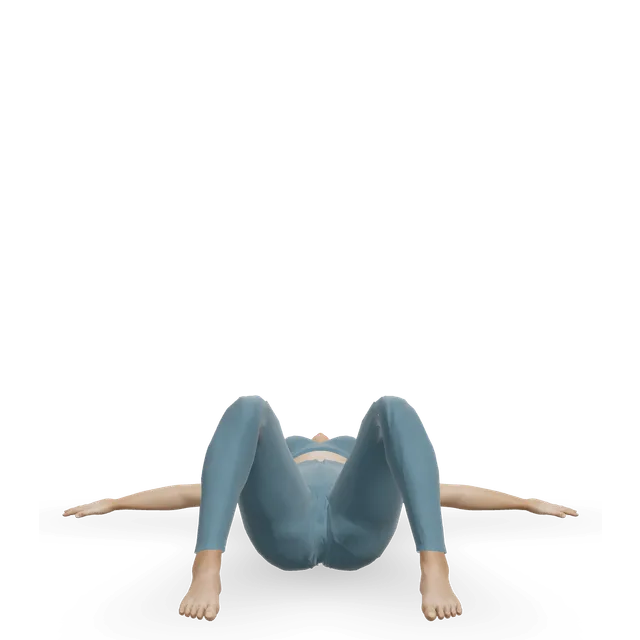
Lying on your back with your feet set wider than your hips, you let both knees fall to one side and then the other, so one hip turns in as the other turns out. The wide feet set it apart from knee rolling, where the knees travel together. Reviews of observational studies find reduced inward hip rotation in people with low back pain more often than any other hip range, though one rated that evidence very low quality; whether restoring it helps the back is untested.
Movement guide
Hip windshield wipers
Loading the 3D figure…
Make it easier or harder
Choose a version that fits your control and comfort.
Easier option
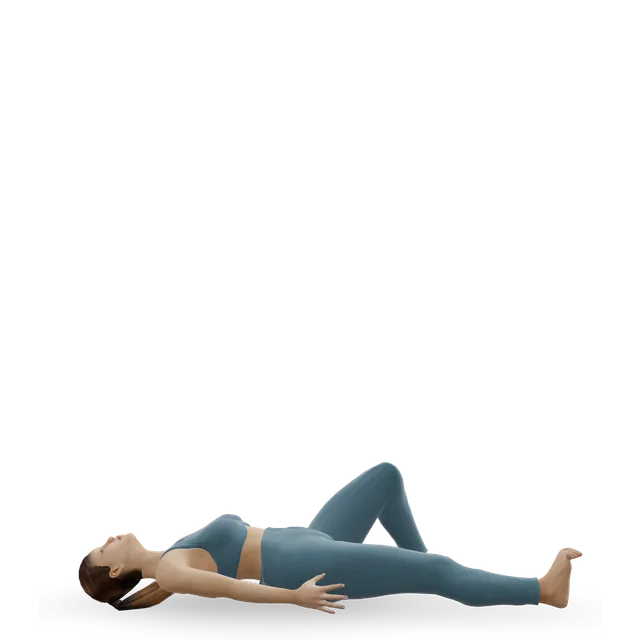 3D demoSupine heel slideBeginner · No equipment
Suggested next step, beginner grade.
Harder option
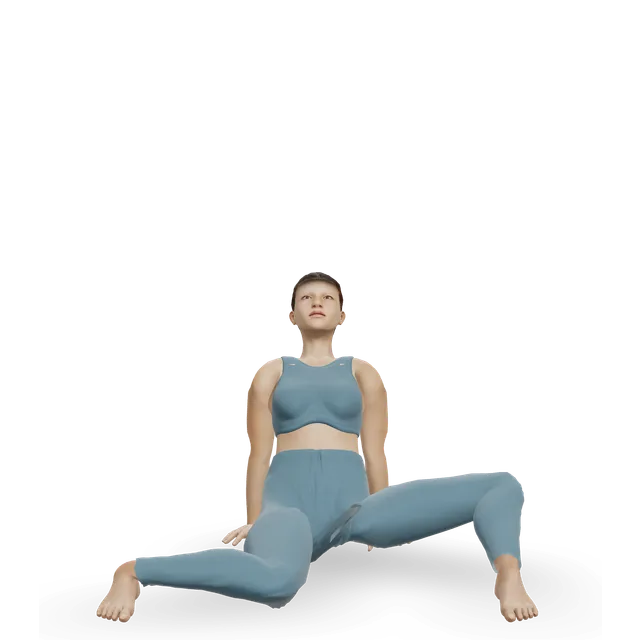 3D demo90/90 switchIntermediate · No equipment
Suggested next step, intermediate grade.
Source-researched guide.
How to move
- Lie on your back with your knees bent, your feet flat and set wider than your hips, and your arms out on the floor.
- Let both knees fall slowly to the right, so the right hip turns out and the left hip turns in, keeping both feet on the floor.
- Bring them back through the middle and let them fall to the left.
- Keep passing slowly from side to side, only as far as is comfortable.
Form cues
- Let the knees fall; don't push them down.
- Keep both shoulders resting on the floor.
- Avoid: lifting the feet to go further.
Practice and cautions
10 slow passes side to side, 2 rounds (our editorial starting point).
A pinch in the groin of the inward-rolling hip means make the movement smaller, not push further. If you have a hip replacement, check with your surgeon before adding internal rotation drills. In pregnancy, after the first trimester, keep time flat on your back to a few minutes: prop your upper body up, or use a side-lying or all-fours version. Roll onto your side if you feel dizzy, sick or unwell. This is movement education, not an assessment or treatment prescription. Stop for sharp or increasing pain, dizziness, numbness or tingling; seek individual guidance for symptoms, injury or restrictions.
Sources and review status
Sources support the educational description; they do not establish that this exercise is suitable for you.
- South Tees NHS · Combined stretches (knee rolling: lying with the knees bent and arms out, the knees rolled gently from side to side; the sibling with the feet together) ↗
- Avman 2019 · Hip range and low back pain: reduced inward rotation was the only finding seen consistently, on very low-quality evidence (systematic review of 24 studies, Musculoskelet Sci Pract) ↗
- Pizol 2024 · People with low back pain showed less hip range, especially inward rotation, than people without (systematic review of 54 observational studies, BMC Musculoskelet Disord) ↗
No variation is labeled clinically validated.
What it works
Equipment
None: body weight and floor space.
Level
Beginner. See the easier and harder options above.
Workouts that use it
- Hip mobility routine · 15 min
- Pilates for back pain (gentle routine) · 15 min
- Home exercises after a stroke: bed, chair and standing · 20 min
- Yoga for back pain (gentle beginner sequence) · 20 min
- Core exercises after bowel or stoma surgery · 20 min
- Exercises after a hysterectomy: the first 6 weeks · 15 min
- Chronic pain flare-up routine: gentle movement for a bad day · 10 min
- Exercises after aortic aneurysm repair: the first 4 weeks · 10 min
Show all 35 workoutsShow fewer workouts
- Range of movement exercises for MND: a daily routine on your own or with a helper · 20 min
- Pilates for osteoporosis: a mat class with safe swaps · 25 min
- Hatha yoga class: a 45-minute beginner session · 45 min
- Exercises after gallbladder or appendix removal: the first 2 weeks · 15 min
- Yoga for sciatica: a gentle sequence that lets your leg decide · 25 min
- 15-minute morning yoga: a gentle routine to start the day · 15 min
- Hip and core control routine: even strength around the pelvis · 25 min
- Slow somatic Pilates class: 20 minutes, every move optional · 20 min
- Gentle Pilates for fibromyalgia: a 20-minute paced class · 20 min
- Endometriosis-friendly Pilates: a 20-minute mat class with a flare-day stop point · 20 min
- Chair-and-bed Pilates after a stroke: a 20-minute class that protects your weaker arm · 20 min
- Bedtime Pilates: a 15-minute wind-down on the floor · 15 min
- Yoga for spondylolisthesis: a 25-minute class with the spine still, bending forward to rest and no backbends · 25 min
- Yoga for restless legs: a 30-minute evening class with calf, thigh and hip stretches and a 10-minute rest · 30 min
- Evening Pilates for restless legs: a 20-minute leg stretch and wind-down class · 20 min
- After-shift Pilates for nurses: a 20-minute class with your legs up, a gentle lower back, hips, neck and shoulders, and a wind-down for sleep · 20 min
- After-shift yoga for nurses: a 20-minute restorative class for tired legs, a gentle lower back and winding down for sleep · 20 min
- Yoga for veterans: a 25-minute class you can choose your way through, sitting, then standing at a chair, with a back block and an eyes-open finish · 25 min
- Gentle yoga for Crohn's and colitis: a 25-minute class to breathe, move and rest · 25 min
- Every-direction hip Pilates for arthritis: a 25-minute class with no deep bends and a flare-day stop point · 25 min
- Yoga for hip arthritis: a 30-minute class at a chair and counter, with hip bends to about a right angle and no kneeling · 30 min
- Mobility Pilates: a 25-minute class for your spine, hips and shoulders, from standing to the floor and back · 25 min
- Hip Pilates: a 25-minute class for strength, range and control in every direction · 25 min
- Gentle yoga after a hysterectomy: a 25-minute class in three stages, with a stop point after each · 25 min
- Gentle yoga after gallbladder removal: a 25-minute class in three stages, with a stop point after each · 25 min
- Slow somatic yoga: a 20-minute floor-first class with pauses, a standing finish and eyes-open rest, every move optional · 20 min
- Wake-up Pilates: a 15-minute morning routine, lying down, then all fours, then standing · 15 min
Pain guides that use it
Part of a staged plan, with when to get help first.
- Lower back pain: exercises that help, and when to get it checked
- Back spasm or pulled back muscle: what to do now, and what helps it settle
- SI joint pain: exercises, belts and what the evidence really shows
- Chronic low back pain: the exercise that works is the one you keep doing
- Hip arthritis exercises: a staged plan that follows the guidelines
- Hip impingement (FAI): exercise first, and what to expect
- Piriformis syndrome (deep gluteal syndrome): what helps, and what it might really be
- Degenerative disc disease: what the label means, what scans show, and what helps
Show all 60 pain guidesShow fewer pain guides
- Facet joint pain in the lower back: what it is, what helps, and what injections can do
- Exercises after back surgery: discectomy, decompression and fusion, stage by stage
- Perthes disease: when the ball of a child's hip loses its blood supply, and how it regrows
- Irritable hip (transient synovitis): a young child's sudden limp, and telling it from infection
- Lower back pain after deadlifts: what usually happened, the warning signs and the way back
- Hip pain when squatting: the pinch at the front of the hip, finding your stance and building back
- Lower back pain when running: why it happens, whether running harms your back, and the way back
- Lower back pain when cycling: reach, saddle and bars, back and hip strength, and how to build back
- Lower back pain when swimming: which strokes, kicks and turns to change, and a plan back
- Lower back pain from sitting: why sitting hurts, what to change and how to build back
- Lower back pain in the morning: waking up stiff, mattresses, inflammatory back pain and what helps
- Lower back pain when bending: bending over and lifting, discs and sciatica, and how to build back
- Hip pain when sitting: the groin, the sitting bones, chairs and cushions, and how to build back
- Lower back pain when lying down: positions, pillows, night pain, the warning signs and what helps
- Lower back pain on one side, right or left: the back, the kidneys and other causes, and what helps
- Buttock pain (bum pain): the back, the hip, the sitting bone, piriformis and when to worry
- Hip pain in children: irritable hip, infection, Perthes, a slipped growth plate and when to get help
- Lower back pain after squats: soreness or a strain, depth, bar position, belts and squatting again
- Lower back and hip pain: back or hip, the SI joint, sciatica, the outer hip and the warning signs
- Lower back pain in women: the back itself, periods, pregnancy, the menopause, bones and the kidneys
- Hip pain in women: the outer hip tendons, the hip joint, loose joints, pregnancy and the menopause
- Lower back pain in men: the back itself, lifting at work, the kidneys, the prostate and an aneurysm
- Lower back pain after a workout: soreness or a strain, the moves behind it, and training again
- Hip pain in men: impingement when young, arthritis later, the back, a hernia and the signs to check
- Hip pain when lifting your leg: the hip flexors, the joint, the groin, socks, the car and what helps
- Groin pain when sitting: the hip joint, a strain, a hernia, the nerves, pelvic causes and what helps
- Lower back pain when twisting: strains, the facet joints, discs, golf, lifting and what helps
- Buttock pain when sitting: the sit bone, deep buttock pain, the back, the tailbone and what helps
- Lower back pain when bending backwards: facet joints, stress fractures, back bends and what helps
- Hip pain on the leg press: the pinch in the hip crease, depth, foot position, the groin and swaps
- Lower back pain when doing Russian twists: the rounded twist, your feet, the obliques and swaps
- Hip pain when swimming: the breaststroke kick, the groin, the hip flexors, turns and what helps
- Lower back pain from golf: the swing, which side, discs and nerves, range practice and what helps
- Hip pain from golf: the lead and trail hip, impingement, labral tears, walking and what helps
- Lower back pain from tennis: the serve, load, stress fractures in young players and what helps
- Lower back pain after yoga: backbends, forward folds and twists, what to change and a plan back
- Lower back pain after Pilates: double-leg moves, rolling, swan and the reformer, and a plan back
- Back pain after gardening: digging, weeding, lifting and mowing, the first big day, and what helps
- Back pain after shovelling snow: lifting and throwing, the first big fall, the heart, and what helps
- Back pain when vacuuming: bending and twisting, the handle and the machine, stairs, and what helps
- Back pain after moving house: boxes, furniture, stairs and twisting, lifting for now and what helps
- Back pain after a massage: normal soreness, deep pressure, massage guns and the signs to act on
- Back pain after dancing: arching, lifts and landings, heels and pole, young dancers, what helps
- Back pain from bowling: fast bowling in cricket, young bowlers, ten-pin, and what helps
- Back pain from skiing: the stance, long days, falls and lifts, snowboarders' backs and what helps
- Back pain from horse riding: sitting trot, saddle and stirrups, the tailbone, the yard and falls
- Back pain from basketball: jumping, landing, contact, stress fractures in teens and what helps
- Back pain from pickleball: bending for low balls, twisting, lunges, stenosis and what helps
- Back pain from volleyball: spiking and serving, jumping, stress fractures in teens and what helps
- Back pain after football (soccer): kicking, tackles, young players' stress fractures and what helps
- Back pain after rugby: scrums, rucks and tackles, young players' stress fractures and what helps
- Back pain from hockey: field and ice hockey, the crouch, drag flicks, young players and what helps
Guides that use it
- Pilates for back pain guide
- Pilates for seniors guide
- Pilates for osteoporosis guide
- Pilates for arthritis guide
- Somatic Pilates guide
- Pilates for fibromyalgia guide
- Pilates for endometriosis guide
- Pilates for stroke recovery guide
Show all 70 guidesShow fewer guides
- Pilates for sleep guide
- Pilates for chronic pain guide
- Postnatal Pilates guide
- Pilates for piriformis syndrome guide
- Pilates for degenerative disc disease guide
- Pilates after gallbladder removal guide
- Pilates for restless legs guide
- Pilates after a hysterectomy guide
- Pilates for IBS guide
- Pilates for Crohn's disease and colitis guide
- Pilates for hip arthritis guide
- Pilates for mobility guide
- Pilates for your hips guide
- Morning Pilates guide
- Pilates for the vagus nerve guide
- Pilates for your joints guide
- Yoga for back pain guide
- Hatha yoga guide
- Yoga for hip pain guide
- Yoga for sciatica guide
- Morning yoga guide
- Yoga for stroke recovery guide
- Yoga for SI joint pain guide
- Yoga for a herniated disc guide
- Yoga for piriformis syndrome guide
- Yoga for spondylolisthesis guide
- Yoga for degenerative disc disease guide
- Yoga for restless legs guide
- Yoga for nurses guide
- Yoga for veterans guide
- Yoga for Crohn's and colitis guide
- Yoga for hip arthritis guide
- Yoga for chronic pain guide
- Yoga after a hysterectomy guide
- Yoga after gallbladder removal guide
- Somatic yoga guide
- Yoga for hip mobility guide
- Hip joint guide
- Fascia exercises guide
- Hips guide
- Glutes guide
- Sciatica guide
- Lower back guide
- Chronic pain guide
- Exercise for arthritis
- Exercises after a stroke
- Exercises for restless legs
- Exercise with Crohn's and colitis (IBD)
- Exercise after a hysterectomy
- Exercise for chronic pain
- Exercise for psoriatic arthritis
- Exercise with a stoma
- Exercise with an abdominal aortic aneurysm
- Exercise with motor neurone disease (MND, ALS)
- Exercise after a caesarean (C-section)
- Exercise with diverticular disease and diverticulitis
- Exercise after gallbladder removal
- Exercise after appendix removal (appendectomy)
- Duck feet guide
- Pelvic rotation guide
- Mobility guide
- Hip mobility guide
Similar moves
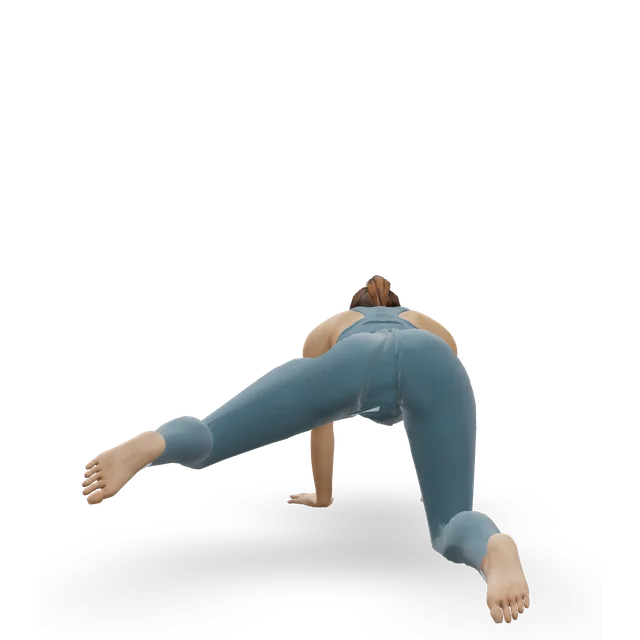 3D demoHip circles on all foursBeginner · No equipment
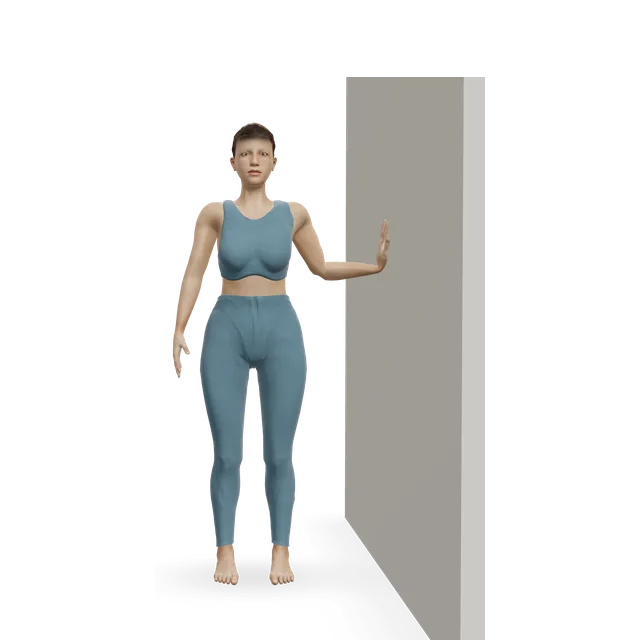 3D demoStanding hip CARsBeginner · A wall
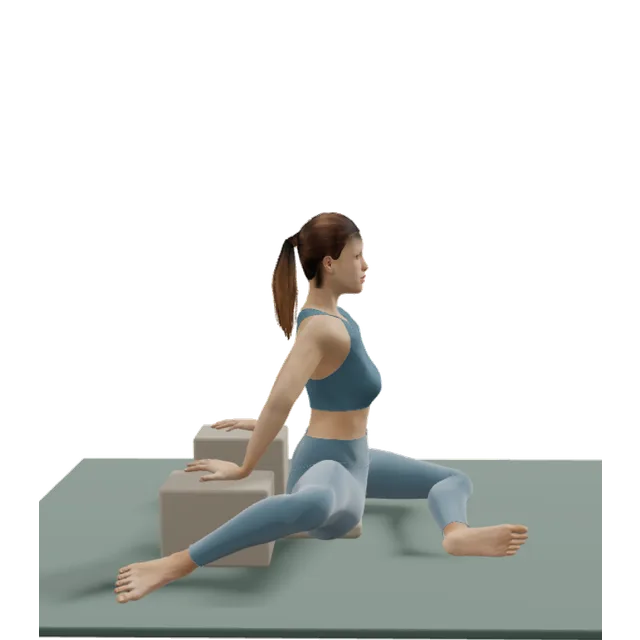 Supported 90/90 hip rotationIntermediate · A bench or box
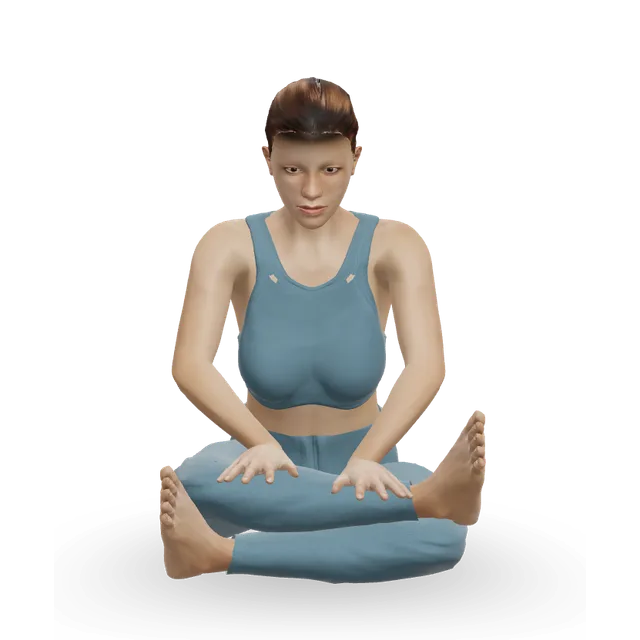 3D demoFire log pose (Agnistambhasana)Intermediate · No equipment
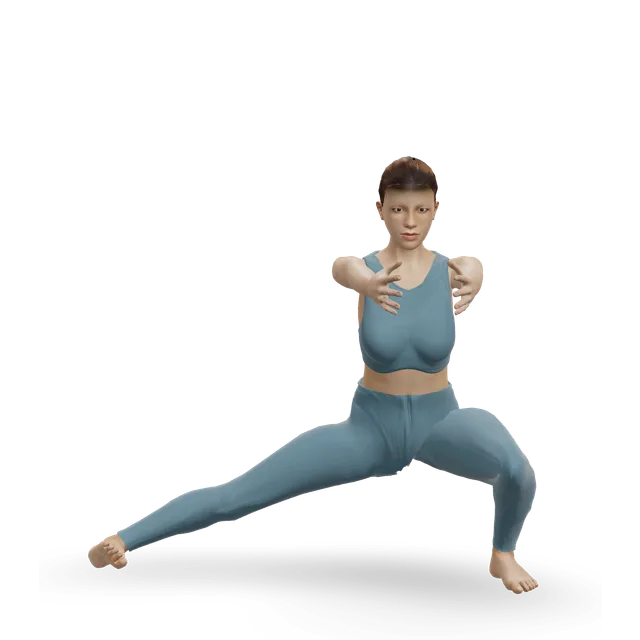 3D demoCossack squatIntermediate · No equipment
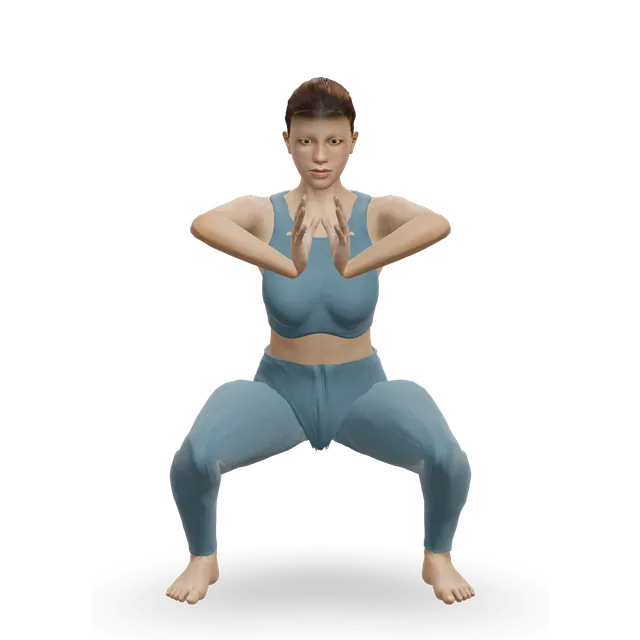 3D demoDeep squat holdIntermediate · No equipment
Browse more
Questions people ask
What muscles does the Hip windshield wipers work?
Mainly the glutes, with help from the adductors.
What equipment do I need for the Hip windshield wipers?
No equipment: your body weight and a little floor space.
Is the Hip windshield wipers good for beginners?
It is graded beginner, so it suits most people starting out. When it feels easy, try the 90/90 switch.
What is an easier alternative to the Hip windshield wipers?
Try the Supine heel slide. It is the suggested step down from this move.
How do I make the Hip windshield wipers harder?
Progress to the 90/90 switch or the 90/90 hip lift-off. Follow that guide’s technique and any stated timing.