Back pain after rugby: scrums, rucks and tackles, young players' stress fractures and what helps

A sore back after rugby is common, and it usually settles within days to a few weeks. Scrums, rucks and mauls, tackles, lineout lifting and the gym all ask a lot of the back. Most often it's tired, overloaded back muscles or a strain, and most players keep training without contact while it settles. Serious back and neck injuries in rugby are rare. In a young player, though, back pain that is worse arching backwards and won't settle can be a stress fracture of the spine (spondylolysis), which does well when it's found early.

This guide starts with the signs that need a 999 call or accident and emergency (A&E), such as neck pain or tingling after a collision, numbness around your genitals or bottom, or fainting on the pitch, and those that need a general practitioner (GP) or the National Health Service's 111 line (NHS 111), such as a young player's arching pain that lasts more than a couple of weeks. It then maps the causes by where it hurts and how old you are, gives World Rugby's, the Rugby Football Union's (RFU) and the Rugby Football League's (RFL) scrum and first aid rules and the Activate warm-up in their own words, and gives a four-stage plan with a 3D demo of every move, back to contact, scrums and matches.

When to get help first

Exercise is for pain that has been checked or is clearly mild and settling.

Get urgent medical help if

  • Call 999 or go to A&E: loss of feeling or numbness around the genitals or bottom, new trouble peeing or controlling your bladder or bowels, changes in genital sensation during sex or problems with erections or orgasm, or pain, tingling, weakness or numbness in both legs. These are signs of cauda equina syndrome, which needs treating in hospital urgently. Don't drive yourself.
  • Call 999 or go to A&E: leg pain with numbness around the genitals or bottom, new trouble starting or controlling peeing, not knowing when you need to poo or losing control of it, sciatica in both legs, or weakness or numbness in both legs that is severe or getting worse. These can be signs of cauda equina syndrome, which needs treating in hospital as soon as possible.
  • Call 999 or go to A&E: back pain with chest pain, or back pain that started after a serious accident, such as a car crash.
  • At the pitch: neck pain or tenderness after a collision, or severe neck pain. Keep the player still and call 999. Only trained healthcare professionals should move a player with a suspected neck injury.
  • Numbness, tingling, burning or weakness in both arms, in more than one limb, or in the legs: keep the player still and call 999. It can be an injury to the spinal cord, even if it passes in minutes.
  • Don't move them: the UK guidelines say someone with a suspected neck injury should be moved only by healthcare professionals with the right training. Call 999 (our suggestion).
  • Call 999 or go to A&E after a neck injury if the person is unresponsive, has severe neck pain or cannot move their head, has fallen from a height such as 5 or more stairs, or is drunk or has taken recreational drugs. Do not drive yourself. Being 65 or over, a dangerous fall or crash (from more than 1 metre or 5 stairs, diving, a high-speed or rollover crash, being thrown from a vehicle, a bicycle collision or an accident on a motorised recreational vehicle), or tingling in the arms or legs after an injury puts you at high risk of a broken neck: get checked.
  • Call 999 or go to A&E: new problems walking, loss of bladder or bowel control, or a sudden loss of coordination, such as difficulty doing up buttons. These can be signs of pressure on the spinal cord.
  • Call 999: after a fall, you may have hurt your head, neck, back or hip, or you cannot get up.
  • Same day (NHS 111): back pain after a new, significant injury in the last 7 days, such as a fall from a height (off a trampoline, a wall or a horse) or a direct blow to the back.
  • Call 999: sudden, severe pain in the tummy or back, which can come with breathlessness, pale or grey skin, or collapse. It can be a burst abdominal aortic aneurysm, most common in men aged 65 or over and in people who smoke or used to smoke.
  • Same day (GP or NHS 111): back pain and you feel hot, cold, shivery or generally unwell, or severe pain that starts suddenly or is getting worse quickly.
  • Ask for an urgent GP appointment or get help from NHS 111 if you think you may have a kidney infection (often pain in your lower back or side, with burning or stinging when you pee or needing to pee more often) and you have a very high temperature or feel hot, cold or shivery, a temperature below 36C, pain in the lower tummy or in the back just under the ribs, blood in your pee, you feel or are sick, you haven't had a pee all day, or you're pregnant. Call 999 or go to A&E if you're confused, drowsy or have difficulty speaking.
  • Same day: leg weakness that is getting worse; new leg pain with a history of cancer, HIV, TB or inflammatory arthritis; or leg pain with a fever, feeling unwell, loss of appetite, unexplained weight loss or night sweats.
  • Same day (urgent GP appointment or NHS 111): new difficulty lifting the front of your foot or toes (foot drop), or a foot that slaps down or catches as you walk, especially if it is getting worse. Weakness in both legs, or with numbness around the genitals or bottom or bladder or bowel changes, is the 999 emergency above.
  • Same day: you have or have had cancer, and new back pain that is severe and doesn't let up, is getting steadily worse, is worse at night and disturbs your sleep, is worse when you cough, sneeze or strain, or comes with tenderness over the spine. Contact your cancer team or GP urgently. With cancer, new weakness, difficulty walking, numbness or bladder or bowel problems are an emergency.
  • Same day (urgent GP appointment or NHS 111): sudden, severe pain in one joint, with swelling, a change in skin colour or difficulty moving it, especially if you feel unwell, hot, cold or shivery or have a high temperature (although not everyone has one). It could be an infection in the joint, gout or calcium crystals (pseudogout), and only a sample of fluid from the joint can tell them apart.
  • Call 999 if someone faints while exercising, or has chest pain that doesn't go away, spreads to the arms, neck, jaw, stomach or back, or comes with sweating, feeling sick, light-headedness or breathlessness.

See a doctor or physiotherapist if

  • Back pain that hasn't improved after a few weeks of looking after it at home, stops you doing day-to-day activities, worries you, or you're struggling to cope.
  • Pain, tingling or numbness spreading below the knee that isn't settling after a few weeks, is getting worse or stops your normal activities: see a GP.
  • A teenager in a sport that arches or twists the back, such as gymnastics, dance, diving, volleyball, tennis, cricket fast bowling, baseball pitching, weightlifting, football or rugby, with back pain that lasts more than a couple of weeks, is worse arching back or stops them training: get it checked by a GP or sports physiotherapist. It can be a stress fracture in the spine.
  • Lower back pain, or pain in your thighs or bottom, that doesn't go away after 3 to 4 weeks, or pain, numbness and tingling down one leg for more than 3 or 4 weeks: see a GP.
  • See a GP if your child is under 6 and has back pain, or if back pain lasts more than 4 weeks, stops them doing things, is getting worse or disturbs their sleep, or comes with weight loss, night sweats, a change in the shape of their spine, stiffness or difficulty moving, or pins and needles, weakness or numbness. This is the advice of the NHS children's physiotherapy services in Gwent (Aneurin Bevan University Health Board) and in York and Scarborough. A high temperature or feeling unwell needs help the same day, and bladder or bowel changes, numbness around the genitals or bottom, or symptoms in both legs need 999 (see above).
  • Neck pain or stiffness after a collision without arm symptoms, once a serious injury has been ruled out: our neck pain and whiplash guides cover the next steps.
  • Pain that doesn't improve with rest or is worse at night, or pain that is worse when you sneeze, cough or poo.
  • Unexplained weight loss, or a lump, swelling or change in the shape of your back.
  • Pain at the top of the back, between the shoulders, rather than in the lower back.
  • Back pain and stiffness that persists in a teenager or young adult. Ankylosing spondylitis tends to start at that age and can affect the whole spine.
  • Back pain that started before 45 and has lasted more than 3 months, especially if it started before 35, wakes you in the second half of the night, comes with buttock pain, gets better with movement or within 48 hours of anti-inflammatory painkillers, or you have or have had arthritis, pain where a tendon attaches to bone (enthesitis) or psoriasis, or a parent, brother, sister or child with spondyloarthritis. These can point to inflammatory back pain (axial spondyloarthritis, such as ankylosing spondylitis). The National Institute for Health and Care Excellence (NICE) asks GPs to refer people with 4 or more of these 9 features to a rheumatologist, and to do a blood test for the HLA-B27 gene marker if exactly 3 are present, referring if it is positive.
  • Sudden new back pain after a minor fall, lift, cough or sneeze, from 50 or past the menopause, or if you take long-term steroid tablets; or height loss, a curved spine or a change in posture: see a GP. It can be a spinal fracture.

Where does it hurt?

Location narrows the likely causes; it does not diagnose.

An ache across the low back the day after a match, a scrummaging session or heavy lifting, easing as you move

Tired, overloaded back muscles, the commonest cause. A lighter day or two, then the plan below; this guide covers it.

A sudden catch on one side after a tackle, a ruck, a lift or a twist, sore to bend and straighten

Ordinary back pain, often called a strain or spasm. Common, and it settles within days to weeks.

Read: Back spasm and pulled back muscle →

Pain on twisting or turning sharply, or in the ruck

Ordinary back pain brought on by turning. Common; turning comes back late in the plan.

Read: Back pain when twisting →

A young player whose low back hurts arching backwards, lifting or scrummaging, for more than a couple of weeks

A possible stress fracture of the spine (spondylolysis), common in teenagers with lasting back pain. Get it checked, as the warning signs say.

Read: Spondylolisthesis →

Pain, tingling or numbness spreading down one leg below the knee, often worse sitting or coughing

Sciatica, often from a disc. Less common; symptoms in both legs need a 999 call.

Read: Sciatica →

Low on one side, by the dimple at the back of the pelvis

Possibly the sacroiliac (SI) joint. Less common; the plan suits it.

Read: SI joint pain →

Between the shoulder blades after a knock or a fall

Usually the upper back muscles. The NHS asks for a GP check for pain between the shoulders.

Read: Upper back pain →

Sudden pain in one spot over the spine after a hard fall, a knee in the back or a collapsed scrum

A possible fracture or a deep bruise. Rare: get help the same day, or call 999 if the player can't get up.

Read: Spinal compression fracture →

Neck pain after a tackle, a ruck or a scrum, or burning or numbness down an arm

A neck injury or a stinger. Rare: keep the player still and call 999 for neck pain or symptoms in both arms or the legs, as the warning signs say.

Read: Stingers and burners →

A stiff, aching neck after scrums or contact, without arm symptoms

Neck muscles and joints, common in front-row forwards. Once a neck injury is ruled out, our neck pain guide covers it.

Read: Neck pain →

Back pain and stiffness lasting months in a teenager or young adult, worse in the morning, better with movement

Possibly inflammatory back pain (axial spondyloarthritis). Uncommon: see a GP.

Read: Chronic low back pain →

Fainting or chest pain on the pitch

Possibly the heart: call 999, as the warning signs say.

Understand it

Common, usually minor, and a small share of rugby injuriesEmerging evidence

The NHS says back pain "usually improves within a few weeks but can sometimes last longer or keep coming back". In English community rugby, counting injuries that kept players out for 8 days or more, the knee, shoulder, head, ankle and thigh led, the neck was ninth and the lower back wasn't among the top 10 sites.

In two seasons of the English Premiership (546 professional men), spinal injuries ran at 10.9 per 1,000 match hours and 0.37 per 1,000 training hours, and "Overall, players were more likely to sustain a cervical injury during matches and a lumbar injury during training". Lumbar (low back) injuries cost about 13 days in matches and 26 in training on average. In professional training, "Twenty two per cent of all training occurred during the preseason but 34% of all injuries were sustained in this period". Grassroots adult rugby has been studied less.

Sources 1, 2, 3, 4, 5

Scrums, rucks, tackles, lifting and the gymEmerging evidence

"During matches, more injuries were caused by tackles (37%), and during training more injuries were caused by weight-training (33%)" in professionals, and "The ruck and maul elements of the game caused most injuries to forwards, and being tackled caused most injuries to backs". Lumbar disc and nerve root injuries were among the commonest training injuries for professional forwards.

A University of Bath and RFU review of the scrum: "the incidence of acute injury associated with scrummaging is moderate but the risk per event is high". The forces are large and depend on how packs come together: "peak compression (horizontal) forces in the professional teams changed from 16.5 (baseline technique) to 8.6 kN (fold-in procedure)", and in live scrums binding before the hit (the crouch, bind, set sequence now in law) cut the peak stresses on front rows by 14% to 25% without weakening the push. In 29 hookers, "Engagement sequence had no effect on resultant kinematics of any spinal region". These studies measure load, not injury: no study has followed scrum load or lineout lifting and found it causes low back pain.

Across sport, "A previous episode of LBP, high training volume, periods of load increase and years of exposure are common risk factors" (LBP is low back pain). In teenage athletes, sport volume or intensity, pain in the legs, older age and being a girl went with back pain.

Sources 3, 5, 4, 6, 7, 8, 9, 10, 11

Young players: the stress fracture of the lower spineEmerging evidence

Spondylolysis is a crack, usually a stress fracture, in the thin bridge of bone at the back of a vertebra, most often the fifth in the low back. The American Academy of Orthopaedic Surgeons (AAOS) says "Spondylolysis is a weakness or stress fracture in one of the vertebrae, the small bones that make up the spinal column", and the NHS says a stress fracture is "more common in young athletes and gymnasts".

In 327 Japanese schoolboys X-rayed before they started, back pain over a year was common whatever the X-ray showed, but 72.5% of those with spondylolysis had pain, so "a radiographic abnormality, specifically spondylolysis, is a significant radiological risk factor for low back pain in high school rugby players". In one cohort of 185 Japanese teenage boys followed for a season, 25 had a lower back injury, and "The 18 players (72.0%) who reported injuries of the lower back were diagnosed with spondylolysis". That figure comes from one cohort of boys; in a US hospital sports clinic, 30% of 1,025 teenage athletes with back pain had spondylolysis. These are cohorts and clinic samples: they show a link, not that rugby causes the fracture.

Sources 12, 13, 14, 15, 16, 11

The neck: the rare serious causeEmerging evidence

Catastrophic injury in rugby, such as a serious spinal injury, is rare, and the rate differs by country. One review put it at 0.8 per 100,000 players a year in England, 0.9 in Ireland, 1.9 in Argentina, about 4 in New Zealand and Australia and 13 in Fiji, with rugby league at about 2 per 100,000; in union, the risk "was generally lower than or comparable with the levels reported for a wide range of other collision sports". In France, catastrophic neck injuries fell from 2.1 to 1.4 per 100,000 players a year, and in South Africa permanent spinal cord injury ran at 0.24 per 100,000 a year in juniors and 4.52 in seniors.

In union the scrum, and in league the tackle, are the commonest causes: in New South Wales, "The most common causes of injury were scrums for rugby union (35%) and tackles for rugby league (78%)", and hookers carry most of the scrum risk. Since the 1990s a growing share has come from the tackle, and most happened early in the season. The usual mechanism is a head-first impact that buckles the neck: "Facet dislocations, in particular bilateral facet dislocations, were identified as the most common types of cervical spine injury in rugby".

Sources 17, 18, 19, 20, 21, 22, 23

Stiff necks in front-row forwards, and backs after a careerEmerging evidence

In 47 front-row players and 40 other men, "Front-line rugby players showed more early degenerative alterations on magnetic resonance imaging scans than did the control subjects of the same age" (degenerative alterations are signs of wear), but in 14 professional front-row players with more change on X-ray, "Despite these findings the rugby players did not exhibit increased symptoms". Retired French professionals reported chronic neck pain more often than other men (51 of 101 against 27 of 85), with similar pain scores in those who had it.

Back pain is common in former athletes of every kind: 80% of former elite and 75% of former amateur rugby players reported current back pain, against 69% of former non-contact athletes, and "It is unclear if the high prevalence of back pain in former rugby code players is related to vertebral injuries during their playing career".

Sources 24, 25, 26, 27

When a scan matters, and what changes on scans meanStrong evidence

Most back pain after rugby needs no scan. The National Institute for Health and Care Excellence (NICE) says "Do not routinely offer imaging in a non-specialist setting for people with low back pain with or without sciatica", and "Imaging findings of spine degeneration are present in high proportions of asymptomatic individuals, increasing with age". Disc changes were common on neck scans of professional players without symptoms, too.

A young player with a suspected stress fracture is different: the NHS says the GP may arrange an X-ray, and other scans such as a magnetic resonance imaging (MRI) scan if there is pain, numbness or weakness in the legs, and the 2026 trial confirmed active spondylolysis on MRI. After a neck injury, NICE's spinal injury guideline decides who is scanned, using a rule whose high-risk factors include a "dangerous mechanism of injury" such as a blow to the top of the head.

Sources 28, 29, 30, 13, 31, 32, 33

What usually happensEmerging evidence

In 33 groups of people with recent low back pain, "Patients who presented with acute or persistent low-back pain improved markedly in the first six weeks". The Chartered Society of Physiotherapy (CSP) says back pain is "very common and rarely dangerous". Professional players' lumbar injuries cost 2 to 4 weeks on average.

Spondylolysis in young people: in the 2026 trial, physiotherapy straight away brought athletes back 38 days sooner than resting first, with fewer recurrences over 12 months (3% against 29%), and a 3-month MRI showed healing in 81%. Across 11 studies, return to sport was 92.2% without surgery.

Sources 34, 35, 3, 31, 32, 36

When it isn't rugby: the causes the warning signs cover

Some back and neck pain has causes rugby didn't create, or needs more than a plan, and the warning signs follow the pages behind them. Numbness around the genitals or bottom, bladder or bowel changes or symptoms in both legs can be cauda equina syndrome, as the NHS back pain and sciatica pages say. After a collision, the UK grassroots concussion guidelines, World Rugby and the Gaelic Athletic Association (GAA) agree that only trained healthcare professionals should move a player with a suspected neck injury, and burning, tingling or weakness in both arms or the legs can be a brief injury to the spinal cord, as the stingers studies and reviews describe; NHS inform, NICE and the NHS's cervical spondylosis page set the 999 signs after a neck injury.

A fall where someone can't get up follows the NHS falls page, and a new blow to the back NHS inform's back problems page. A burst aortic aneurysm, a kidney infection, foot drop and back pain with cancer follow the NHS pages and NICE's guideline on spinal metastases, and leg weakness that is getting worse follows a Leicestershire NHS physiotherapy leaflet. A hot, swollen joint can be an infection, as the NHS septic arthritis page says, and fainting or chest pain during exercise needs a 999 call, as the NHS fainting and chest pain pages say. A young athlete's stress fracture, children's back pain, inflammatory back pain and a spinal fracture after a minor fall follow the long-term spondylolysis cohorts, two NHS children's physiotherapy services, the NHS ankylosing spondylitis page, NICE and the osteoporosis guidance. The back hub's pain rule follows the World Health Organization (WHO) guideline and a review of leg symptoms that move back towards the spine, and the young athletes' rule a review of non-surgical care and the CSP's myth busters.

Sources 1, 37, 38, 33, 65, 66, 67, 68, 69, 70, 71, 72, 73, 74, 75, 76, 77, 78, 79, 80, 81, 39, 82, 83, 84, 85, 86, 87, 88, 89, 90, 91, 92, 93, 94, 95, 96, 97

What helps, and how strong the evidence is

Exercise treats back pain and lowers the chance of another boutStrong evidence

No trial has tested back pain treatment in rugby players, so the evidence comes from back pain in general. Across 249 trials, "We found moderate-certainty evidence that exercise treatment is more effective for treatment of chronic low back pain compared to no treatment, usual care or placebo comparisons for pain outcomes at earliest follow-up (MD -15.2, 95% CI -18.3 to -12.2), a clinically important difference" (MD is the mean difference on a 100-point scale, CI the confidence interval). NICE says "Consider a group exercise programme" for an episode or flare-up, and the CSP says "No one type of exercise is proven to be more effective than others so just pick an exercise you enjoy".

For prevention, across 21 trials (30,850 people, mostly not athletes), "there was moderate-quality evidence that exercise combined with education reduces the risk of an episode of LBP (0.55 [0.41-0.74])".

Sources 40, 28, 41, 35

Young players' stress fractures: physiotherapy straight away beat resting firstEmerging evidence

In a multicentre trial of 64 athletes aged 10 to 19 with active spondylolysis, starting physiotherapy straight away did better than resting first: "Immediate PT showed greater initial improvements in pain and dysfunction, a quicker return to sport and a lower recurrence of LBP compared with rest before PT among adolescent athletes with spondylolysis" (PT is physiotherapy), and "PT can begin immediately without negatively affecting healing of spondylolysis on MRI".

"Bracing does not seem to influence this outcome" across 15 observational studies, and surgery is rare: return to sport was 92.2% without it and 90.3% with it. For lumbar stress reactions in professional collision athletes, an expert review says "Nonoperative treatment is the treatment of choice with rehabilitation programs focused on pain-free positioning and progressive strengthening".

Sources 31, 32, 42, 36, 43

Scrum laws and coach education were followed by fewer serious scrum injuriesEmerging evidence

These are before and after studies, so they show timing, not proof of cause. In New Zealand, after the compulsory RugbySmart course for coaches and referees, "Only one spinal injury resulted from scrums over the period; the predicted number was 9.0 (relative rate=0.11, 0.02 to 0.74)", and the authors wrote that the programme "coincided with a reduction in the rate of disabling spinal injuries arising from scrums in rugby union". Moderate to serious scrum neck and back injury claims fell after a 2007 scrum law change (52 against 76 predicted per 100,000 forwards, a result that wasn't conclusive).

In France, catastrophic neck injuries fell from 2.1 to 1.4 per 100,000 players a year after scrum law changes. In South Africa, junior players had 2.5 fewer serious injuries a year after the BokSmart programme began, but "there was no significant difference in these periods in seniors". New Zealand Rugby: "Our Provincial Unions facilitate compulsory RugbySmart Injury Prevention courses for all rugby referees and coaches of grades over Under 13 level at the beginning of every rugby season".

Sources 44, 45, 18, 46, 47

Scrum safety and first aid, in the governing bodies' wordsStrong evidence

World Rugby's law: "Hookers must have a 'brake' foot positioned to help stability and to avoid axial loading", and "If a scrum collapses or if a player in the scrum is lifted or is forced upwards out of the scrum, the referee must blow the whistle immediately so that players stop pushing". "It is a team’s responsibility to ensure that all front-row players and front-row replacements are suitably trained and experienced", and "Scrums will become uncontested if either team cannot field a suitably trained front row or if the referee so orders". Its coaching pages: "Players should NOT play in the scrum until they are Scrum Ready", and "Ensure neither front row is driving down or have their shoulders below their hips". In June 2026 World Rugby's Council made the brake foot full law, calling it "The scrum brake foot which reduces axial loading (pressure on heads and necks) in the scrum".

The RFL's first aid standards: "If there is a neck injury suspected or the player doesn’t have a normal level of consciousness, they should only be moved by trained health care professionals". The RFU's player safety regulation: "In particular, it is recommended to seek medical advice after injury and before recommencing any rugby activity". SA Rugby: "The BokSmart Spineline is a dedicated emergency rugby helpline for serious concussion, head, neck, and spine injuries".

Sources 48, 49, 50, 51, 52, 53, 54, 55

Activate, the warm-up from England Rugby and World RugbyEmerging evidence

World Rugby: "All versions start with a running-based warm-up, followed by exercises to train and develop lower limb balance, strength, power, mobility, and control when landing and changing direction", and "The best benefits come from using Activate three times per week". Its adult phases include neck exercises in every phase. Its two trials, in schoolboys and adult men, counted injuries and concussions, not back pain, so its effect on back pain is unknown.

Sources 56, 57, 58, 59

Neck strengthening: builds strength, unproven for neck injuriesMixed evidence

In 28 under-18 players (a pilot randomised trial), 8 weeks of 15-second pushes against their own head in four directions, 3 times a week, raised neck strength by about 156 newtons more than in the comparison players. But no trial has measured neck injuries, and in one professional squad a 26-week neck programme was followed by "no other significant changes to primary outcome variables" (neck injuries 8 against 6).

Sources 60, 61

Medicines, belts and bracesStrong evidence

NICE says "Consider oral NSAIDs for managing low back pain, taking into account potential differences in gastrointestinal, liver and cardio-renal toxicity, and the person's risk factors, including age" (NSAIDs are anti-inflammatory painkillers such as ibuprofen), "Do not offer paracetamol alone for managing low back pain" and "Do not offer belts or corsets for managing low back pain with or without sciatica". A brace didn't change the outcome of spondylolysis in young people.

Sources 28, 1, 42

Scrum load, lineout lifting and Activate for the back: no study found

We found no study that links scrum load, lineout lifting or a particular technique to low back pain, no trial of Activate or a core programme for back pain in rugby players, and no MRI study of the low back in rugby players. The scrum studies measure forces, not injuries.

How much pain is OK while you exercise?

Up to 5 out of 10 for adults, no pain for a young player's stress fracture, and zero tolerance for arm or neck symptomsEmerging evidence

Some discomfort during exercise is fine, and it does not mean you are doing damage: the WHO counts "hurt does not necessarily mean harm" among the messages people with back pain need. Aim for pain you would call mild to moderate, no more than about 5 out of 10. It should settle within an hour or so, and your back should be no worse the next morning. If it is worse, do less next time (fewer reps, a smaller range, a lighter load), not nothing.

Leg symptoms are the exception: stop or shrink any movement that sends pain, pins and needles or numbness further down your leg. If leg symptoms move back towards your spine, that is a good sign, even if your back aches a little more for a while.

If pain climbs day after day, or you notice any warning sign, stop and get it checked. The 5 out of 10 figure matches this site's other pain guides and has not been tested in a back pain trial; in trials of long-lasting muscle and joint pain, exercise that allowed some pain did no harm.

Young athletes with an active stress fracture: exercises and daily activities shouldn't bring on the back pain. Move to the next stage only when you can bend forwards and backwards 10 times standing without pain, and later run, jump and train without pain. Ordinary muscle effort and stretch are fine; back pain is not. If an exercise brings the pain back, tell your physiotherapist and step back for a few days. In the trial, athletes were told that pushing through pain could slow their return to sport, and a specialist programme stops or changes any activity that makes the pain worse during or after it.

Any burning, tingling, numbness or weakness down the arm, or neck pain, during or after an exercise means stop and get it checked. Returning to play needs nerve function back to normal and pain-free neck and shoulder movement, and AAOS says athletes should never return with weakness or neck pain.

Before contact: pain-free, full neck and shoulder movement and full strength on both sides, then a gradual return to collision work.

For rugby (our suggestion, built on the rules above, the spondylolysis trial's pain-free criteria and the risk factor studies): judge each session or match by your back during it, that evening and the next morning. Adults: up to 5 out of 10 that settles within an hour, with your back no worse the next morning; if it is worse, cut live scrums, rucking, lifting and heavy gym work next time, not all rugby, and avoid doubling your training or match time from one week to the next. Young players whose back hurts arching backwards: no pain is the rule, during and after, until a doctor or physiotherapist has checked them. Neck pain after contact, burning or numbness down an arm, pain in one spot over the spine after a fall or a collapsed scrum, pain spreading down a leg, numbness or weakness are not pain-rule questions: stop and see the warning signs.

Sources 62, 1, 94, 95, 96, 97, 31, 68, 63, 98, 99, 10

The exercise plan: 4 stages

Start at the first stage. Each move opens a full guide with a 3D demo.

Stage 1

Settle: keep moving; contact, scrummaging and lifting on hold

About the first 1 to 2 weeks: little and often, keep walking and move your back gently in every comfortable direction, as the NHS and NICE advise. Running and non-contact skills can carry on within the pain rule (our suggestion). Front-row players with a stiff neck as well start the gentle chin tucks once a neck injury has been ruled out. A young player with a suspected or diagnosed stress fracture of the spine follows our spondylolisthesis guide's pain-free plan under a physiotherapist instead of stages 1 to 3; with pain down a leg, our sciatica guide's first stage suits better.

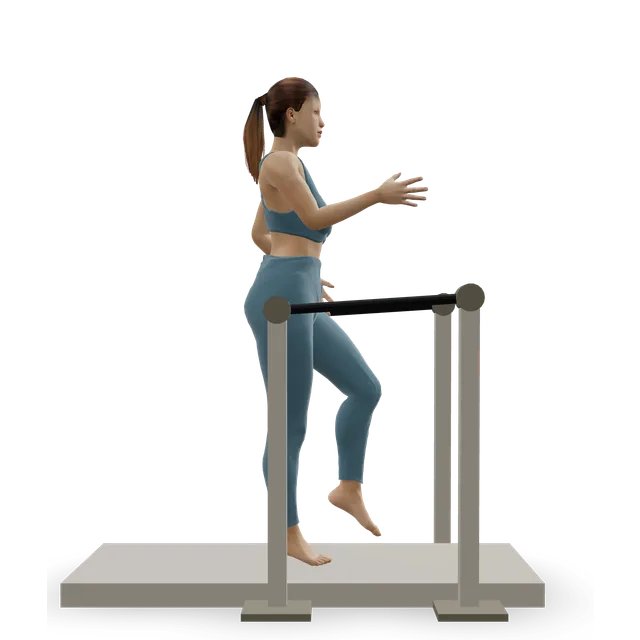
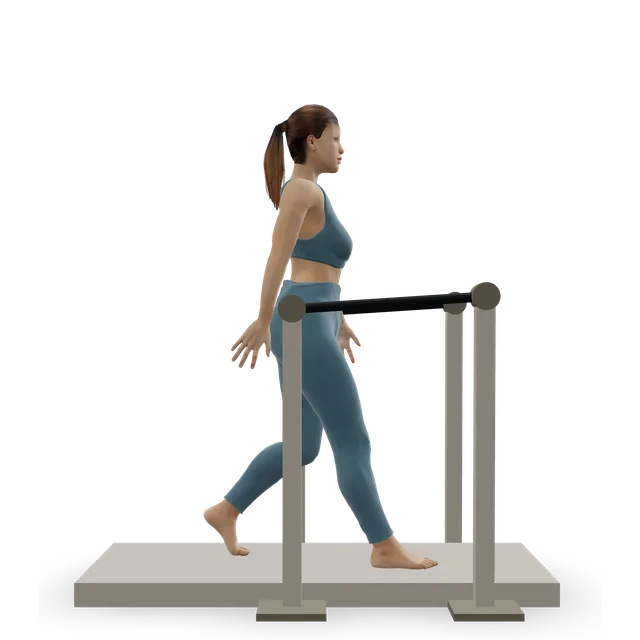
Treadmill walking demonstrated on the 3D figure3D demoTreadmill walkingBeginner · Cardio machine

5 to 10 min, several times a day · As in our football back guide (editorial). Walking outdoors counts

Easier: Recumbent exercise bike · Harder: Treadmill jogging

Cat-cow demonstrated on the 3D figure3D demoCat-cowBeginner · No equipment

8 waves, slower than feels natural · The move page's dose. Gentle bending both ways

Harder: Half lord of the fishes (Ardha Matsyendrasana)

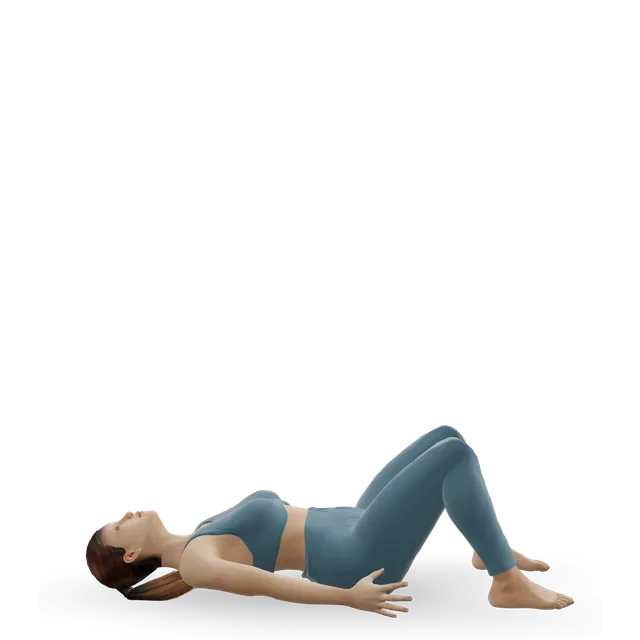
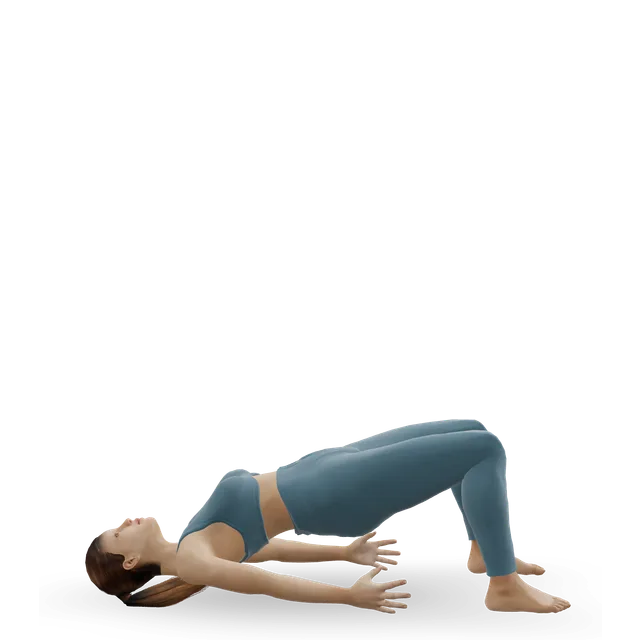
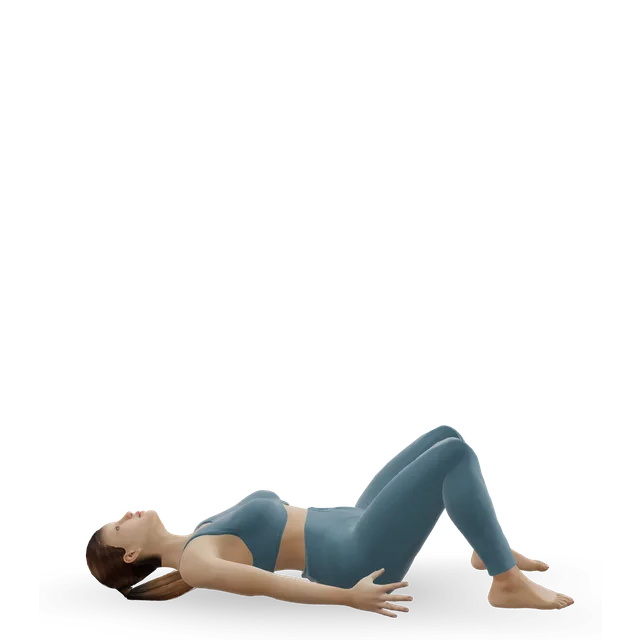
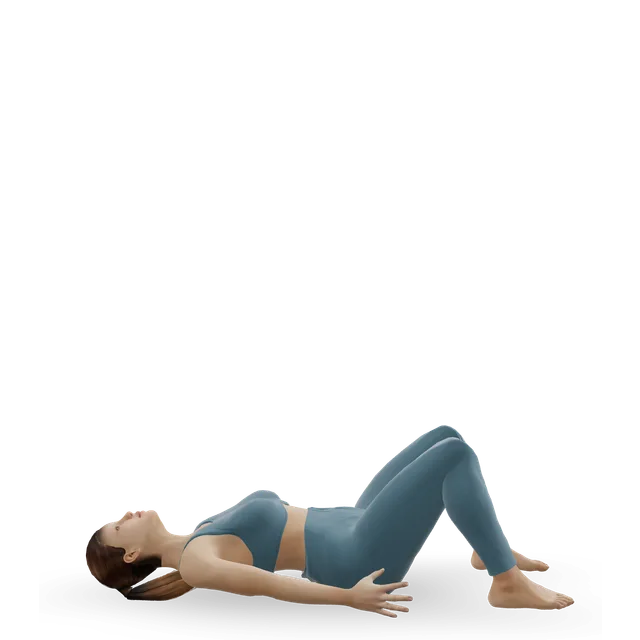
Pelvic tilt into bridge demonstrated on the 3D figure3D demoPelvic tilt into bridgeBeginner · No equipment

The tilt first: 2 to 3 at a time, building to sets of 8 · As in our football back guide: NHS inform's pelvic tilt, with its pacing

Harder: Glute bridge

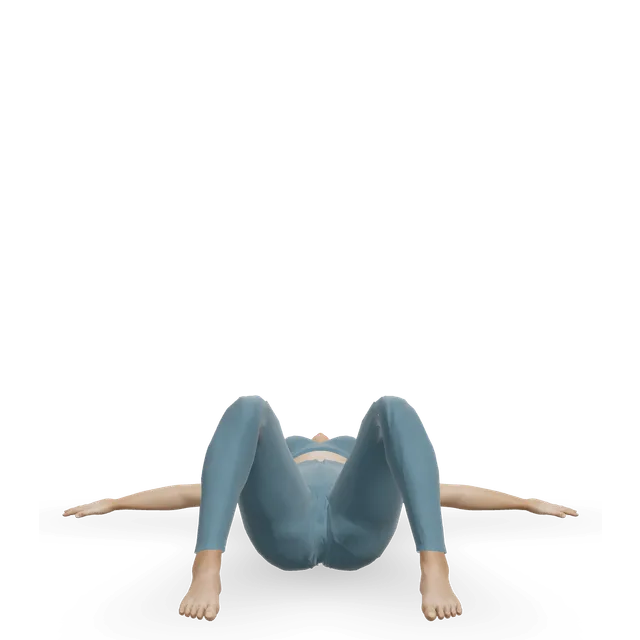
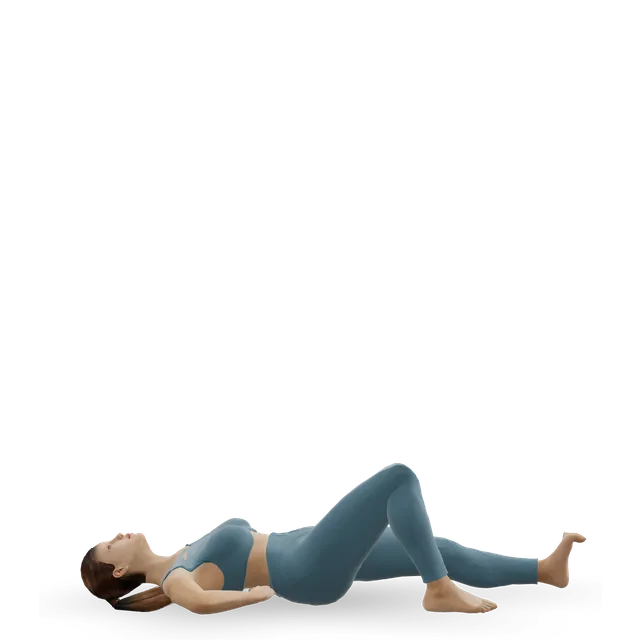
Hip windshield wipers demonstrated on the 3D figure3D demoHip windshield wipersBeginner · No equipment

10 slow passes side to side, 2 rounds · From the move page's dose (an editorial starting point). Small, easy turns low in the back

Easier: Supine heel slide · Harder: 90/90 switch

Thoracic rotation demonstrated on the 3D figure3D demoThoracic rotationBeginner · No equipment

6 rotations per side, moving with the breath · The move page's dose. Turning from the upper back

Easier: Side-lying open book · Harder: World's greatest stretch

Chin tuck demonstrated on the 3D figure3D demoChin tuckBeginner · No equipment

5 to 10 repetitions with a 5 s hold, 2 to 3 times a day · As in our stingers guide (editorial). For a stiff neck after scrums or tackles, only once a neck injury has been ruled out

Easier: Lying chin tuck · Harder: Isometric neck holds (four-way)

Move on when: You can walk for 15 to 20 minutes and do a few easy squats and a hinge within the pain rule, and your back is no worse the next morning (editorial, as in our football back guide).

Follow along: a timer, a cue and the next move, one step at a time.
Stage 2

Build: trunk endurance, the hinge and the hips

About weeks 2 to 6, 2 or 3 sessions a week with walking or easy running on most days: trunk and hip strength with the spine held still, and the hip hinge, the position for picking up the ball, the ruck and the lift.

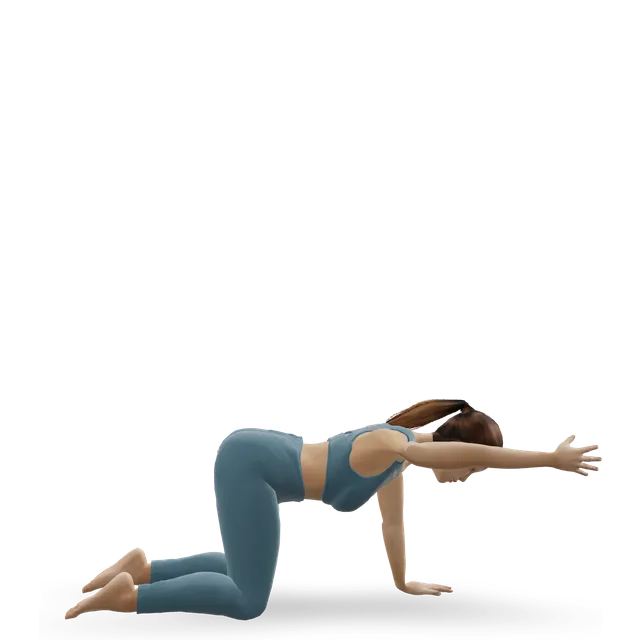
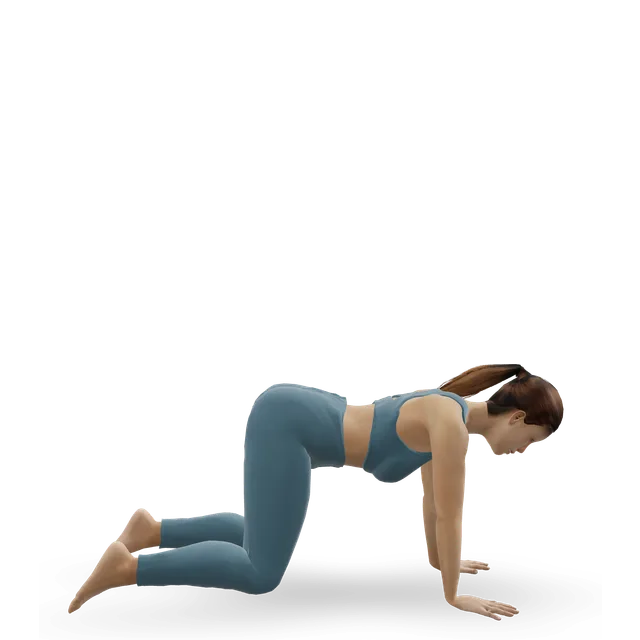
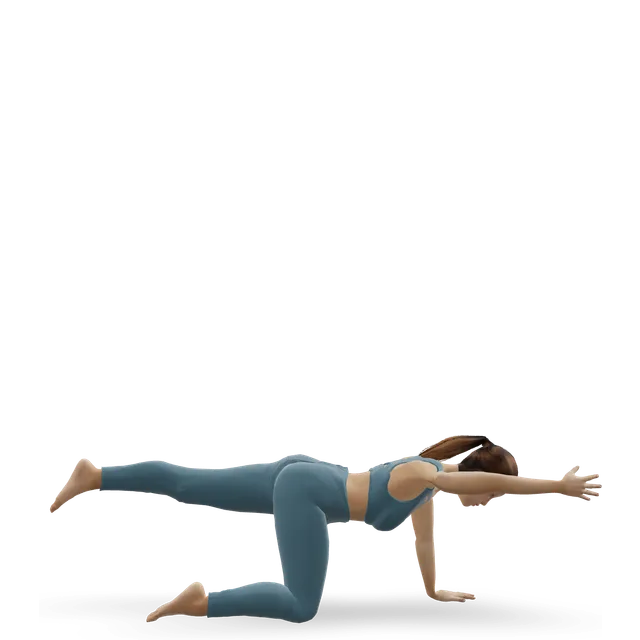
Bird dog, one limb at a time demonstrated on the 3D figure3D demoBird dog, one limb at a timeBeginner · No equipment

3 sets of 6 to 8 each side, with 3 to 5 s holds; then the full bird dog · As in our football back guide (editorial)

Easier: Side-lying tummy draw-in · Harder: Bird dog

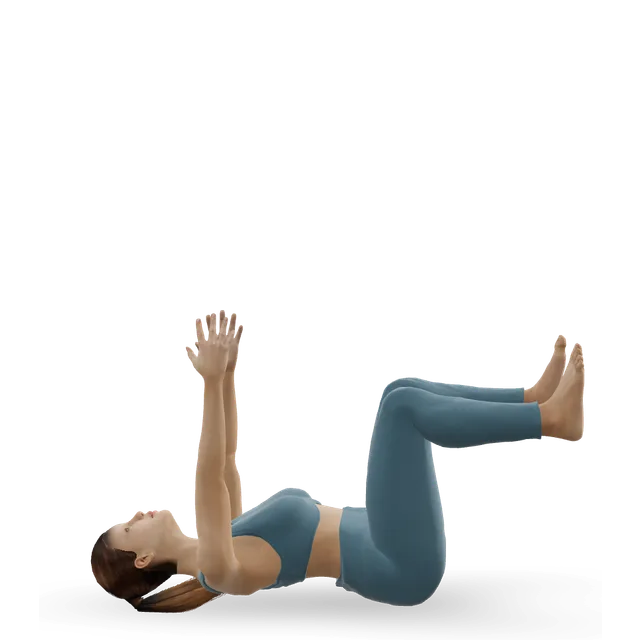
Dead bug heel taps demonstrated on the 3D figure3D demoDead bug heel tapsBeginner · No equipment

2 sets of 6 to 8 each side · As in our football back guide (editorial)

Easier: Bent-knee fall-out · Harder: Forearm plank

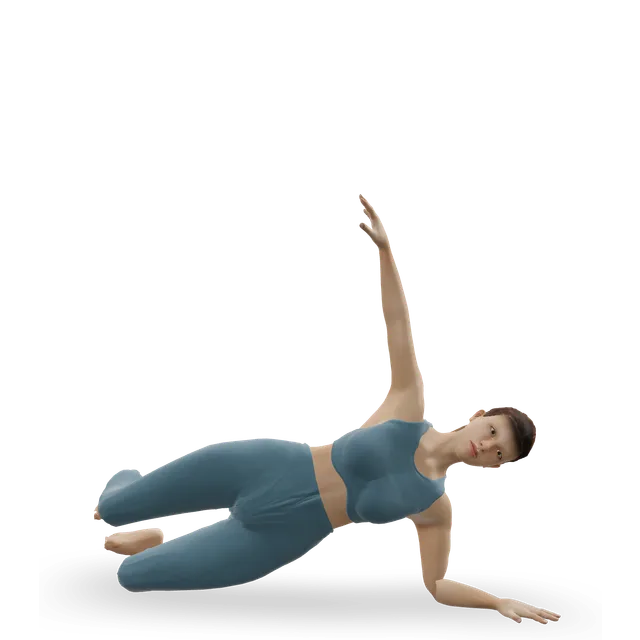
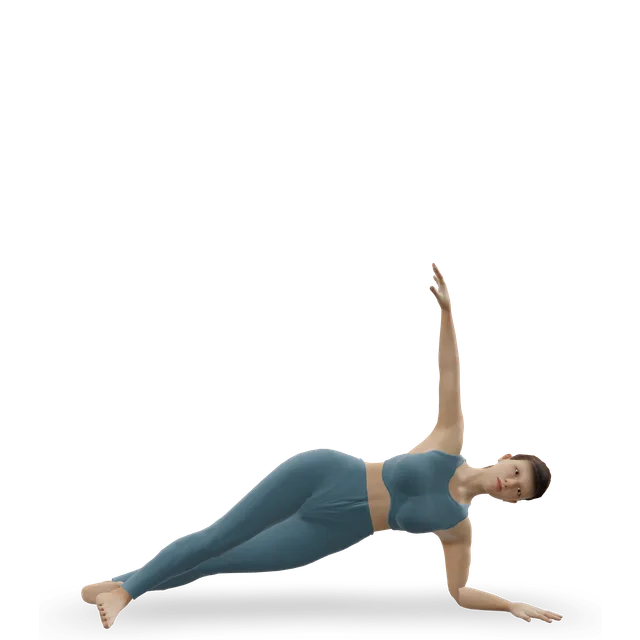
Knee side plank demonstrated on the 3D figure3D demoKnee side plankBeginner · No equipment

3 holds of 15 to 20 s each side · As in our football back guide (editorial); compare the two sides

Harder: Side plank

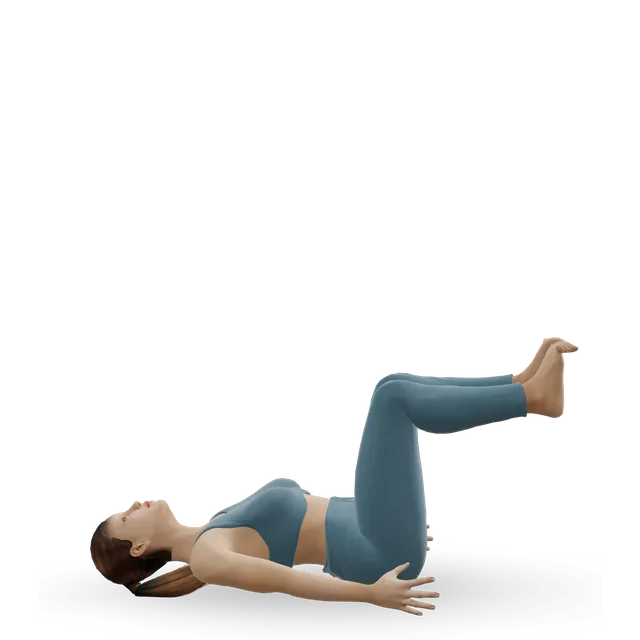
McGill curl-up demonstrated on the 3D figure3D demoMcGill curl-upBeginner · No equipment

3 to 5 holds of 8 to 10 s · As in our football back guide (editorial). Skip it if bending forward sends pain down a leg, as the move page says

Harder: Crunch

Glute bridge demonstrated on the 3D figure3D demoGlute bridgeBeginner · No equipment

2 to 3 sets of 10 · As in our football back guide (editorial). Lift only to a straight line, without arching

Easier: Pelvic tilt into bridge · Harder: Single-leg glute bridge

Hip-hinge practice demonstrated on the 3D figure3D demoHip-hinge practiceBeginner · No equipment

2 to 3 sets of 10 · As in our football back guide (editorial). Hips back, back long: the shape for the ruck, picking up the ball and lifting in the lineout

Harder: Kettlebell deadlift

Move on when: Every set is controlled and your back is no worse the next morning, for a week (editorial).

Follow along: a timer, a cue and the next move, one step at a time.
Stage 3

Rugby strength: legs, a trunk that resists a twist, the neck and carries

About weeks 6 to 10, 2 or 3 sessions a week: leg and hip strength for driving in the scrum, ruck and maul, a trunk that resists a twist, the loaded hinge, neck holds and carries, as our strength workout for rugby players builds them.

Side plank demonstrated on the 3D figure3D demoSide plankIntermediate · No equipment

3 holds of 20 to 30 s each side · As in our football back guide (editorial)

Easier: Knee side plank · Harder: Side plank with leg lift

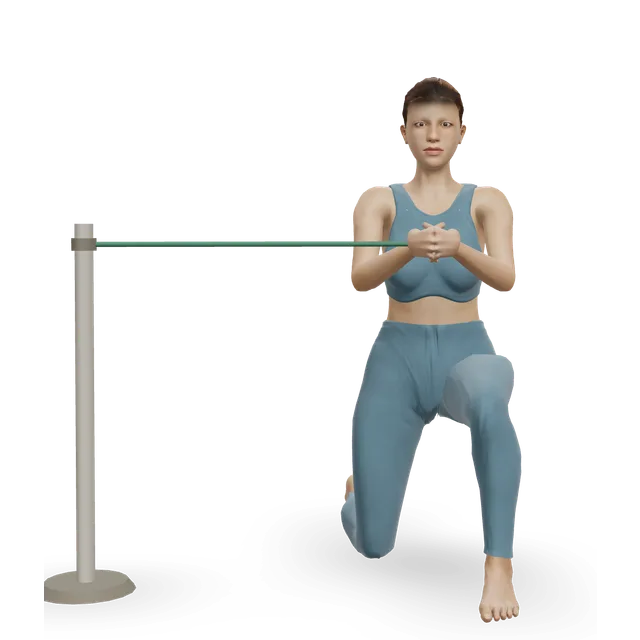
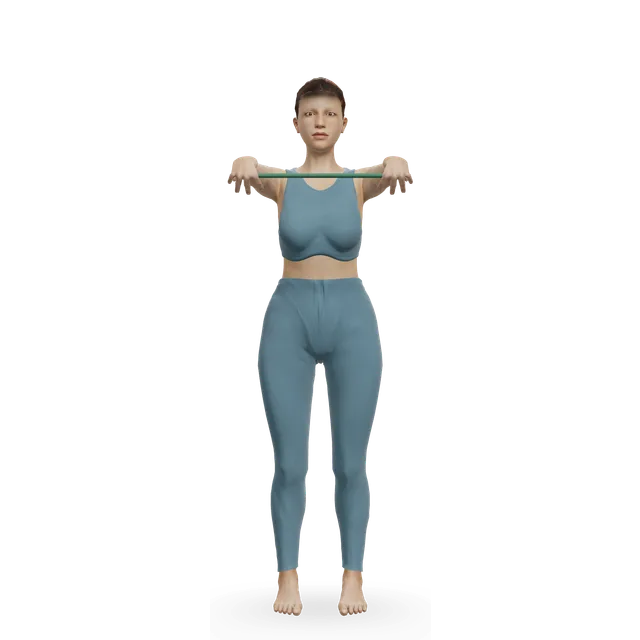
Half-kneeling Pallof press demonstrated on the 3D figure3D demoHalf-kneeling Pallof pressBeginner · A band + An anchor point

2 to 3 sets of 8 to 10 each side · As in our football back guide (editorial). It trains the trunk to resist a twist

Harder: Pallof press

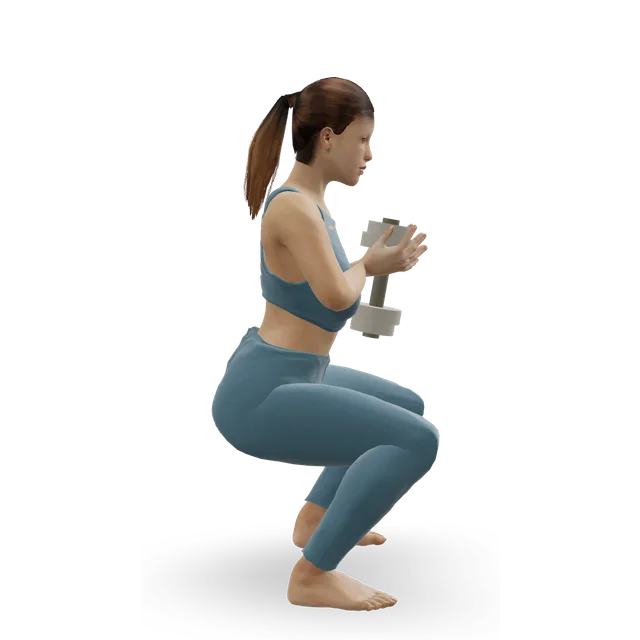
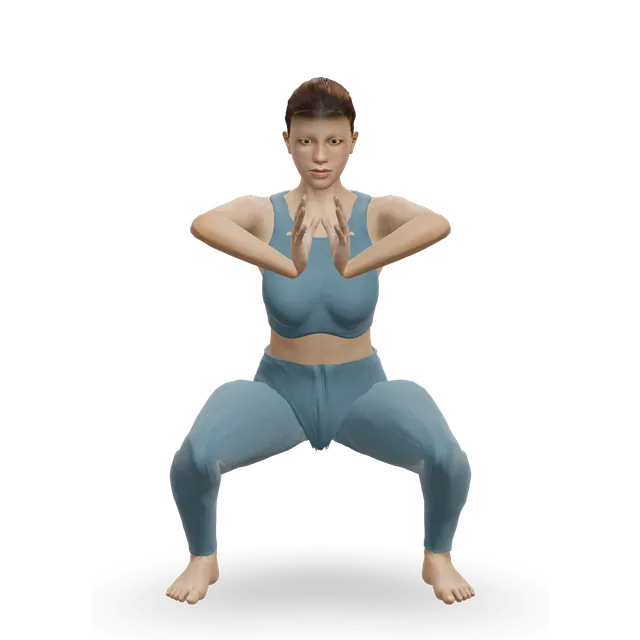
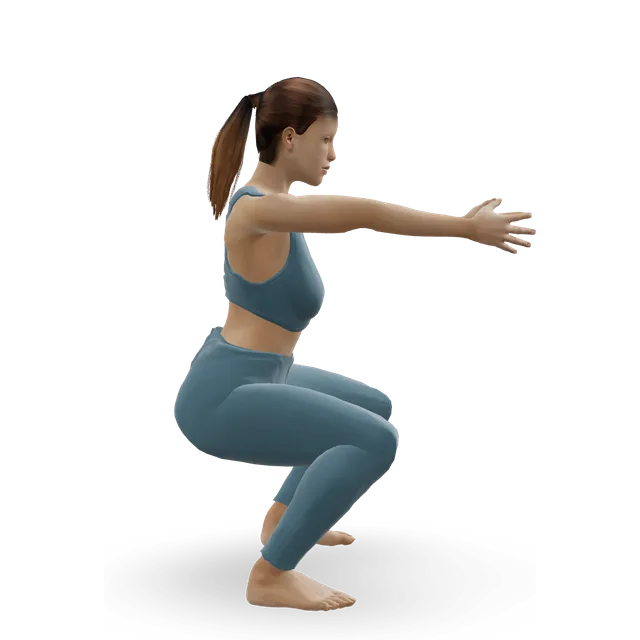
Dumbbell goblet squat demonstrated on the 3D figure3D demoDumbbell goblet squatIntermediate · A dumbbell

3 sets of 8 to 10 · As in our football back guide (editorial). Then the barbell squat in our strength workout for rugby players

Easier: Bodyweight squat · Harder: Barbell front squat

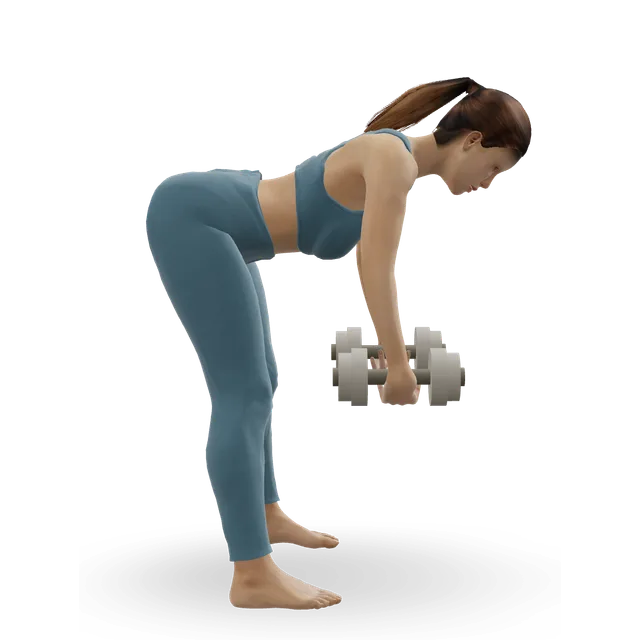
Dumbbell Romanian deadlift demonstrated on the 3D figure3D demoDumbbell Romanian deadliftIntermediate · A dumbbell

3 × 8 to 10 · As in our strength workout for rugby players (editorial). 3 seconds down, back long; the move page asks for a current disc problem to be assessed before loading a hinge

Easier: Hip-hinge practice · Harder: Single-leg Romanian deadlift

Isometric neck holds (four-way) demonstrated on the 3D figure3D demoIsometric neck holds (four-way)Beginner · No equipment

3 holds of 10 s each direction at moderate effort, building to 15 s · As in our strength workout for rugby players (editorial). Build the pressure slowly; stop for pain, dizziness or pins and needles

Easier: Chin tuck · Harder: Chin tuck with head lift

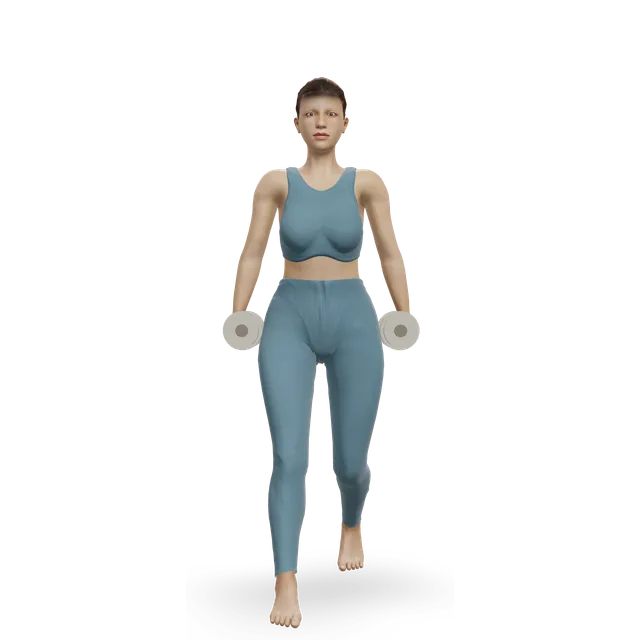
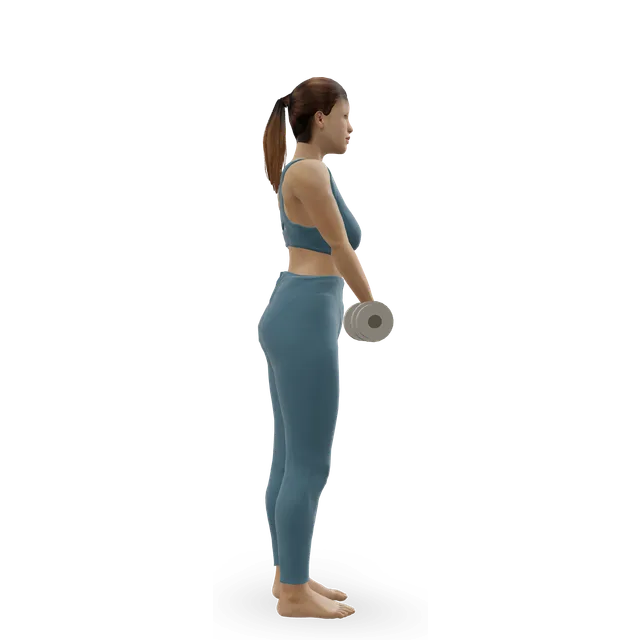
Farmer's carry demonstrated on the 3D figure3D demoFarmer's carryIntermediate · A dumbbell + A kettlebell

2 × 30 m · As in our strength workout for rugby players (editorial). Tall and braced

Harder: Suitcase carry

Move on when: These are within the pain rule, and a full training day without contact leaves your back no worse the next morning (editorial).

Follow along: a timer, a cue and the next move, one step at a time.
Stage 4

Back to rugby: Activate, then contact, scrums and lifting

From about weeks 8 to 12, then for good: Activate as the warm-up at every training session, two strength sessions a week (stages 2 and 3), and rugby back by the written steps below. No study has tested a return to rugby after back pain; the order is our suggestion, built on Activate, our rugby page's contact steps (walk-throughs, then tackle bags, then live contact) and the spondylolysis trial's return criteria.

Single-leg Romanian deadlift demonstrated on the 3D figure3D demoSingle-leg Romanian deadliftAdvanced · A dumbbell

10 each leg · As in our Activate rugby warm-up (the manual's arabesque with aeroplane)

Easier: Dumbbell Romanian deadlift

Mountain climbers demonstrated on the 3D figure3D demoMountain climbersIntermediate · No equipment

6 sets of 5 · As in our Activate rugby warm-up. Head up, shoulders level with your hips

Easier: Jumping jack · Harder: Burpee

Isometric neck holds (four-way) demonstrated on the 3D figure3D demoIsometric neck holds (four-way)Beginner · No equipment

15 s each direction · As in our Activate rugby warm-up (static neck contractions, in every adult phase)

Easier: Chin tuck · Harder: Chin tuck with head lift

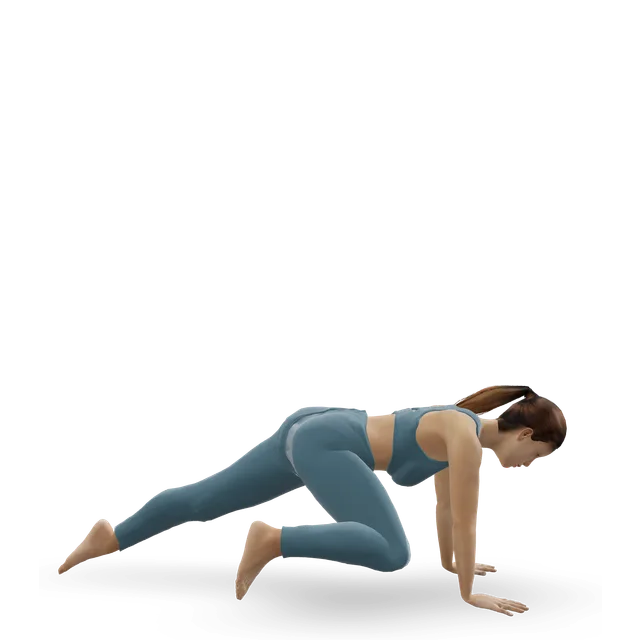
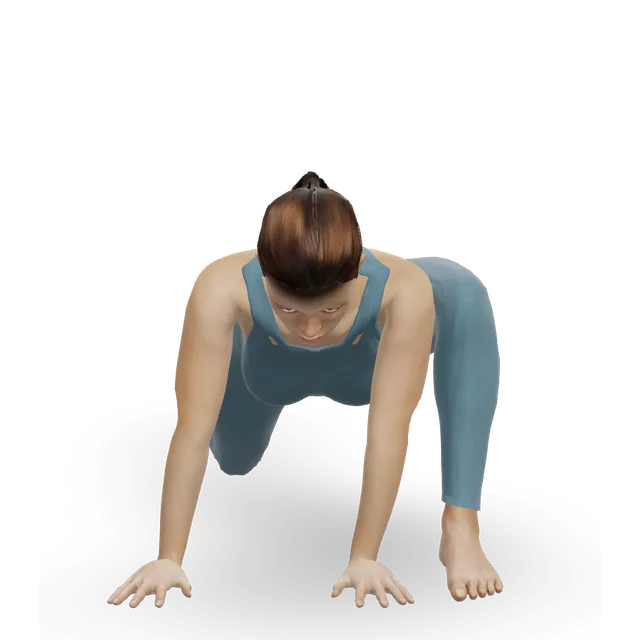
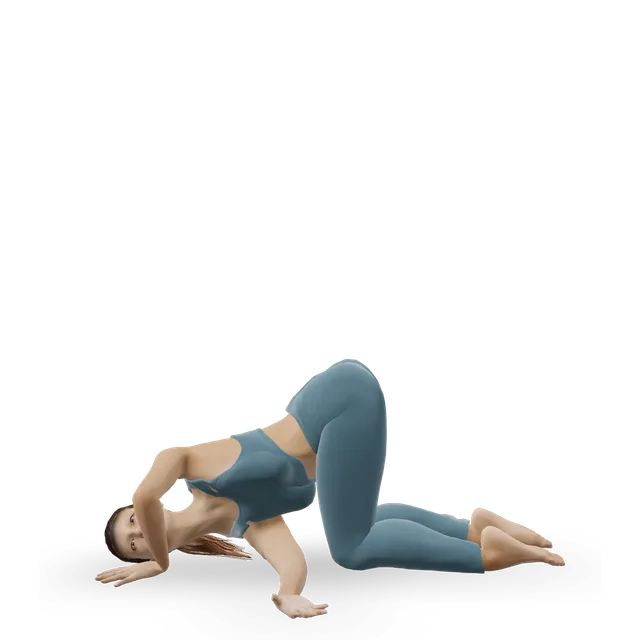
Bear crawl demonstrated on the 3D figure3D demoBear crawlIntermediate · No equipment

4 crawls of 8 to 10 metres, forwards and back, resting as needed · From the move page's dose (an editorial starting point). A low, flat-backed position on all fours, as in the ruck and the bind (our note)

Easier: Knee hover (Pilates tabletop hover) · Harder: Spider crawl (low push-up knee drive)

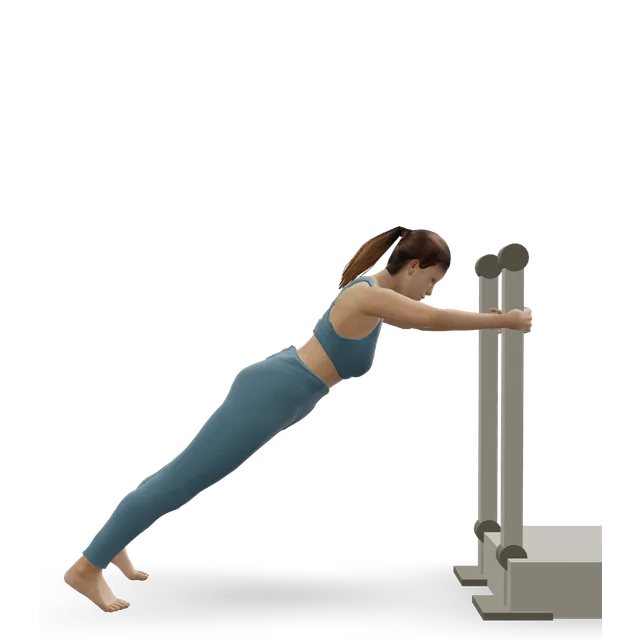
Sled push demonstrated on the 3D figure3D demoSled pushIntermediate · A sled

4 to 8 pushes of 15 to 20 metres with a load you can keep moving briskly, walking back between · From the move page's dose (an editorial starting point). For forwards before scrummaging: a long, braced back and leg drive (our note); keep breathing, as the move page says

Easier: Prowler sprint (light sled push) · Harder: Alternate-leg box push-off

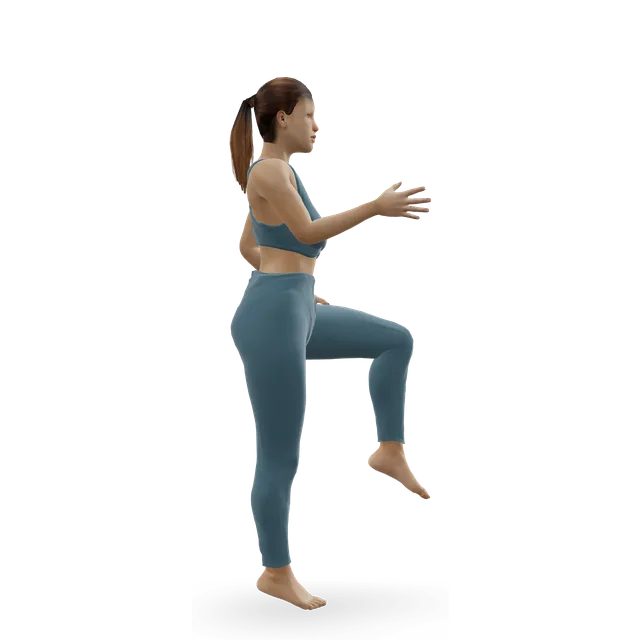
Shuttle runs demonstrated on the 3D figure3D demoShuttle runsAdvanced · No equipment

2 × 30 s · As in our Activate rugby warm-up (5 m shuttles: repeated sprints)

Easier: Treadmill jogging

Move on when: Training and matches stay within the pain rule and your back is no worse the next morning (editorial). Drop back a stage for a week after a flare rather than stopping.

Follow along: a timer, a cue and the next move, one step at a time.

What to change for now

What to do now (written steps)

Our 3D figure can't show these. They come from the NHS, NICE and the CSP; where a step is our suggestion, it says so.

  • 1. The NHS: "stay active and try to continue with your daily activities", ice or heat wrapped in a tea towel, and "do not stay in bed for long periods of time"; "Activities like walking, swimming, yoga and pilates may also help ease back pain". The CSP: "Avoid bedrest, stay in work and gradually resume normal activities".
  • 2. For a week or two (our suggestion): leave live scrums, rucking, lineout lifting and heavy squats and deadlifts until the back has settled; keep running, passing and non-contact skills within the pain rule.
  • 3. Build training back gradually, especially in pre-season, rather than doubling it from one week to the next: a big jump in load goes with back pain in athletes.
  • 4. Neck pain after contact, burning or numbness down an arm, pain in one spot over the spine after a fall or a collapsed scrum, or numbness around the genitals or bottom isn't an ordinary rugby ache: see the warning signs.

Sources 1, 28, 35, 10, 3

Scrums, lifting and first aid (written steps, in the governing bodies' words)

From World Rugby's laws and coaching pages, the RFL and England Rugby; the order is our suggestion.

  • 1. Scrum with the law's sequence: "When both sides are square, stable and stationary, the referee calls “crouch”", then bind, then set, with the hooker's brake foot down.
  • 2. Front-row players play there only when trained: "Check that all front row players are suitably trained for the level of the game". Without a trained front row, scrums go uncontested.
  • 3. World Rugby: "Encourage all scrum players to strengthen the neck and shoulder areas during training".
  • 4. If a player is down after a tackle, ruck or scrum with neck pain, tingling or weakness, leave them where they are and call 999. The RFL warns that turning an injured player into the recovery position "can be an extremely dangerous act and could potentially make some injuries more severe, particularly in the case of spinal injuries".
  • 5. For players aged 13 to 18, England Rugby's guidance (not regulation): "Ideally a player should play no more than 30 matches and only one match per week", and "Players should aim to recover for a minimum of 72 hours after playing a full match".

Sources 48, 49, 50, 51, 53, 64

Young players (written steps)

From the 2026 trial, the NHS and the AAOS; the order is our suggestion.

  • 1. A young player whose back hurts arching backwards, lifting or scrummaging for more than a couple of weeks stops the sport that hurts and sees a GP or sports physiotherapist, as the warning signs say.
  • 2. If it is a stress fracture, our spondylolisthesis guide's pain-free plan, under a physiotherapist, comes first. The NHS lists "avoiding activities that make symptoms worse, such as bending, lifting, athletics and gymnastics" among the treatments.
  • 3. Back to rugby only when your doctor or physiotherapist clears you, by the pain-free criteria in our spondylolisthesis guide.

Sources 31, 13, 12

Back to rugby (written steps)

Our suggestion, built on the NHS's advice to stay active, Activate, our rugby page's contact steps and the governing bodies' scrum rules; none has been tested for back pain. Move on when each step passes the pain rule.

  • 1. Running: straight-line running, then faster running and changes of direction.
  • 2. Skills without contact: passing, catching, kicking and evasion, then a full non-contact session.
  • 3. Contact, step by step: walk-throughs, then tackle bags and contact shields, then controlled live contact, then full contact training.
  • 4. Rucks and mauls: body position work first (the hinge and the bear crawl), then live rucking.
  • 5. Forwards: individual and machine scrummaging at low force first, with a coach, then live scrums with the crouch, bind, set sequence; no live scrummaging until the stage 3 work and contact training are comfortable (our suggestion).
  • 6. Lineout: lifters build from light lifts to full lifts; jumpers from jumps without a lift to full lifts.
  • 7. Matches: part of a match, then a full match; avoid back-to-back hard days while the back is settling.
  • 8. Every session: Activate before training, and the manual's match-day phase before matches, with two strength sessions a week. If it doesn't settle, or keeps coming back each season, see a physiotherapist.

Sources 1, 57, 48, 50

Positions to swap, and why

Habit or positionWhy it mattersInstead
Helping a player up, or rolling them over, after a collision with neck pain or tingling in the arms or legsOnly trained healthcare professionals should move a player with a suspected neck injury.Keep them still and call 999, as the warning signs say.
Playing on with a young player's back pain that is worse arching back and has lasted weeksIt can be a stress fracture of the spine, which does well when found early.Stop the sport that hurts and get it checked, as the warning signs say.
Live scrums, rucking and heavy lifting while your back is soreScrums and rucks load the spine, and weights caused a third of professional players' training spinal injuries.Running and non-contact skills for now, and the hip hinge.Try: Hip-hinge practice
Scrummaging in the front row without training, or driving downWorld Rugby's laws ask for a suitably trained front row and guard against collapses and driving down.Crouch, bind, set with a coach, or uncontested scrums if there's no trained front row.
A big pre-season or a run of matches straight after a breakLoad increases go with back pain in athletes, and professional players had more training injuries in pre-season.Build training and match time gradually.
Staying in bed or resting completely for daysThe NHS says don't stay in bed for long periods; even for a stress fracture, physiotherapy straight away did better than resting first.Short walks and the stage 1 moves.Try: Treadmill walking
A back belt or brace instead of a planNICE says don't offer belts or corsets, and a brace didn't change the outcome of spondylolysis.Strength and walking, starting with the bird dog.Try: Bird dog, one limb at a time
Asking for a scan to find what's wrong in an adultNICE advises against routine imaging, and scan changes are common without pain.The plan, and a check if a warning sign appears.
Hundreds of sit-ups for a weak coreNo type of exercise is proven better than another for back pain.Trunk endurance with the spine held still.Try: Dead bug heel taps

Routines to follow

Activate rugby warm-up: the adult sample phase

England Rugby's and World Rugby's Activate warm-up, the manual's adult sample phase: running, balance, partner holds, hops, sprints and neck holds.

25 minBeginner15 movesCardio machine, wall

Strength workout for rugby players: legs, upper body, hamstrings and neck

A 55-minute gym session for rugby: jump squats and chest throws, heavy squats, bench press, Romanian deadlifts, rows, Nordic lowers, shoulder and neck work.

55 minIntermediate15 movesBand, medicine ball

McGill big 3 core routine

The McGill big three for the core: curl-ups, side planks and bird dogs, each held for 10 seconds at a time in falling sets of 5, 3 and 1 reps.

12 minBeginner3 movesNo equipment

Beginner core workout

A 15-minute beginner core workout on the floor: dead bugs, bird dogs, knee planks, side planks and curl-ups.

15 minBeginner6 movesNo equipment

Neck and shoulder strength routine

Deep neck holds and shoulder-blade strength in under 20 minutes: one of the best-supported kinds of exercise for a stiff, sore neck.

18 minBeginner11 movesBand, anchor point

Recovery-day yoga for rugby players: a 25-minute class for the neck, upper back, hips and hamstrings

Twenty-five minutes of recovery-day yoga for rugby: gentle neck and upper-back moves, hip and groin range, hamstring holds, one-leg balance, then slow breathing.

25 minBeginner16 movesWall

Recovery-day Pilates for rugby players: a 25-minute class for the neck, shoulder blades, trunk, hips and hamstrings

A 25-minute recovery-day Pilates class for rugby: mobility, neck and shoulder-blade work, trunk control, hips and hamstrings, a stretch and one-leg balance.

25 minIntermediate19 movesOther / check instructions, wall

More moves for this area

Questions people ask

Why does my lower back hurt after rugby?

Usually tired, overloaded back muscles after scrums, rucks, tackles, lifting or a heavy gym session, often after a big week or the first sessions of pre-season. It's common and usually settles within days to a few weeks.

Can I play rugby with back pain?

Usually yes, if there are no warning signs: running and non-contact skills within the pain rule, with live scrums, rucking, lifting and heavy gym work back last. A young player whose back hurts arching backwards for more than a couple of weeks should stop and get it checked first.

Why does my back hurt after scrums?

The scrum puts large forces through the spine of the front row and the pack, especially as the packs come together. The law's crouch, bind, set sequence lowered those forces in live scrums. Leave live scrums until your back has settled, and come back with a coach.

Could my child's back pain be a stress fracture?

It can be, if it has lasted more than a couple of weeks, is worse arching backwards, or stops them training: in one Japanese cohort of 185 teenage boys followed for a season, most lower back injuries were stress fractures. It does well when found early: about 9 in 10 return to sport, and physiotherapy straight away helped more than resting first.

How serious are neck injuries in rugby?

Serious neck injuries are rare, from under 1 to about 4 per 100,000 players a year in most countries studied, and they have fallen after scrum law changes and coach education. Neck pain after a collision, or tingling or weakness in both arms or the legs, means keep the player still and call 999.

What is a stinger, and is it a back problem?

A burning or dead arm after a tackle, from a stretched or pinched nerve in the neck or shoulder; it usually passes in minutes. Symptoms in both arms, the legs, or that don't settle are an emergency, and our stingers guide covers the return to play.

Why does my neck ache after playing in the front row?

Scrummaging loads the neck, and front-row players show more wear on neck scans, often without more symptoms. Once a neck injury is ruled out, gentle movement and neck strength help; our neck pain guide has more.

What exercises help back pain from rugby?

Walking and gentle movement first, then trunk endurance and the hip hinge, then leg strength, a trunk that resists a twist, neck holds and carries, then Activate and a staged return to contact and scrums. The four stages above build them up, with a 3D demo of each.

Do I need a scan?

Usually not as an adult: NICE advises against routine imaging, and scan changes are common without pain. A young player with a suspected stress fracture, a neck injury or any warning sign is different.

Should I wear a back brace for rugby?

No: NICE doesn't recommend belts or corsets for back pain, and a brace didn't change the outcome of spondylolysis in young people. Strength work, Activate and a staged return do more.

When should I see a doctor?

Call 999 for neck pain or numbness after a collision, numbness around the genitals or bottom, new bladder or bowel trouble, weakness in both legs, or fainting or chest pain on the pitch. See a GP or physiotherapist for a young player's back pain that is worse arching backwards for more than a couple of weeks, or back pain that isn't better within a few weeks. In the US, call 911 where this page says 999.

Related exercise guides

Other pain guides

Sources

  1. NHS · Back pain
  2. Roberts 2013 · Time-loss injuries in English community rugby union over 3 seasons (cohort study, BMJ Open)
  3. Fuller 2007 · Spinal injuries in 546 professional rugby union players (cohort study, Clin J Sport Med)
  4. Brooks 2005 · Training injuries in 502 English professional rugby union players over 2 seasons (cohort study, Br J Sports Med)
  5. Brooks 2005 · Match injuries in 546 English professional rugby union players over 2 seasons (cohort study, Br J Sports Med)
  6. Trewartha 2015 · Injury and the biomechanics of the rugby scrum (literature review, Br J Sports Med)
  7. Preatoni 2015 · Scrum engagement techniques and the forces on 34 forward packs (machine scrum study, Br J Sports Med)
  8. Preatoni 2016 · Binding before engagement and the loads on front-row players in 27 teams' live scrums (biomechanics study, Scand J Med Sci Sports)
  9. Swaminathan 2016 · The new scrum sequence and 29 hookers' spinal movement (biomechanics study, BMJ Open Sport Exerc Med)
  10. Wilson 2021 · Back pain in sport: 86 studies (systematic review and meta-analysis, Br J Sports Med; published online in 2020)
  11. Wall 2022 · Low back pain in adolescent athletes (systematic review and meta-analysis, BJSM)
  12. AAOS OrthoInfo · Spondylolysis and spondylolisthesis
  13. NHS · Spondylolisthesis
  14. Iwamoto 2005 · Low back X-ray findings and back pain over a year in 327 high school rugby players (prospective study, Scand J Med Sci Sports)
  15. Sakata 2026 · Stress fractures of the lower spine (spondylolysis) in 185 teenage rugby players (cohort study, Clin J Sport Med)
  16. Selhorst 2019 · Spinal stress fractures in 1,025 adolescent athletes with low back pain (case series, Clin J Sport Med)
  17. Fuller 2008 · Catastrophic injury in rugby union (review, Sports Med)
  18. Bohu 2009 · Catastrophic neck injuries in French rugby, 1996 to 2006 (national case review, Am J Sports Med)
  19. Brown 2013 · Catastrophic injuries in South African rugby, 2008 to 2011 (national cohort, BMJ Open)
  20. Berry 2006 · Spinal cord injuries in rugby union and league in New South Wales, 1986 to 2003 (registry study, Aust N Z J Public Health)
  21. Hendricks 2014 · Scrum injuries among 60 catastrophic injuries in South African rugby and the scrum law change (descriptive study, Br J Sports Med)
  22. Quarrie 2002 · Rugby union injuries to the neck and spinal cord (narrative review, Sports Med)
  23. Kuster 2012 · How serious neck injuries happen in rugby union (systematic review, Br J Sports Med)
  24. Berge 1999 · Neck changes on MRI in 47 front-row players and 40 men of the same age (cross-sectional study, Am J Sports Med)
  25. Hogan 2010 · Neck changes on X-ray and symptoms in 14 professional front-row players (cross-sectional study, Ir J Med Sci)
  26. Brauge 2015 · Neck pain and neck scans in 101 retired professional rugby players and 85 other men (cross-sectional study, J Neurosurg Spine)
  27. Hind 2020 · Injuries and later joint pain in 189 retired rugby players and 65 non-contact athletes (retrospective survey, Sports Med; read in full)
  28. NICE NG59 · Low back pain and sciatica in over 16s: assessment and management
  29. Brinjikji 2015 · Spine degeneration on scans of people without back pain (systematic review, AJNR)
  30. Castinel 2010 · Neck MRI findings in 206 professional rugby players without symptoms (observational study, Br J Sports Med)
  31. Selhorst 2026 · Immediate physiotherapy vs resting first for adolescent athletes with active spondylolysis (RCT of 64, BJSM)
  32. Sweeney 2026 · Healing on MRI in the adolescent spondylolysis trial: 53 athletes (trial follow-up, Orthop J Sports Med)
  33. NICE NG41 · Spinal injury: assessment and initial management
  34. da C Menezes Costa 2012 · The prognosis of acute and persistent low back pain (meta-analysis of 33 cohorts, CMAJ)
  35. Chartered Society of Physiotherapy (CSP) · 10 things you need to know about your back (leaflet)
  36. Overley 2018 · Return to play after spondylolysis in 376 adolescent athletes (meta-analysis, Global Spine J)
  37. NHS · Sciatica
  38. NHS inform · Neck injury
  39. NHS · Septic arthritis
  40. Hayden 2021 · Exercise therapy for chronic low back pain (Cochrane review of 249 trials)
  41. Steffens 2016 · Prevention of low back pain (systematic review and meta-analysis, JAMA Internal Medicine)
  42. Klein 2009 · Treatment without surgery for spondylolysis in children and young adults, 665 people (meta-analysis, J Pediatr Orthop)
  43. Vaccaro 2021 · Managing lumbar stress reactions in professional collision athletes (narrative review with expert protocols, Clin Spine Surg)
  44. Quarrie 2007 · New Zealand's RugbySmart programme and serious spinal injuries (ecological study, BMJ)
  45. Gianotti 2008 · A new scrum law and neck and back injury claims in New Zealand (before and after study, Br J Sports Med)
  46. Brown 2016 · South Africa's BokSmart programme and catastrophic injury rates (before and after study, Scand J Med Sci Sports)
  47. New Zealand Rugby · RugbySmart injury prevention (governing body web page)
  48. World Rugby · Laws of the Game, Law 19: Scrum (crouch, bind, set, the brake foot and collapsed scrums)
  49. World Rugby · Laws of the Game, Law 3: Team (front-row players and uncontested scrums)
  50. World Rugby · Rugby Ready: Scrum Ready (coaching safety page)
  51. World Rugby · Rugby Ready: The scrum (coaching safety page)
  52. World Rugby · World Rugby lowers legal tackle height in community rugby (news release, June 2026)
  53. Rugby Football League (RFL) · Community game first aid standards (Operational Rules 2026, section F6)
  54. England Rugby (RFU) · Regulation 9: Player safety (effective August 2026)
  55. SA Rugby · BokSmart medical protocol: safety in the playing environment (governing body web page)
  56. World Rugby · Activate: the key points coaches should be aware of (governing body web page)
  57. World Rugby, England Rugby and the University of Bath · Activate injury prevention exercise programme (manual)
  58. Hislop 2017 · A movement control warm-up for 3,188 schoolboy rugby players (cluster randomised trial, Br J Sports Med; read in full)
  59. Attwood 2018 · A warm-up programme in adult men's community rugby union: the Activate trial (cluster RCT, Br J Sports Med)
  60. Attwood 2022 · Eight weeks of neck training in 28 under-18 rugby players (pilot randomised trial, Sports Health)
  61. Naish 2013 · A neck strengthening programme in a professional rugby union team (retrospective analysis, J Sports Sci Med)
  62. Smith 2017 · Should exercises be painful in chronic musculoskeletal pain? (systematic review and meta-analysis, Br J Sports Med)
  63. American Academy of Orthopaedic Surgeons, OrthoInfo · Burners and stingers
  64. England Rugby (RFU) · Age grade contact training, match load and recovery guidance (governing body guidance)
  65. UK Concussion Guidelines for Non-Elite (Grassroots) Sport (November 2024 update)
  66. World Rugby · Concussion guidance (August 2024)
  67. Gaelic Athletic Association · Concussion management guidelines for Gaelic games (2024)
  68. Windmueller 2025 · Brachial plexus injuries in the contact athlete (narrative review, Ann Jt)
  69. Lamplot 2024 · Stingers in the National Football League, 2015 to 2019 (surveillance study of 691, Sports Health)
  70. Torg 1986 · Temporary spinal cord injury with brief paralysis of the limbs (case series, J Bone Joint Surg Am)
  71. Torg 1997 · Cervical cord neurapraxia in 110 cases (case series, J Neurosurg)
  72. Batrash 2026 · Neck injuries in athletes: assessment, management and return to sport (narrative review, Global Spine J)
  73. NHS · Cervical spondylosis (past its review date: reviewed August 2023, review due August 2026)
  74. NHS inform · Neck problems
  75. NHS · Falls
  76. NHS inform · Back problems
  77. NHS · Abdominal aortic aneurysm (past its review date: reviewed June 2023, review due June 2026)
  78. NHS · Kidney infection
  79. Leicestershire Partnership NHS Trust · Leg pain (thigh and calf): physiotherapy leaflet (2026)
  80. NHS · Foot drop
  81. NICE NG234 · Spinal metastases and metastatic spinal cord compression (2023)
  82. NHS · Chest pain (past its review date: reviewed August 2023, review due August 2026)
  83. NHS · Fainting
  84. Fredrickson 1984 · The natural history of spondylolysis and spondylolisthesis (cohort of 500 children, J Bone Joint Surg Am)
  85. Beutler 2003 · Spondylolysis and spondylolisthesis: 45-year follow-up (cohort, Spine)
  86. York and Scarborough Teaching Hospitals NHS Foundation Trust · Back pain (children's physiotherapy page)
  87. Aneurin Bevan University Health Board (NHS Wales), Move Better Gwent · Low back pain in children and young people
  88. NHS · Ankylosing spondylitis (past its review date: reviewed January 2023, review due January 2026)
  89. NICE NG65 · Spondyloarthritis in over 16s: diagnosis and management
  90. Royal Osteoporosis Society · Osteoporosis symptoms
  91. AAOS OrthoInfo · Osteoporosis and spinal fractures
  92. Gregson 2025 · The 2024 UK clinical guideline for the prevention and treatment of osteoporosis (NOGG, Archives of Osteoporosis)
  93. NICE NG259 · Osteoporosis: risk assessment (2026)
  94. WHO 2023 · Guideline for non-surgical management of chronic primary low back pain in adults
  95. May 2012 · Centralisation and directional preference (systematic review, Manual Therapy)
  96. Goetzinger 2020 · Spondylolysis in young athletes: an overview of non-operative management (review, J Sports Med)
  97. Chartered Society of Physiotherapy · Back pain myth busters (leaflet)
  98. Huang 2016 · Return to play after spine injuries (review, Sports Health)
  99. Cramer 1999 · A reconditioning programme after brachial plexus stingers in college football (clinical technique, J Athl Train)

Exercise education, not a diagnosis or treatment plan. It is written from the guidelines and studies listed above; review by a clinician is pending. If your pain follows an injury, is severe, is getting worse, or comes with any warning sign listed on this page, get it assessed. Health disclaimer.