Sled push
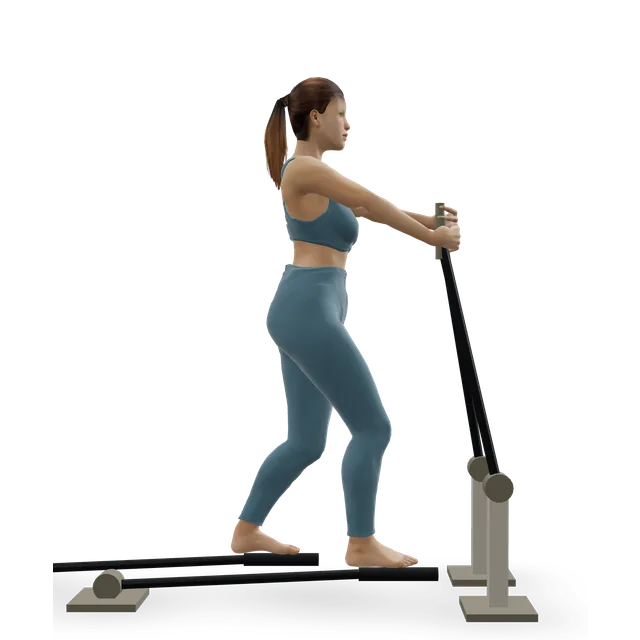
Gripping the sled's uprights with stiff arms and leaning in at about 45 degrees, you drive it forward with short, punchy steps, pushing the ground away behind you. This is the steady, heavier push; the prowler sprint is the light, fast one. In high school athletes, 8 weeks of sled pushing improved 5 to 20 metre sprint times more than unresisted sprints, the heaviest load most. In 10 trained men, a maximal push worked the thighs about as hard as a 10-rep-max squat, the calves harder and the lower back far less, and a session on a sled-push machine was workable for older adults.
Movement guide
Sled push
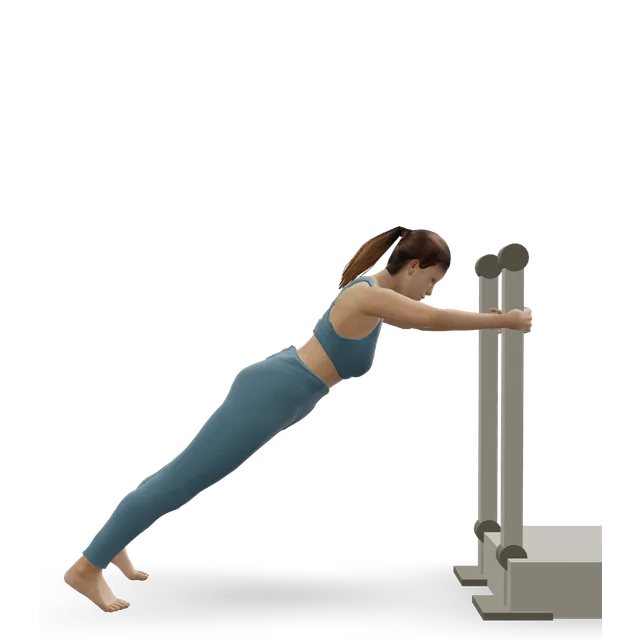
Loading the 3D figure…
Make it easier or harder
Choose a version that fits your control and comfort.
Easier option
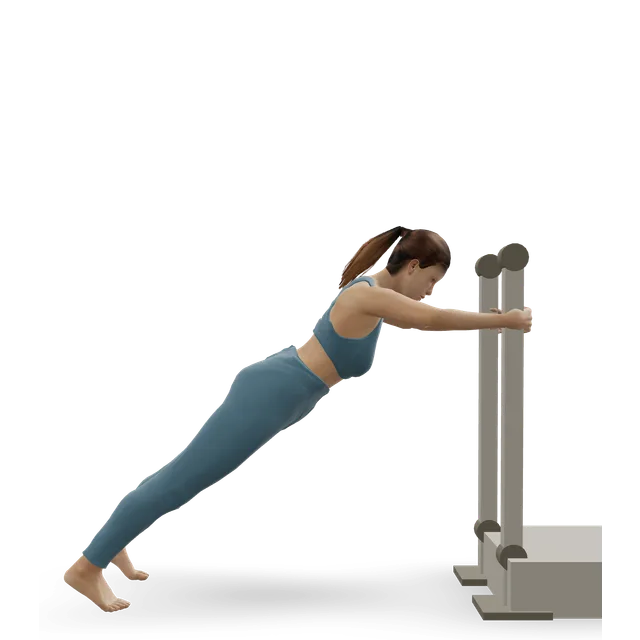 3D demoProwler sprint (light sled push)Beginner · A sled
Similar move, beginner grade.
Harder option
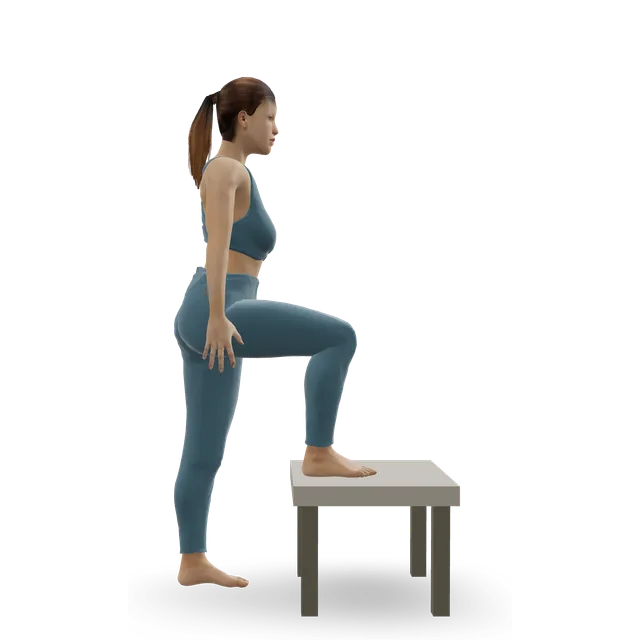 3D demoAlternate-leg box push-offAdvanced · A bench or box
Similar move, advanced grade.
Source-researched guide.
How to move
- Load the sled so you can keep it moving briskly, on a surface it slides on, and check the lane ahead is clear.
- Grip the uprights with straight arms and lean in until your body makes a straight line from head to heels, at roughly 45 degrees.
- Drive the sled forward with short, powerful steps on the balls of your feet, pushing each foot back behind you.
- Push for the set distance, then stop and walk back to recover.
Form cues
- A straight line from head to heels; don't let your hips sag.
- Short steps with a full push-off.
- Avoid: looking down at your feet; look a few metres ahead.
Practice and cautions
4 to 8 pushes of 15 to 20 metres with a load you can keep moving briskly, walking back between (our editorial starting point).
Heavy pushes with held breath spike blood pressure sharply, so keep breathing and keep loads moderate if yours is uncontrolled. Wear shoes that grip, and if the sled will not move at walking pace, take weight off rather than straining against a stalled load. This is movement education, not an assessment or treatment prescription. Stop for sharp or increasing pain, dizziness, numbness or tingling; seek individual guidance for symptoms, injury or restrictions.
Sources and review status
Sources support the educational description; they do not establish that this exercise is suitable for you.
- Cahill 2020 · Eight weeks of sled pushing at any of three loads improved 5 to 20 metre sprint times more than unresisted sprints, the heaviest load most (50 high school athletes, Scand J Med Sci Sports) ↗
- Salazar-Orellana 2025 · Resisted sled training improved 5 and 10 metre sprints in team sport athletes (meta-analysis of 14 studies of sled towing, J Bodyw Mov Ther) ↗
- Baumann 2024 · A progressive session on a sled-push machine was feasible for older adults, with no adverse events (randomised comparison with walking, J Aging Phys Act) ↗
- Maddigan 2014 · A 20-step maximal sled push drew front- and back-thigh and deep tummy muscle activity like a 10-rep-max back squat, 61% more calf activity and far less lower-back activity (EMG study of 10 resistance-trained men, JSCR) ↗
- Free Exercise DB · alias and muscle metadata ↗
Unlicense · Free Exercise DB contributors; derived from wrkout/exercises.json. Text import; no photographs or media. · Revision f00c92c7dcf1216a928a52c3706c7ce8e2f71ed5
No variation is labeled clinically validated.
What it works
Muscles
Main: Quads, Glutes. Also: Calves, Hamstrings, Triceps, Chest.
Anatomy: Sartorius, Quadriceps, Rectus femoris, Vastus medialis, Vastus lateralis, Gluteus maximus.
Equipment
A sled
Level
Intermediate. See the easier and harder options above.
Workouts that use it
Pain guides that use it
Part of a staged plan, with when to get help first.
Guides that use it
Similar moves
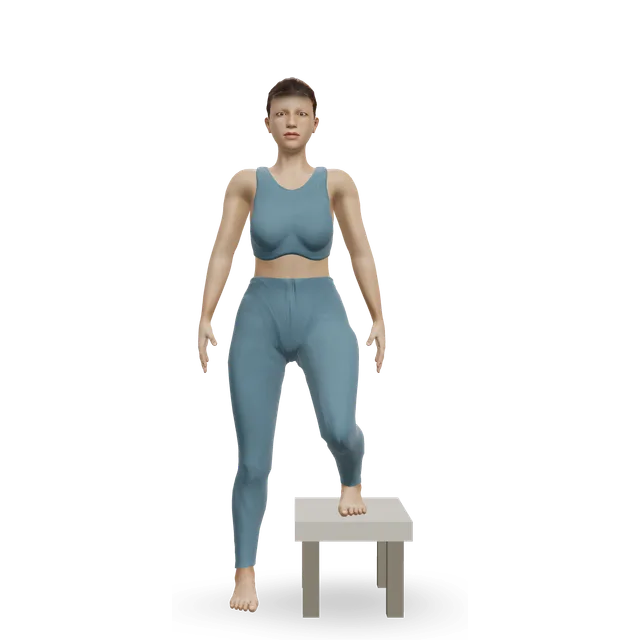
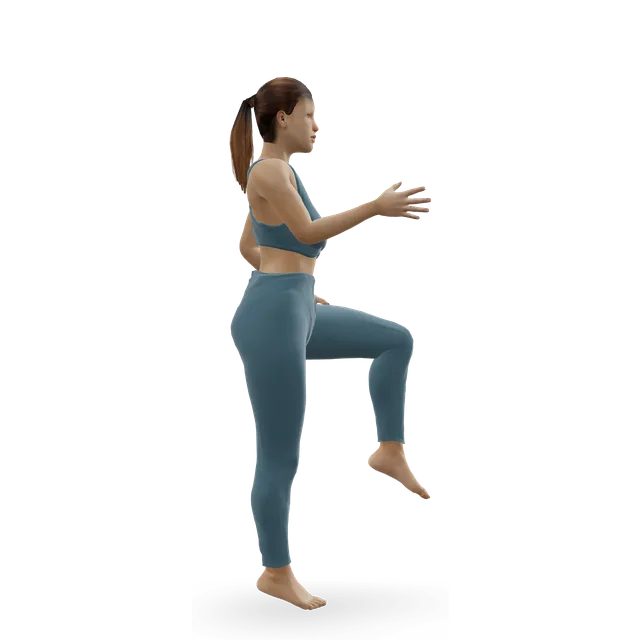
Browse more
Questions people ask
What muscles does the Sled push work?
Mainly the quads and glutes, with help from the calves, hamstrings, triceps and chest.
What equipment do I need for the Sled push?
A sled.
Is the Sled push good for beginners?
It is graded intermediate. If it is too hard right now, start with the Prowler sprint (light sled push).
What is an easier alternative to the Sled push?
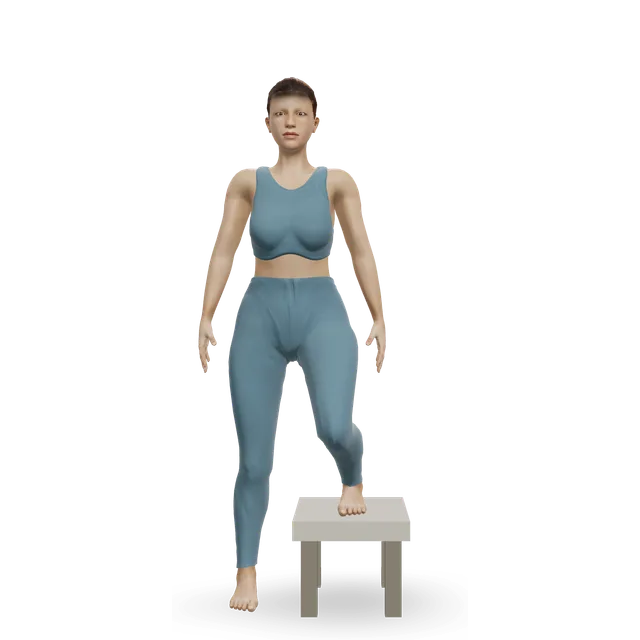
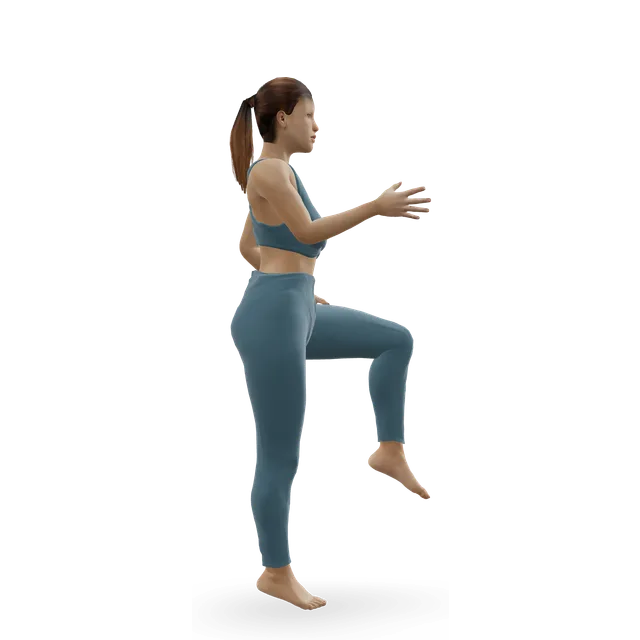
Try the Prowler sprint (light sled push) or the Single-leg push-off, facing the box. It works similar muscles at a lower grade.
How do I make the Sled push harder?
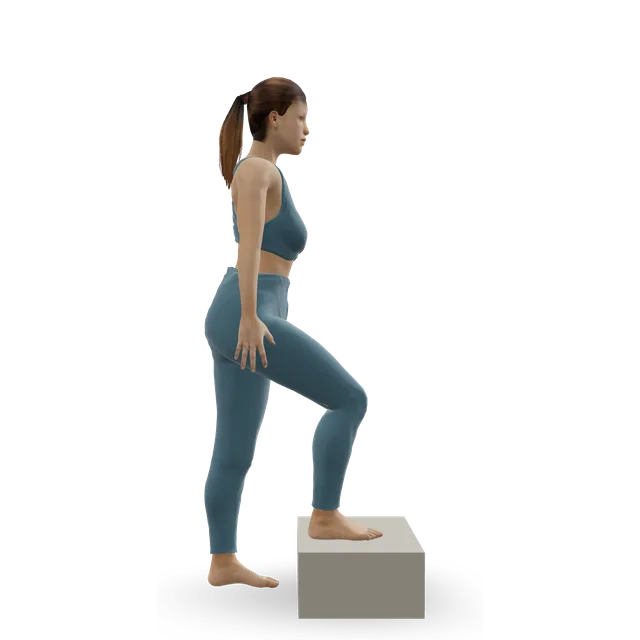
Progress to the Alternate-leg box push-off or the Hill sprints. Follow that guide’s technique and any stated timing.