Yoga guide

Wall yoga: poses with a wall for balance and alignment, what it does, and a 20-minute routine

Wall yoga is ordinary yoga with a wall as your prop. Your fingertips on it steady you in one-leg poses, your back against it shows you where you are in standing poses, your hands on it take weight off your wrists, and your legs up it make a restful finish. A light touch on a wall steadied people straight away in laboratory studies, older adults most of all, so it suits beginners, older adults and anyone learning a pose they find hard.

We found no study of wall yoga itself, and a wall doesn't make a pose easier on every joint: in a lab study of tree pose, holding the wall left the load on the side of the hip and the knee almost unchanged.

This guide covers what the wall does and doesn't do, how to use less of it as you improve, what legs up the wall can and can't do, who should change what, and a free 20-minute routine with a 3D demo of every pose.

The short version

Ordinary yoga, with a wall as a prop

You use the wall to steady you, to show you where you are, to take some of your weight and to rest. A research programme for older adults taught wall versions of chair, tree, downward dog and side stretch as its first poses. We found no study of wall yoga itself.

Sources 1, 2, 3

A light touch steadies you straight away

Resting a fingertip on a wall or another fixed surface, with no more force than the weight of about 100 g, reduced sway in younger and older adults, and older adults gained more. The steadying starts within a second or two of touching and stops when you let go.

Sources 4, 5, 6, 7

Then use it less

In one small trial, older adults who practised with a light hand-held support for half the time kept their balance gain the next day, where those who used it all the time, or never, didn't. The NHS balance exercises start with your fingertips on a wall and say "As you progress, move away from the wall".

Sources 8, 9

Easier, but not easier on every joint

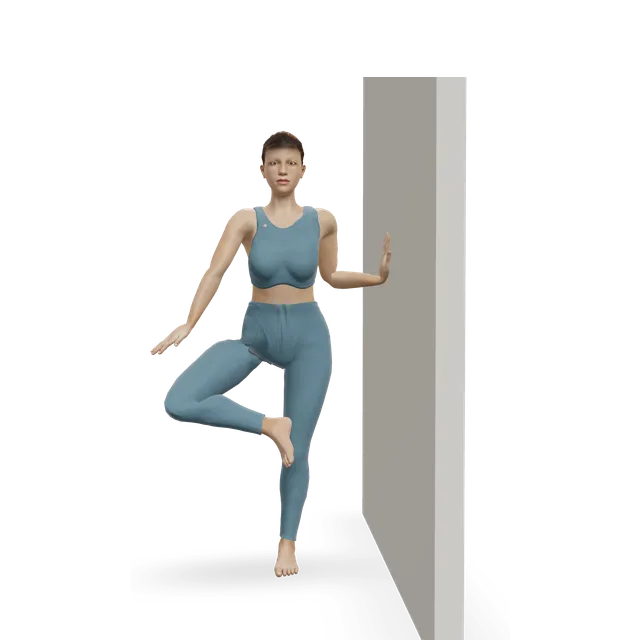
In a lab study of 20 older adults, a hand on the wall in tree pose took some load off the standing leg, but the work for the side of the hip and the sideways load on the knee were almost the same. To spare a sore knee, change the pose: your foot at your ankle, toes down.

Source 10

Legs up the wall is a rest, not a treatment

It raises eye pressure a little within a minute, and lying with your legs up a wall eased calf swelling by only a few millimetres in a small study. We found no study of it for lymph drainage, sleep, digestion, hormones or weight.

Sources 11, 12, 13, 14

Some people should change it

With glaucoma or high blood pressure that isn't under control, skip full inversions and keep your hips flat in legs up the wall. With heart failure, or kidney or liver disease that causes fluid build-up, ask your doctor first before legs up the wall, as the Cleveland Clinic advises.

Sources 11, 15

What wall yoga is

A prop, not a style

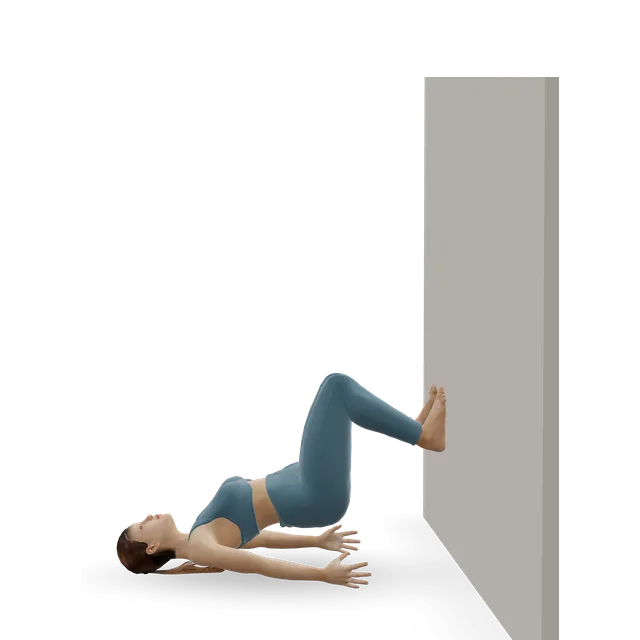
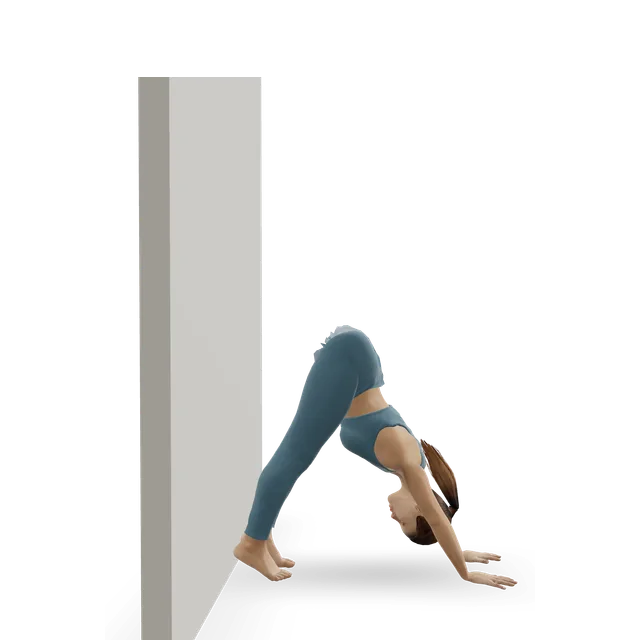
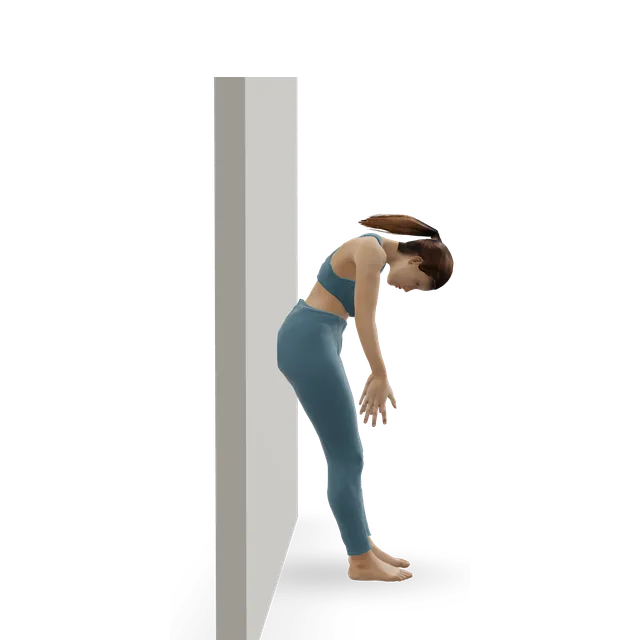
Wall yoga means using a wall during ordinary yoga. The wall does four jobs (our grouping). It steadies you, with your fingertips or a hand on it in one-leg poses. It gives feedback, with your back, heels or hands against it showing where you are. It takes some of your weight, as in a wall sit (chair pose with your back on the wall), a half dog with your hands on the wall, or a wall push-up. And it supports rests and inversions, such as legs up the wall, bridges with your feet on it and a half handstand.

A research programme for older adults taught wall versions of chair, tree, downward dog and side stretch as its first poses, and Iyengar yoga uses walls and wall ropes too (our Iyengar yoga guide covers it). Neither wall yoga nor wall Pilates has research of its own: searches of the Europe PMC research database found one unrelated record for wall yoga and none for wall Pilates.

Sources 1, 2, 16

How a light touch steadies you

Touching something fixed tells your brain how your body is swaying, through the skin and joints of your hand. A fingertip touch of under 1 newton, about the weight of 100 g and far too light to hold you up, reduced sway in young and older adults standing still, and in young men a firm push of 5 to 10 newtons did no better than a light touch on a wall. The brain takes about half a second to 2 seconds to use the touch, and the steadying goes when you lift your finger. Older adults gained more, perhaps because the touch makes up for reduced feeling in the feet, the researchers suggested.

Sources 4, 5, 7

What the wall changes in a pose

In a lab study of tree pose, holding a wall took some load off the standing leg and a lot off the calf, but not off the side of the hip or the knee's sideways load. Putting the lifted foot's toes on the floor lowered all three, though the muscles at the front of the hip worked harder. So let the wall keep you safe, and change the pose to make it easier on a joint.

Source 10

The wall as a posture checkEmerging evidence

Stand with your heels, back and shoulders against a wall and see whether the back of your head reaches it. In 280 women referred for an osteoporosis assessment, the gap grew by about 1.3 cm for each spinal fracture, and a gap of more than 4 cm picked out 41% of the women with a fracture while wrongly flagging 8% of those without one. In 158 women aged 65 and over, more fractures went with a bigger gap. A gap isn't a diagnosis: don't force your head back to the wall, and see our kyphosis guide for the self-check.

Sources 17, 18

How hard it is

Gentle yoga is light activity: hatha and general yoga are rated 2.3 METs (multiples of the energy you use at rest), the same as mild stretching. Wall sits and wall push-ups are strength work: the NHS strength exercises include a wall press-up, 3 sets of 5 to 10, at least twice a week, and holding a wall squat lowered blood pressure in trials.

Sources 19, 20, 21

What the evidence says

A light touch steadies you while you touchStrong evidence

In 20 young and 20 older adults standing with one foot half in front of the other, a fingertip resting lightly on a fixed surface reduced sway, and more in the older group. In 12 young men touching a wall, a light touch (under 1 newton) worked as well as pressing firmly (5 to 10 newtons). In 20 young and 15 older adults, a light touch let people lean further forwards and backwards with less sway. These are short laboratory tests: the effect lasts while you're touching.

Sources 4, 5, 6

In people with balance problems tooEmerging evidence

A review of 12 small studies in people with balance problems from ageing, damage to the brain, or other movement or sensory problems found that light touch reduced sway in every one, more clearly when people pressed with more than 1 newton.

Source 22

It works within seconds, and stops when you let goEmerging evidence

In a lab study of 10 people, the steadying began about half a second to 2 seconds after a fingertip touched and settled within 1 to 3 seconds, and taking the touch away reversed it.

Source 7

Tree pose: the wall changes some loads, not othersEmerging evidence

This comes from one lab study of 20 older adults, average age 70, who held each pose for one breath. Full tree pose made the standing leg work about 30% harder than tree with a hand on the wall, and the calf more than twice as hard. But the work for the muscles at the side of the hip was almost the same with or without the wall, and so was the sideways load on the knee, which stayed 8% to 20% above walking's. The researchers concluded that a wall "will not diminish" that knee load "or offer protection for the knee joint".

Source 10

Wall versions as first steps for older adultsEmerging evidence

A research programme for older adults taught wall versions of chair, tree, downward dog and side stretch as its first poses. After 32 weeks of hour-long classes twice a week, 20 older adults were faster at chair stands, a timed up-and-go test and a 2-minute step test and had stronger hamstrings and calves, but their balance and flexibility didn't change, and there was no comparison group.

Sources 1, 23

Props help most with harder posesEmerging evidence

In 220 university students (not randomised), props helped people learn moderately difficult and difficult poses but made no difference to an easy one. Use the wall for the poses you find hard.

Source 24

Alignment: untestedMixed evidence

We found no study of whether practising against a wall improves alignment in yoga. Reviews of how people learn movements describe added feedback, including touch, as helping, depending on how it's given; none tested a wall in yoga.

Sources 25, 26

Wall sits and blood pressureStrong evidence

Across 270 trials, isometric exercise (holding a position under load) lowered resting blood pressure more than other types, by about 8/4 mmHg (millimetres of mercury), and the isometric wall squat ranked first for the top (systolic) number. A wall sit is chair pose with your back on the wall; our wall sit workout follows the trial routine.

Source 21

Balance exercise prevents falls; wall yoga hasn't been testedStrong evidence

Across 59 trials of 12,981 older people living at home, exercise cut the rate of falls by 23%, and balance and functional exercise by 24% (39 trials, 7,920 people), both at high certainty. Yoga improves balance a little in people over 60, but whether yoga on its own prevents falls isn't shown: our yoga for balance guide covers the trials.

Sources 27, 28

Use the wall, then use it less

Practise with less support over timeEmerging evidence

This comes from one small trial, with hand-held cables rather than a wall. Healthy older adults practised standing with one foot half in front of the other while holding light cables, weighted at the end, that rested on the floor (a "haptic anchor"), for none, half or all of the practice. All three groups had improved 15 minutes later, but only the half-time group kept the gain 24 hours later. A review of 6 small anchor studies (low to moderate certainty) found the same pattern, and in 25 older adults practising walking along a beam, balance improved with or without the anchors.

Sources 8, 29, 30

The NHS starts with support, then moves awayStrong evidence

The NHS suggests doing its balance exercises "near a wall or a stable chair just in case you lose your balance". Its one-leg stand faces the wall with your fingertips touching it, held for 5 to 10 seconds, 3 times on each side, and for the heel-to-toe walk it says "As you progress, move away from the wall". Do them at least twice a week.

Source 9

One team went furtherMixed evidence

The researchers behind a light-touch study in older adults suggested that "during balance training external aids should not be used". That's their reading of a short lab test. The NHS exercises start with support, so we suggest using it less over time, not never.

Source 4

Our ladder

Use the lightest touch that keeps you steady, then take it away a step at a time: fingertips, one finger, a hover, then free, as our yoga for balance guide teaches. Change one thing at a time, keep the wall within reach, and step back a level if you have to grab it (our editorial steps).

Who it suits

Beginners, and anyone learning a hard poseEmerging evidence

Props helped students with harder poses but not an easy one, and the research programme for older adults used wall versions as first steps. Use the wall where you need it: a balance you can't hold yet, a pose that loads your wrists, or a stretch you can't reach.

Sources 24, 1

Older adults: stand if you canEmerging evidence

Seated exercise didn't improve balance or mobility across 14 trials in older adults. Yoga that included standing poses improved balance a little in people over 60, and 12 weeks of twice-weekly Iyengar classes focused on standing poses improved standing balance and sit-to-stand time in 54 older adults, against an education booklet. A wall lets you practise standing poses safely.

Sources 31, 28, 32

If falls are your worryStrong evidence

World falls guidelines recommend advice on falls prevention and physical activity for all older adults, and a falls assessment for people at high risk. If you've had a fall or you're worried about your balance, see a GP: a falls service may offer strength and balance training. Wall yoga can be part of your week, but balance and functional exercise has the falls evidence, so add it (our yoga for balance guide has a class that does).

Sources 33, 34, 27

Take more care with ageEmerging evidence

In US emergency departments, yoga injuries were mostly sprains and strains, and the rate was highest at 65 and over. The US National Center for Complementary and Integrative Health (NCCIH) says older adults may need to be particularly cautious, and that serious injuries are rare. A wall, a clear floor and holds you can control matter more with age.

Sources 35, 36

If standing is hard

If you can't stand safely for long, start with chair yoga, and as you get stronger, hold the chair or the wall in standing poses. Our chair yoga guide covers it.

Back to the wall: alignment and support

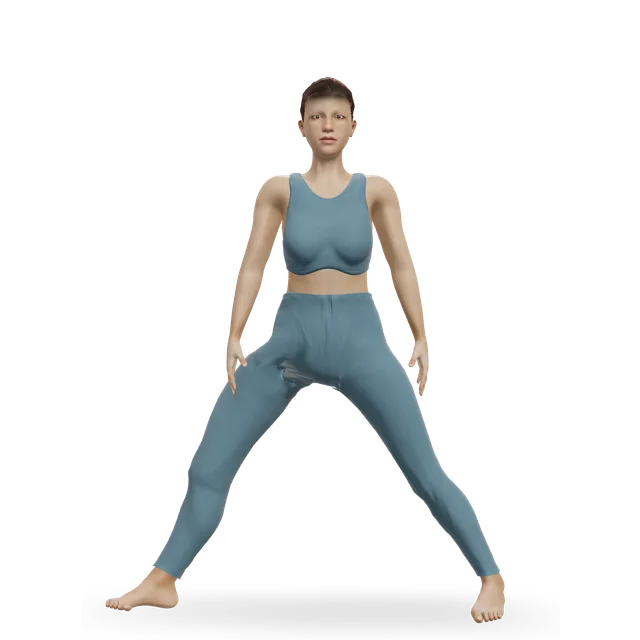
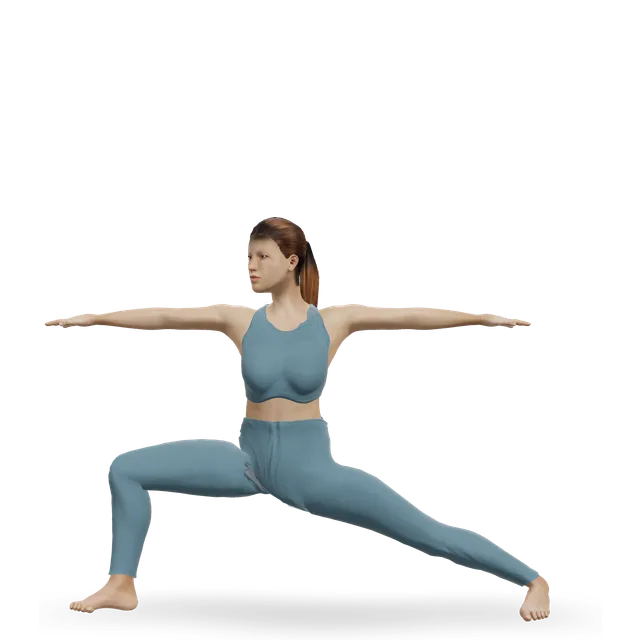
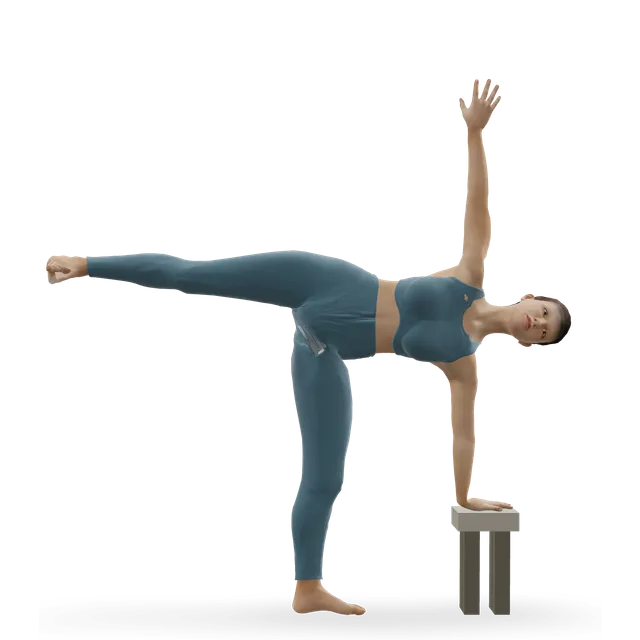
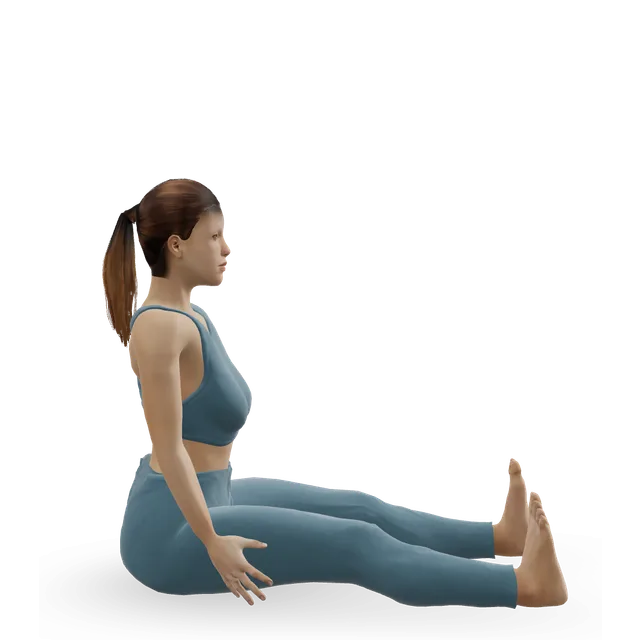
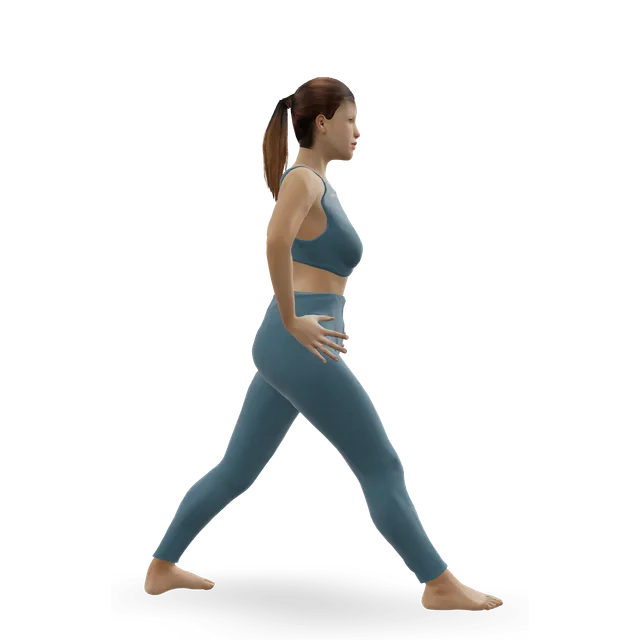
Mountain pose, heels a few centimetres from the wall: 5 to 10 slow breaths, 2 or 3 times (the move's page). Wall angel, only as high as your arms stay on the wall: 6 to 8 slow slides (our stepped wall Pilates class). Wall sit: 2 holds of 20 to 30 seconds (our wall Pilates for beginners). Warrior II, triangle and extended side angle, with your back heel or the back of your body against the wall: 2 holds of 20 to 30 seconds each side (our yoga with props class). Half moon, your back against the wall: 3 to 5 breaths each side (our strength yoga workout). Staff pose, sitting with your back against the wall: 3 holds of 30 seconds (our yoga with props class). The demos show the poses without a wall.

Facing the wall: support for your hands

Half dog, hands on the wall at hip height: 2 holds of 3 to 5 breaths (our editorial starting point; the demo shows downward dog on the floor). Wall push-up: the NHS suggests 3 sets of 5 to 10. Pyramid, hands on the wall at hip height: 20 to 30 seconds each side (our yoga with props class uses blocks). Wall calf stretch and soleus stretch: 30 seconds each side (our calf pump routine). Slow calf raise: 10 to 15, hands on the wall (our stepped wall Pilates class).

Side-on: balance at the wall

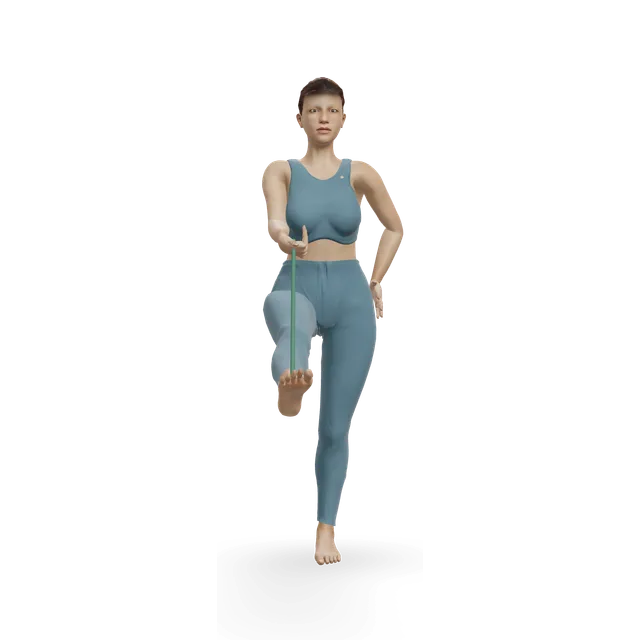
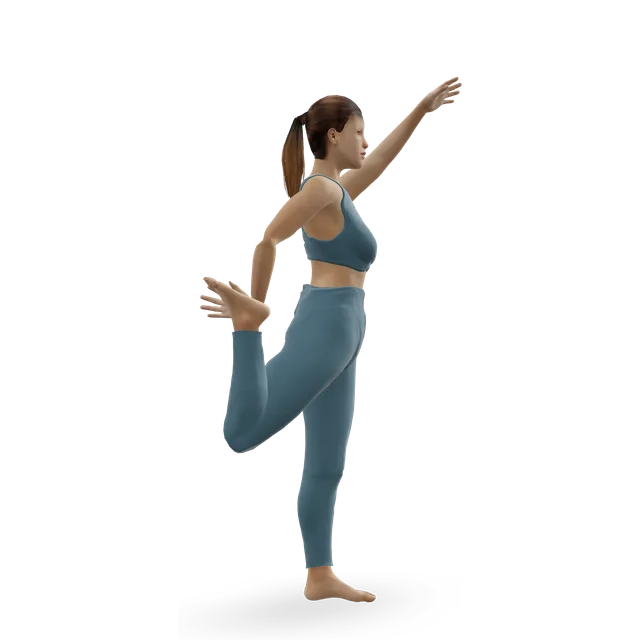
Fingertips on the wall, then less touch as you improve. Tree: 3 to 5 breaths each side, twice, your foot at your ankle or calf, never pressed into the side of your knee; warrior III: 3 breaths each side, twice, hands on the wall at hip height; standing hand to big toe: 3 breaths each side, holding your knee at first (our yoga for balance class). Dancer: 3 breaths each side (our editorial starting point). Single-leg stand: the NHS's 5 to 10 seconds, 3 times each side, facing the wall. Standing quad stretch: 20 to 30 seconds, 2 to 4 times each side (the move's page). Standing figure four: 30 seconds each side (our desk yoga routine).

On the floor, with the wall

Legs up the wall: 2 to 5 minutes, and slow breathing: 1 to 2 minutes to start a routine (our editorial starting points; slow breathing's page gives at least 5 minutes as a practice of its own). Wall bridge: 8 to 10 slow lifts, feet on the wall; reclining bound angle: 2 to 5 minutes with a support under each thigh; corpse pose: at least 5 minutes, up to 10 (the moves' pages). After the first trimester of pregnancy, prop yourself up or skip the poses on your back.

Harder, with a safety net

Half handstand at the wall, only if it suits you: 2 or 3 holds of 3 to 5 breaths (our editorial starting point). Skip it with glaucoma unless your eye specialist agrees, with high blood pressure that isn't under control, and in pregnancy, and walk your feet down the wall rather than pushing away from it (the move's page). Leave headstands, shoulder stands and plough out, even at a wall: NCCIH advises beginners to avoid headstands and shoulder stands, and a wall stops you falling, not the load on your neck.

Legs up the wall: what it does and doesn't do

Eye pressure rises a littleEmerging evidence

In 10 people with glaucoma and 10 without, legs up the wall raised eye pressure within a minute, from about 17 to 21 mmHg, the smallest rise of four head-down poses, and it fell back within 2 minutes of sitting up. In a 2024 study with a home pressure meter, 90 seconds raised it by 1.6 mmHg in healthy eyes and 2.8 in eyes with glaucoma, against about 15 to 16 in downward dog. A study that reported lower pressure after the pose measured it only before and after, not during.

Sources 11, 12, 37

Swelling: a small, short effectEmerging evidence

In 9 young women, 15 minutes with the legs up a wall at 60 degrees shrank calf circumference by 3.1 mm, less than lying on their backs (4.6 mm) or with their calves on a ball (5.4 mm), and the wall was the least comfortable. After 2 hours of sitting, 40 middle-aged adults had fuller, stiffer calves, and 3 minutes of raising the legs lowered the stiffness. The NHS advice for swollen ankles is to raise your legs on a chair or pillows when you can, and to walk; a nursing review calls the evidence on raising the legs for long-lasting swelling conflicting.

Sources 13, 38, 39, 40

Lymph: no study of the poseMixed evidence

We found no study of legs up the wall for lymph drainage. Lymph has no central pump and moves when the muscles around it work, which is why exercise matters, the NHS says, and in 17 healthy adults the lymph vessels in the legs pumped faster, not slower, within 3 minutes of standing up. For lymphoedema, the NHS treatment combines compression, skin care, exercises and specialised massage, with the limb raised whenever possible, usually from a specialist lymphoedema service.

Sources 14, 41, 42, 43, 44

Sleep, digestion, hormones, weight: no studiesMixed evidence

We found no study of legs up the wall for sleep, digestion, hormones, the face or weight. The doctor and yoga researcher quoted by the Cleveland Clinic says patients describe the pose as calming, warns against "sweeping claims", and says there's no evidence that it helps headaches or high blood pressure. It can be part of a calm wind-down; our yoga for anxiety and sleep guide covers yoga and sleep.

Sources 14, 15

How long, and how to come out

Up to 2 to 3 minutes, or longer if you like, once or twice a day, says the Cleveland Clinic page; our routines use 1 to 8 minutes, and 2 to 5 is our editorial starting point. Come out slowly: bend your knees, roll to your side and sit for at least 30 seconds before you stand.

Source 15

Who should skip it, or ask first

With glaucoma, ask your eye team first, and if you do it, keep your hips flat and your head on a folded blanket, as our glaucoma guide suggests; the Cleveland Clinic's doctor goes further and says it shouldn't be done at all with glaucoma. With high blood pressure that isn't under control, don't raise your hips, as our restorative yoga guide says, and ask your doctor first: the same page advises avoiding the pose until your blood pressure is under control. With heart failure, or kidney or liver disease that causes fluid build-up, ask your doctor first: the extra fluid returning to the circulation could strain the heart, the page explains. In later pregnancy, prop your upper body up or skip it.

Sources 11, 15, 45

Rest at the wall: restorative and yin yoga

Restorative yoga at the wall

Restorative yoga holds a few fully supported poses for several minutes each. At the wall, that means legs up the wall, and reclining bound angle with the soles of your feet together and resting against the wall (our suggestion). Our restorative yoga guide covers the style, and its 45-minute sequence holds legs up the wall for 8 minutes.

Yin yoga at the wall

Yin yoga holds floor poses for a few minutes each, and the wall can hold your legs for you in lying poses, such as legs up the wall with your legs apart in a wide V (our suggestion). Our yin yoga guide covers the style and who should change it.

Getting up after long holds

The NHS advises people with low blood pressure to move slowly from lying to sitting to standing, and the Cleveland Clinic page suggests sitting quietly for at least 30 seconds after legs up the wall. Roll to your side, pause, sit for a few breaths, then stand.

Sources 46, 15

Who should change what

Glaucoma

Skip headstands, shoulder stands and other full inversions, including handstands at the wall. Keep downward dog and forward folds brief, or use head-up versions such as half dog with your hands on the wall. In legs up the wall, keep your hips flat and your head on a folded blanket, and ask your eye team first.

Sources 11, 12

High blood pressure that isn't under control

Skip headstands, shoulder stands and long head-down holds, and don't raise your hips in legs up the wall. Breathe throughout wall sits and long holds, never holding your breath; the wall sit's page asks you to see your GP first if your blood pressure is 160/100 or higher and untreated.

Sources 21, 15

Heart failure, or kidney or liver disease that causes fluid build-up

Ask your doctor first before legs up the wall, as the Cleveland Clinic advises.

Source 15

Osteoporosis or a past spinal fracture

Bend from your hips with a long back, leave out deep or repeated rounding, shoulder stand and plough, and don't force your head back to the wall. The UK osteoporosis consensus advises modifying or avoiding forward bending that is sustained, repeated or at the end of your range, and case reports link deep forward bends in yoga with spinal fractures in women with low bone density.

Sources 47, 48

Pregnancy

In later pregnancy, the NHS advises avoiding anything that has you lying flat on your back for more than a few minutes, so swap bridges for a side-lying or all-fours move, and prop yourself up for legs up the wall or skip it. Leave out poses you could fall from, including handstands at the wall, and skip one-leg poses if you have pelvic girdle pain.

Sources 45, 36

Knee pain

In tree pose, put your foot at your ankle with your toes down, and keep stances short and bends shallow: holding the wall doesn't lower the sideways load on the knee. A wide squat and an upright lunge put the least load on the inside of the knee in a lab study.

Sources 10, 49

Very flexible joints

Keep a slight bend in straight-leg poses. The NHS advice is "do not overextend your joints just because you can".

Source 50

Numb feet, dizziness or a recent fall

Keep a hand on the wall in every one-leg pose, come up slowly from the floor and from folds, and see a GP about falls.

Sources 34, 46

Free routines

Start with our 20-minute wall yoga routine 2 or 3 times a week, making one thing harder every week or two (our editorial starting point). For balance, our 30-minute yoga for balance class adds stepping and reaching; for blood pressure, the wall sit workout follows the trial routine; for rest, the restorative sequence ends with legs up the wall.

Wall yoga for beginners: a 20-minute routine at the wall

Twenty minutes of yoga with a wall for support: standing poses with your back to it, one-leg balances, a wall sit and push-ups, then bridges and legs up the wall.

20 minBeginner13 movesA wall, A step

Yoga for balance: a 30-minute standing class, from steady to moving

Thirty minutes of standing yoga for balance: strong standing poses, one-leg poses at the wall, and side steps, backward steps, reaches and sit-to-stands.

30 minBeginner16 movesA wall, A bench or box

Wall Pilates for beginners

A 20-minute beginner wall Pilates workout: standing and floor moves that use a wall for support and feedback. No equipment.

20 minBeginner9 movesA wall

Yoga with props for beginners: a 40-minute standing-poses-first sequence

A 40-minute beginners' yoga sequence with props: standing poses at a wall, seated poses on a blanket, two supported poses held for 5 minutes and a long rest.

40 minBeginner11 movesA step, Firm cushion

Balance exercises routine

Balance practice in 10 minutes: tandem stance, single-leg stands, marches, heel walks, tree pose and floor transfers.

10 minBeginner7 movesA wall, A bench or box

Wall sit workout for blood pressure

The isometric routine from blood pressure trials: four 2-minute wall sits with 2 minutes' rest, three days a week, with a warm-up and an unhurried cool-down.

22 minBeginner6 movesA bench or box, A wall

Restorative yoga sequence: 45 minutes of supported rest

A 45-minute restorative yoga sequence: five fully supported poses held for 4 to 10 minutes each, with slow breathing and a long final rest.

45 minBeginner6 movesFirm cushion, A wall

A month at the wall

This 30-day plan is wall Pilates, not yoga. For wall yoga, do our 20-minute routine 2 or 3 times a week for a month and make one thing harder each week (our editorial starting point).

Warning signs: when to get help

These follow the warning signs in our yoga for balance guide, which also lists the signs of a stroke. A&E means accident and emergency. In the US, call 911 for 999, and contact your doctor or urgent care for NHS 111.

Call 999 (911 in the US)

If someone has fallen and may have hurt their head, neck, back or hip, or can't get up.

Source 34

Chest pain: call 999

Chest pain or discomfort that comes on suddenly and doesn't go away (it can feel like squeezing or pressure, burning or indigestion), pain that spreads to your arms, neck, jaw, stomach or back, or chest pain with sweating, feeling sick, light-headedness or breathlessness.

Source 51

Swollen legs with breathlessness: call 999

If your legs or ankles are swollen and you feel short of breath or are struggling to breathe, your chest feels tight, heavy or painful, or you're coughing up blood. It could be a blood clot in your lungs. Don't drive yourself to A&E.

Source 39

Get help from NHS 111 or an urgent GP appointment

If:

  • someone has fallen and may be in pain, injured or unwell
  • you have swelling in one ankle, foot or leg and you don't know what's causing it, or swelling that is severe, painful or came on very suddenly: legs up the wall isn't the treatment for it

Sources 34, 39

See a GP

If you've had a fall, or you're worried about your balance or getting about; you may be able to refer yourself to a local falls service. See a GP, too, for dizziness that won't go away or keeps coming back, or that comes with hearing loss or ringing in the ears, double or blurred vision, numbness or weakness, fainting or headaches. World falls guidelines recommend a falls assessment for people at high risk of falling.

Sources 34, 52, 33

Stop for today and get advice

Contact your GP or NHS 111 for any of these (our suggestion, as in our older adults guide):

  • Dizziness, light-headedness, unusual breathlessness, clamminess or chest tightness that settles when you stop.
  • Any fall or near-fall, new unsteadiness, or a new fear of falling: ask about a falls assessment.

Sources 46, 34

Legs up the wall and fluid build-up

If you have heart failure, or kidney or liver disease that causes fluid build-up, ask your doctor first before doing legs up the wall.

Source 15

During practice

Stop if you feel dizzy or light-headed. Keep a counter or wall within reach, and have someone nearby for the hardest moves if you've fallen recently (our suggestion, as in our older adults guide). If your feet tingle or go numb in legs up the wall, bend your knees or come down. A half handstand at the wall is still an inversion, with the cautions on its page.

Myths

"Wall yoga is just for beginners"Emerging evidence

The wall helps anyone learning a pose that's hard for them: props helped students with harder poses, not an easy one. A light touch steadies older adults most, and a research programme for older adults used wall versions as first steps.

Sources 24, 4, 1

"The more you hold on, the better your balance gets"Emerging evidence

A wall steadies you while you touch it, but in one small trial with hand-held cables, practising with support only part of the time carried over better in older adults, and the NHS says "As you progress, move away from the wall".

Sources 4, 5, 8, 29, 9

"A hand on the wall protects your knees in balance poses"Emerging evidence

In tree pose, the sideways load on the knee was the same with or without a hand on the wall, and above walking's. To make a pose kinder to the knee, change the pose: your foot at your ankle, a shorter stance.

Sources 10, 49

"Legs up the wall drains your lymph"Mixed evidence

We found no study of it. Lymph moves when your muscles work, and leg lymph vessels pumped faster on standing, not lying down. Raising your legs eases everyday swelling a little, by gravity; lymphoedema needs treatment from a specialist lymphoedema service.

Sources 14, 44, 43, 13, 39

"Legs up the wall improves circulation to your whole body"Emerging evidence

The measured effects are small and short: calf circumference fell by about 3 mm in 15 minutes, less than lying on your back, and eye pressure rose a little and settled within 2 minutes of sitting up. It's a restful pose, not a treatment.

Sources 13, 11, 12

"Wall yoga is great for weight loss"Emerging evidence

Gentle yoga is light activity, about 2.3 METs, and we found no study of wall yoga for weight. It builds strength and balance; for weight, more activity and diet do more, as our yoga for weight loss guide explains.

Source 19

"Wall yoga reduces the risk of injury"Mixed evidence

We found no study of it. A wall can stop you falling while you practise balance, but a headstand at a wall still loads your neck, headstands were among the practices most often named in case reports of harm from yoga, and older adults have the highest rate of yoga injuries.

Sources 53, 35

"Your head should touch the wall when you stand against it"Emerging evidence

A gap is common and can reflect the curve of your upper back; in women referred for osteoporosis checks, a bigger gap went with more spinal fractures. Don't force it, and use our kyphosis self-check.

Sources 17, 18

Questions people ask

What is wall yoga?

Yoga that uses a wall as a prop: to steady you, to show you where you are, to take some of your weight and to rest your legs. It isn't a separate style; the poses are ordinary yoga poses done beside, against or with your feet on a wall.

Is wall yoga good for beginners?

Yes. A light touch on a wall steadies you straight away, and props helped beginners with harder poses but not easy ones. Use the wall for the poses you find hard, and take it away bit by bit as you improve.

Is wall yoga good for seniors?

Standing at a wall lets you practise balance safely, which seated exercise doesn't train, and yoga improved balance a little in people over 60. If you've fallen in the past year or feel unsteady, see a GP first, and keep a hand on the wall in one-leg poses.

Does wall yoga work?

We found no study of wall yoga itself. Its parts have evidence: a light touch on a wall steadies you at once, standing yoga poses improved balance a little in older adults, and wall sits lowered blood pressure in trials.

Wall Pilates or wall yoga: which is better?

Neither has research of its own, and they use the same wall for different moves: wall Pilates is mat Pilates with roll-downs, bridges and moves with your feet on the wall, while wall yoga focuses on standing poses and balance. Choose the one you'll keep doing. Our wall Pilates and Pilates or yoga guides compare them.

Wall Pilates or chair yoga?

They suit different people. Chair yoga is for anyone who can't stand safely for long and builds strength and calm, but seated exercise didn't improve balance in 14 trials. If you can stand, wall Pilates or wall yoga let you practise standing strength and balance, with the wall as a safety rail.

Can wall yoga help you lose weight?

Not much on its own: gentle yoga uses about 2.3 times the energy you use at rest, and we found no study of wall yoga for weight. Use it for strength and balance, and add walking or other activity; our yoga for weight loss guide covers what helps.

What does legs up the wall do?

It's a restful, gentle inversion that raises your legs above your heart. Raising your legs eases everyday swelling in your calves a little, and eye pressure rises slightly while you're in it. We found no study of it for lymph drainage, sleep, digestion or hormones.

How long should you do legs up the wall?

Two to five minutes is a good start (our suggestion); the doctor quoted on the Cleveland Clinic's page suggests up to 2 to 3 minutes, or longer if you like, once or twice a day. Come out slowly: roll to your side and sit for at least 30 seconds before you stand.

Who shouldn't do legs up the wall?

With glaucoma, ask your eye team first, and if you do it, keep your hips flat. With high blood pressure that isn't under control, ask your doctor and don't raise your hips, and with heart failure, or kidney or liver disease that causes fluid build-up, ask your doctor first. In later pregnancy, prop yourself up or skip it.

Can I do a headstand against the wall?

A wall stops you falling, not the load on your neck. The US National Center for Complementary and Integrative Health advises beginners to avoid headstands and shoulder stands, and they're best left out altogether with glaucoma, high blood pressure that isn't under control, or neck problems.

How often should I do wall yoga?

Two or three times a week, making one thing harder every week or two, such as less hand on the wall (our suggestion). If balance is your aim, keep it up for at least 12 weeks, as our yoga for balance guide suggests, and add balance exercises on other days if falls are a worry.


Sources

  1. Salem 2013 · The physical demands of 21 hatha yoga poses in older adults (lab study, Evid Based Complement Alternat Med)
  2. Europe PMC · Search for the phrase wall yoga: 1 record, an unrelated knee surgery trial (26 October 2026)
  3. Europe PMC · Search for yoga and wall in titles and abstracts: 25 records, none a trial of yoga at a wall (26 October 2026)
  4. Baccini 2007 · Fingertip light touch and sway in 20 older and 20 young adults (lab study, Age Ageing)
  5. Watanabe 2010 · Light or firm fingertip touch on a wall and sway: 12 young men (lab study, Electromyogr Clin Neurophysiol)
  6. Tomita 2024 · Fingertip light touch and how far young and older adults can lean: 35 adults (lab study, Gait Posture)
  7. Sozzi 2012 · How quickly the body uses touch or vision that is added or taken away while standing (lab study, Neuroscience)
  8. Freitas 2013 · Practising balance with hand-held anchor cables for none, half or all of the time: healthy older adults (trial, Gait Posture)
  9. NHS · Balance exercises (last reviewed November 2023)
  10. Yu 2012 · Tree and one-leg balance poses in seniors: three versions of each (lab study, Evid Based Complement Alternat Med)
  11. Jasien 2015 · Eye pressure in four head-down yoga positions, with and without glaucoma (lab study, PLoS One)
  12. Shajiei 2024 · Eye pressure in four yoga poses, measured with a home tonometer: 25 healthy and 25 glaucoma eyes (observational study, Klin Monbl Augenheilkd)
  13. Chen 2020 · Leg position, timing and calf circumference: 9 young women (lab study, Int J Environ Res Public Health)
  14. Europe PMC · Search for legs up the wall and viparita karani: 4 records, on eye pressure and a 1984 study of the pelvis (26 October 2026)
  15. Cleveland Clinic 2021 · The yoga pose you need: the health benefits of legs up the wall (health system article, with Robert Saper, MD)
  16. Europe PMC · Search for the phrase wall Pilates: 0 records (26 October 2026)
  17. Siminoski 2011 · The wall-to-head gap and spinal fractures: 280 women referred for osteoporosis assessment (diagnostic study, J Musculoskelet Neuronal Interact)
  18. Ziebart 2019 · Spinal fractures and the head-to-wall gap: 158 women aged 65 and over (cross-sectional study, Arch Osteoporos)
  19. 2024 Adult Compendium of Physical Activities · Conditioning exercise: energy cost (MET values)
  20. NHS · Strength exercises (last reviewed February 2024)
  21. Edwards 2023 · Exercise training and resting blood pressure: 270 trials (network meta-analysis, BJSM)
  22. Baldan 2014 · Light touch and sway in people with balance problems: 12 studies (systematic review, Gait Posture)
  23. Wang 2016 · Physical performance after 32 weeks of senior hatha yoga: 20 older adults (study with no comparison group, Evid Based Complement Alternat Med)
  24. Jahani 2025 · Props and learning yoga in 220 university students (quasi-experimental study, J Bodyw Mov Ther)
  25. Sigrist 2013 · Added visual, sound and touch feedback in learning movements (review, Psychon Bull Rev)
  26. Moinuddin 2021 · Added feedback and learning movements (systematic review, Cureus)
  27. Sherrington 2019 · Exercise for preventing falls in older people living in the community: 108 trials (Cochrane review)
  28. Youkhana 2016 · Yoga for balance and mobility in people aged 60 and over: 6 trials (systematic review and meta-analysis, Age Ageing)
  29. Brito 2023 · Hand-held anchors for balance and walking in older adults: 6 studies (systematic review, J Bodyw Mov Ther)
  30. Milani 2022 · Beam-walking practice with or without hand-held anchors: 25 older adults (trial, Neurosci Lett)
  31. Sexton 2019 · Seated exercise for older adults: 14 trials (systematic review and meta-analysis, Australas J Ageing)
  32. Tiedemann 2013 · A 12-week Iyengar yoga programme, balance and mobility: 54 older adults (pilot randomised trial, J Gerontol A)
  33. Montero-Odasso 2022 · World guidelines for falls prevention and management for older adults (international guideline, Age Ageing)
  34. NHS · Falls (last reviewed March 2025)
  35. Swain 2016 · Yoga-related injuries in the United States, 2001 to 2014 (emergency department data, Orthop J Sports Med)
  36. NCCIH 2023 · Yoga: effectiveness and safety (US National Center for Complementary and Integrative Health)
  37. Morya 2023 · Eye pressure before and after yoga poses in 107 practitioners (observational study, Maedica)
  38. Okino 2022 · Two hours of sitting, calf size, stiffness and leg discomfort: 40 middle-aged adults (lab study, J Clin Med)
  39. NHS · Swollen ankles, feet and legs (oedema) (last reviewed February 2026)
  40. Chadwick 2022 · Raising the legs for long-lasting swelling (review, Br J Community Nurs)
  41. Europe PMC · Search for yoga or inversions, the legs and lymph: 15 records, none on legs up the wall (26 October 2026)
  42. NHS · Lymphoedema (past its review date: reviewed March 2023, review due March 2026)
  43. Holm-Weber 2022 · Gravity and lymph flow in the legs: 17 healthy adults (lab study, Physiol Rep)
  44. NHS · Lymphoedema: treatment (past its review date: reviewed March 2023, review due March 2026)
  45. NHS · Exercise in pregnancy (last reviewed September 2026)
  46. NHS · Low blood pressure (hypotension) (past its review date: reviewed July 2023, review due July 2026)
  47. Brooke-Wavell 2022 · Strong, steady and straight: UK consensus on physical activity and exercise for osteoporosis (BJSM)
  48. Sinaki 2013 · Yoga spinal flexion and spinal fractures in osteopenia or osteoporosis (case series, Pain Pract)
  49. Longpré 2015 · Knee load in six standing yoga poses: healthy young women (lab study, Clin Biomech)
  50. NHS · Joint hypermobility syndrome (past its review date: reviewed August 2023, review due August 2026)
  51. NHS · Chest pain (past its review date: reviewed August 2023, review due August 2026)
  52. NHS · Dizziness (past its review date: reviewed April 2023, review due April 2026)
  53. Cramer 2013 · Adverse events associated with yoga: 76 case reports and case series (systematic review, PLoS One)

Exercise education, not a personal prescription, and clinical review of these guides is pending. If you are pregnant, have a health condition such as glaucoma, high blood pressure or osteoporosis, or have had recent surgery, check with a doctor, midwife or physiotherapist before starting, and stop for sharp or increasing pain. Health disclaimer.