Long, passive holds
Yin holds floor poses for 1 to 10 minutes in the yin school's teaching, and for 3 to 5 minutes in the trials. You go to a gentle stretch, not your limit, and stay still.
Yoga guide
Yin yoga holds seated and lying poses for minutes at a time, with your muscles as relaxed as you can make them and your breathing slow. In small trials, classes once or twice a week lowered stress, anxiety and sleep problems over 5 to 10 weeks.
No trial has tested yin for flexibility, and the claims that long holds lengthen your fascia or open energy channels called meridians aren't supported by evidence. It's a calm way to wind down and to spend more time stretching, not a way to build strength.
This guide covers where yin comes from, how a class works, how long to hold, what the trials found, what the fascia and meridian claims rest on and who should adapt it, with every pose shown in 3D, a beginners' session and an hour-long class.
Yin holds floor poses for 1 to 10 minutes in the yin school's teaching, and for 3 to 5 minutes in the trials. You go to a gentle stretch, not your limit, and stay still.
Five weeks of twice-weekly classes lowered anxiety and sleep problems in 105 stressed adults, and two other small trials found less stress, worry or in-the-moment anxiety. The trials are small and short.
No yin trial has measured flexibility. In stretching research, holding longer or stretching more often made no clear difference to the range people gained.
Weeks of stretching change how much stretch you tolerate rather than the structure of your tissues, and meridians haven't been shown to exist as separate structures.
With very flexible joints, osteoporosis or glaucoma, or in pregnancy, change or skip some poses. The safety section says how.
Long static holds just before sprinting, jumping or heavy lifting can sap power, so save yin for later in the day or a rest day.
Source 12
Trials describe yin as a calmer, more meditative form of yoga, derived from hatha, of seated and lying poses held for 3 to 5 minutes with deep breathing. The yin school says it applies passive, long-lasting stress to the body's connective tissues, and that holds generally last 1 to 10 minutes, depending on the person and the pose.
The yin school sets out these principles, as developed by the teacher Paul Grilley:
Source 1
Paulie Zink's own site says he has taught yin since 1979. A biography on a yin school's site, adapted from Paul Grilley's book, says Zink taught Grilley Daoist yoga, and that Grilley met the researcher Hiroshi Motoyama in 1990 and added his theory of meridians, the energy channels of traditional Chinese medicine. Zink's site credits Sarah Powers with naming the style, and accounts of the early history differ between sources.
In the main trial, classes lasted an hour, twice a week for 5 weeks, led by psychologists who were also trained yoga teachers, with a short daily breathing practice at home. Another trial ran weekly 2-hour online classes, holding most poses for 4 to 6 minutes on each side, with about 30 seconds between poses.
Yin holds a gentle stretch; restorative yoga props you so there's no stretch at all; yoga nidra is guided relaxation lying still, and some yin classes end with one. Our types of yoga guide compares the styles, and our yoga nidra guide covers the practice.
Yin is slow and still, so it's likely light activity that doesn't count toward aerobic exercise, though no one has measured it: the Older Adult Compendium of Physical Activities has no figure for yin and rates general yoga at 2.5 on its scale for people over 60, below the moderate range.
Source 16
The yin school says 1 to 10 minutes, the main trial used 3 to 5 minutes, and an online trial held most poses for 4 to 6 minutes on each side. Our 35-minute beginners' session holds most poses for 2 to 4 minutes.
Our editorial starting point: hold each pose for 1 to 3 minutes at first, and build toward 3 to 5 minutes only where the pose stays comfortable. Come out at once for tingling, numbness or sharp pain. Twice a week matches the main trial.
If more range is your goal, our flexibility guide's holds of 30 to 60 seconds on most days are enough. Across 77 stretching studies, how long, how hard or how often people stretched made no clear difference to the range they gained, and weeks of stretching worked mainly by raising stretch tolerance.
In a review of studies, static stretching for 60 seconds or more per muscle just before power work cut performance by 4.6%, against 1.1% for shorter stretches. Do yin after training, in the evening or on a rest day.
Source 12
In a Swedish trial, 105 stressed adults (78% women, average age 53.5) did hour-long yin classes twice a week for 5 weeks, the same classes plus 30 minutes of stress education and mindfulness, or no yoga. Both yoga groups had greater falls in anxiety, sleep problems and a stress-linked blood marker than the group with no yoga; only the group with added teaching also had less stress and low mood. A second trial of the combined programme found less stress and worry, still there 5 weeks later.
In Latvia during the COVID-19 pandemic, 38 women did weekly 2-hour online yin classes for 10 weeks and 10 didn't. Anxiety in the moment fell after each class and over the 10 weeks, but longer-term anxiety didn't differ between the groups. The groups were very unequal, and the paper doesn't say how people were allocated.
Source 4
Pharmacy staff and students had less stress and anxiety after weekly yin with meditation, in a study without a control group. Online yin was feasible for 5 dementia carers. In 120 teenagers, a programme combining stress-management teaching with yin beat a single short talk, so the yin can't be separated from the teaching.
Of the 9 records in a research database that mention yin yoga in their title or summary, none measured flexibility. Stretching in general builds range, and in 11 trials strength training through a full range improved range of motion about as much as stretching.
In 44 breast cancer survivors, 24 weeks of twice-weekly yin didn't change bone density or upper-body strength, while impact and resistance training raised upper-body strength. Leg strength rose in both groups.
Source 21
The yin school says long holds target connective tissue, including fascia and ligaments. Our fascia stretching guide explains why that doesn't mean lengthening it: dense fascia barely stretches, and in one trial a long, intense stretch only briefly lowered fascia stiffness. Over 3 to 8 weeks, stretching changed how much stretch people tolerated, not the structure of their muscles and tendons.
Some teachers say long holds rehydrate fascia for hours or release stored tension. No yin study has measured fascia, and our fascia guides explain what is and isn't known about the glide between fascia layers.
Source 5
Grilley took meridian theory from Motoyama, and Sarah Powers describes yin as enhancing the meridian and organ systems. A 2002 anatomy study suggested acupuncture points may lie along connective-tissue planes, and a 2011 review argued the fascia network could be the basis of meridians, but both are hypotheses.
A review of 18 studies found poor-quality evidence that didn't show acupuncture points or meridians to be electrically distinct. In 13 acupuncture trials, real needling did only slightly better than sham needling, and it's unclear whether that small difference comes from the needling or from the ritual of treatment. The US National Center for Complementary and Integrative Health notes trials where real and sham acupuncture worked equally. No yin trial has tested meridians.
The NHS says don't overextend your joints just because you can, and that the main treatment for joint hypermobility syndrome is building muscle strength and fitness. The Hypermobility Syndromes Association suggests yoga focused on strength and control rather than more flexibility. Our suggestion, in line with our hypermobility guide: stay in the middle of your range rather than hanging at the end of a stretch, keep your muscles lightly working, and keep holds short.
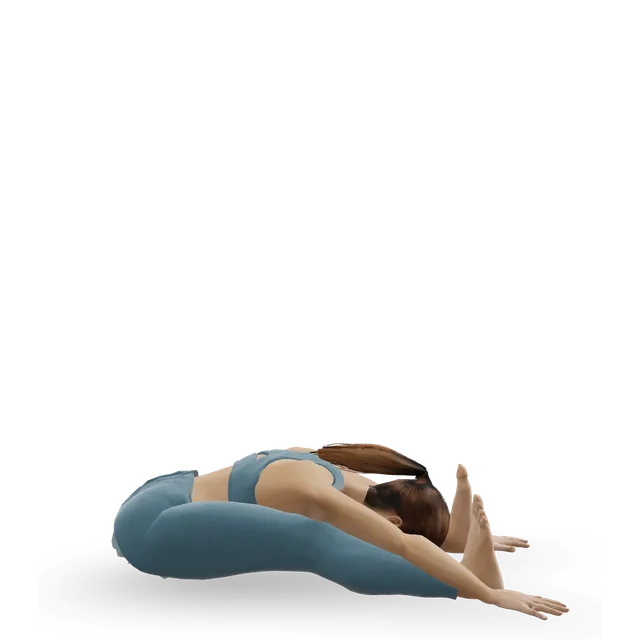
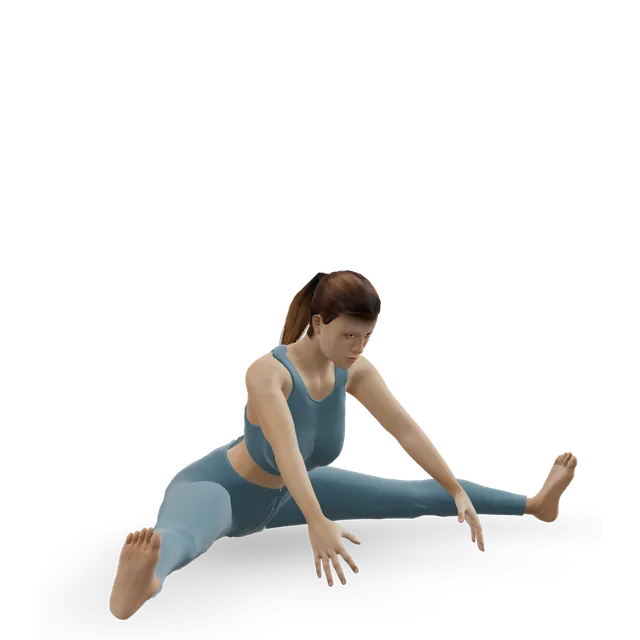
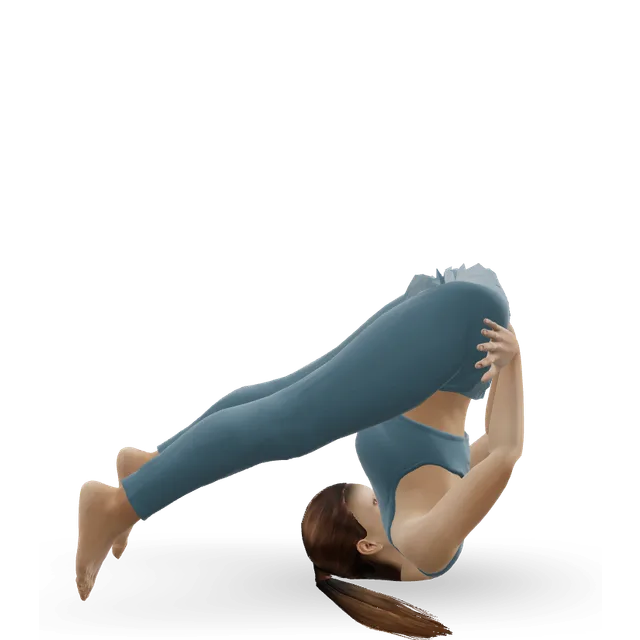
The UK consensus advises modifying or avoiding sustained, repeated or end-range forward bending, and spinal fractures have been reported with some yoga poses involving extreme forward bending. Sit tall in butterfly, fold from the hips with a long back or skip caterpillar, half butterfly and dragonfly, and leave out snail (plough).
Source 10
In a study of 20 people, eye pressure rose within a minute in four head-down poses and settled within 2 minutes of sitting up; legs up the wall raised it least. Glaucoma UK advises avoiding positions that keep the head below the heart for a long time.
Skip melting heart and snail, and in child's pose rest your forehead on stacked cushions (our suggestion). Ask your eye doctor before legs up the wall, and if you do it, rest your head on a folded blanket, which the American Academy of Ophthalmology says can partly reverse the small rise in eye pressure. Breathe normally rather than restricting your out-breath. With high blood pressure that isn't under control, avoid long head-down holds and sit up slowly at the end.
The American College of Obstetricians and Gynecologists advises avoiding poses that keep you still or on your back for long periods. From the end of the first trimester, use side-lying or propped versions, and with pelvic girdle pain skip butterfly or keep your knees higher and closer. Our pregnancy yoga guide has the details.
Source 29
Case reports describe nerve damage from long kneeling and cross-legged sitting. In one, a woman who fell asleep for 4 hours in a seated forward bend after taking a strong painkiller and a sedating antidepressant damaged nerves in both legs, and the review advises against practising after alcohol or recreational drugs.
Skip saddle poses and the square if they load your knees, swapping swan and the square for the reclined figure four, don't do long holds when you're drowsy from alcohol or sedating medicines, and come out at once for tingling or numbness. After a hip replacement, leave out cross-legged, figure-four and swan (pigeon) shapes and deep forward folds, and don't bend your hip past a right angle while you recover, as our seniors guide explains.
Source 30
Come out of any pose that brings on tingling, numbness, pins and needles or sharp pain, or that hurts as you come out. If numbness or weakness in a foot or leg doesn't settle soon after, see a GP (our suggestion). The yin school advises checking with your doctor before starting if you're unsure.
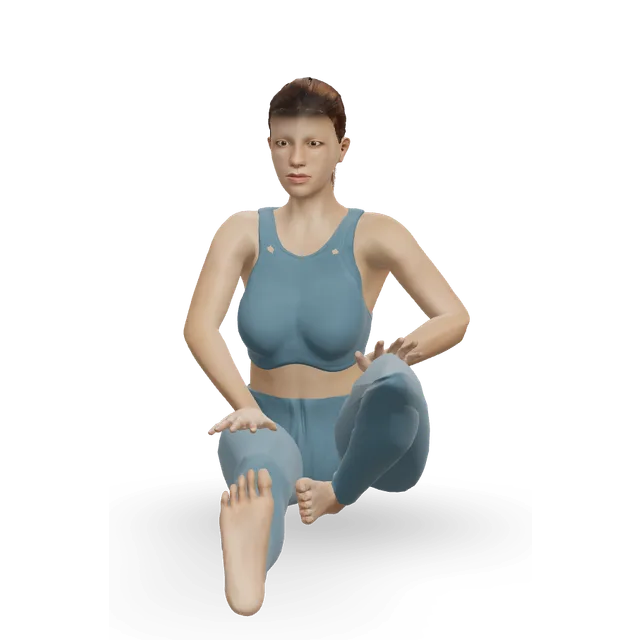
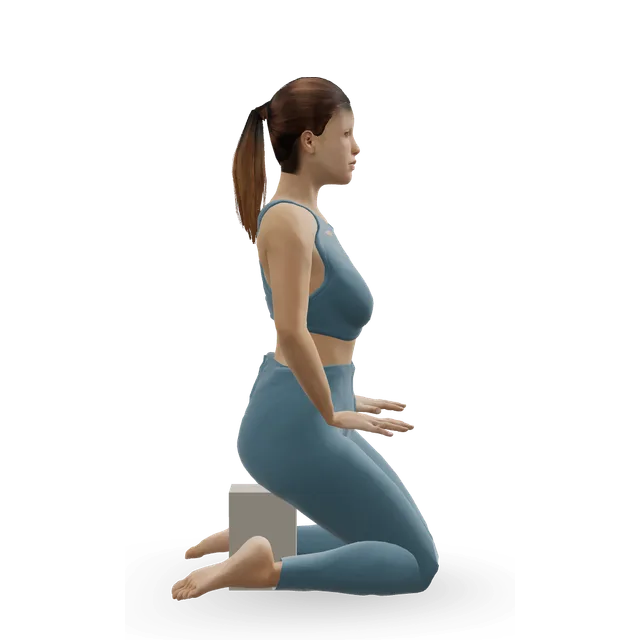
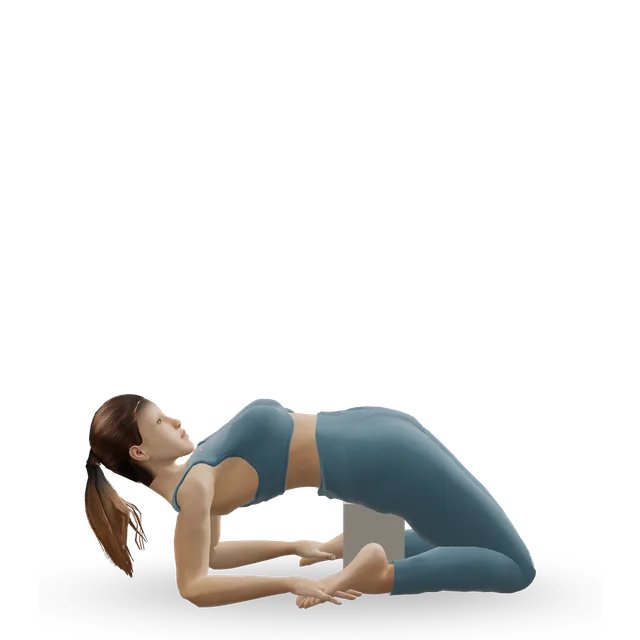
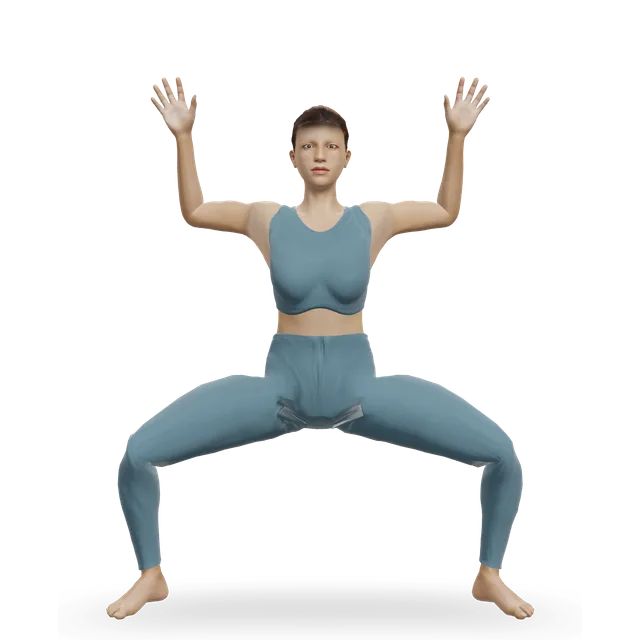
These are yin's butterfly, square, dragon, deep dragon, swan, knee-friendly swan, squat, happy baby and reclining butterfly: hold each for 1 to 3 minutes at first (our editorial starting point), longer than the stretch doses on our move pages, which are for building range.
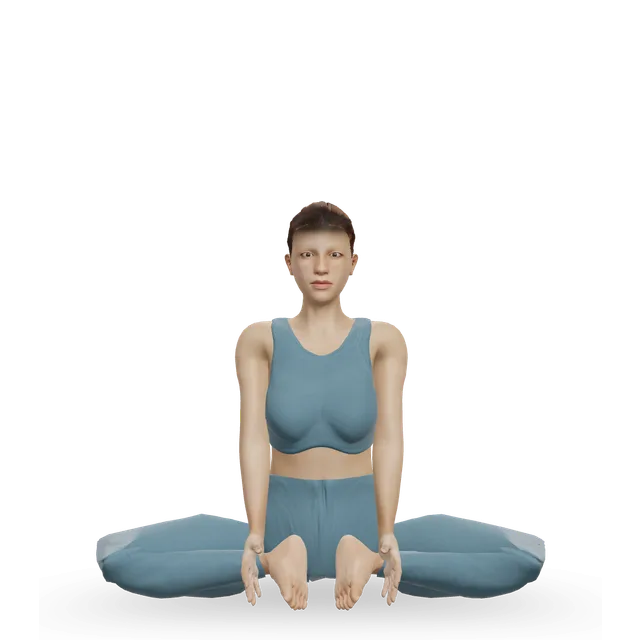 3D demoBound angle pose (Baddha Konasana)Beginner · No equipment
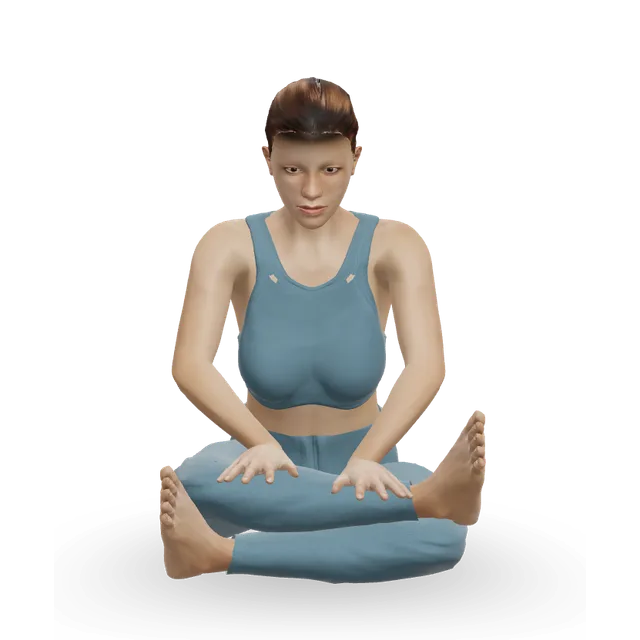 3D demoFire log pose (Agnistambhasana)Intermediate · No equipment
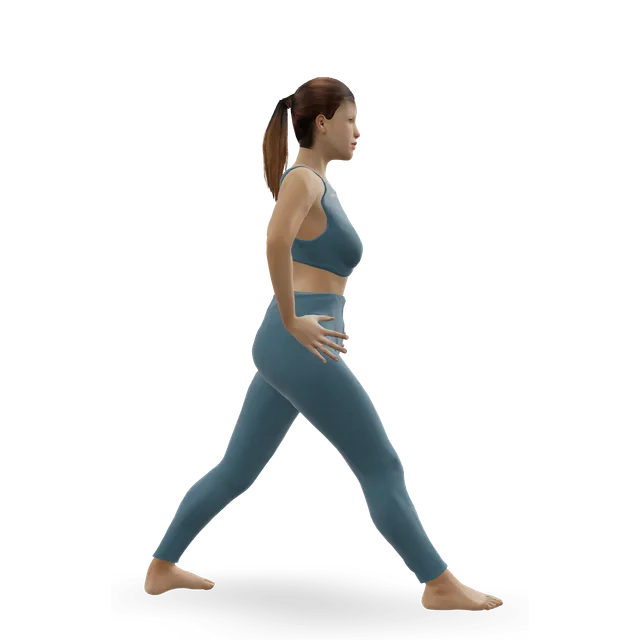
 3D demoLow lunge (Anjaneyasana)Beginner · No equipment
 3D demoLizard pose (Utthan Pristhasana)Intermediate · No equipment
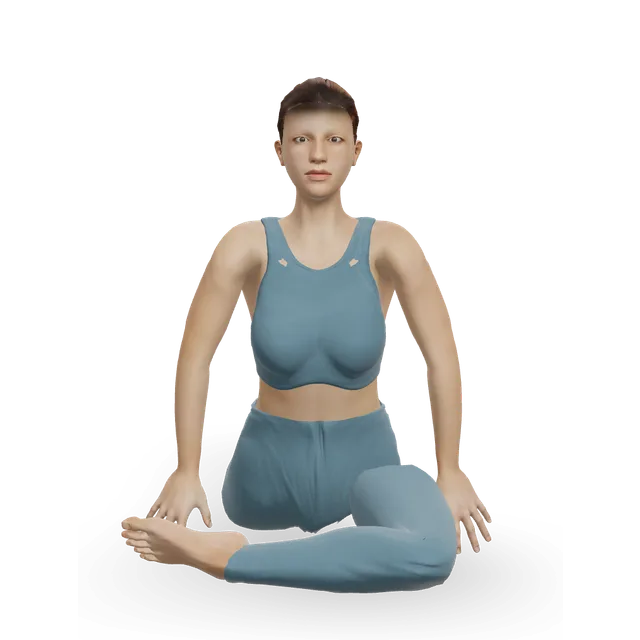 3D demoPigeon preparation (Eka Pada Rajakapotasana prep)Intermediate · No equipment
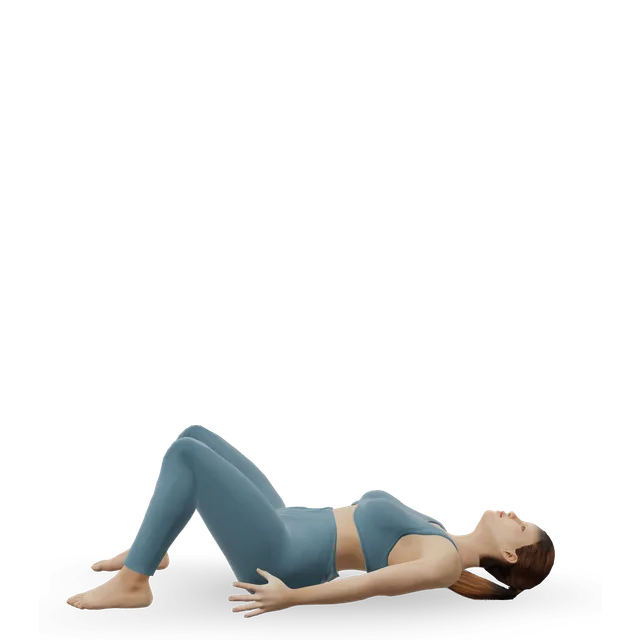 3D demoReclined figure four (eye of the needle, Sucirandhrasana)Beginner · No equipment
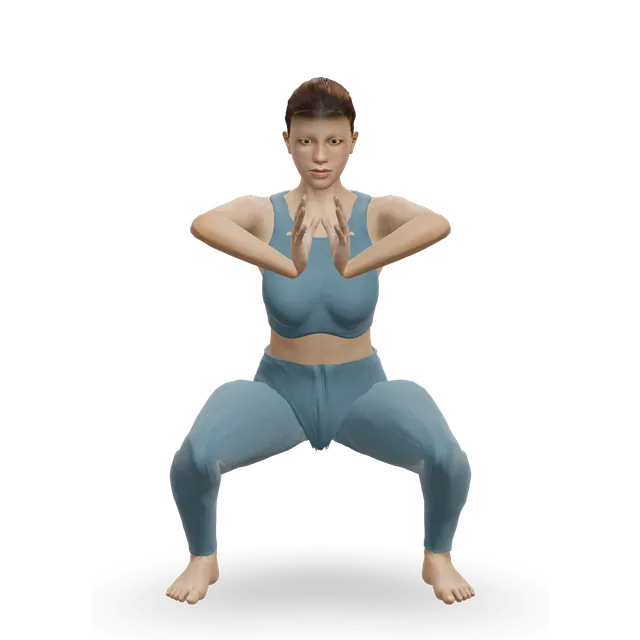 3D demoDeep squat holdIntermediate · No equipment
 3D demoHappy baby pose (Ananda Balasana)Beginner · No equipment
 3D demoReclining bound angle pose (Supta Baddha Konasana)Beginner · Firm cushion
Rest in child's pose between holds and hold the others for 1 to 3 minutes, skipping sphinx if you have spinal stenosis and melting heart (extended puppy) if you have glaucoma.
 3D demoChild's Pose (Balasana)Beginner · No equipment
 3D demoSphinx pose (Salamba Bhujangasana)Beginner · No equipment
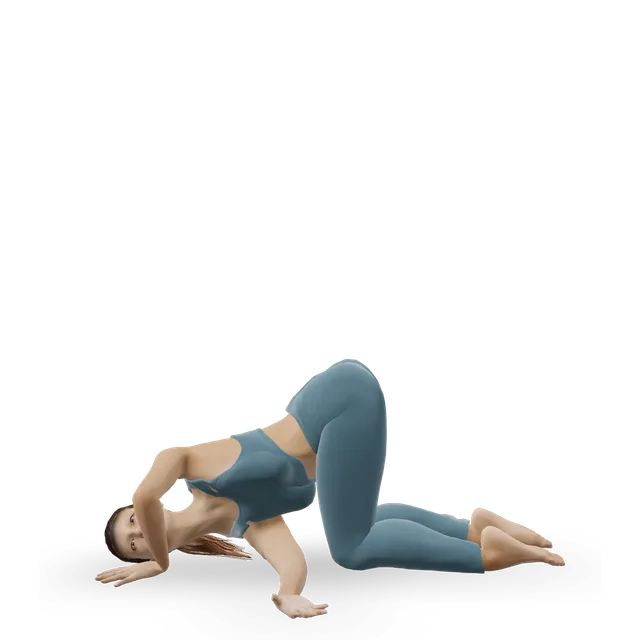 3D demoThread the needle (Parivrtta Balasana)Beginner · No equipment
 3D demoSupine spinal twist (Supta Matsyendrasana)Beginner · No equipment
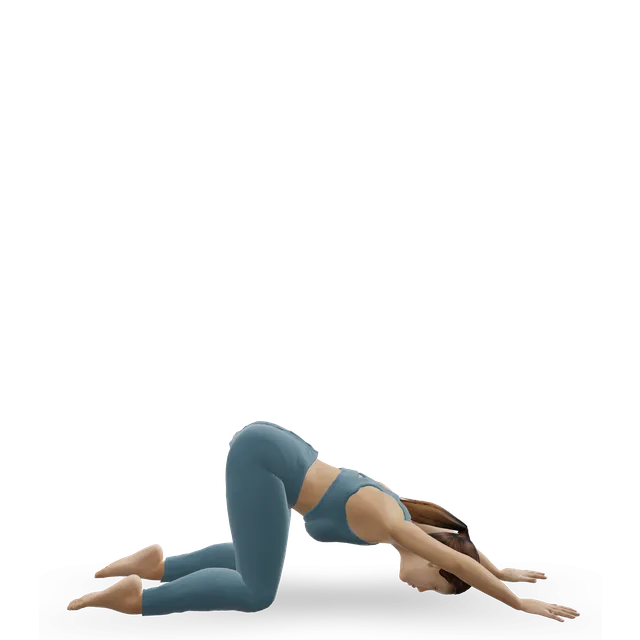 3D demoExtended puppy pose (Uttana Shishosana)Beginner · No equipment
In half butterfly, caterpillar and dragonfly, fold from your hips with your knees bent, keep your back long or leave them out if you have osteoporosis, and with glaucoma keep your head up with your forehead on a support.
Legs up the wall, then corpse pose for at least 5 minutes, up to 10, the move page's dose.
Our sequences leave out snail (plough), which loads the neck and puts the head below the heart, and the saddle poses, which take the knees to the end of their bend: try saddle only with healthy knees, sitting high on a block and building from 30 seconds to a minute, as the hero pose page suggests.
Start with the 35-minute beginners' session. The hour-long sequence follows the trials' class length; the flexibility session uses shorter holds for building range.
A 35-minute yin-style session: seated and lying poses held for 2 to 4 minutes with slow breathing, finishing with legs up the wall and a long rest.
35 minBeginner9 movesA wallA 60-minute yin yoga class: seated and lying poses held for about 3 minutes each with slow breathing, hips and spine first, finishing with a long rest.
60 minIntermediate13 movesA wallA hip-opening yoga sequence: low lunge, lizard, goddess, pigeon, bound angle and happy baby.
20 minBeginner7 movesNo equipmentA slow, 10-minute floor routine to unwind before sleep: child's pose, twists, happy baby and slow breathing.
10 minBeginner7 movesFirm cushion, A wallA 25-minute yoga sequence for the hamstrings, hips, inner thighs, spine and shoulders, holding each pose for 30 to 60 seconds, as in the stretching trials.
25 minBeginner12 movesNo equipmentDense fascia barely lengthens, a long stretch only briefly lowered fascia stiffness in one trial, and weeks of stretching work mainly through tolerance. No yin trial has measured fascia.
Meridians are the tradition's framework. The idea that they follow connective tissue is a hypothesis, studies of their electrical properties were poor and inconclusive, and no yin trial has tested it.
No yin trial measured flexibility, and across 77 stretching studies, how long, how hard or how often people stretched made no clear difference to the range they gained.
No study shows fascia needs special long holds, as our fascia stretching guide explains. Yin's hold lengths come from its teachers, and in stretching studies longer holds didn't add more range.
One trial paper repeats this as yin teaching, with no evidence behind it. Nothing shows cold muscles change where a stretch acts.
Source 4
The yin school's own rule is not to go to your end range. With hypermobility, the NHS says don't overextend your joints, and the Hypermobility Syndromes Association favours yoga focused on strength and control.
In 24 weeks, yin didn't raise upper-body strength or change bone density.
Source 21
Quiet, still practices can bring feelings up, which is a reason to practise gently. No study shows emotions are stored in fascia or hips, as our fascia stretching guide explains.
A slow style of passive seated and lying poses held for minutes, usually 3 to 5 in trials and 1 to 10 in the yin school's teaching, with slow breathing. Paulie Zink says he has taught it since 1979, and Paul Grilley made it popular.
Start with 1 to 3 minutes and build toward 3 to 5 where the pose stays comfortable. Come out at once for tingling, numbness or sharp pain.
In small trials it lowered stress, anxiety and sleep problems over 5 to 10 weeks. It's a calm way to wind down, but it isn't a strength or fitness workout.
No trial has tested it. It's a relaxing way to spend more time stretching, but longer holds haven't been shown to add more range than holds of 30 to 60 seconds.
Not on the evidence. Dense fascia barely lengthens, and a long stretch only briefly lowered its stiffness in one trial; gains in range come mainly from your tolerance of the stretch.
Energy channels from traditional Chinese medicine, which Paul Grilley added to yin through Hiroshi Motoyama's teaching. They haven't been shown to exist as separate structures, and no yin study has tested them.
For most people it's gentle. Very flexible people should stay mid-range and build strength instead, people with osteoporosis should avoid long, deep forward folds, and nobody should do long holds when drowsy from alcohol or sedating medicines.
Yes, with props and shorter holds: our 35-minute beginners' session holds most poses for 2 to 4 minutes. Go to a gentle stretch, not your limit.
Yin holds a gentle stretch, restorative yoga props you so there's no stretch, and yoga nidra is guided relaxation lying still. Our types of yoga and yoga nidra guides cover both.
Very little. It's slow and still, so it's likely light activity, and in a 24-week trial yin didn't raise upper-body strength or bone density. Pair it with strength and aerobic exercise.
Quiet, still practices can bring feelings up, and that's normal, not trauma leaving your body. Pain during a pose or as you come out may mean you went too deep or stayed too long, the yin school says.
Ask your midwife first, and avoid long, still poses on your back after the first trimester. Our pregnancy yoga guide has the full advice.
Exercise education, not a personal prescription, and clinical review of these guides is pending. If you are pregnant, have a health condition such as glaucoma, high blood pressure or osteoporosis, or have had recent surgery, check with a doctor, midwife or physiotherapist before starting, and stop for sharp or increasing pain. Health disclaimer.