Fire log pose (Agnistambhasana)
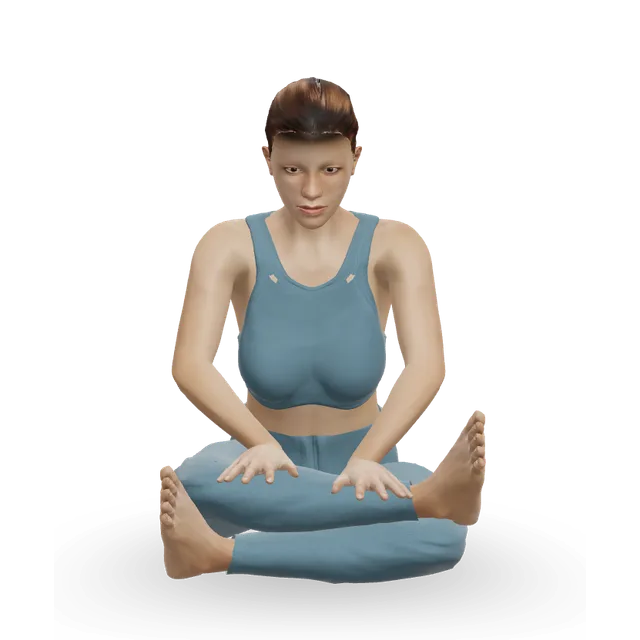
Sitting with your shins stacked one on top of the other, each ankle over the opposite knee and both feet flexed, you hinge forward from the hips. It asks more than the reclined figure four, turning both bent hips out at once, and the turn must come from the hips rather than the knees. Bone shape sets part of the limit: in a CT study, how far a bent hip turned out tracked the twist built into the thigh bone.
Movement guide
Fire log pose (Agnistambhasana)
Loading the 3D figure…
Make it easier or harder
Choose a version that fits your control and comfort.
Easier option
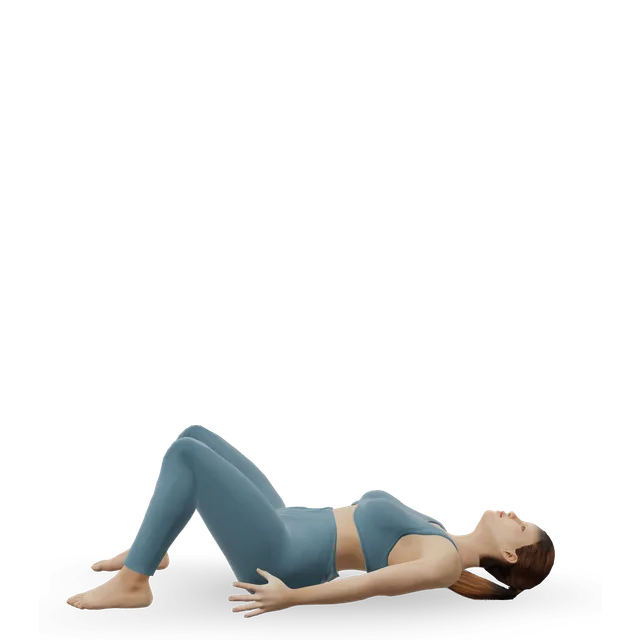 3D demoReclined figure four (eye of the needle, Sucirandhrasana)Beginner · No equipment
Suggested next step, beginner grade.
Harder option
Keep a comfortable range and follow any technique and timing given in the guide. A deeper stretch or more complex pose is optional, not a required next step. Ingram 2025 review of stretching and range of motion
Source-researched guide.
How to move
- Sit on the front edge of a folded blanket with your knees bent and your hands on your thighs.
- Lay your left shin on the floor across the front of you, parallel to the front edge of the mat, with the left ankle under your right knee.
- Stack your right shin on top, the right ankle just beyond the left knee, and flex both feet. Put a block under the top knee if it floats.
- Sit tall, then hinge forward from your hips with a long spine, sliding your hands down to the top shin or the floor. Hold.
- Come up, uncross your legs and change which leg is on top.
Form cues
- Flex both feet so the ankles don't roll.
- Feel it in the outer hips and buttocks, never in the knees.
- Avoid: rounding forward from the belly; keep the front of the body long.
Practice and cautions
Hold 30 to 60 seconds, about 5 to 10 slow breaths, each side, 2 rounds (our editorial starting point). The ACSM suggests about 60 seconds of stretching in all per exercise, on at least 2 days a week.
If you feel it in a knee rather than the outer hip, the thigh has stopped turning out and the knee is being twisted: sit higher, or go back to the reclined figure four. Support the top knee with a block or cushion if it hangs in the air, and never force the shins to look parallel. This is movement education, not an assessment or treatment prescription. Stop for sharp or increasing pain, dizziness, numbness or tingling; seek individual guidance for symptoms, injury or restrictions.
Sources and review status
Sources support the educational description; they do not establish that this exercise is suitable for you.
- Yoga Journal · Fire log pose (how-to: shins stacked, feet flexed, folding from the hip creases; take care with knee or low back injury) ↗
- Yoga International · Fire log pose in depth (the shin position must come from the hip turning out, not the knee; blocks under floating thighs) ↗
- Ratner 2022 · The twist built into the thigh bone, measured on 3D CT, correlated with how far the hip turned out at 90 degrees of flexion (r = 0.65, 20 patients, Cureus) ↗
- Garber 2011 · ACSM position stand: flexibility exercise for each major muscle group, about 60 seconds in all per exercise, on 2 or more days a week (Med Sci Sports Exerc) ↗
No variation is labeled clinically validated.
What it works
Equipment
None: body weight and floor space.
Level
Intermediate. See the easier and harder options above.
Workouts that use it
Guides that use it
Similar moves
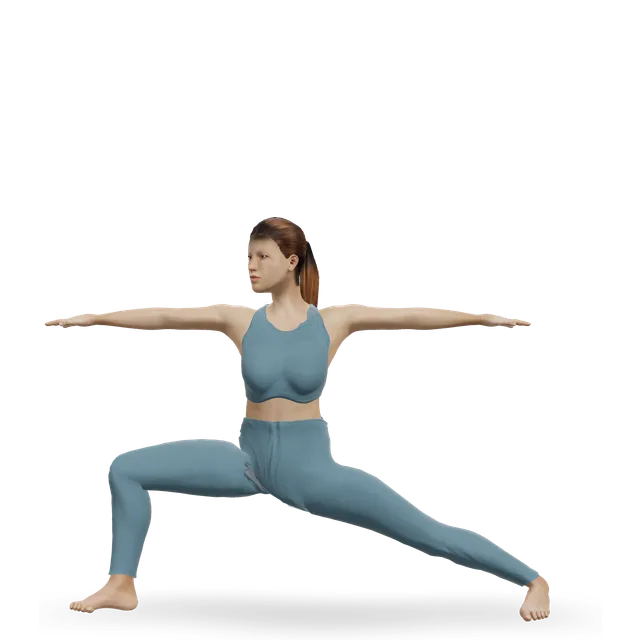 3D demoExtended side angle (Utthita Parsvakonasana)Intermediate · No equipment
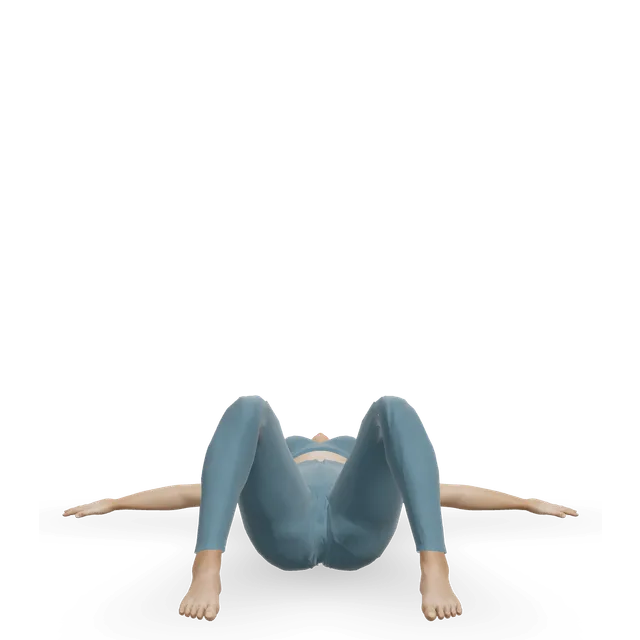 3D demoHip windshield wipersBeginner · No equipment
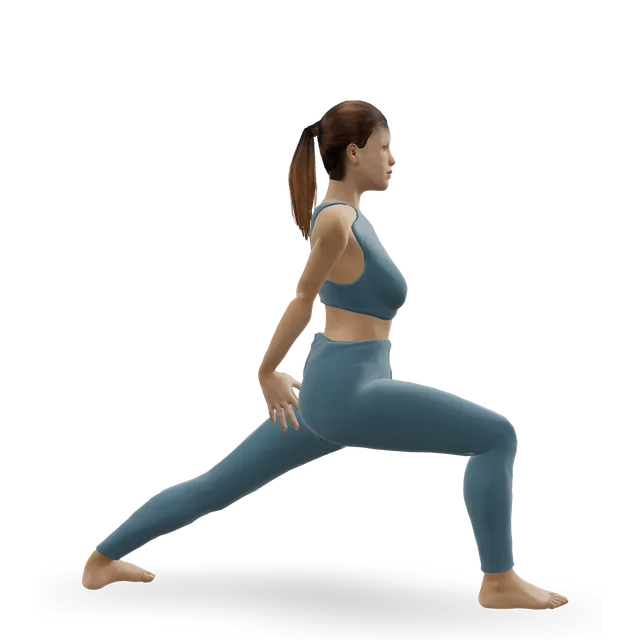 3D demoHumble warrior (Baddha Virabhadrasana)Intermediate · No equipment
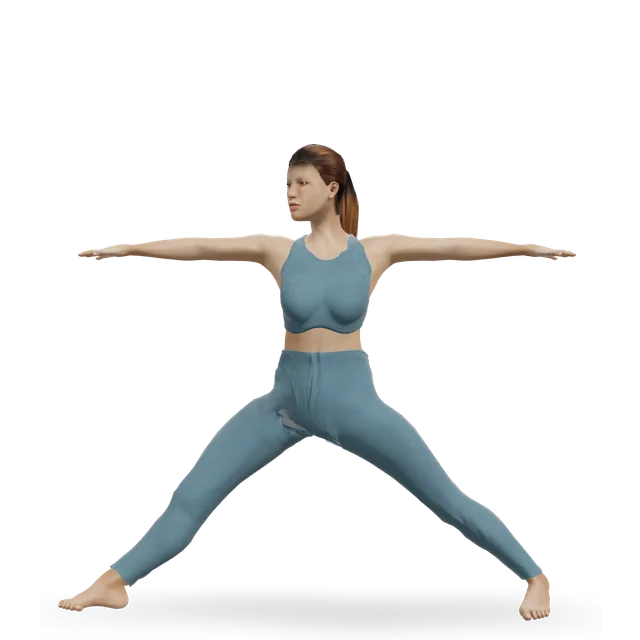 3D demoWarrior II (Virabhadrasana II)Intermediate · No equipment
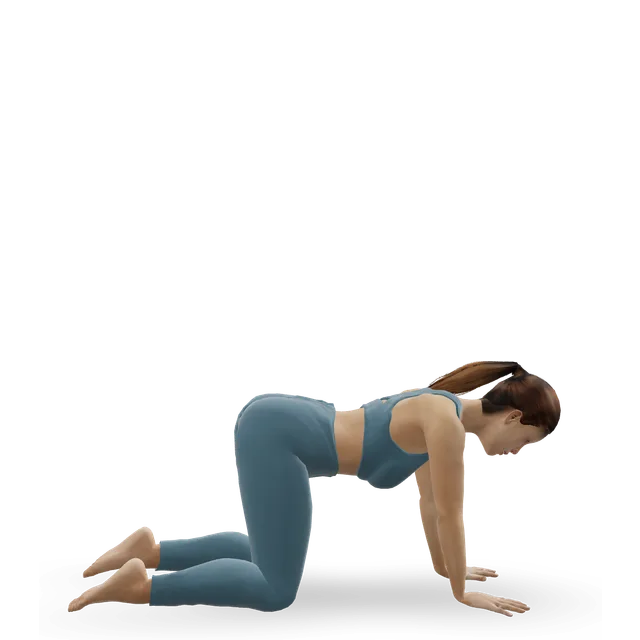 3D demoAll-fours straight-leg raiseBeginner · No equipment
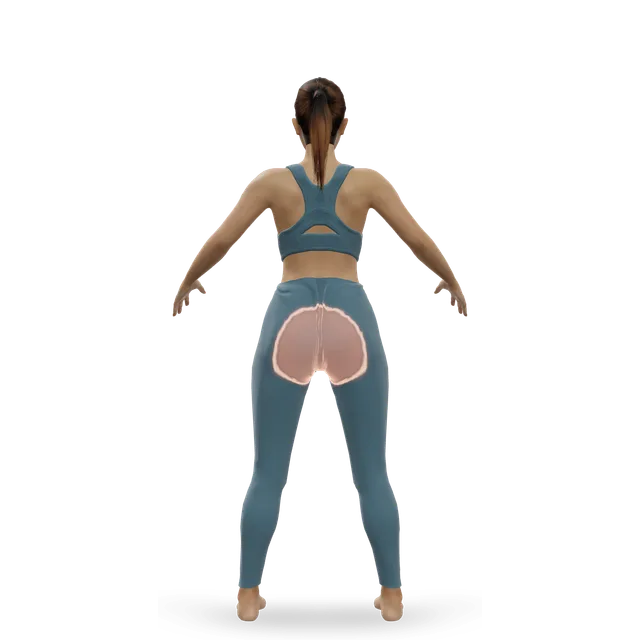 Bird of paradise (Svarga Dvijasana)Expert · No equipment
Browse more
Questions people ask
What muscles does the Fire log pose (Agnistambhasana) work?
Mainly the glutes, with help from the adductors.
What equipment do I need for the Fire log pose (Agnistambhasana)?
No equipment: your body weight and a little floor space.
Is the Fire log pose (Agnistambhasana) good for beginners?
It is graded intermediate. If it is too hard right now, start with the Reclined figure four (eye of the needle, Sucirandhrasana).
What is an easier alternative to the Fire log pose (Agnistambhasana)?
Try the Reclined figure four (eye of the needle, Sucirandhrasana). It is the suggested step down from this move.