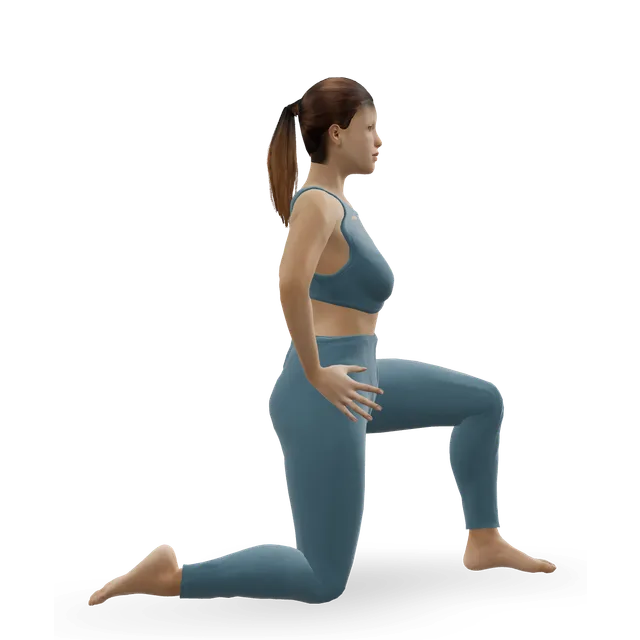
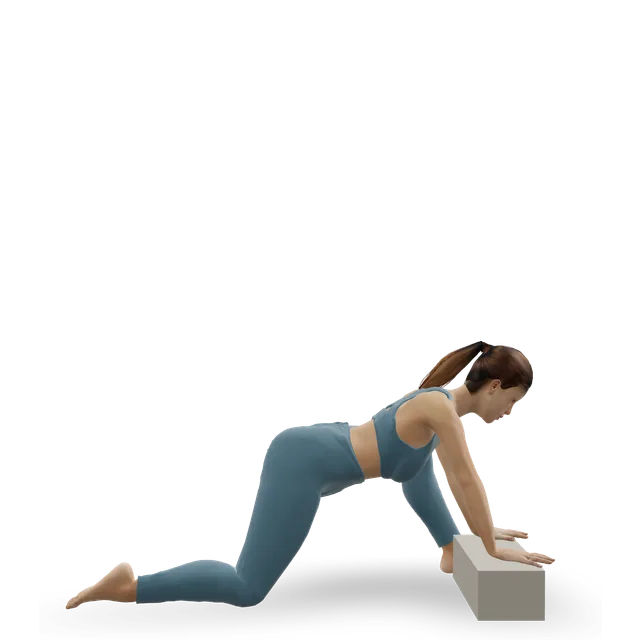
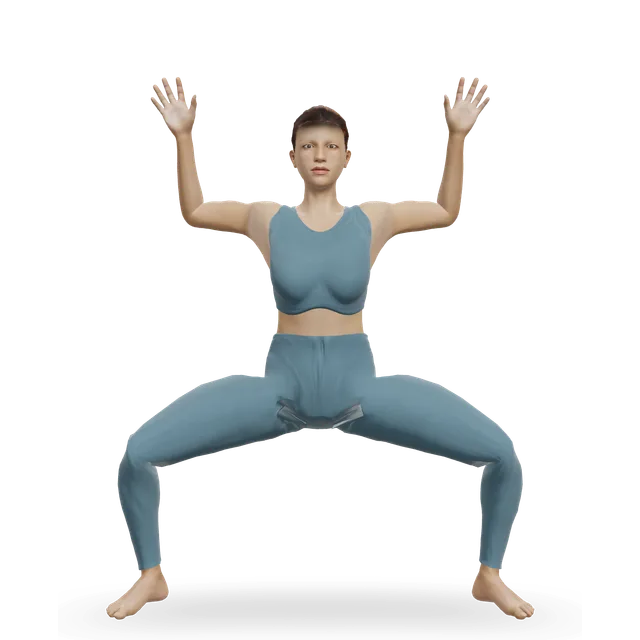
The deep rotators
It works with a small team under the glutes, the gemelli, obturators and quadratus femoris, that turn the thigh outward and hold the head of the thigh bone in its socket.
Muscle guide · Hips and glutes
Also called deep hip rotator, deep glute muscle
The piriformis is a flat, pear-shaped muscle deep in the buttock, under the gluteus maximus. It runs from the inside of the sacrum at the base of the spine, through a notch in the pelvis, to the top of the thigh bone.
It is famous for its neighbour: the sciatic nerve usually leaves the pelvis just below it, and in some people part of the nerve runs through or above it.
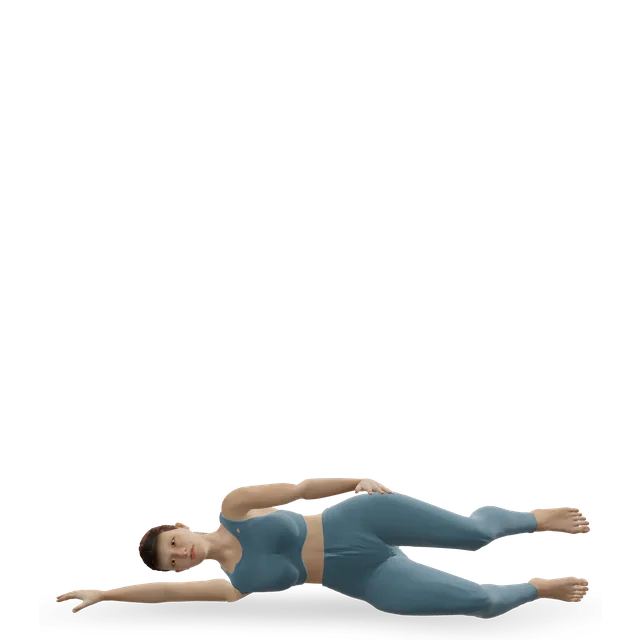
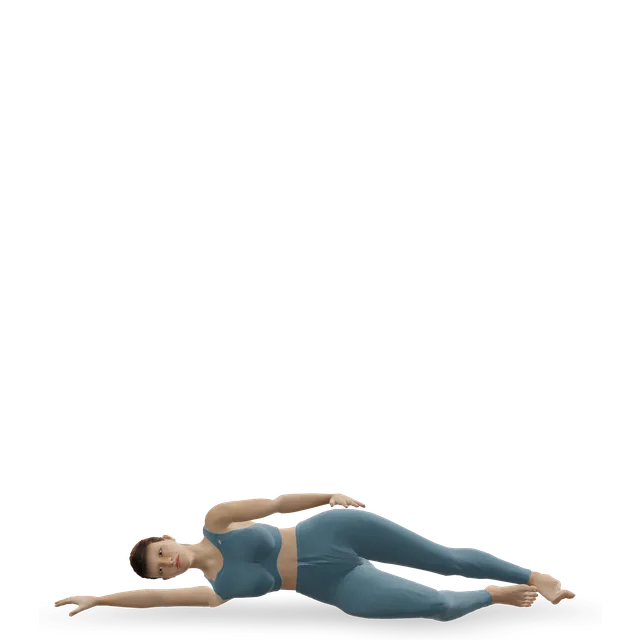
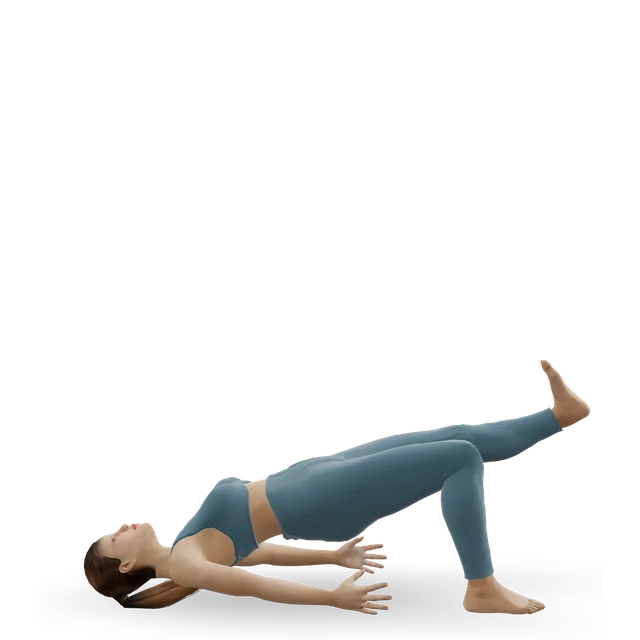
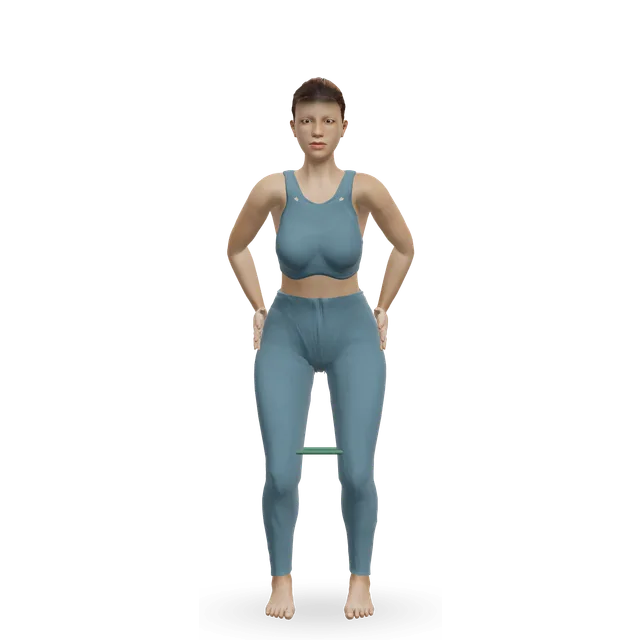
No study has measured which exercises load the piriformis most. These use its job of turning the thigh outward and steadying the hip, and they are the hip-strength moves the piriformis syndrome guide builds on.
Stretching is part of the usual conservative treatment for piriformis syndrome. Stop if a stretch sends pain or tingling down the leg.
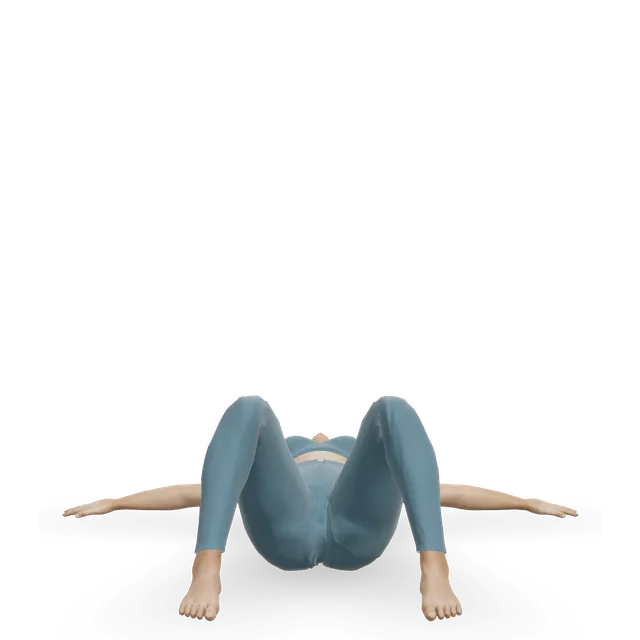
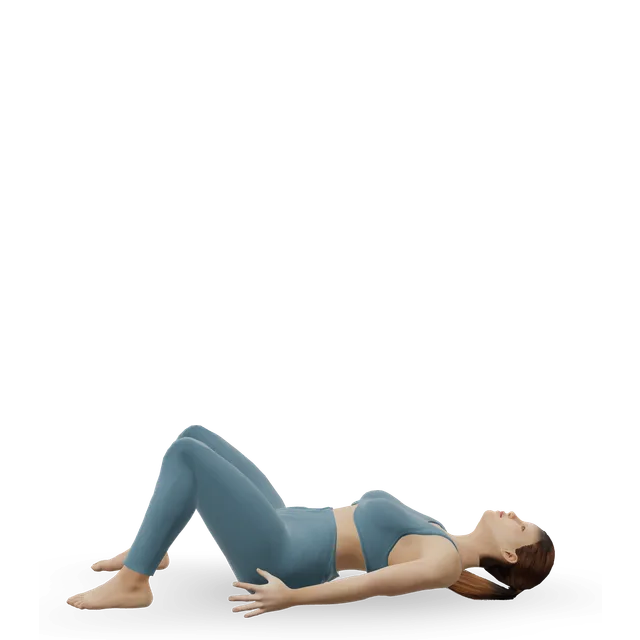 3D demoReclined figure four (eye of the needle, Sucirandhrasana)Beginner · No equipment
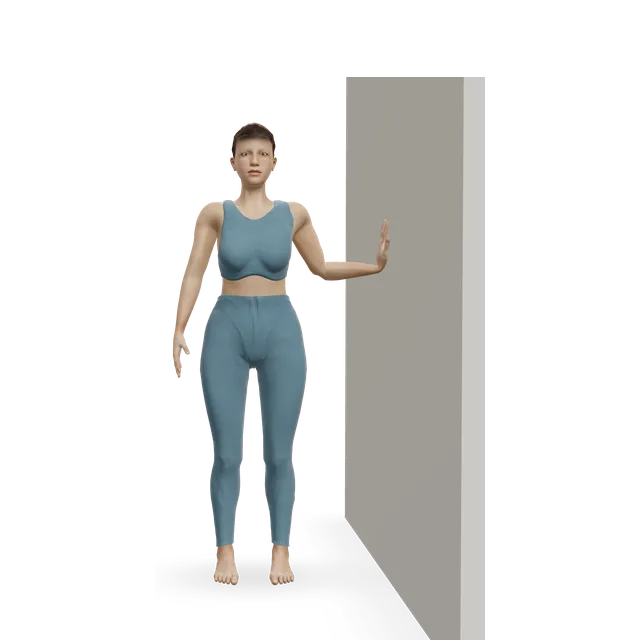
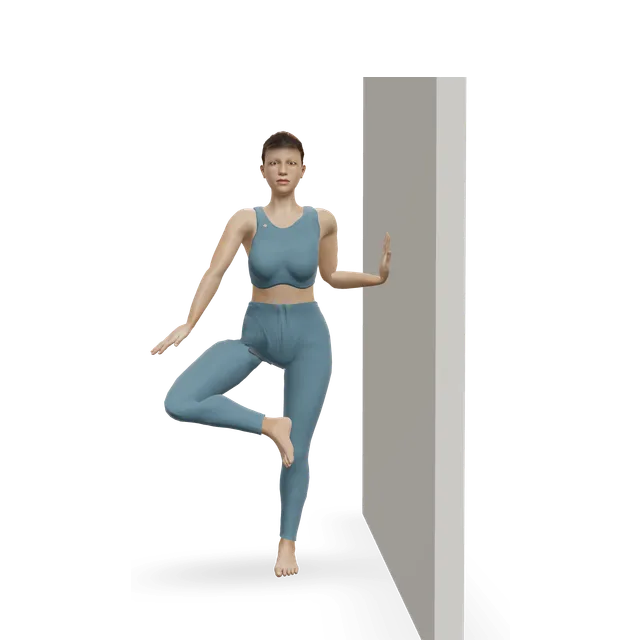 3D demoStanding figure four (chair pigeon, Eka Pada Utkatasana)Intermediate · A wall
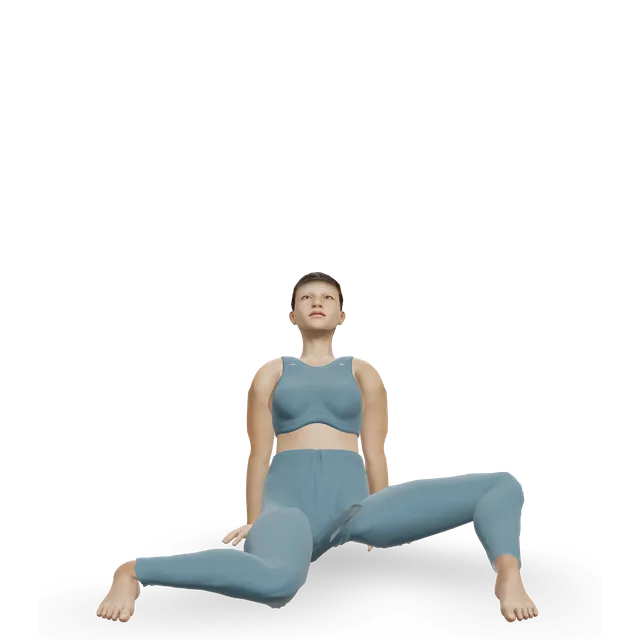
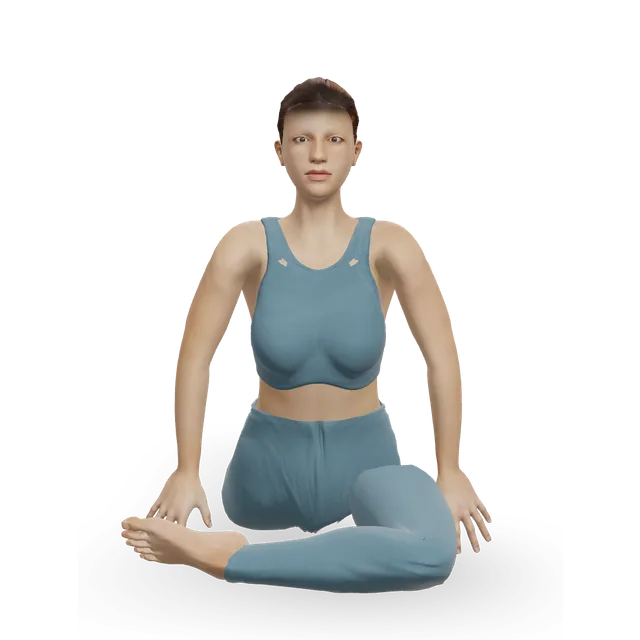 3D demoPigeon preparation (Eka Pada Rajakapotasana prep)Intermediate · No equipment
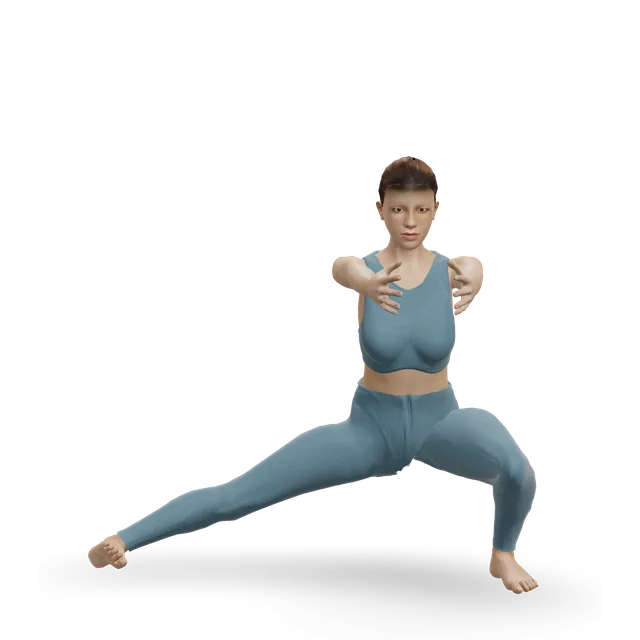
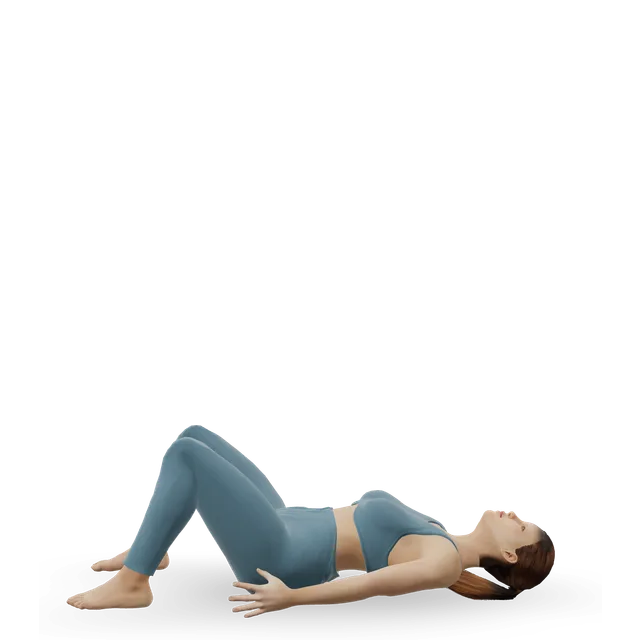 3D demoAnkle On The KneeBeginner · Other / check instructions
Buttock pain that may burn or ache down the back of the leg, sometimes with tingling, thought to come from the piriformis irritating the sciatic nerve. Sitting, stairs and squatting tend to aggravate it. It is diagnosed by ruling other causes out and is estimated at 0.3% to 6% of cases of low back pain or sciatica.
After more than 70 years there is still no accepted test for piriformis syndrome, and it has been called both over- and under-diagnosed. Many clinicians now use the broader term deep gluteal syndrome for sciatic nerve trouble in the buttock that does not come from the spine.
Each grade rates the evidence for the correction.
It turns the thigh outward when the hip is straight, and with the other deep rotators it helps hold the hip joint steady.
It is contested. There is no accepted test, it is diagnosed by excluding other causes, and most sciatica comes from the spine instead.
Figure-four and pigeon-style stretches, which bend the hip and turn it, put tension on it. Back off if a stretch causes pain or tingling down the leg.
Deep in the buttock under the gluteus maximus, running from the inside of the sacrum to the top of the thigh bone, right beside the sciatic nerve.
Anatomy and movement education, not a diagnosis or treatment plan. If you have pain that follows an injury, is severe or getting worse, or comes with numbness, weakness or swelling, get it assessed. Health disclaimer.