Clamshell
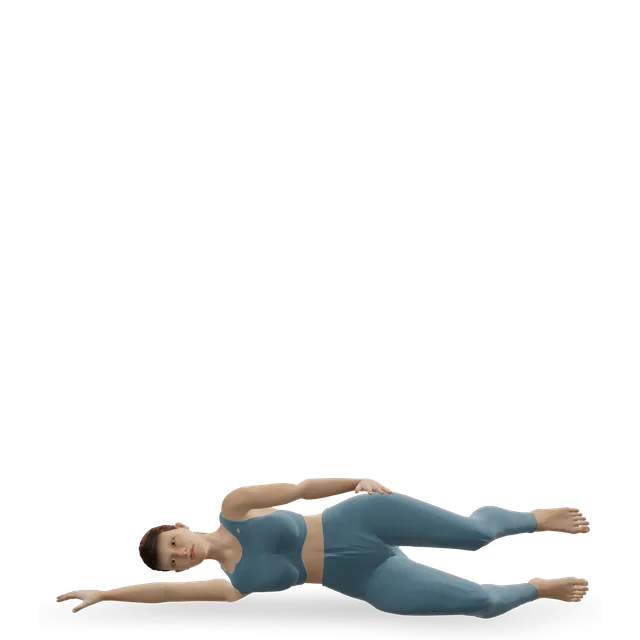
Lying on the side with the knees bent, the top knee opens toward the ceiling while the pelvis stays still; of the three, it asks least of the gluteus medius.
Hip abduction family
Clamshell
Loading the 3D figure…
Source-researched guide.
How to move
- Lie on your side with the hips and knees bent to about 45 degrees, the feet together and the hips stacked one above the other.
- Keeping the feet touching, lift the top knee toward the ceiling without letting the pelvis roll backward.
- Lower the knee slowly. A light band just above the knees makes it harder.
Form cues
- Rest a hand on the top hip to feel that it stays still.
- Lift only as far as the pelvis stays put.
Practice and cautions
No universal dose is assigned. Choose a manageable amount for your current capacity, leave room for controlled repetitions, and allow recovery. A clinician’s individual plan takes priority.
With pain on the outside of the hip, start with lying and standing holds and bridges, and leave clamshells out while it hurts at night: the trial that did best for this pain didn't use them. When they come back, lie on your good side with a pillow between your knees, keep the range small and the band light, and stop if the bony point on the side of your hip gets sorer or your nights get worse. After a front (anterior) approach hip replacement, skip this while your team restricts turning the leg out, as one US surgeons' precaution sheet lists. Rolling the pelvis backward turns it into a different, easier exercise; rest a hand on your top hip and lift only as far as the pelvis stays still. If the outside of the bottom hip is sore to lie on, pad it with a pillow or start from the other side. This is movement education, not an assessment or treatment prescription. Stop for sharp or increasing pain, dizziness, numbness or tingling; seek individual guidance for symptoms, injury or restrictions.
Sources and review status
Sources support the educational description; they do not establish that this exercise is suitable for you.
- DiStefano 2009 · Gluteal activation in 12 rehabilitation exercises (EMG, JOSPT) ↗
- Moore 2020 · Exercises for the gluteus medius and minimus: systematic review and meta-analysis (resisted standing abduction high, about level with resisted side-stepping) ↗
- Selkowitz 2013 · Which exercises work the glutes with least help from the front of the hip: the clam ranked highest, in 20 adults (fine-wire EMG, JOSPT) ↗
- Mellor 2018 · Education plus exercise, a steroid injection or wait and see for outer hip tendon pain: 204 people; the exercise programme used no clamshells (randomised trial, BMJ) ↗
- NHS inform · Greater trochanteric pain syndrome (avoid lying on the painful side; on the good side, a pillow between the legs; patient information, NHS 24, Scotland) ↗
- Proliance Surgeons · Precautions after a front (anterior) approach hip replacement: don't take the hip back beyond straight or turn the leg out, typically for 6 weeks (US patient sheet, revised 2023) ↗
No variation is labeled clinically validated.
What it works
Muscles
Main: Hip abductors, Glutes.
Anatomy: Gluteus medius, Gluteus minimus, Tensor fasciae latae, Gluteus maximus, Piriformis, Obturator internus.
Equipment
None: body weight and floor space.
Level
Beginner. See the easier and harder options above.
Workouts that use it
- Glute workout at home · 25 min
- Beginner lower body workout · 25 min
- Beginner Pilates workout · 20 min
- Full-body mat Pilates workout · 30 min
- Pilates for back pain (gentle routine) · 15 min
- Beginner Pilates for over-50s · 20 min
- Pregnancy Pilates workout (no lying on your back) · 20 min
- Postnatal exercises · 25 min
Show all 99 workoutsShow fewer workouts
- Hypermobility exercises: a strength and control routine · 25 min
- Tennis and padel injury prevention · 25 min
- Gentle exercises for endometriosis: breathe, steady and stretch · 20 min
- PoTS exercises: a lying and seated starter session · 30 min
- Pregnancy strength workout (no lying on your back) · 30 min
- Strength workout for dancers: feet, hips, hamstrings, trunk and landings · 55 min
- Dance warm-up: feet, hips, spine and small jumps · 15 min
- Exercise after rhabdomyolysis: a light session for the first weeks back · 30 min
- Beginner barre workout at home: pliés, rises, leg lifts and holds at a chair, then mat work · 25 min
- Low-impact dance fitness workout: no-jump cardio to music, with trunk and pelvic floor work · 35 min
- Pilates for osteoporosis: a mat class with safe swaps · 25 min
- Strength workout with a prolapse: pelvic floor first, no impact, no crunches · 25 min
- Pilates for scoliosis: an even, both-sides routine · 20 min
- Pilates for your pelvic floor: squeeze, move, release · 20 min
- Pilates for MS: seated, standing and mat options · 25 min
- Clinical Pilates exercises: an NHS-style physio class routine for home · 15 min
- Pilates for hypermobility: a supported 20-minute class · 20 min
- Pilates for knee pain: a 25-minute class with no kneeling · 25 min
- Pilates glute workout: a 25-minute mat class (with a band if you have one) · 25 min
- Hip release routine: roll, stretch, strengthen · 15 min
- Pilates for arthritis: a 25-minute joint-friendly class (no kneeling) · 25 min
- Endometriosis-friendly Pilates: a 20-minute mat class with a flare-day stop point · 20 min
- Rotation-focused Pilates for golfers: a 25-minute mat and standing class · 25 min
- Mid-range Pilates for dancers: a 25-minute mat class for feet, turnout control and trunk · 25 min
- Off-the-bike Pilates for cyclists: a 25-minute class for back extension, trunk and hips · 25 min
- Shoulder-safe Pilates for swimmers: a 25-minute dryland class for shoulder blades, trunk and hips · 25 min
- Chair-and-bed Pilates after a stroke: a 20-minute class that protects your weaker arm · 20 min
- Gentle no-twist Pilates during and after cancer treatment: a 25-minute class · 25 min
- Both-sides Pilates for tennis players: a 25-minute class for rotation, shoulder blades and hips · 25 min
- Pre-season Pilates for skiers: a 25-minute class for trunk, hips and single-leg balance · 25 min
- Recovery-day Pilates for footballers: a 25-minute class for trunk, groin, hips and hamstrings · 25 min
- Knee release routine: roll, stretch, strengthen · 15 min
- Shoes-on Pilates for diabetes: a 30-minute head-up strength class · 30 min
- Head-up Pilates for high blood pressure: a 30-minute class that keeps you breathing · 30 min
- Steady-breathing Pilates for heart conditions: a 40-minute class with a long warm-up and a seated cool-down · 40 min
- Yoga for dancers: a 25-minute active-range class for rest days · 25 min
- Hands-free Pilates for lupus: a 30-minute class with a warm-up, balance, strength and a stretching cool-down · 30 min
- Off-court Pilates for basketball players: a 25-minute class for trunk control, hips, ankles and one-leg balance · 25 min
- Both-sides Pilates for athletes: a 30-minute class for trunk endurance, hips, the back of the body and one-leg balance · 30 min
- Yoga for SI joint pain: a 20-minute even, strength-first class · 20 min
- Gentle postnatal Pilates: a 20-minute class from about 6 weeks after birth, with an early stop point and caesarean options · 20 min
- Chair-to-mat Pilates for bigger bodies: a 30-minute class standing, at a chair and on the mat, with a chair-only option · 30 min
- Stretch-and-strengthen Pilates for the hip flexors: a 25-minute class for the front and back of the hip · 25 min
- Recovery-day Pilates for rugby players: a 25-minute class for the neck, shoulder blades, trunk, hips and hamstrings · 25 min
- Even Pilates for SI joint pain: a 20-minute both-sides class, strength first · 20 min
- Pilates for a herniated disc: a 20-minute knees-bent class that lets your leg decide · 20 min
- Pilates for spinal stenosis: a 25-minute bend-forward class, from chair to mat to counter · 25 min
- Pilates for bloating: a 20-minute class for a swollen, uncomfortable tummy · 20 min
- Pilates for frozen shoulder: a 20-minute arms-low class, with a 10-minute shoulder block for the painful stage · 20 min
- Pilates for lymphoedema: a 25-minute moving class with arm and leg options · 25 min
- Wrist-free Pilates for carpal tunnel: a 25-minute class with nerve and tendon glides and no weight on your palms · 25 min
- Grip-light Pilates for tennis elbow: a 25-minute class with a 10-minute forearm loading block · 25 min
- Feet-first Pilates for flat feet: a 25-minute class for the arches, ankles, hips and balance · 25 min
- Knees-over-toes Pilates: a 25-minute class for the side hips, the feet and knee tracking · 25 min
- Yoga for IT band syndrome: a 25-minute class for side-hip strength and one-leg control, with no cross-body stretches · 25 min
- Grip-light Pilates for golfer's elbow: a 25-minute class with a 10-minute wrist flexor loading block · 25 min
- Yoga for a hip labral tear or impingement: a 25-minute class that builds hip strength and stays out of the pinch · 25 min
- Low-impact Pilates for lipoedema (lipedema): a 25-minute leg and hip strength class with no jumping or kneeling · 25 min
- Floor Pilates for PoTS: a 20-minute class that never asks you to stand · 20 min
- Seated-and-standing Pilates for COPD: a 25-minute class with pursed-lip breathing and an optional side-lying block · 25 min
- Calf-pump Pilates for varicose veins: a 25-minute standing, legs-raised and side-lying class · 25 min
- Pilates for men's pelvic floor: a 20-minute lying, seated and standing class · 20 min
- Pilates after tummy surgery: a 25-minute return class in three stages, with a stop point after each · 25 min
- Floor yoga for PoTS: a 25-minute lying, side-lying and seated class with one slow stand at the end · 25 min
- Ankle-steadying Pilates after a sprain: a 25-minute class for ankle strength, hips and one-leg balance · 25 min
- Up-in-stages Pilates for low blood pressure: a 25-minute class that wakes your legs before you stand · 25 min
- Upright Pilates for acid reflux: a 25-minute class with no lying flat or head-down moves · 25 min
- Hands-free Pilates for boxers: a 25-minute class for rotation, shoulder blades, trunk and stance, with no weight on your knuckles · 25 min
- Swim, bike and run Pilates for triathletes: a 25-minute class for the upper back and shoulder blades, the back and the front of the hips, trunk endurance, hips, calves and one-leg balance · 25 min
- Out-of-the-crouch Pilates for hockey players: a 25-minute class for the front of the hips, the upper back, groin and side hips, rotation both ways and one-leg balance · 25 min
- Yoga for figure skaters: a 25-minute off-ice class for ankles, one-leg balance in the landing shape, hips and turning both ways · 25 min
- Court-ready Pilates for pickleball players: a 25-minute class for balance and stepping, calves, hips, the trunk, and the paddle shoulder and forearm · 25 min
- Off-ice Pilates for figure skaters: a 25-minute class for both-ways rotation, the trunk, the landing leg, hips and ankles, with back bends kept small · 25 min
- Tendon-friendly Pilates for jumper's knee: a 25-minute class with the loading plan's holds built in, shallow knee bends and no jumping · 25 min
- Control Pilates for gymnasts: a 25-minute class for trunk endurance, shoulder blades without weight on your hands, hips you control and the landing leg, with no extra stretching · 25 min
- Trail-ready Pilates for hikers: a 25-minute class for ankles, a trunk that carries a pack, hips, the lowering leg and one-leg balance · 25 min
- Off-day Pilates for CrossFit: a 25-minute class for the pelvic floor, trunk control while you breathe, shoulders for hanging and overhead, wrists and hips for landing · 25 min
- Off-court Pilates for badminton players: a 25-minute class for the calves and Achilles, one-leg balance and the side lunge, the hips, the trunk both ways and the hitting shoulder · 25 min
- After-shift Pilates for nurses: a 20-minute class with your legs up, a gentle lower back, hips, neck and shoulders, and a wind-down for sleep · 20 min
- After-shift Pilates for firefighters: a 25-minute class for back and trunk endurance, the hinge, shoulder blades, one-leg balance and a wind-down · 25 min
- Chair-to-mat Pilates for veterans: a 25-minute class for the back, upper back, legs and balance, with a seated option for every block · 25 min
- Back-still Pilates after spinal fusion: a 25-minute return class in three stages, with a stop point after each · 25 min
- Knee-kind Pilates after ACL surgery: a 25-minute class in three stages, with no kneeling until you're cleared · 25 min
- Supported Pilates for cerebral palsy: a 25-minute class lying, sitting and standing with a chair, for trunk control and balance · 25 min
- Pilates after a hamstring strain: a 25-minute class with the hamstrings working, not stretching · 25 min
- Pilates after a groin strain: a 25-minute class with squeezes, side-lying work and side planks, and no wide-legged stretching · 25 min
- Tendon-friendly yoga for jumper's knee: a 25-minute class with the loading plan's holds built in, shallow knee bends, no kneeling and no jumping · 25 min
- Low-impact yoga for lipoedema (lipedema): a 25-minute class for leg and hip strength, sitting, at a chair and on a padded floor, with no kneeling, no jumping and your legs raised to rest · 25 min
- Buddy Pilates for Down syndrome: a 25-minute class for trunk control, balance and strength, with nothing on the head or neck · 25 min
- Upright Pilates for heart failure: a 35-minute sitting and standing class with a 15-minute warm-up, no lying flat and no breath holds · 35 min
- Band and chair Pilates for prostate cancer: a 30-minute class for strength, balance and the pelvic floor (head down, no twists) · 30 min
Pain guides that use it
Part of a staged plan, with when to get help first.
- SI joint pain: exercises, belts and what the evidence really shows
- Hip impingement (FAI): exercise first, and what to expect
- Piriformis syndrome (deep gluteal syndrome): what helps, and what it might really be
- Exercises for knee pain: what helps, and a plan to follow
- Runner's knee (patellofemoral pain): exercises that help
- IT band syndrome: exercises for outer knee pain
- Shin splints exercises: settle, strengthen, return to running
- Exercises after a hip replacement, and what hip precautions mean
Show all 71 pain guidesShow fewer pain guides
- MCL sprain (inner knee ligament): recovery and exercises
- Hip labral tear: exercise first, what surgery adds, and what to avoid
- Chronic ankle instability: exercises for an ankle that keeps rolling
- Flat feet and fallen arches: when they need treatment, and exercises that help
- Stress fractures of the foot, shin, thigh and hip: recovery and getting back to running
- Dislocated kneecap: what to do, exercises, and stopping it happening again
- Tailbone pain (coccydynia): what helps, what the evidence shows, and when to get it checked
- Snapping hip: why your hip clicks or pops, and exercises that help
- Hip dysplasia in teenagers and adults: exercise, surgery and what to expect
- Pes anserine bursitis: inner knee pain below the joint, and what helps
- PCL injury (posterior cruciate ligament): recovery, bracing and exercises
- Posterior tibial tendonitis: exercises for inner ankle pain and a dropping arch
- Lisfranc injury (midfoot sprain or fracture): diagnosis, treatment and recovery
- Exercises after hip arthroscopy: recovery after impingement or labral surgery
- Plica syndrome: a painful fold in the knee, and what helps
- Meralgia paresthetica: a burning, numb outer thigh, what helps and when it's your back
- Pelvic girdle pain (SPD) in pregnancy and after birth: what helps, exercises and when to get help
- Avascular necrosis of the hip: causes, stages, treatment and safe exercise
- Hip pointer: a bruised hip bone, the teenage fractures that mimic it, and getting back to sport
- Fat pad impingement (Hoffa's syndrome): pain below the kneecap when the knee straightens fully
- Knee OCD (osteochondritis dissecans): a damaged patch of bone and cartilage in children, teenagers and young adults
- Sinus tarsi syndrome: pain in the hollow on the outer ankle, the causes to rule out and what helps
- Perthes disease: when the ball of a child's hip loses its blood supply, and how it regrows
- In-toeing (pigeon toes) in children: what's normal at each age, and when to see a GP
- Exercises after ankle ligament surgery: recovery after a Broström repair or reconstruction
- Hip pain when squatting: the pinch at the front of the hip, finding your stance and building back
- Knee pain when running: what's likely, what to change in your running today and how to build back
- Knee pain when cycling: where it hurts, what to change on the bike today and how to build back
- Knee pain when swimming (breaststroker's knee): the kick, the inner knee and how to build back
- Knee pain on stairs: going up or coming down, what it means, and how to build back
- Knee pain when bending or straightening: the kneecap, the meniscus, behind the knee and what helps
- Inner knee pain: arthritis, the meniscus, an MCL sprain, pes anserine pain and how to build back
- Outer knee pain: the IT band, the outer ligament, the meniscus, the nerve and how to build back
- Buttock pain (bum pain): the back, the hip, the sitting bone, piriformis and when to worry
- Front of knee pain: the kneecap, the tendons, growing knees or arthritis, and how to build back
- Knee pain when sitting or standing up: the kneecap, arthritis, the back of the knee and what helps
- Knee pain in children and teens: growing pains, Osgood-Schlatter, the kneecap, injuries and the hip
- Hip pain in children: irritable hip, infection, Perthes, a slipped growth plate and when to get help
- Inner ankle pain: the tibialis posterior tendon, a sprain, tarsal tunnel, flat feet and what helps
- Knee pain in women: kneecap pain, ACL injuries, arthritis, the menopause, loose joints and pregnancy
- Back pain in pregnancy: why it happens in each trimester, what helps, and the signs to call about
- Hip pain in pregnancy: pelvic girdle pain, the outer hip at night, sciatica, and the signs to act on
- Hip pain in men: impingement when young, arthritis later, the back, a hernia and the signs to check
- Knee pain in pregnancy: the kneecap, weight and looser joints, swelling, exercise by trimester
- Knee pain when crossing your legs: the kneecap, the outer knee, the meniscus, a nerve and what helps
- Buttock pain when sitting: the sit bone, deep buttock pain, the back, the tailbone and what helps
- Knee pain when lunging: the kneecap, the tendon, the back knee, stride and depth, and what helps
- Knee pain in Bulgarian split squats: the front knee, the back knee, stance, depth and what helps
- Knee pain when doing step-ups: the kneecap, the tendon, box height, knee path and stepping down
- Hip pain on the leg press: the pinch in the hip crease, depth, foot position, the groin and swaps
- Knee pain on the elliptical: the kneecap, stride and resistance, foot position and what helps
- Knee pain on a rowing machine: the catch, the kneecap, the back of the knee and the foot stretcher
- Knee pain when doing wall sits: the kneecap, how deep you sit, where your feet go and how long
- Knee pain when doing hip thrusts: the front or back of the knee, where your feet go, cramp and swaps
- Knee pain on the treadmill: the kneecap, incline and speed, the outside of the knee and what helps
- Knee pain on the stair climber: the kneecap, step depth and speed, the rails and what helps
- Hip pain from golf: the lead and trail hip, impingement, labral tears, walking and what helps
- Knee pain after yoga: lotus, kneeling, locked knees, the inner knee, what to change and a plan back
- Knee pain after Pilates: kneeling, reformer footwork, the kneecap, locked knees and what to change
- Knee pain when driving: the kneecap, the pedals, the back of the knee and driving after surgery
- Back pain after dancing: arching, lifts and landings, heels and pole, young dancers, what helps
- Knee pain after dancing: jumps and landings, turns, deep pliés and turnout, heels and what helps
- Hip pain after dancing: the front of the hip, the groin, snapping, turnout and kicks, and what helps
Guides that use it
- Pilates guide
- Pilates for beginners guide
- Benefits of Pilates guide
- Pilates for back pain guide
- Pilates for seniors guide
- Pilates in pregnancy guide
- Pilates for osteoporosis guide
- Pilates for scoliosis guide
Show all 184 guidesShow fewer guides
- Pilates for the pelvic floor guide
- Pilates for sciatica guide
- Pilates for MS guide
- Clinical Pilates guide
- Pilates for hypermobility guide
- Pilates for knee pain guide
- Pilates for hip pain guide
- Pilates for glutes guide
- Pilates for diastasis recti guide
- Pilates for arthritis guide
- Pilates at home guide
- Pilates after a hip replacement guide
- Pilates after a knee replacement guide
- Pilates for endometriosis guide
- Pilates for golfers guide
- Pilates for dancers guide
- Pilates for cyclists guide
- Pilates for swimmers guide
- Pilates for stroke recovery guide
- Pilates for cancer guide
- Pilates for tennis players guide
- Pilates for skiers guide
- Pilates for footballers guide
- Pilates for diabetes guide
- Pilates for high blood pressure guide
- Pilates for heart health guide
- Pilates for fertility guide
- Pilates for teenagers guide
- Pilates for chronic pain guide
- Pilates for lupus guide
- Pilates for basketball players guide
- Pilates for athletes guide
- Postnatal Pilates guide
- Pilates for plus-size bodies guide
- Pilates for the hip flexors guide
- Pilates for rheumatoid arthritis guide
- Pilates for rugby players guide
- Pilates for SI joint pain guide
- Pilates for prolapse guide
- Pilates for a herniated disc guide
- Pilates for spinal stenosis guide
- Pilates for piriformis syndrome guide
- Pilates for neuropathy guide
- Pilates for bloating guide
- Pilates for frozen shoulder guide
- Pilates for lymphoedema guide
- Pilates for carpal tunnel guide
- Pilates for tennis elbow guide
- Pilates for flat feet guide
- Pilates for bunions guide
- Pilates for knock knees guide
- Pilates for Achilles tendinopathy guide
- Pilates for shin splints guide
- Pilates for IT band syndrome guide
- Pilates for golfer's elbow guide
- Pilates for spondylolisthesis guide
- Pilates over 50 guide
- Pilates for a meniscus tear guide
- Pilates for lipoedema guide
- Pilates for lymphatic drainage guide
- Pilates for POTS guide
- Pilates for asthma guide
- Pilates for COPD guide
- Pilates for gout guide
- Pilates for long COVID guide
- Pilates for varicose veins guide
- Pilates for the prostate guide
- Pilates for thyroid problems guide
- Pilates for erectile dysfunction guide
- Pilates for piles guide
- Pilates with a hernia guide
- Pilates after gallbladder removal guide
- Pilates after an ankle sprain guide
- Pilates for psoriatic arthritis guide
- Pilates for fatty liver guide
- Pilates for low blood pressure guide
- Pilates for acid reflux guide
- Pilates after a hysterectomy guide
- Pilates after a concussion guide
- Pilates for anaemia guide
- Pilates for boxers guide
- Pilates for surfers guide
- Pilates for baseball players guide
- Pilates for weightlifters guide
- Pilates for triathletes guide
- Pilates for cricketers guide
- Pilates for hockey players guide
- Pilates for volleyball players guide
- Pilates for pickleball players guide
- Pilates for figure skaters guide
- Pilates for martial arts guide
- Pilates for patellar tendinopathy guide
- Pilates for gymnasts guide
- Pilates for hikers guide
- Pilates for CrossFit guide
- Pilates for badminton players guide
- Pilates for nurses guide
- Pilates for firefighters guide
- Pilates for veterans guide
- Pilates for netball guide
- Pilates for IBS guide
- Pilates after spinal fusion guide
- Pilates after ACL surgery guide
- Pilates for cerebral palsy guide
- Pilates for knee arthritis guide
- Pilates for breast cancer guide
- Pilates for a hamstring injury guide
- Pilates for a groin strain guide
- Pilates for your hips guide
- Pilates for atrial fibrillation guide
- Pilates for epilepsy guide
- Pilates for Down syndrome guide
- Pilates for digestion guide
- Pilates for heart failure guide
- Pilates for hip dips guide
- Pilates for the lower body guide
- Pilates for the thighs guide
- Pilates for the ankles guide
- Pilates for your joints guide
- Pilates for prostate cancer guide
- Pilates in eating disorder recovery guide
- Yoga for hip pain guide
- Yoga for dancers guide
- Yoga for SI joint pain guide
- Yoga for piriformis syndrome guide
- Yoga for hip bursitis guide
- Yoga for flat feet guide
- Yoga for IT band syndrome guide
- Yoga for a hip labral tear guide
- Yoga for ovarian cysts guide
- Yoga for PoTS guide
- Yoga for figure skaters guide
- Yoga for knock knees guide
- Yoga for patellar tendinopathy guide
- Yoga for lipoedema guide
- Hip joint guide
- IT band guide
- Kinesiology tape guide
- How to foam roll guide
- Hips guide
- Glutes guide
- Knees guide
- Pregnancy guide
- Cellulite guide
- Hypermobility guide
- Lipoedema guide
- Exercise in pregnancy
- Exercise after giving birth
- Exercise for hypermobility
- Exercise for PoTS
- Exercise for lipoedema (lipedema)
- Exercise for endometriosis
- Exercise for Down syndrome
- Rhabdomyolysis (rhabdo) and exercise
- Exercise with fibroids
- Exercise with gestational diabetes
- Exercise with a prolapse
- Knock knees guide
- Lateral pelvic tilt guide
- Leg length discrepancy guide
- How to do hip thrusts guide
- Glute bridges guide
- How to grow your glutes guide
- Hip abduction machine guide
- Clamshells guide
- Band walks guide
- Hip airplanes guide
- Side-lying leg raises guide
- Single-leg glute bridge guide
- Hip dips guide
- Strengthen your knees guide
- Strengthen your hips guide
- Build muscle as a woman guide
- Toned legs guide
- Dance guide
- Barre guide
Similar moves
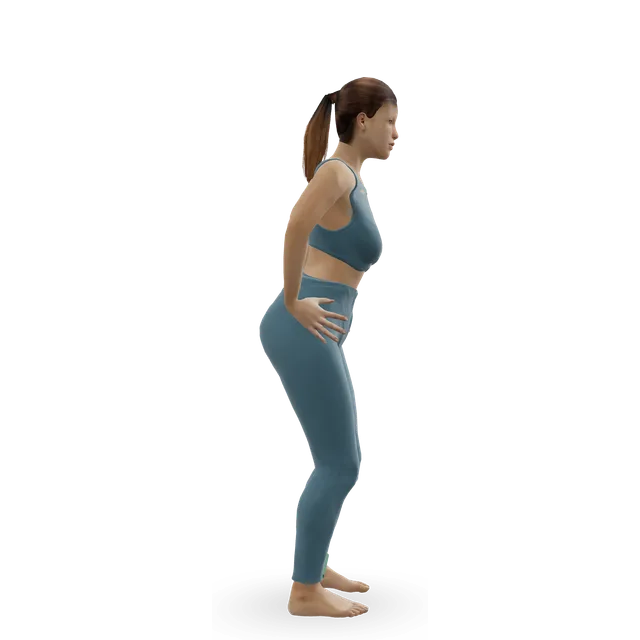
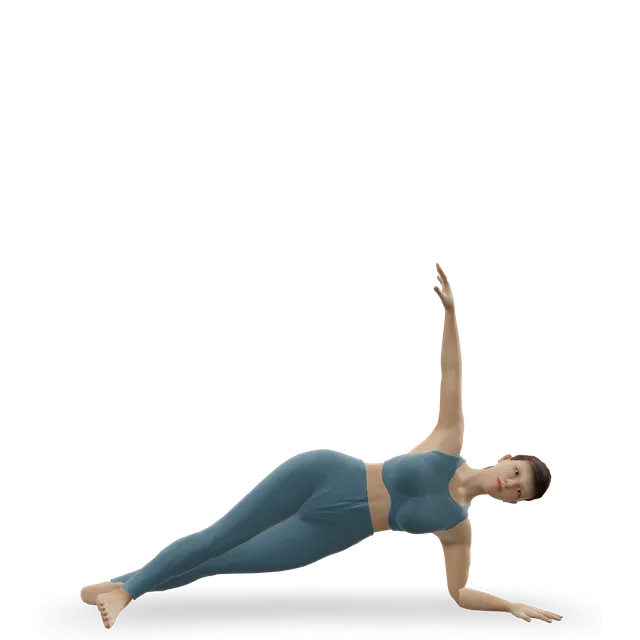
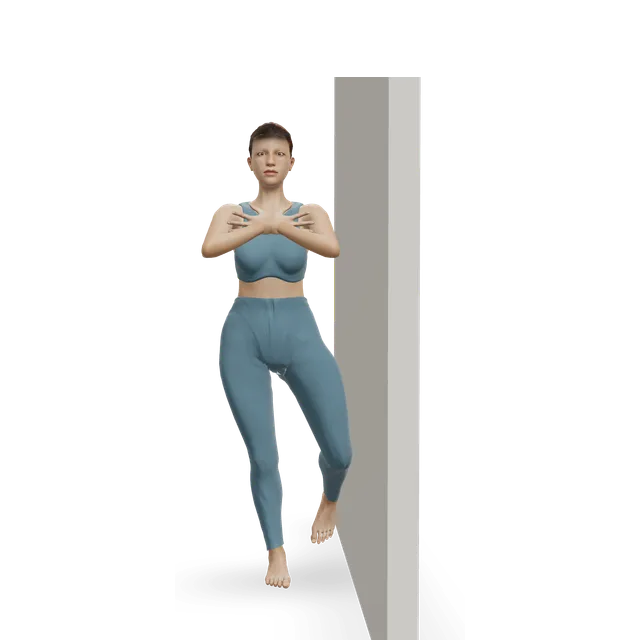
Browse more
Questions people ask
What muscles does the Clamshell work?
Mainly the hip abductors and glutes.
What equipment do I need for the Clamshell?
No equipment: your body weight and a little floor space.
Is the Clamshell good for beginners?
It is graded beginner, so it suits most people starting out. When it feels easy, try the Lateral band walk.
What is an easier alternative to the Clamshell?
Try the Supine isometric hip abduction (belt press). It is the suggested step down from this move.
How do I make the Clamshell harder?
Progress to the Lateral band walk or the Standing band hip abduction. Follow that guide’s technique and any stated timing.