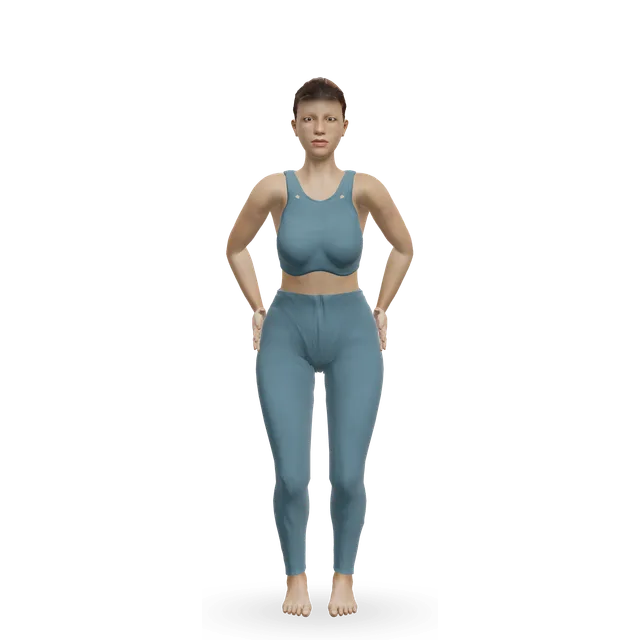
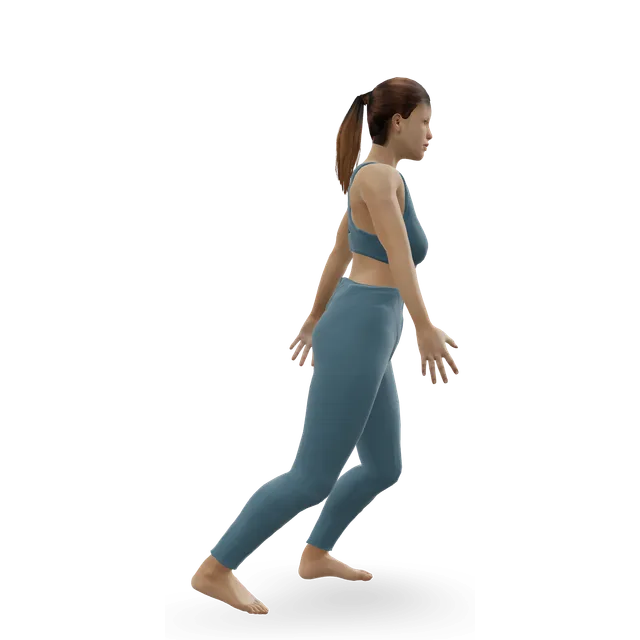
Knee arthritis: it helps more than no exercise
In 11 small trials (476 people), Pilates eased knee arthritis pain compared with no exercise, at low certainty. The classes ran for 6 to 10 weeks, 2 or 3 times a week.
Source 1
Pilates guide
Pilates is a good way to build the thigh and hip strength that sore knees need, mostly lying down or on your side, so the knee isn't carrying your weight. In small trials of knee arthritis, it eased pain compared with no exercise, though not more than other exercise, and the NHS has its own Pilates class for knee problems.
The evidence is thin elsewhere. We found no trial of Pilates after reconstruction of the anterior cruciate ligament (ACL), and the only trial for kneecap pain was one small trial in 34 teenagers.
This guide covers what the trials found for knee arthritis, kneecap pain and after a knee replacement or ACL surgery, how to protect your knees in class, the moves to start with, and the warning signs that need checking. For a class with no kneeling, try our 25-minute Pilates for knee pain workout.
In 11 small trials (476 people), Pilates eased knee arthritis pain compared with no exercise, at low certainty. The classes ran for 6 to 10 weeks, 2 or 3 times a week.
Source 1
Against conventional exercise there was no clear difference. The National Institute for Health and Care Excellence (NICE) recommends exercise tailored to you for everyone with osteoarthritis, without naming a type, so Pilates is one good way to do it.
Its 33-minute video class focuses on strengthening the knees and knee mobility. The NHS calls exercise one of the most important treatments for osteoarthritis.
After a knee replacement, adding Pilates-based exercise to standard rehabilitation helped balance in one small trial, and the NHS says not to kneel on the new knee until your doctor says you can. We found no trial of Pilates after ACL reconstruction.
In 34 teenagers, adding Pilates-based core exercise to physiotherapy helped. For adults, strengthening weak muscles and stretching tight ones has the strongest evidence.
Pad or swap kneeling moves, keep deep knee bends small, and keep squats shallow at first. Get a knee that locks, gives way or swells checked.
The NHS says knee pain can often be treated at home, and you should start to feel better in a few days; see a GP if it doesn't improve within a few weeks. Knee arthritis (osteoarthritis) is diagnosed from your symptoms, without an X-ray: NICE says if you're 45 or over, with joint pain when you're active and no morning stiffness, or stiffness that lasts no longer than 30 minutes. Our knee pain guide helps you work out the likely cause.
Pain behind or around the kneecap, often called runner's knee, typically comes on with stairs, kneeling, squatting and long spells of sitting. NHS inform says it's often down to how the kneecap is loaded, with weak buttock and thigh muscles, tight hamstrings and calves, and sudden changes in activity among the main factors.
Source 10
Most mat Pilates is done lying or on your side, so the thigh and hip muscles work without your body weight on the knee. In 32 women in their 60s, 12 weeks of Pilates twice a week made the muscles that straighten and bend the knee stronger than stretching did.
Classes ran for 6 to 10 weeks, 2 or 3 times a week, often for an hour. The most common moves were the hundred, the single- and double-leg stretch, the clam and the shoulder bridge, with side kicks, leg circles, squats and bridges in some, at 5 to 10 repetitions.
A 2025 review of 11 trials (476 people aged 43 to 68) found Pilates eased pain more than no exercise (a standardised effect of −1.09, which is large but with a wide margin of uncertainty, from 3 trials and 66 people, low certainty), and helped the knee bend further. The trials were small, and most were at high risk of bias.
Source 1
Against conventional exercise, pain (5 trials, 210 people) and function didn't clearly differ, at very low certainty. A second review of 8 trials found the same, and signs that small trials with disappointing results may be missing from the published record.
A network analysis of 38 trials of mind-body exercise ranked Pilates and tai chi best for pain and function against usual care, which it rated moderate certainty. A 2026 analysis of 29 trials found Pilates most likely to improve function, while tai chi and a Chinese exercise called Wuqinxi looked best for pain, with low or very low certainty for several comparisons. Rankings like these rest on indirect comparisons.
In 41 women, mat Pilates twice a week improved arthritis scores while a control group didn't change. In 40 women, Pilates 3 times a week for 8 weeks beat isometric exercise for pain and function, and in 41 people it beat conventional exercise. Adding pain education to 8 weeks of Pilates eased fear and worry about pain, but not the pain itself. All were small.
NICE: "For all people with osteoarthritis, offer therapeutic exercise tailored to their needs (for example, local muscle strengthening, general aerobic fitness)", and consider supervised sessions. The American College of Rheumatology and Arthritis Foundation strongly recommend exercise for knee arthritis, found too little evidence to rate mind-body practices other than tai chi and yoga, and rank no exercise above another. OARSI, an international osteoarthritis research society, lists structured exercise as a core treatment.
Only 2 of the 11 trials reported side effects (none, or none serious), and the second review says active monitoring was limited, so we can't say how often Pilates upsets a sore knee.
In 36 young adults whose knees cave inwards when they land, 6 weeks of supervised Pilates improved the knee's angle in a jump test, and balance. In 34 novice runners, 12 weeks of home Pilates didn't significantly change how far the knees caved in while running. In 30 young volleyball players, Pilates reduced landing errors.
In 34 people after a knee replacement, adding 6 weeks of Pilates-based exercise to the standard programme improved balance and physical quality of life more than the standard programme alone. A surgeon's case series used modified mat Pilates from within 2 weeks of leaving hospital, within each person's restrictions, after 17 knee and 22 hip replacements, and reported no adverse events. That's little evidence, so your surgical team and physiotherapist decide when to start.
After a knee replacement, the NHS says:
Source 7
NICE recommends advice on exercises before and after a joint replacement, starting rehabilitation on the day of surgery or the day after, and supervised outpatient rehabilitation if you're having difficulties. Pilates is a later addition, not a replacement for that plan.
Source 26
Once your team agrees, start with lying and sitting moves, keep knee bends within the range you've got back, and leave kneeling and deep knee bends until you're cleared (our suggestion, from the NHS advice and the case series).
We found no trial of Pilates after ACL reconstruction. Across ACL injuries, a review of 18 trials found no type of exercise better than another (moderate certainty), and single studies of tai chi and Pilates showed very uncertain benefit over no treatment. Follow your rehabilitation plan; Pilates can add strength and control once your physiotherapist agrees.
In 50 adults with a partial ACL tear managed without surgery, 12 weeks of mat Pilates 3 times a week made the thigh muscles stronger than no treatment, and people felt their knee was more stable. A review found only this trial and one of tai chi.
In one small trial of 34 teenagers aged 14 to 17 with kneecap pain, adding Pilates-based core exercises to physiotherapy 3 times a week for 3 months eased pain and improved hip and thigh strength, function and quality of life more than physiotherapy alone. We found no trial in adults.
NHS inform: "The strongest evidence suggests that strengthening any weak or underactive muscles and stretching any short or tight muscles is very important." It also suggests kneeling less and taking regular breaks from activities that bring the pain on. Pilates side-lying work and bridges train the hip muscles involved; our runner's knee guide has a staged plan.
Source 10
We found no trial of Pilates for a torn meniscus. Our meniscus tear guide covers the exercise plan; in class, avoid deep knee bends and twisting on a bent knee while it's sore (our suggestion).
Source 31
Two or three sessions a week for 6 to 10 weeks.
Source 1
NICE advises telling people with osteoarthritis that "joint pain may increase when they start therapeutic exercise", that regular exercise will still be good for their joints, and that keeping it up long term brings the benefits.
Source 3
Our knee pain guides use a simple rule: during and after exercise, 0 to 2 out of 10 is safe and up to 5 is acceptable, and your knee should be back to its usual level by the next morning. If it isn't, drop back one step next time (a shallower bend, fewer repetitions), not to nothing.
Two or three sessions a week, such as our 25-minute class, the NHS's 33-minute class or a beginners' class with the kneeling swaps below, for at least 6 weeks (our editorial starting point). Add walking or cycling on other days for general fitness, which NICE also suggests.
Moves on all fours, the knee hover and the kneeling side kick put weight through the front of the knee, and a Pilates teaching platform says "Those with knee problems should avoid" the kneeling side kick. Pad your knees with a folded mat or swap to a lying or standing version. In 600 people at risk of knee arthritis, kneeling for 30 minutes or more on 6 or more days a week was linked with worsening cartilage behind the kneecap: far more kneeling than a class, but a reason not to kneel for long on a sore knee. After a knee replacement, don't kneel on the new knee until your doctor says you can.
Rocking ("Avoid this exercise if you have back or knee injuries", the same platform says), the single-leg kick (heel towards your bottom), rolling moves and hugging a knee in during leg stretches all bend the knee deeply. Keep the bend small, hold behind your thigh rather than your shin, or leave them out while your knee is sore. If side-sitting in the mermaid bothers your knees, its move page suggests sitting cross-legged, on a block or on a chair.
Source 11
Squatting and kneeling are typical triggers for kneecap pain. Keep squats and wall sits shallow at first, knees over your toes, and go deeper as your knee allows (our suggestion; our knee guides start at about 45 degrees of knee bend).
Source 10
In leg presses on a reformer, 15 people used two different muscle patterns depending on the direction they pushed the footbar, so the teacher's cues change which muscles work. Spring settings didn't predict the force on the footbar accurately, so a lighter spring isn't a precise lighter load. Keep the knee bend comfortable and let the teacher cue the direction (our suggestion).
Leave reformer jumpboard work until your knee has settled and your strength is back (our suggestion; no study has tested it in knee pain).
Lying, side-lying, sitting and standing moves, with no kneeling. Our 25-minute class below gives a starting dose for most of them; skip the clam if the outside of your hip is sore.
 3D demoLateral breathing (Pilates breathing)Beginner · No equipment
 3D demoQuad set (static quads)Beginner · No equipment
 3D demoStraight-leg raiseBeginner · No equipment
 3D demoSupine heel slideBeginner · No equipment
 3D demoPelvic tilt into bridgeBeginner · No equipment
 3D demoHundred (Pilates)Intermediate · No equipment
 3D demoSingle-leg stretch (Pilates one leg stretch)Intermediate · No equipment
 3D demoSingle-leg circle (Pilates one leg circle)Beginner · No equipment
 3D demoSide kick (Pilates side kick series)Beginner · No equipment
 3D demoClamshellBeginner · No equipment
 3D demoSide-lying leg raiseBeginner · No equipment
 3D demoSeated knee extension (chair)Beginner · A bench or box + Something with weight
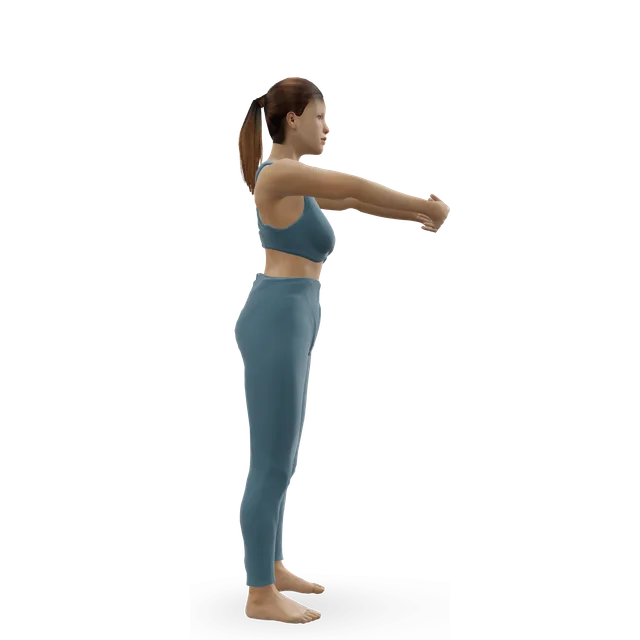 3D demoSit squat (partial squat)Beginner · No equipment
 3D demoSit to stand from a chairBeginner · A bench or box
 3D demoSlow calf raiseBeginner · A wall
 3D demoSingle-leg standBeginner · A wall
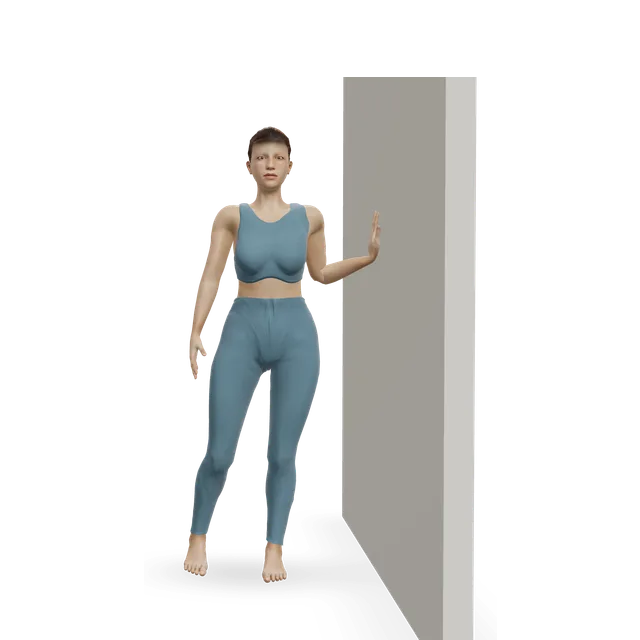 3D demoWall side leg lift (standing side kick at the wall)Beginner · A wall
 3D demoSupine hamstring stretch with a strapBeginner · No equipment
They kneel or bend the knee deeply: pad your knees, keep the bend small, or use a lying or standing move instead. After a knee replacement, don't kneel until your doctor says you can.
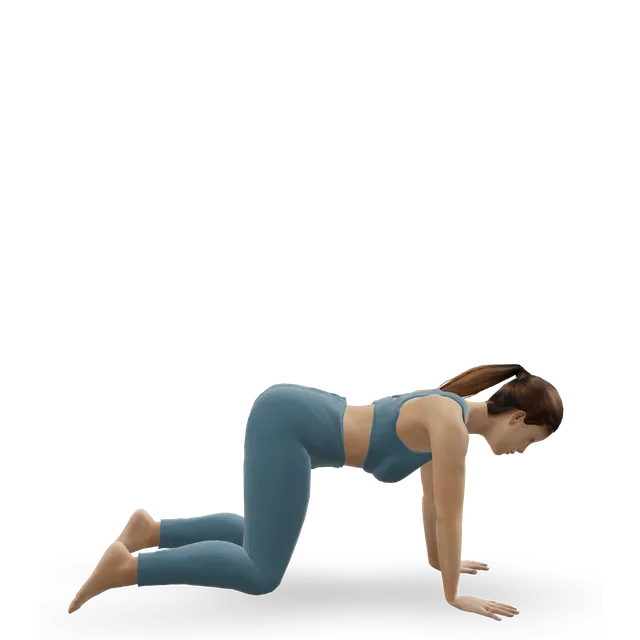 3D demoKnee hover (Pilates tabletop hover)Beginner · No equipment
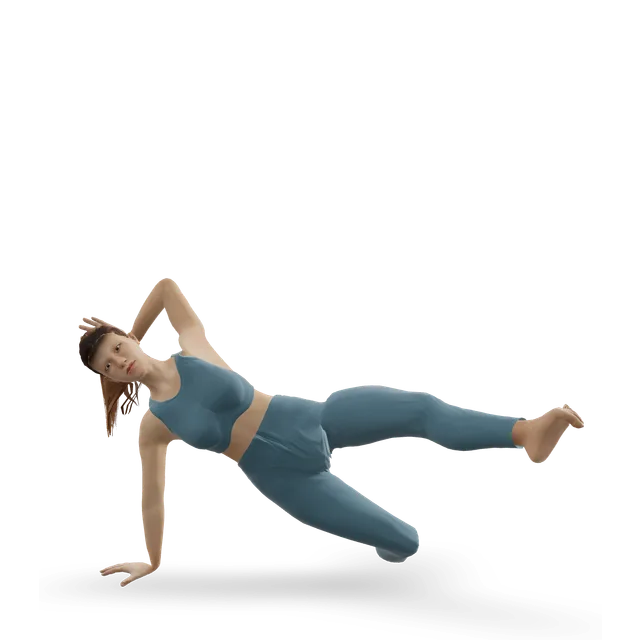 3D demoKneeling side kick (Pilates side kick kneeling)Advanced · No equipment
 3D demoBird dogBeginner · No equipment
 3D demoCat-cowBeginner · No equipment
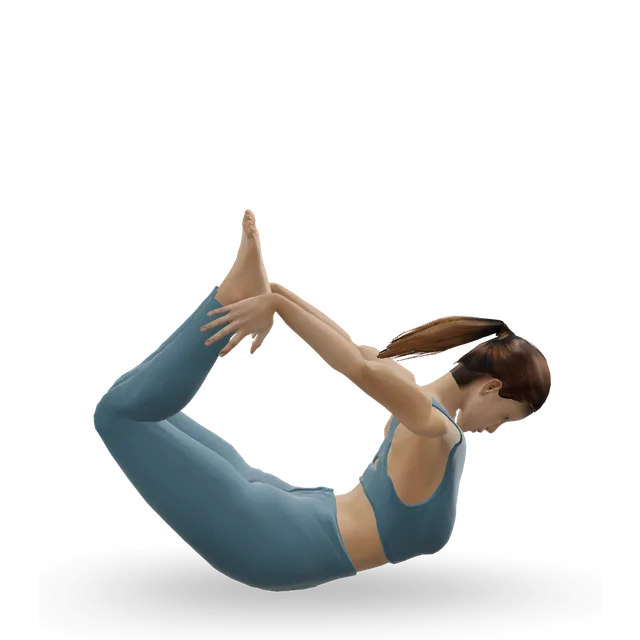 3D demoRocking (Pilates)Advanced · No equipment
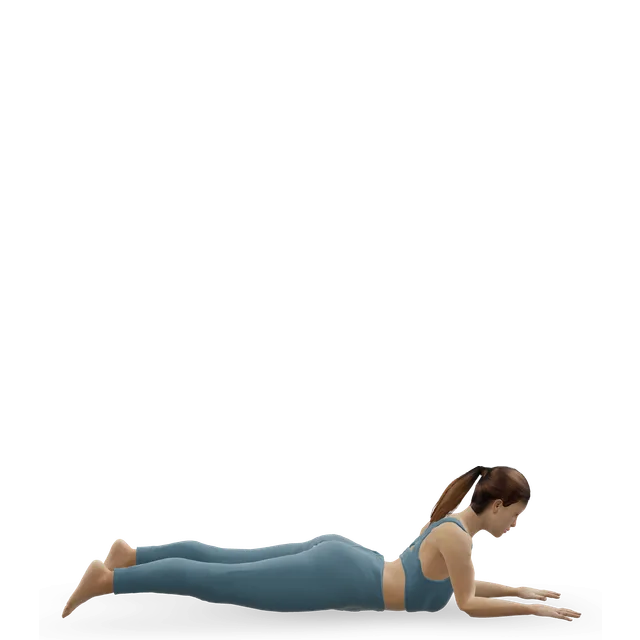 3D demoSingle-leg kick (Pilates one leg kick)Beginner · No equipment
 3D demoMermaid (Pilates seated side bend)Beginner · No equipment
 3D demoChild's Pose (Balasana)Beginner · No equipment
Start with the 25-minute knee class two or three times a week. The over-50s class includes the knee hover and bird dog, so pad your knees for those.
A 25-minute Pilates class for sore knees and knee arthritis: lying and side-lying leg work, shallow squats and balance, with no kneeling at all.
25 minBeginner15 movesA bench or box, Something with weightA 25-minute session for knees that don't currently hurt: thigh and hamstring strength, single-leg control, then an optional full-range block with knees over toes.
25 minBeginner13 movesA bench or box, A wallA 30-minute joint-friendly circuit built like the GLA:D and ESCAPE-pain programmes: a gentle warm-up, chair, step and band strength moves, balance, then stretches.
30 minBeginner14 movesA bench or box, A stepA gentle leg strength routine with no jumping: sit-to-stands, step-ups, wall sits, bridges and calf raises.
20 minBeginner7 movesA bench or box, A stepA 25-minute knee-friendly yoga practice with no kneeling and no deep bends: shallow standing poses, hip and thigh strength on the floor, and supported stretches.
25 minBeginner15 movesFirm cushionA 20-minute chair Pilates workout for beginners and older adults: breathing, sitting tall, gentle spine and leg moves, and a standing finish at the chair.
20 minBeginner14 movesA bench or box, Something with weightA 20-minute beginner mat Pilates session for over-50s with no deep or repeated rounding of the spine, plus back strengthening and standing balance.
20 minBeginner13 movesA wallUse the kneeling swaps above in the Pilates plan.
A free 4-week, 3-day Pilates plan for complete beginners. Two mat days and one wall day, with clear rules for when to move each exercise to its harder version.
3 training days25 minBeginner3 days a weekA 12-week exercise plan for over-65s: strength and balance three times a week, short balance sessions and daily walks, based on falls-prevention trials.
3 training days40 minBeginnerThese are the same warning signs as our knee pain guides. In the US, call 911 for 999, and use your doctor's urgent line or urgent care for NHS 111.
Source 12
Source 12
Sharp, catching or giving-way pain, or new swelling, is a reason to stop and get it checked. Stop the move straight away for a sharp pain inside the knee when you bend deeply or twist, a kneecap that feels as if it slips, or numbness in your lower leg while kneeling or side-sitting (our suggestion).
Follow your surgical team's advice and the NHS: "do not kneel on your new knee until your doctor says you can", and don't sit with your legs crossed for the first 6 weeks. Our knee replacement guide lists the signs of an infection or a clot that need urgent help.
Source 7
The NHS advises speaking to a GP before following its Pilates classes if you have knee problems, are recovering from an injury or have a health condition. Tell the teacher about knee arthritis, a replacement or a meniscus problem, so they can suggest swaps.
Source 4
NICE says regular exercise will be good for the joints even if pain rises at first, and the NHS calls exercise "one of the most important treatments for people with osteoarthritis". Our knee arthritis guide explains that no exercise has been shown to damage the joint.
It beats no exercise in small trials but not conventional exercise, and rankings that put it near the top rest on indirect comparisons. Guidelines recommend exercise you'll stick to, not one type.
The NHS says not to kneel on a new knee until your doctor says you can; our knee replacement guide adds that one NHS trust says kneeling does the replacement no harm, though some people never find it comfortable. Frequent daily kneeling was linked with cartilage wear behind the kneecap in one observational study, which is far more kneeling than a class.
Strengthening the muscles is what helps kneecap pain. Home Pilates didn't change how far runners' knees caved in, and while supervised Pilates improved knee angles in a jump test, a better angle in a test isn't the same as less pain.
Squats were part of the trial programmes, and knee programmes start with shallow squats and build up. Adjust the depth, not the squat itself.
We found no trial after ACL reconstruction. One trial in partial tears managed without surgery found stronger thighs, and reviews find no exercise type better than another, so your rehabilitation plan comes first.
For knee arthritis, yes: in 11 small trials, Pilates eased pain compared with no exercise, though not more than other exercise. For kneecap pain, one small trial in teenagers found it helped alongside physiotherapy. It builds the thigh and hip strength that knee programmes rely on.
It's one good way to do the exercise NICE recommends for everyone with osteoarthritis. Trials of 6 to 10 weeks, 2 or 3 times a week, eased pain compared with no exercise, at low certainty. Expect some extra ache at first: keeping going helps.
Most often from kneeling, deep knee bends such as the single-leg kick or rocking, or squatting too deep. Pad your knees, keep bends small and squats shallow, and tell your teacher. Pain that is sharp, catches or comes with swelling needs checking.
Kneeling moves, such as the knee hover, the kneeling side kick and all-fours work, need padding or a swap, and rocking is best left out with a knee injury. Keep deep bends and side-sitting small, and squats shallow at first. Lying and side-lying leg work is usually fine.
It can be, because you can set the range and the resistance, but no trial has compared reformer and mat Pilates for knee pain. The direction you push the footbar changes which muscles work, so let the teacher cue it, keep the knee bend comfortable, and leave jumping until your knee has settled.
Yes, once your physiotherapist agrees. In one small trial, adding Pilates-based exercise to standard rehabilitation improved balance and quality of life, and a surgeon's case series used modified mat Pilates within 2 weeks of leaving hospital without problems. Don't kneel on the new knee until your doctor says you can, and don't sit with your legs crossed for the first 6 weeks.
We found no trial of Pilates after ACL reconstruction, so your rehabilitation plan comes first. Once your physiotherapist agrees, mat Pilates can add hip and thigh strength: in partial tears treated without surgery, 12 weeks of Pilates made the thigh stronger.
Strengthening the hips and thighs is the main treatment, and Pilates side-lying work trains the hips. One small trial in 34 teenagers found adding Pilates-based core exercises to physiotherapy helped; no trial has tested adults. Keep the single-leg kick small if your kneecap complains.
We found no trial of Pilates for a meniscus tear, and our meniscus tear guide covers the exercise plan. In class, avoid deep knee bends and twisting on a bent knee while it's sore, and stop if the knee locks or gives way.
The trials used 2 or 3 sessions a week for 6 to 10 weeks. Up to 5 out of 10 pain during exercise is acceptable, as long as your knee is back to normal by the next morning. Walking or cycling on other days adds the general fitness NICE recommends.
Not as far as the trials show: against conventional exercise, results were similar. Guidelines recommend exercise you'll stick to, ideally supervised at first, rather than one particular type.
Get advice from NHS 111 now if your knee is badly swollen, hot and red with a high temperature, or you can't put weight on it, and get it checked if it locks or gives way. See a GP or physiotherapist if it hasn't improved within a few weeks; many areas let you refer yourself.
Exercise education, not a personal prescription, and clinical review of these guides is pending. If you are pregnant, have a health condition or have had recent surgery, check with a doctor, midwife or physiotherapist before starting, and stop for sharp or increasing pain. Health disclaimer.