What prevents injuries
Few prevention trials have been done in athletics: one exercise programme across all events, one small trial in young female athletes and one education trial in young athletes. The rest is borrowed from football or comes from associations, and each note says which.
Athletics' own programme, as trialledEmerging evidence
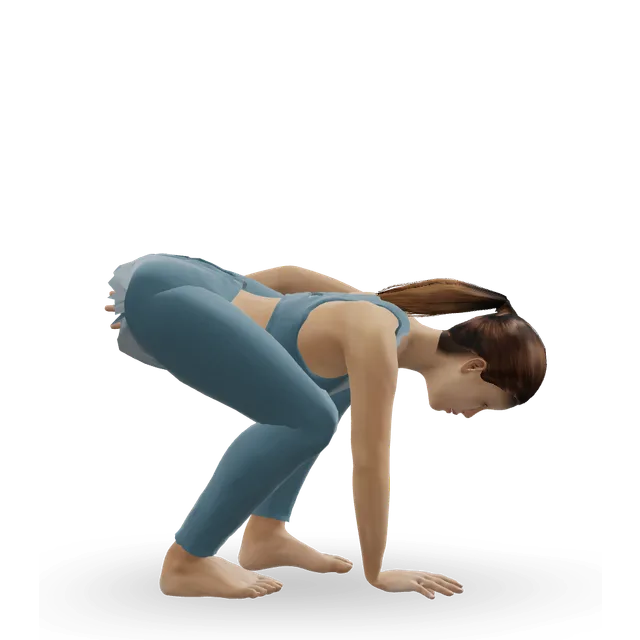
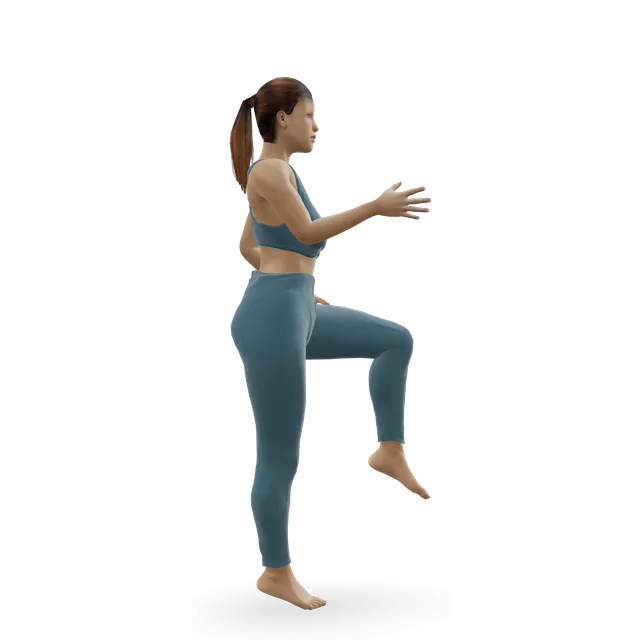
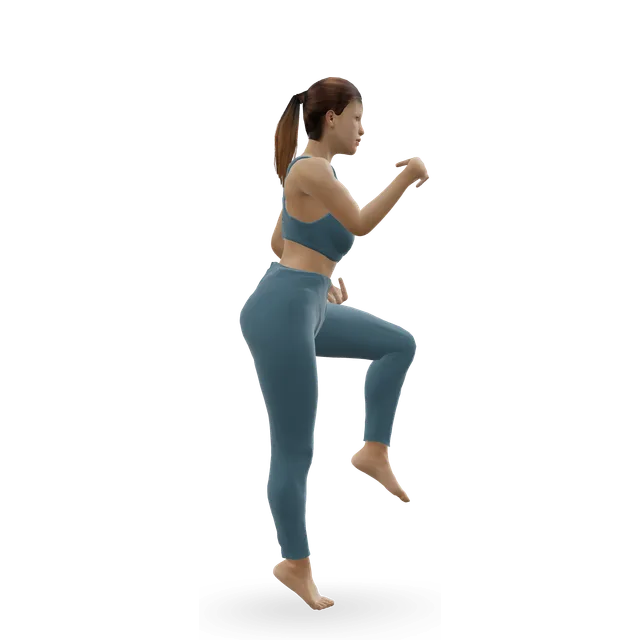
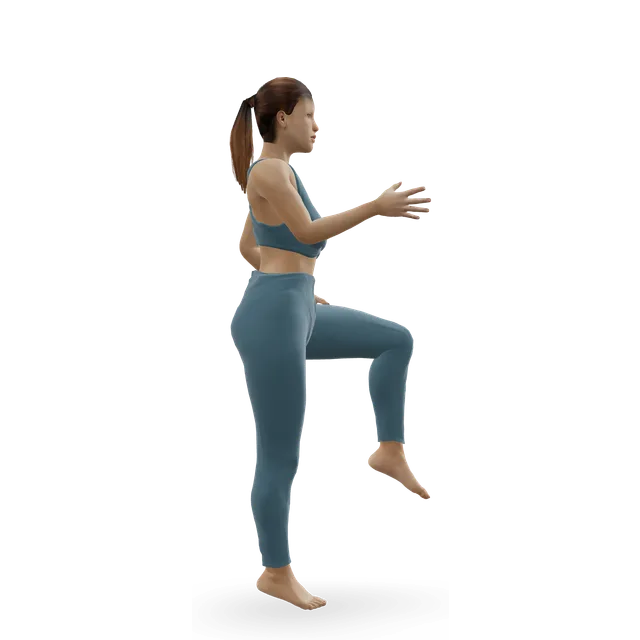
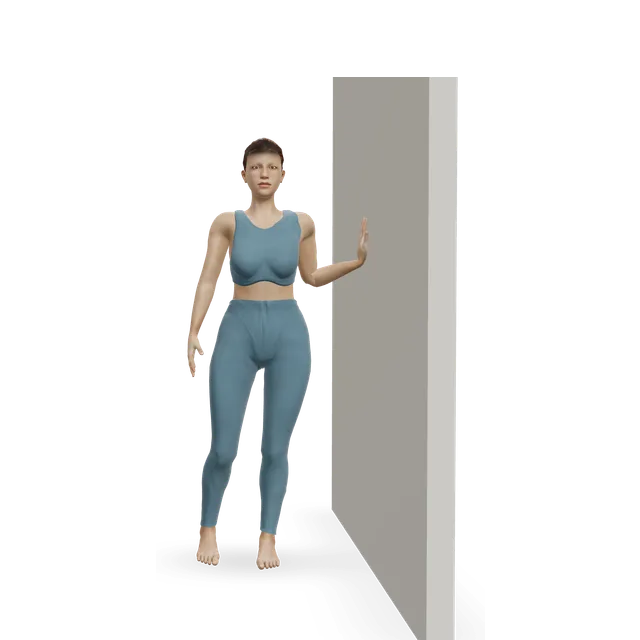
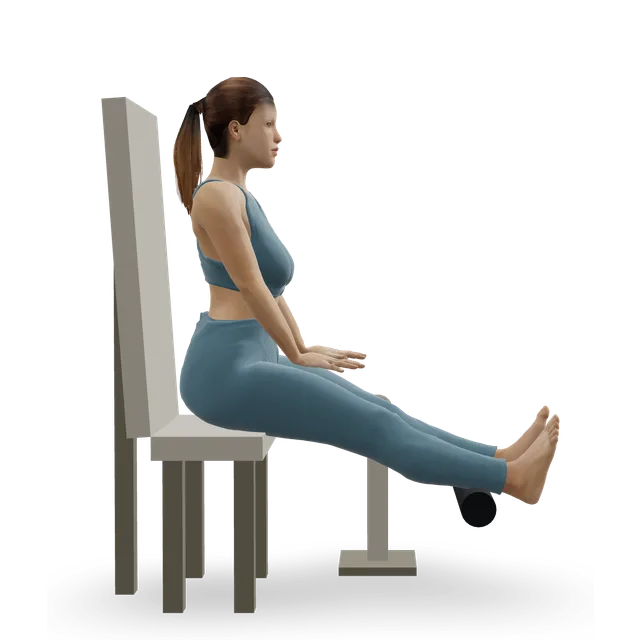
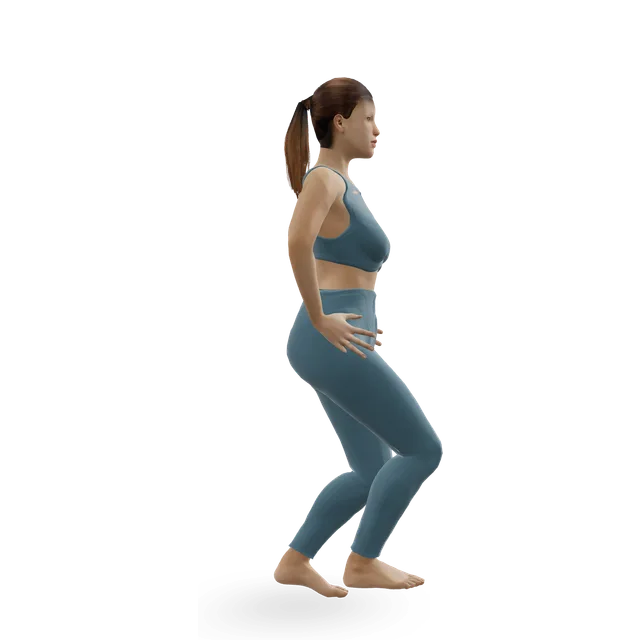
In a trial in French clubs, 840 athletes aged 15 to 40 did the Athletics Injury Prevention Programme twice a week, unsupervised, or trained as usual, over a 39-week season (2017 to 2018). Its 8 exercises each had levels to work through:
- Core: planks on four sides, 15 seconds a side for 3 minutes at the first level, building to 4 × 30 seconds.
- Single-leg balance: 3 × 15 seconds each side, then on an unstable surface.
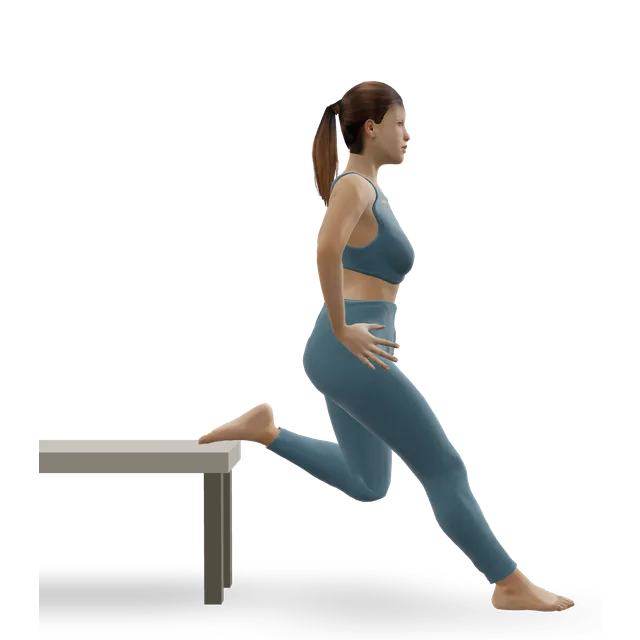
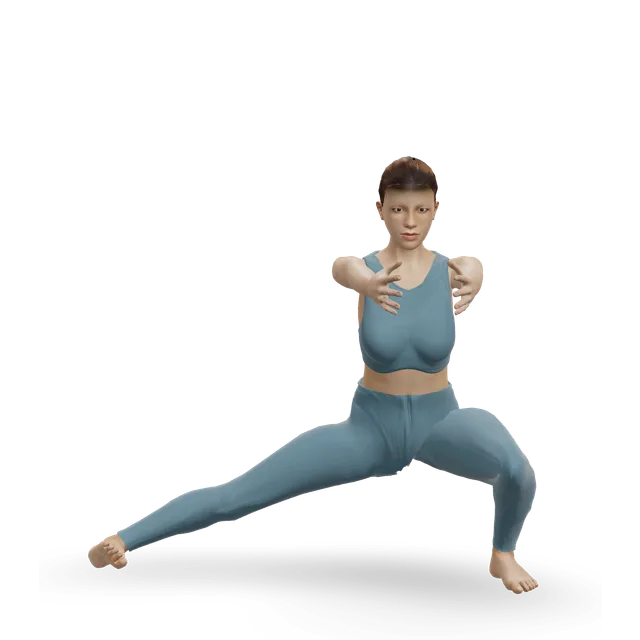
- Lunges: 3 × 10.
- Hip abductor strengthening: 3 × 10 each side, then with a band.
- Hamstring stretching: 3 × 15 seconds.
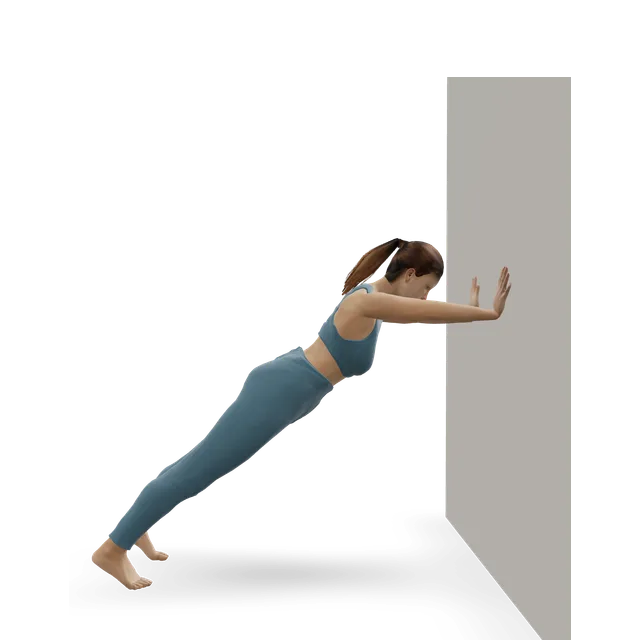
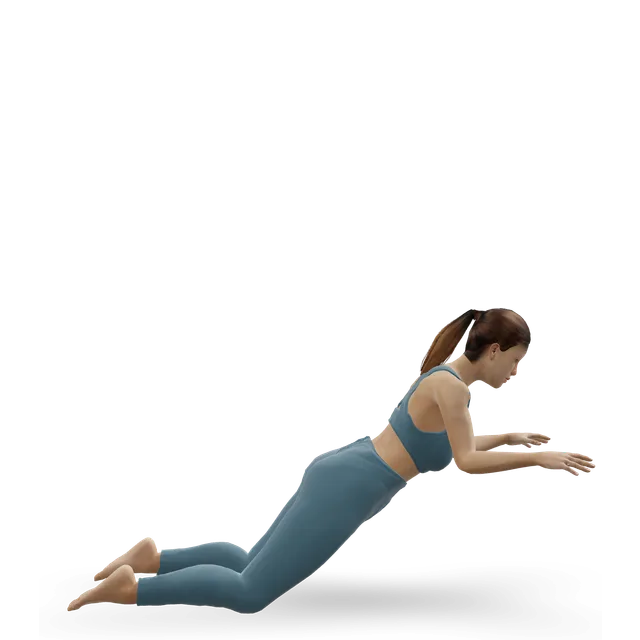
- Hamstring strengthening: 6 holds of 6 seconds on two legs and band heel-to-buttock holds, then Nordic curls with the arms helping, then full Nordic curls, building from 1 × 5 to 6 × 6, then jumps.
- Calf stretching, 3 × 15 seconds, and calf strengthening, 3 × 8 each side on the floor, then lowering off a step, building to 5 × 10 with added load.
- Result: among athletes who answered every week, 64.7% in the programme group and 65.0% of the others had an injury that limited training, no difference. Only 6 of 68 (8.8%) did the programme twice a week as asked, so it's untested rather than disproven.
Source 6
The same trial, re-analysedMixed evidence
Counting only athletes who answered every week, the programme's effect grew after 5 to 6 weeks of use and was largest at about 10 weeks. This was a re-analysis after the event, so it's a lead rather than proof. If you start a programme, give it at least 6 weeks, twice a week (our reading).
Source 37
Nordic curls build lowering strengthStrong evidence
Across trials, Nordic curls raised the hamstrings' lowering (eccentric) strength within weeks, with low volumes working about as well as high ones, and took about 0.06 seconds off a 10 m sprint in team-sport players. Our sprint guide gives the dose.
Sources 7, 38
Whether they prevent hamstring injuries is uncertainEmerging evidence
Programmes that included Nordic curls went with about half as many hamstring injuries across 15 studies in several sports, and two large football trials found large falls. But only five of those studies randomised players to the Nordic curl itself, and pooled, their result was inconclusive; a 2026 analysis of 11 football trials found a modest reduction that wasn't statistically significant. None was in athletes on a track.
Sources 39, 40, 41, 8, 42
Sprint regularly, and build speed graduallyEmerging evidence
In 37 elite Gaelic footballers, those who reached more than 95% of their top speed in training had fewer leg injuries, and both too little and too much maximal running were riskier: an association, in another sport. In sprinters, hamstring injuries clustered early in the season and at the switch to competition. Sprint every week, and build back up over several sessions after time off (our reading, as in our sprint guide).
Sources 43, 26, 12
Core trainingMixed evidence
At the 2018 European Championships, athletes who did more core stability training had fewer hamstring injuries at the championship, but there were only 5 such injuries, so this is a weak lead.
Source 5
After a hamstring strainEmerging evidence
In 56 Swedish elite sprinters and jumpers, lengthening exercises (Askling's L-protocol) got them back to full training in 49 days, against 86 days with conventional exercises. Strains reaching the tendon near the sitting bone took longer. Our hamstring strain guide has the exercises.
Sources 44, 27
Strength training cuts sports injuriesStrong evidence
Across 25 randomised trials in many sports, strength training cut sports injuries to under a third, while stretching programmes made no difference.
Source 45
Shins and calves: one trial in young athletesEmerging evidence
In 22 young female track and field athletes, 6 preseason weeks of neuromuscular training (jumps, landings, running, strength, agility, balance and core) cut injuries from 17.9 to 6.6 per 1,000 hours, mostly shin splints. It's small and not specific to sprinters. Calf strengthening is also part of athletics' own programme.
Sources 46, 6
Warm up for the weatherEmerging evidence
Warmer feels-like temperatures went with fewer muscle injuries in the sprints and hurdles at championships, and the authors suggest adapting warm-ups and clothing to the forecast. UK competition safety guidance asks for supervised warm-ups, hurdle-only lanes and no headphones in the main arena.
Sources 35, 47
What isn't shownMixed evidence
Without good evidence for sprinters:
- Stretching to prevent hamstring strains: stretching programmes made no difference to sports injuries.
- Screening for uneven strides: not linked with injury.
- A sprint-specific or hurdles-specific prevention programme: none tested; athletics' programme covered every event.
- Hurdle drills, foam hurdles or fall training: no trial.
Sources 45, 36, 6