How to do a Romanian deadlift: the hinge, how low to go and RDL vs deadlift
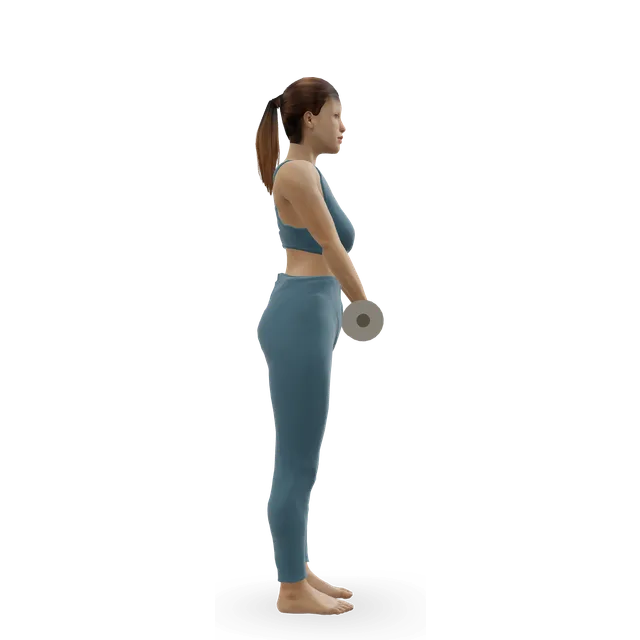
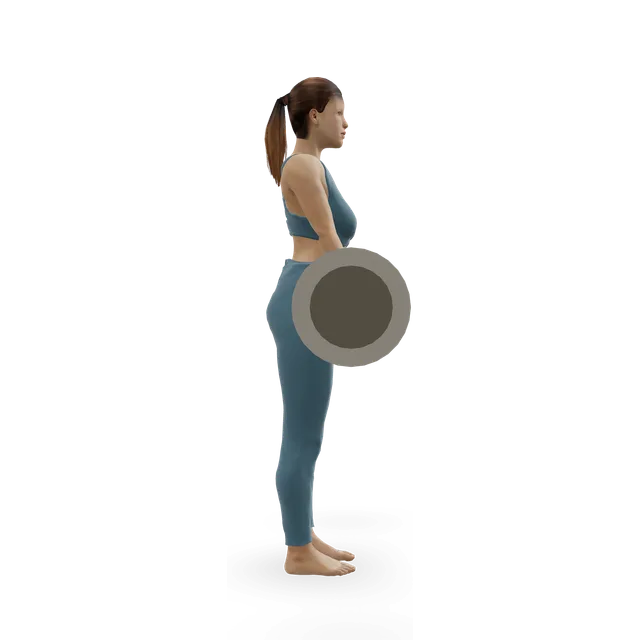
The Romanian deadlift (RDL) is a hip hinge from the top: stand holding the weight, keep your knees softly bent and still, push your hips back and slide the weight down your legs until your hamstrings stop you, then drive your hips forward to stand. The floor isn't the target: for most people the weight stops around the knees or the middle of the shins.
It's one of the better-studied hamstring exercises. In a 6-week trial, slow-lowering RDLs and Nordic curls grew the hamstrings by similar amounts. But only Nordic curls have good evidence for preventing hamstring injuries, and the hamstrings grow best when you also train them bending the knee.
This guide covers the set-up, knee bend and depth, your back, the RDL vs the stiff-leg deadlift and the deadlift, pairing it with leg curls, and the ladder from hinge practice to the barbell, with a 3D demo of every step. It also covers who should change the lift and the warning signs to act on.
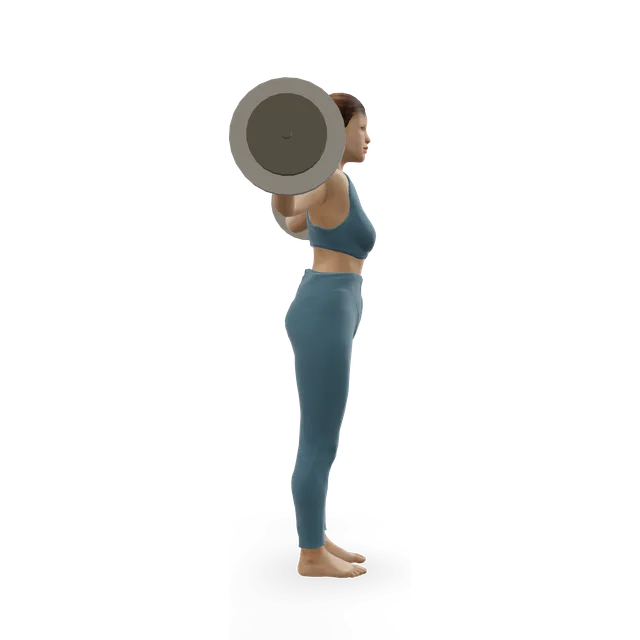
Start standing, with dumbbells in front of your thighs or a barbell taken from a rack at thigh height. Push your hips back and slide the weight down your legs until your hamstrings stop you, usually around knee height to mid-shin, then drive your hips forward to stand.
Keep a slight bend in your knees the whole way: about 15 to 33 degrees in a lab study. Bending them more turns the lift into a deadlift; locking them nearly straight makes it a stiff-leg deadlift, which the American Council on Exercise (ACE) keeps for experienced lifters.
Keep the weight against your legs and end each rep before your back changes shape. The evidence on rounding is mixed, so there's no reason to chase extra range with your back.
Your back muscles hold the position while your hamstrings and glutes move the weight. In 32 young adults, 6 weeks of slow-lowering RDLs or Nordic curls grew the hamstrings by about 10%, across the RDL and Nordic groups, which didn't differ.
Your hamstrings also bend your knee, and hip and knee exercises grow different parts of them. Seated leg curls grew the hamstrings by 14% in 12 weeks, and the authors of a stiff-leg deadlift trial advise doing both kinds.
For preventing injuries, Nordic curls have the evidence
Programmes that include Nordic curls halved hamstring injuries in athletes. Single-leg RDLs in one school team's warm-up went with fewer mild strains, but not fewer severe ones.
The weight starts at your hips and stops short of the floor: your hips move back and forward while your knees barely change. ACE starts beginners with dumbbells and calls the barbell RDL an advanced progression; on our exercise pages the dumbbell RDL is rated standard and the barbell RDL harder.
Mostly the hamstrings and glutes, with the back muscles holding your position: across deadlift studies, the RDL drew less activity from the back muscles than from the hamstrings. The conventional deadlift works the glutes and the front of the thighs more.
Coaches and studies use "Romanian" and "stiff-leg" in different ways, and one widely quoted "RDL" study actually used nearly straight knees. On this site, the RDL keeps soft, fixed knees and goes down to where your hamstrings stop you; the stiff-leg deadlift keeps the knees nearly straight and usually goes lower.
Your hamstrings and glutes do the movingEmerging evidence
In 12 trained men lifting single heavy reps, hamstring activity was highest in the RDL and the glute-ham raise, above the leg curl and the good morning. Across deadlift studies, the RDL drew less back muscle activity than hamstring activity. In 21 men, the conventional deadlift drew more glute and front-thigh activity than the RDL.
Slow-lowering RDLs grew the hamstringsEmerging evidence
In 32 young adults, 6 weeks of twice-weekly RDLs or Nordic curls, lowered slowly, grew the hamstrings by about 10% and lengthened the fibre bundles of the outer hamstring by about 9%, across the RDL and Nordic groups, which didn't differ. The longer fibres faded within 2 weeks of stopping; the extra size didn't.
Stiff-leg deadlifts grew them tooEmerging evidence
In 36 untrained adults, 9 weeks of stiff-leg deadlifts grew the hamstrings by 7.0% and Nordic curls by 11.4%, each favouring a different part of the muscle, and strength gained in one exercise carried over little to the other. In another study of 12 men, the stiff-leg deadlift worked two of the hamstrings about equally, while the Nordic curl favoured one.
Training the knee bend adds something differentEmerging evidence
In 20 adults, seated leg curls grew the hamstrings by 14% in 12 weeks, against 9% for lying leg curls; sitting holds the hamstrings at a longer length. Hip and knee exercises grow different parts of the hamstrings, so the trial authors advise doing both.
RDLs and hip thrusts both work the glutesMixed evidence
In 8 trained men lifting their maximum, the RDL worked the glutes as much as the hip thrust, and the squat worked the front of the thigh more. A small study.
In 36 trained men, 10 weeks of RDLs raised their RDL maximum but not the strength of the lower back measured on its own, which training the lower back directly did improve. One trial, so treat it as a hint.
In one school track team of 77 athletes, adding 3 sets of 3 single-leg RDLs to the warm-up went with about a third of the rate of mild to moderate hamstring strains, but not fewer severe ones. It was an observational study, not a trial.
We found no study of how the lower spine moves in the RDL, no trial comparing months of RDLs and stiff-leg deadlifts, and no study counting injuries from either. Most studies here are muscle activity readings, which don't predict which exercise builds more muscle, or trials of a few dozen people over 6 to 12 weeks.
From ACE's Romanian deadlift technique article and our move page ("the floor is not the target"). The breath, the hand position and the shins are standard coaching, in our editorial wording. The barbell version uses the same steps, from a rack.
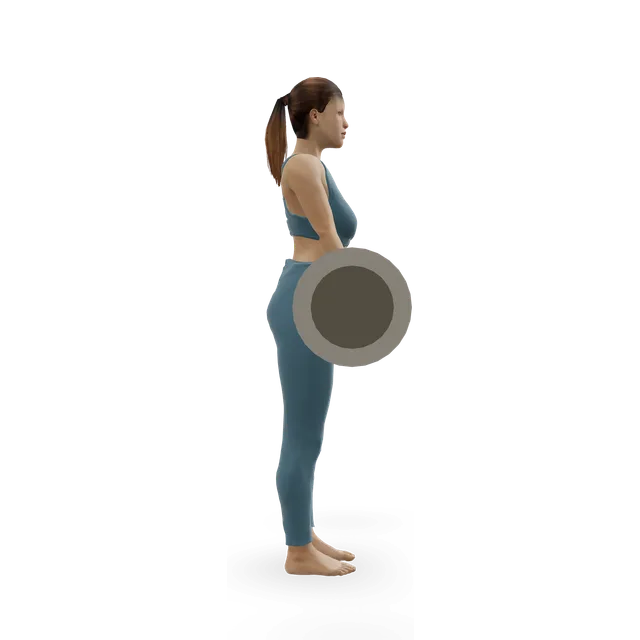
Hold a dumbbell in each hand in front of your thighs, or take a barbell from a rack at about thigh height with an overhand grip, hands just outside your thighs. Stand with your feet about hip-width apart.
Unlock your knees into a slight bend and keep them there. Lift your chest a little, draw your shoulder blades down towards your back pockets and tuck your chin slightly.
Take a breath into your belly and brace.
Push your hips back as your trunk tips forward, sliding the weight down your thighs and keeping it close to your legs. Your knees keep the same slight bend and your shins stay about vertical.
Lower for about 3 seconds until you feel a strong pull in your hamstrings or your back is about to change shape, whichever comes first: usually around knee height, or mid-shin if your hamstrings are flexible. Look at the floor a little ahead of you.
Push your heels into the floor and drive your hips forward to stand tall, sliding the weight back up your legs. Squeeze your glutes at the top without leaning back.
Breathe out near the top, then brace again for the next rep. If your back starts to round or your knees start to bend more, end the set.
Loading the 3D figure…
Drag to turn
Gets into position, then repeats the movement. Technical checks passed; qualified exercise review is pending.
From ACE's hip hinge (the rod drill) and its Romanian deadlift article (10 to 15 good hinges before loading, and a hand in front of the knees). The wall tap is from our deadlift guide; the car door cue and the bench are editorial.
Stand with your feet hip-width apart, holding a light rod or broom handle along your back so it touches the back of your head, between your shoulder blades and your tailbone.
Soften your knees, then push your hips back as if to shut a car door behind you, letting your trunk tip forward. The rod should keep all three points of contact.
Go as far as you can while the rod stays in contact, then drive your hips forward to stand.
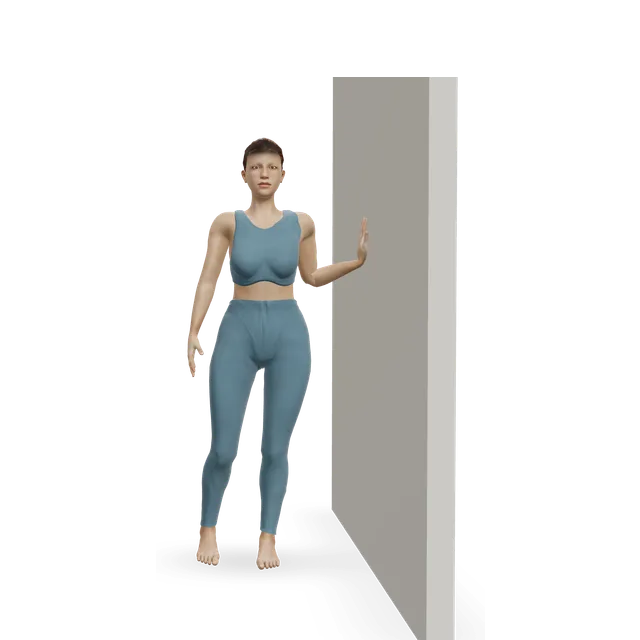
No rod? Stand a short step in front of a wall and push your hips back to tap it, moving a little further away as you improve.
If your knees drift forward into a squat, practise with a bench or a partner's hand just in front of your knees.
Aim for 10 to 15 good hinges in a row with a steady back before you add a weight.
Loading the 3D figure…
Drag to turn
Gets into position, then repeats the movement. Technical checks passed; qualified exercise review is pending.
Lower until you feel a strong pull in your hamstrings or your back is about to change shape, whichever comes first. For most people that's around knee height, or mid-shin with more flexible hamstrings. Going lower than your hamstrings allow makes your back round to find the range.
In a lab study, RDL knee bend was about 15 to 33 degrees. Unlock your knees at the start and then keep them still: if they bend more as you lower, the lift turns into a deadlift, with more work for the front of your thighs.
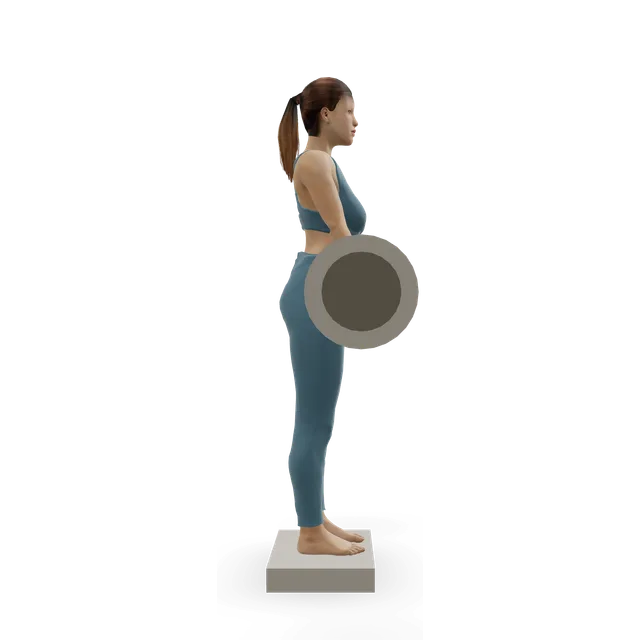
Want more range? A low step, if your back allowsEmerging evidence
In 10 bodybuilders lifting 80% of their maximum, an RDL standing on a 15 cm step worked the glutes, one of the inner hamstrings and the back muscles most of three versions. Use a step only once the weight reaches mid-shin with your back still long (our editorial rule).
Lift your chest a little and set your back long before you start, then end each rep before your back position changes, as our move page advises. Feeling your back muscles working is normal: they hold the position while your hamstrings and glutes move the weight. Sharp pain, or pain that travels down a leg, isn't.
Rounding the lower back while lifting hasn't been linked to back pain in pooled studies, but the studies were low quality. In pig spines, repeated bending under load produced disc herniations, which isn't a study of people lifting. A 2026 review argues that sudden jumps in training load matter more than posture.
So: a small change in your back's shape under a heavy load is normal, and a big one means the weight is too heavy for now. This agrees with our deadlift guide and our spine guide.
The UK consensus on osteoporosis recommends strength training and avoiding postures with a lot of spinal rounding. Hinge with a long back, keep the range to where it stays long, and learn the lift with a coach or physiotherapist if you can.
Our back pain plans bring in the kettlebell deadlift first, 3 sets of 8 to 10 starting light, then the dumbbell RDL once the kettlebell deadlift is comfortable. Nothing is banned: use the direction that eases your pain as a temporary guide, and stop for pain that travels down a leg.
Romanian, stiff-leg or deadlift?
Romanian deadlift
Starts from the top, with soft, fixed knees, going down to where your hamstrings stop you and keeping the weight on your legs. Mostly hamstrings and glutes. Start here.
Knees nearly straight, usually lowered further. In 10 bodybuilders lifting from the floor, it worked the glutes more and the RDL one of the inner hamstrings more. ACE keeps it for experienced lifters with excellent control.
Starts from the floor every rep with more knee bend. In 21 men it worked the glutes and the front of the thighs more than the RDL, with more work at the knee and ankle. See our deadlift guide.
The same hinge with the bar across your upper back, so much lighter loads. It has its own move page.
Where coaches disagree
Some coaches separate the RDL and the stiff-leg deadlift by knee bend, others by whether the bar returns to the floor each rep. The evidence can say that a softer knee shifts the work towards one inner hamstring and a straighter knee towards the glutes, and that stiff-leg training grows the hamstrings. It can't say one is better. Make the RDL your main hinge and add the stiff-leg version, if you want it, once the RDL is solid (our view).
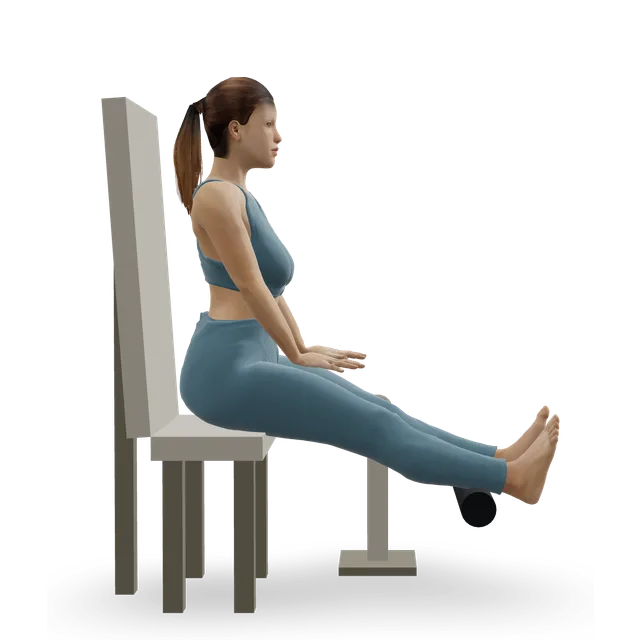
They straighten your hip, which the RDL trains, and bend your knee, which curls train. Hip and knee exercises grow different parts of the muscle, so do one of each kind each week.
Seated leg curls grew the hamstrings more than lying curls in a 12-week trial (14% against 9%). No machine? Slider hamstring curls or Nordic curls train the same job with your bodyweight.
The hamstring exercise with injury-prevention evidence. Start with 2 sets of 3 to 5, lowering slowly and catching yourself with your hands, and expect sore hamstrings for a few days at first (our editorial starting point).
An RDL and a seated curl or Nordic curl each week, 2 or 3 sets of each, is our editorial starting point. Our hamstring workout puts them in one session.
Your Romanian deadlift progression: from the hinge to the barbell
Step 1: hip-hinge practice
2 or 3 sets of 8 with the rod or the wall tap. Move on at 10 to 15 good hinges in a row with a steady back, as ACE advises.
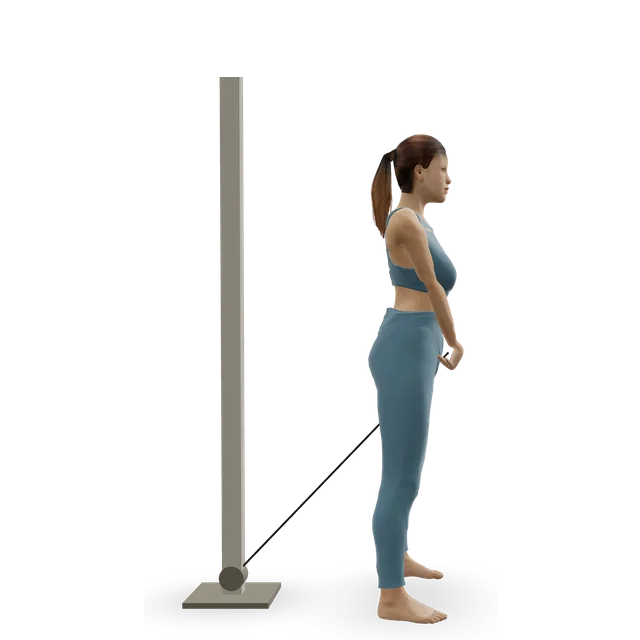
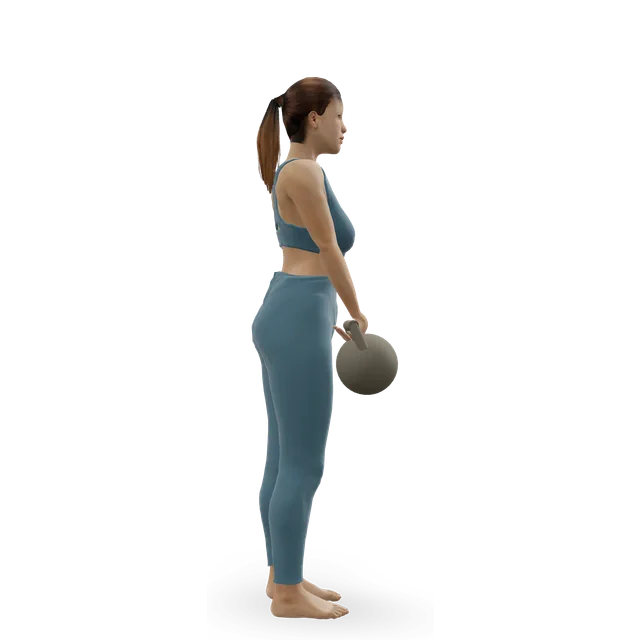
Step 2: the kettlebell deadlift or cable pull-through
Kettlebell deadlifts for 3 sets of 8 to 10, light to start, as in our back pain plans; pull-throughs for 3 sets of 12 to 15, the move page's dose. Move on at 3 sets of 10 with the heaviest bell you have and a steady back.
Step 3: the dumbbell RDL
3 sets of 8 to 10, lowering for 3 seconds, the move page's dose; ACE starts with dumbbells before the barbell. Move on when you can lower under control to about knee height with a steady back, with dumbbells you can still hold.
Start with the empty bar, then 3 sets of 6 to 10, adding about 2.5 kg when every rep of every set looks the same (our editorial starting point, as in our deadlift guide). ACE calls the barbell RDL an advanced progression.
The single-leg RDL, the RDL from a low step, the stiff-leg deadlift and the good morning, each with its own move page. Pair any of them with a knee-bending hamstring exercise.
Where coaches disagree: RDL or deadlift first?
Some teach the RDL before the deadlift from the floor, as ACE does; others teach the deadlift first and add the RDL later. Both start with the hinge, and our deadlift technique workout walks hinge practice, the kettlebell deadlift and the dumbbell RDL in one session.
In trials, hamstring size rose by about 10% in 6 weeks of RDLs or Nordic curls, 7% in 9 weeks of stiff-leg deadlifts and 14% in 12 weeks of seated leg curls. Our estimate, not a trial result: most people learn the hinge in a session or two and are ready for a light barbell RDL after 2 to 6 weeks of dumbbell RDLs.
Count any other hinge, such as deadlifts or good mornings, in the same week, and add a knee-bending hamstring exercise at least once a week (our editorial starting point). In a 2026 overview of 137 reviews by the American College of Sports Medicine (ACSM), strength improved most with at least two sessions a week.
3 sets of 8 to 10, lowering for about 3 seconds, the move page's dose; heavier sets of 5 to 8 suit the barbell RDL once your technique is solid (our view). The 6-week trial used 4 sets of 4 at a hard effort, lowering for 4 to 6 seconds, twice a week.
Stop 2 or 3 reps short of failure (2 to 3 reps in reserve: how many more you could have done), and end the set when your back position starts to change. Training to failure isn't needed for muscle growth, and people misjudge their reps in reserve by about one.
If your grip gives out before your hamstrings, use chalk or straps: the 6-week trial used wrist straps so grip didn't limit the load. Carries train your grip on their own.
It turns into a deadlift, with more work for the front of your thighs, and ACE lists it as a common mistake. Keep your knees soft and still, practising with a hand or a bench just in front of them.
Your back muscles hold the position, and RDLs didn't raise lower-back strength measured on its own. Feel it in the backs of your thighs and your glutes, and add back extensions if you want direct back work.
Our back pain plans bring in the kettlebell deadlift, 3 sets of 8 to 10 starting light, then the dumbbell RDL once the kettlebell deadlift is comfortable. Nothing is banned: use the direction that eases your pain as a temporary guide.
A disc problem or sciatica
While symptoms are irritable, reduce the load and range of heavy bending lifts, then rebuild, as our herniated disc guide says. Stop for pain that travels down a leg.
A hamstring strain
Our hamstring strain guide brings RDLs back early, in weeks 1 to 3: bodyweight single-leg RDLs that stop just before pain, then the dumbbell RDL once hip-hinge practice is easy. Follow its stages rather than the general advice on this page.
Pain at the sitting bone (high hamstring tendinopathy)
Deep hip bending presses the tendon against the bone, so our tendinopathy guide leaves deep hinging and hamstring stretches out at first. It brings the RDL back often from 1 to 2 months, after the kettlebell deadlift, starting at 2 sets of 4 to 6.
Osteoporosis
Keep a long back and avoid loaded rounding, as the UK consensus advises. Learning the lift with a coach or physiotherapist helps.
High blood pressure, heart disease and eye conditions
If your blood pressure is controlled, low- to moderate-intensity strength training is safe: breathe out as you stand up rather than holding your breath, use weights you could lift 10 to 15 times, and leave maximal lifts until you've had advice. Eye pressure rises more with heavy loads, long sets and a held breath; with glaucoma or diabetic eye disease, ask your specialist before lifting heavy.
If back pain comes with pain, tingling, weakness or numbness in both legs; loss of feeling around your genitals or anus; changes in your bladder or bowels, such as difficulty peeing, or peeing or pooing yourself; changes in how your penis or vagina feels during sex, or not being able to get or keep an erection or to orgasm; chest pain; or if it started after a serious accident. In the US, call 911.
If you have back pain and feel hot, cold, shivery or generally unwell, or the pain is severe, starts suddenly or is getting worse quickly. In the US, contact your doctor or urgent care.
If back pain doesn't improve after a few weeks of self-care, stops your day-to-day activities, worries you, is worse at night or not eased by rest, is worse when you sneeze, cough or poo, or comes with weight loss without trying, a lump or swelling, or a change in your back's shape.
A sudden sharp pain at the back of the thigh, sometimes with a snap or pop, is how a strain starts: stop. Get help from NHS 111 if it's very painful or getting worse, has a large or growing amount of swelling or bruising, hurts to walk or stand on, feels very stiff or hard to move, isn't improving with self-care, or comes with a very high temperature or feeling hot and shivery.
A pop near the sitting bone, a large bruise high on the back of your thigh, or not being able to put weight on the leg: the tendon may have pulled away from the bone, as our hamstring guides explain.
Stop and get medical help
For chest pain or pressure, unusual breathlessness, dizziness or fainting, or a racing or irregular heartbeat during exercise, as our plans advise.
Myths
"The RDL is a lower-back exercise"Emerging evidence
Your back muscles hold the position while your hamstrings and glutes move the weight: the RDL drew less back muscle activity than hamstring activity, and 10 weeks of RDLs didn't raise lower-back strength measured on its own.
Rounding while lifting hasn't been linked to back pain in low-quality studies, but repeated loaded rounding damaged pig discs in the lab. Set your back long and stop before it changes; a small change under a heavy load is normal.
What's the difference between a Romanian deadlift and a deadlift?
The Romanian deadlift starts standing and lowers the weight only until your hamstrings stop you, with soft, still knees; the deadlift starts from the floor every rep and bends the knees more. The deadlift works the glutes and the front of the thighs more, and the RDL works the hamstrings with relatively less effort from the back muscles.
What's the difference between a Romanian and a stiff-leg deadlift?
The RDL keeps a soft, fixed bend in the knees, about 15 to 33 degrees in a lab study, while the stiff-leg deadlift keeps them nearly straight and usually goes lower. In one study the RDL worked an inner hamstring more and the stiff-leg version the glutes more. The stiff-leg deadlift is for experienced lifters.
How low should you go on a Romanian deadlift?
Until you feel a strong pull in your hamstrings or your back is about to change shape, whichever comes first: usually around knee height to mid-shin. The floor isn't the target. For more range, stand on a low step, but only as deep as your back stays long.
Should my knees be bent or straight in a Romanian deadlift?
Slightly bent and kept still: unlock them at the start and don't let them bend further as you lower. Bending them more turns the lift into a deadlift, and locking them straight makes it a stiff-leg deadlift.
Should I feel Romanian deadlifts in my lower back?
You'll feel your back muscles working to hold the position, but most of the work belongs to your hamstrings and glutes; 10 weeks of RDLs didn't even raise lower-back strength measured on its own. If your back takes over, lighten the weight, keep it against your legs and stop higher. Sharp pain or pain down a leg needs checking.
Is it OK if my back rounds in a Romanian deadlift?
Set a long back and stop each rep before it changes shape. Rounding while lifting hasn't been linked to back pain in pooled studies, though they were low quality, and repeated loaded rounding damaged discs in the lab. A small change under a heavy load is normal; a big one means the weight is too heavy for now.
Should I use dumbbells or a barbell for Romanian deadlifts?
Start with dumbbells, as ACE recommends, and move to the bar when you can lower under control with a steady back for 3 sets of 8 to 10. A barbell taken from a rack at thigh height lets you add weight in small steps.
Are Romanian deadlifts or leg curls better for the hamstrings?
Do both. In single heavy reps the RDL drew more hamstring activity than the leg curl, and slow RDLs and Nordic curls grew the hamstrings by similar amounts in a 6-week trial. But seated leg curls grew them by 14% in 12 weeks, and hip and knee exercises grow different parts of the muscle.
Do Romanian deadlifts prevent hamstring injuries?
That hasn't been shown. Nordic curls have the evidence, halving hamstring injuries across trials, while single-leg RDLs in one team's warm-up went with fewer mild strains but not fewer severe ones. Keep RDLs for strength and add Nordic curls for protection.
Should I use straps for Romanian deadlifts?
Yes, if your grip gives out before your hamstrings do: the 6-week RDL trial used wrist straps so grip wouldn't limit the load. Train your grip separately with carries if you want it stronger.
How many sets and reps of Romanian deadlifts should I do?
3 sets of 8 to 10, lowering for about 3 seconds and stopping 2 or 3 reps short of failure, once or twice a week. Add a leg curl or Nordic curl in the same week.
Can I do Romanian deadlifts with back pain?
Often yes, built up gradually: our back pain plans bring in the kettlebell deadlift first and then the dumbbell RDL, 3 sets of 8 to 10. Stop for pain that travels down a leg, and check the warning signs in our back pain guide.
Exercise education, not a personal prescription, and clinical review of these guides is pending. Check with a GP before starting hard training if you have a heart condition, chest pain, dizziness or breathlessness when active, and stop for sharp or increasing pain. Health disclaimer.