How to do hip thrusts and glute bridges: set-up, form and progression
A hip thrust is a glute bridge with your upper back on a bench and a padded bar across your hips: drive through your heels until your shoulders, hips and knees line up, pause with your ribs down, and lower under control. The glute bridge is the same movement from the floor, and the place to start.
The evidence is calmer than the gym talk. The hip thrust draws more glute activity than a squat, but in a 9-week trial the two grew the glutes about equally, and squats grew the thighs more. Across 20 trials, hip thrust training had at best a small, borderline effect on sprint times.
This guide covers the set-up (bench height, the pad, foot position), the lockout and your lower back, the ladder from the floor bridge to the barbell, and how to programme it, with a 3D demo of every step. It also covers who should change the lift, including in pregnancy, and the warning signs.
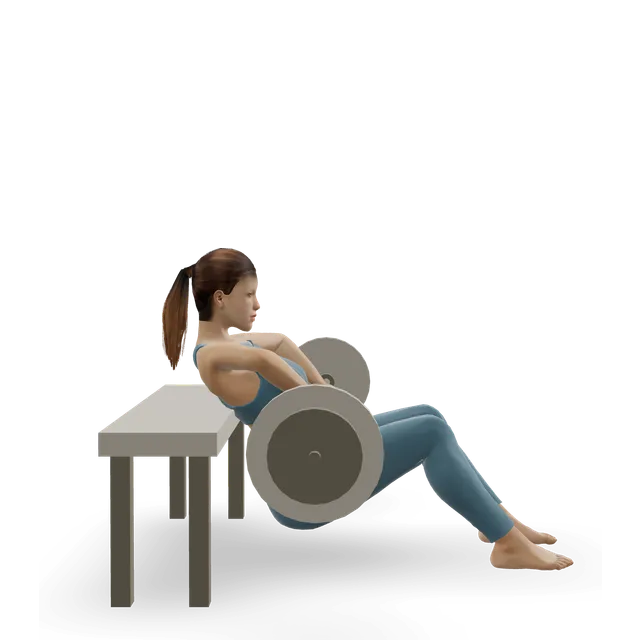
Sit with your upper back against a bench pushed against a wall, the edge just below your shoulder blades, and roll a padded bar into the crease of your hips. Load the bar with your hips on the floor, and put your feet flat about hip-width apart, knees bent.
Drive through your heels until your shoulders, hips and knees line up, with your knees at about a right angle. Pause for a second with your ribs down and chin tucked, then lower under control. Finish with your glutes, not by arching your lower back.
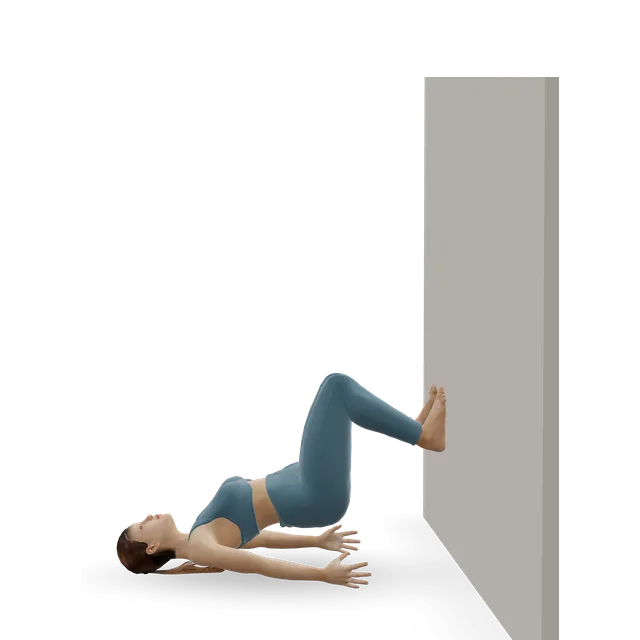
It's the same movement from the floor, and the American Council on Exercise (ACE) rates it a beginner exercise. It isn't only for beginners: with a barbell, the floor bridge drew more glute activity than the hip thrust in one small study.
In a 9-week trial that measured the glutes with magnetic resonance imaging (MRI) scans, hip thrusts and squats grew them about equally, and squats also grew the front and inner thighs. The hip thrust's higher muscle activity didn't turn into more growth.
Across 20 trials, hip thrust training built hip thrust strength but had at best a small, borderline effect on sprint times and none on jumping, on low-certainty evidence.
Finish each rep with your glutes rather than by arching your lower back (our editorial advice). One modelling study of 11 sprinters found the load on the lower-back muscles in the hip thrust was about as high as in a deadlift, with the trunk far less bent.
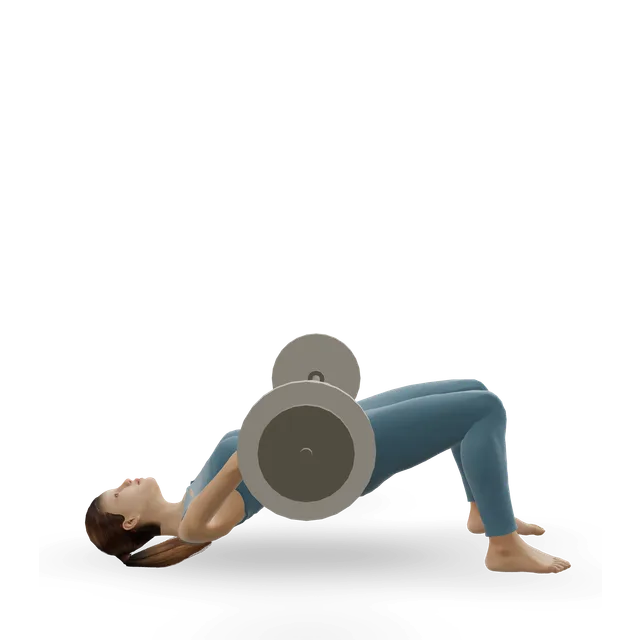
The hip thrust is a glute bridge with your upper back raised on a bench and a weight across your hips, which lets your hips drop lower and take more load. ACE rates the floor glute bridge a beginner exercise and the barbell hip bridge intermediate.
Mainly the gluteus maximus, the big muscle of your buttock, with the hamstrings and the front of the thighs helping. Across 16 studies, many loaded exercises drew very high glute activity: step-ups the highest, then deadlifts, hip thrusts, lunges and split squats. In the 9-week trial, neither hip thrusts nor squats grew the smaller glutes at the side of the hip much.
In 19 trained men, the hip did most of the work in the hip thrust, and the load on the hip muscles fell as the hips rose rather than staying the same. So the bottom half of each rep counts: don't cut it short (our editorial point).
Stable, and pushed against a wall so it can't slide, as our glute gym workout advises. About knee height or a little lower suits most people (our editorial guide); a lab study used a 36 cm box, and most gym benches work.
Sit on the floor with the edge of the bench just below your shoulder blades. Too high and your neck takes the strain; too low and you slide off the bench as you rise (our editorial guide).
The bar and pad
Roll a padded bar over your thighs to the crease of your hips, not onto your hip bones: ACE notes that a bar across the hips can be uncomfortable. A thick pad or folded mat helps. Load and unload the bar with your hips on the floor, and use collars.
Flat, about hip-width apart, toes straight or turned out a little, and placed so your shins are about vertical and your knees at about a right angle at the top (our editorial starting point). In a study of 7 trainers, changing the foot position and how they pushed changed which leg muscles worked. Coaches move the feet closer for more front-thigh work and further away for more hamstring.
From our move page and the glute gym workout: the bench against a wall, a pad and collars, loading the bar with your hips on the floor, and a second's pause with your ribs down. The foot position, the eyes and breathing out as you rise are editorial.
Push a bench against a wall. Sit on the floor with your upper back against its edge, just below your shoulder blades.
Roll a padded, loaded bar over your legs to the crease of your hips, with collars on. Hold it steady with both hands.
Place your feet flat, about hip-width apart, so your shins will be about vertical at the top.
Breathe in and brace, with your chin tucked and your eyes looking forward rather than at the ceiling.
Drive through your heels and lift your hips until your shoulders, hips and knees are in a line, breathing out as you rise.
Pause for a second at the top with your ribs down and your glutes squeezed. Don't arch your lower back to go higher.
Lower under control until your hips are close to the floor, then go again.
Loading the 3D figure…
Drag to turn
Gets into position, then repeats the movement. Technical checks passed; qualified exercise review is pending.
In 13 trained women lifting loads they could manage 10 times, the barbell hip thrust drew roughly twice the upper and lower glute activity of the back squat, and more activity from the outer hamstring, while front-thigh activity was similar.
But muscle activity isn't muscle growthStrong evidence
In a 9-week trial, the hip thrust's higher glute activity didn't produce more glute growth than squats. Muscle activity readings taken during an exercise aren't a validated guide to how much muscle it builds.
Hip thrusts and squats grew the glutes about equallyEmerging evidence
In 34 untrained adults training twice a week for 9 weeks (3 to 6 sets of 8 to 12), hip thrusts and back squats grew the glutes by similar amounts on MRI scans. Squats also grew the front and inner thighs more; neither did much for the hamstrings or the smaller glutes at the side of the hip.
Strength gains were specific to the liftEmerging evidence
The hip thrust group added 63% to their hip thrust and 17% to their squat; the squat group added 44% to their squat and 34% to their hip thrust (3-rep maximums). Both added about 15% to the deadlift.
Across 20 trials, hip thrust training improved hip thrust strength but not squat strength or jumping, slightly improved changes of direction, and had a borderline effect on sprint times, all on low-certainty evidence.
Single trials disagree: possibly faster short sprints than front squats in adolescent boys, no change in college athletes, and faster short sprints than squats in adolescent female footballers. An earlier review counted two training studies with sprint gains and two without.
In 10 men lifting a barbell, the floor glute bridge drew more upper and lower glute activity than the hip thrust, and the hip thrust drew more front-thigh activity. In another study of 20 men, glute activity rose from the floor bridge to a feet-raised bridge to the hip thrust. Small studies that disagree: treat the two as equals with different set-ups.
One modelling study: the lower back and kneesMixed evidence
One modelling study of 11 sprinters, lifting loads they could manage 6 times, found the load on the lower-back muscles in the hip thrust was close to the deadlift's and about a quarter above the squat's, with the trunk bent forward only 18 degrees against 45 in the deadlift. The load at the knee was well under half the squat's. It's one small study of sprinters, so it may not apply to everyone.
The best comparison with squats is one 9-week MRI trial in untrained adults, so results in trained lifters may differ. We found no study of bench height or of the single-leg or dumbbell hip thrust, and none that counted injuries. Most other studies measured muscle activity in a dozen or so people.
The bench lets your hips drop lower, so the hip thrust has more range and takes more load (our editorial view). Small studies disagree on which works the glutes harder, so treat them as equals with different set-ups, not as beginner and advanced.
At home, without a bench, when a heavy hip thrust set-up is awkward, or when a sore lower back prefers the shorter range (our editorial view).
When to choose the hip thrust
When you want to load heavier through a longer range, as our glute gym workout and glute workout plan do.
At home
Rest your upper back on a sturdy sofa or a bench pushed against a wall, and hold a dumbbell or a loaded backpack in the crease of your hips. Or use glute bridges and single-leg bridges on the floor, as our glute workout at home does. Make sure whatever you lean on can't slide.
Hip thrusts vs squats for your glutes
Do bothEmerging evidence
In the 9-week MRI trial the two grew the glutes about equally, and the squat also grew the thighs. Our glute workout plan uses both, with a deadlift and side-hip work.
Put the one that matters more to you first in the session, while you're fresh (our editorial view). Strength gains were specific to the lift each group trained.
One modelling study of 11 sprinters found the load at the knee in the hip thrust was well under half the squat's (66 against 155 newton-metres). Our glute workout plan says: with knee pain, favour hip thrusts and deadlifts and shorten the squat range.
Past a straight line from shoulders to knees, extra height comes from arching your lower back, not from your hips, and ACE warns against pushing the hips so high that the back arches. Keep your ribs down, tuck your chin and squeeze your glutes at the top; a small tuck of the tailbone helps (our editorial cue).
The bar doesn't press down through your spine, but one modelling study of 11 sprinters found the load on the lower-back muscles was about as high as in a deadlift. If your lower back takes over, lighten the load and shorten the range.
With back pain, our glute workout plan suggests light hip thrusts and back extensions. Keep your ribs down and use a shorter range if arching hurts. Pain that travels down a leg needs checking.
Your hip thrust progression: from the floor bridge to the barbell
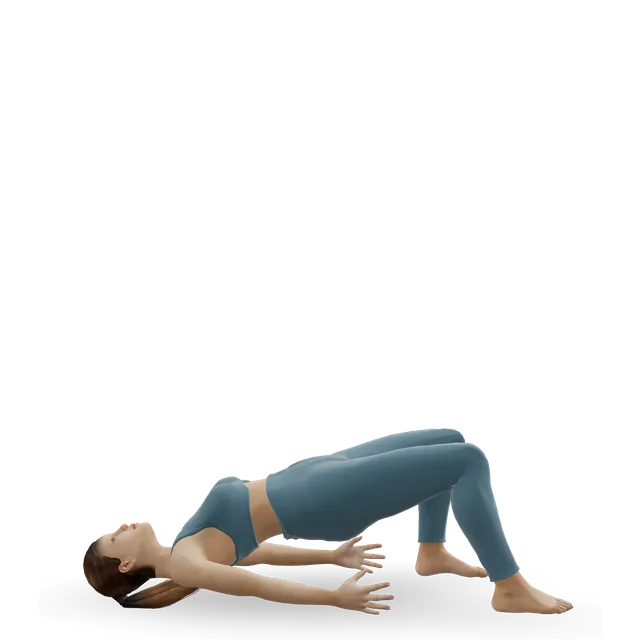
Step 1: the pelvic-tilt bridge
8 to 10 slow reps, peeling your back off the floor and back down, as in our back pain plans. Move on when you can go up and down without arching.
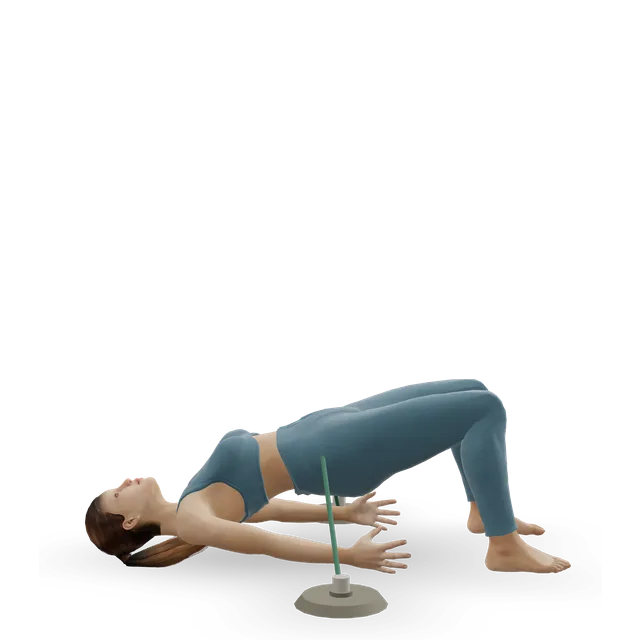
Step 2: the glute bridge
3 sets of 10 to 15 with a 1 or 2 second pause at the top (our editorial starting point). Move on at 3 sets of 15 smooth reps.
3 sets of 6 to 10, resting 2 to 3 minutes, as in our glute gym workout. In your first two weeks, do 2 sets and stop with 3 or 4 reps to spare, as our glute workout plan does. Add the smallest weight step when every set reaches the top of the range.
Where coaches disagree
Some put beginners straight onto a light hip thrust; others insist on weeks of bridges. Both work. Our exercise pages rate the hip thrust harder for its set-up and range, not because it works the glutes harder: the floor bridge drew more glute activity in one study.
In untrained adults, 9 weeks of twice-weekly hip thrusts added 63% to their hip thrust and grew the glutes measurably on MRI. Strength comes first and muscle size takes longer, so track your weights and reps rather than the mirror, as our glute workout plan advises.
Our glute workout plan trains the glutes on two days a week. In a 2026 overview of 137 reviews by the American College of Sports Medicine (ACSM), muscle growth went with 10 or more sets a week for a muscle, and squats, lunges and deadlifts count towards your glutes too.
Stop 1 to 3 reps short of failure, that is 1 to 3 RIR (reps in reserve: how many more you could have done). Our glute workout plan lets hip thrusts go closer to failure than squats and deadlifts, which stay at 2 to 3 RIR; a missed hip thrust just lowers your hips to the floor (our editorial reasoning). Training to failure isn't needed for growth, and people misjudge their reps in reserve by about one.
Stop if it pinches at the front of the hip, as our move page advises. Try a shorter range, a different foot position or the floor bridge, and see our hip impingement guide.
Pain on the outside of the hip
Our hip bursitis guide uses glute bridges, the staggered-stance bridge and single-leg bridges, aiming for no increase in outer hip pain during them. Keep your pelvis level and your knees apart (our editorial cue).
Knee pain
Often a good choice. One modelling study of 11 sprinters found the knee load in the hip thrust was well under half the squat's, and our glute workout plan says to favour hip thrusts and deadlifts with knee pain.
Light hip thrusts and back extensions, as our glute workout plan suggests, with your ribs down and a shorter range if arching hurts.
Pregnancy
After the first trimester, keep time flat on your back to a few minutes and use a propped-up or side-lying bridge, as our glute workout plan advises, and see our pregnancy guide; breathe out as you lift. With pelvic girdle pain, limit one-sided loading, such as single-leg bridges, for now, as our sacroiliac (SI) joint pain guide advises.
High blood pressure
If it's controlled, low- to moderate-intensity strength training is safe with proper breathing. Breathe out as you lift, use weights you could lift 10 to 15 times, and leave maximal lifts until you've had advice.
For severe hip pain after a fall or injury, if you can't walk or put weight on your leg, or for tingling or loss of feeling in your hip or leg after an injury. In the US, call 911.
For severe hip pain that started suddenly without a fall or injury, a swollen hip that feels hot, a change in the colour of the skin around your hip, or hip pain with feeling unwell and a high temperature. In the US, contact your doctor or urgent care.
If hip pain stops your normal activities or affects your sleep, is getting worse or keeps coming back, hasn't improved after 2 weeks of self-care, or comes with stiffness for more than 30 minutes after waking.
The bar doesn't press down through your spine, but one modelling study of 11 sprinters found the load on the lower-back muscles was about as high as in a deadlift, with far less forward bend.
What's the difference between a hip thrust and a glute bridge?
It's the same movement: in the glute bridge your shoulders rest on the floor, in the hip thrust on a bench, which gives your hips more room to drop and lets you load more. With a barbell, the floor bridge drew more glute activity than the hip thrust in one small study, so both are good glute exercises.
Are hip thrusts or squats better for your glutes?
Do both. In a 9-week MRI trial they grew the glutes about equally, and squats also grew the front and inner thighs. Strength gains were specific to the lift each group trained, so pick by what you want to get better at.
Where should my feet be for hip thrusts?
Flat, about hip-width apart, and far enough from your hips that your shins are about vertical and your knees at about a right angle at the top. Moving your feet closer brings in more front-thigh work and further away more hamstring.
How high should the bench be for hip thrusts?
About knee height or a little lower, with the edge just below your shoulder blades; most gym benches work. Push it against a wall so it can't slide.
Why do hip thrusts hurt my hip bones?
The bar presses on the front of your pelvis, and the discomfort grows with heavy loads. Use a thick pad or a folded mat, roll the bar into the crease of your hips rather than onto the bones, and load the bar with your hips on the floor.
Why do I feel hip thrusts in my lower back?
Usually because you're finishing each rep by arching your back rather than squeezing your glutes. Keep your ribs down and your chin tucked, and stop when your shoulders, hips and knees are in line. Your back muscles still work in this lift, so lighten the load if they take over.
Do hip thrusts make you faster?
Probably not much. Across 20 trials, hip thrust training built hip thrust strength but had at best a borderline effect on sprint times and none on jumping, on low-certainty evidence. Sprinting and jumping drills train speed more directly.
How heavy should I hip thrust, and how many reps?
3 sets of 6 to 10, resting 2 to 3 minutes and stopping 1 to 3 reps short of failure, as our glute workout plan advises. Start with 2 easier sets in your first two weeks, and add the smallest weight step when every set reaches the top of the range.
Can I do hip thrusts at home?
Yes: rest your upper back on a sturdy sofa or bench pushed against a wall and hold a dumbbell or loaded backpack on your hips, or do glute bridges and single-leg bridges on the floor. Make sure whatever you lean on can't slide.
Do hip thrusts work the hamstrings or quads?
A little, but mainly the glutes. In the 9-week trial, hip thrusts barely changed the hamstrings and squats grew the thighs more, even though front-thigh activity was similar in the two lifts in a muscle activity study.
Are hip thrusts safe in pregnancy?
After the first trimester, keep time flat on your back to a few minutes and use a propped-up or side-lying bridge, breathing out as you lift. Ask your midwife or doctor if you're unsure, and see our pregnancy guide.
How long until I see results from hip thrusts?
Strength comes first: in a 9-week trial, beginners added 63% to their hip thrust, and their glutes had grown measurably on MRI by the end. Track your weights and reps rather than the mirror.
Exercise education, not a personal prescription, and clinical review of these guides is pending. Check with a GP before starting hard training if you have a heart condition, chest pain, dizziness or breathlessness when active, and stop for sharp or increasing pain. Health disclaimer.