Fingers and shoulders predict grade
Finger strength explained about two-thirds of the differences in grade in 307 climbers; in another study of 77 climbers, shoulder power and endurance led.
Sport
Climbing grades rise with finger strength, shoulder power and endurance, and the skill to use them. In trials, adding hangboard training to climbing made fingers stronger than climbing alone in experienced adult climbers. Whether that lifts your grade is less certain, and antagonist training, though traditional, has never been tested for preventing injuries.
Fingers take the most injuries, pulley injuries above all, then shoulders; in bouldering, falls cause ankle injuries, some of them serious. Teenagers have their own risk: stress fractures of the growth plates in the fingers. This guide covers what climbing asks of your body, the injuries, how to use a hangboard sensibly, the British Mountaineering Council's advice for under-18s, a 15-minute warm-up, a 30-minute antagonist and shoulder workout, and when a finger pop or a teenager's sore finger needs a doctor.
Finger strength explained about two-thirds of the differences in grade in 307 climbers; in another study of 77 climbers, shoulder power and endurance led.
Added to climbing, finger training raised finger strength more than climbing alone in experienced adults. Better grades haven't been shown.
Finger pulley injuries lead and the shoulder comes second; 42% of recreational indoor climbers had an arm or hand injury within a year.
Growth plate stress fractures are the commonest injury in young climbers seen at a specialist centre. The British Mountaineering Council (BMC) advises under-18s not to campus feet-off or dynamically.
Jumping off and falling went with leg injuries, and ankle fractures dominate hospital data. Climb down when you can (our suggestion).
It's good general strength training, but no study has shown it prevents climbing injuries; warm-ups, stretching and finger taping haven't been shown to either.
Source 11
Climbing is repeated, near-static gripping with short rests. Lead routes test forearm endurance, and bouldering short, all-out efforts. In 307 climbers, finger strength explained most of the differences in grade, followed by intermittent finger endurance.
Source 1
Gripping in three main ways (open hand, half crimp and full crimp), pulling and locking off, pressing and mantling, high steps and turning the hip in to the wall, and in bouldering, falling and landing.
The sites the studies point to:
Climbers have stronger shoulder extensors than flexors (a ratio of 0.74 against 1.13 in non-climbers), more upward rotation of the shoulder blade at full reach, and, in high-level men, more rounding of the upper back. These are adaptations: none of these studies linked them with pain, and our posture guides explain that posture isn't a proven cause of pain.
Each study counted injuries its own way, so the figures in different lines aren't comparable.
Measured four ways; the first two studies followed climbers forward and give the best picture:
Pulleys are the bands that hold the finger tendons against the bone. Pulley injuries are the commonest finger injury at a specialist clinic, now more often the A4 than the A2 pulley, and were found consistently across 45 studies of sport climbing and bouldering. Fingers were 36% of arm and hand injuries in recreational climbers.
What raised the risk: crimping, climbing harder, bouldering, campus board training (odds ratio 2.48) and a previous injury (odds ratio 3.05). Our finger pulley injury guide covers the grades, tape and rings, and a staged return; the warning signs below cover a pop or snap.
The second commonest site at a specialist clinic, and rising. Big dynamic moves and volume are suspected, and a previous injury tripled the odds of a new arm or hand injury in recreational climbers. See our shoulder pain, shoulder impingement and shoulder dislocation guides.
Golfer's elbow (pain at the inner elbow) became more common with years of climbing in cross-sectional studies. Tingling in the ring and little fingers points to the ulnar nerve at the elbow instead. See our golfer's elbow and ulnar nerve entrapment guides.
Source 11
At a specialist referral centre, these stress fractures were 45% of injuries in climbers under 18, most of them under 16. Across 11 studies, 98% were at the middle finger joint, at an average age of 14. They come on gradually, with pain on the back of the joint, and the growth spurt (around 12 to 13 for girls and 13 to 15 for boys) is the riskiest time. Untreated, they can leave the joint permanently misshapen; most heal with weeks to months off hard climbing.
In 507 indoor boulderers followed for a year, leg injuries were fewer than arm and hand injuries but more serious, and were linked with falling (odds ratio 2.92) and jumping off the wall (odds ratio 4.39); heavily downturned shoes went with more serious injuries (odds ratio 2.58).
In hospital data, the ankle was 37% of bouldering injuries at one emergency department, and ankle fractures were 40% of diagnoses at a UK major trauma centre, after falls of 2.9 metres on average; a quarter needed an operation. Our ankle sprain guide covers milder sprains.
In 84 male student climbers aged 18 to 19 in Ukraine, a programme of closed-chain exercises (hands or feet fixed, as in a push-up), slow lowering and strength work, done 3 to 4 times a week for a year according to a review, cut shoulder injuries from 3.2 to 0.5 per 1,000 training sessions. A companion paper on the same students reported fewer elbow injuries too.
The exercises, doses and compliance aren't published in the trial's summary, and its reported statistics don't fully match the rates, so treat the size of the effect with caution.
In 426 recreational climbers, campus board training and a previous injury predicted arm and hand injuries. Across 34 studies, harder climbing, bouldering and the crimp grip went with overuse injuries. For teenagers, specialists advise less crimping, watching training load and recovery, and education.
Jumping off the wall and falling went with leg injuries. Climb down rather than jumping from the top where you can, land on both feet with your knees bent and roll back, and keep the landing zone clear (our suggestions). Hospital series show ankle fractures from falls of around 3 metres.
Warming up made no difference to injuries in three studies, two of them following climbers forward, and cooling down went with more injury in one, probably for other reasons. Stretching wasn't protective, finger taping didn't protect boulderers in two prospective studies, and none of the preventive measures studied in 507 boulderers was protective. Warm up to climb well, as our warm-up guide says, not as proven protection.
No study has tested push or extensor work for preventing climbing injuries. The antagonist section below sets out what is and isn't known.
Source 11
Finger strength explained 68% (men) and 64% (women) of the differences in grade in 307 climbers. In 77 climbers, shoulder power and endurance (maximal pull-ups, arm-cranking power and a bent-arm hang) were the main determinants, with finger and grip strength close behind; in small training studies, raising them by 42% to 67% went with 2 to 3 grades of improvement. Specific strength beat general strength in 41 climbers, and in a test battery of 132 climbers, flexibility and general strength mattered only up to a point.
These studies compared climbers at one point in time, so they show what goes with a higher grade rather than what produces one.
A review of what makes climbers successful pointed to forearm strength and endurance, strength for your size, and finger hang times. Climbing trains these, and adding specific training helped more than climbing alone (see hangboards below).
Our editorial plan, built on the trials and the BMC's advice:
In a meta-analysis of randomised trials in active climbers, adding climbing-specific strength training to climbing beat climbing alone. For fingerboard training, the gain in finger strength was small to moderate (standardised mean difference 0.41; 95% confidence interval 0.03 to 0.80), with larger gains in how fast force rose and in hang endurance. Most participants were advanced or elite adult men.
Source 3
All in adults with climbing experience:
The trials measured finger strength, not grades, and the 10-week trial says it can't conclude that climbing performance improved.
The BMC's basic routine: a decent-sized hold, four fingers open-handed on each hand; hang for 7 seconds and rest for 3, six times; rest 3 minutes; repeat 2 or 3 times; keep a slight bend in your arms. To make it harder, use a smaller hold, add a few kilograms or rest less; to make it easier, use a bigger hold or take some weight on a foot or a pulley. It's governing-body advice rather than a tested programme, and the trials likewise started at the easiest levels and added load in small steps.
The trials recruited adult climbers with experience and healthy fingers. The BMC's expert says grade matters less than circumstances: a fingerboard can suit even relative novices who can't climb often, while someone who can climb several times a week may do better with more bouldering. Start once any finger injury has healed enough to take the load without getting worse.
The BMC's campus board guidance, approved by the medical commission of the International Climbing and Mountaineering Federation (UIAA), says: "We advise that climbers aged under 18 do not campus feet-off or dynamically." It adds: "Younger climbers benefit more from improving their flexibility, co-ordination and technique." A BMC article by two of the commission's members concludes that campus boards aren't recommended for anyone under 18, and advises against added weights at that age.
Under 18, no maximal or weighted hangs and no campus board; climbing, technique and general strength first. This is our editorial suggestion, not a rule: governing bodies set no minimum age for hangboards. The BMC's fingerboard expert warns that very repetitive finger training before growth tails off in the late teens has caused severe finger injuries, and surgeons describing young climbers' growth plate fractures advised against intensive power training at that age.
Fingers don't finish growing until about 17, and growth plates are weaker than the tendons and ligaments around them. Stress fractures at the middle finger joint are the commonest injury in young climbers seen at specialist centres, at an average age of about 14, and crimping and intensive finger training are the usual story. Yet only 5.7% of 267 young climbers at a US national championship knew that 18 is the age given for starting double-dyno campus boarding.
The BMC's guide for parents and coaches says a young climber with persistent pain should never be allowed to "work through the pain". A gradual ache on the back of the middle finger joint, with swelling, tenderness or less movement after training, means stopping and seeing a GP, who should refer urgently to a hand surgeon. An X-ray can miss it, and a magnetic resonance imaging (MRI) scan may be needed.
Stronger pulling than pushing muscles at the shoulder, more upward rotation of the shoulder blade at full reach, and more rounding of the upper back in high-level men. These are cross-sectional findings without any link to pain.
The one prevention trial used closed-chain, slow-lowering and strength exercises, but its summary doesn't describe them, so nobody can copy it exactly.
Source 23
Push-ups, presses and finger and wrist extensor work have never been tested for preventing climbing injuries. One prospective study of boulderers found that weight training went with fewer injuries, an association reported in a 2023 review. Our posture guides explain that posture isn't a proven cause of pain.
Source 11
Pushing and forearm-extensor exercises are traditional in climbing, untested for injury prevention, and good general strength training, which the UK's National Health Service (NHS) recommends on 2 days a week anyway.
Source 37
Maximal finger strength tests on an edge are reliable, with test-retest agreement (intraclass correlation) of 0.85 to 0.99 across a review of 15 studies, which recommends a 20 to 23 mm edge. A finger hang on an edge is mostly a test of finger strength and tracks grade closely. Compare your result with your body weight: relative to body mass, men and women didn't differ.
A hand-grip dynamometer measures a whole-hand squeeze: it rose 2.5 kg with fingerboard training and went with grade in one study, but it isn't a climbing-specific test. Hangs from a bar on straight or bent arms test shoulder and arm endurance as much as the fingers. Our grip strength test uses dynamometer norms as a health marker, not a climbing test.
Built on the site's warm-up guide (editorial). The 5, 10 and 20 second hangs are the first part of one hangboard trial's warm-up, and another trial began each session with 15 minutes of easy climbing. Warm-ups haven't been shown to prevent climbing injuries.
Loading the 3D figure…
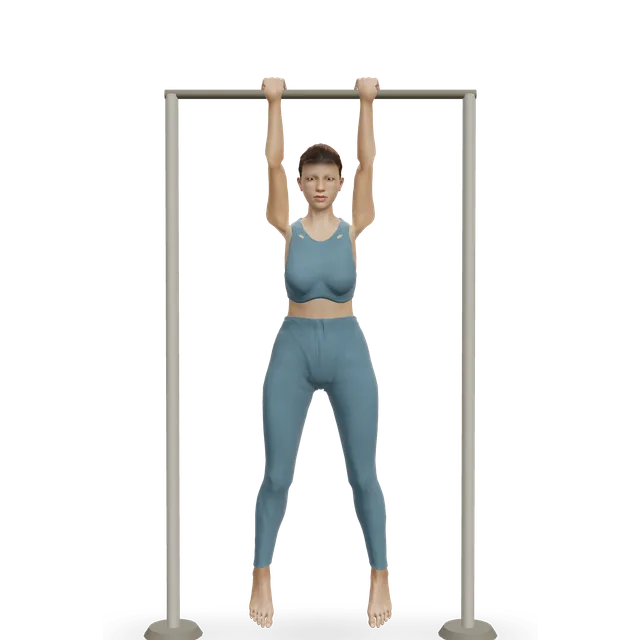
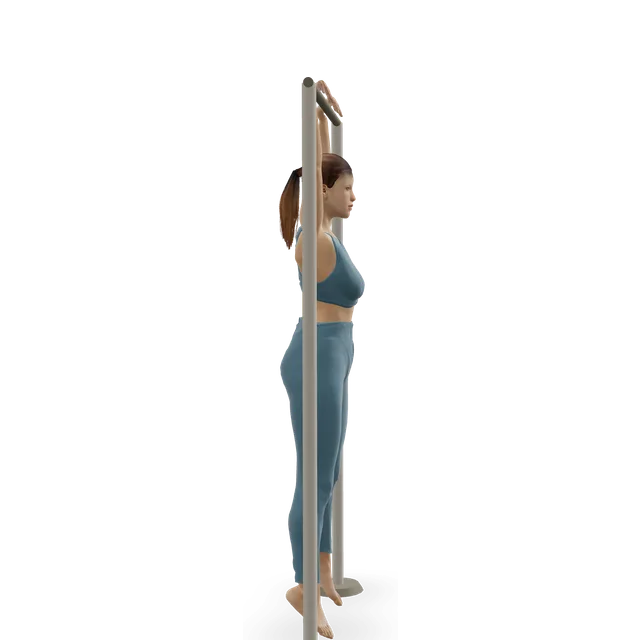
The movement on the figure: Bar hang
Hangs and pulls, finger and wrist mobility, then the pushing, rotator cuff, shoulder-blade and forearm-extensor moves from the antagonist workout. We have no hangboard edge hang yet: the bar hang is the closest.
 3D demoBar hangIntermediate · Pull-up bar + A step
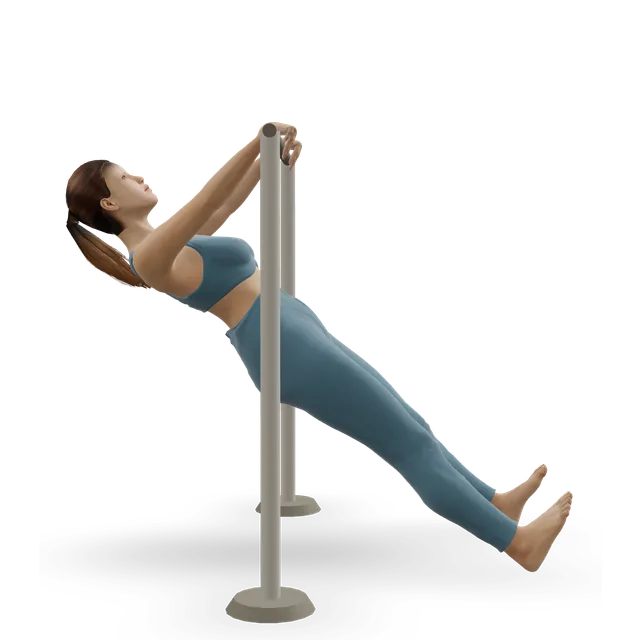
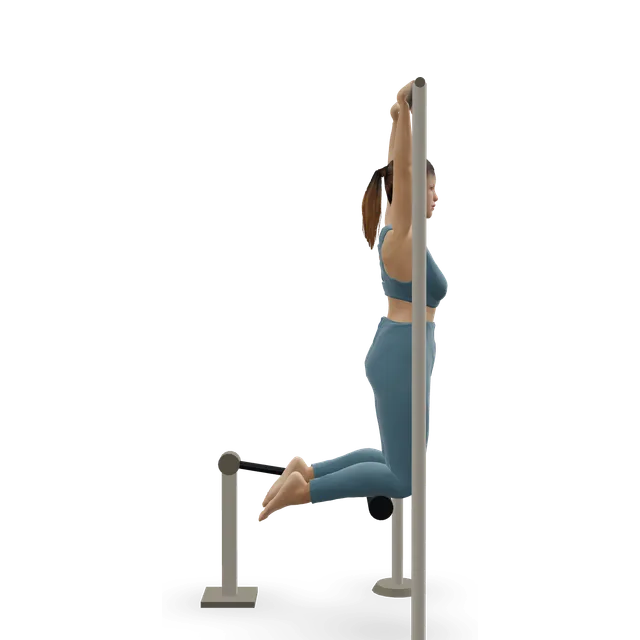
 3D demoScapular pull-upIntermediate · Pull-up bar
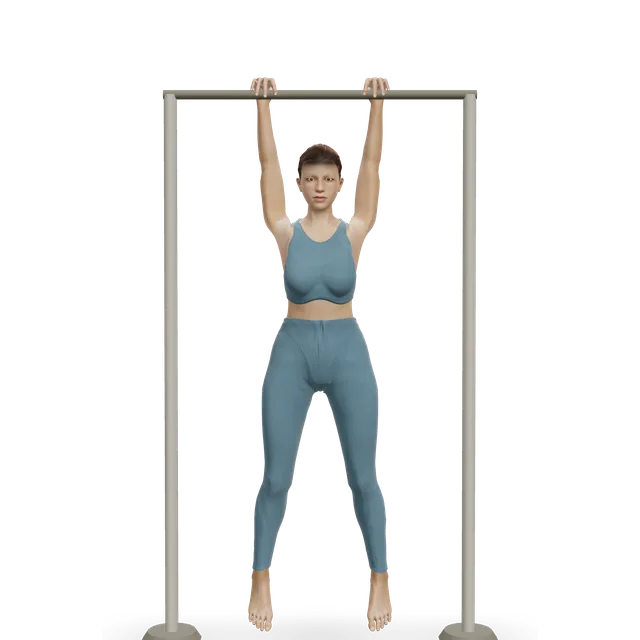 3D demoPull-upAdvanced · Pull-up bar
 3D demoTendon glides (hand tendon gliding exercises)Beginner · No equipment
 3D demoWrist & forearm flowBeginner · No equipment
 3D demo90/90 switchIntermediate · No equipment
 3D demoPush-upIntermediate · No equipment
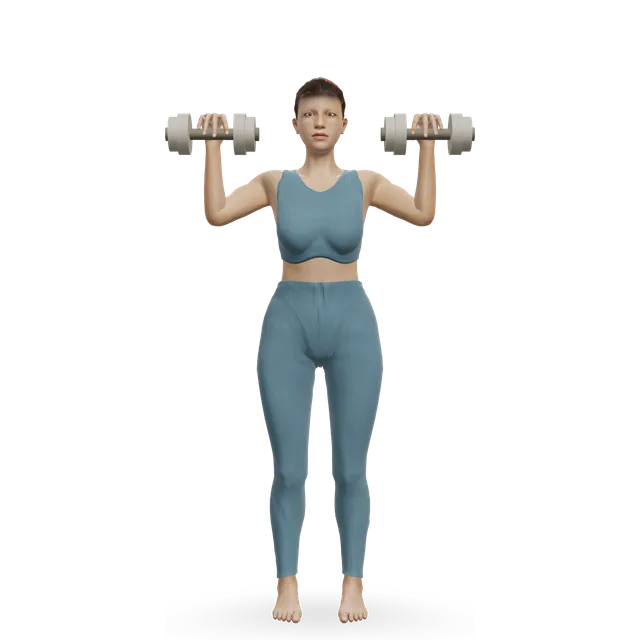 3D demoStanding dumbbell shoulder pressIntermediate · A dumbbell
 3D demoStanding band external rotationBeginner · A band + An anchor point
 3D demoProne Y-T-W raisesBeginner · No equipment
 3D demoFace pullIntermediate · A band
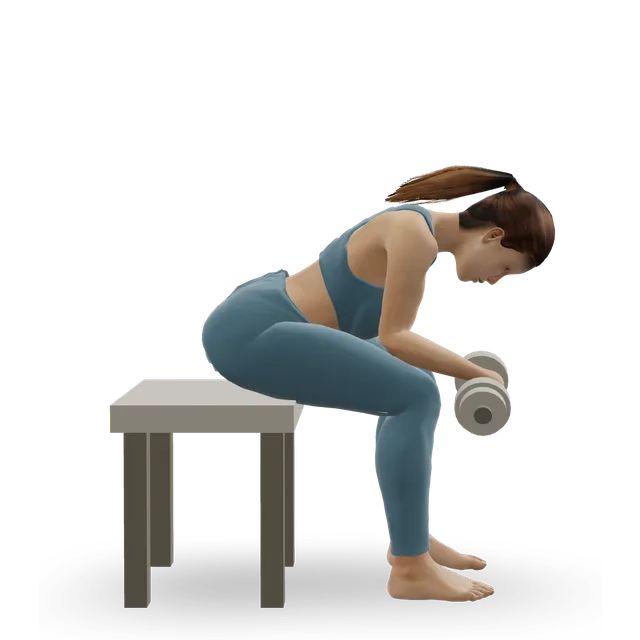 3D demoReverse wrist curlBeginner · A dumbbell + A bench or box
 3D demoBand finger extensionBeginner · A band
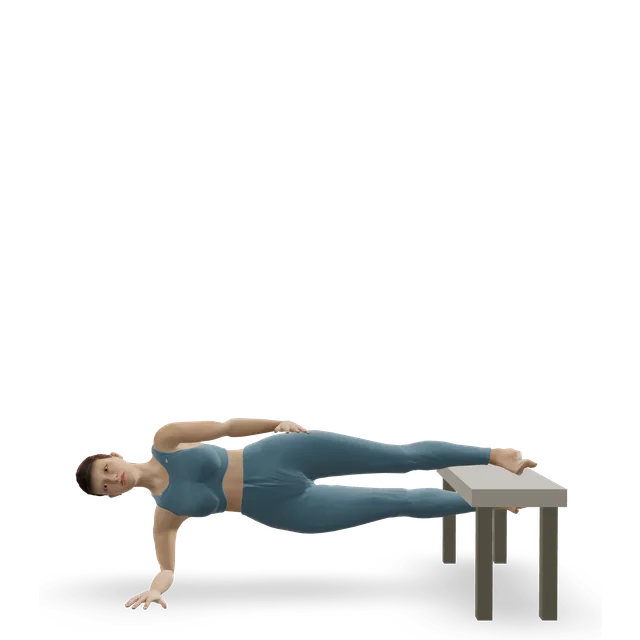
 3D demoSide plankIntermediate · No equipment
Warm up before every session, and do the antagonist workout twice a week on lighter days. The others build pulling strength, grip and shoulder control.
A 15-minute climbing warm-up: easy movement, shoulder and hip mobility, wrist and finger glides, scapular pulls, then hangs of 5, 10 and 20 seconds.
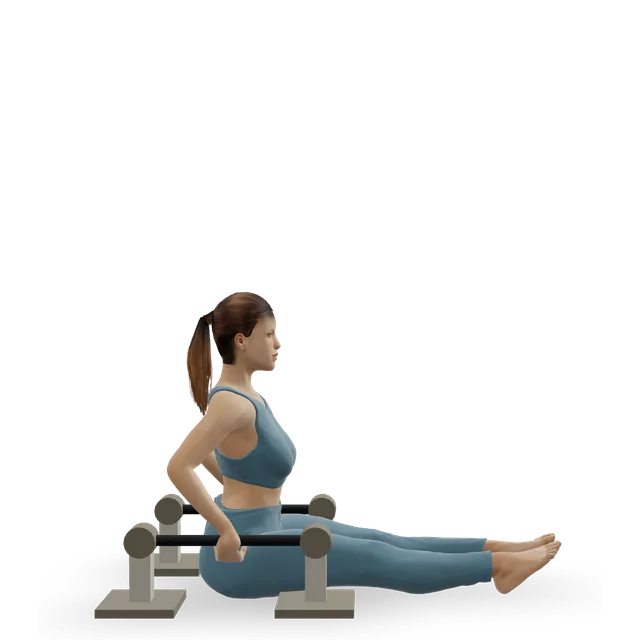
15 minBeginner9 movesPull-up bar, A bandA 30-minute antagonist workout for climbers: push-ups and presses, band rotations, Y-T-W raises and face pulls, wrist and finger extensions, and a side plank.
30 minBeginner13 movesA band, A dumbbellWork up to your first pull-up: dead hangs, scapular pulls, rows, negatives and assisted pull-ups.
25 minBeginner7 movesPull-up bar, A stepTrain for your first pull-up: hangs, shoulder-blade pulls, rows, band- or machine-assisted pull-ups, slow negatives and grip work in one session.
30 minBeginner8 movesPull-up bar, A stepA 20-minute grip session: warm up the wrists and fingers, train the hand and forearm muscles, then carry and hang to load your grip the way everyday life does.
20 minBeginner10 movesOther / check instructions, A bandWrist mobility and forearm strength for desk work, climbing, push-ups and handstands.
10 minBeginner7 movesA wall, A dumbbellA 25-minute band routine for healthy shoulders: move the shoulder and upper back through their range, then strengthen the rotator cuff and shoulder blades.
25 minBeginner12 movesA wall, A bandAn upper body workout at home with no gym: push-ups, band rows, pike push-ups, face pulls, close-grip push-ups and Y-T-W raises, with dumbbell options.
30 minIntermediate13 movesA band, An anchor pointA full-body calisthenics workout with a ladder for every move: rows to pull-ups, push-ups, split squats to skater squats, dips, hamstring curls and knee raises.
45 minBeginner11 movesPull-up barA 15-minute hip opener: 90/90 switches, windshield wipers, CARs, Cossack squats, frog and pigeon.
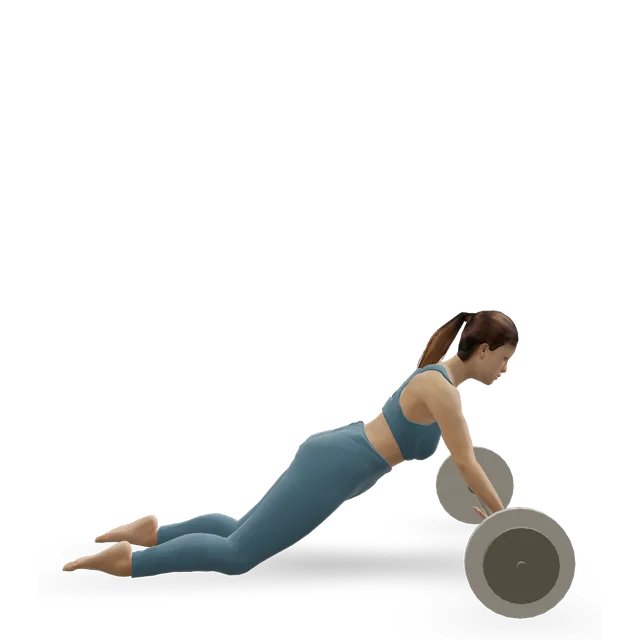
15 minIntermediate8 movesA wallHard core training: ab wheel rollouts, hanging leg raises, L-sits, Copenhagen planks, plank walk-ups and dragon flags.
30 minAdvanced6 movesAn ab wheel, Pull-up barA plan's strength days can carry the antagonist work; keep hard finger sessions for days you climb fresh.
A 12-week calisthenics plan for beginners: three bodyweight sessions a week with push-up, pull-up, squat and dip ladders, and a bar if you have one.
3 training days40 minBeginner2 days a weekTwo full-body strength sessions a week: the minimum that meets health guidelines, with every set, rep and rest, and an 8-week progression.
2 training days45 minBeginnerThe PAR-Q+ (Physical Activity Readiness Questionnaire for Everyone) asks about a heart condition or high blood pressure, chest pain, dizziness or fainting, other long-term conditions and their medicines, a bone or joint problem that activity could make worse, and being told to exercise only under supervision. If you answer yes to any, check with your GP or a qualified exercise professional first. If you're over 45 and not used to hard exercise, ask a qualified exercise professional before hard finger training, and delay if you're ill.
Source 40
Fingers finish growing around 17. Follow the BMC's campus board advice, put climbing, technique and general strength first, and treat any pain on the back of a middle finger joint as a reason to stop and see a GP.
A previous injury tripled the odds of a new arm or hand injury. Build back gradually, and use our shoulder and elbow guides.
Source 6
Leave out hangs until you've been cleared, as our bar hang page advises; our shoulder dislocation guide has a strengthening plan.
The NHS advises against sports with a risk of falling, which rules out bouldering falls. Talk to your midwife or GP about roped climbing (our suggestion), and see our pregnancy guide.
A fall from height risks a fracture: roped climbing or low traversing may suit better (our suggestion). Our osteoporosis guide has more.
The NHS says to contact NHS 111 if you heard a snap, grinding or popping noise at the time of the injury, the pain is severe, you feel faint, dizzy or sick from the pain, you can't move the finger or hold things, it has changed shape or colour, or you've lost feeling in part of your hand. See a GP if finger pain stops your normal activities, keeps getting worse or coming back, or hasn't improved after 2 weeks. Pulley injuries are the commonest finger injury in climbers.
A slow onset of pain on the back of the middle finger joint, with swelling, tenderness or less movement after training, means stop climbing and see a GP, and ask for an urgent referral to a hand surgeon, as the BMC's growth plate guide advises.
Source 19
Call 999 if someone hit their head and has fallen from a height of more than 1 metre or 5 stairs, was knocked out and hasn't woken, can't stay awake, has a fit, has problems with their vision or hearing, has new numbness or weakness, or their behaviour has changed.
With suspected concussion, stop climbing: 'If in doubt, sit them out'. The UK grassroots guidance says no sport for at least 24 hours, contact NHS 111 within 24 hours, and no return to competition before 21 days.
Call 999 or go to A&E if you heard a crack, the joint has changed shape or points at an odd angle, it's numb or tingling, or the skin has turned blue or grey or is cold. Get help from NHS 111 or an urgent treatment centre if you can't put any weight on it or walk more than a few steps. Ankle fractures are the commonest serious bouldering injury in hospital data.
Ask for an urgent GP appointment or contact NHS 111 for sudden or very bad shoulder pain, an arm you can't move, a shoulder that has changed shape or is badly swollen, pins and needles that don't go away, no feeling in the arm or shoulder, pain that started after a fall, or if you feel feverish or unwell. A shoulder that looks out of place after a fall needs A&E, as our shoulder dislocation guide says.
Source 46
That points to the ulnar nerve at the elbow; our ulnar nerve entrapment guide explains when to see a GP.
Finger strength was the strongest single predictor in one large study, but shoulder power and endurance led in another, and finger endurance, technique and body control matter too.
In adult trials, hangboards raised finger strength, and in one prospective study of boulderers, fingerboard training wasn't linked with more injuries. Campus board training was linked with more injuries in recreational climbers.
Growth plate stress fractures are the commonest injury in young climbers seen at specialist centres. The BMC advises no feet-off or dynamic campus boarding under 18, and its fingerboard expert warns that very repetitive finger training before growth tails off has caused severe injuries.
It's never been tested. It's good general strength training.
Source 11
Finger taping wasn't protective in two prospective studies of boulderers.
Source 11
The NHS says a snap or pop at the time of a finger injury needs a call to NHS 111.
Source 42
Leg injuries were linked with falls and jumping off, and ankle fractures dominate hospital data.
Climb regularly and add specific strength. Finger strength explained most of the difference in grades in one large study, and shoulder power and endurance in another. In trials, adding hangboard training to climbing raised finger strength more than climbing alone.
When you climb regularly and your fingers are healthy; the trials used intermediate to advanced adult climbers. Start easy, with an open hand on a decent-sized hold, 7 seconds on and 3 off, as in the British Mountaineering Council's basic routine, and build up in small steps. Under 18, see the next question.
Take care. Growth plate stress fractures of the middle finger joint are the commonest injury in young climbers seen at specialist centres. The British Mountaineering Council advises no feet-off or dynamic campus boarding under 18, and our suggestion is no maximal or weighted hangs either, with climbing, technique and general strength first.
Exercises for the muscles that push and open the hand: push-ups, presses, wrist and finger extensions and rotator cuff work. Climbers' shoulders adapt to pulling, but no study has tested whether antagonist work prevents injury. It's good general strength training.
Finger injuries, especially pulley injuries, then the shoulder. In bouldering, falls also cause ankle and lower-leg injuries, the commonest serious injuries in hospital data.
Stop climbing. The NHS advises contacting NHS 111 if you heard a snap or pop at the time, the pain is severe, or you can't move the finger or hold things. Pulley injuries are common in climbers and need assessing before you load the finger again; our finger pulley injury guide covers the grades and a staged return.
Move your shoulders, hips and wrists, wake up your shoulder blades, then load your fingers gradually with short hangs on big holds and 3 to 5 easy climbs. Warm-ups haven't been shown to prevent climbing injuries, but they help you start ready.
Studies say no: finger taping wasn't protective in two prospective studies of boulderers. Tape may still help hold a dressing or protect the skin.
A maximal hang or pull on a 20 to 23 mm edge, compared with your body weight, is reliable and tracks grade. A hand-grip dynamometer measures general grip, which our grip strength test uses as a health marker rather than a climbing test.
Climb down rather than jumping from the top when you can, land on both feet and roll back, and keep the mats clear. Jumping off and falls went with leg injuries, and very downturned shoes with more serious ones. The climbing-down and landing advice is ours.
Exercise education for people who play sport, not a personal prescription or a diagnosis, and clinical review of these pages is pending. Check with a GP or physiotherapist before hard training if you have a heart condition, chest pain, dizziness or an injury that isn't settling, and stop for sharp or increasing pain. Health disclaimer.