Three joints in one capsule
The humerus meets the ulna at a hinge that bends and straightens the arm, the head of the radius sits against the humerus, and the radius turns against the ulna at a pivot. All three share one joint capsule.
Joint guide
Your elbow is three joints in one capsule: a hinge that bends and straightens your arm, and two joints at the head of the radius that let it spin, so the radius can roll over the ulna and turn your palm up and down. Most of its stability comes from the snug fit of its bones, backed by strong ligaments on each side.
It keeps its range with age better than most joints, but modern life asks a lot of it: in one small study, using a phone took up to 142 degrees of bend. Tennis and golfer's elbow, two common causes of elbow pain, come from the tendons of forearm muscles that anchor on its two bony bumps, and tennis elbow usually settles within a year.
This guide covers how the elbow is built and moves, the carrying angle and elbows that bend backwards, what keeps it healthy, and the moves to train it, with links to the guides for tennis elbow, golfer's elbow and other problems.
The humerus meets the ulna at a hinge that bends and straightens the arm, the head of the radius sits against the humerus, and the radius turns against the ulna at a pivot. All three share one joint capsule.
To turn your palm down, the head of the radius spins inside a ring of ligament at the elbow while its lower end crosses over the ulna at the wrist. Together the two radioulnar joints give about 150 to 180 degrees of rotation.
The ulna's notch wraps nearly 180 degrees around the end of the humerus, a tight fit that does much of the work. Strong ligaments on the inner and outer sides add to it, helped by the forearm muscles.
Healthy elbows bend to about 130 to 154 degrees and straighten from a few degrees short of straight to about 11 degrees past it. In a 1981 study of 33 people, most daily tasks needed only 30 to 130 degrees of bend, but in a 2011 study of 25 people, using a phone took up to 142.
In 6,000 people aged 5 to 92, the elbows and knees kept their flexibility with age better than the shoulders and trunk.
Source 8
Tennis elbow affects about 1.3% of adults aged 30 to 64 at any one time and is linked with forceful, repetitive arm work, smoking and obesity. Without active treatment, about 9 in 10 people are much better or recovered within a year.
The lower end of the humerus has a spool-shaped part (the trochlea) for the ulna, a rounded knob (the capitulum) for the radius, and a bony bump on each side: the medial epicondyle on the inner side and the lateral epicondyle on the outer side. The ulna's tip, the olecranon, is the point of your elbow, and its notch wraps the trochlea. The radius, on the thumb side, has a disc-shaped head.
Three bones form three joints, all inside one elbow joint capsule.
The near-180-degree curve of the ulna's notch around the trochlea makes a tightly fitting hinge. On the inner side, the medial (ulnar) collateral ligament resists the forearm being bent outward: it provides about a third of that restraint with the elbow straight and half at 90 degrees, working with the forearm flexor muscles. On the outer side, the lateral ligament complex mainly stops the elbow twisting out of joint at the back, and the lateral ulnar collateral ligament is its main part.
The annular ligament forms about four-fifths of a circle around the head of the radius, attached at both ends to the ulna, and holds the radial head in place as it spins. Its front part tightens when the palm is fully turned up, and its back part when the palm is fully turned down.
Source 1
Fat pads inside the capsule move with the brachialis and triceps to make room for the bones as the elbow bends and straightens. The olecranon bursa, a fluid-filled sac over the point of the elbow, eases the movement of the triceps tendon and skin, and it is one of the bursae most often inflamed, usually from repeated pressure such as leaning on the elbows.
The ulnar nerve runs behind the inner bump through the cubital tunnel, roofed by a band called Osborne's ligament. It lies so close to the surface there that a knock sends an electric jolt down the forearm towards the ring and little fingers: the funny bone.
Source 4
The brachialis is the main muscle that bends the elbow. The biceps helps a little with bending but is chiefly the muscle that turns the palm up, and the brachioradialis and pronator teres also help bend it. The triceps straightens it, with a small contribution from the anconeus. The supinator helps turn the palm up, and the pronator teres and pronator quadratus turn it down.
Most of the muscles that start near the elbow move the wrist and fingers rather than the elbow. The flexors on the inner side work with the inner ligament, and the extensors on the outer side, which share a common origin near the lateral epicondyle, work with the outer ligament, steadying the elbow against sideways forces. That's why heavy gripping and twisting load the tendons at the elbow.
In healthy people, bending (flexion) reaches about 130 to 154 degrees, and straightening (extension) ranges from 6 degrees short of straight to 11 degrees past it, so some healthy elbows bend slightly backwards. Another reference chapter gives a normal arc of 0 to 145 degrees. Values vary between sources.
Turning the palm down (pronation) reaches about 75 to 85 degrees and turning it up (supination) about 80 to 104 degrees. Across both radioulnar joints the forearm rotates about 150 to 180 degrees in all, with about 30 degrees more through the wrist.
As you turn your palm down, the head of the radius spins in its ligament ring at the elbow while the lower end of the radius crosses over the ulna at the wrist. Only about 20% of the lower joint's stability comes from bone; the rest comes from soft tissues, chiefly the triangular fibrocartilage complex (TFCC), a cushion of cartilage and ligament on the little-finger side of the wrist. To feel the movement on its own, keep your elbow at your side, bent to 90 degrees.
With your arm straight and the palm facing forward, the forearm angles out from the upper arm by about 5 to 15 degrees. One reference gives 5 to 10 degrees in men and up to 18 in women. The angle lets the arms swing clear of the hips.
In a 1981 study of 33 people doing 15 daily activities, most could be done with 30 to 130 degrees of bend and 50 degrees of rotation each way; reaching the back of the head took about 140 degrees, and tying a shoe about 15.
Modern tasks ask more. In a 2011 study of 25 people, using a phone needed up to 142 degrees of bend, typing needed about 65 degrees of palm-down turn, and opening a door about 77 degrees of palm-up turn. Both studies are small, but they agree that the end of the range gets used.
In 6,000 people aged 5 to 92, elbow range was among the best preserved with age. In 674 healthy people aged 2 to 69, women had more range than men at nearly every joint, and the difference was most obvious in turning the forearm palm down and up.
Healthy elbows range from a few degrees short of straight to about 11 degrees past it. If your joints are very flexible in general, a GP may check them with the Beighton score for joint hypermobility syndrome; very flexible joints only matter if they come with symptoms, as our hypermobility guide explains.
Reference chapters give healthy bending of 130 to 154 degrees (or an arc of 0 to 145), palm-down turning of 75 to 85 degrees, palm-up turning of 80 to 104 degrees, and total forearm rotation of about 150 to 180 degrees. They agree on the shape of the range, not on exact numbers.
Two small studies set the everyday needs: 33 people in 1981 (30 to 130 degrees of bend and 50 degrees of rotation each way covered most tasks) and 25 people in 2011 (up to 142 degrees of bend for a phone, 65 degrees of palm-down turn for typing and 77 degrees of palm-up turn for a door).
In 6,000 people aged 5 to 92, the shoulders and trunk lost the most flexibility with age, while elbow and knee mobility was preserved to a greater extent.
Source 8
In 674 healthy people measured by physiotherapists, women had greater range in nearly all joints at every age, and the sex difference was most obvious for turning the forearm palm down and up, and for pointing the foot.
Source 18
Loss of elbow movement follows about 5% of injuries, losing straightening is more common than losing bending, and long immobilisation adds to the risk. A reference chapter advises managing a simple elbow dislocation promptly with range-of-motion exercise and a gradual return to activity.
In a population study of 4,783 Finnish adults aged 30 to 64, 1.3% had tennis elbow (lateral epicondylitis) and 0.4% golfer's elbow (medial epicondylitis) at the time, most often at 45 to 54 and equally in men and women. Forceful and repetitive arm work, smoking and obesity were the strongest links.
Source 9
In the placebo and no-treatment groups of 24 trials (1,085 people), 89% were much better or recovered at 1 year. Every 2.5 to 3 months, half of those still sore improved, and the chance of recovery stayed about the same however long symptoms had already lasted.
Source 10
Across 30 trials (2,123 people), exercise did better than passive treatments, with or without injections, but the effect was small and the certainty low. Our tennis elbow guide has a staged plan.
Source 20
In children aged 1 to 4, a sudden pull on the hand or arm can slip the head of the radius partly out of its ligament ring. It accounts for more than 20% of arm injuries in children and recurs in about 20%.
Source 21
Bend, straighten and turn your forearm fully every day; phones, keyboards and door handles use the ends of the range. After an injury, start moving when your clinician says, because losing straightening is the common problem. Our starting point: 10 slow bends and straightens, then 10 slow turns each way with the elbow at your side, once or twice a day.
Train the muscles that bend the elbow (curls, including hammer curls), straighten it (triceps work and push-ups) and turn the forearm, and the wrist muscles that anchor on its bony bumps. Strength training lowers injury risk in sport, though that evidence isn't specific to the elbow. Our editorial starting point: 2 to 3 sets of 8 to 15, 2 or 3 times a week.
The wrist extensors hold the wrist steady every time you grip, and forceful, repetitive arm work is linked with tennis and golfer's elbow. Add weight and volume gradually, especially for heavy gripping and twisting. For a sore elbow, our elbow pain guide keeps discomfort to about 3 to 4 out of 10.
To prevent a pulled elbow, avoid lifting, jerking or swinging a young child by the hands, wrists or forearms.
Source 21
Start at our elbow pain guide, which maps pain by where it hurts. These are pointers, not a diagnosis.
Pain on the outside of the elbow, sometimes with difficulty fully straightening the arm, is often tennis elbow, worse with gripping, lifting and turning handles. Our tennis elbow guide has a staged plan.
Source 23
Inner elbow pain that is worse gripping or bending the wrist is often golfer's elbow; in young throwers it needs checking. Our golfer's elbow and elbow pain guides cover both.
The ulnar nerve passes behind the inner bump, so tingling in the ring and little fingers that is worse with the elbow bent can come from the nerve here. Our ulnar nerve entrapment guide covers it.
Source 4
A sudden pop with bruising at the front of the elbow can be a torn biceps tendon and needs checking soon; a gradual ache there is covered in our distal biceps tendinopathy guide.
Pain and stiffness, with an elbow that won't fully bend or straighten, can be arthritis; our elbow arthritis guide covers it. A swelling over the point of the elbow is often olecranon bursitis, covered in our elbow pain guide.
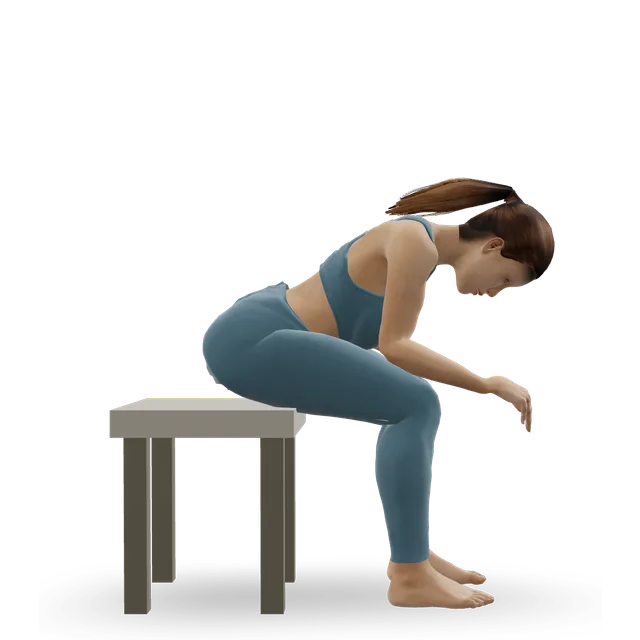
Take the elbow and forearm through their full range most days: about 10 slow reps each way, and stretches held for about 30 seconds (each move's page gives its own dose). For a sore elbow, follow the staged plans in our elbow pain guides instead.
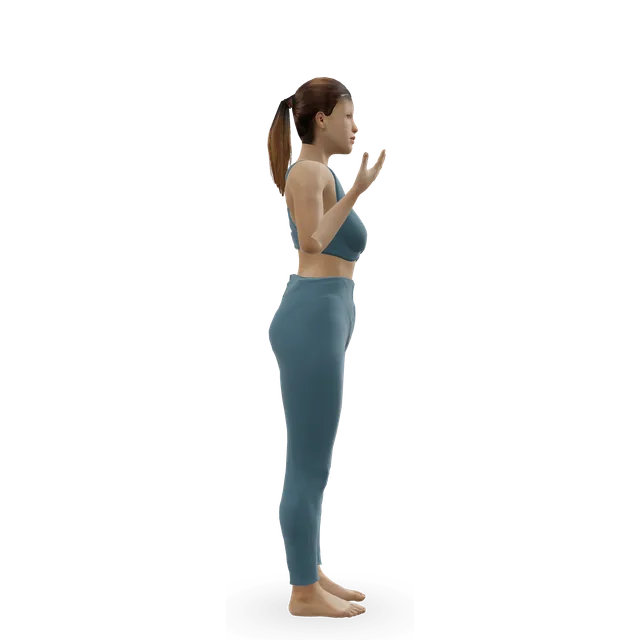 3D demoElbow bend and straighten (elbow range of motion)Beginner · No equipment
 3D demoWrist & forearm flowBeginner · No equipment
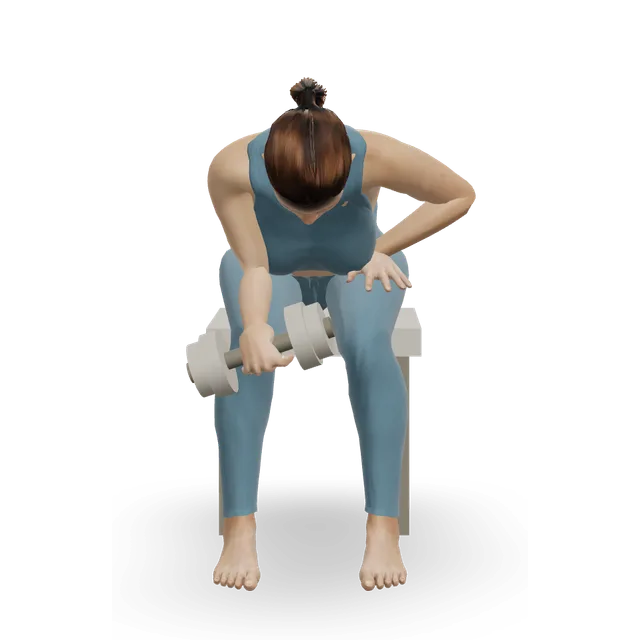 3D demoDumbbell forearm rotationBeginner · A dumbbell + A bench or box
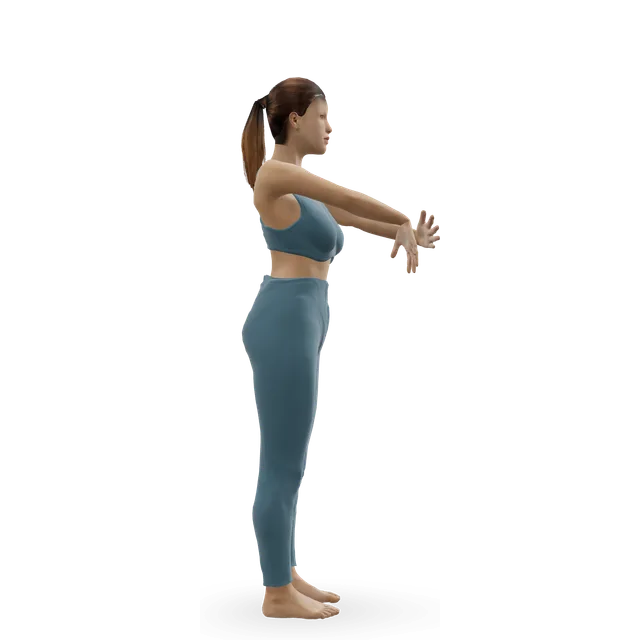 3D demoWrist extensor stretch (tennis elbow stretch)Beginner · No equipment
 3D demoWrist flexor stretchBeginner · A wall
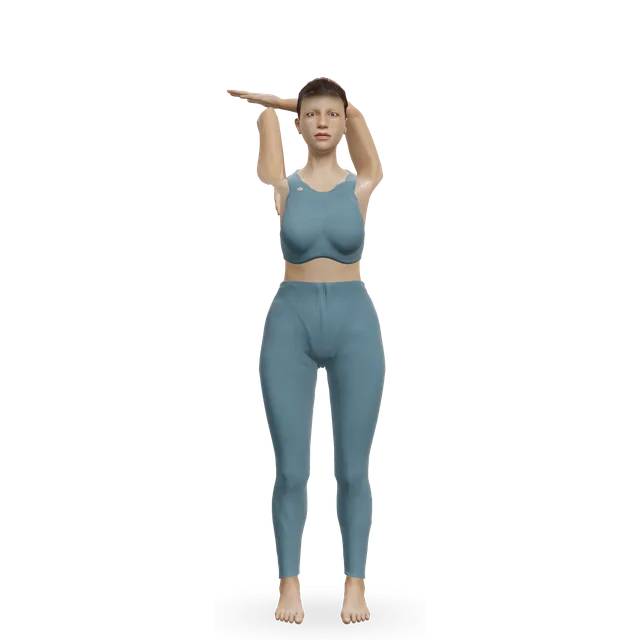 3D demoOverhead Triceps StretchBeginner · No equipment
Curls of three kinds, triceps work, wrist curls and twists. Our starting point: 2 to 3 sets of 8 to 15, 2 or 3 times a week. With tennis elbow, keep the reverse curls light and bring them back last.
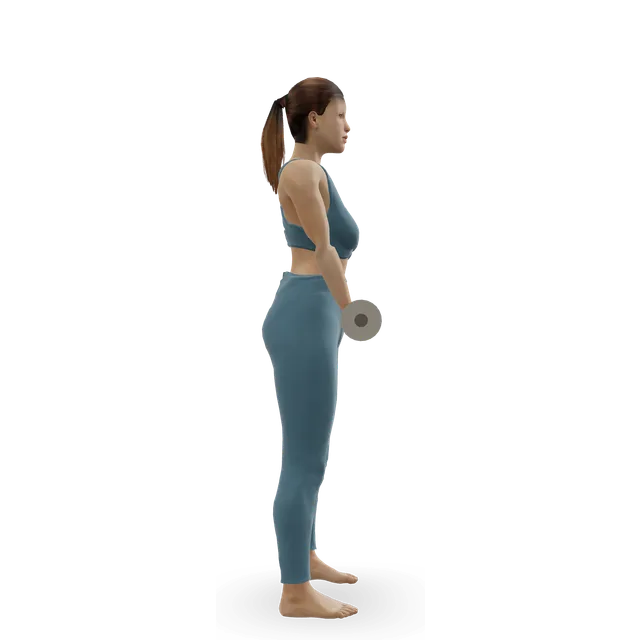 3D demoDumbbell biceps curlBeginner · A dumbbell
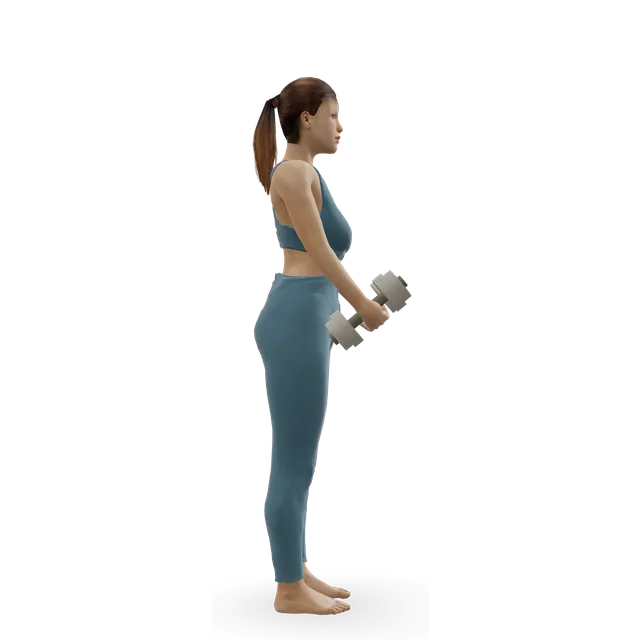 3D demoHammer curlBeginner · A dumbbell
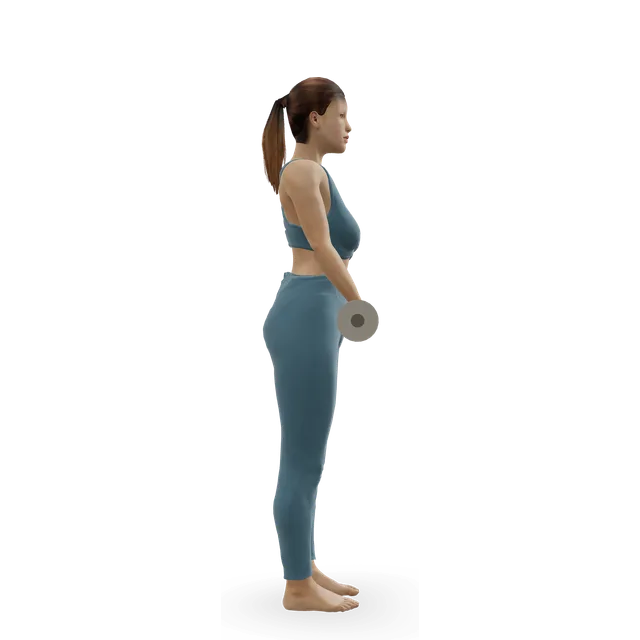 3D demoDumbbell reverse curlIntermediate · A dumbbell
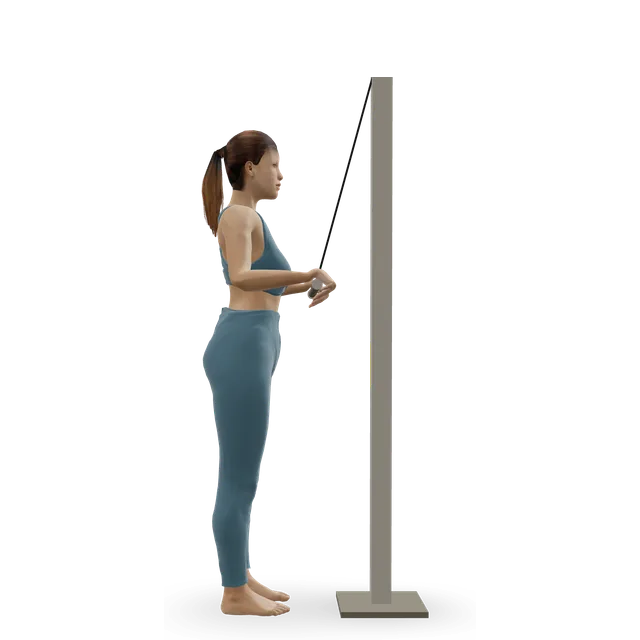 3D demoTriceps pushdownBeginner · A cable machine
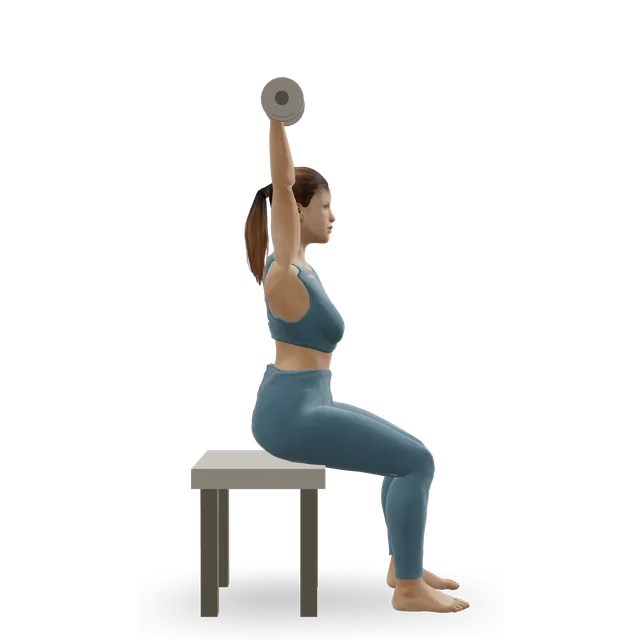 3D demoSeated one-arm overhead extensionIntermediate · A dumbbell + A bench or box
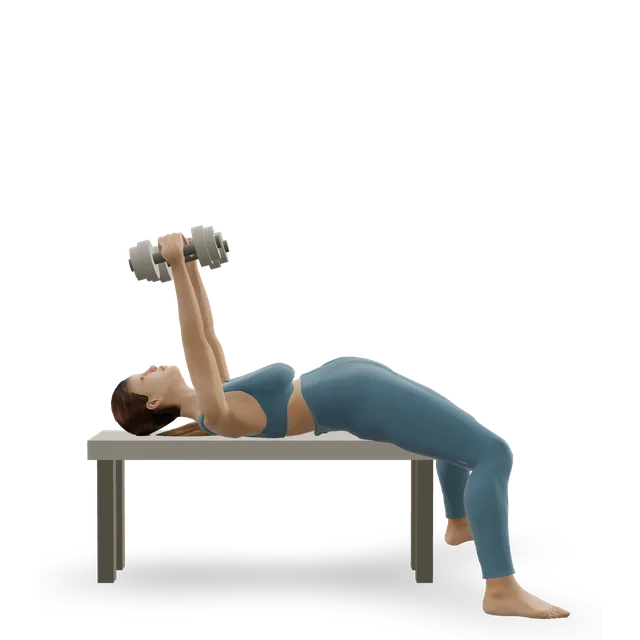 3D demoDumbbell skull crusher (lying triceps extension)Intermediate · A dumbbell + A bench or box
 3D demoWrist curlsBeginner · A dumbbell
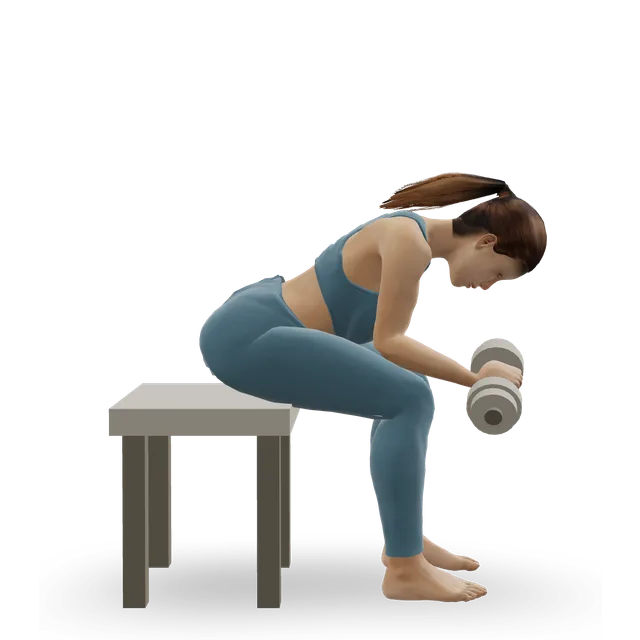 3D demoWrist-extensor eccentricsBeginner · A dumbbell
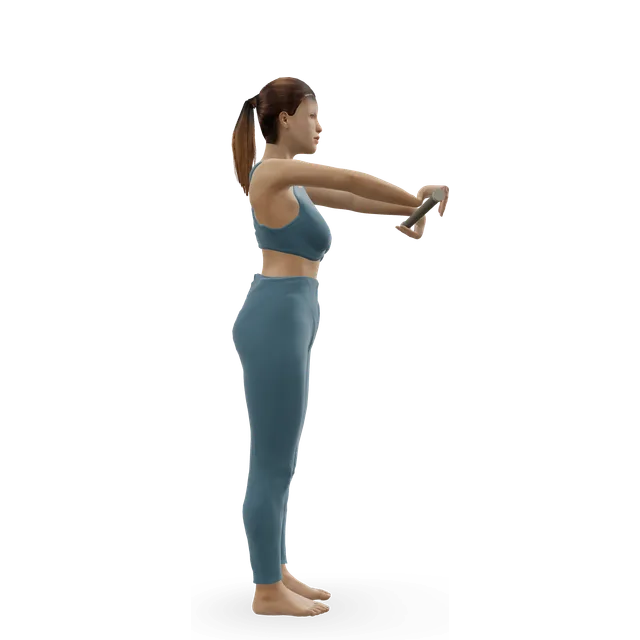 3D demoTyler twist (flexible bar, for tennis elbow)Beginner · Other / check instructions
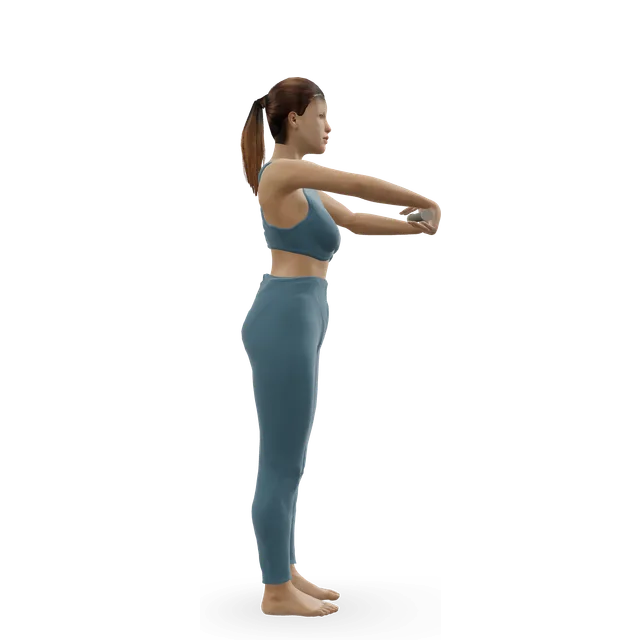 3D demoReverse Tyler twist (flexible bar, for golfer's elbow)Beginner · Other / check instructions
 3D demoWall push-upBeginner · A wall
 3D demoPush-upIntermediate · No equipment
The arm workout trains the muscles that bend and straighten the elbow; the wrist and forearm routine and the grip strength workout train the forearm muscles that anchor on it.
Biceps, triceps and forearms: curls, hammer curls, skull crushers, pushdowns, concentration curls and dips.
35 minBeginner7 movesA dumbbell, A bench or boxWrist mobility and forearm strength for desk work, climbing, push-ups and handstands.
10 minBeginner7 movesA wall, A dumbbellA 20-minute grip session: warm up the wrists and fingers, train the hand and forearm muscles, then carry and hang to load your grip the way everyday life does.
20 minBeginner10 movesOther / check instructions, A bandAn upper body workout at home with no gym: push-ups, band rows, pike push-ups, face pulls, close-grip push-ups and Y-T-W raises, with dumbbell options.
30 minIntermediate13 movesA band, An anchor pointIf arm pain comes on suddenly with pressure, heaviness or squeezing across your chest. This could be a heart attack.
Source 23
If you have severe pain in your arm and it's difficult to move, you've injured your arm and heard a snapping noise or your arm has changed shape, or your arm tingles or feels numb.
Source 23
If your arm hurts when you exercise but the pain goes away when you rest, or it is swollen and you have a very high temperature or feel hot, cold or shivery. In the US, contact your doctor or urgent care.
Source 23
If elbow or arm pain doesn't go away after a few weeks. In many areas you can refer yourself to NHS physiotherapy through community musculoskeletal (MSK) services.
Source 23
A young child who stops using an arm after it was pulled or swung needs to see a doctor, who can usually put a pulled elbow back quickly.
Source 21
The name is misleading. In a population study of working-age adults, tennis and golfer's elbow were linked with forceful, repetitive arm work, smoking and obesity, and were most common between 45 and 54. As our tennis elbow guide notes, most people who get it don't play tennis.
Source 9
In the untreated groups of 24 trials, the chance of recovering stayed about the same through the first year, however long symptoms had lasted, and 89% were much better or recovered by a year.
Source 10
Healthy elbows range from a few degrees short of straight to about 11 degrees past it. An elbow that bends back is a variation, not an injury, unless it follows a fall or comes with pain or instability.
Source 5
It is the ulnar nerve, lying close to the surface behind the inner bump of the elbow, which is why a knock tingles into your ring and little fingers.
Source 4
Joint noises happen in healthy joints, and painless clicking is usually harmless. An elbow that locks or catches, or clicks with pain or swelling after an injury, should be checked.
Source 24
A hinge joint for bending and straightening, combined with pivots that let your forearm turn. It is three joints in one capsule: humerus to ulna (the hinge), humerus to radius, and radius to ulna (the pivot).
The upper arm bone (humerus) and the two forearm bones: the ulna, whose tip is the point of your elbow, and the radius, on the thumb side. The bumps you can feel on either side of the elbow are the ends of the humerus, the medial and lateral epicondyles.
The radius rolls over the ulna. Its head spins inside a ring-shaped ligament at the elbow, and its lower end crosses over the ulna at the wrist; together these give about 150 to 180 degrees of rotation. The biceps and supinator turn the palm up, and the two pronator muscles turn it down.
In healthy people, bending reaches about 130 to 154 degrees, straightening goes from a few degrees short of straight to about 11 degrees past it, and the forearm turns about 75 to 85 degrees palm down and 80 to 104 degrees palm up. In small studies, most daily tasks needed 30 to 130 degrees of bend, but a phone took up to 142.
The slight outward angle of your forearm when your arm hangs straight with the palm forward, usually about 5 to 15 degrees and often larger in women. It lets your arms swing clear of your hips.
Healthy elbows vary from a few degrees short of straight to about 11 degrees past it, so a little backward bend is normal. If your joints are very flexible in general, it may be joint hypermobility, which only matters if it comes with pain or joints that slip; our hypermobility guide explains.
You're hitting the ulnar nerve, which runs close to the skin behind the bony bump on the inside of your elbow. The jolt shoots towards your ring and little fingers, the area that nerve supplies.
Painless clicking is usually harmless; joint noises happen in healthy joints. An elbow that locks or catches, or clicks with pain or swelling after an injury, should be checked, and our elbow pain guide can help you work out where to start.
Train the muscles that bend the elbow (curls, including hammer and reverse curls), straighten it (triceps work and push-ups) and turn the forearm, and build up gripping and twisting loads gradually, because gripping pulls on the tendons at the elbow. Two or three sessions a week is a good start.
In children aged about 1 to 4, a sudden pull on the hand or arm can slip the head of the radius partly out of its ligament ring, and the child stops using the arm. A doctor can usually put it back quickly. Avoid lifting or swinging young children by the hands, wrists or forearms.
Education about how your joints work, not a diagnosis, and clinical review of these guides is pending. For a painful, swollen or injured joint, see the pain guide for that area and a doctor or physiotherapist, and stop any exercise that causes sharp or increasing pain. Health disclaimer.