Pain guide · Elbow pain

Elbow arthritis and a stiff elbow: exercises to get your bend and straighten back

An elbow that won't fully bend or straighten, aches with use and sometimes catches. It usually comes from arthritis, or from stiffness after an injury, a cast or surgery. Elbow movement matters: losing half of it costs about 80% of the arm's function in daily life.

Regular, gentle movement and strengthening are the core of self-care. The elbow-specific research is thin, so this plan leans on NICE's advice for arthritis in any joint and on NHS and Versus Arthritis leaflets.

When to get help first

Exercise is for pain that has been checked or is clearly mild and settling.

Get urgent medical help if

  • Same day (NHS 111): after a fall or knock you can't fully straighten the elbow, or the injured arm is very painful, very swollen or bruised, or stiff and hard to move. In a large study, about half of people who couldn't fully straighten the elbow after an injury had a fracture.
  • Go to A&E or call 999 if you've injured your arm and it is numb, tingling or has pins and needles; a bone is sticking out or a bad cut is bleeding heavily; or the arm or elbow has changed colour or shape, or is at an odd angle. Don't drive yourself.
  • Same day (urgent GP appointment or NHS 111): a swollen elbow with a very high temperature, or you feel hot, cold or shivery; or sudden severe pain in one joint with swelling, a change of colour and difficulty moving it. It could be an infection in the joint or the bursa, or gout.
  • Urgent treatment centre or A&E: severe pain in your arm and it's difficult to move, or you've injured your arm and heard a snap. Tingling or numbness that comes on suddenly or after an injury belongs here too.
  • Call 999: arm pain that comes on suddenly with pressure, heaviness, tightness or squeezing across your chest, especially with shortness of breath, sweating or feeling sick. It could be a heart attack.

See a doctor or physiotherapist if

  • An elbow that locks or catches: occasionally a loose piece of bone or cartilage is the cause.
  • Elbow or arm pain that hasn't gone after a few weeks of looking after it yourself (for tennis elbow, the NHS says after at least 2 weeks of self-care). In many areas you can refer yourself to NHS physiotherapy.
  • Stiffness after a fracture that isn't improving with the exercises your fracture team gave you.
  • Pain and swelling in several joints: a UK care pathway lists inflammation in several joints as a reason for referral.
  • Pins and needles that keep coming back or are constant, numbness in the ring and little fingers that doesn't go, a weak or clumsy hand, or visible wasting between the thumb and index finger. Ask about referral: one NHS referral guide treats permanent numbness or wasting as urgent.

Understand it

Arthritis or stiffness after an injury?Emerging evidence

Osteoarthritis that starts in the elbow itself mostly affects middle-aged men who have done repetitive manual work, with pain, stiffness, and catching or locking. In pooled studies, elbow osteoarthritis was found in 31% of workers exposed to vibrating tools and 20% of manual workers, though the evidence that the work causes it is very low. Versus Arthritis says osteoarthritis is not very common in the elbow unless it has been injured, for example by a fracture; rheumatoid arthritis, psoriatic arthritis and gout can also affect it. Occasionally a loose piece of bone or cartilage makes the elbow lock.

Stiffness is common after an elbow injury (in up to 56% of people), and it matters: losing half the elbow's movement costs about 80% of the arm's function.

Sources 2, 3, 4, 6

After a fall: can you fully straighten it?Strong evidence

In 2,127 adults and children with an elbow injury, being able to fully straighten the elbow made a fracture unlikely: in adults who could, 98.4% had no fracture. Those who couldn't had about a 50% chance of a fracture and needed an X-ray. If an injured arm is very painful, very swollen or bruised, or stiff and hard to move, get help from NHS 111.

Sources 9, 10

What helps, and how strong the evidence is

Exercise for arthritis in any jointStrong evidence

NICE says to offer everyone with osteoarthritis therapeutic exercise tailored to them, including local muscle strengthening and general aerobic fitness. Joint pain may go up when you start, but regular, consistent exercise will help. NICE diagnoses osteoarthritis without imaging in people 45 or over with pain on activity and morning stiffness of 30 minutes or less, and notes that steroid injections into a joint give only short-term relief (2 to 10 weeks).

Source 1

Elbow-specific evidence is thinMixed evidence

A 2026 review describes the first treatment for elbow osteoarthritis as non-surgical: changing activities, anti-inflammatories, physiotherapy and steroid injections, with keyhole or open clean-out surgery when that fails. No exercise trial specific to elbow arthritis was found.

Source 2

Stiffness after an injury: start moving early, and gentlyMixed evidence

A review of 5 studies found large improvements in function and pain when treatment started straight after a period in a cast or splint, but the certainty is low to very low and the best type of treatment couldn't be determined. Another review (9 studies, 312 people) found gentle hold-relax stretching may be used for early stiffness after an injury, and bracing for stiffness that persists, on weaker evidence and with more side effects from braces.

Sources 7, 6

What NHS and Versus Arthritis leaflets use

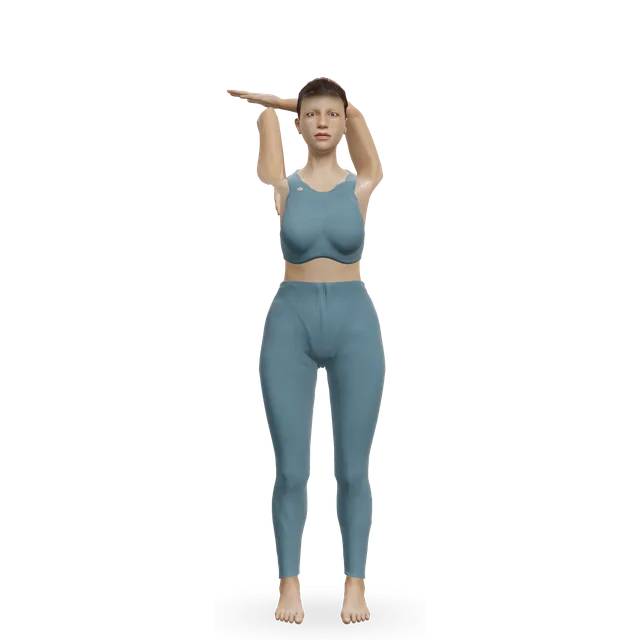
After an elbow fracture has fully healed, an NHS Borders leaflet uses: bend the elbow as far as you can, as if to touch your shoulder, then slowly straighten it, 10 times, with gentle help from the other arm, "but this should not be forceful"; turn the forearm up and down 10 times; about 4 times a day. The elbow can feel stiff at first. Versus Arthritis's elbow exercises include elbow bends held for 15 to 30 seconds, 10 times, later with a light weight, plus wrist stretches and wrist turns.

Sources 8, 5

How much pain is OK while you exercise?

The elbow pain ruleEmerging evidence

Some discomfort during forearm exercises is fine. Keep it mild: no more than about 3 to 4 out of 10. It should settle within an hour or so, and your elbow should be no worse the next morning. If it is worse, go lighter next time (a lighter weight, a bendier bar, fewer reps or a shorter hold), not nothing. When a set no longer causes any discomfort, it's time to progress.

Tingling is the exception: stop any exercise or position that brings on pins and needles or numbness in your hand, especially in the ring and little fingers, and avoid holding the elbow fully bent while it settles.

This is lower than the 5 out of 10 used on this site's back and shoulder pages, because most elbow trials used pain-free or nearly pain-free exercise. A UK consensus paper that reviewed the tennis elbow trials reports that all but one asked for pain-free exercise; the exception, as that paper describes it, allowed mild pain below 4 out of 10. The JOSPT guideline says the load should not make symptoms worse, and elbow specialists suggest doing the flexible-bar exercises with discomfort of about 3 to 4 out of 10.

Pushing harder backfires at the elbow. Still holds done above people's own pain threshold left more pain 30 minutes later, while holds below it did not, and in one trial most people gave up heavy loading, mainly because it aggravated their pain. In long-lasting muscle and joint pain generally, allowing some pain did no harm. The exact 3 to 4 out of 10 figure and the settling times are editorial. If pain climbs from week to week, or you notice a warning sign, stop and get it checked.

With arthritis, NICE says joint pain may go up when you first start exercising, and regular, consistent exercise will still help. For stiffness, help from the other hand should be gentle, never forceful.

Sources 19, 20, 21, 22, 23, 24, 1, 8
The exercise plan: 3 stages

Start at the first stage. Each move opens a full guide with a 3D demo.

Stage 1

Settle and move: little and often

Weeks 0 to 4. After a fracture or surgery, start only when your fracture team says. Expect some ache at first; it should settle. Doses from the NHS Borders fracture leaflet and Versus Arthritis where named; otherwise editorial.

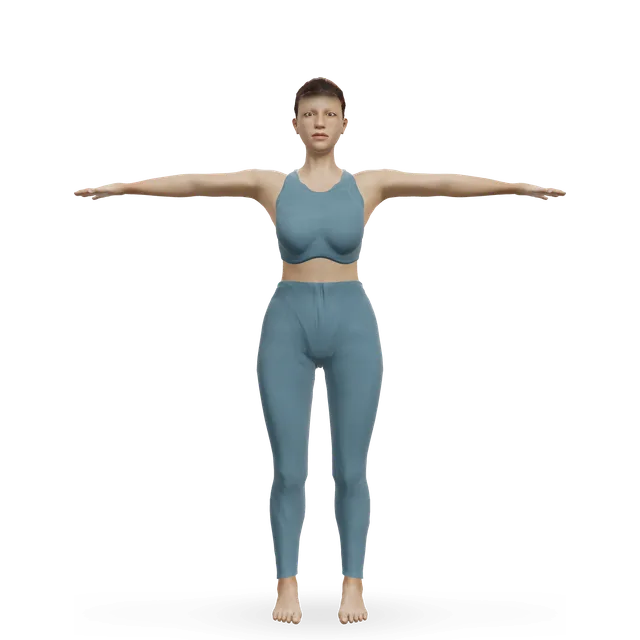
Elbow bend and straighten (elbow range of motion) demonstrated on the 3D figure3D demoElbow bend and straighten (elbow range of motion)Beginner · No equipment

10 slow reps, up to 4 times a day · Gentle help from the other hand, never forceful: NHS Borders' dose. Once it moves comfortably, hold each end for 15 to 30 s (Versus Arthritis)

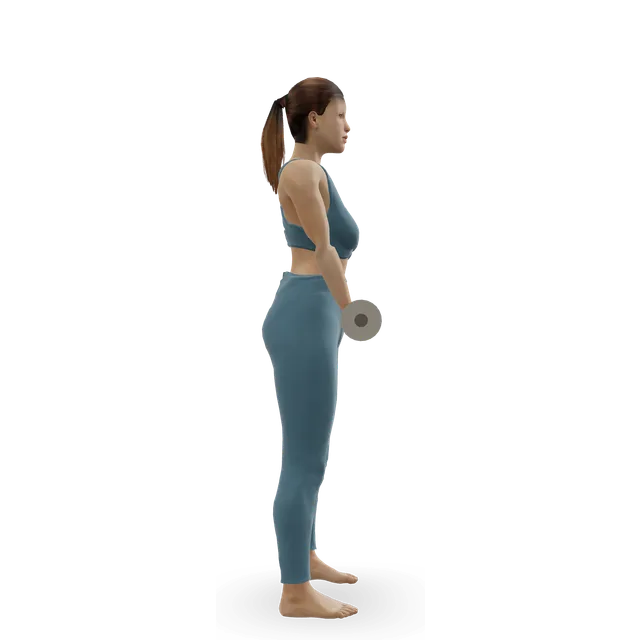
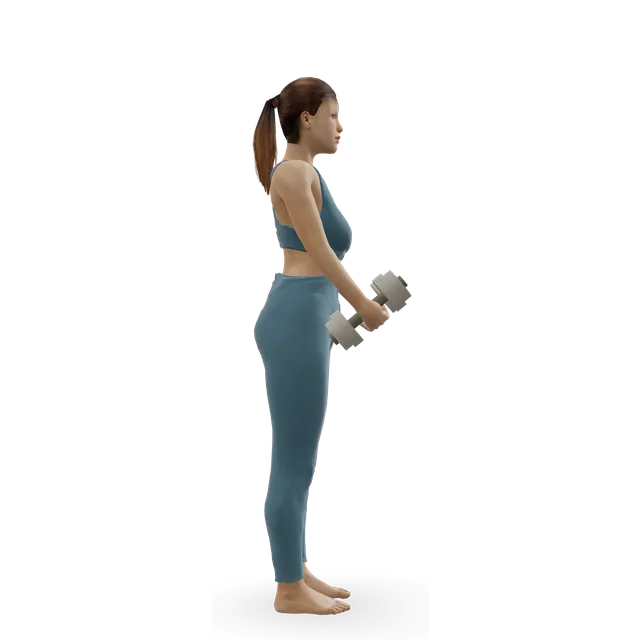
Harder: Dumbbell biceps curl

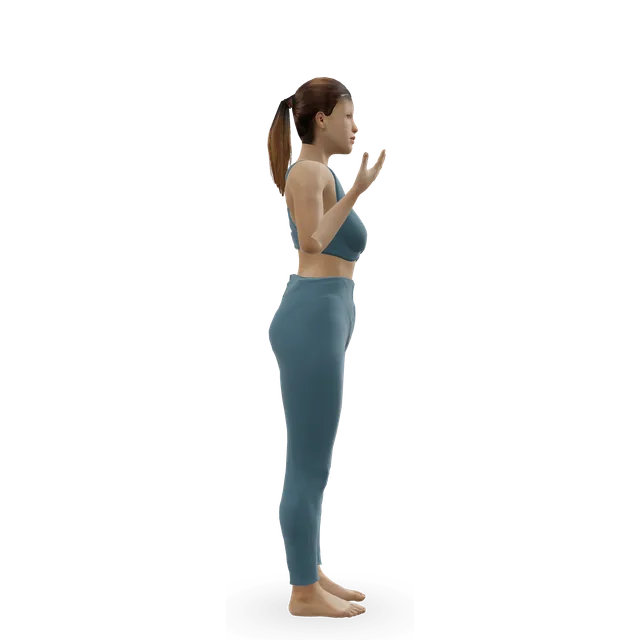
Wrist & forearm flow demonstrated on the 3D figure3D demoWrist & forearm flowBeginner · No equipment

10 slow reps each direction, up to 4 times a day · The forearm turns matter most here: NHS Borders turns the forearm up and down 10 times

Harder: Wrist flexor stretch

Ball squeeze demonstrated on the 3D figure3D demoBall squeezeBeginner · Other / check instructions

20 reps of 5 s squeezes · The hand exercise in NHS Borders' fracture leaflet

Harder: Band finger extension

Move on when: The elbow moves a little further than when you started, and any ache settles by the next morning.

Follow along: a timer, a cue and the next move, one step at a time.
Stage 2

Build: strength through the range you have

About weeks 4 to 10. Doses are editorial unless a source is named.

Move on when: Every set stays within the pain rule, and your range is holding or improving week to week.

Follow along: a timer, a cue and the next move, one step at a time.
Stage 3

Strengthen: keep it strong for the long term

From about week 10, and ongoing. Doses are editorial.

Move on when: Add load one change at a time, and keep the range-of-motion moves going a few times a week.

Follow along: a timer, a cue and the next move, one step at a time.

What to change for now

What to avoid for now

The research doesn't test an avoid list; these follow from the leaflets and from how the elbow's nerves and joints behave:

  • Forcing: help from the other hand should be gentle, not wrenching.
  • Long holds at full bend if the ring and little fingers tingle: full bending squeezes the ulnar nerve.
  • Heavy loads through a stiff elbow that locks or catches, until it has been checked: a loose fragment is possible.
  • Starting exercises after a fracture before your fracture team says so.

Sources 8, 11, 4

Routines to follow

More moves for this area

Questions people ask

Can I get my full straightening back?

Many people improve with early, regular movement, and starting soon after a cast comes off is linked with better function, though the evidence is low certainty. Some stiffness can persist, and for some people surgery is an option (editorial, from the reviews behind this guide).

My elbow locks or catches. What should I do?

Get it checked: occasionally a loose piece of bone or cartilage is the cause. Keep it moving gently in the meantime, but avoid heavy loads through it.

How do I loosen a stiff elbow after a cast?

Start when your fracture team says. An NHS leaflet's routine: bend the elbow as far as you can as if to touch your shoulder and slowly straighten it, 10 times, with gentle help from the other arm, and turn the forearm up and down 10 times, about 4 times a day. It can feel stiff at first.

I can't straighten my elbow after a fall. What should I do?

Get help from NHS 111: about half of people who can't fully straighten the elbow after an injury have a fracture and need an X-ray. If the arm has changed shape, is numb, or a bone is showing, go to A&E.

Do steroid injections help elbow arthritis?

NICE says steroid injections into a joint with osteoarthritis give only short-term relief, about 2 to 10 weeks. They can be part of care alongside exercise, not instead of it.

Will I need surgery for elbow arthritis?

Most people start with non-surgical care: changing activities, anti-inflammatories, physiotherapy and sometimes an injection. When that fails, keyhole or open clean-out surgery is an option for some.

Why is my elbow stiff in the morning?

Morning stiffness of 30 minutes or less, with pain on activity, fits osteoarthritis in people 45 or over, according to NICE. If your stiffness doesn't fit that pattern, or several joints are swollen, see a GP (editorial).

Other pain guides

Sources

  1. NICE NG226 · Osteoarthritis in over 16s: diagnosis and management (2022)
  2. DeBernardis 2026 · Treatment options other than joint replacement for elbow osteoarthritis (review, JAAOS)
  3. Jahn 2025 · Elbow osteoarthritis and work exposures (systematic review and meta-analysis, Occupational Medicine)
  4. Versus Arthritis · Elbow pain
  5. Versus Arthritis · Exercises for the elbows
  6. Wistow 2025 · Stretching for stiffness after an elbow injury (systematic review, JSES International)
  7. Piacenza 2024 · Conservative treatment of stiffness after an elbow injury (systematic review, Musculoskeletal Science and Practice)
  8. NHS Borders · General advice following an elbow fracture
  9. Appelboam 2008 · The elbow extension test to rule out a fracture (diagnostic study of 2,127 people, BMJ)
  10. NHS · Broken arm or wrist
  11. British Society for Surgery of the Hand · Cubital tunnel syndrome
  12. Singh 2023 · BESS patient care pathway: tennis elbow (Shoulder & Elbow)
  13. NHS · Elbow and arm pain
  14. NHS · Septic arthritis
  15. NHS · Gout
  16. NHS · Heart attack
  17. NHS · Pins and needles
  18. NHS Borders · Referral help toolkit: cubital tunnel syndrome
  19. Bateman 2021 · An optimised physiotherapy protocol for tennis elbow (UK consensus study, BMJ Open)
  20. Lucado 2022 · Lateral elbow pain and muscle function impairments: JOSPT clinical practice guideline
  21. Ellenbecker 2013 · Current concepts in examination and treatment of elbow tendon injury (review, Sports Health)
  22. Coombes 2016 · Isometric exercise above but not below the pain threshold changes pain in tennis elbow (experimental study, Clin J Pain)
  23. Sveinall 2024 · Heavy slow resistance training, shockwave or advice for tennis elbow (feasibility RCT, BMJ Open)
  24. Smith 2017 · Should exercises be painful in chronic musculoskeletal pain? (meta-analysis, BJSM)

Exercise education, not a diagnosis or treatment plan. It is written from the guidelines and studies listed above; review by a clinician is pending. If your pain follows an injury, is severe, is getting worse, or comes with any warning sign listed on this page, get it assessed. Health disclaimer.