Pain guide · Elbow pain

Pain at the front of the elbow: distal bicep tendonitis, tears and what to do

The biceps attaches below the elbow by one tendon, the distal biceps tendon. It bends the elbow and turns the palm up. Two very different problems cause pain here: a tear, which is uncommon but time-sensitive, and an aching, overloaded tendon (tendinopathy), which is rare.

If there was a pop, read the first section and get help the same day. If the ache came on gradually with curls, chin-ups or carrying, the staged plan below is a sensible start, but it is editorial: there are no exercise trials for this tendon.

When to get help first

Exercise is for pain that has been checked or is clearly mild and settling.

Get urgent medical help if

  • Same day (NHS 111): a pop or snap and sudden pain during an effort, which could be a torn tendon. At the front of the elbow, with bruising and a bulge in the upper arm, don't wait for it to settle: a torn biceps tendon is best repaired within the first 2 to 3 weeks.
  • Go to A&E or call 999 if you've injured your arm and it is numb, tingling or has pins and needles; a bone is sticking out or a bad cut is bleeding heavily; or the arm or elbow has changed colour or shape, or is at an odd angle. Don't drive yourself.
  • Urgent treatment centre or A&E: severe pain in your arm and it's difficult to move, or you've injured your arm and heard a snap. Tingling or numbness that comes on suddenly or after an injury belongs here too.
  • Same day (urgent GP appointment or NHS 111): a swollen elbow with a very high temperature, or you feel hot, cold or shivery; or sudden severe pain in one joint with swelling, a change of colour and difficulty moving it. It could be an infection in the joint or the bursa, or gout.
  • Call 999: arm pain that comes on suddenly with pressure, heaviness, tightness or squeezing across your chest, especially with shortness of breath, sweating or feeling sick. It could be a heart attack.

See a doctor or physiotherapist if

  • Elbow or arm pain that hasn't gone after a few weeks of looking after it yourself (for tennis elbow, the NHS says after at least 2 weeks of self-care). In many areas you can refer yourself to NHS physiotherapy.
  • Weakness turning the palm up (opening a jar, turning a key), or an ache at the front of the elbow that isn't easing after a few weeks of lighter loading.

Understand it

Is it a tear?Strong evidence

A tear is uncommon (3 to 5 per 100,000 people a year), rare in women, and most often in men over 30. It usually happens when the elbow is forced straight against a heavy load, such as catching a box that's heavier than expected. There is often a pop; pain is severe at first and may ease after a week or two; swelling and bruising appear at the front of the elbow and forearm; the arm is weak bending and especially turning the palm up; and the muscle bunches into a bulge in the upper arm. Smoking and steroid medicines, including anabolic steroids, raise the risk.

Don't be reassured because the pain eases: get help from NHS 111 the same day.

Source 1

Tendinopathy: an ache without a tearMixed evidence

A review describes distal biceps and triceps tendinopathies as very rare, with limited published evidence; one complication of tendinopathy can be a tear. No exercise trial was found. The plan below borrows its loading approach from tennis elbow research and is editorial.

Sources 6, 1

Back of the elbow: the tricepsMixed evidence

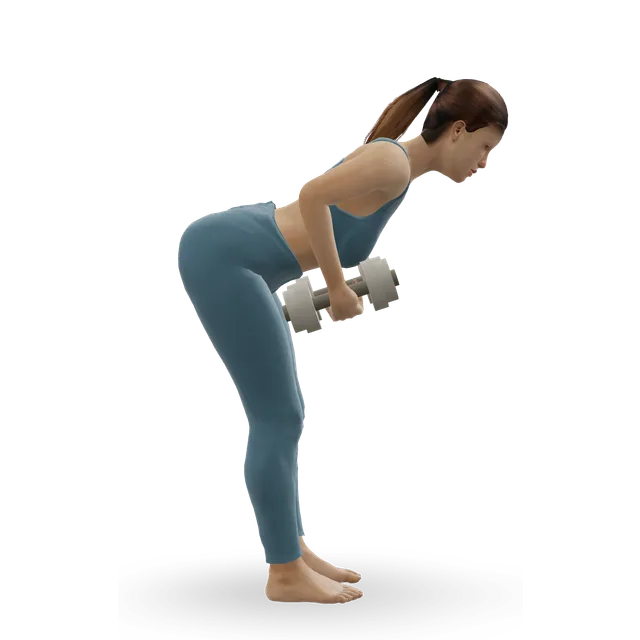
Triceps tendinopathy is also very rare. Pain at the back of the elbow when straightening against resistance (dips, skull crushers, close-grip pressing) is the usual story (editorial). Use mid-range triceps work such as pushdowns and the elbow pain rule. A sudden pop with weakness straightening the elbow could be a torn tendon: get help from NHS 111.

Sources 6, 7

What helps, and how strong the evidence is

A tear is time-sensitiveStrong evidence

Surgery to reattach the tendon is ideally done in the first 2 to 3 weeks. After that the tendon and muscle scar and shorten, and beyond about 3 weeks reconstruction with a graft from another tendon becomes more common. In 202 operated tears, when the hook test was positive and surgery was delayed 8 weeks or more, there was over a 75% chance a graft was needed.

Sources 1, 2

Repair gives more strength than leaving itStrong evidence

Without repair, the arm usually works reasonably well, but loses about 30% to 40% of its strength, mainly turning the palm up. In pooled observational studies, repair gave about 26% more bending strength and 28% more turning strength, and better function scores, than non-surgical care; turning strength was 89% of the other side after surgery against 63% without.

Non-surgical care is a reasonable choice for some people: those who are older and less active, when it is the non-dominant arm, or when surgery carries a high risk.

Sources 1, 4, 5

The hook test helps, but can miss a tearEmerging evidence

In the hook test, the examiner hooks a finger under the tendon while you turn your palm up with the elbow bent. In 45 people having surgery it was abnormal in all 33 complete tears. But in a later series of 202 tears it found only 78% overall and 30% of partial tears, so a normal test doesn't rule a tear out; a scan may be needed.

Sources 3, 2

For tendinopathy, the plan borrows from tennis elbowMixed evidence

With no biceps-specific trials, the plan follows the approach that tennis elbow guidelines support: start with still holds, then lifting and slow lowering, and build the load gradually without making symptoms worse. Whether that works as well for the biceps tendon hasn't been tested.

Sources 6, 14, 15

How much pain is OK while you exercise?

The elbow pain ruleEmerging evidence

If there was a pop, bruising or a bulge, don't start this plan: get it assessed first.

Some discomfort during forearm exercises is fine. Keep it mild: no more than about 3 to 4 out of 10. It should settle within an hour or so, and your elbow should be no worse the next morning. If it is worse, go lighter next time (a lighter weight, a bendier bar, fewer reps or a shorter hold), not nothing. When a set no longer causes any discomfort, it's time to progress.

Tingling is the exception: stop any exercise or position that brings on pins and needles or numbness in your hand, especially in the ring and little fingers, and avoid holding the elbow fully bent while it settles.

This is lower than the 5 out of 10 used on this site's back and shoulder pages, because most elbow trials used pain-free or nearly pain-free exercise. A UK consensus paper that reviewed the tennis elbow trials reports that all but one asked for pain-free exercise; the exception, as that paper describes it, allowed mild pain below 4 out of 10. The JOSPT guideline says the load should not make symptoms worse, and elbow specialists suggest doing the flexible-bar exercises with discomfort of about 3 to 4 out of 10.

Pushing harder backfires at the elbow. Still holds done above people's own pain threshold left more pain 30 minutes later, while holds below it did not, and in one trial most people gave up heavy loading, mainly because it aggravated their pain. In long-lasting muscle and joint pain generally, allowing some pain did no harm. The exact 3 to 4 out of 10 figure and the settling times are editorial. If pain climbs from week to week, or you notice a warning sign, stop and get it checked.

Sources 15, 14, 16, 17, 18, 19
The exercise plan: 3 stages

Start at the first stage. Each move opens a full guide with a 3D demo.

Stage 1

Settle: keep the arm working without stirring the tendon

Weeks 0 to 2. All doses are editorial.

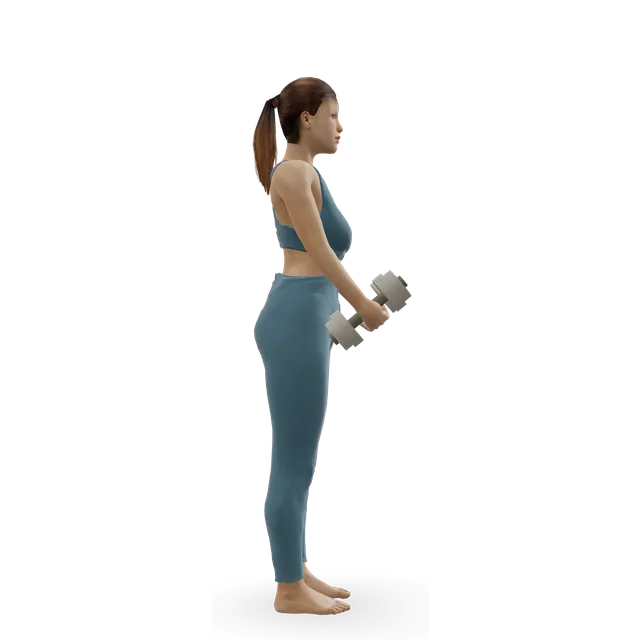
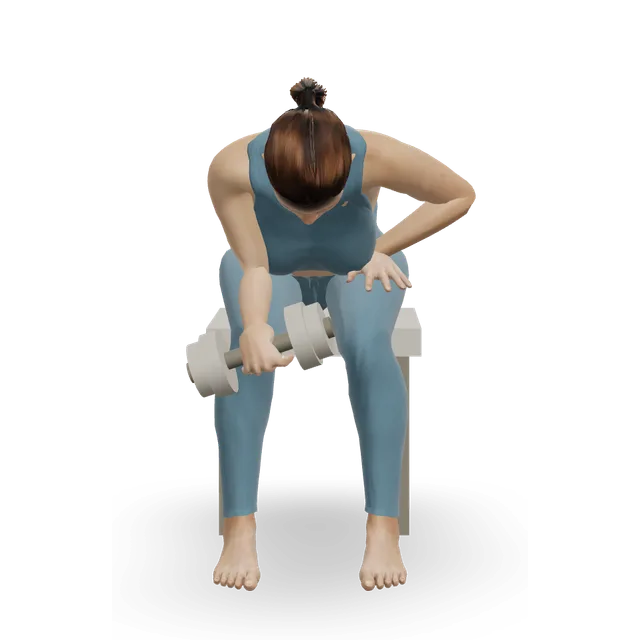
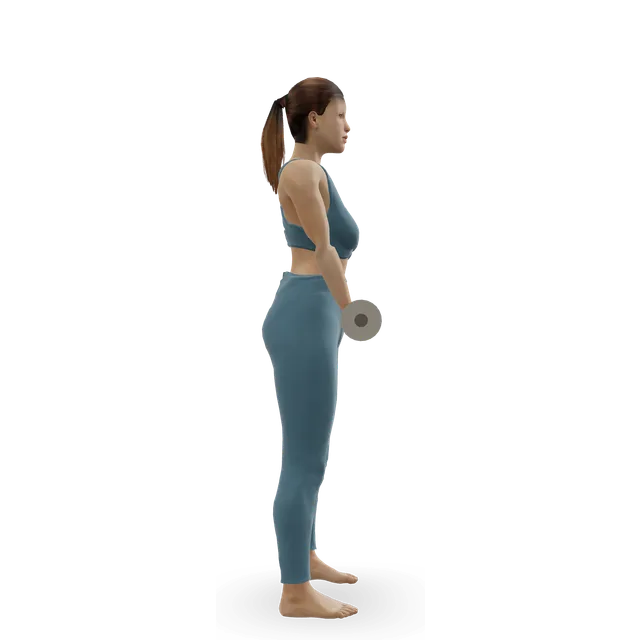
Dumbbell biceps curl demonstrated on the 3D figure3D demoDumbbell biceps curlBeginner · A dumbbell

5 holds of 30 to 45 s, once a day · Held still with the elbow at a right angle and a light weight. The hold dose borrows a UK tennis elbow consensus dose

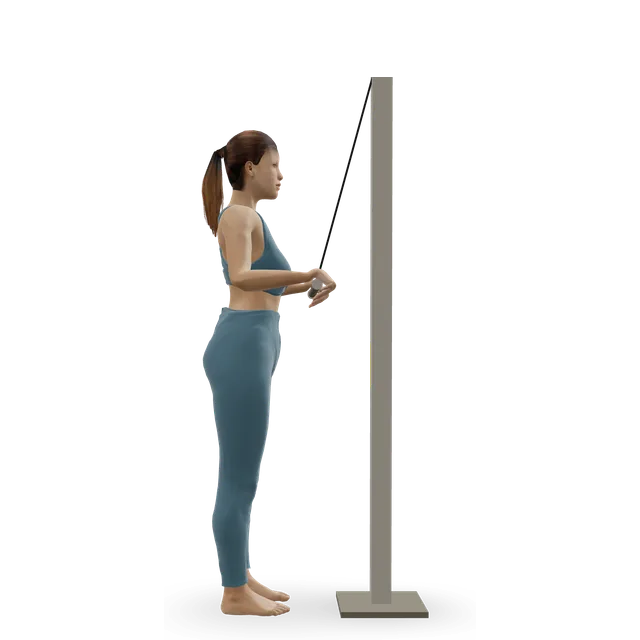
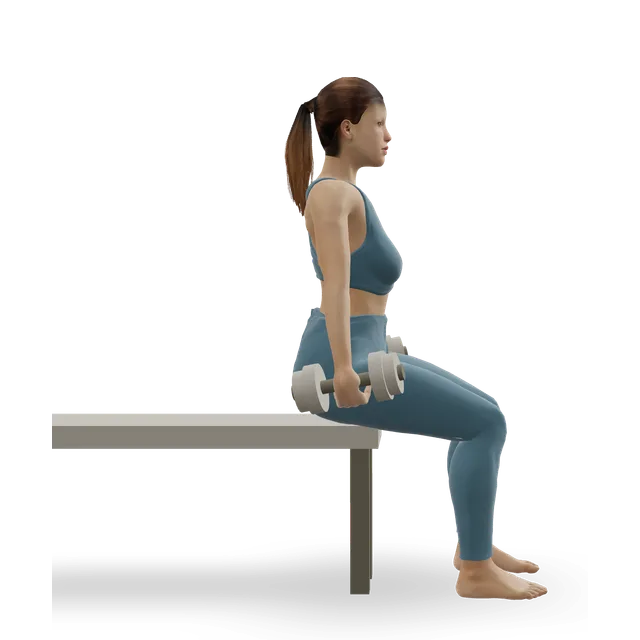
Easier: Seated dumbbell curl · Harder: Standing Inner-Biceps Curl

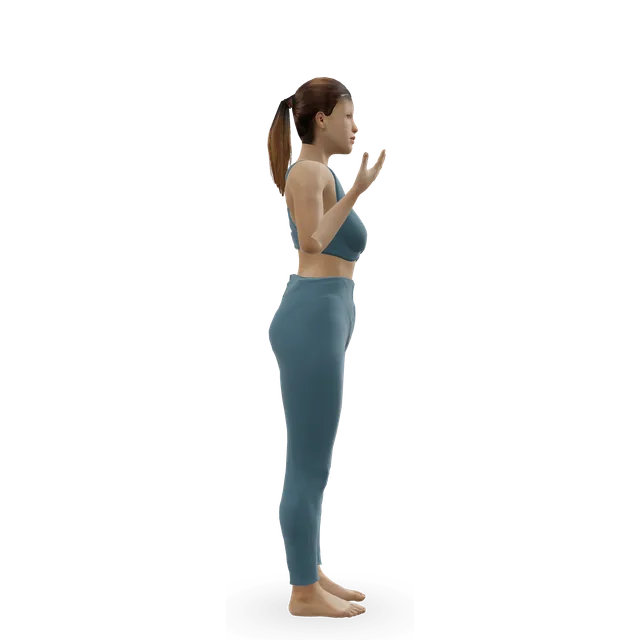
Elbow bend and straighten (elbow range of motion) demonstrated on the 3D figure3D demoElbow bend and straighten (elbow range of motion)Beginner · No equipment

10 slow reps, 2 to 3 times a day · No forcing at either end

Harder: Dumbbell biceps curl

Move on when: The holds are comfortable within the pain rule, and the elbow is no worse the next morning.

Follow along: a timer, a cue and the next move, one step at a time.
Stage 2

Build: lifting and slow lowering

About weeks 2 to 8. All doses are editorial.

Move on when: Three sets stay within the pain rule, and the elbow is no worse the next day.

Follow along: a timer, a cue and the next move, one step at a time.
Stage 3

Strengthen: heavier curls and pulling

From about week 8. All doses are editorial. Return to chin-ups a few reps at a time, building over weeks.

Move on when: Add load one change at a time, and bring heavy chin-ups and curls back last.

Follow along: a timer, a cue and the next move, one step at a time.

Positions to swap, and why

Habit or positionWhy it mattersInstead
Heavy chin-ups and heavy or cheated curlsHigh load on the tendon at the front of the elbow (editorial).Hammer curls; lighter curls with slow lowering.
Curls from a fully straightened, stretched elbowLoad at the end of the range (editorial).Mid-range curls first.
Catching or lowering heavy loads with straight armsThis is how the tendon tears.Keep loads close and bend your knees.
Ignoring a pop, bruising and a bulgeA tear is best repaired within 2 to 3 weeks.NHS 111 the same day.

More moves for this area

Questions people ask

Did I tear my bicep?

A tear at the elbow usually comes with a pop during a heavy effort, then swelling and bruising at the front of the elbow and forearm, weakness turning the palm up, and a bulge in the upper arm as the muscle bunches up. The pain may ease after a week or two, which can be falsely reassuring. If that fits, get help from NHS 111 the same day.

Can a torn distal biceps heal without surgery?

The tendon doesn't reattach on its own, but the arm usually still works reasonably well, with a 30% to 40% loss of strength, mainly turning the palm up. Repair gives better strength, and it works best within the first 2 to 3 weeks. Non-surgical care is a reasonable choice for some, such as older, less active people or the non-dominant arm.

How long does distal bicep tendonitis take to get better?

There is too little research to say. It is rare and hasn't been followed in studies. As with other tendon problems, think in weeks to months, and progress by the elbow pain rule (editorial).

Is it the same as a "Popeye" biceps?

The biceps has two tendons at the shoulder and one at the elbow, and a tear at either end can make the muscle bunch into a bulge. This guide covers the elbow end, where a tear also causes bruising at the front of the elbow and weakness turning the palm up. A tear at the shoulder end is a different injury; get that checked too.

Can I still do chin-ups?

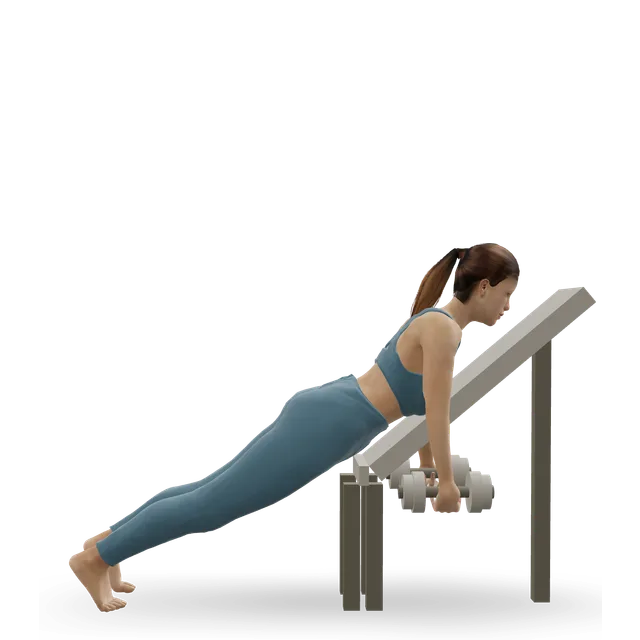
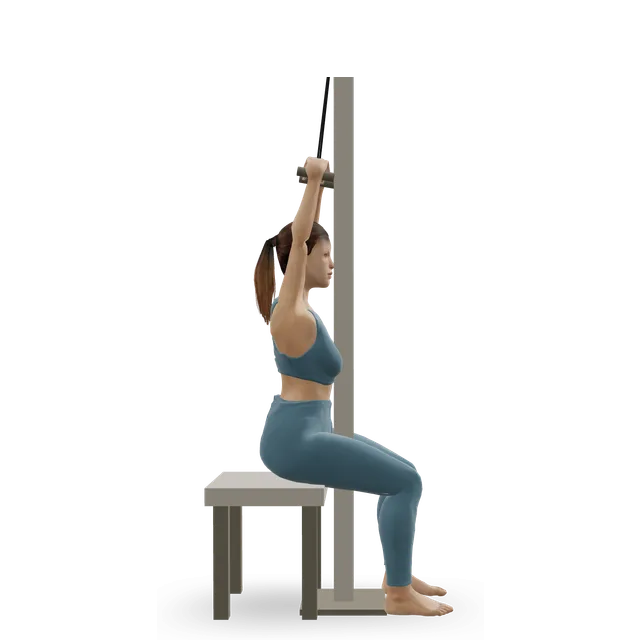
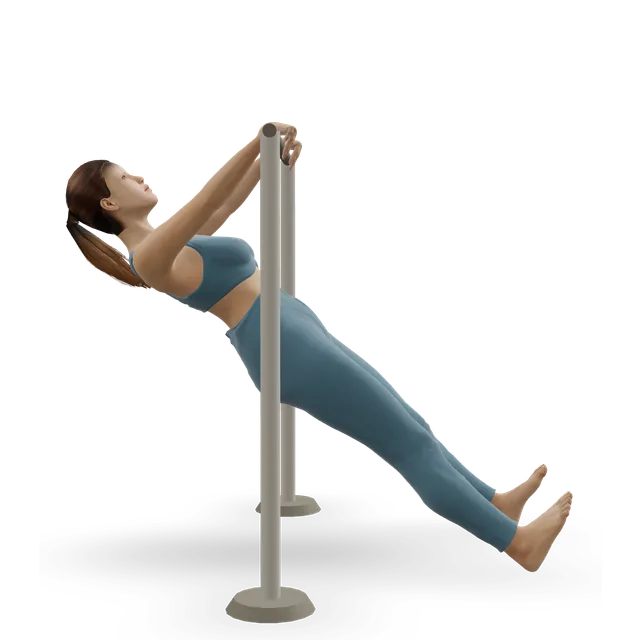
Not heavy ones for now. Use pulldowns with a neutral grip and inverted rows, and bring chin-ups back last, a few reps at a time, building over weeks (editorial).

Is it biceps tendinopathy or tennis elbow?

Go by where it hurts: tennis elbow is on the outside of the elbow and worse gripping; the biceps tendon is at the front and worse with curls, chin-ups and carrying.

Other pain guides

Sources

  1. AAOS OrthoInfo · Biceps tendon tear at the elbow
  2. Luokkala 2020 · The distal biceps hook test in acute and chronic tears (case series of 202 tears, Shoulder & Elbow)
  3. O'Driscoll 2007 · The hook test for distal biceps tendon tears (diagnostic study, AJSM)
  4. Looney 2022 · Surgery vs non-surgical treatment of distal biceps tears (systematic review and meta-analysis, JSES)
  5. Cuzzolin 2021 · Surgery vs non-surgical management of distal biceps tendon tears (systematic review and meta-analysis, OJSM)
  6. Donaldson 2014 · Tendinopathies around the elbow, part 2: medial elbow, distal biceps and triceps (review, Shoulder & Elbow)
  7. NHS · Tendonitis
  8. NHS · Elbow and arm pain
  9. NHS · Broken arm or wrist
  10. NHS · Septic arthritis
  11. NHS · Gout
  12. NHS · Bursitis
  13. NHS · Heart attack
  14. Lucado 2022 · Lateral elbow pain and muscle function impairments: JOSPT clinical practice guideline
  15. Bateman 2021 · An optimised physiotherapy protocol for tennis elbow (UK consensus study, BMJ Open)
  16. Ellenbecker 2013 · Current concepts in examination and treatment of elbow tendon injury (review, Sports Health)
  17. Coombes 2016 · Isometric exercise above but not below the pain threshold changes pain in tennis elbow (experimental study, Clin J Pain)
  18. Sveinall 2024 · Heavy slow resistance training, shockwave or advice for tennis elbow (feasibility RCT, BMJ Open)
  19. Smith 2017 · Should exercises be painful in chronic musculoskeletal pain? (meta-analysis, BJSM)

Exercise education, not a diagnosis or treatment plan. It is written from the guidelines and studies listed above; review by a clinician is pending. If your pain follows an injury, is severe, is getting worse, or comes with any warning sign listed on this page, get it assessed. Health disclaimer.