Elbow bend and straighten (elbow range of motion)
Sitting or standing, you slowly bend the elbow as far as it goes, as if to touch your shoulder, then straighten it as far as it goes, with the other hand helping gently at each end if needed. It keeps or regains the bend and straighten you need to eat, wash and reach: after an injury or a cast, with a stiff or arthritic elbow, or while a sore elbow settles.
Movement guide
Elbow bend and straighten (elbow range of motion)
Loading the 3D figure…
Make it easier or harder
Start where you can move well, then step up.
Easier option
This is already one of the gentlest options for these muscles.
This move
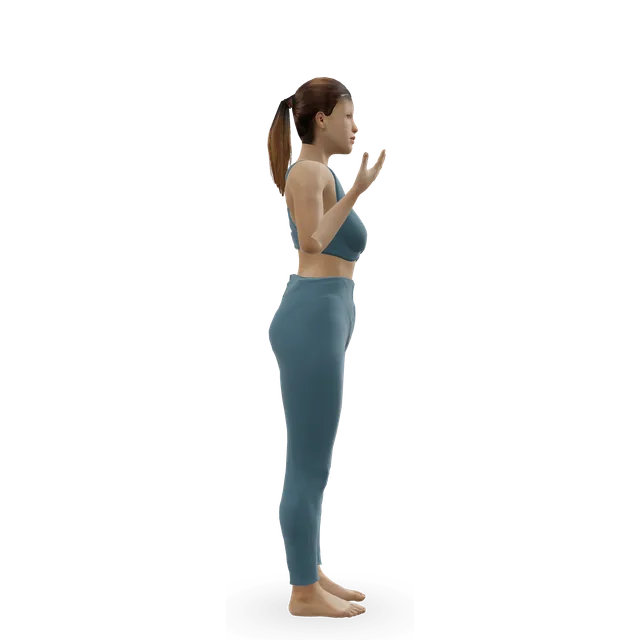 3D demoElbow bend and straighten (elbow range of motion)Beginner · No equipment
Beginner grade.
Harder option
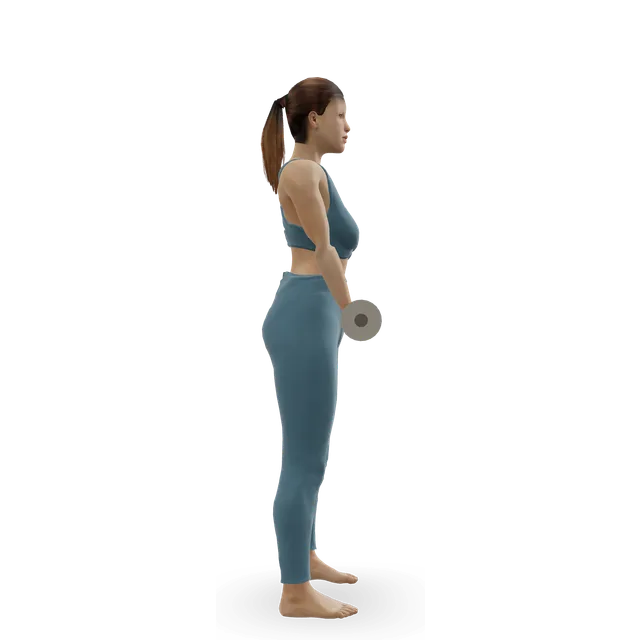 3D demoDumbbell biceps curlBeginner · A dumbbell
Suggested next step, beginner grade.
Source-researched guide. Clinical review is pending.
How to move
- Sit or stand tall with the sore arm by your side, palm facing forward.
- Slowly bend the elbow, bringing the hand towards the shoulder, as far as is comfortable.
- Pause for a moment. If you need to, use the other hand to ease it a little further, gently.
- Slowly straighten the elbow as far as it will go and pause; the other hand can press the forearm gently down.
- Keep the upper arm still and the shoulder relaxed. Repeat. If it's easier, rest the forearm on a table and slide the hand towards you and away.
Form cues
- Slow and smooth: ease, don't force.
- Keep the upper arm still and the shoulder relaxed.
- Avoid: bouncing at the end of the range, forcing with the other hand, swinging the upper arm or holding your breath.
Practice and cautions
10 slow repetitions, up to 4 times a day: the dose in an NHS Borders leaflet for after an elbow fracture has fully healed (its golfer's elbow leaflet also uses 10). Once it moves comfortably, hold each end for 15 to 30 seconds, up to 10 times (Versus Arthritis), or add a light weight.
After a fracture or surgery, start only when your fracture team says you can move the elbow. Help from the other hand should be gentle, never forceful. With tingling in the ring and little fingers, skip long holds at full bend, which squeeze the ulnar nerve. If the elbow suddenly locks or catches, or you can't straighten it after a fall, get it checked. This is movement education, not an assessment or treatment prescription. Stop for sharp or increasing pain, dizziness, numbness or tingling; seek individual guidance for symptoms, injury or restrictions.
Sources and review status
Sources support the educational description; they do not establish that this exercise is suitable for you.
- NHS Borders · General advice following an elbow fracture ↗
- NHS · Tennis elbow ↗
- Versus Arthritis · Exercises for the elbows ↗
- Piacenza 2024 · Conservative treatment of stiffness after an elbow injury (systematic review, Musculoskeletal Science and Practice) ↗
No variation is labeled clinically validated.
What it works
Equipment
None: body weight and floor space.
Level
Beginner. See the easier and harder options above.
Pain guides that use it
Part of a staged plan, with when to get help first.
- Elbow pain: what it is likely to be, exercises that help, and when to get it checked
- Golfer's elbow: a staged exercise plan for pain on the inside of the elbow
- Ulnar nerve entrapment (cubital tunnel syndrome): tingling fingers and what helps
- Pain at the front of the elbow: distal bicep tendonitis, tears and what to do
- Elbow arthritis and a stiff elbow: exercises to get your bend and straighten back
Similar moves
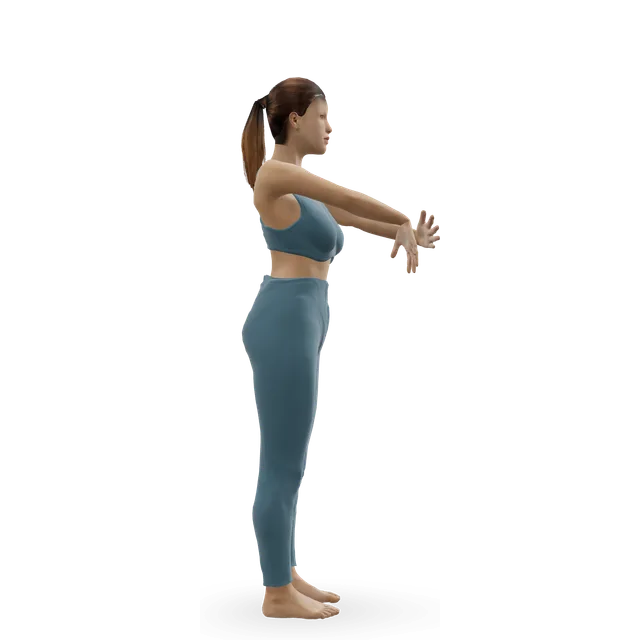 3D demoWrist extensor stretch (tennis elbow stretch)Beginner · No equipment
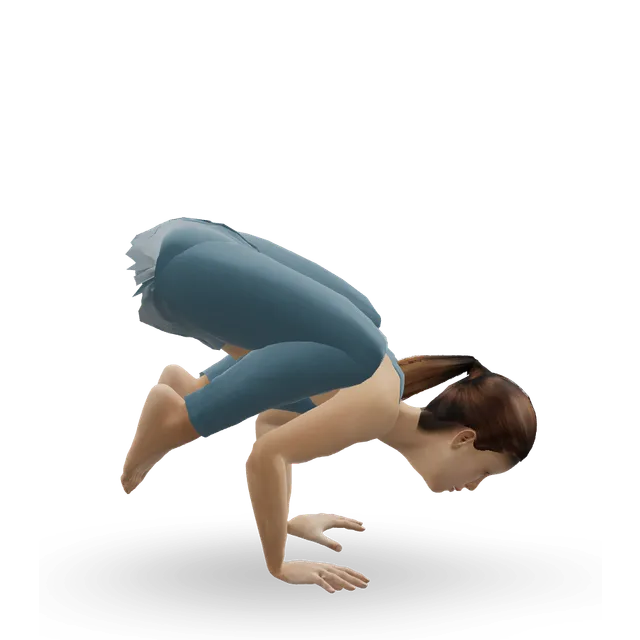 3D demoCrow pose (Bakasana)Intermediate · No equipment
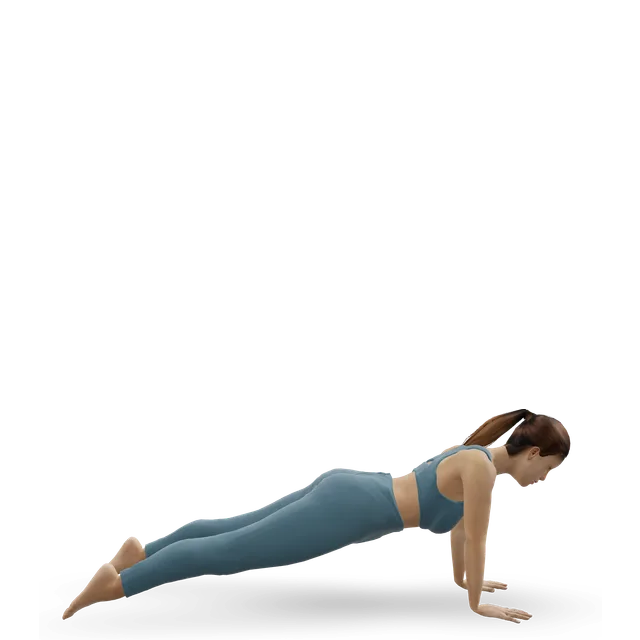 3D demoFour-limbed staff pose (Chaturanga Dandasana)Advanced · No equipment
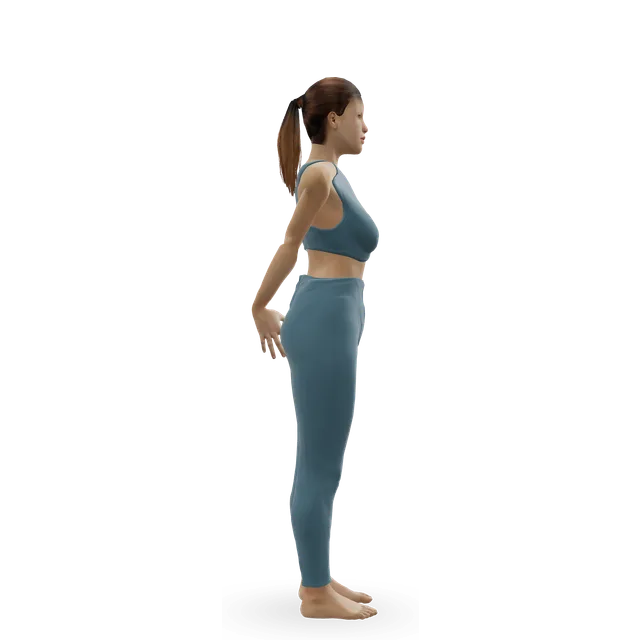 3D demoStanding biceps stretchBeginner · No equipment
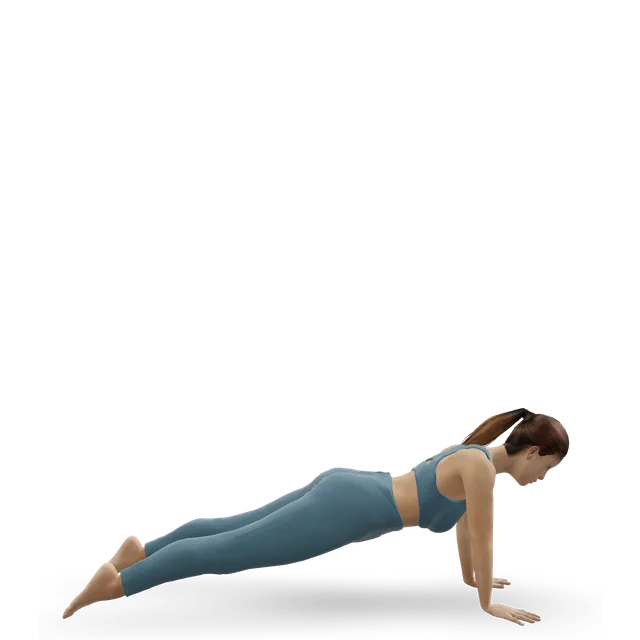 3D demoUpward-facing dog (Urdhva Mukha Svanasana)Intermediate · No equipment
Browse more
Questions people ask
What muscles does the Elbow bend and straighten (elbow range of motion) work?
Mainly the biceps and triceps, with help from the forearms.
What equipment do I need for the Elbow bend and straighten (elbow range of motion)?
No equipment: your body weight and a little floor space.
Is the Elbow bend and straighten (elbow range of motion) good for beginners?
It is graded beginner, so it suits most people starting out. When it feels easy, try the Dumbbell biceps curl.
How do I make the Elbow bend and straighten (elbow range of motion) harder?
Progress to the Dumbbell biceps curl, or add load, range or slower lowering once your form is solid.